
Understanding syllables Writing Worksheets for Ages 4-8
3 filtered results
Difficulty Level
Grade
Age
-
From - To
Subject
Activity
Standards
Unlock the excitement of language with our "Understanding Syllables Writing Worksheets" designed specifically for ages 4-8! These engaging and interactive worksheets help young learners grasp the concept of syllables, building a solid foundation for reading and writing. With fun activities like counting syllables in words, matching pictures to syllables, and creating their own syllable-based words, children will enhance their phonemic awareness while having a blast. Perfect for classroom use or at-home learning, these worksheets cater to various skill levels, ensuring that every child can join in the fun. Prepare your little ones for academic success with these essential literacy resources!
Favorites
With answer key
Interactive
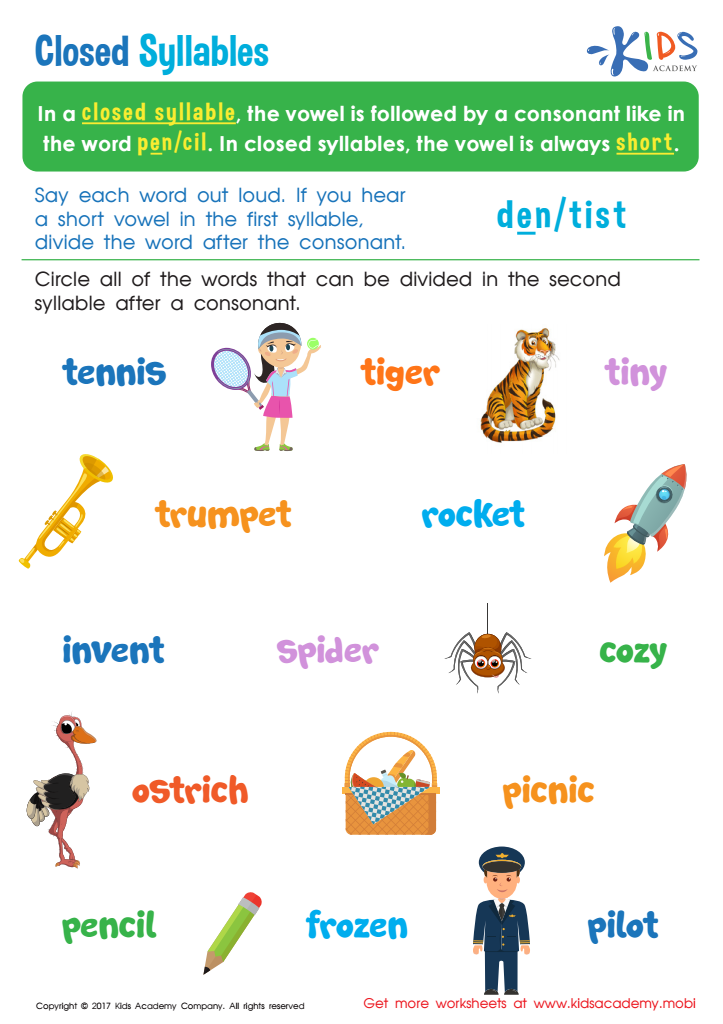
Closed Syllable Spelling Worksheet
Learning syllables can be tough, but we can make it easier! Look for long and short vowel sounds to identify closed syllables. This worksheet can help 3rd graders do just that, with its fun and colorful design.
 Assign to My Students
Closed Syllable Spelling Worksheet
Worksheet
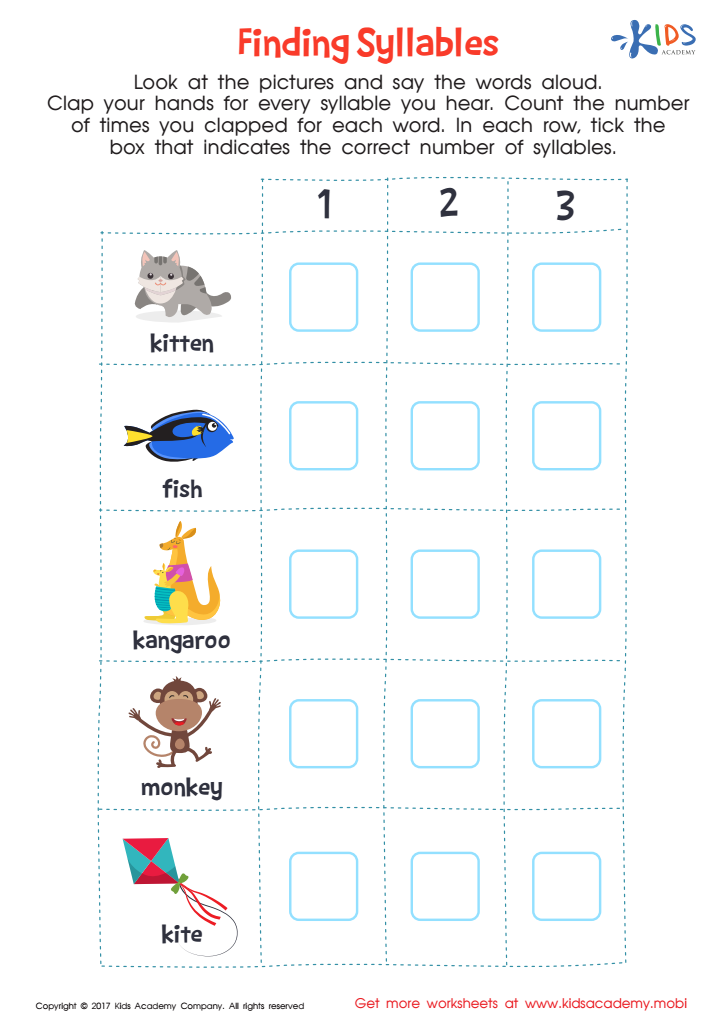
Finding Syllables Word Structure Worksheet
Have your kid clap and count syllables in words to improve their reading and spelling! Use this word structure worksheet for a fun activity - syllables!
Finding Syllables Word Structure Worksheet
Worksheet
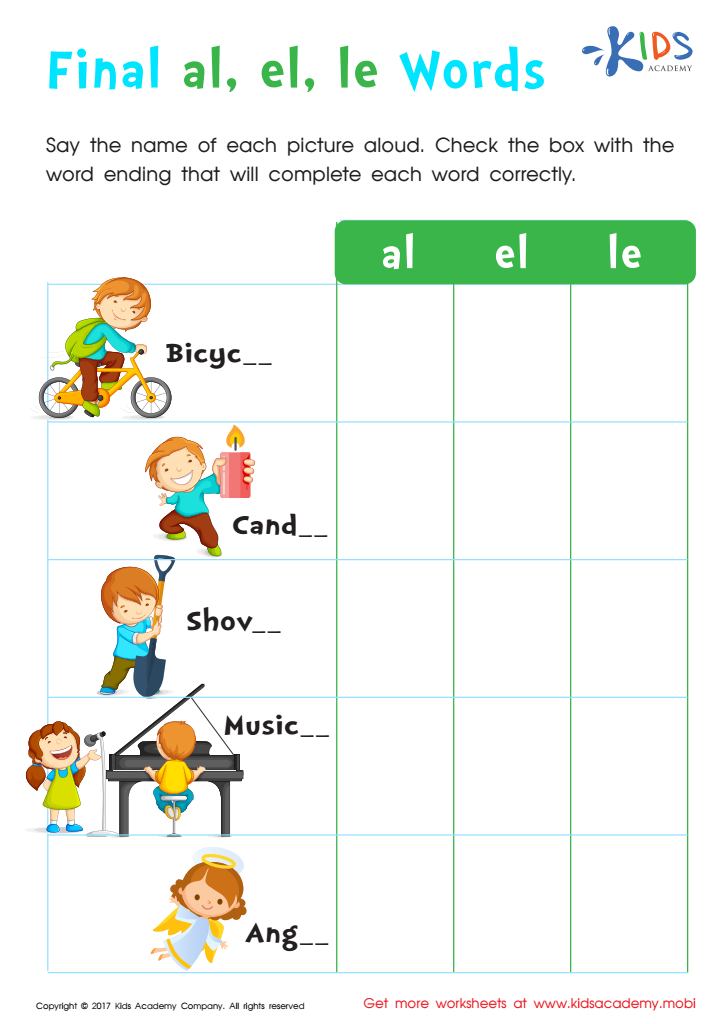
Spelling Words Ending with –le, –el and –al Worksheet
Spelling tricky words with the same ending sounds can be fun with this worksheet! Kids learn to spell -le, -el, and -al words while enjoying colorful pictures. It's a great way to refine their usage of tricky word endings.
Spelling Words Ending with –le, –el and –al Worksheet
Worksheet
Join Kids Academy for Free
Who is primarily going to use this learning content?



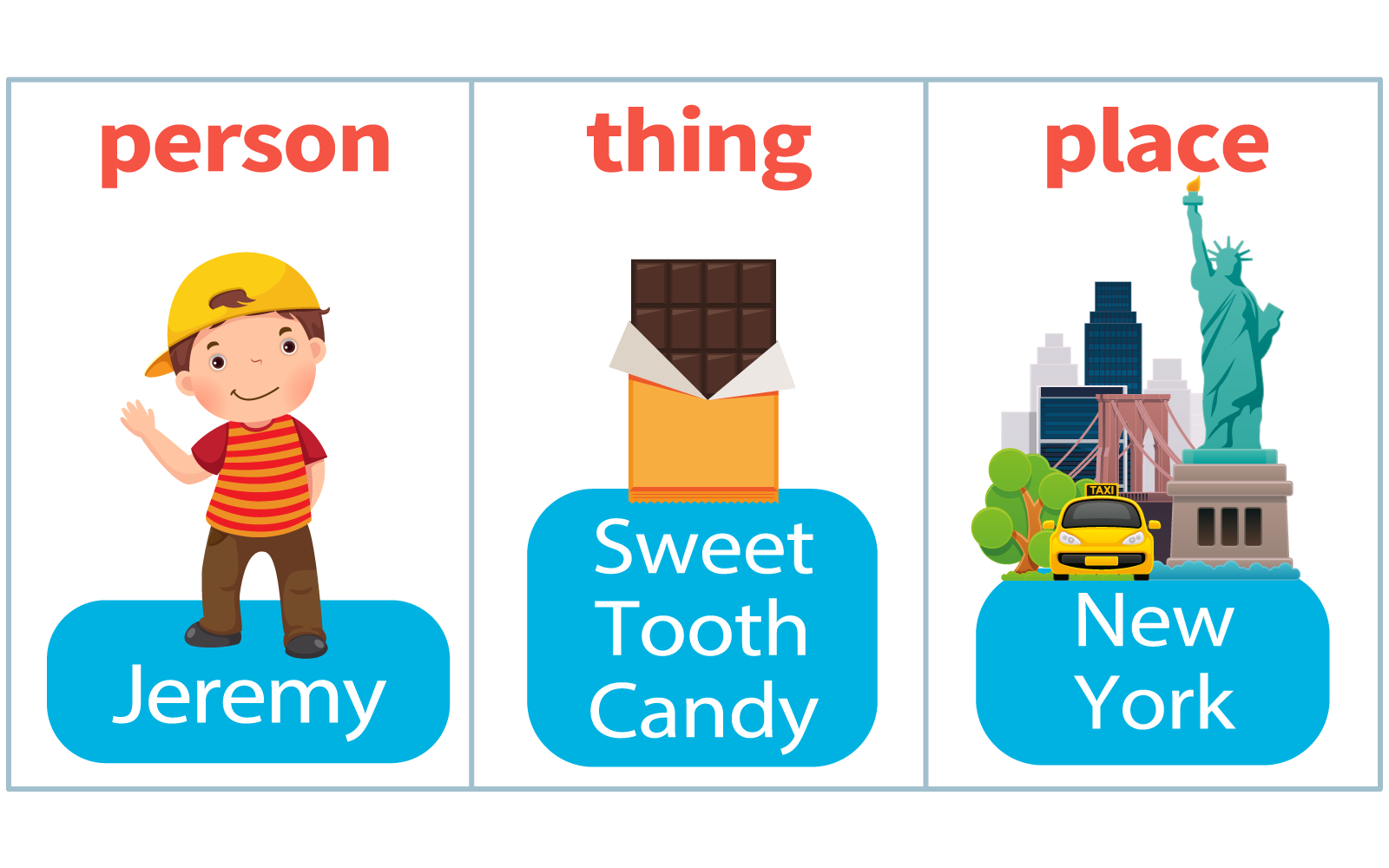




Understanding syllables is crucial for children aged 4-8 as it forms a foundational aspect of literacy development. By breaking words into manageable parts, syllabication fundamentally enhances reading and writing skills. When children grasp syllables, they learn to decode unfamiliar words more easily, improving their reading fluency and comprehension. This skill enables them to sound out words and recognize patterns, laying the groundwork for more complex literacy skills as they progress.
Moreover, writing involves not only spelling but also structuring words correctly. Knowing syllables assists young learners in segmenting words, which aids in their spelling and enhances their ability to construct sentences effectively. This knowledge fosters confidence in their writing abilities.
For parents and teachers, understanding syllables can also fuel enthusiasm for learning. Engaging in playful activities such as clapping out syllables during songs or games can make learning enjoyable. Additionally, the ability to identify and work with syllables fosters phonemic awareness, ensuring children are well-prepared for reading challenges ahead. Therefore, by focusing on syllables, educators and parents equip children with essential skills that are vital for success in reading, writing, and overall academic achievement.








