Hand-eye Coordination ABC Letters Worksheets for Ages 4-9
8 filtered results
-
From - To
Enhance your child's hand-eye coordination with our engaging ABC Letters Worksheets, designed specifically for ages 4-9! These fun and interactive worksheets combine essential letter recognition with exciting hand-eye coordination activities. Each worksheet encourages children to trace, circle, and match letters, promoting fine motor skills while reinforcing their understanding of the alphabet. Ideal for preschool and early elementary learners, our worksheets make learning enjoyable and effective. Whether at home or in the classroom, these resources provide creative ways to support your child's developmental milestones. Download our hand-eye coordination ABC letters worksheets today and watch your child's confidence and skills flourish!
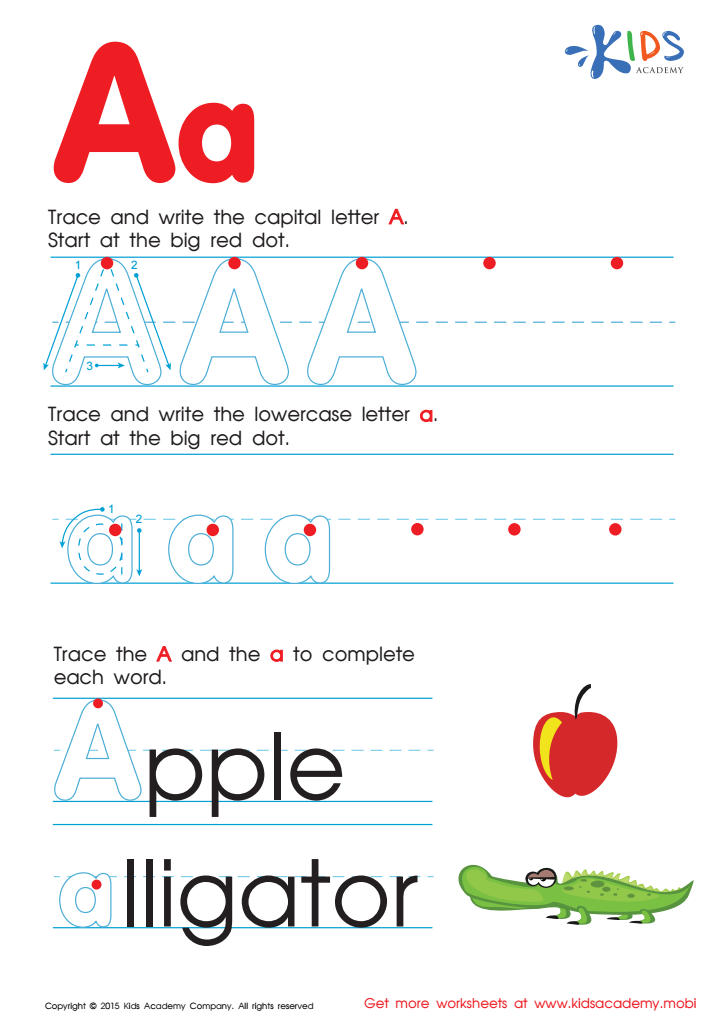
Letter A Tracing Page






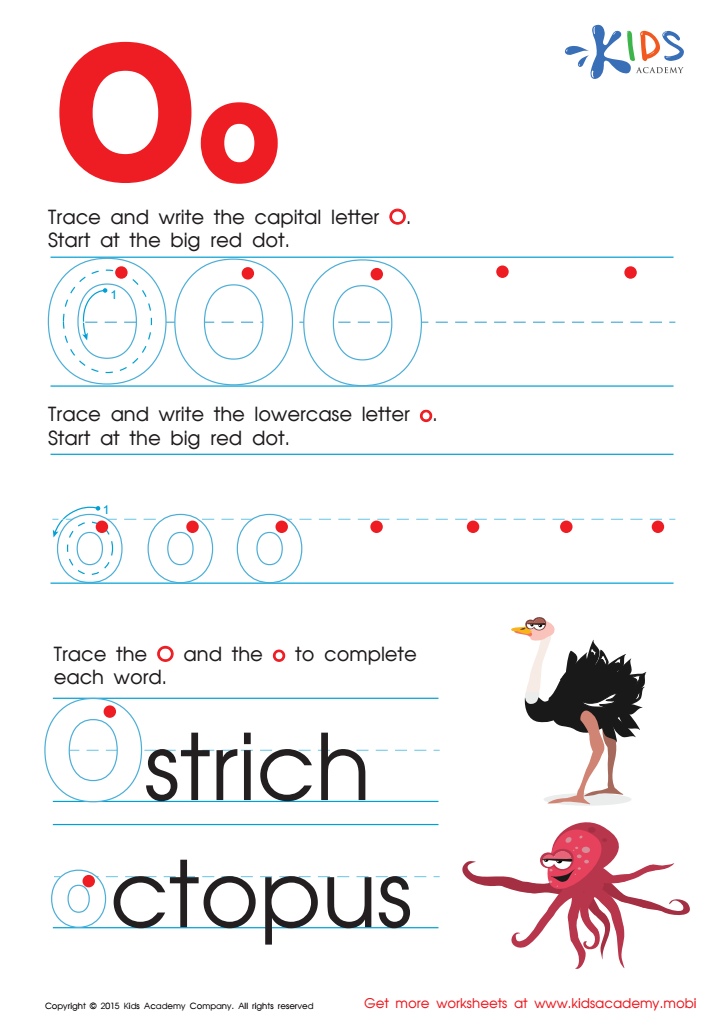
Letter O Tracing Page
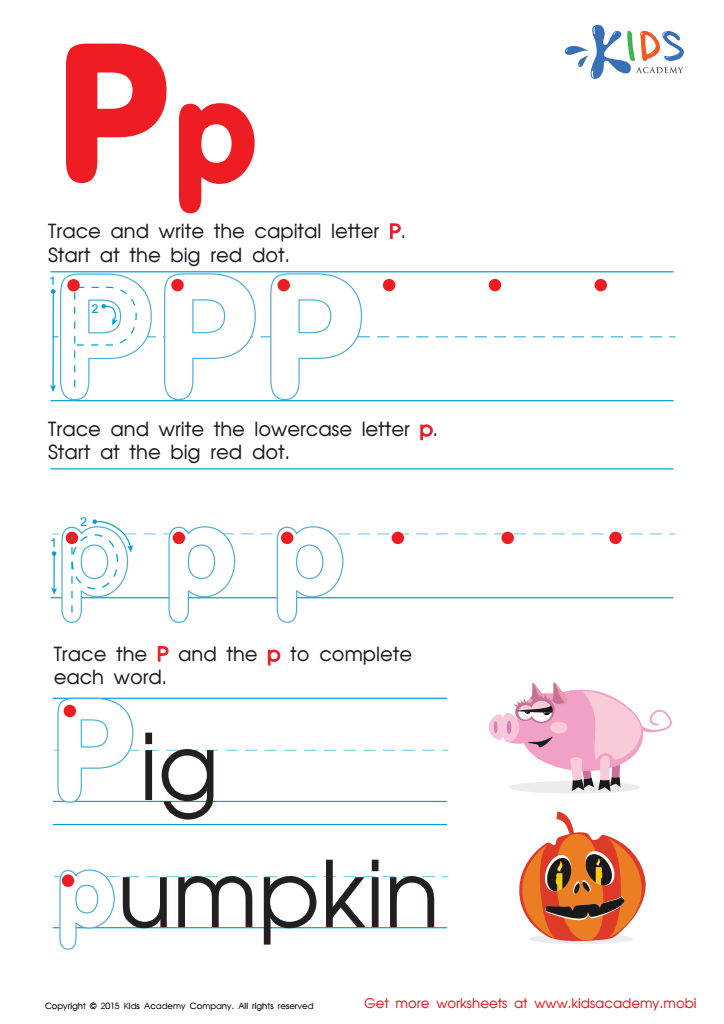
Letter P Tracing Page
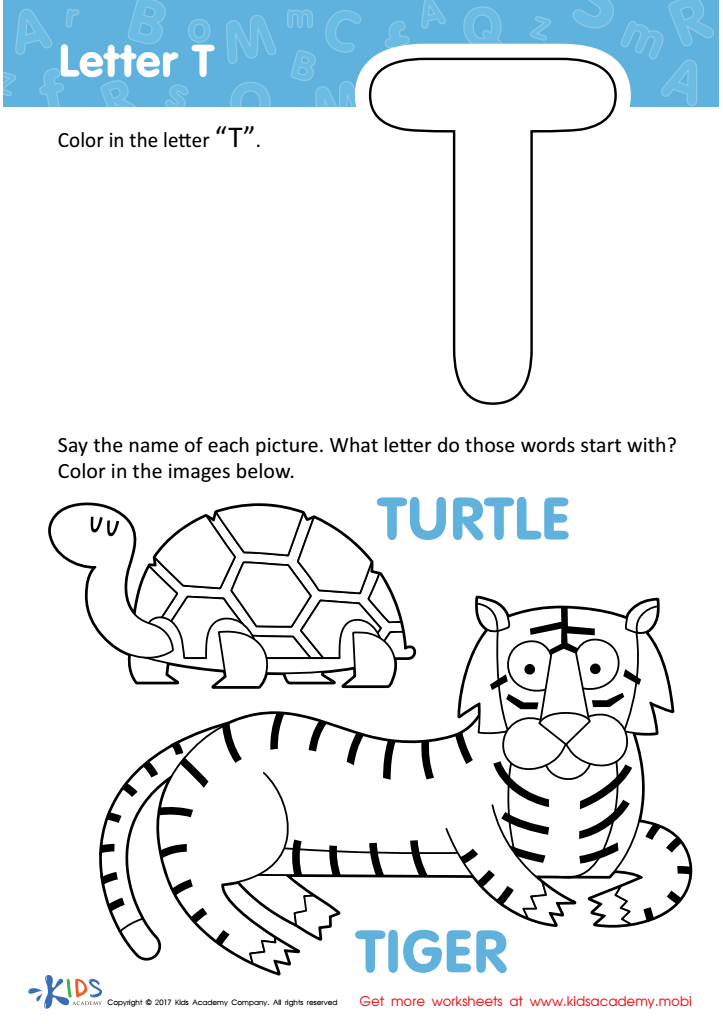
Letter T Coloring Sheet
 Assign to My Students

Letter H Tracing Page
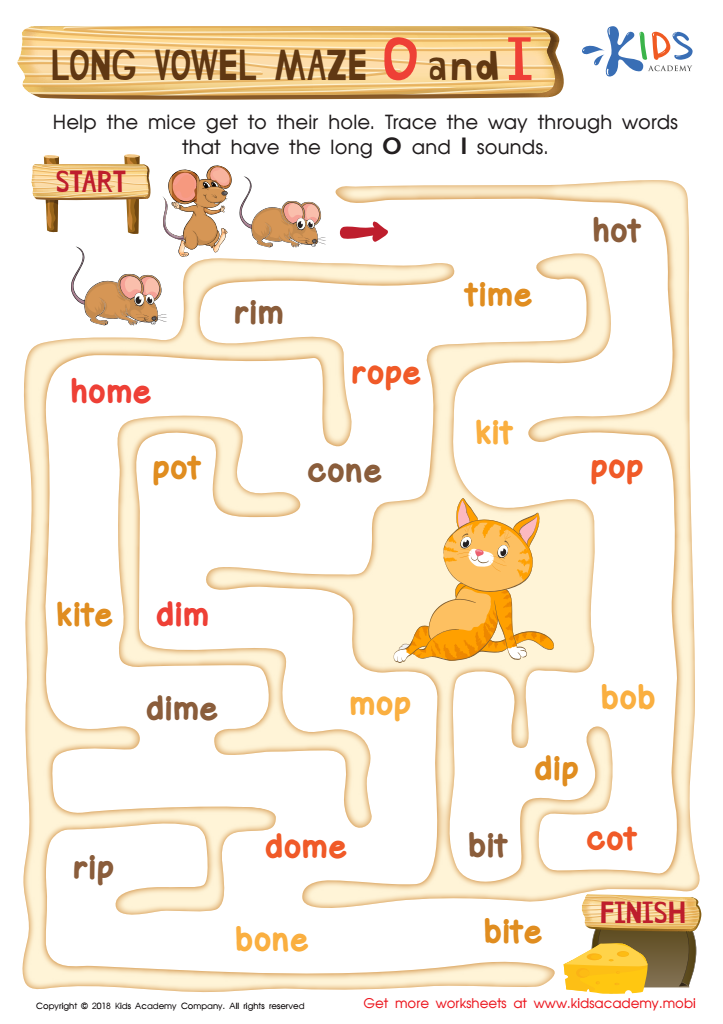
Long Vowel Maze /o/ and /i/ Worksheet
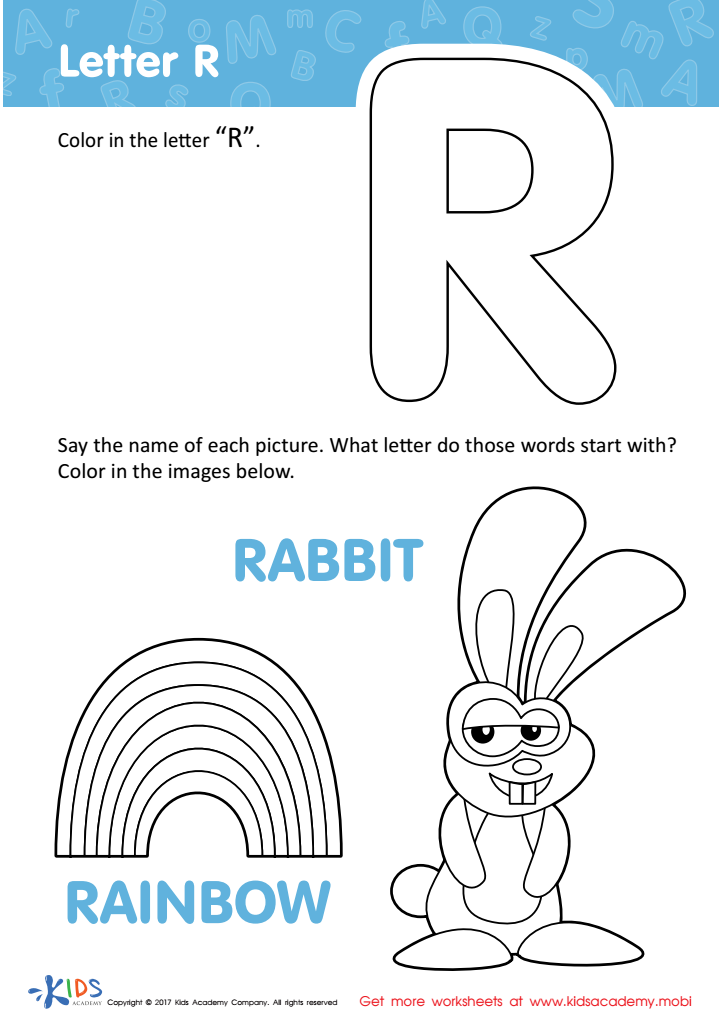
Letter R Coloring Sheet
Assign to My Students
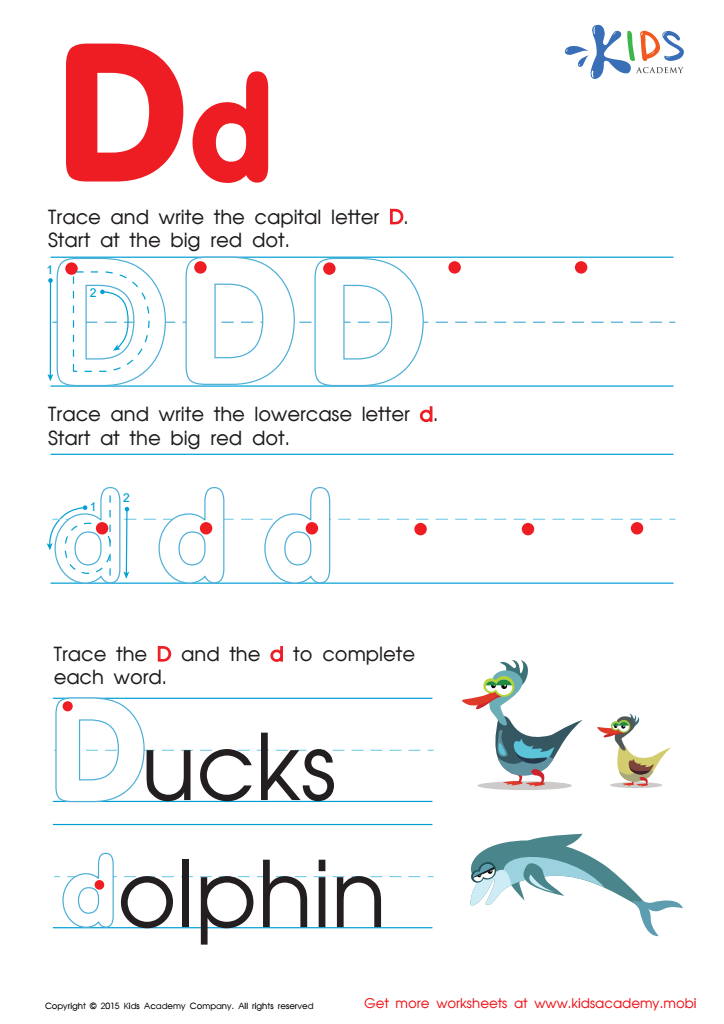
Letter D Tracing Page







Hand-eye coordination is a crucial skill that significantly impacts a child's overall learning and development, particularly when it comes to recognizing and writing letters of the alphabet. For children aged 4-9, control over hand movements is essential for various daily tasks, including writing, drawing, and typing, which are foundational skills for their educational journey.
Understanding the ABC letters through activities that enhance hand-eye coordination helps children develop fine motor skills, crucial for handwriting. These activities can include tracing letters, playing with letter blocks, or engaging in arts and crafts that involve cutting and pasting. As children master these physical skills, they become more confident in their writing abilities and are better positioned for success in reading and spelling.
Moreover, hand-eye coordination is not just about writing; it also supports cognitive development. When parents and teachers focus on these activities, they are fostering a child's ability to focus, follow directions, and make connections between visual input and physical action. Consequently, investing effort into enhancing hand-eye coordination nurtures creativity, problem-solving skills, and a love for learning, setting the stage for a positive academic experience. Thus, it is paramount for parents and teachers to prioritize these developmental aspects in early childhood education.







