Handwriting improvement Alphabet Worksheets for Ages 4-9
9 filtered results
-
From - To
Enhance your child's handwriting skills with our engaging Handwriting Improvement Alphabet Worksheets designed for ages 4-9. These printable resources feature vibrant illustrations and clear guidelines to support young learners in mastering letter formation. Each worksheet offers a variety of exercises, including tracing, writing, and creative letter crafts that make learning fun and effective. Tailored to build confidence and improve fine motor skills, our alphabet worksheets foster a positive learning experience. Perfect for use at home or in the classroom, these resources are an essential tool for helping your child develop neat and legible handwriting while enjoying every moment of practice!
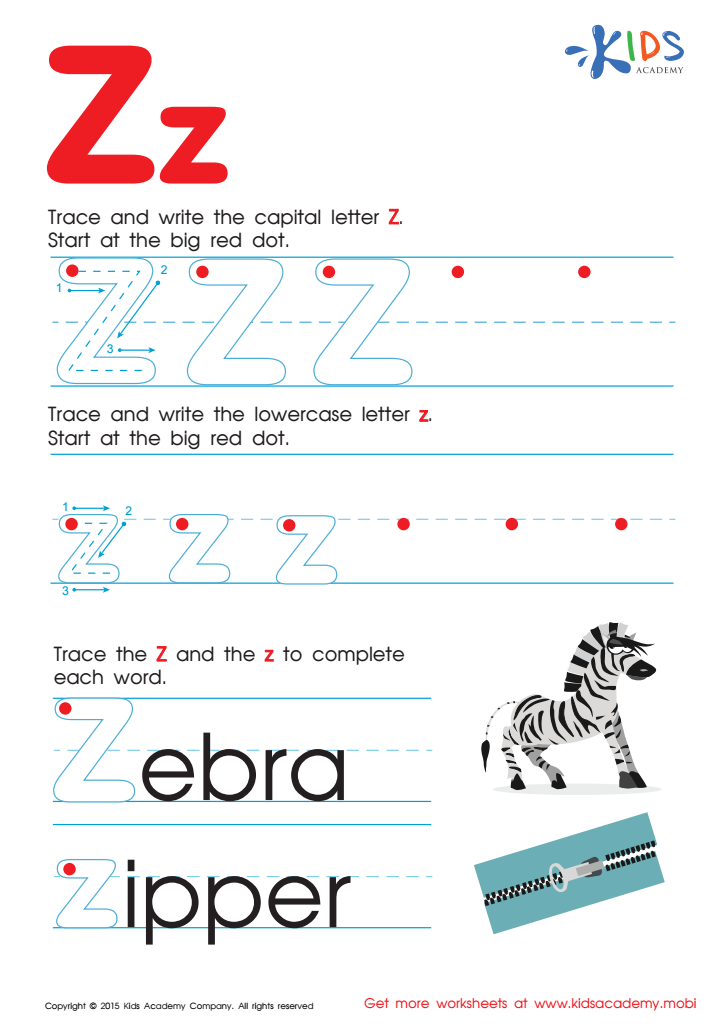
Letter Z Tracing Page
 Assign to My Students
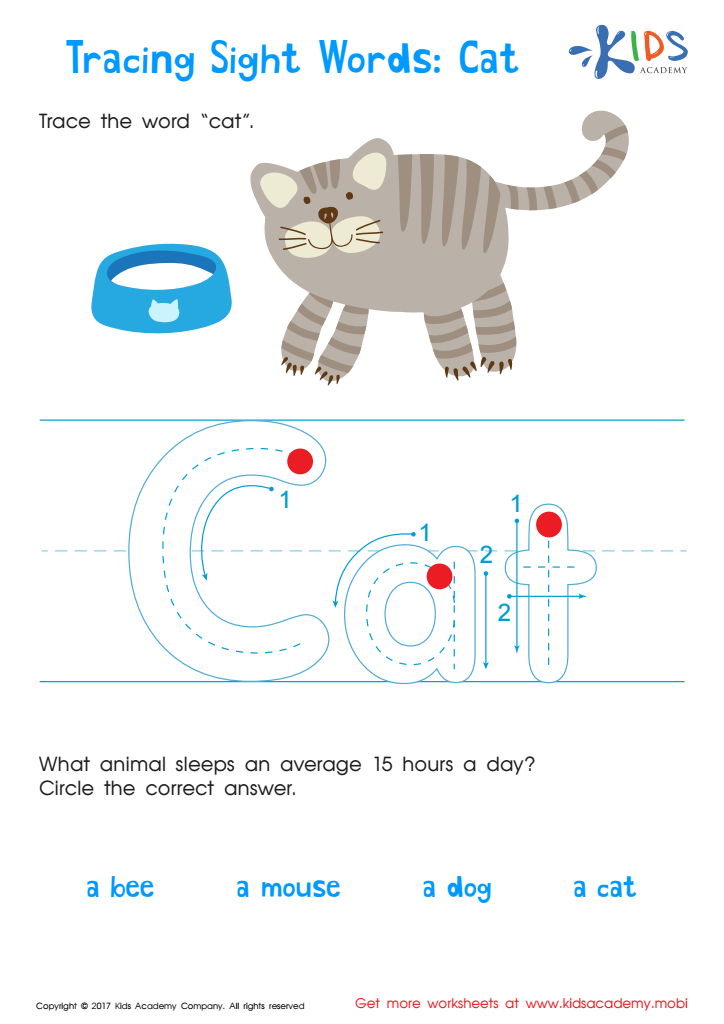
Cat Printable Sight Words Worksheet
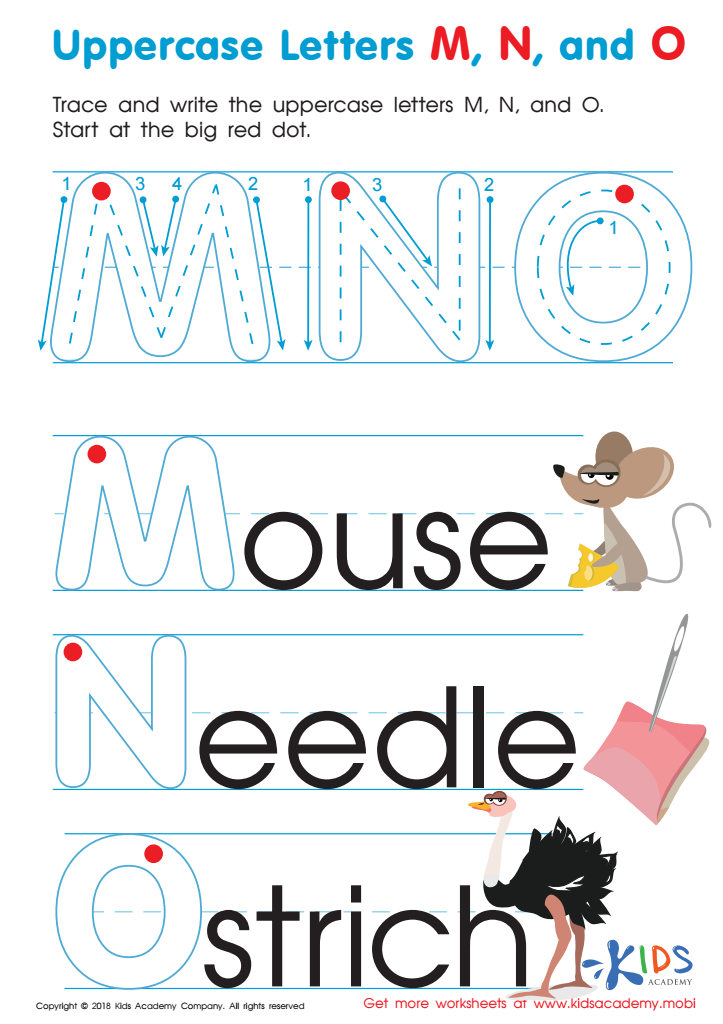
Uppercase Letters M, N, and O Worksheet
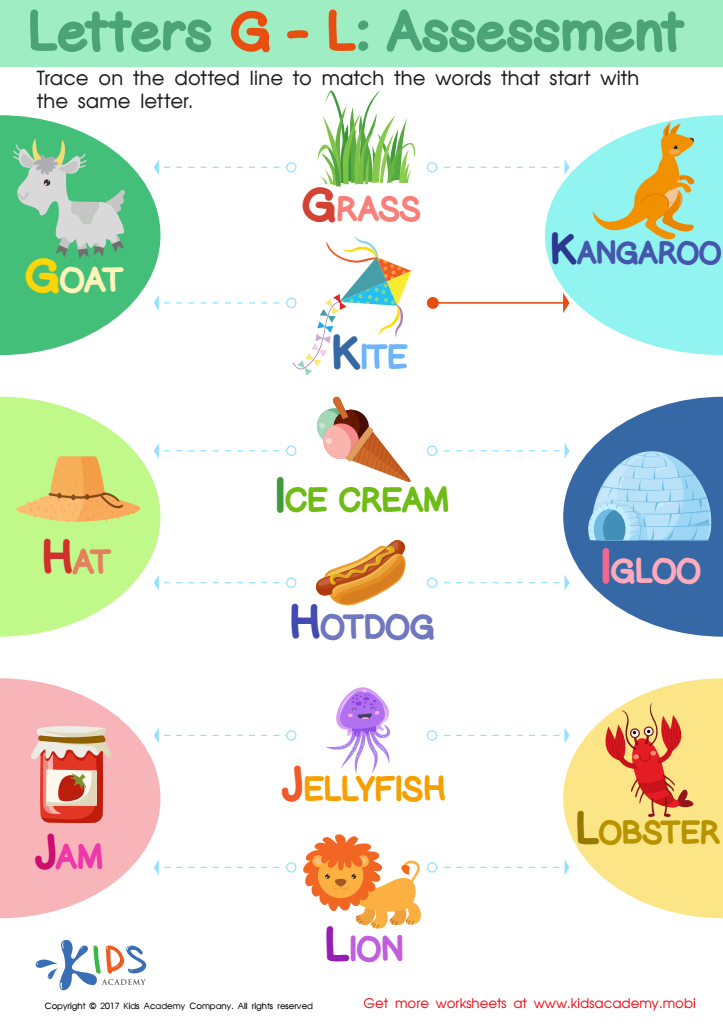
Letters G-L Worksheet
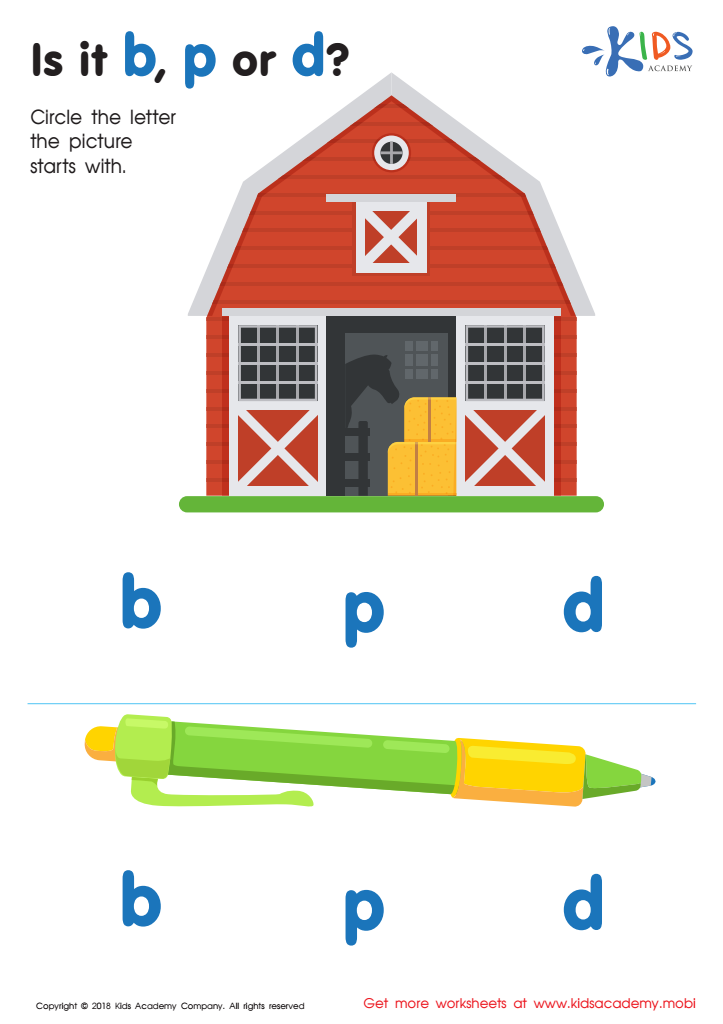
Is it b, p or d? Worksheet
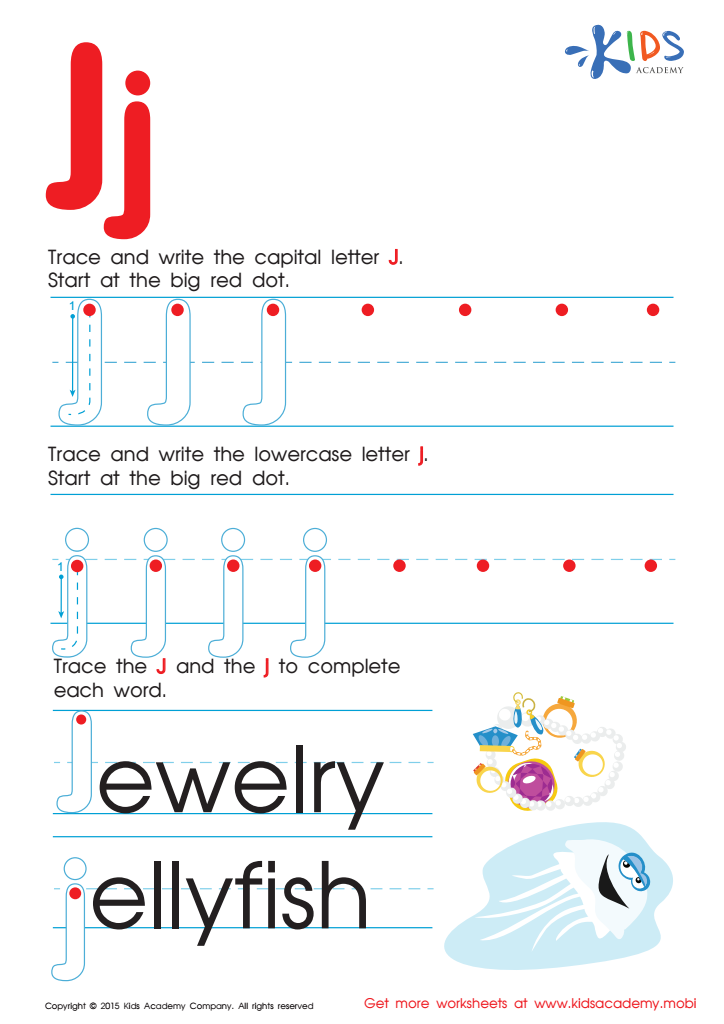
Letter J Tracing Page
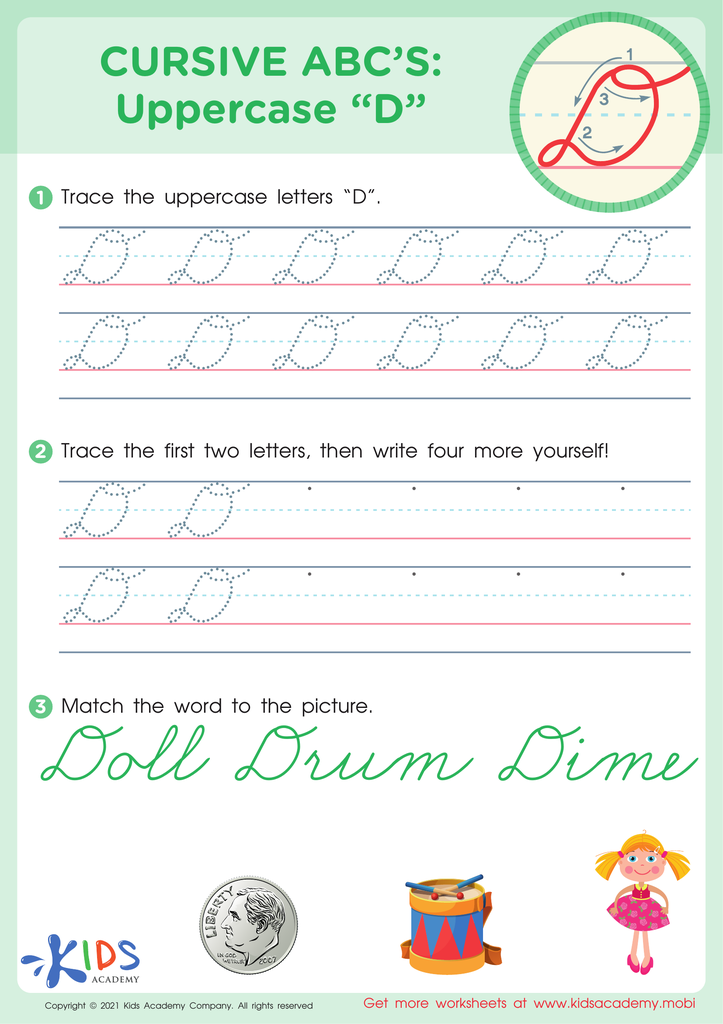
Cursive ABCs: Uppercase D
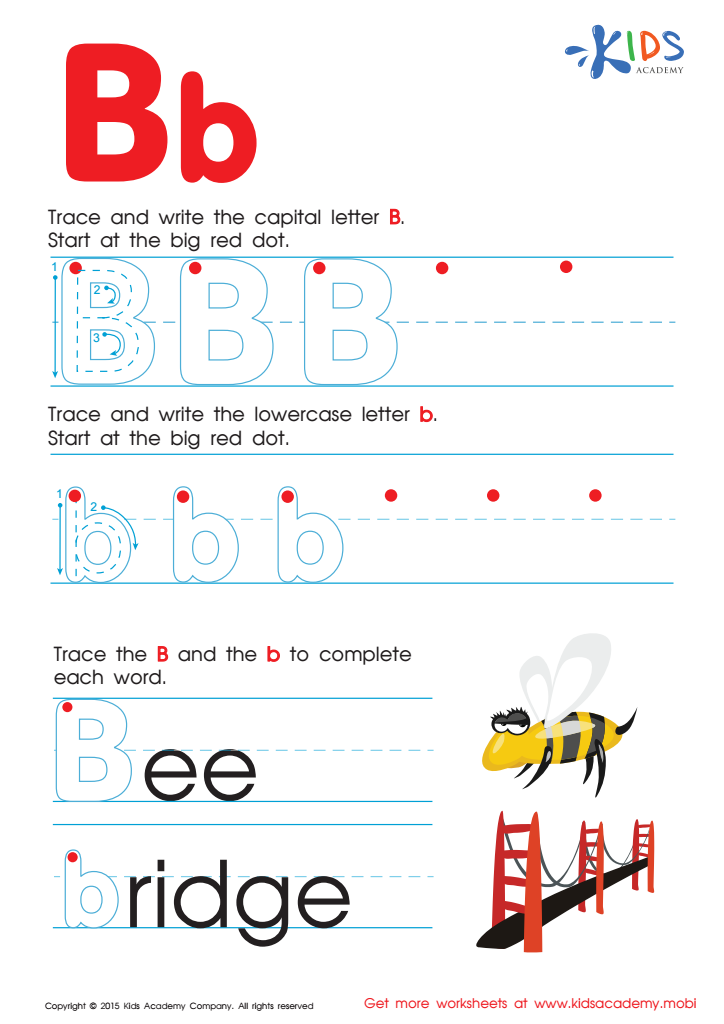
Letter B Tracing Page
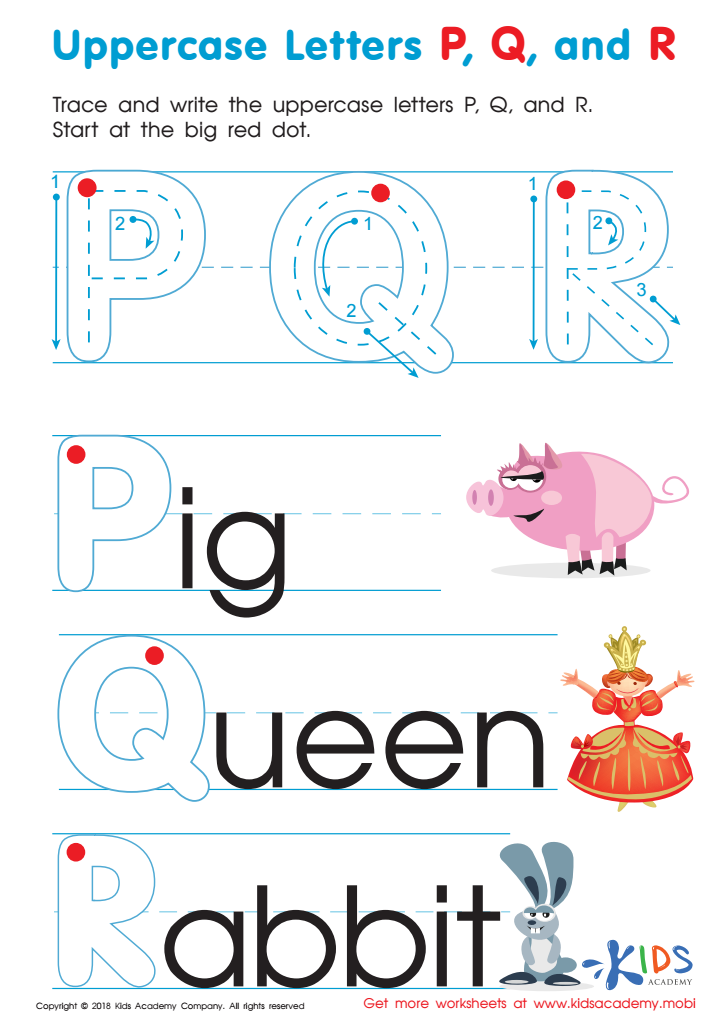
Uppercase Letters P, Q, and R Worksheet








Handwriting improvement is crucial for children ages 4-9, as it significantly impacts their overall academic success and self-esteem. During these formative years, children develop fine motor skills and cognitive connections that form the foundation for future learning. Legible handwriting enhances a child’s ability to communicate effectively on paper, allowing them to express their thoughts and ideas more clearly.
Furthermore, the process of writing by hand has been shown to reinforce learning across subjects. For instance, studies suggest that children who handwrite notes better retain information compared to those who type. When parents or teachers prioritize handwriting improvement, they are not just focusing on aesthetics but rather fostering essential skills that support reading and spelling development.
Additionally, legible handwriting helps reduce frustration and anxiety in young learners, allowing them to focus better on other aspects of learning. It serves as a building block for academic confidence: children who write well may feel more empowered to participate in classroom discussions and assignments.
Investing time in handwriting improvement nurtures a child's overall development, promotes a positive attitude toward learning, and lays the groundwork for effective communication skills essential for their lifelong success. Thus, both parents and teachers play vital roles in encouraging this critical skill.







