Reading comprehension Phonics Worksheets for Ages 4-9 - Page 4
91 filtered results
-
From - To
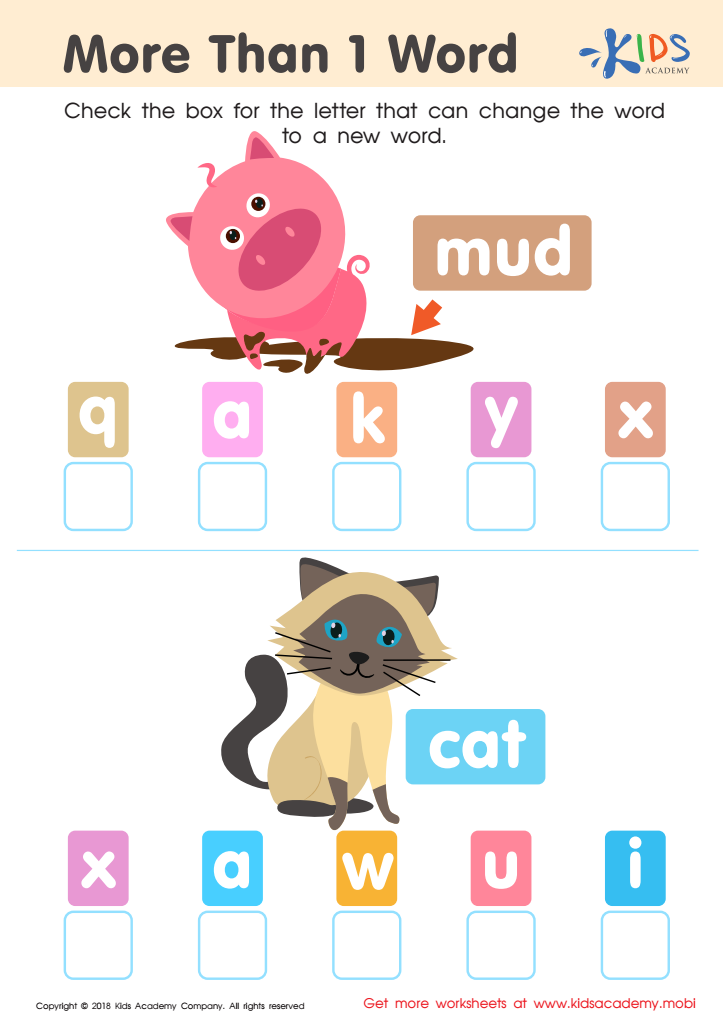
More than 1 word Worksheet
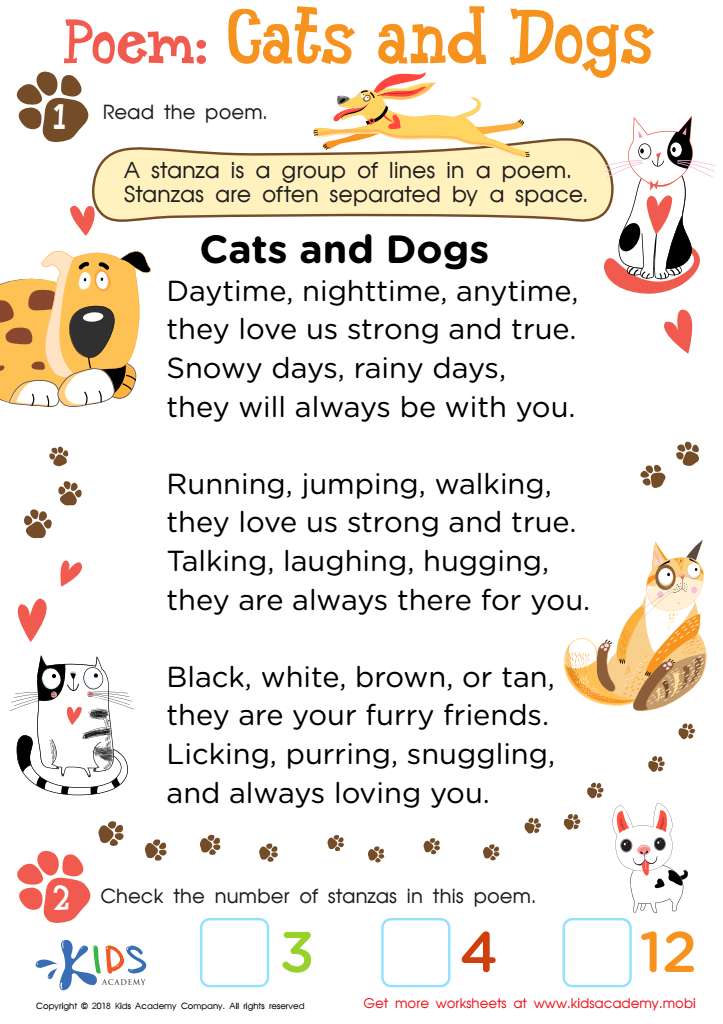
Poem: Cats and Dogs Worksheet
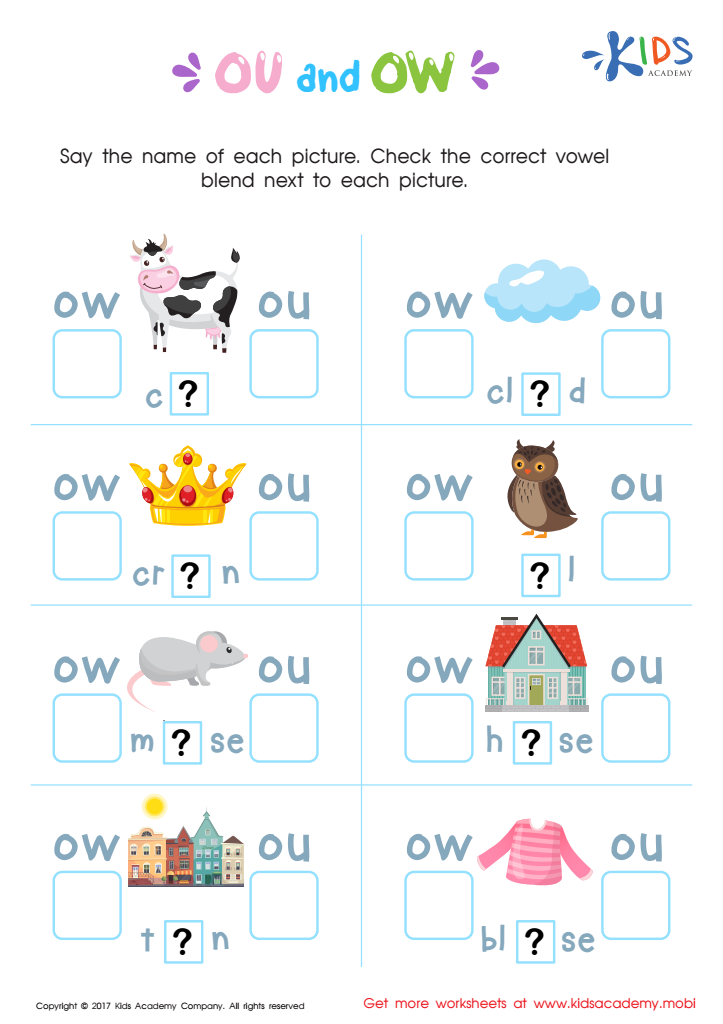
OU and OW Words Worksheet
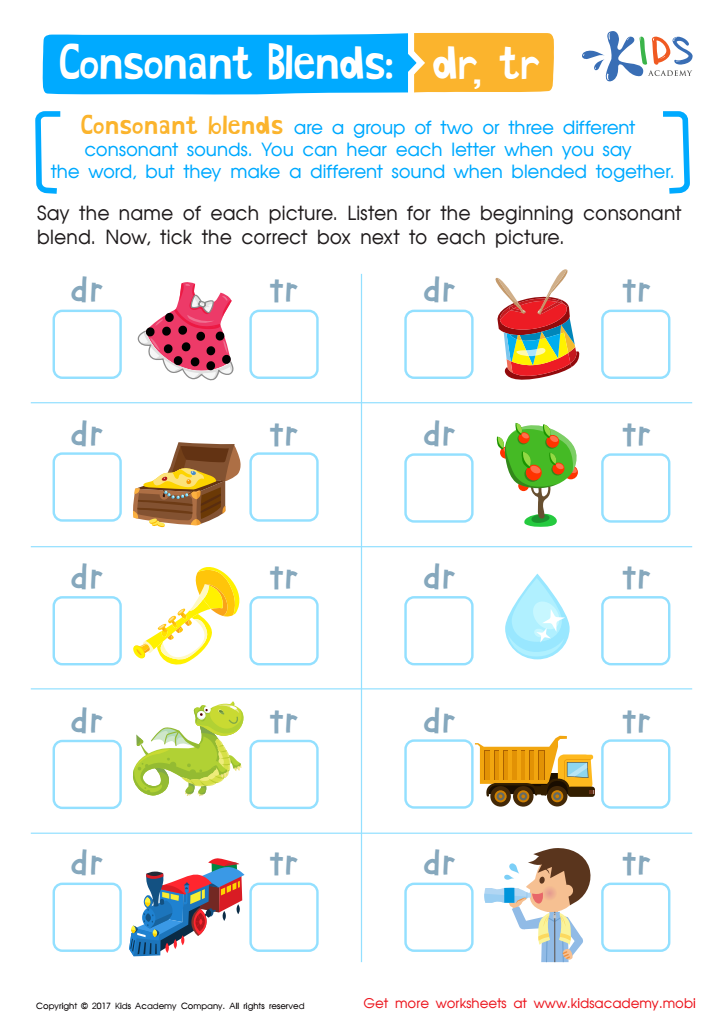
Consonant Blends: "Dr" and "Tr" Printable
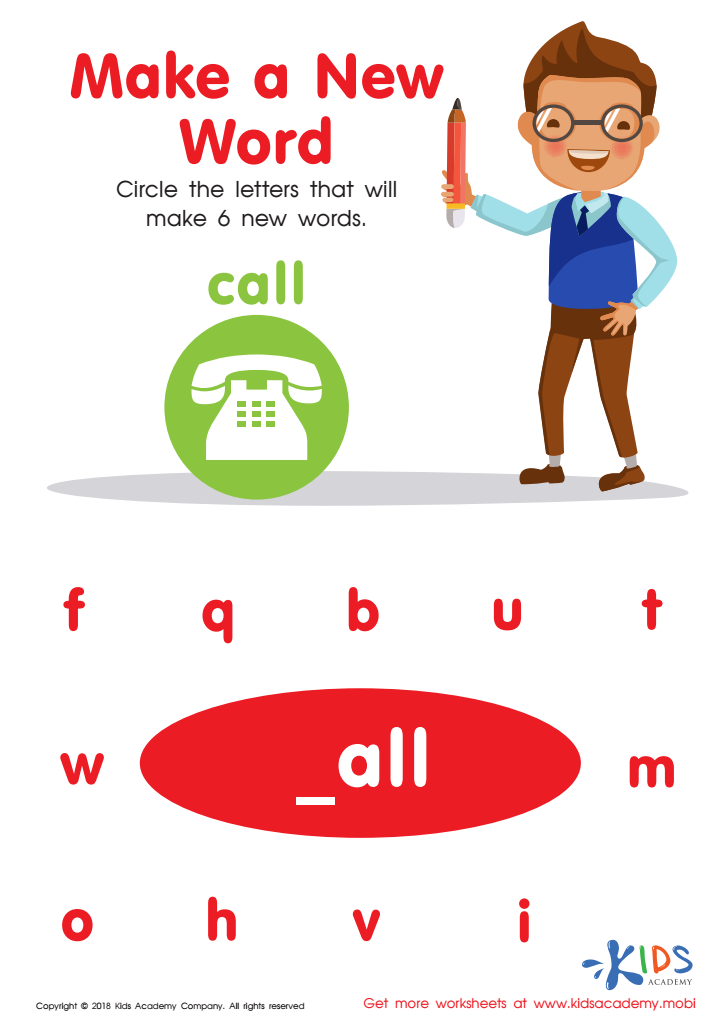
Make a New Word Worksheet
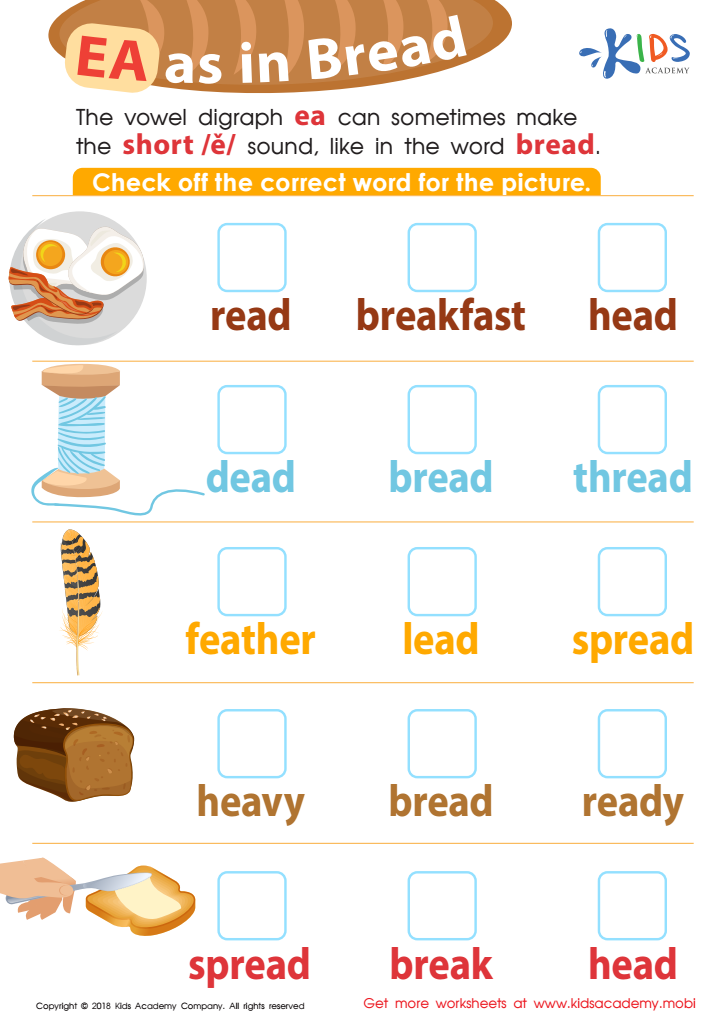
Reading: EA as in Bread Worksheet
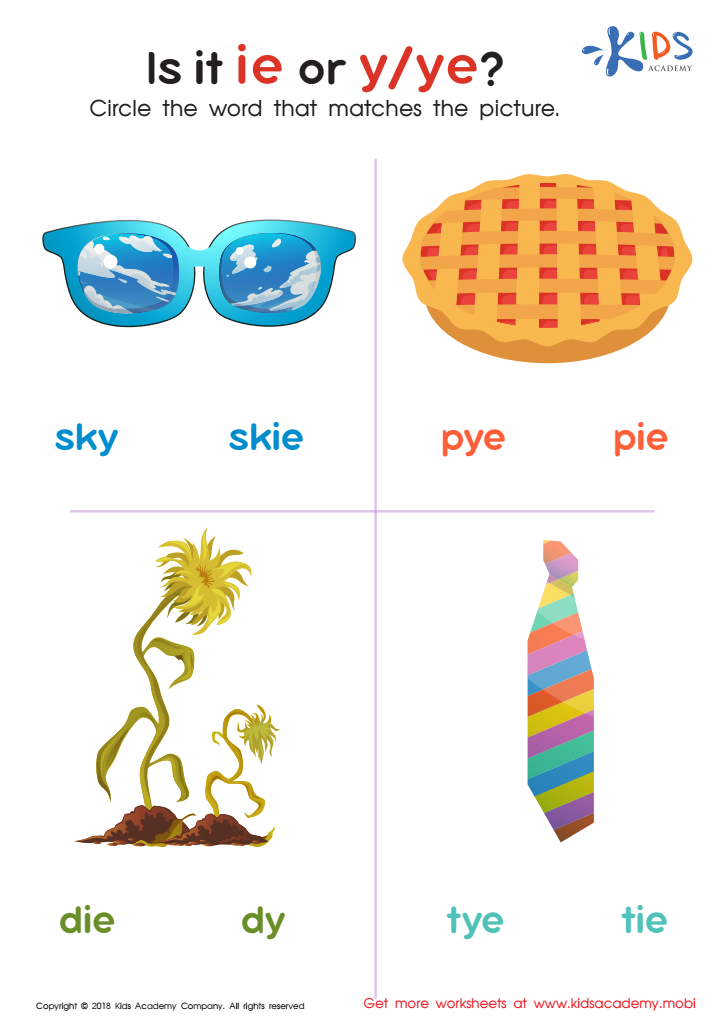
Is It IE or Y/Ye? Worksheet
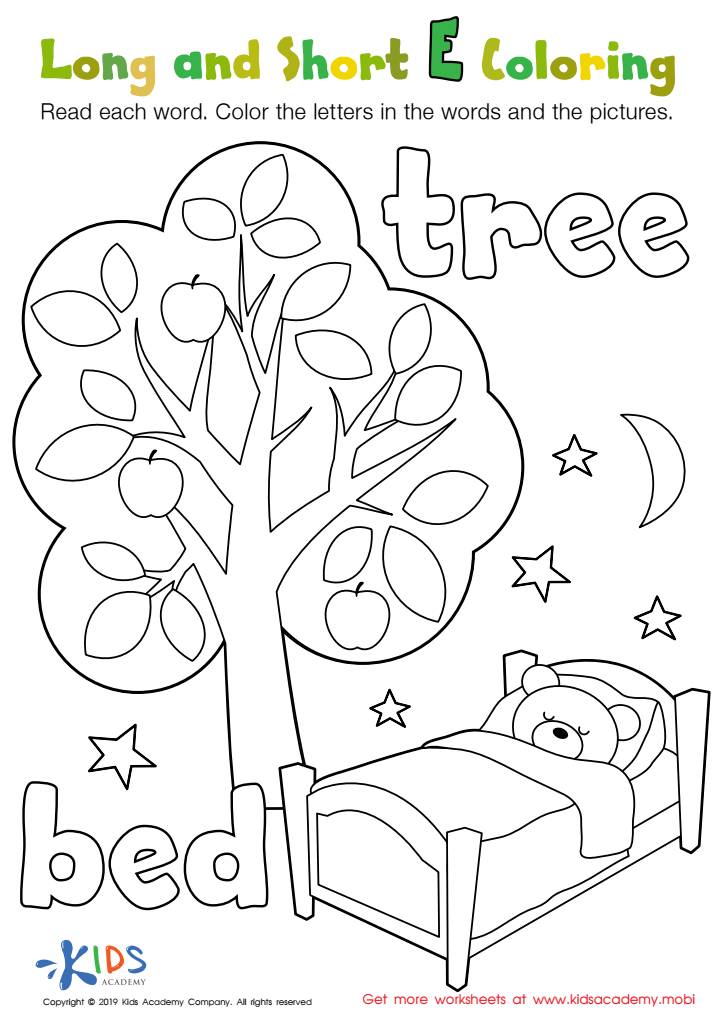
Long and Short E Worksheet
 Assign to My Students
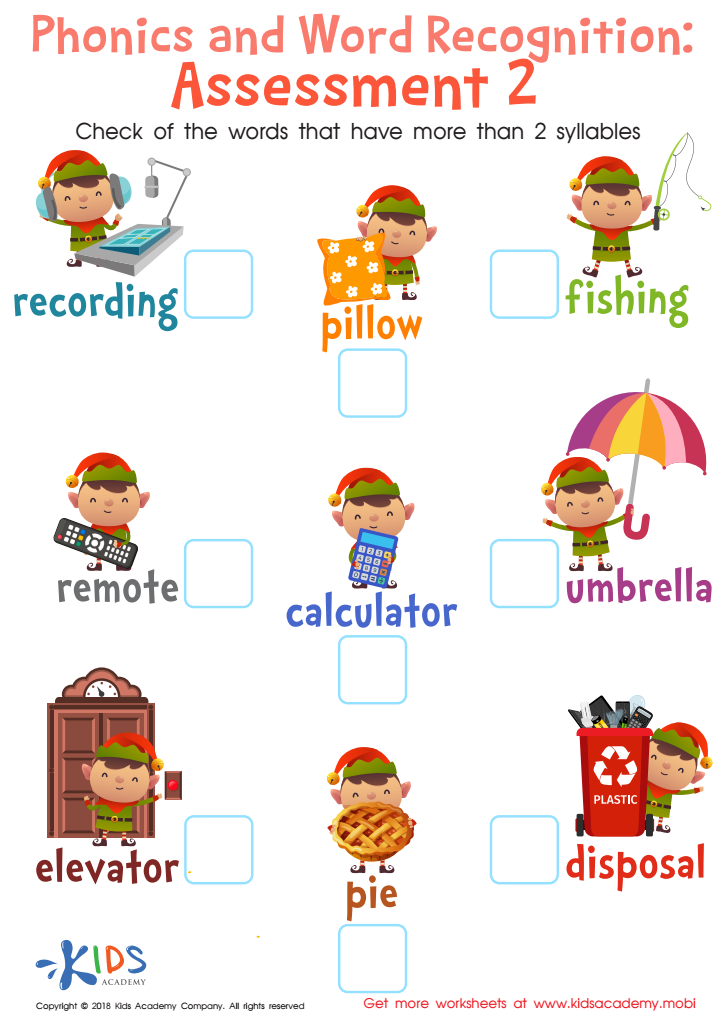
Phonics and Word Recognition: Assessment 2 Worksheet
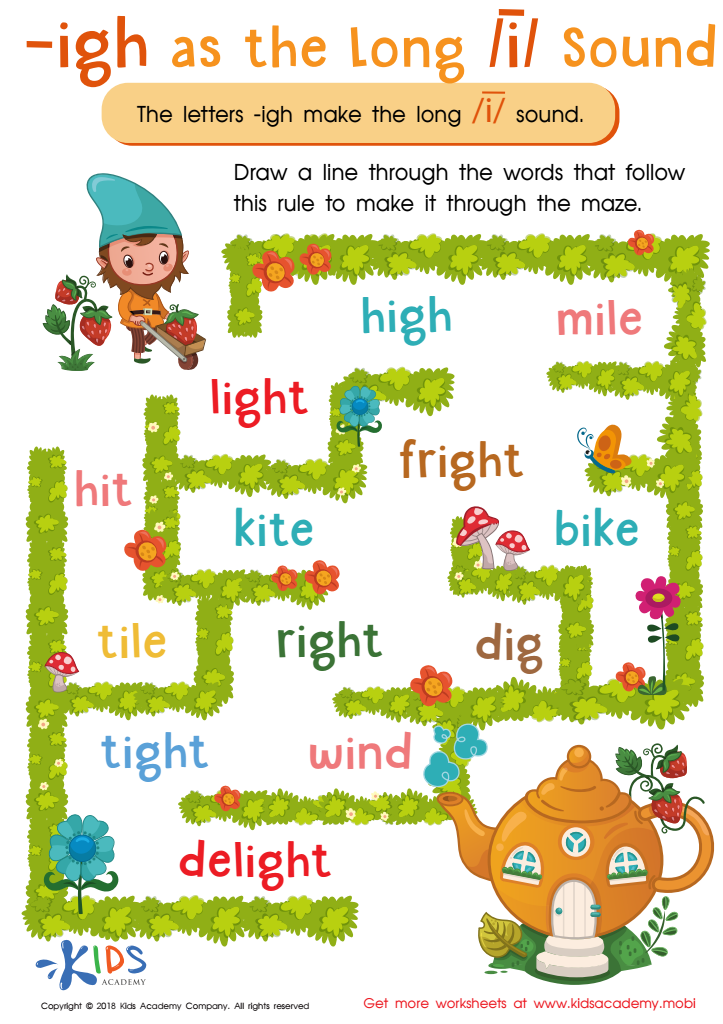
Reading: IGH as Long I Worksheet
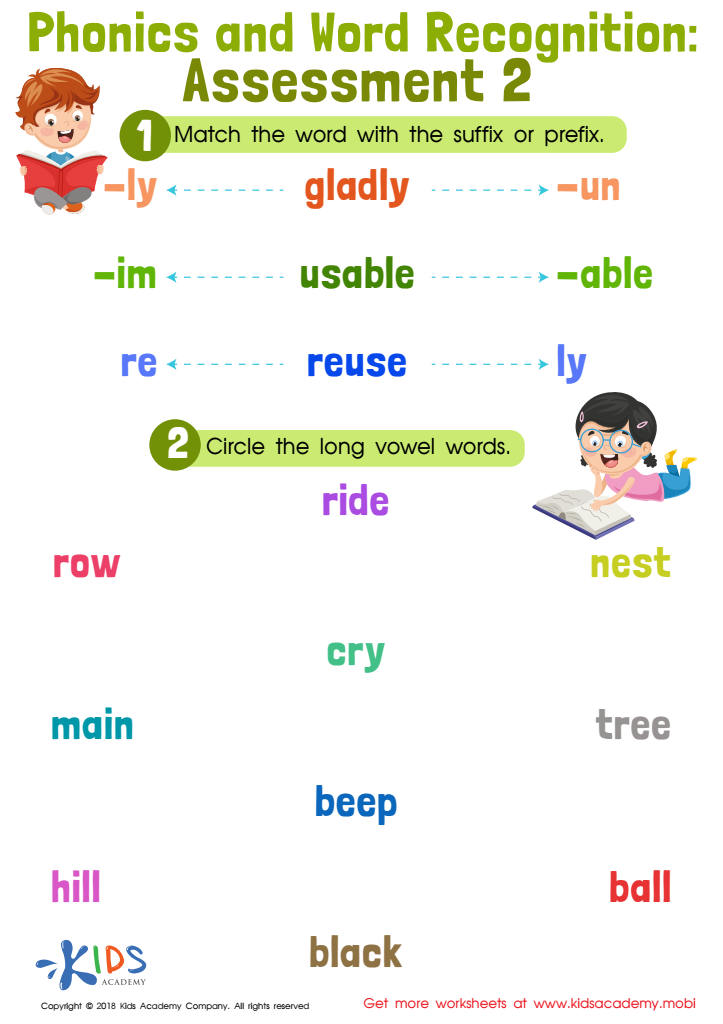
Phonics and Word Recognition: Assessment 2
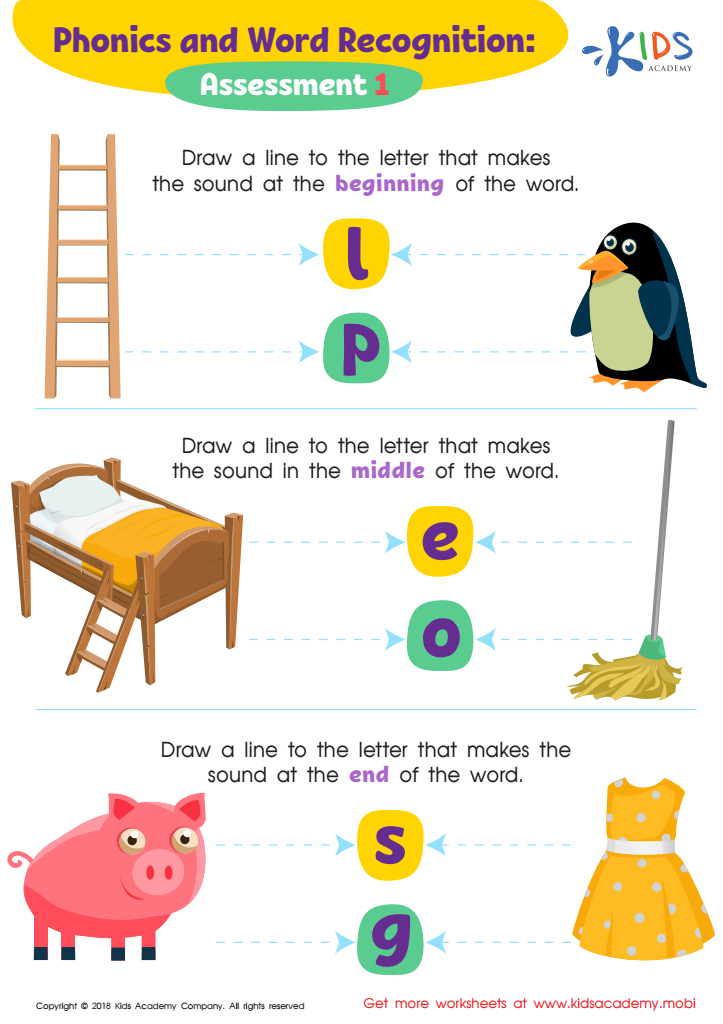
Phonics and Word Recognition: Assessment 1 ELA Worksheet
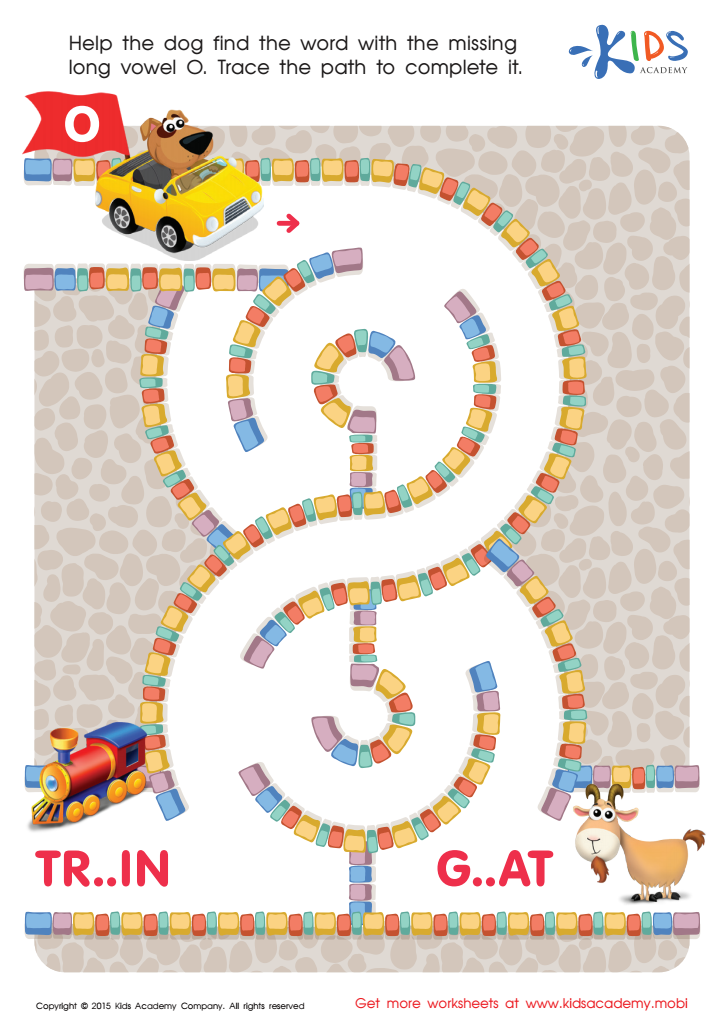
Long Vowel Sound O Worksheet
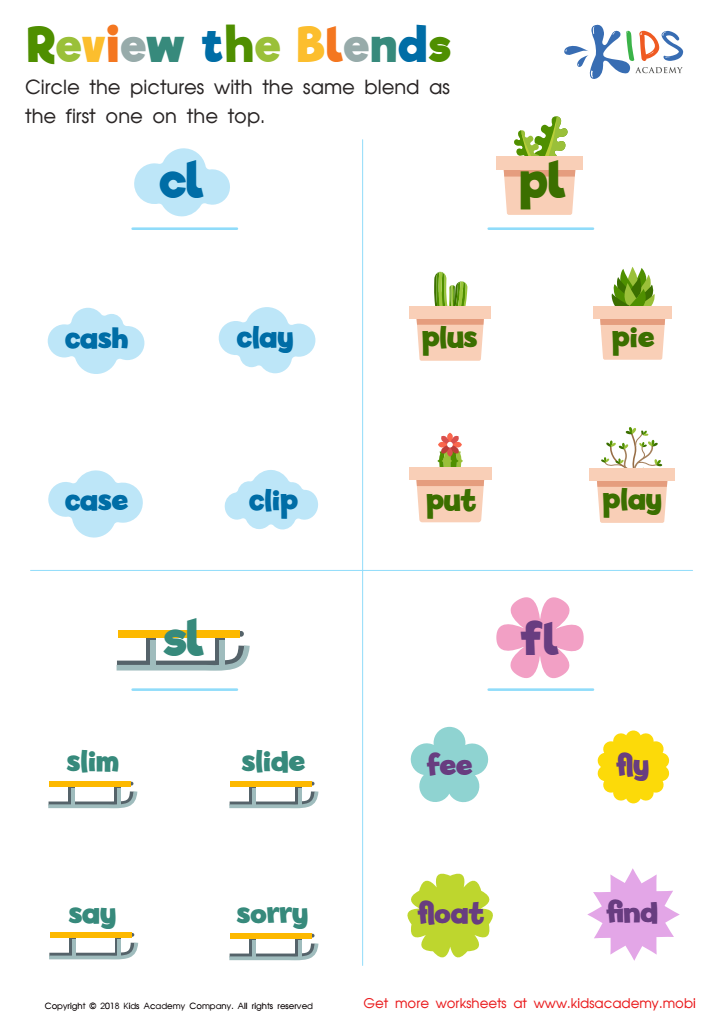
Review the Blends Worksheet
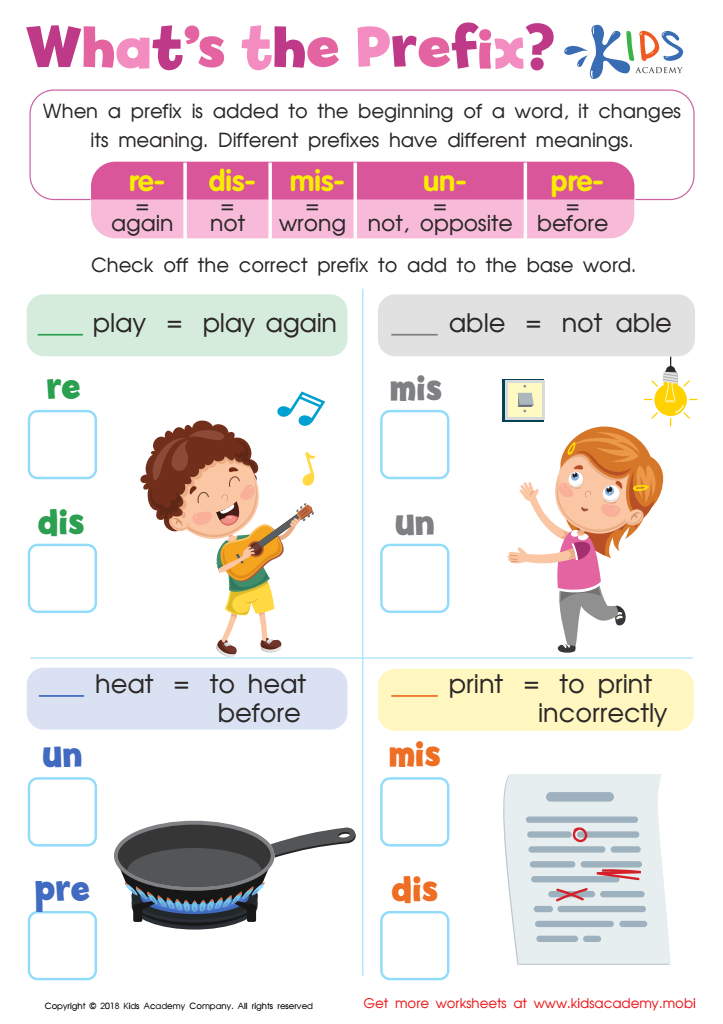
Reading: What Is the Prefix Worksheet
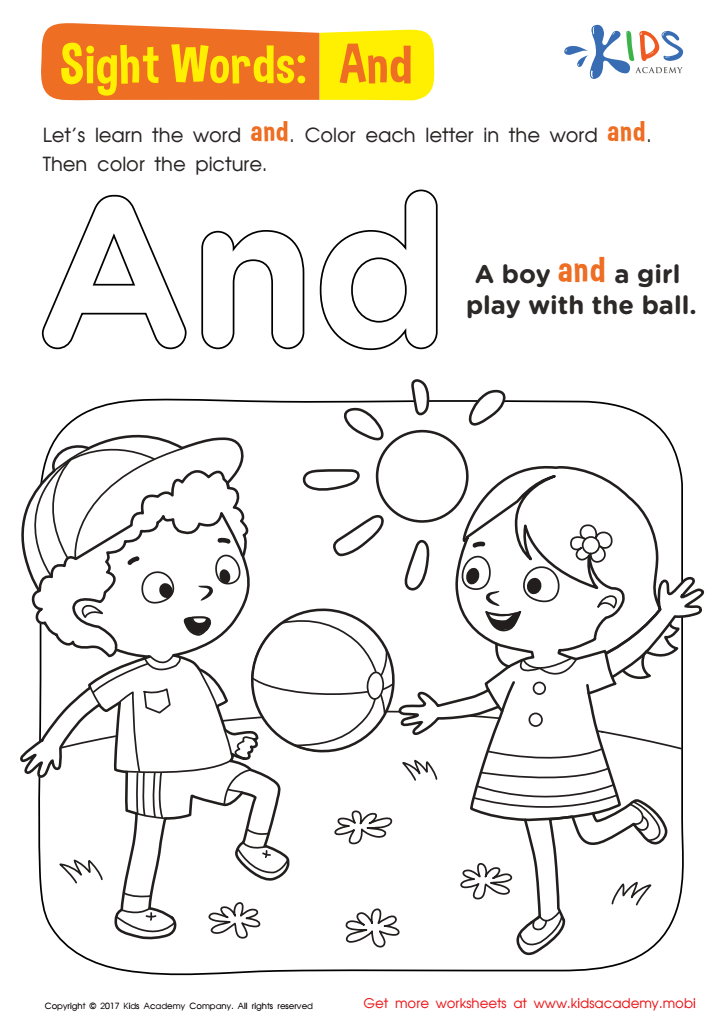
And Worksheet Sight Words Worksheet
Assign to My Students
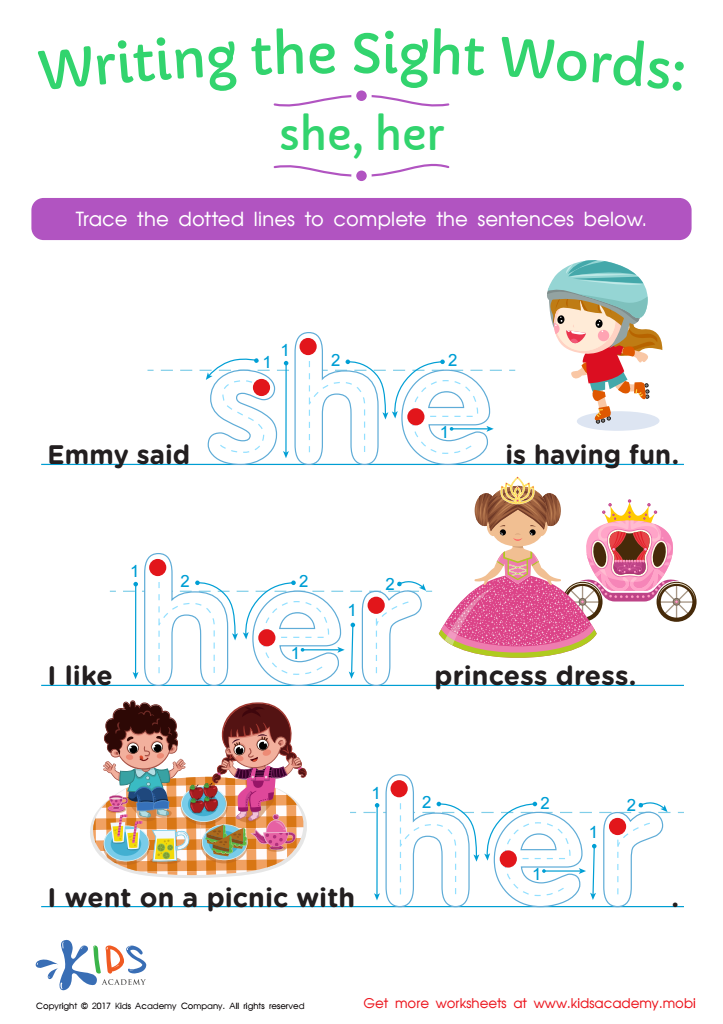
She, Her Printable Sight Words Worksheet
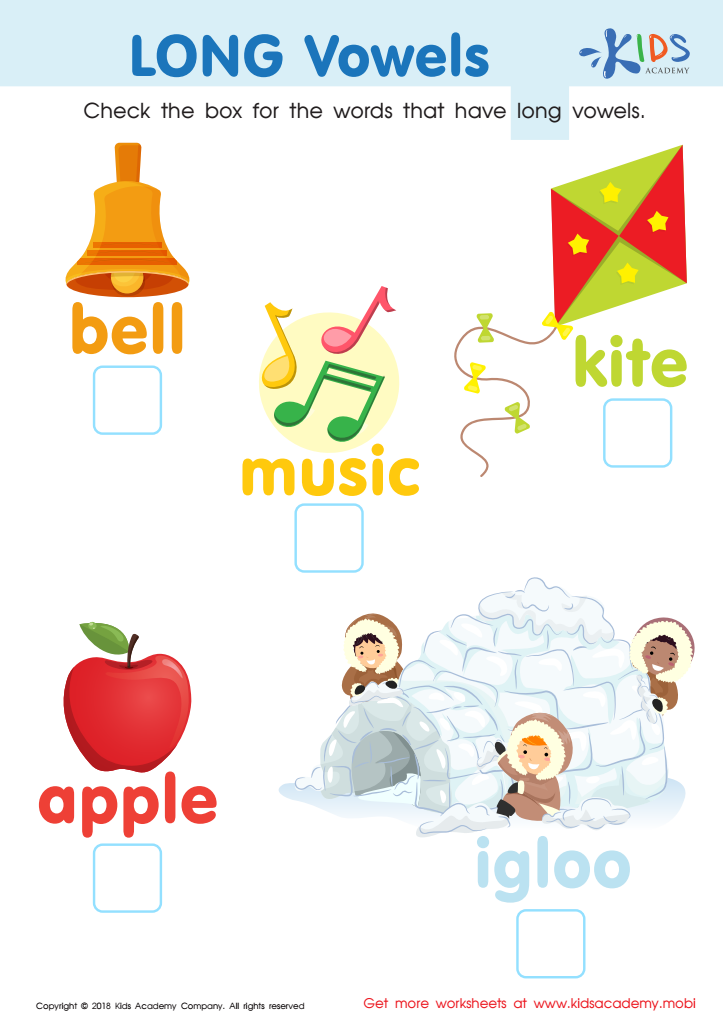
long vowels Worksheet
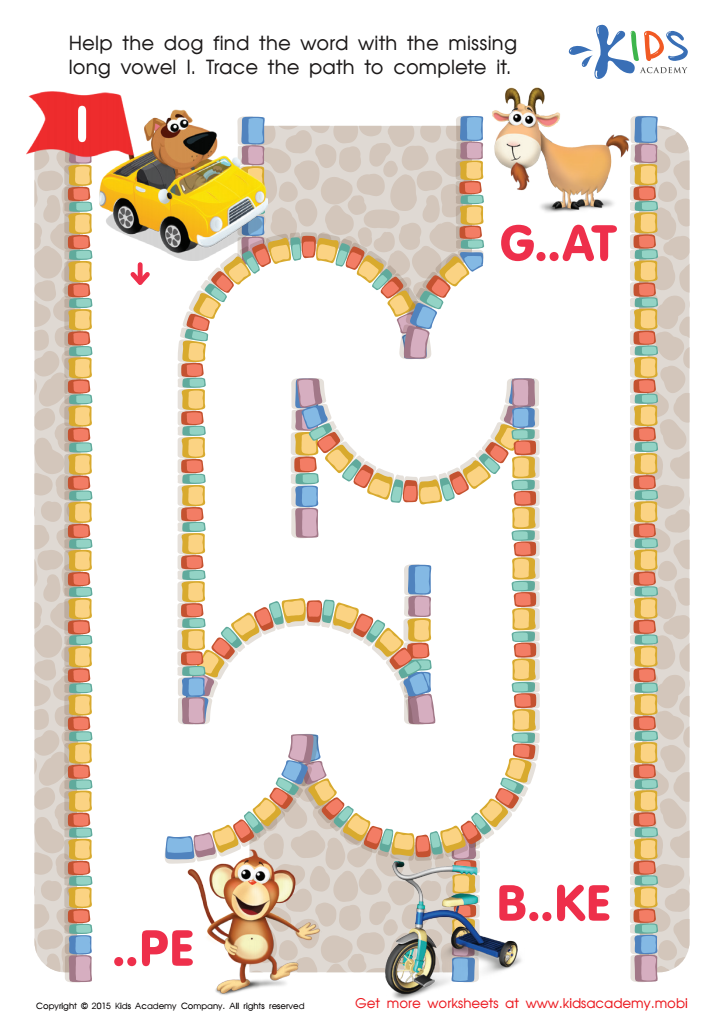
Long Vowel Sound I Worksheet








Reading comprehension and phonics are fundamental building blocks in a child's educational journey, particularly for ages 4-9. During these formative years, children develop critical language skills that serve as the foundation for all future learning.
Phonics instruction helps young learners understand the relationship between sounds (phonemes) and their corresponding letters or groups of letters (graphemes). This understanding is crucial for decoding words, which is the ability to translate written text into speech and understand its meaning. Effective phonics instruction enables children to recognize patterns in words, improving their reading fluency and accuracy.
Reading comprehension, on the other hand, goes beyond merely decoding words; it involves the ability to understand, interpret, and derive meaning from what is read. Strong comprehension skills are essential for grasping complex concepts in future academic subjects such as science, social studies, and mathematics. Without good reading comprehension, children may struggle to follow instructions, engage with textbooks, or enjoy reading for pleasure.
Moreover, fostering these skills at a young age cultivates a love for reading, enhancing a child’s vocabulary, critical thinking abilities, and overall academic confidence. When parents and teachers prioritize reading comprehension and phonics, they equip children with the essential tools for lifelong learning and academic success.







