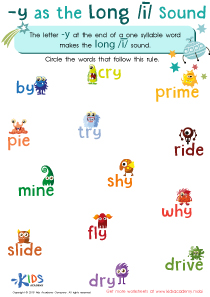
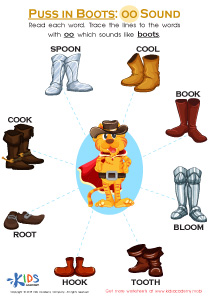
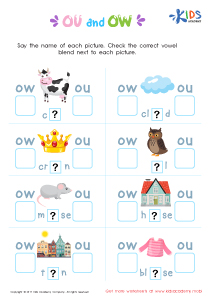
Vocabulary enhancement Short Vowels Worksheets for Ages 4-9
3 filtered results
-
From - To
Boost your child's reading and language skills with our "Vocabulary Enhancement Short Vowels Worksheets for Ages 4-9". These engaging, educator-designed resources focus on short vowels to provide a strong phonics foundation. Perfect for early learners, each worksheet uses age-appropriate activities to make learning captivating and fun. Build essential vocabulary, improve reading fluency, and reinforce speech patterns through interactive exercises and colorful illustrations. Whether used in a classroom or at home, our worksheets offer an effective way to support your child's educational journey. Help your kids excel with an enriching learning experience tailored to their developmental needs.
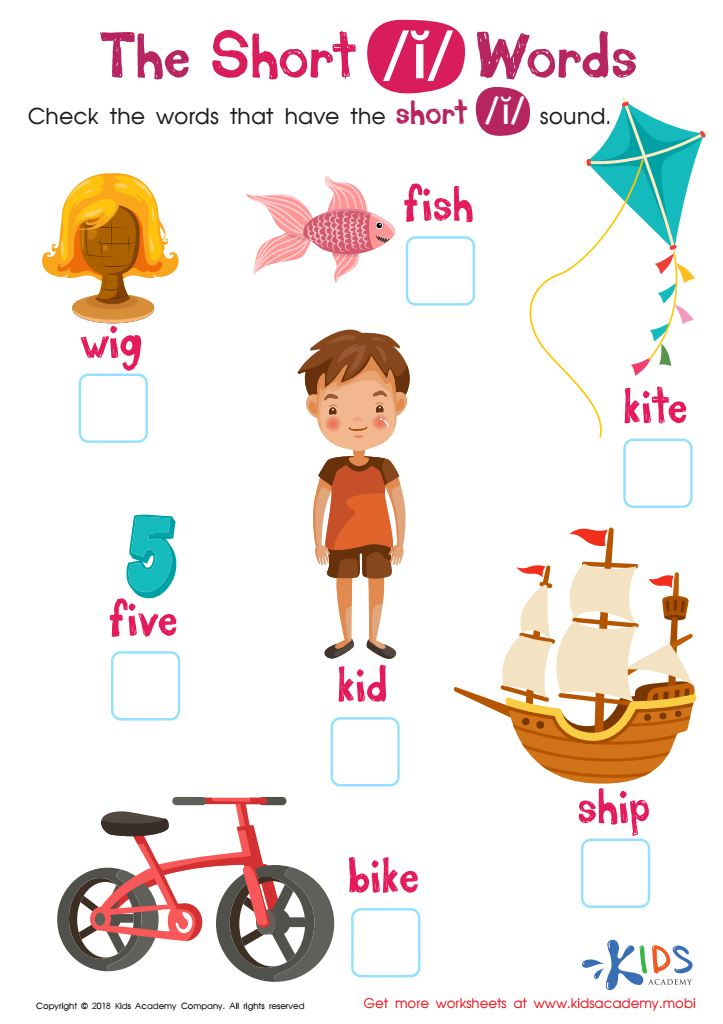
The Short I Words Reading Worksheet
 Assign to My Students
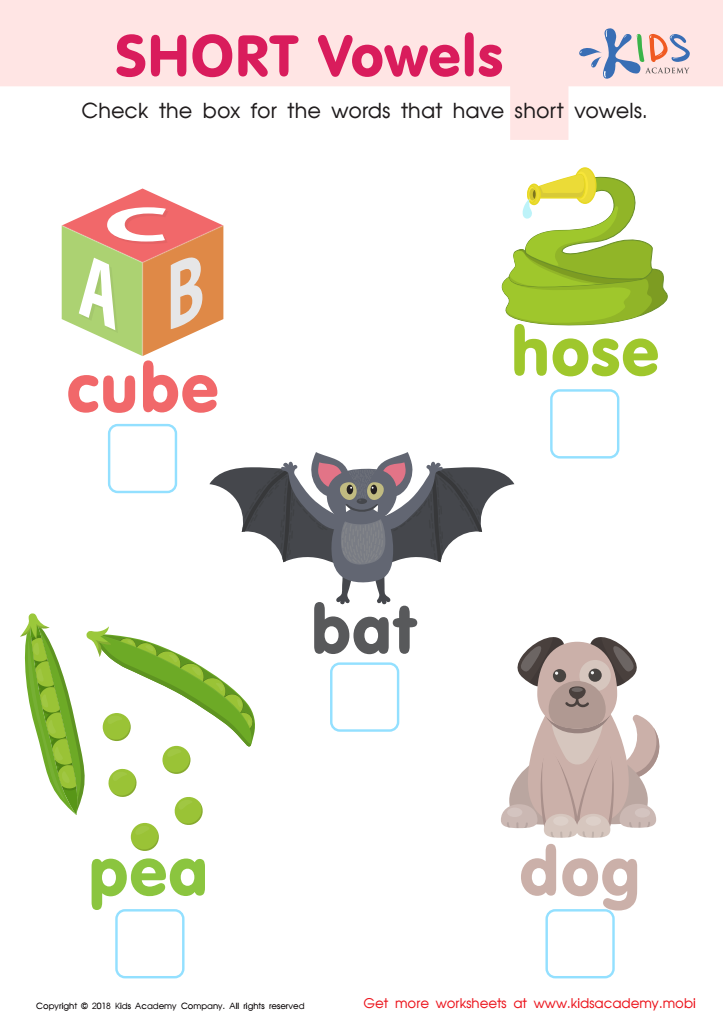
short vowels Worksheet
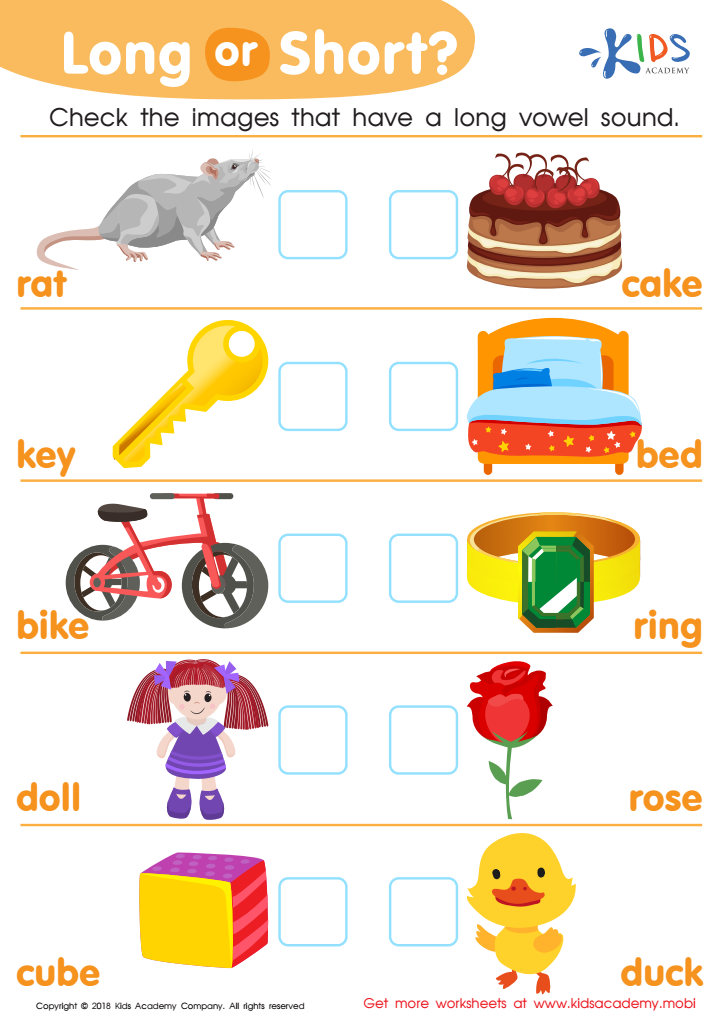
Long or Short Reading Worksheet



Introducing vocabulary enhancement with a focus on short vowels for children ages 4-9 is crucial for their early literacy development. At this formative stage, children are beginning to decode words and understand the fundamental principles of reading and writing. Short vowels, which include the sounds /a/, /e/, /i/, /o/, and /u/, form the building blocks of many basic words. Mastering these sounds helps children to read simple words more accurately and confidently, establishing a foundation for fluency.
Familiarity with short vowel sounds supports children's phonemic awareness, which is the ability to identify and manipulate individual sounds in words. This skill is essential for effective word recognition, spelling, and reading comprehension. Enhancing vocabulary through short vowels also expands a child's word bank, enabling them to construct more meaningful sentences and engage in richer conversations.
Furthermore, fostering a strong early vocabulary contributes to overall academic success. Studies have shown that children with robust language skills are better equipped to grasp more complex concepts across subjects like math, science, and social studies. As parents or teachers, investing time in short vowel vocabulary enrichment ensures children have the foundational tools necessary for lifelong learning and effective communication. This comprehensive approach promotes confidence, enthusiasm for learning, and ultimately, literacy success.