Fine Motor Skills Tracing Letters Worksheets for Ages 4-9
35 filtered results
-
From - To
Introduce your child to the world of writing with our Fine Motor Skills Tracing Letters Worksheets, designed specifically for children aged 4-9. These engaging worksheets provide fun, hands-on activities that enhance fine motor development while helping kids learn letter formation. As children trace each letter, they strengthen their hand-eye coordination and finger dexterity, essential skills for successful writing. Our varied exercises encourage creativity and promote concentration, making learning enjoyable. Whether at home or in the classroom, these worksheets offer an effective way to boost your child's writing skills, setting a solid foundation for their educational journey. Download and get started today!
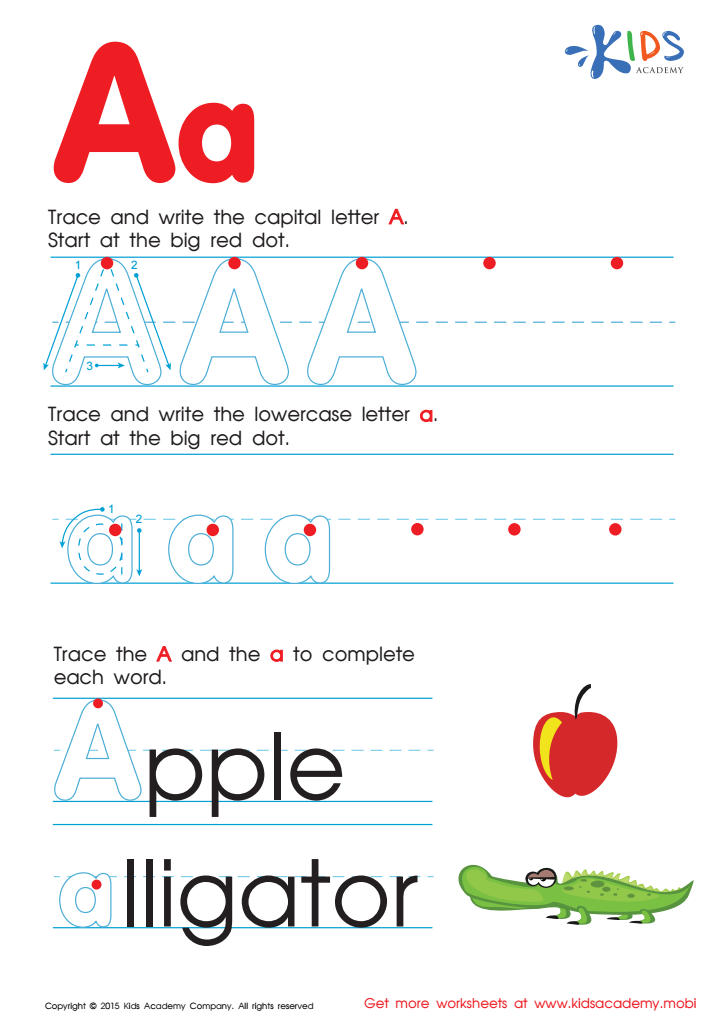
Letter A Tracing Page
 Assign to My Students
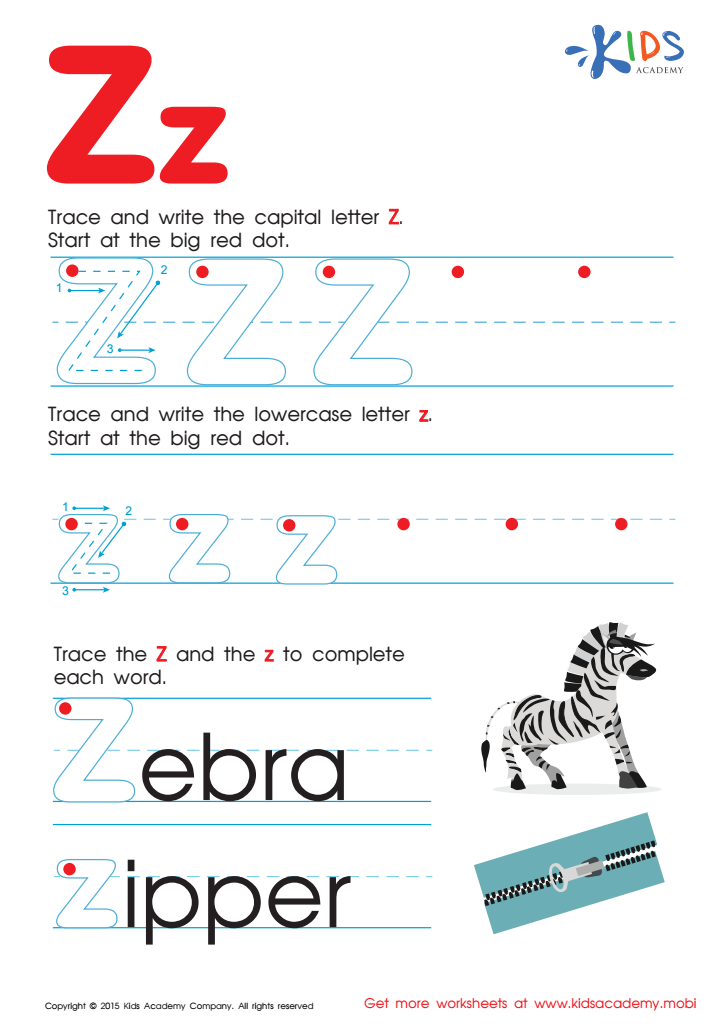
Letter Z Tracing Page
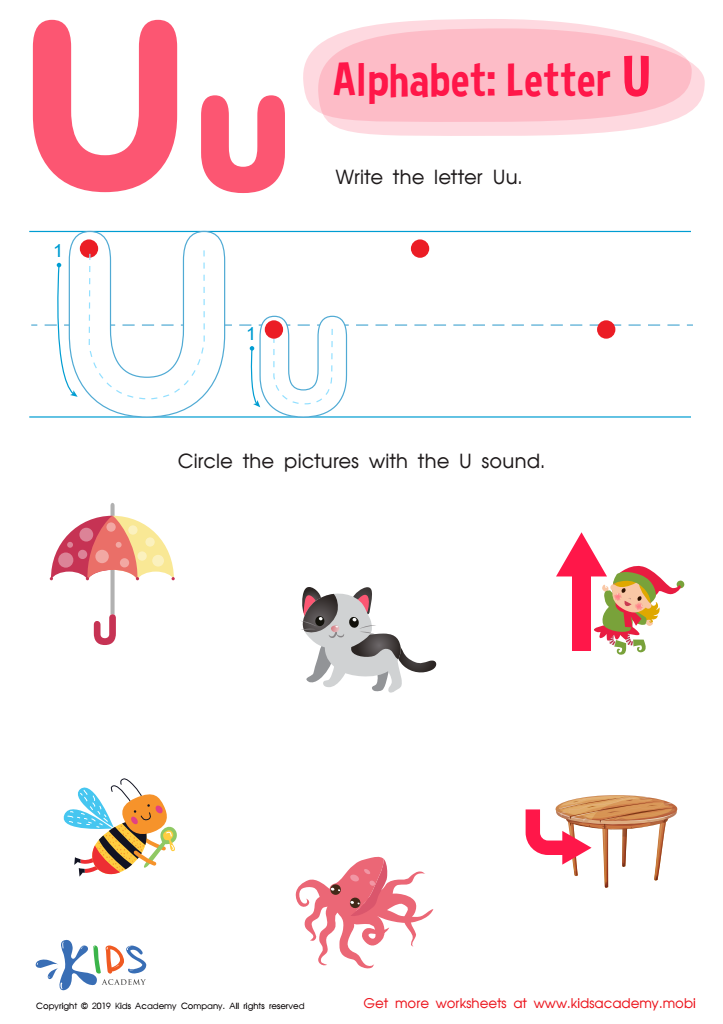
Letter U Tracing Worksheet
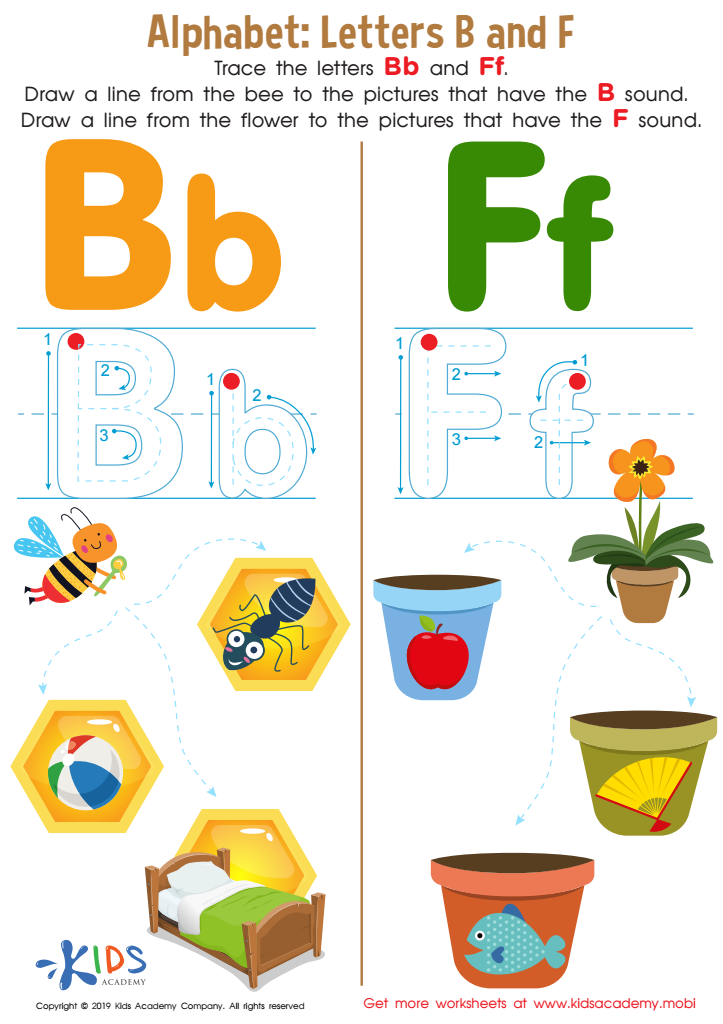
Letters B and F Tracing Worksheet
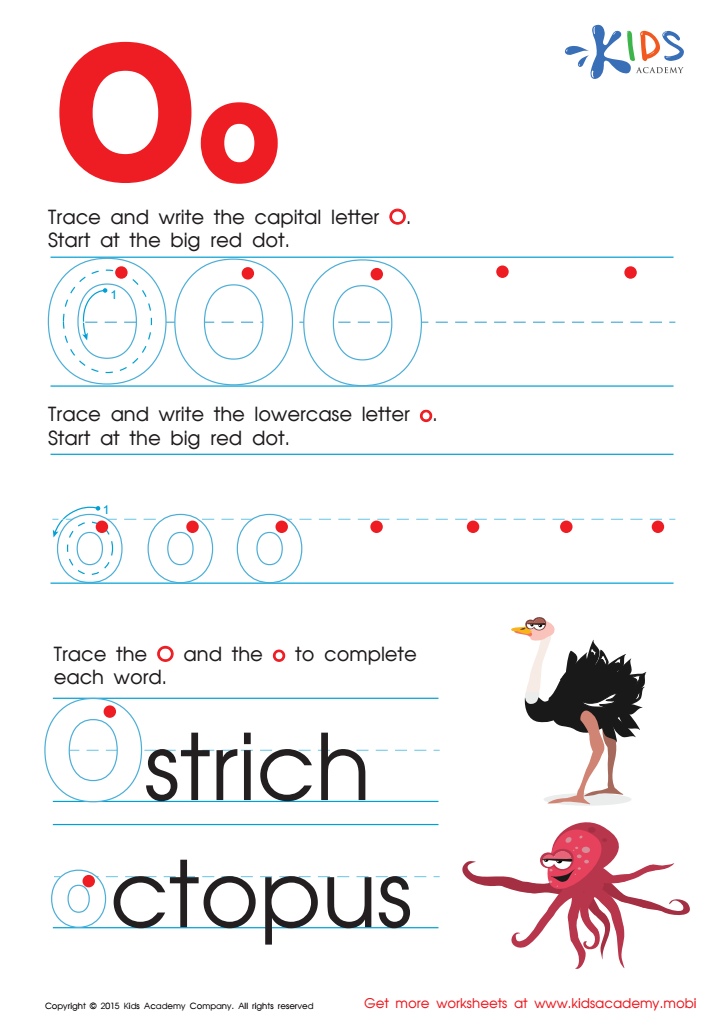
Letter O Tracing Page
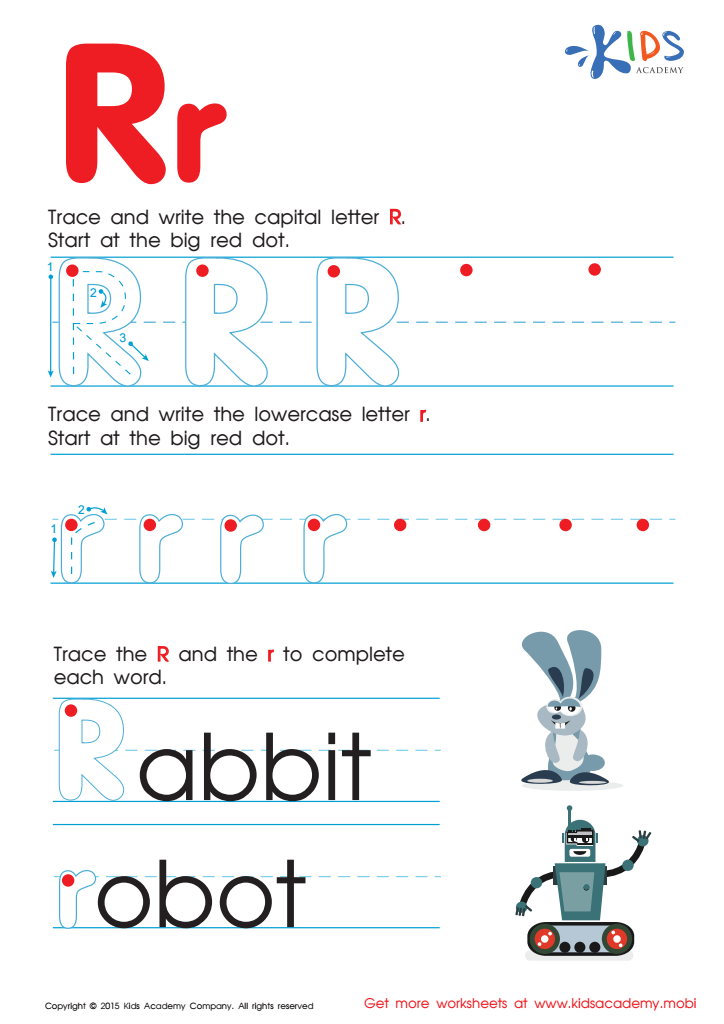
Letter R Tracing Page
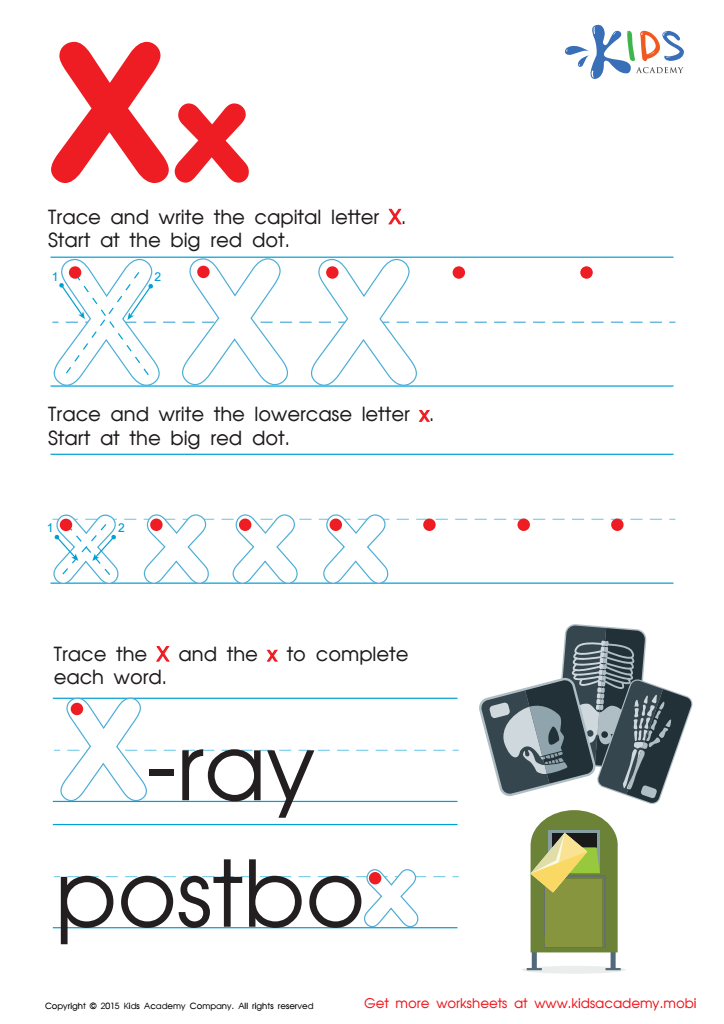
Letter X Tracing Page

Letter P Tracing Page
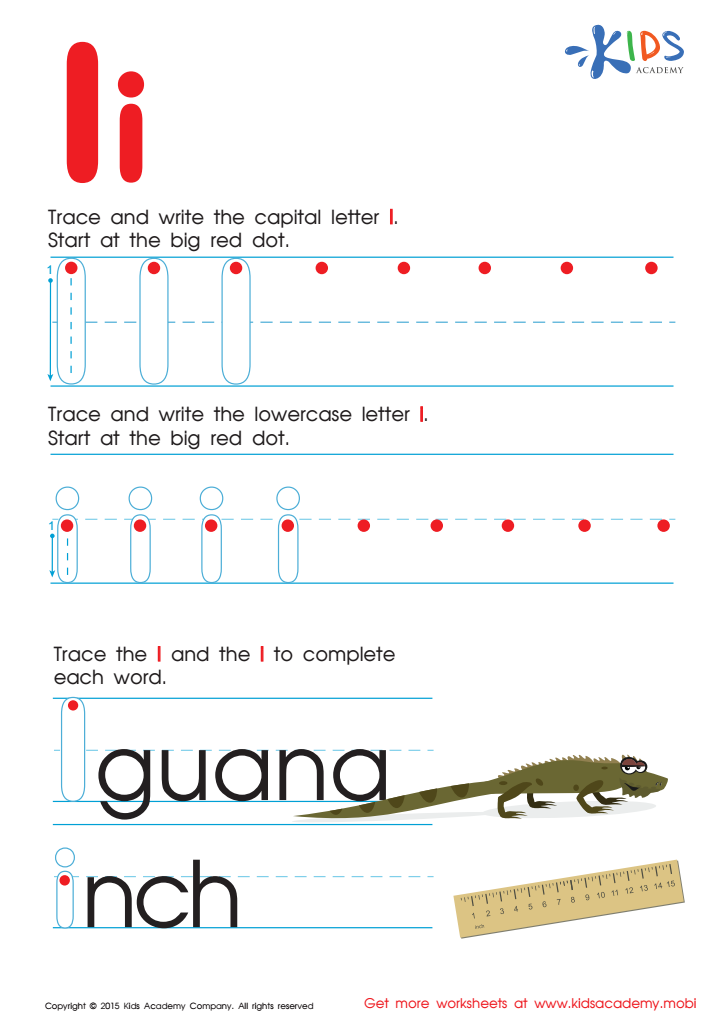
Letter I Tracing Page
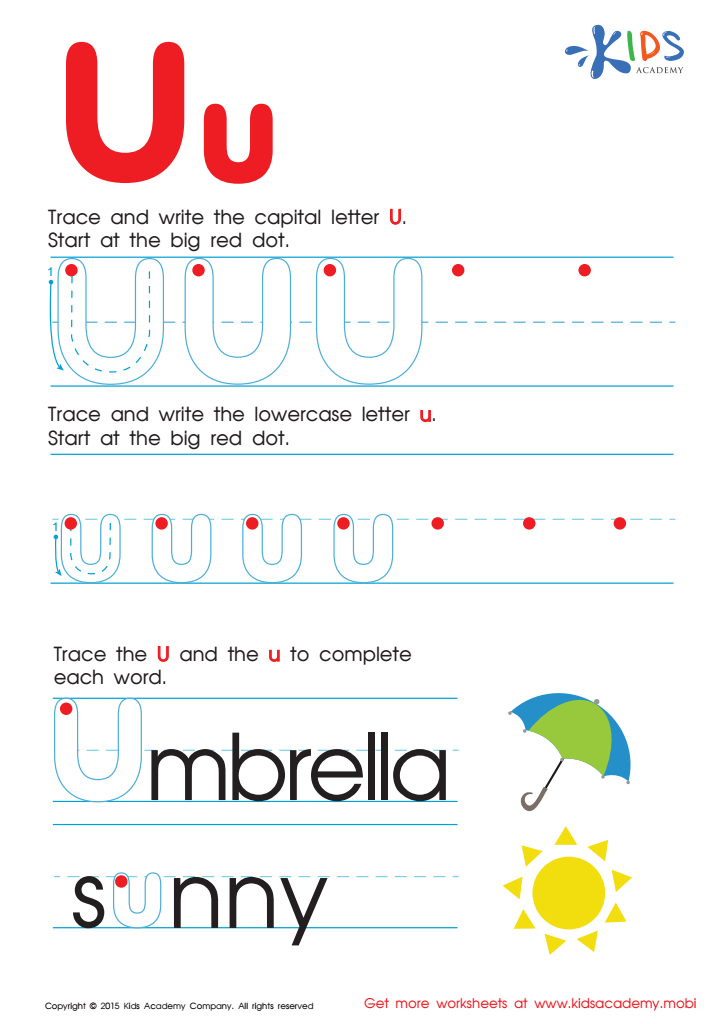
Letter U Tracing Page
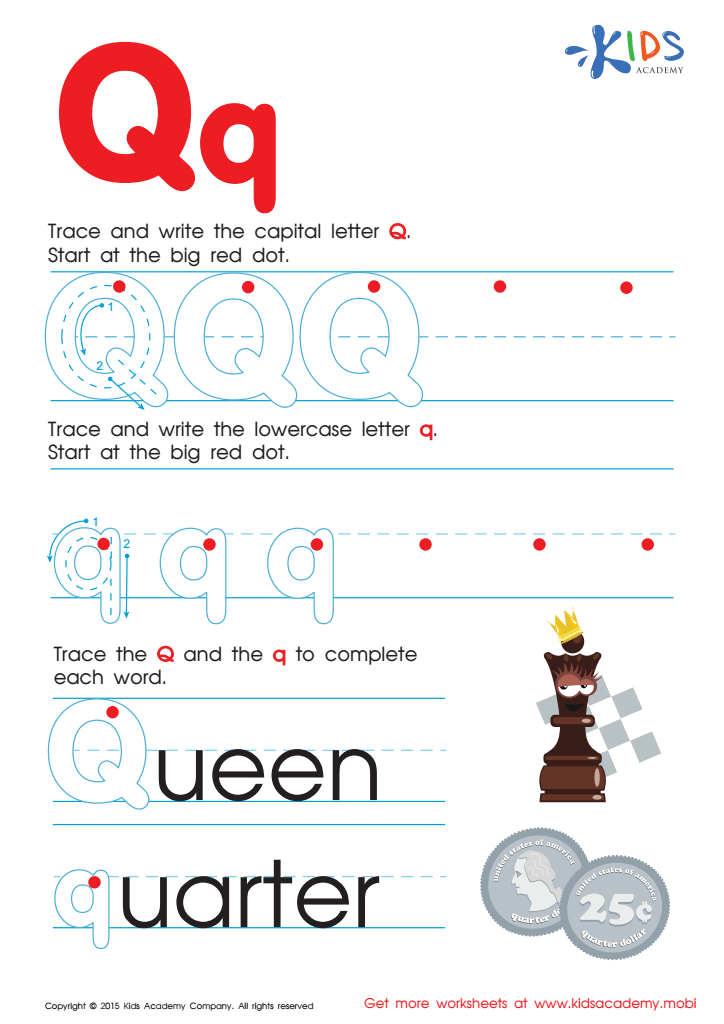
Letter Q Tracing Page
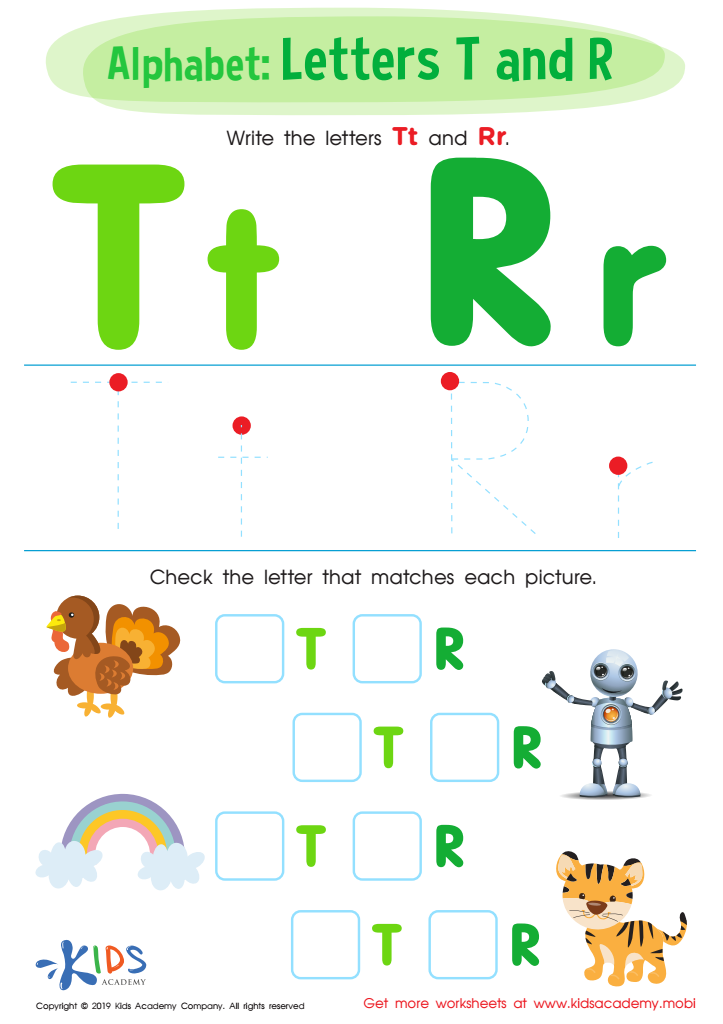
Letters T and R Worksheet
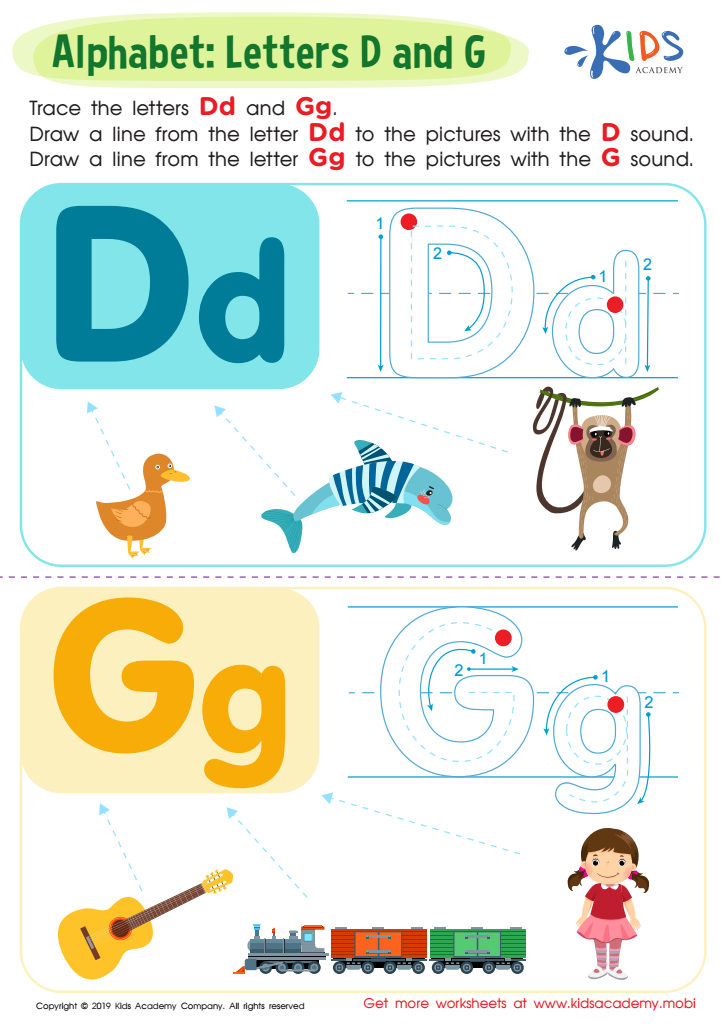
Letter D and G Tracing Worksheet
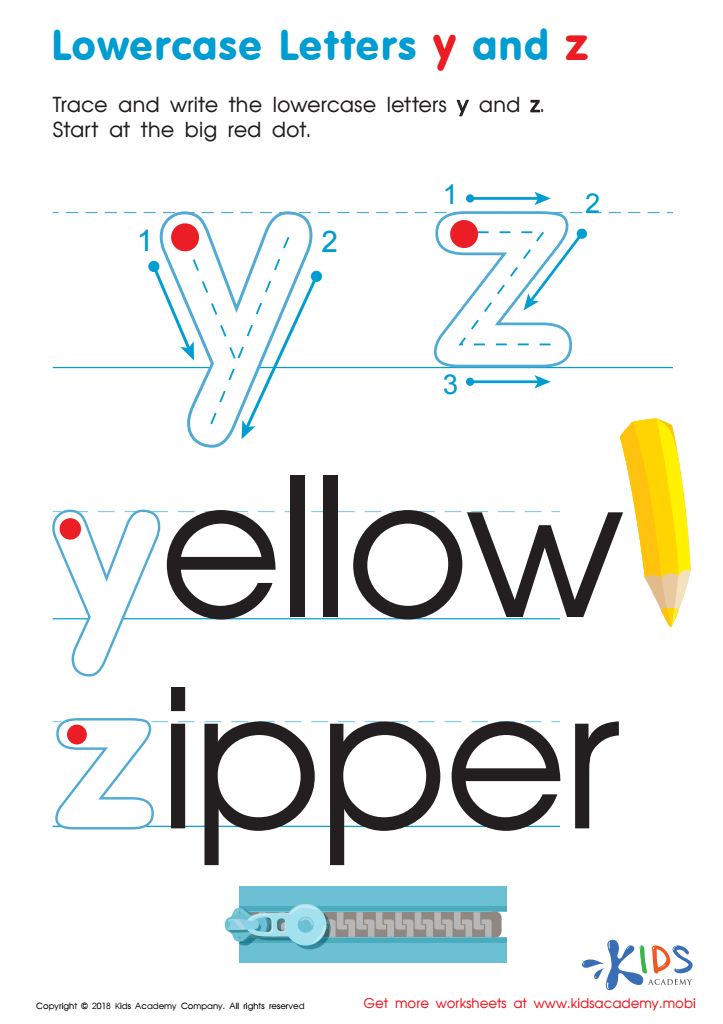
Lowercase Letters y z Worksheet
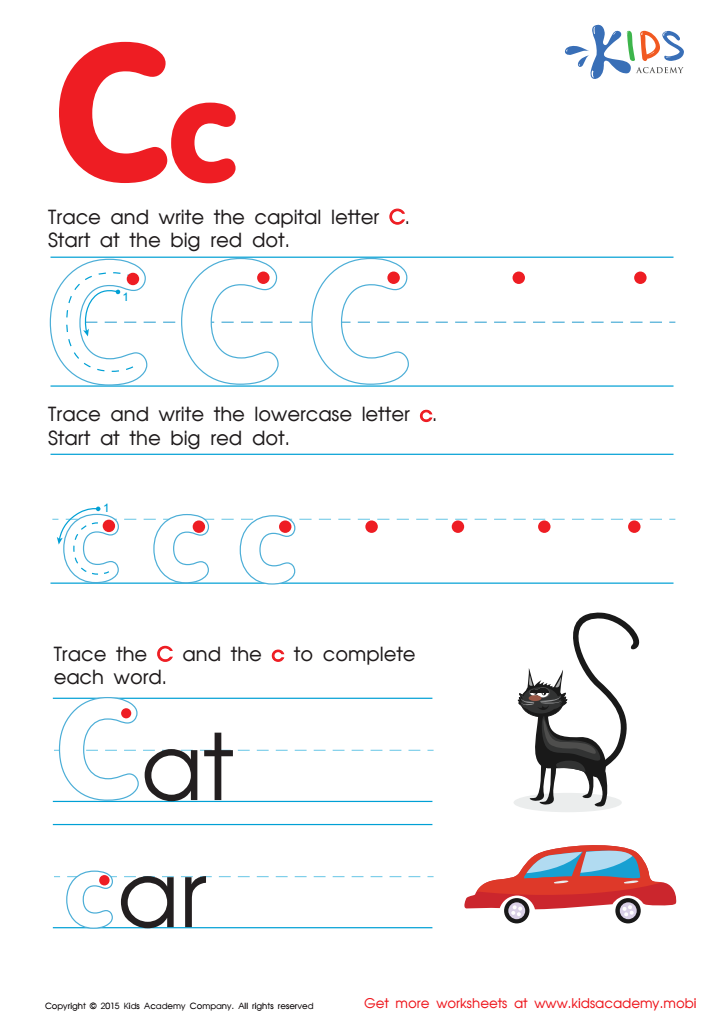
Letter C Tracing Page
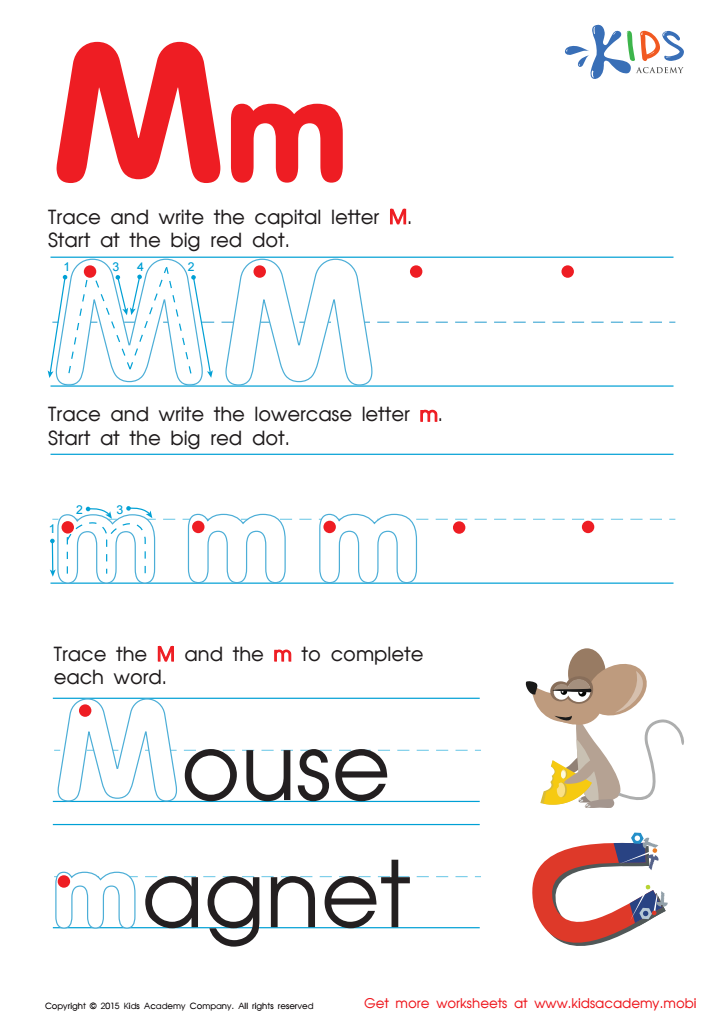
Letter M Tracing Page
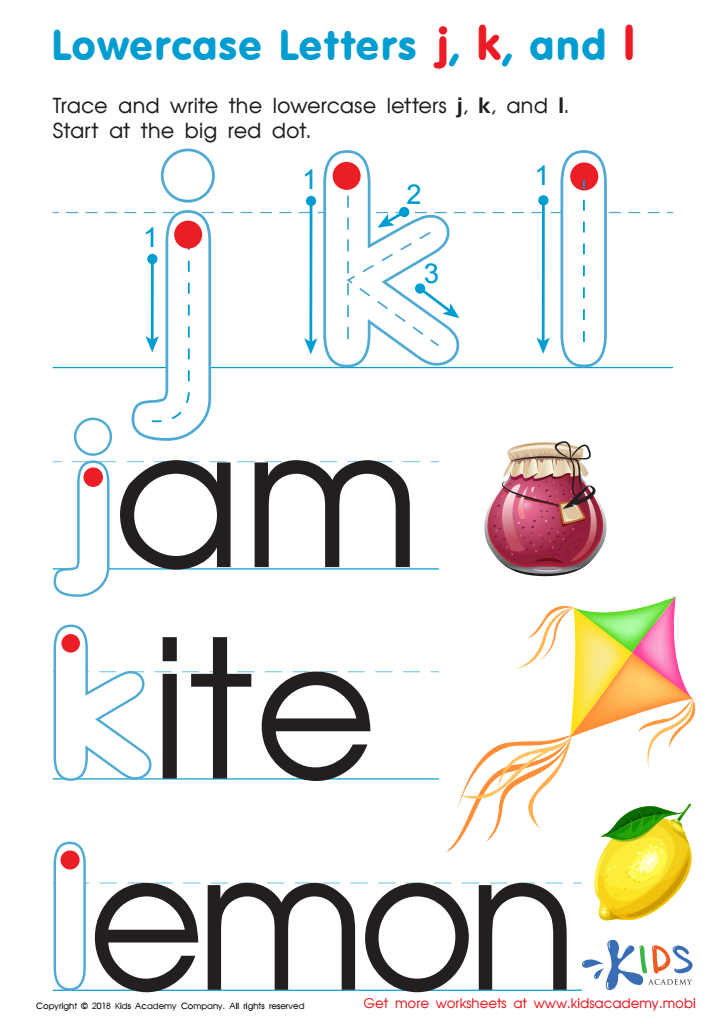
Lowercase Letters j k l Worksheet
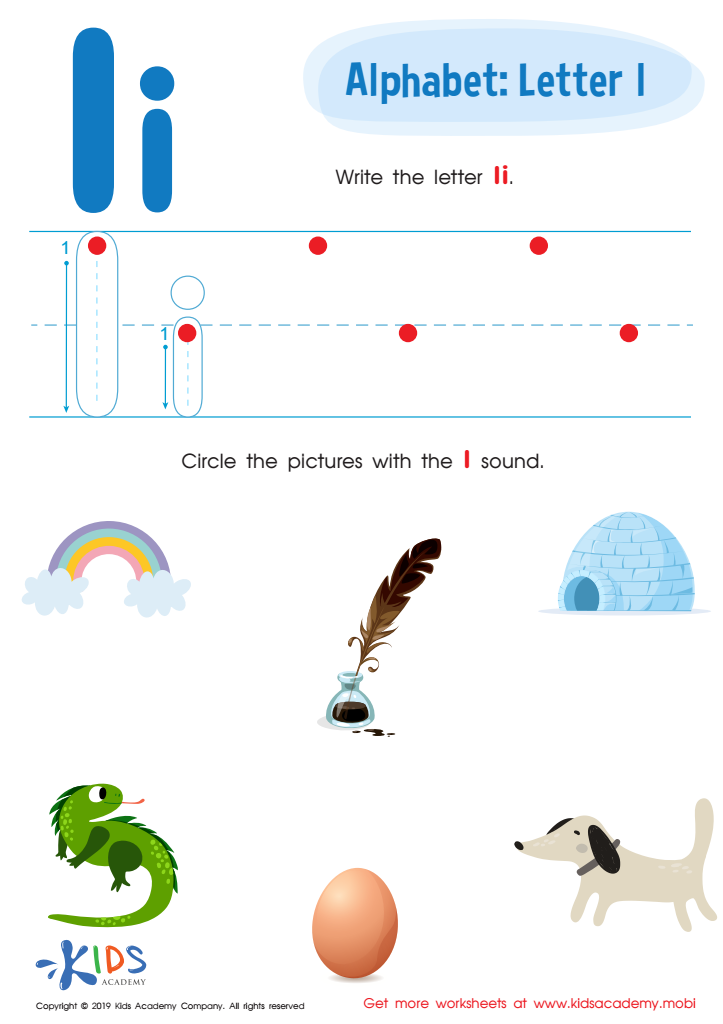
Letter I Tracing Worksheet
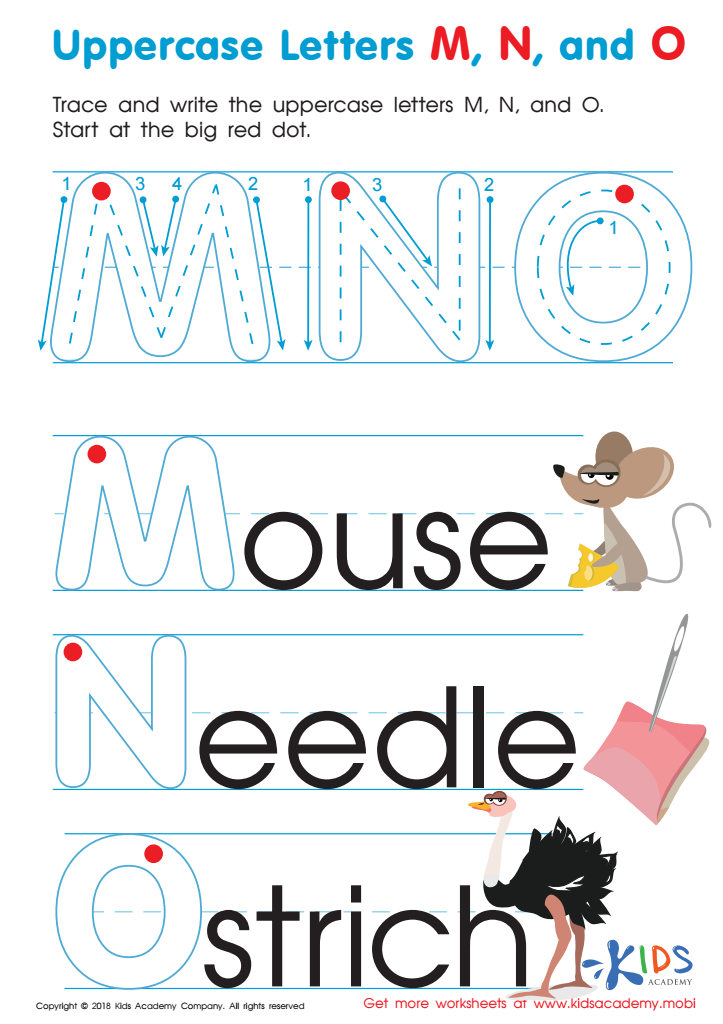
Uppercase Letters M, N, and O Worksheet

Letter G Tracing Page
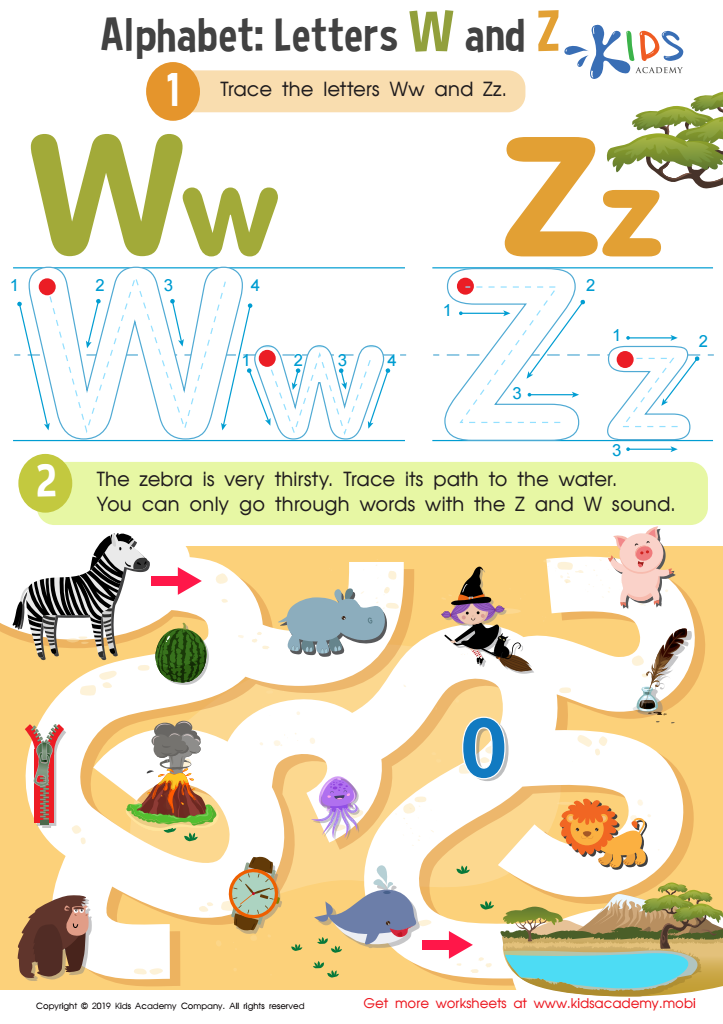
Letters W and Z Tracing Worksheet
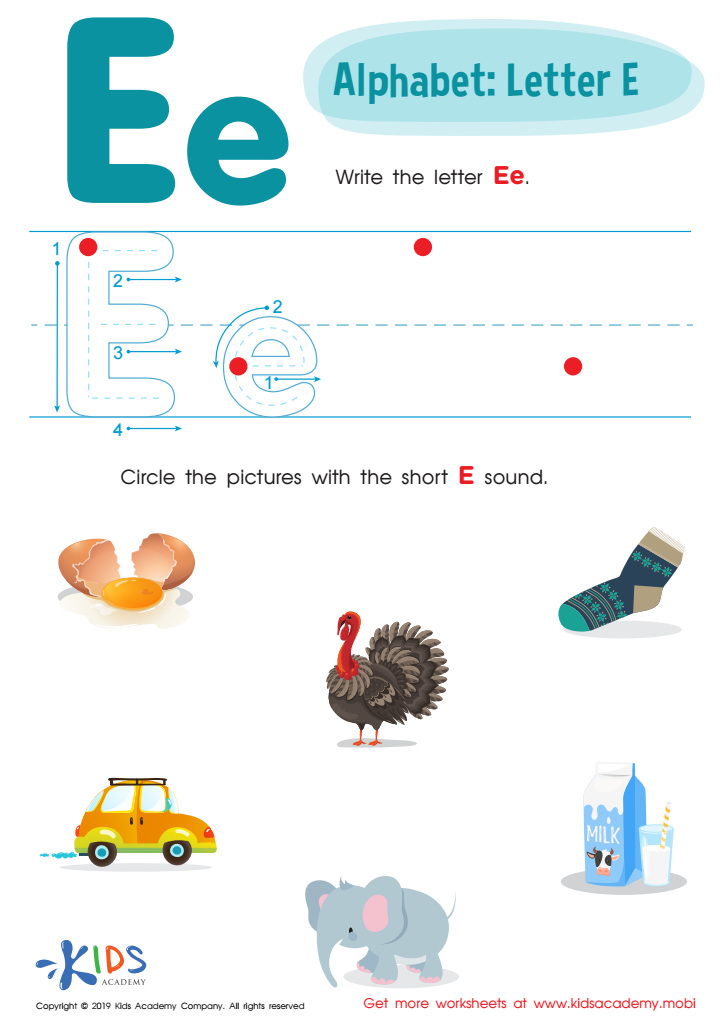
Letter E Tracing Worksheet
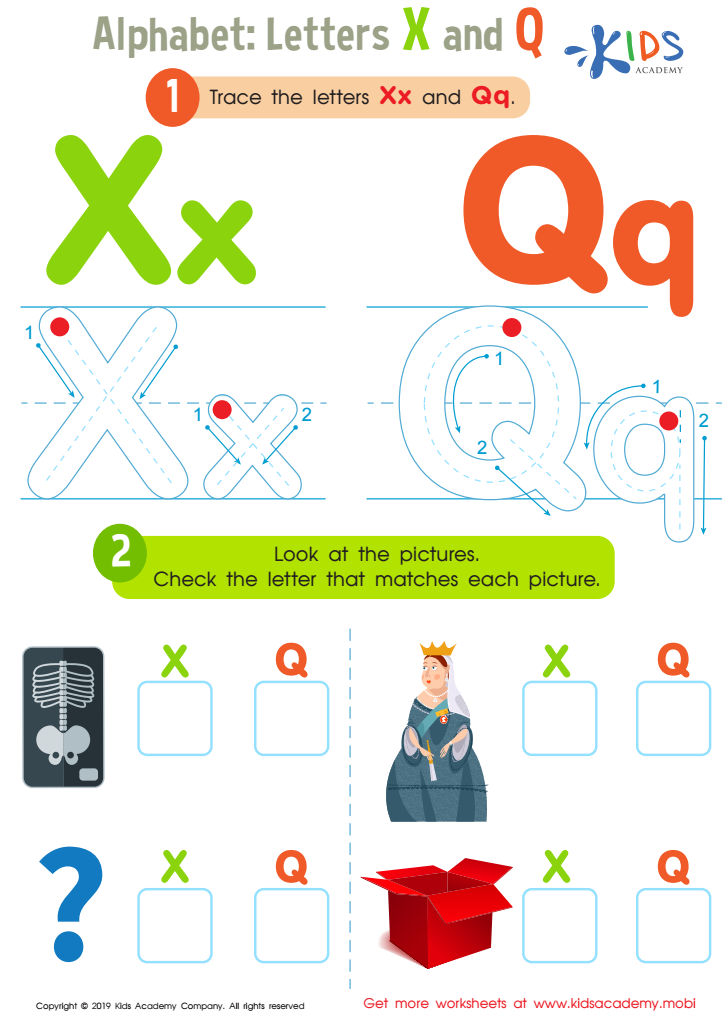
Letters X and Q Tracing Worksheet
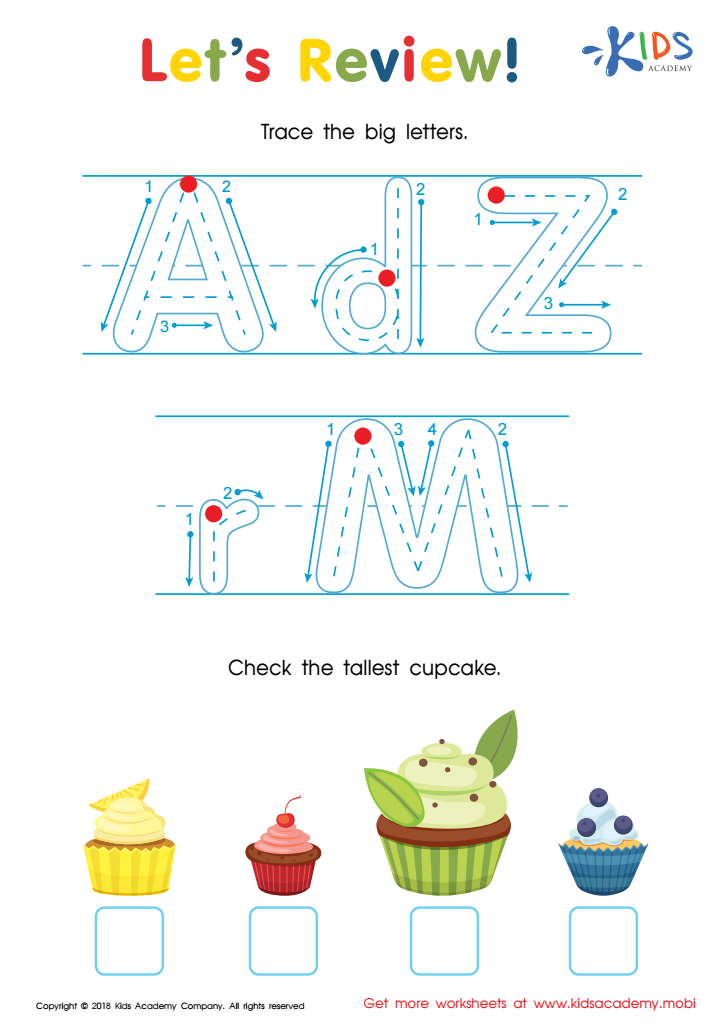
Let's Review! Big Letters Worksheet







Fine motor skills, particularly in tracing letters, are vital for children aged 4-9 as they form the foundation for essential academic and life skills. Firstly, these skills enhance hand-eye coordination, enabling children to interact effectively with their environment. Fine motor activities, such as tracing, also improve dexterity and strength in the fingers and hands, which are crucial for writing, drawing, and other daily tasks.
Furthermore, engaging in tracing activities fosters early literacy. As children practice forming letters, they develop familiarity with shapes, leading to improved letter recognition and writing form. This connection aids in building a strong literacy foundation, critical for reading and writing success in the later grades.
Additionally, tracing letters can stimulate cognitive skills, including concentration, problem-solving, and visual perception. This process encourages children to focus their attention while developing a sense of accomplishment and confidence in their abilities.
Moreover, supporting fine motor skills helps reduce frustration as children progress in their academic journey. When children gain proficiency in letter formation, they experience less anxiety and increased confidence during writing tasks, promoting a positive attitude towards learning. For these reasons, parents and teachers should prioritize activities that promote fine motor skill development in young learners.








