Alphabet familiarity Worksheets for Ages 4-9
9 filtered results
-
From - To
Enhance your child's alphabet familiarity with our engaging worksheets designed for ages 4-9! Perfect for young learners, these activities promote letter recognition, phonemic awareness, and basic handwriting skills. Our fun and colorful worksheets include tracing, matching, and identifying letters, making learning enjoyable and effective. Each worksheet targets different aspects of alphabet familiarity, ensuring a comprehensive understanding while keeping children motivated. Whether at home or in the classroom, these printable resources provide the ideal foundation for reading and writing readiness. Explore our extensive collection today and watch your child’s confidence soar as they master the alphabet!
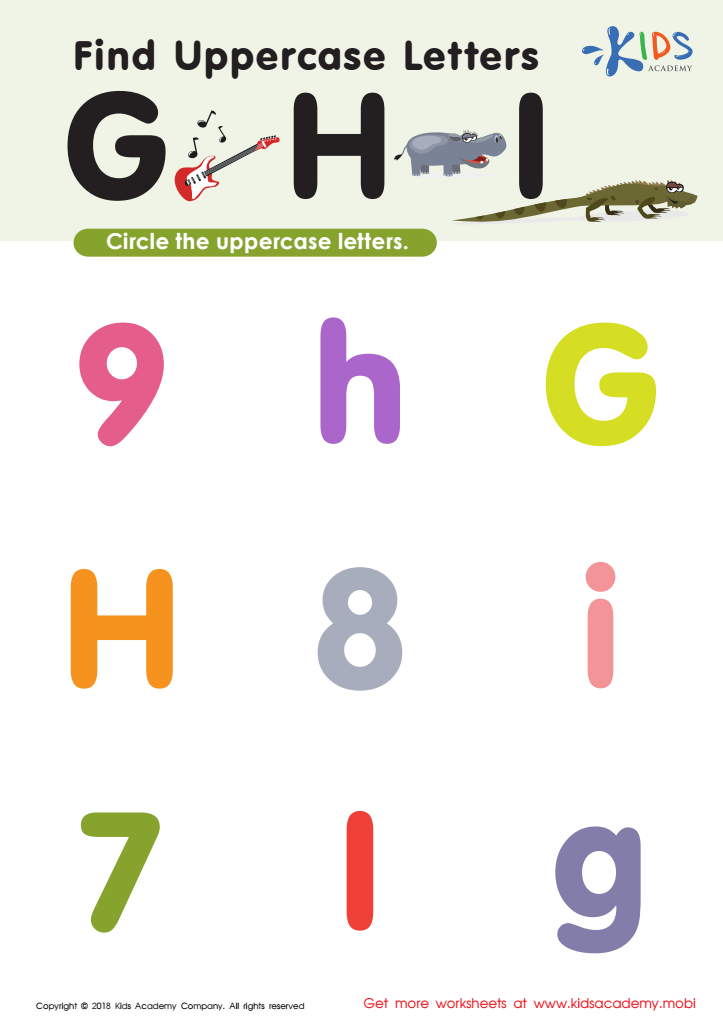
Find Uppercase Letters G, H, and I Worksheet
 Assign to My Students
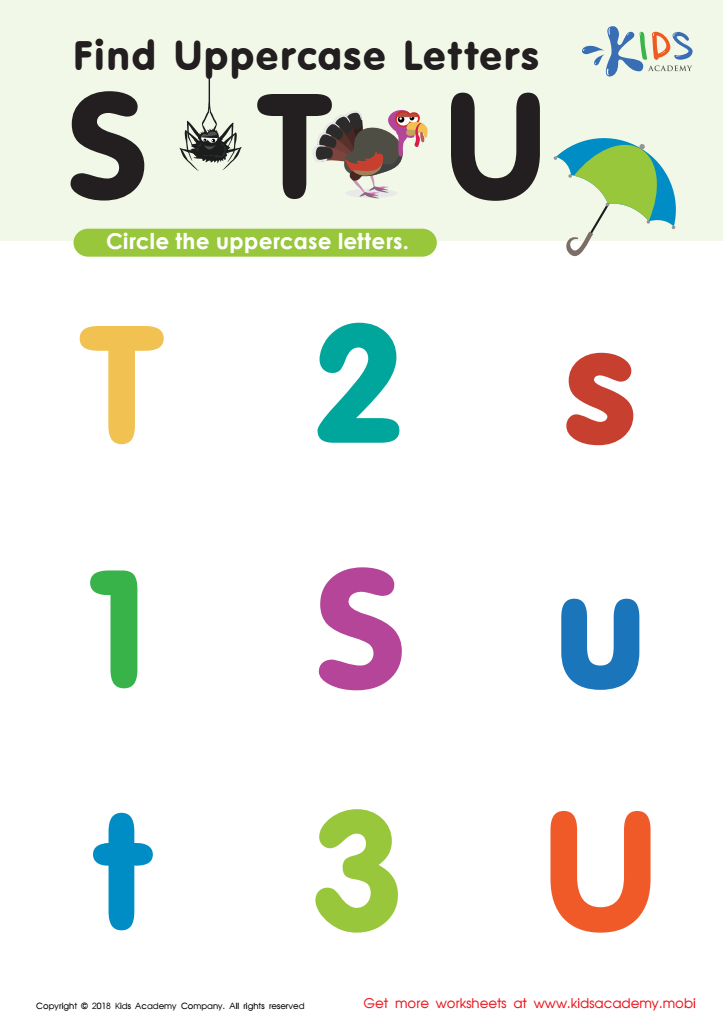
Find Uppercase Letters Worksheet
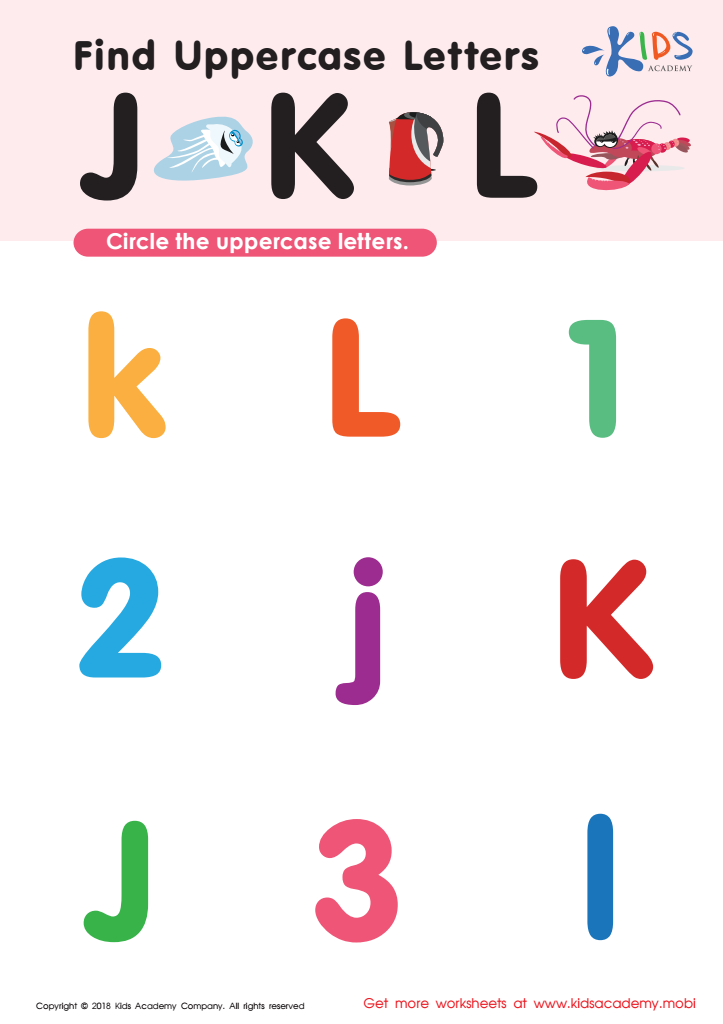
Find Uppercase Letters J, K, and L Worksheet
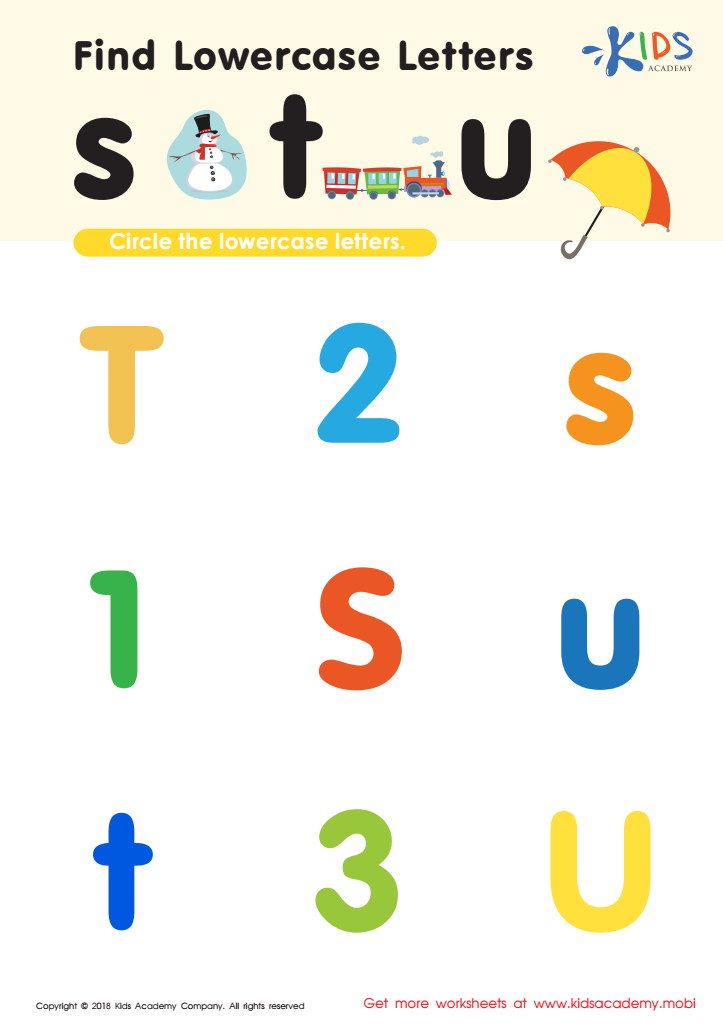
Find lowercase Letters s t u Worksheet
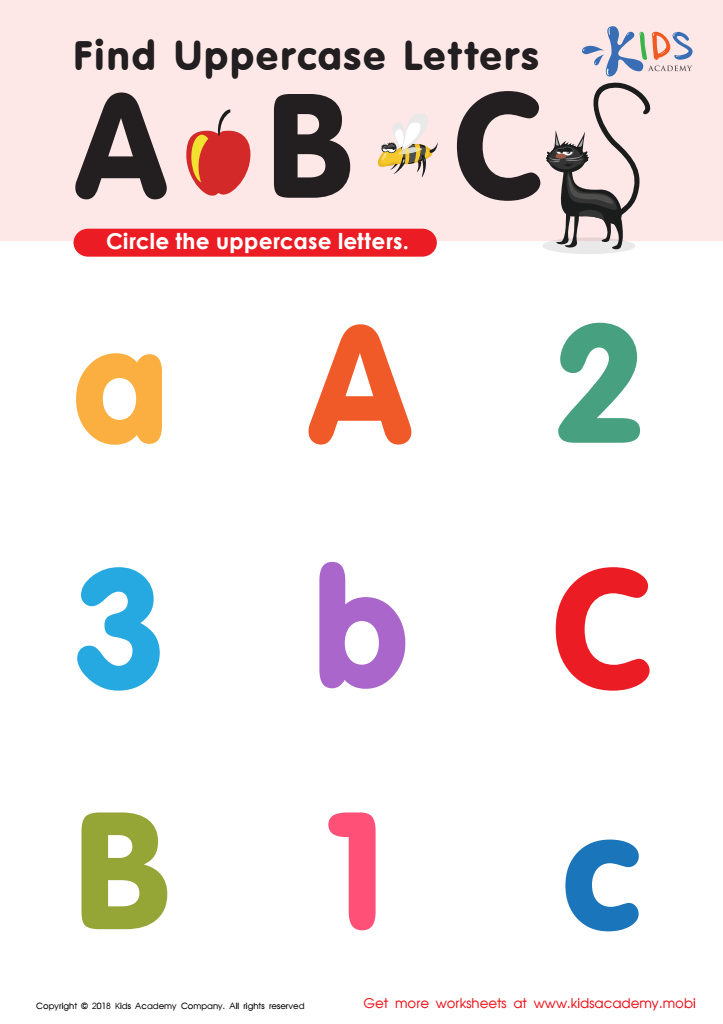
Find Uppercase Letters A, B, and C Worksheet
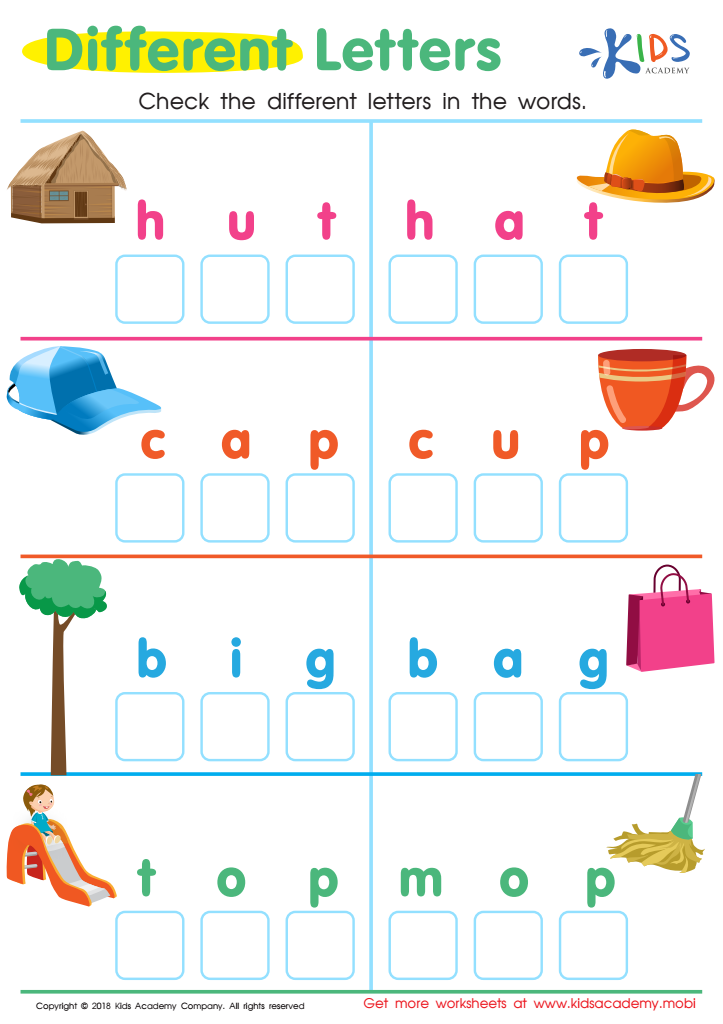
Different Letters Reading Worksheet
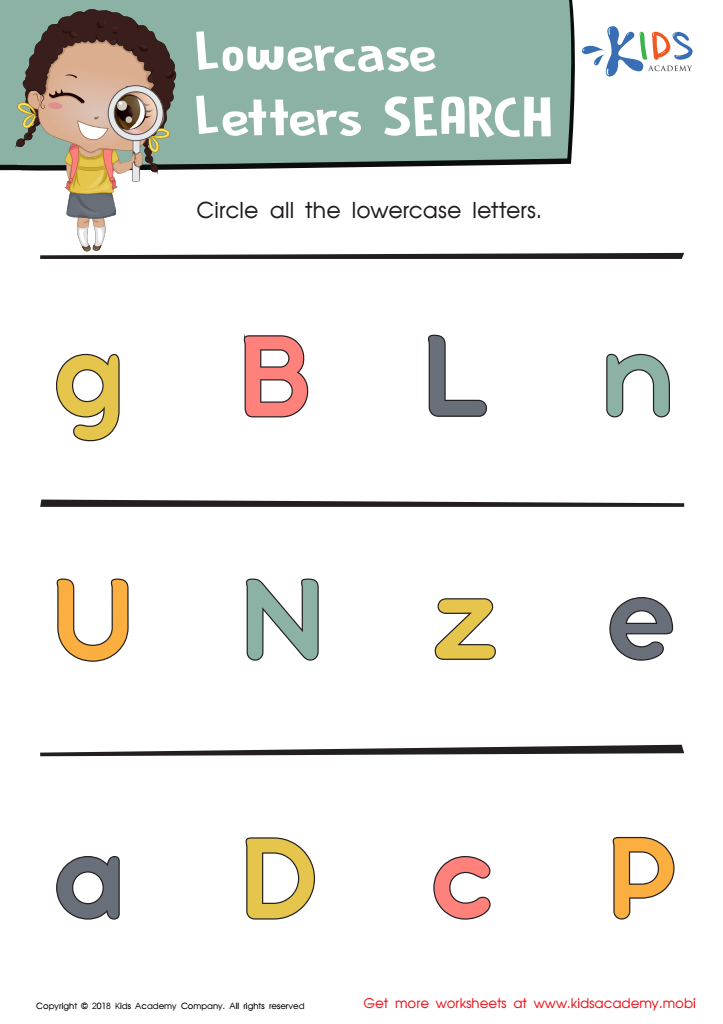
Lowercase Letters Search: Assessment Worksheet

Find Lowercase Letters v w x Worksheet
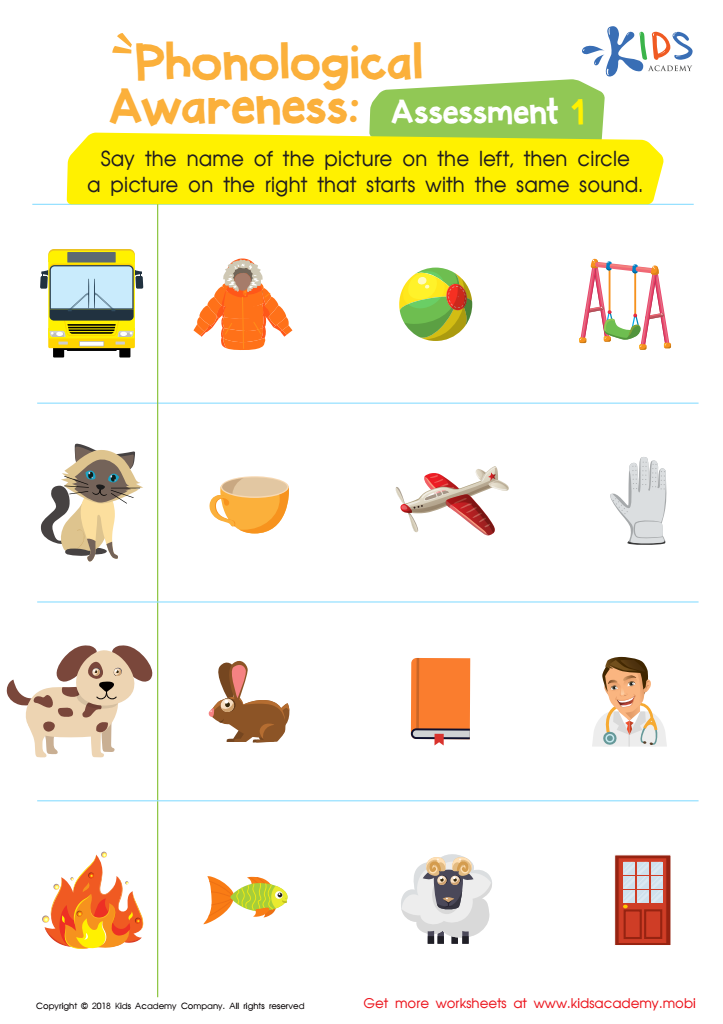
Phonological Awareness: Assessment 1 Worksheet







Understanding alphabet familiarity is crucial for children aged 4-9 as it lays the foundation for literacy skills. During these formative years, children are developing phonemic awareness and the ability to decode letters into sounds, which is essential for reading. Familiarity with the alphabet enables children to recognize words and their meanings, providing them with tools to express themselves effectively.
When parents and teachers prioritize alphabet familiarity, they foster a nurturing learning environment that enhances children's confidence and motivation. Engaging activities, such as singing the alphabet song, reading aloud, and playing letter games, help solidify this knowledge while making learning enjoyable.
Additionally, children with strong alphabet skills are better prepared for academic success, leading to improved performance in language arts and beyond. These skills are vital not just for reading, but also for writing and communication, which are integral parts of a child’s educational journey.
By investing time and resources into fostering alphabet familiarity, parents and teachers not only prepare children for immediate academic challenges but also instill a love for learning that can last a lifetime. This foundational knowledge ultimately sets the stage for lifelong literacy and learning engagement.








