Alphabet Recognition Worksheets for Ages 4-9
79 filtered results
-
From - To
Unlock a world of learning with our Alphabet Recognition Worksheets designed for children aged 4-9. These captivating, engaging, and educational worksheets are perfect for young learners embarking on their literacy journey. Each worksheet focuses on letter identification, phonemic awareness, and foundational handwriting skills, ensuring your child masters the basics while having fun. Our expertly crafted exercises include tracing, matching, and coloring activities to reinforce alphabet knowledge and enhance fine motor skills. Whether for home or classroom use, our worksheets provide the perfect balance of challenge and enjoyment, setting your child on the path to reading success!
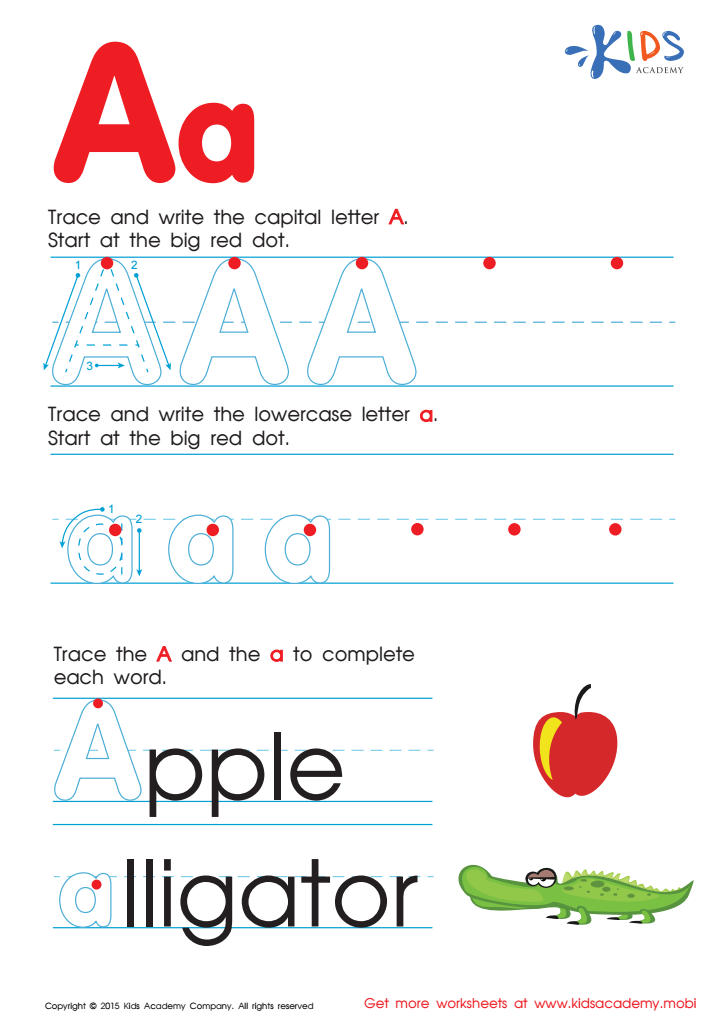
Letter A Tracing Page
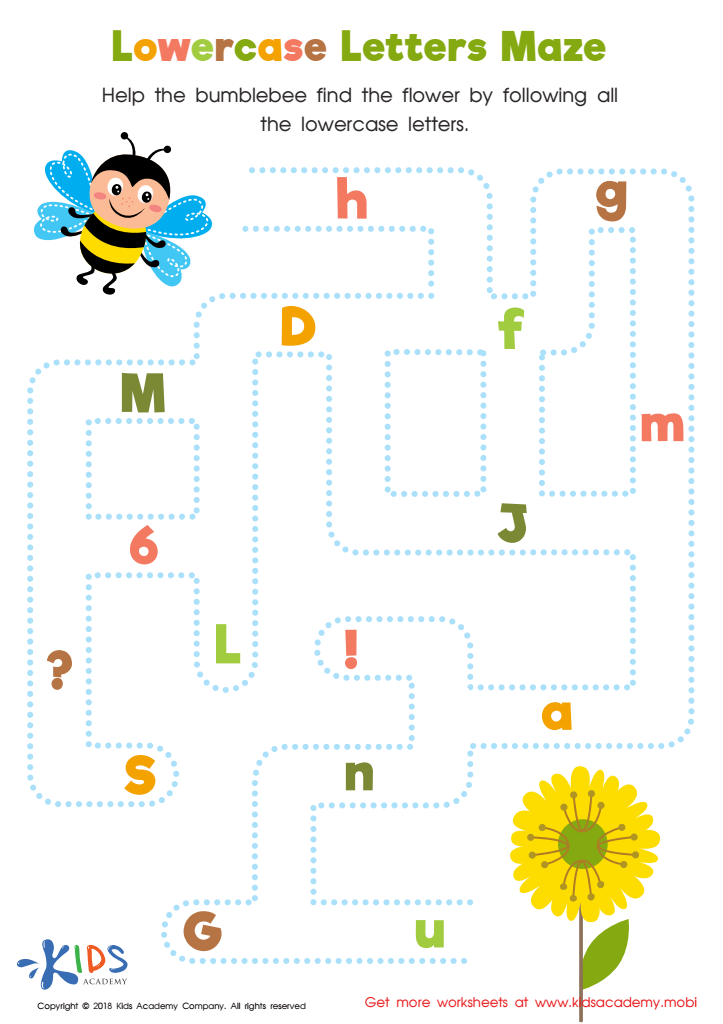
Lowercase Letters Maze Worksheet
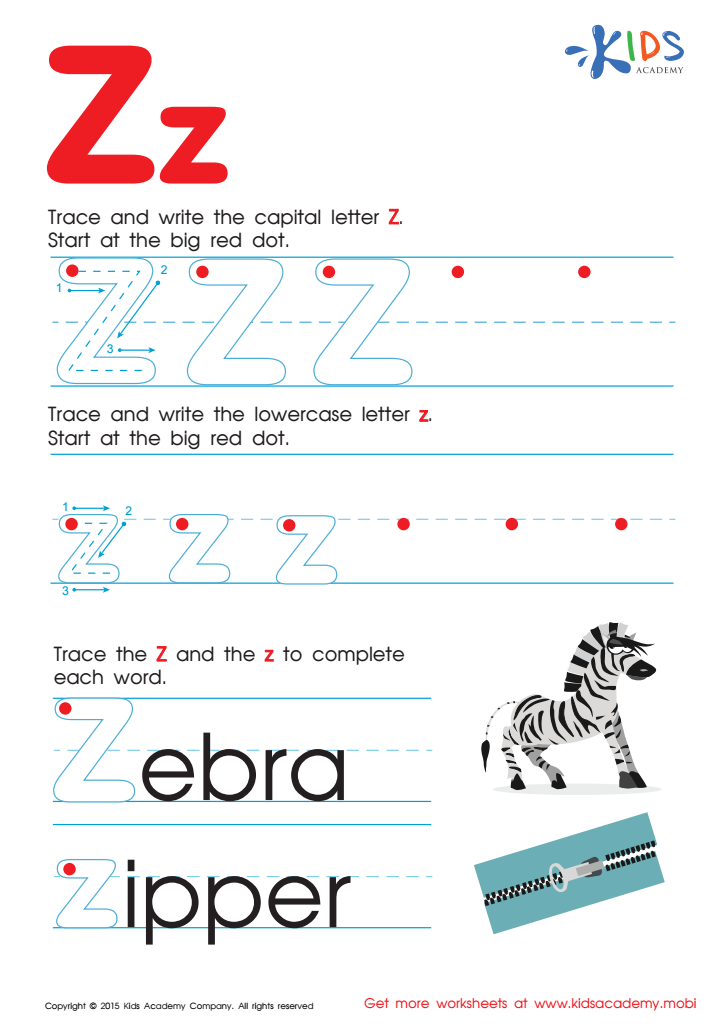
Letter Z Tracing Page
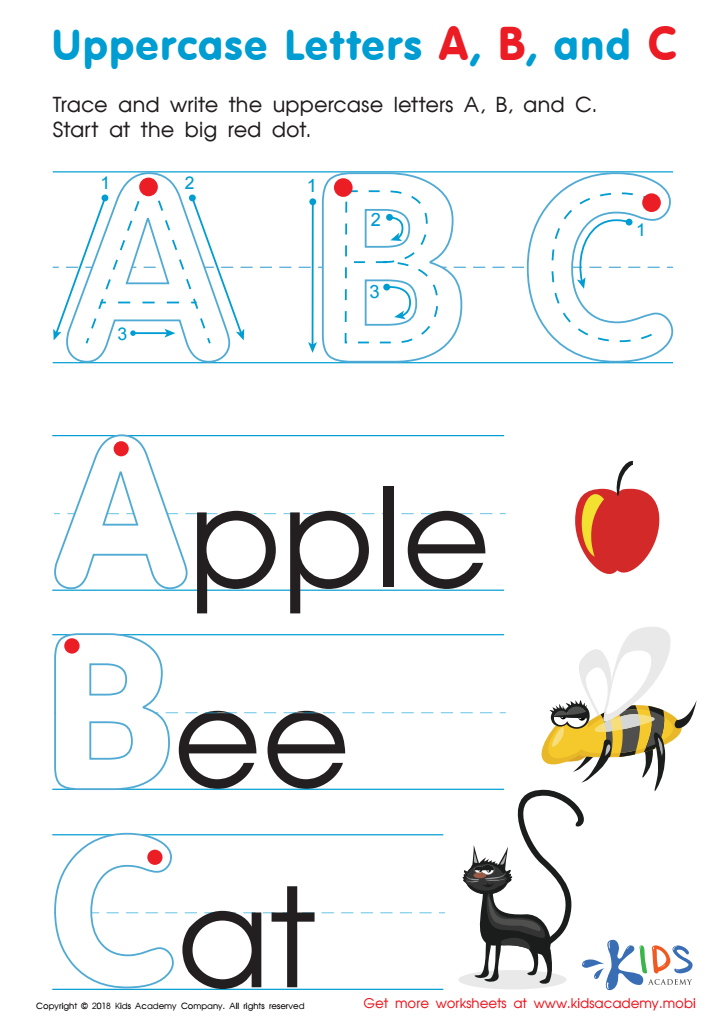
Uppercase Letters A, B, and C Worksheet
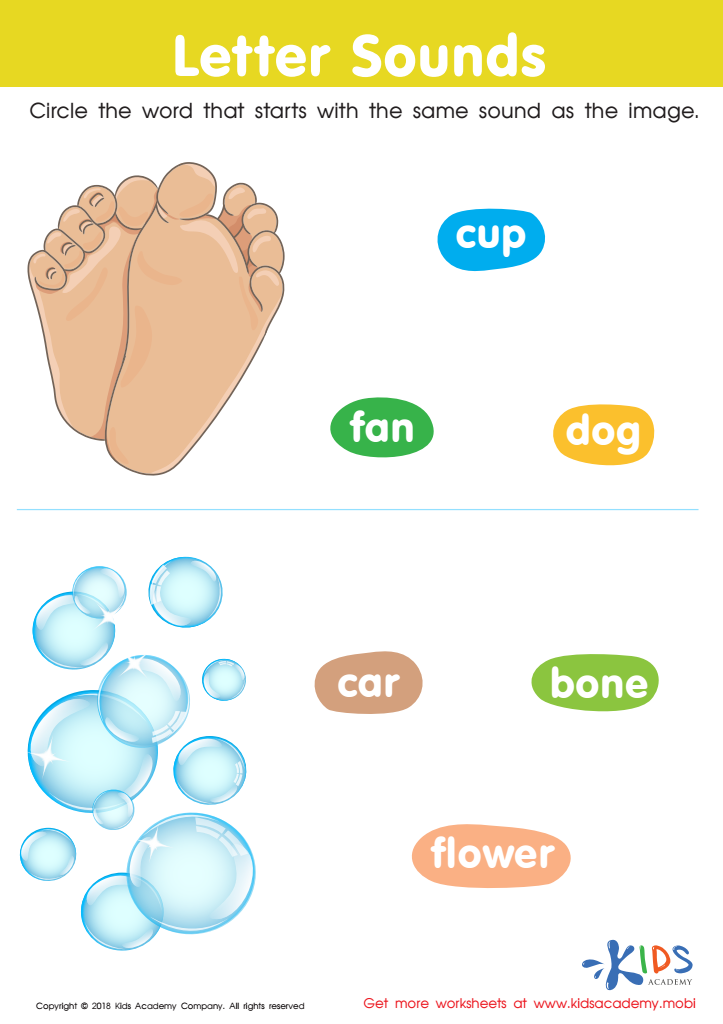
letter sounds Worksheet
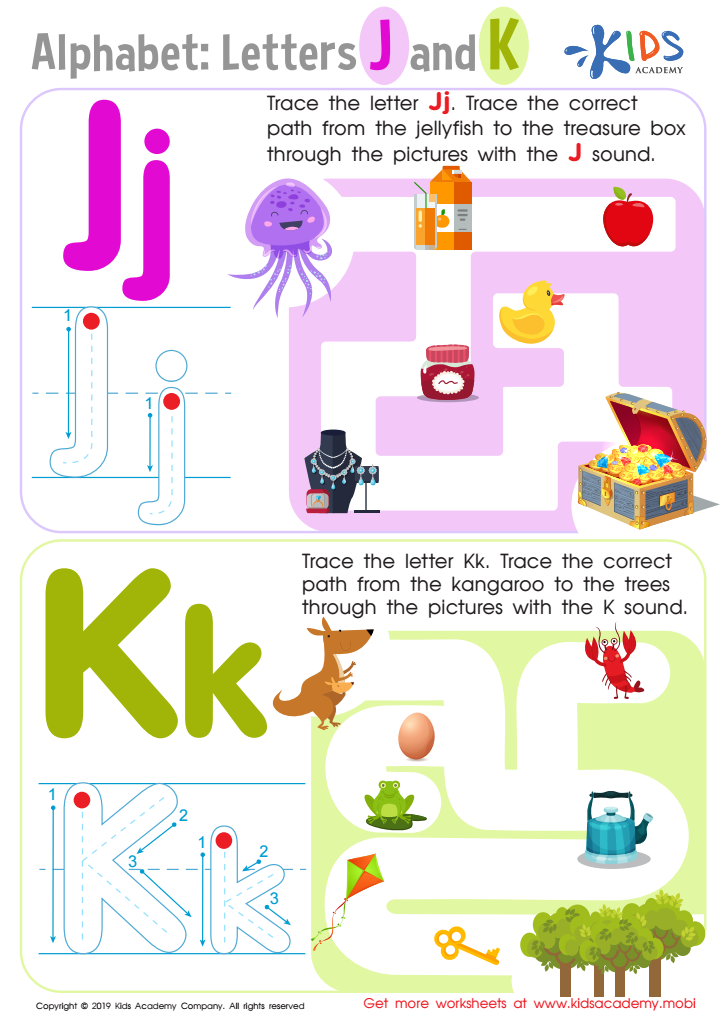
Letters J and K Tracing Worksheet
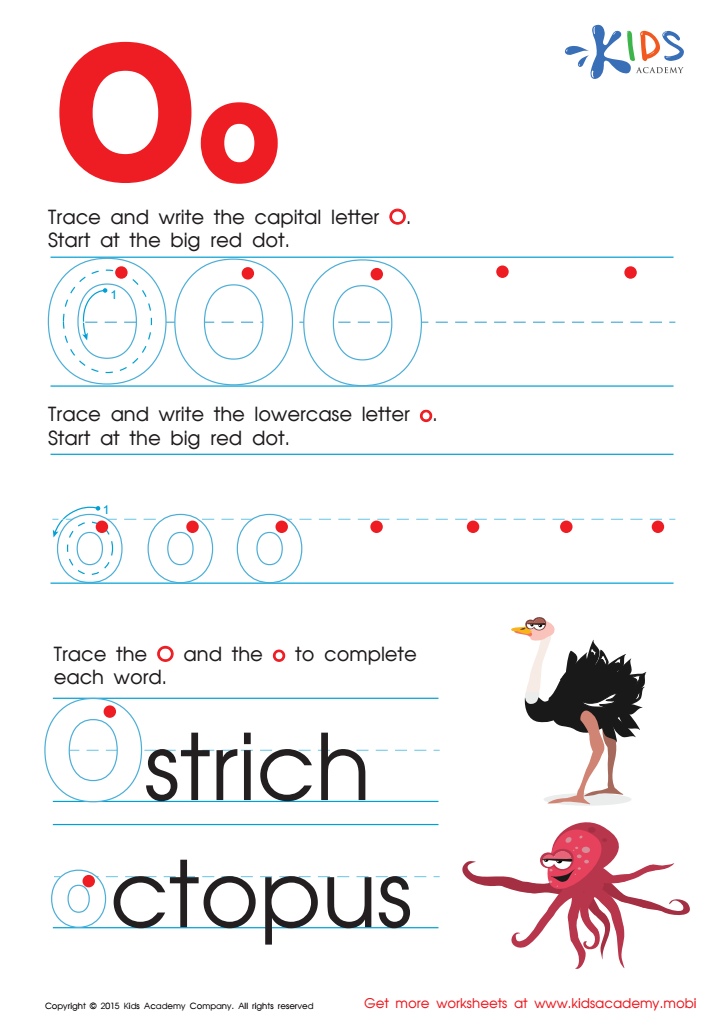
Letter O Tracing Page
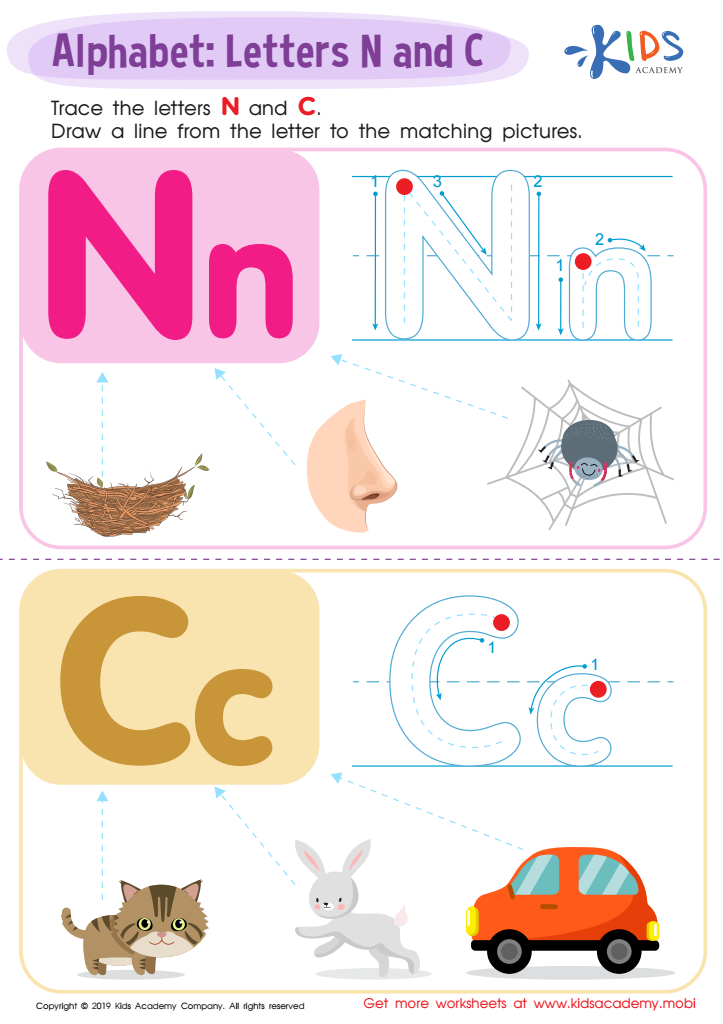
Letter N and C Tracing Worksheet
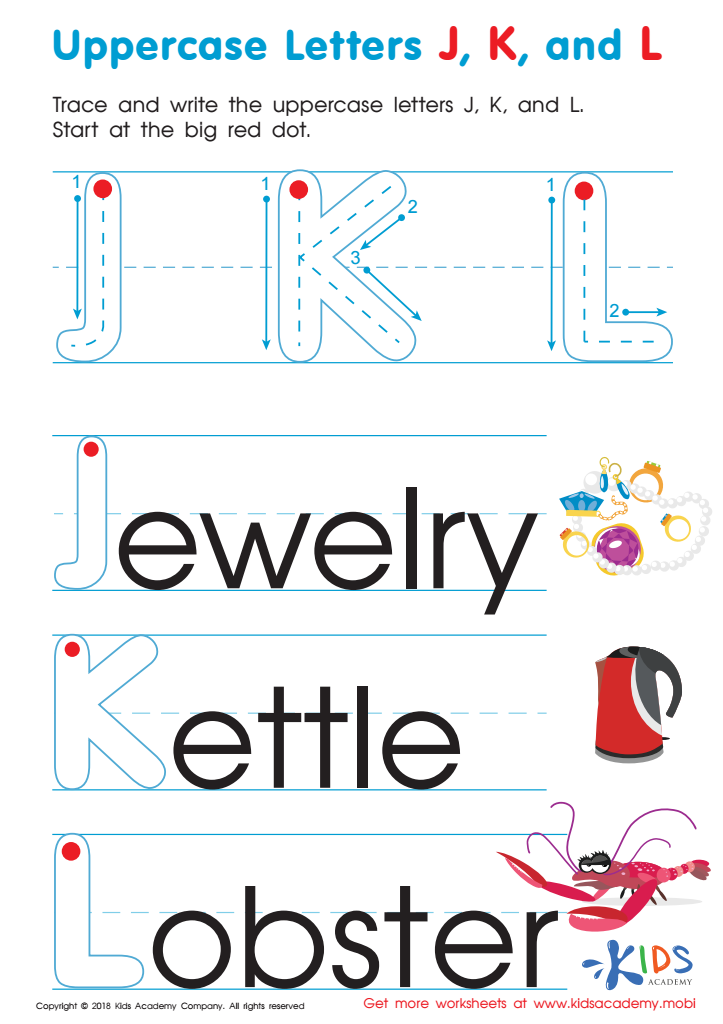
Uppercase Letters J, K, and L Worksheet
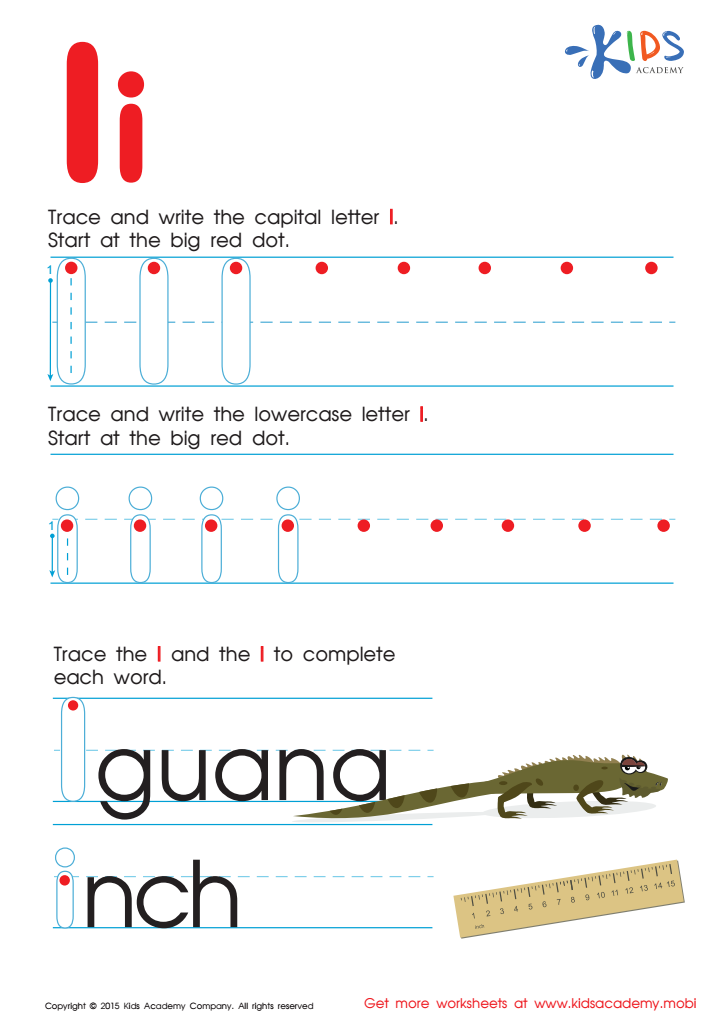
Letter I Tracing Page
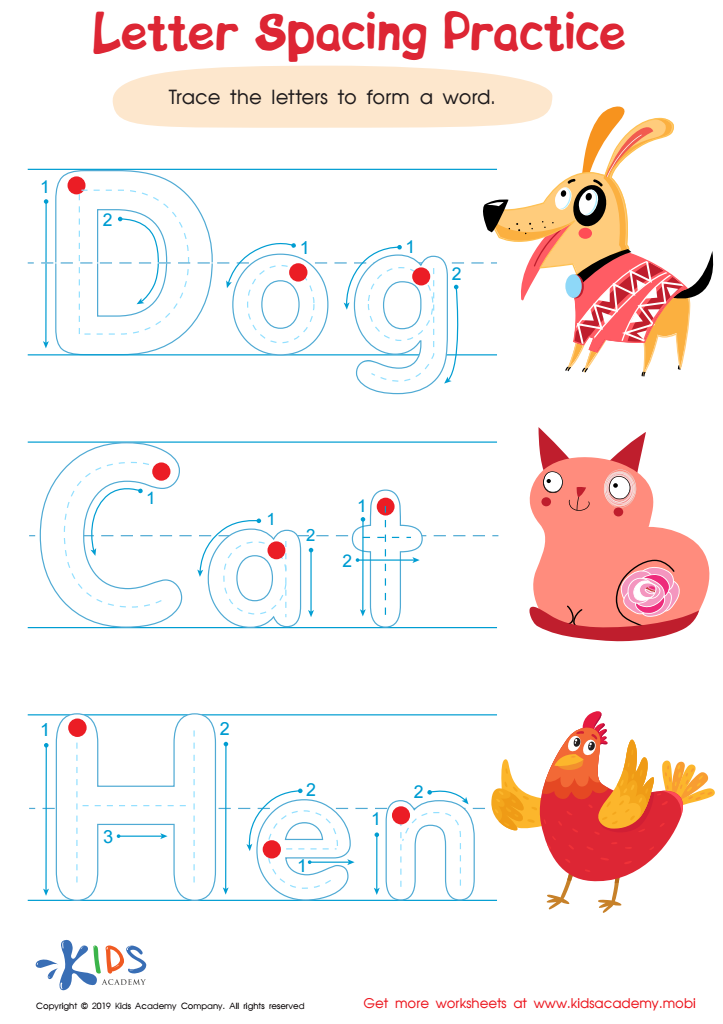
Letter Spacing Practice Worksheet
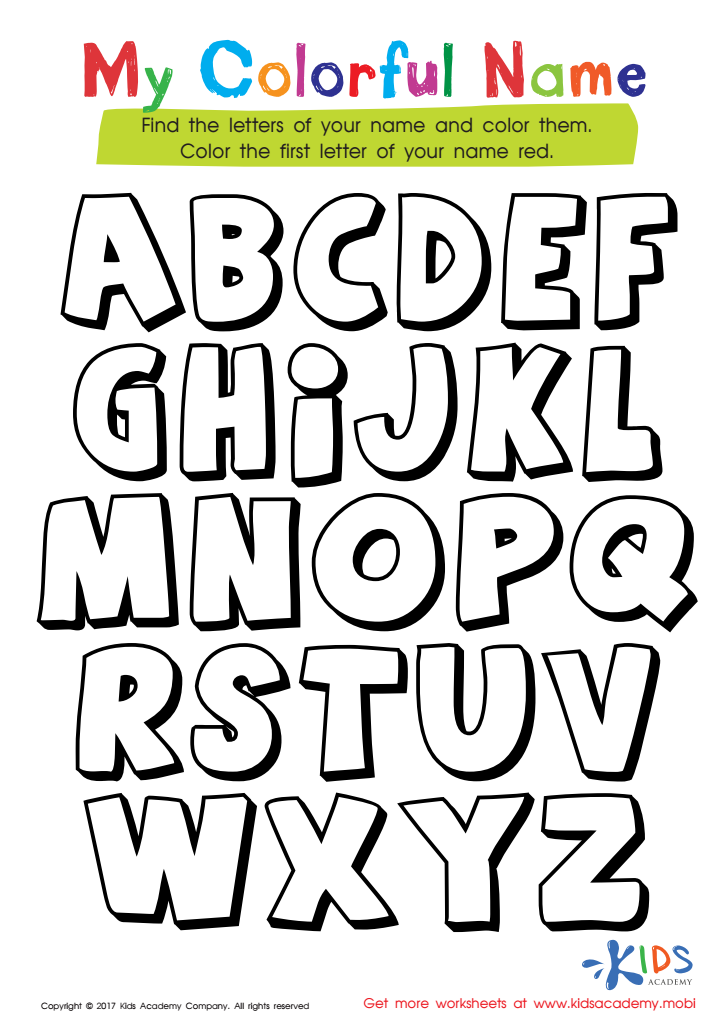
My Colorful Name Worksheet
 Assign to My Students
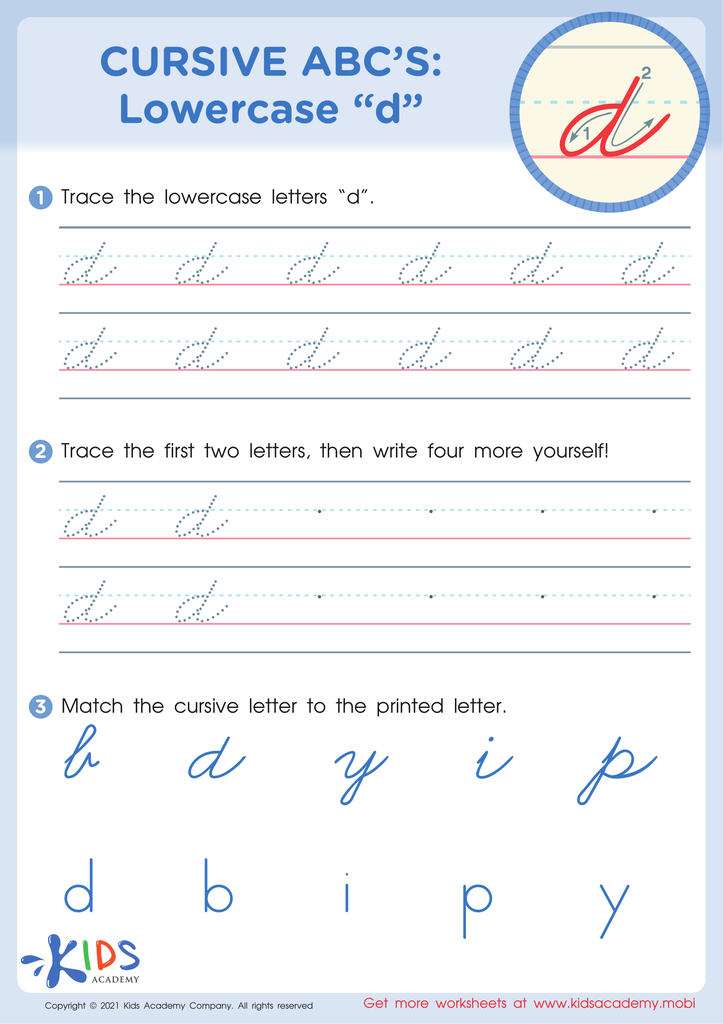
Cursive ABCs: Lowercase d
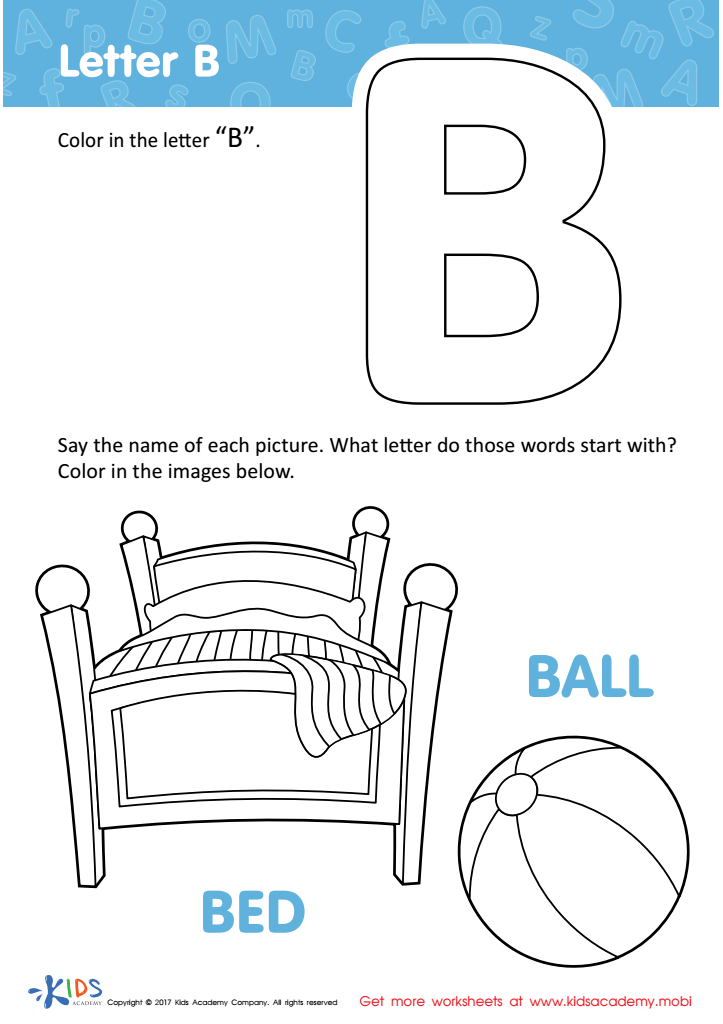
Letter B Coloring Sheet
Assign to My Students
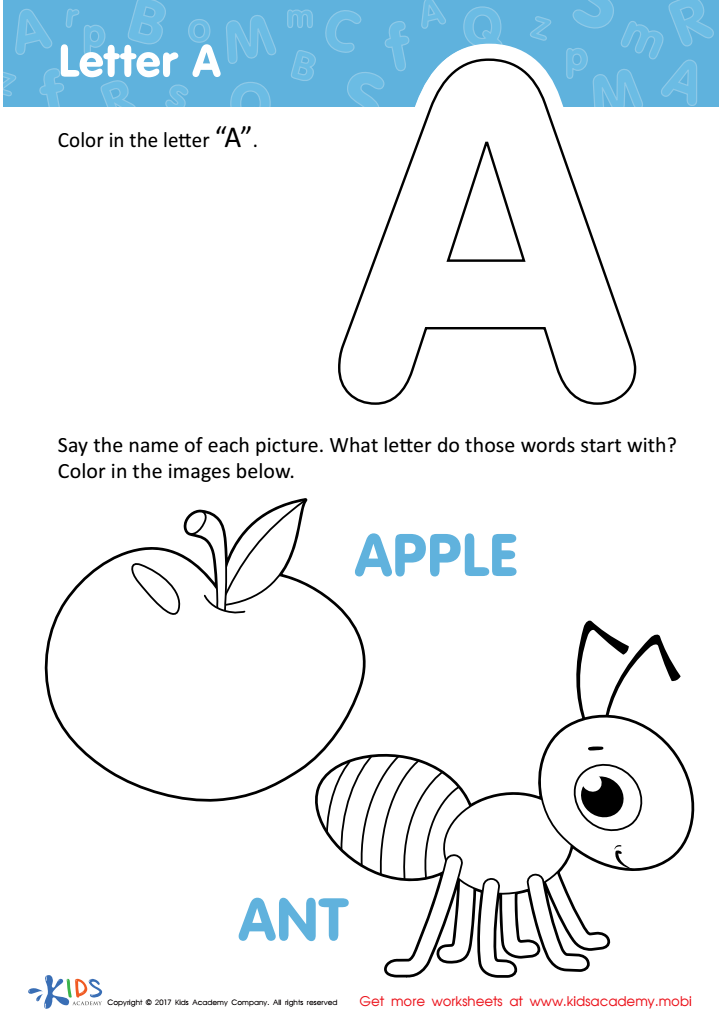
Letter A Coloring Sheet
Assign to My Students
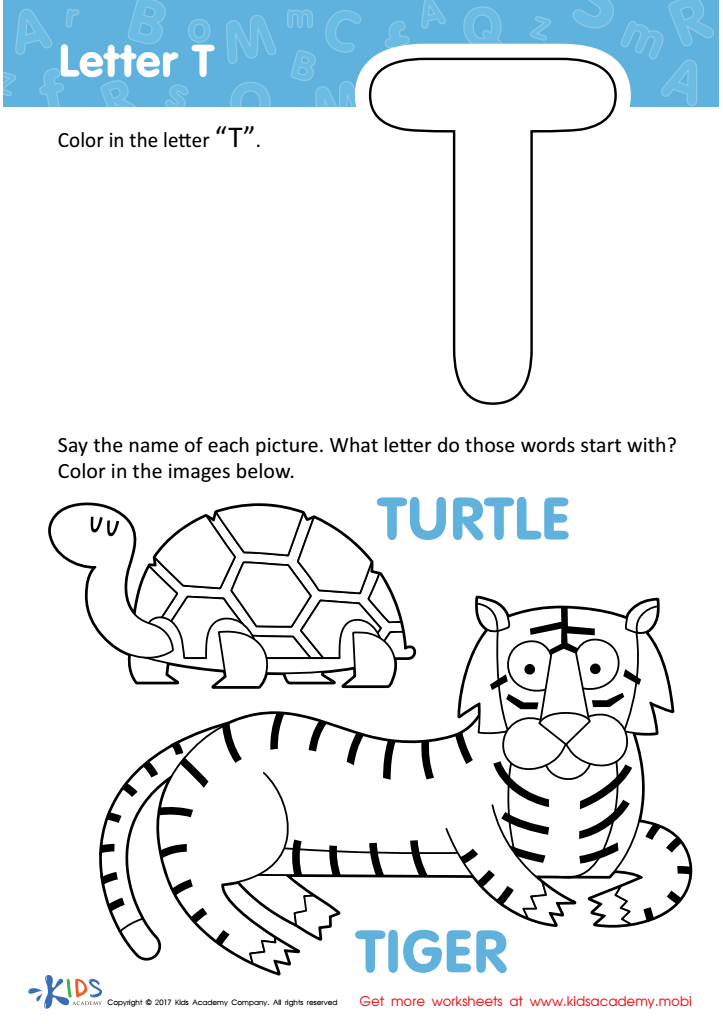
Letter T Coloring Sheet
Assign to My Students
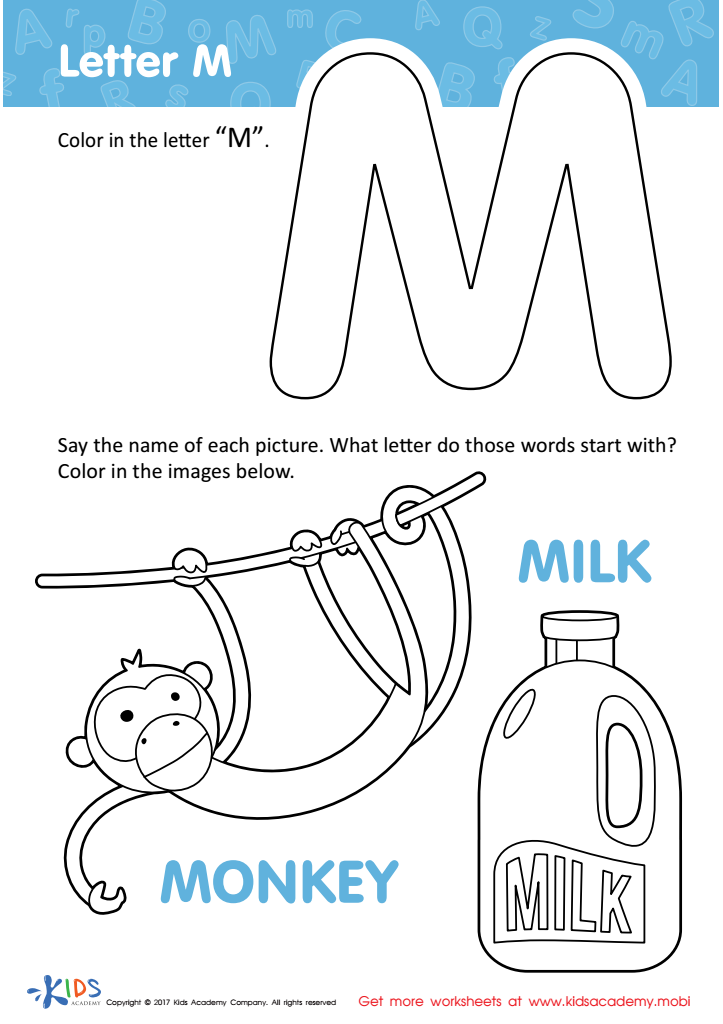
Letter M Coloring Sheet
Assign to My Students
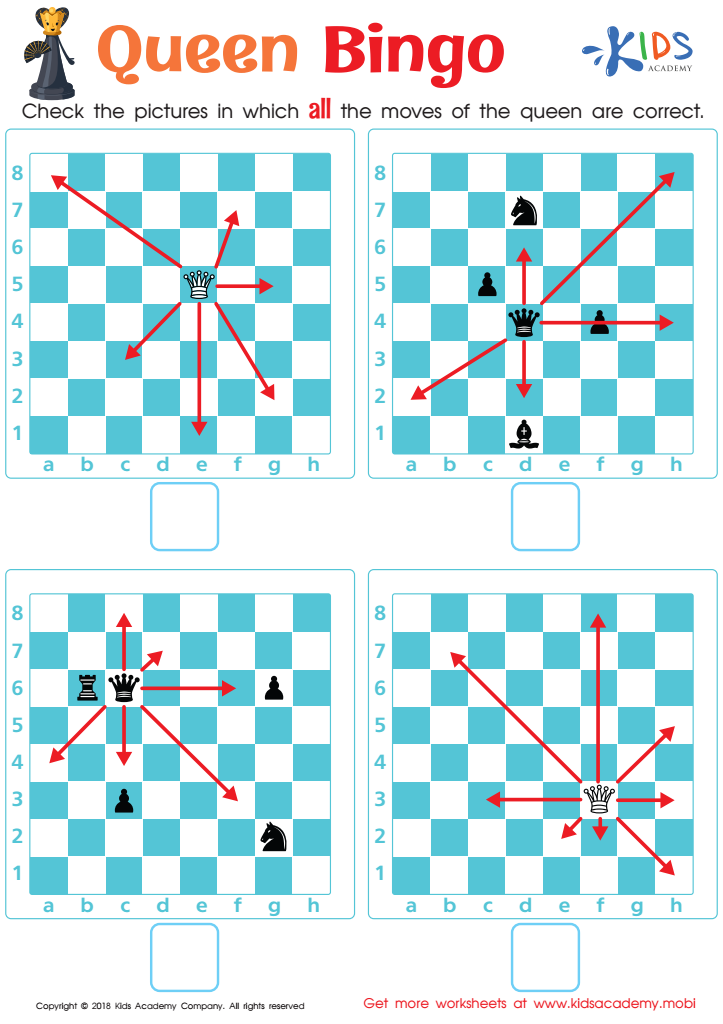
Queen Bingo Worksheet
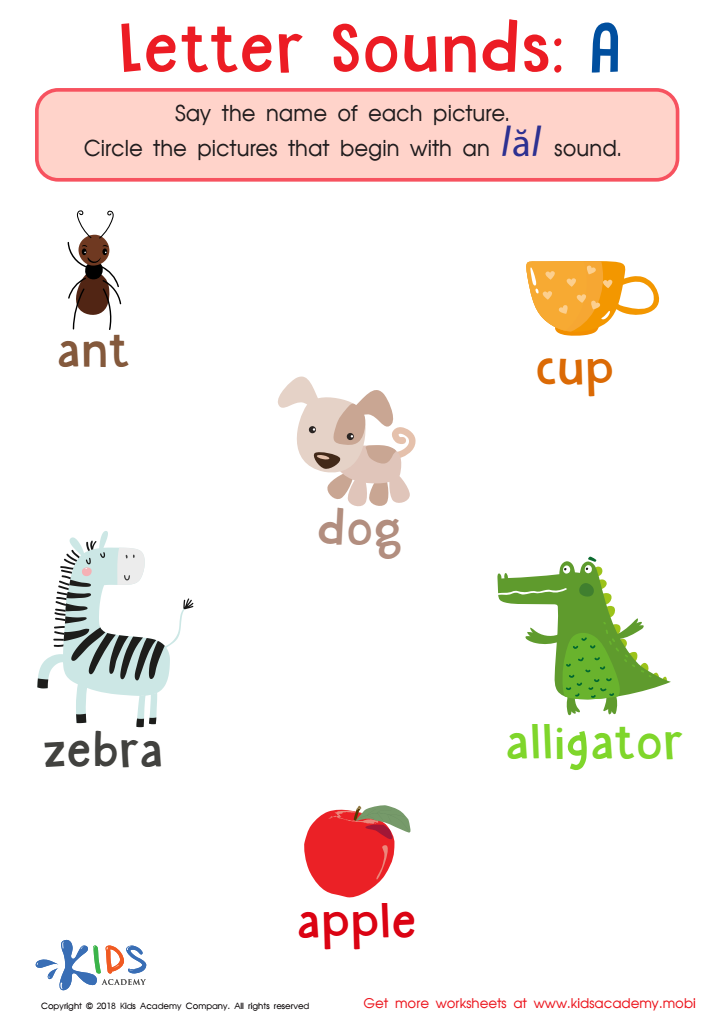
Letter A Sounds Worksheet
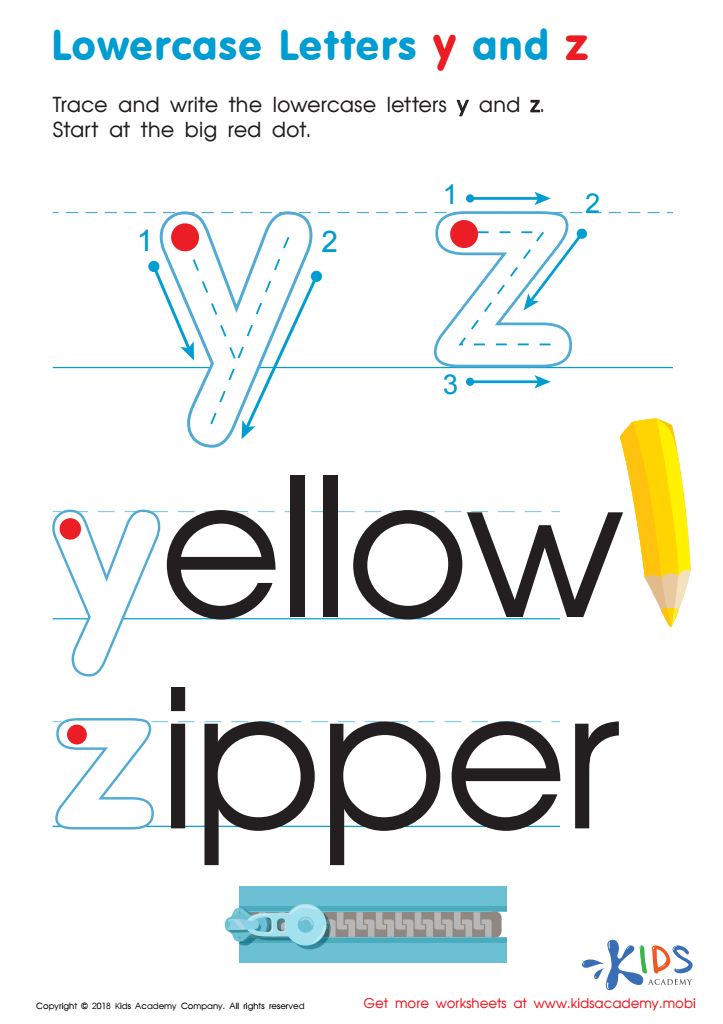
Lowercase Letters y z Worksheet
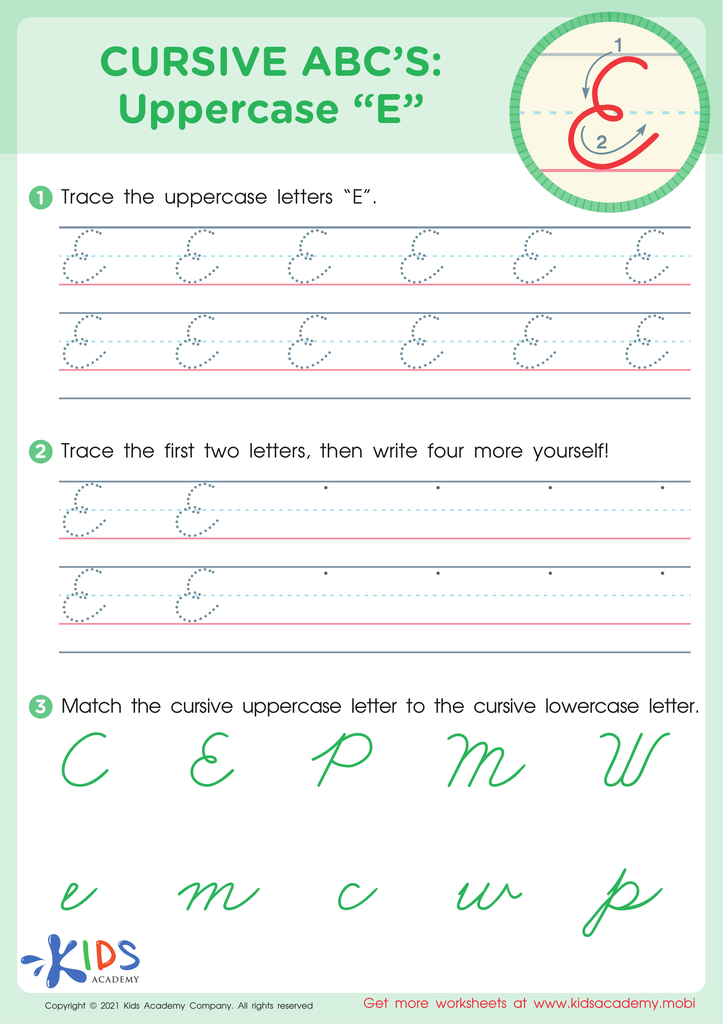
Cursive ABCs: Uppercase E







Alphabet recognition is foundational for children's literacy and academic achievement, making it an essential component of early childhood education for ages 4-9. At this stage, children are in a critical period of cognitive development, and learning the alphabet serves as their first step toward reading and writing proficiency. Recognizing letters and associating them with sounds (phonemic awareness) allows children to begin decoding words, a skill necessary for reading fluency and comprehension.
Early alphabet recognition also supports vocabulary expansion and communication skills. The earlier children familiarize themselves with letters, the easier it is for them to start understanding the structure of words and sentences. This enhances their ability to express thoughts clearly and understand written material.
Furthermore, strong alphabet recognition builds confidence in young learners. Being able to identify letters and sounds independently provides a sense of achievement and promotes a positive attitude towards learning. It also prepares them for more complex literacy activities, such as writing stories and reading independently, setting a strong foundation for future academic success.
For parents and teachers, nurturing this skill can be engaging and fun, employing educational games, songs, and hands-on activities that foster an environment conducive to learning. By prioritizing alphabet recognition, caregivers equip children with the tools necessary for long-term educational success.








