Analytical thinking Worksheets for Ages 4-9
17 filtered results
-
From - To
Unlock your child's potential with our engaging Analytical Thinking Worksheets designed for ages 4-9! These worksheets foster critical thinking skills through fun and interactive activities that challenge young minds to analyze, reason, and solve problems. Each worksheet is crafted to align with early learning standards, promoting creativity and logical reasoning in a playful environment. Ideal for home or classroom use, our worksheets help children develop essential skills while enjoying activities that stimulate their imagination. Encourage your child to think outside the box and embark on a journey of discovery. Browse our collection today and inspire a lifelong love for learning!
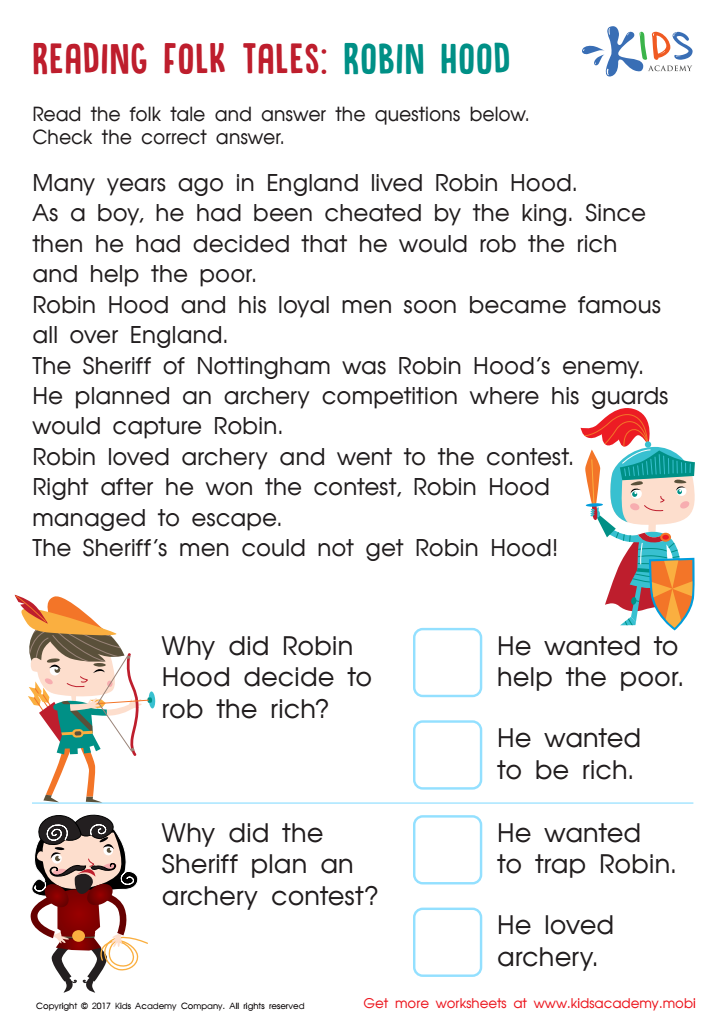
Robin Hood Folktale Worksheet
 Assign to My Students
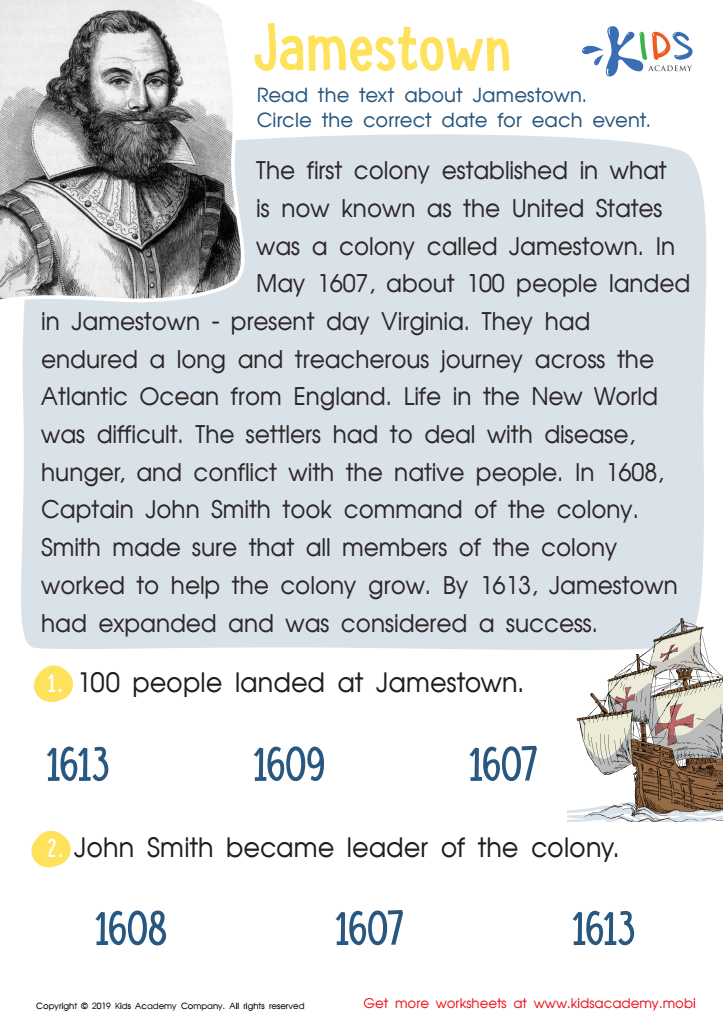
Jamestown Worksheet
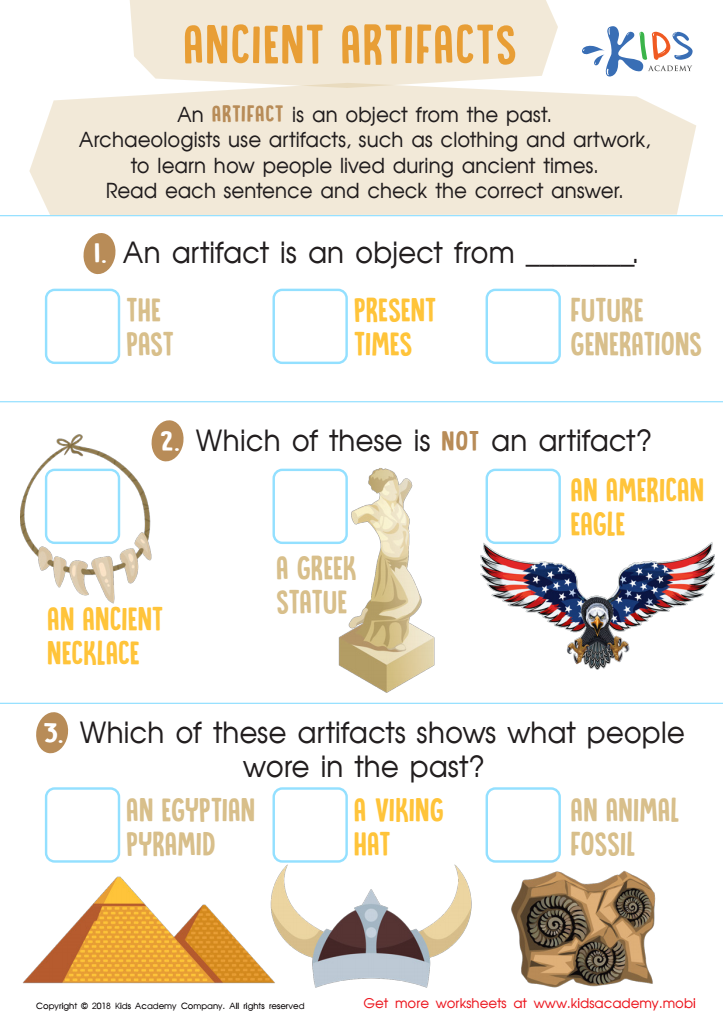
Ancient Artifacts Worksheet
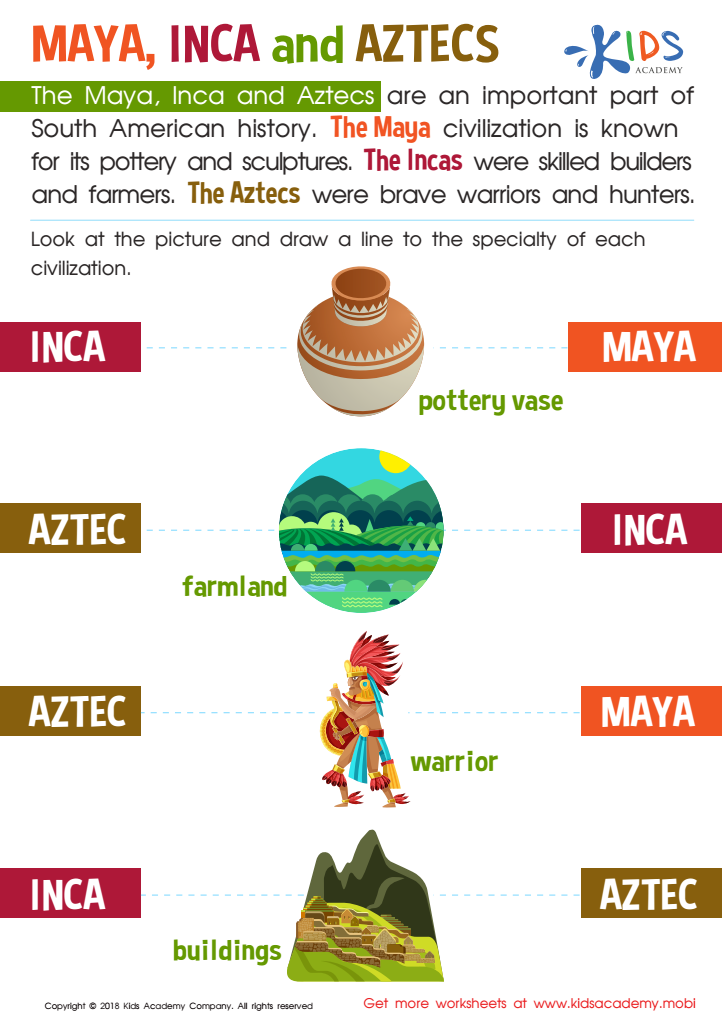
Maya, Inca and Aztecs Worksheet
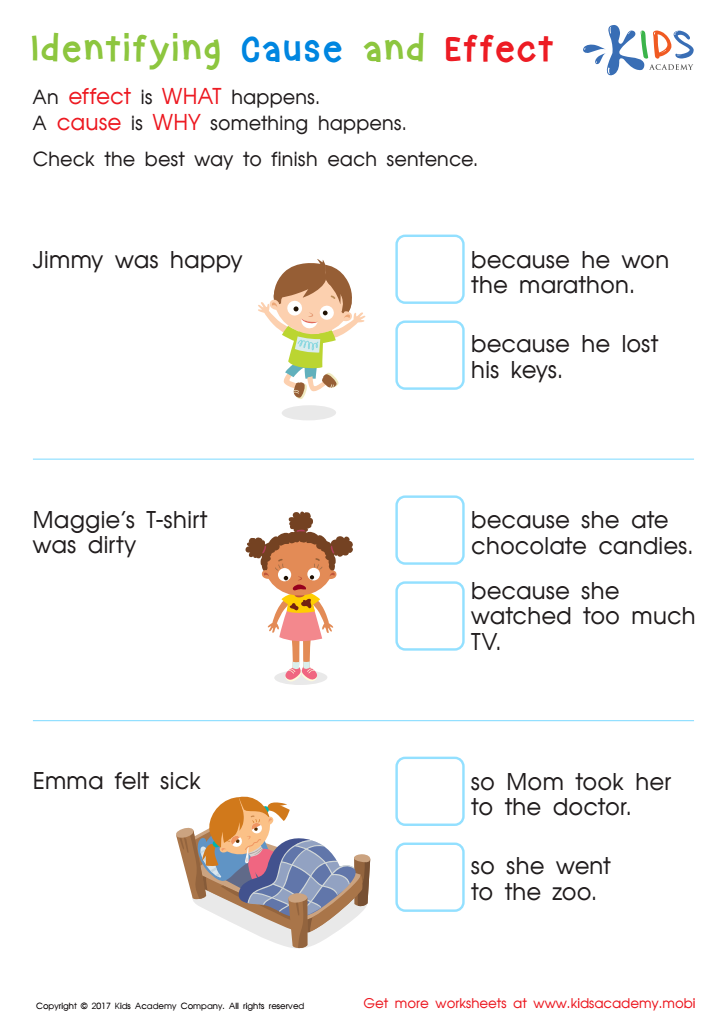
Indentifying Cause and Effect Worksheet
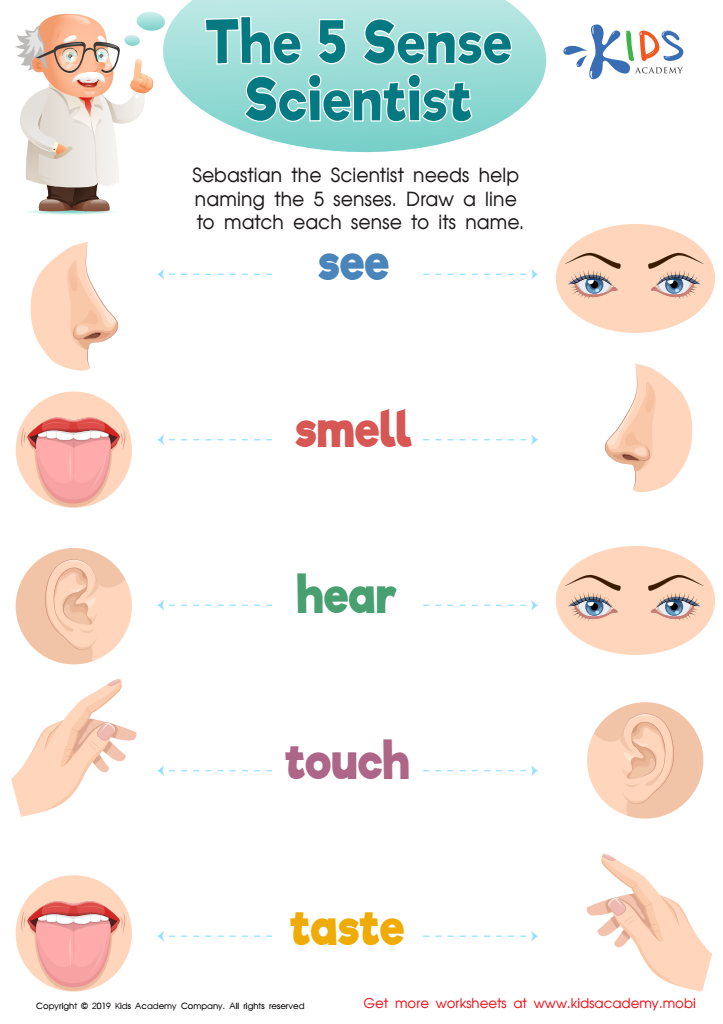
The 5 Sense Scientist Worksheet
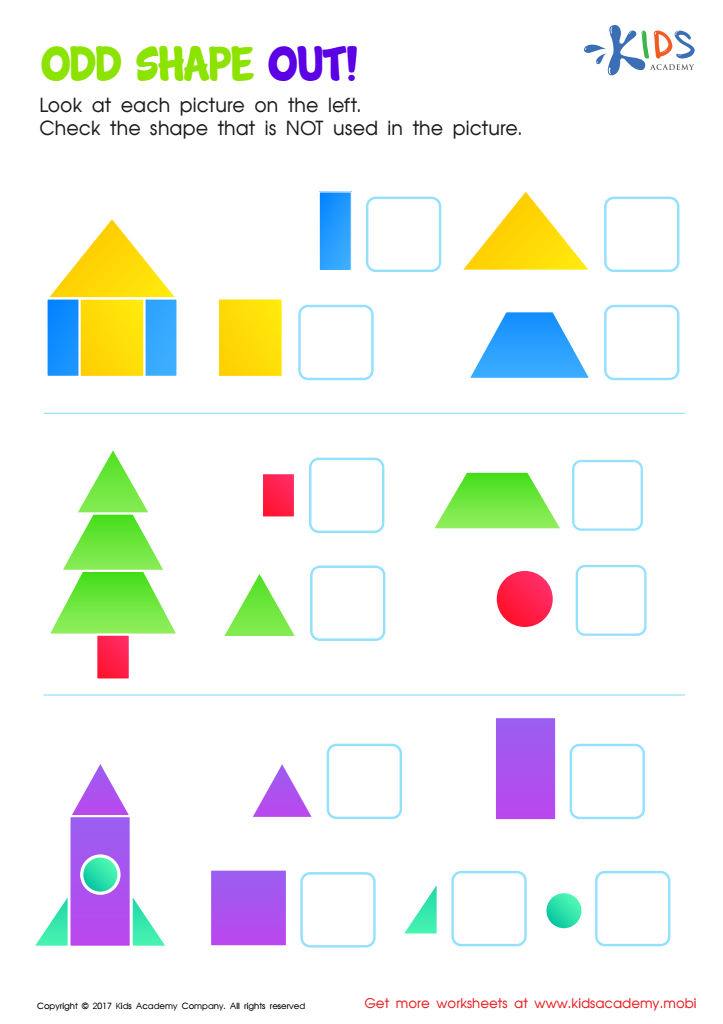
Odd Shape Out Worksheet for Grade 1
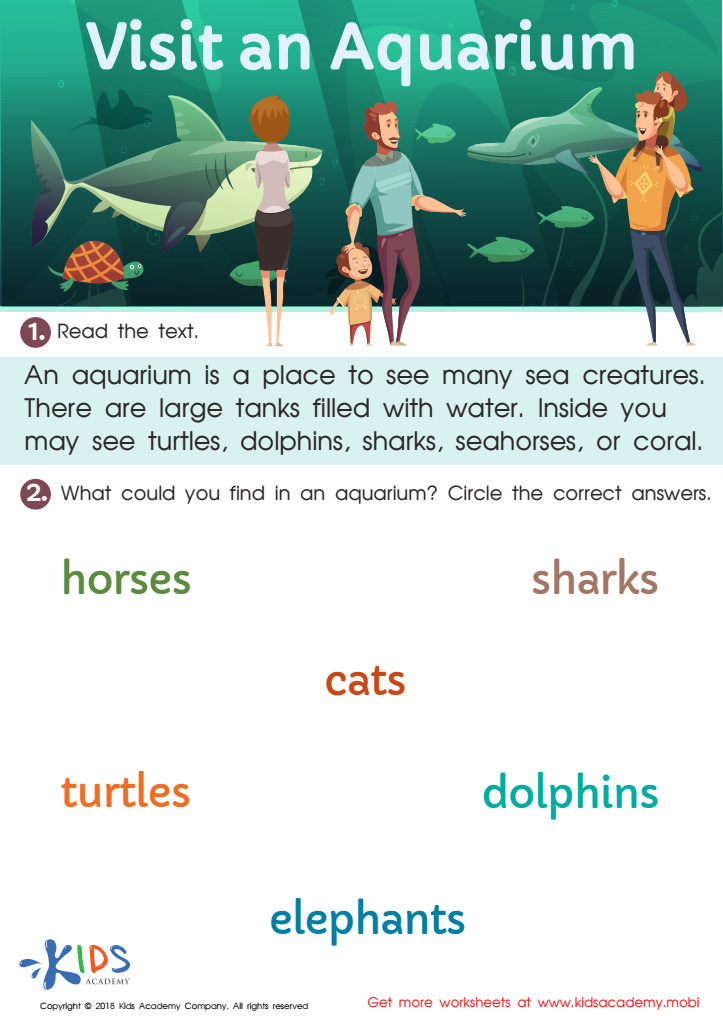
Visit an Aquarium Worksheet
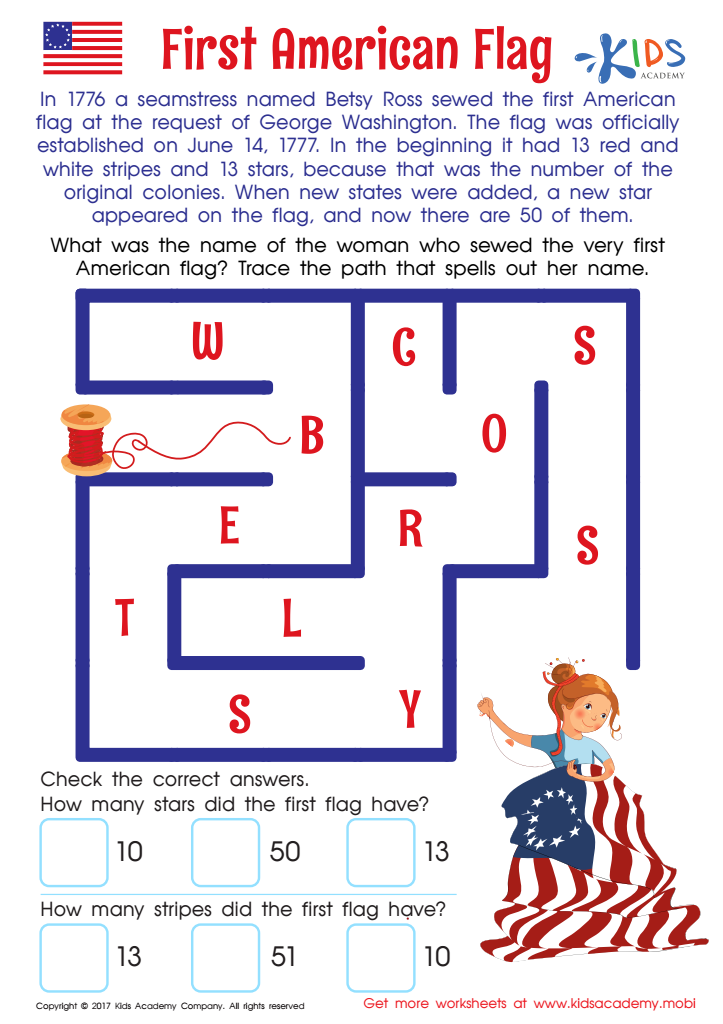
First American Flag Worksheet
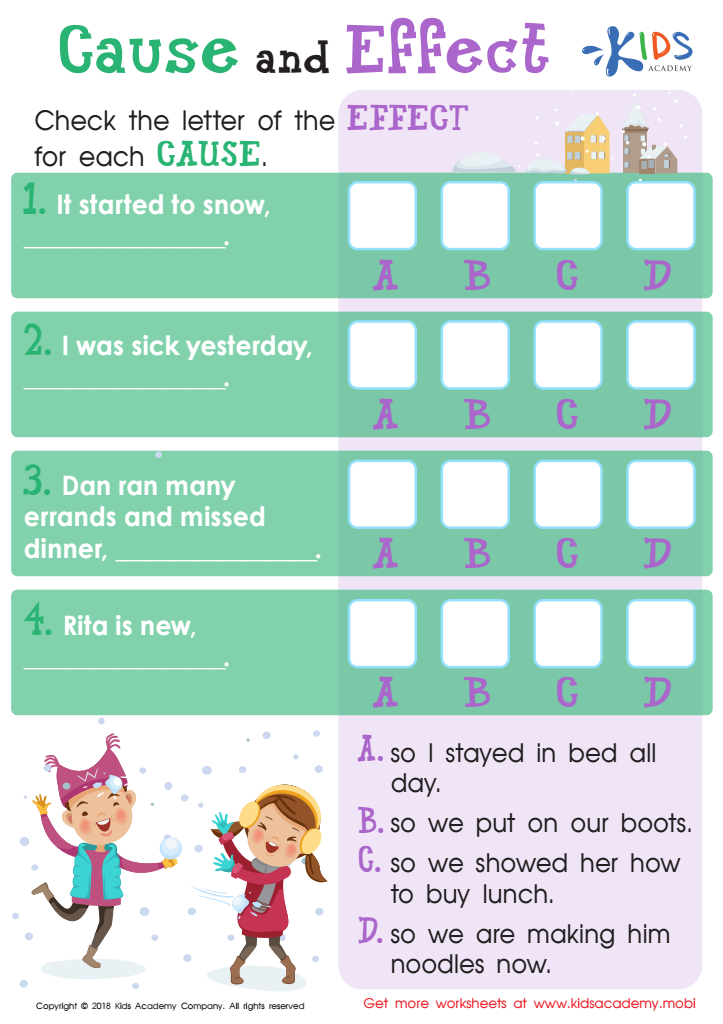
Cause and Effect Worksheet
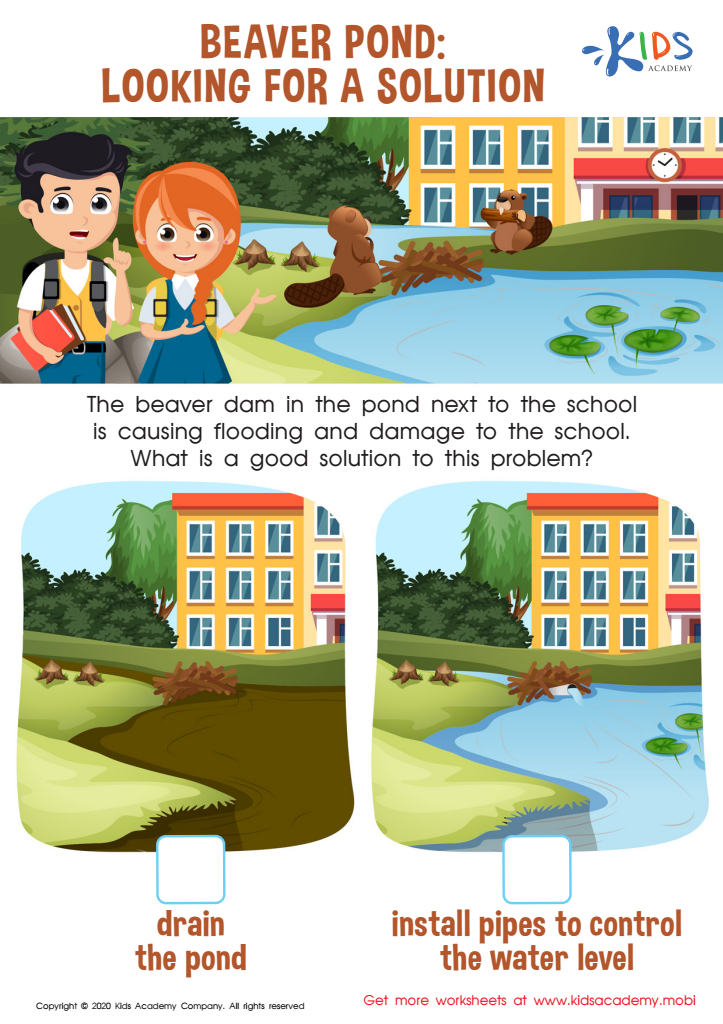
Beaver Pond: Looking for a Solution Worksheet
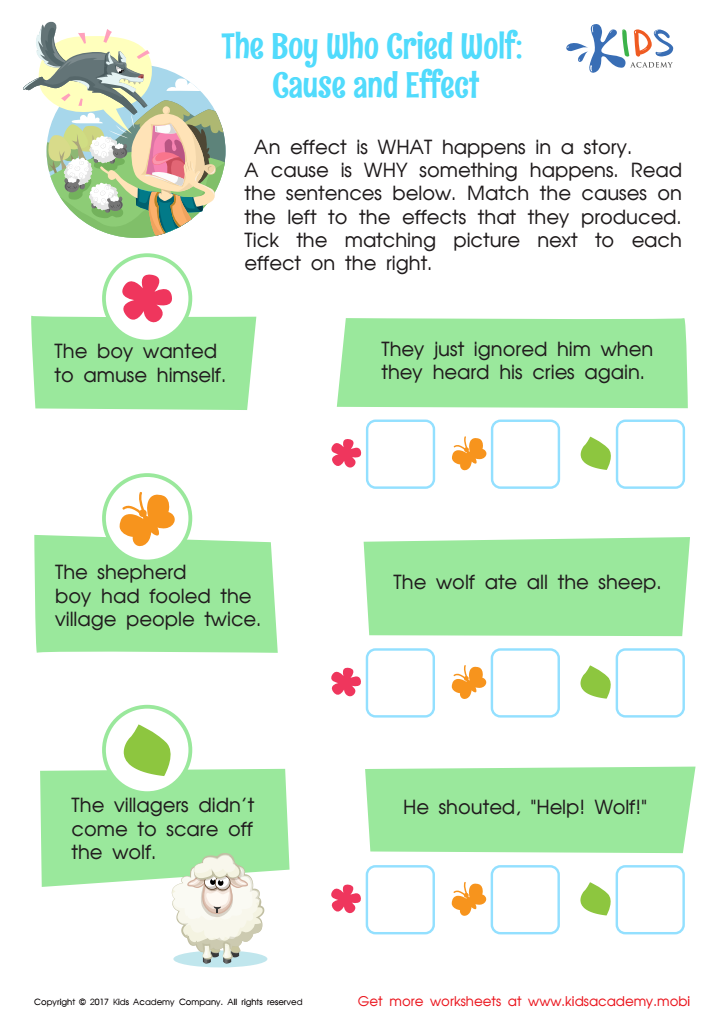
The Boy Who Cried Wolf: Cause and Effect Worksheet
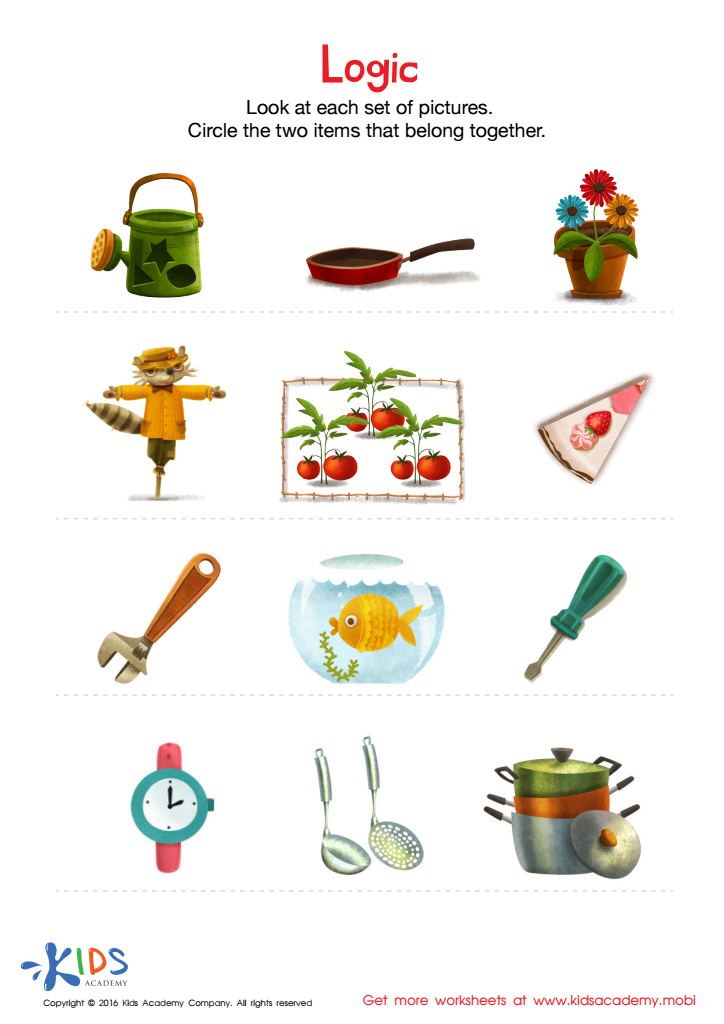
Logic Game Sorting Worksheet
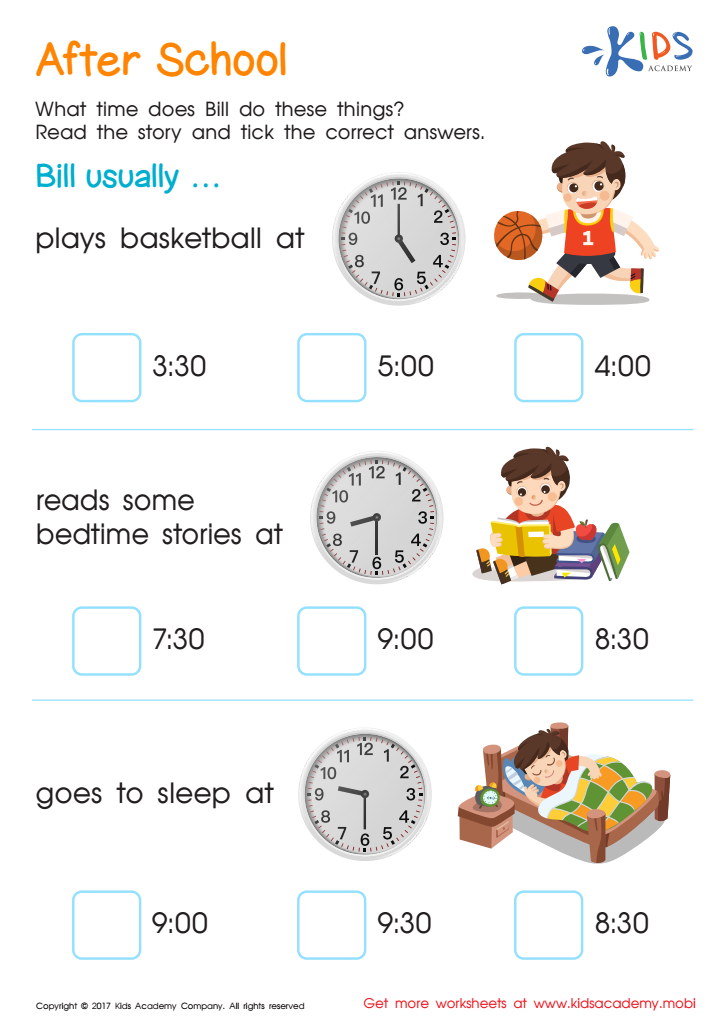
After School Time Printable
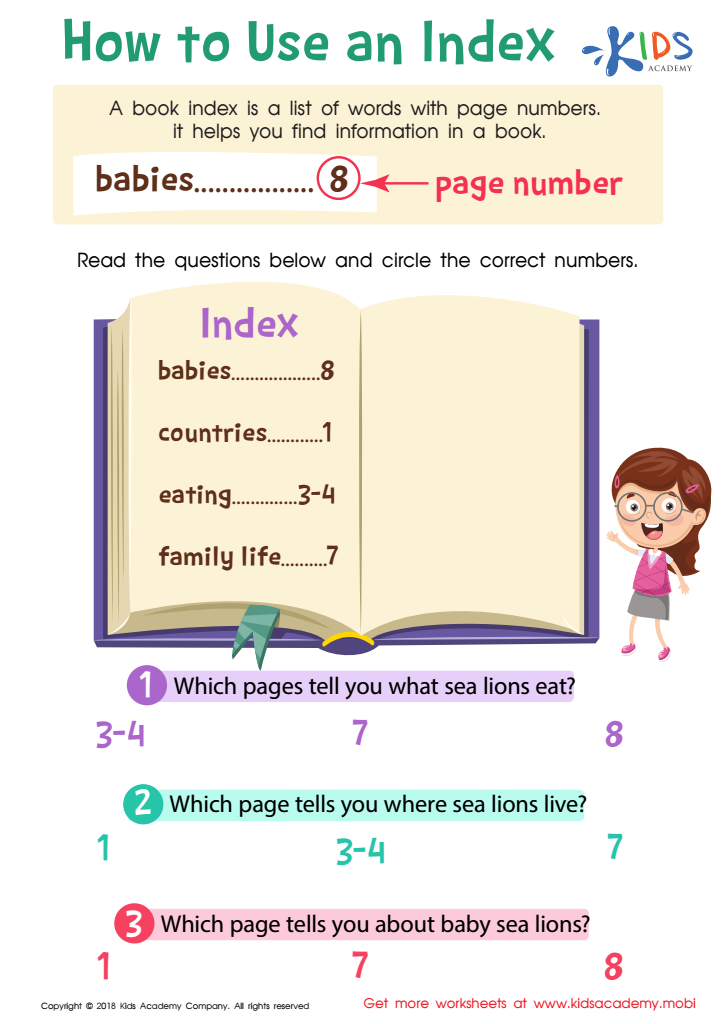
How Use Index Worksheet
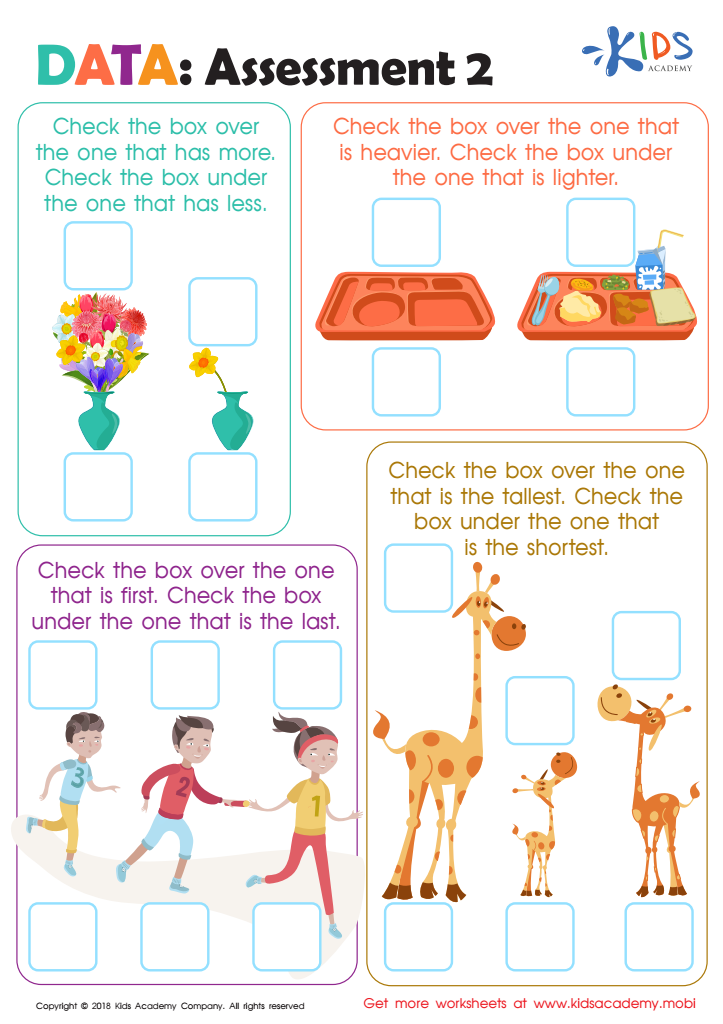
Data: Assessment 2 Worksheet






Analytical thinking is a crucial cognitive skill that develops during the formative years of 4 to 9 years old. Parents and teachers should prioritize fostering this skill because it lays the groundwork for effective problem-solving and decision-making abilities. Analytical thinking enables children to evaluate situations critically, recognize patterns, and draw logical conclusions based on evidence.
For young learners, engaging in activities that promote analytical thinking—such as puzzles, simple science experiments, or strategic games—boosts their creativity and resourcefulness. These activities not only stimulate intellectual growth but also enhance verbal and mathematical skills, which are foundational for future academic success.
Moreover, analytical thinking equips children with the skills to navigate everyday challenges, helping them become independent thinkers. In a world saturated with information and choices, the ability to analyze and derive meaning becomes invaluable. This critical thinking skill fosters resilience as children learn to approach problems systematically rather than relying on guesswork.
Furthermore, early development of analytical thinking can improve interpersonal skills, as it involves understanding different perspectives and reasoning. In summary, nurturing analytical thinking in young children is essential for their overall development, preparing them for future learning and life experiences, ultimately shaping them into thoughtful, capable adults.








