Analyzing data Worksheets for Ages 4-9
12 filtered results
-
From - To
Welcome to our "Analyzing Data Worksheets for Ages 4-9"! Designed to make learning fun and interactive, these worksheets help young learners develop essential skills in data analysis. Children will engage in exciting activities that encourage them to interpret information, identify patterns, and make comparisons. Perfect for home or classroom use, our worksheets accommodate various learning styles and foster critical thinking. Additionally, they are aligned with educational standards to ensure proficiency in foundational math concepts. Explore our vast collection and empower your child with the confidence to analyze data while enhancing their analytical skills in a playful and engaging way!
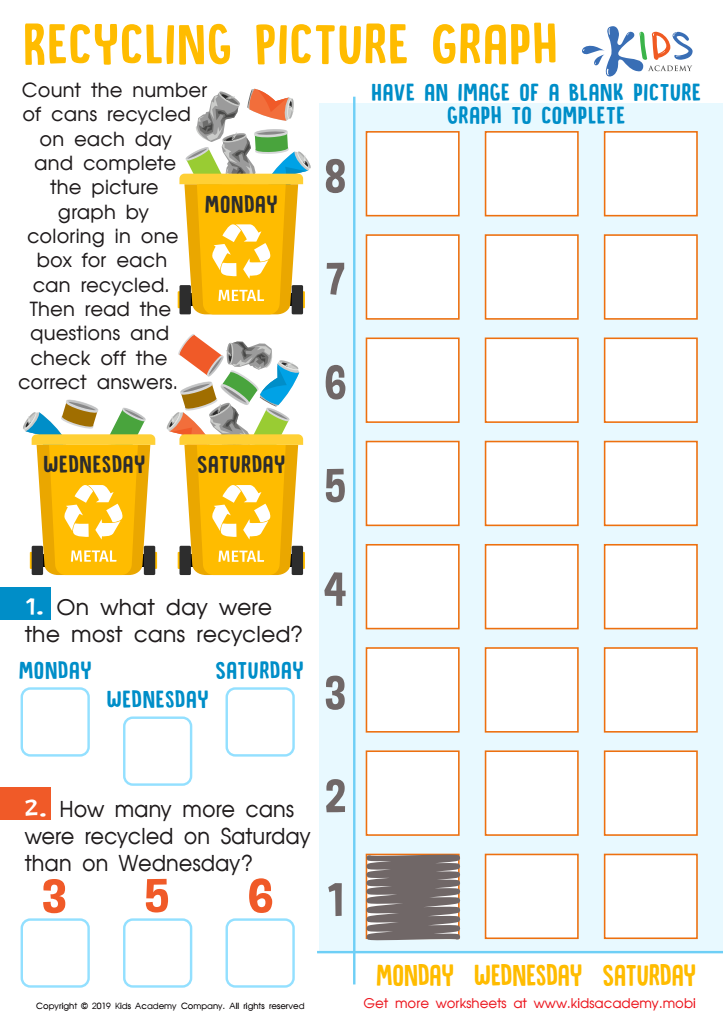
Recycling Picture Graph Worksheet
 Assign to My Students
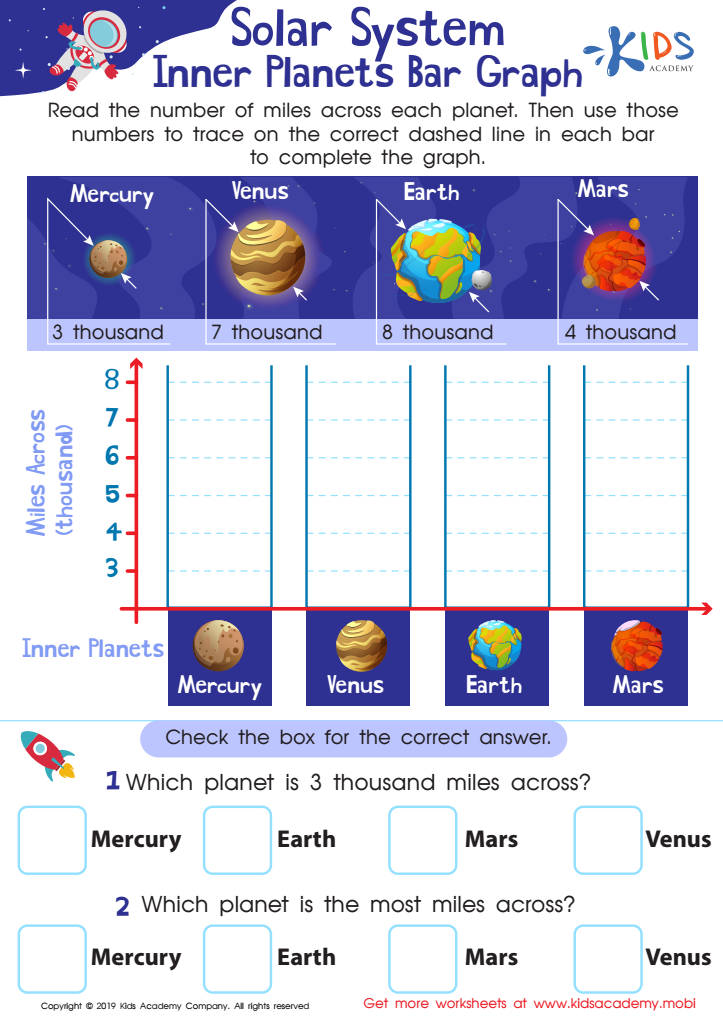
Planets Bar Graph Worksheet
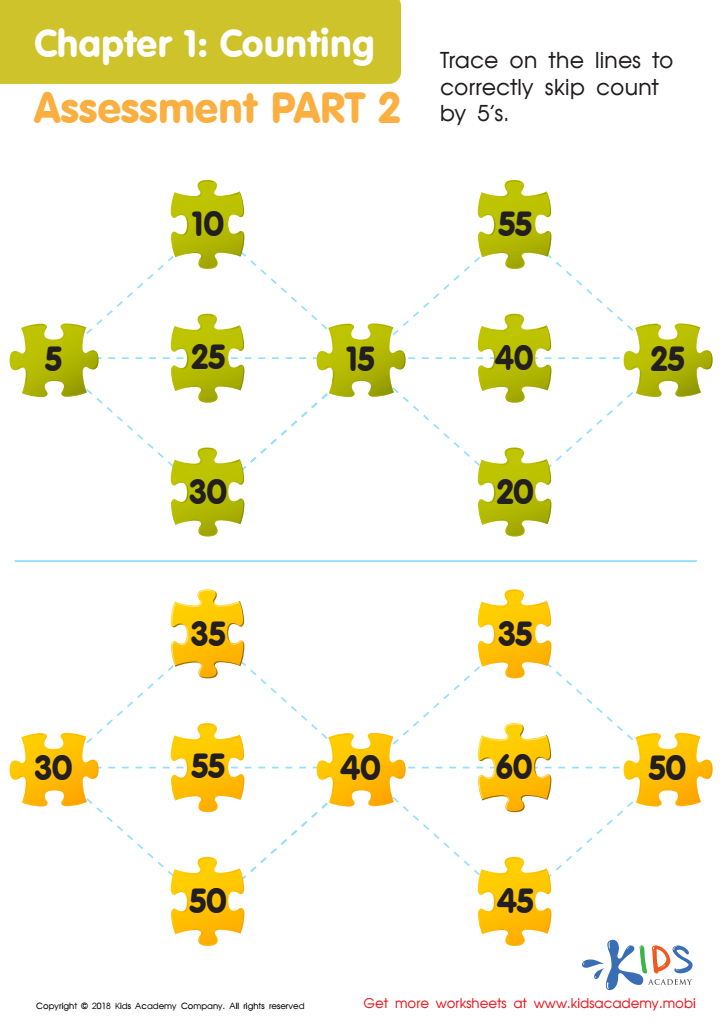
Counting: Assessment 2 Worksheet
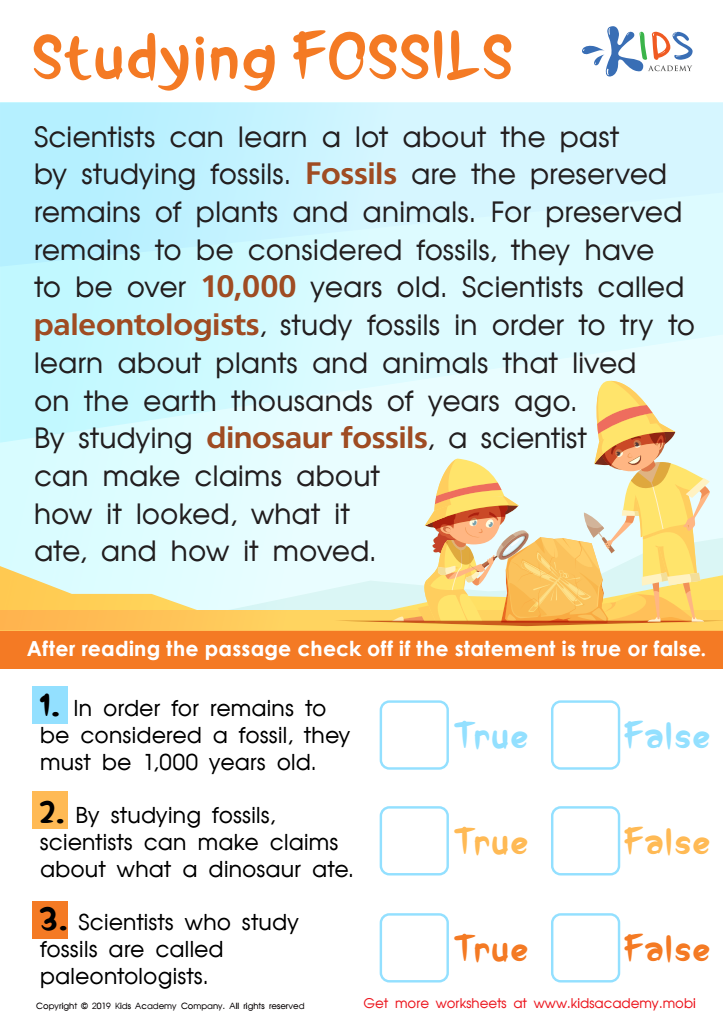
Studying Fossils Worksheet
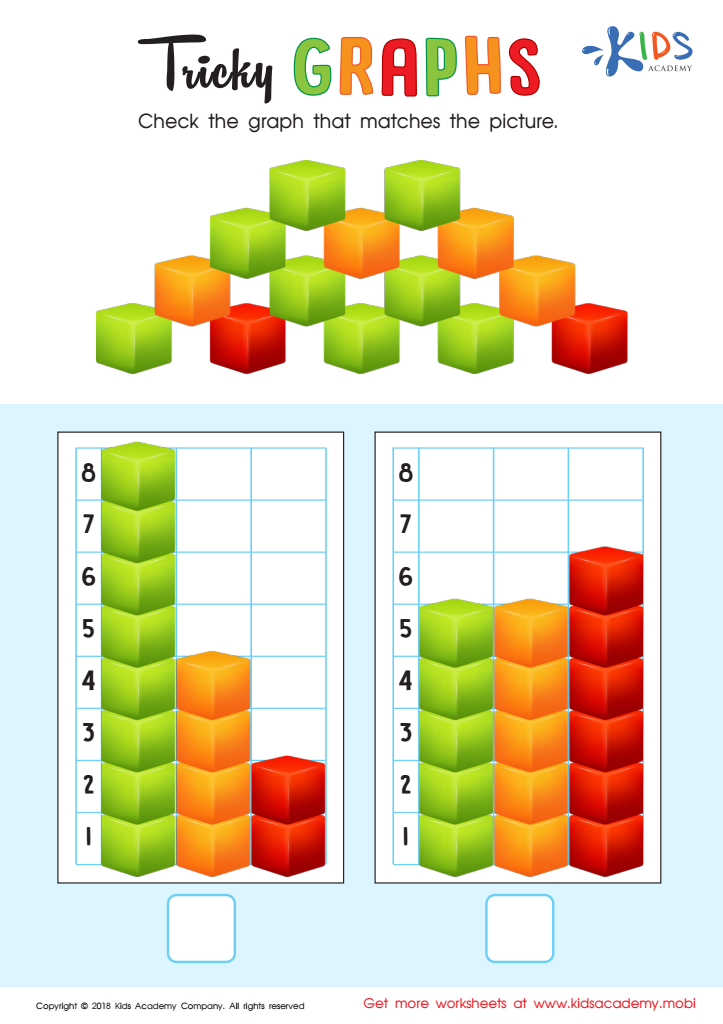
Tricky Graphs Worksheet
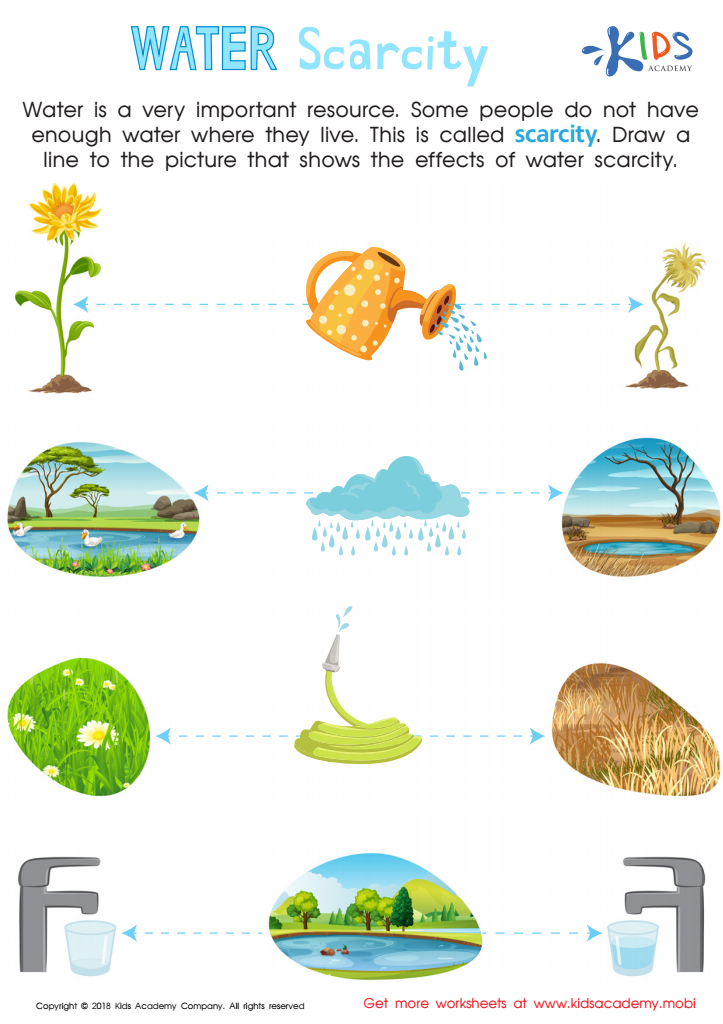
Water Scarcity Worksheet
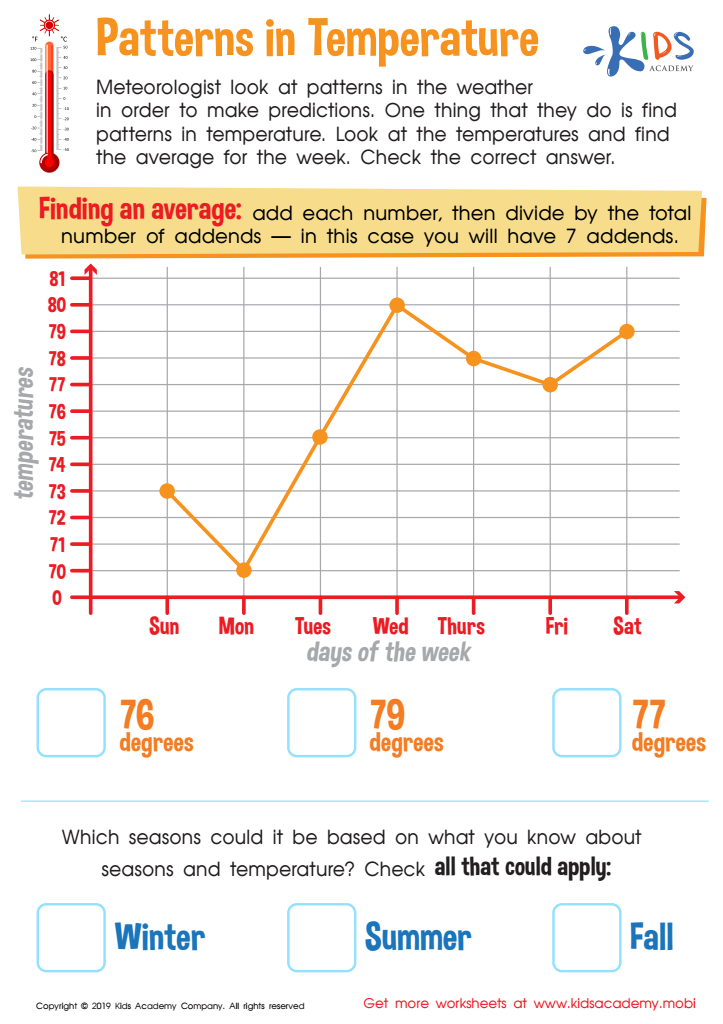
Patterns in Temperature Worksheet
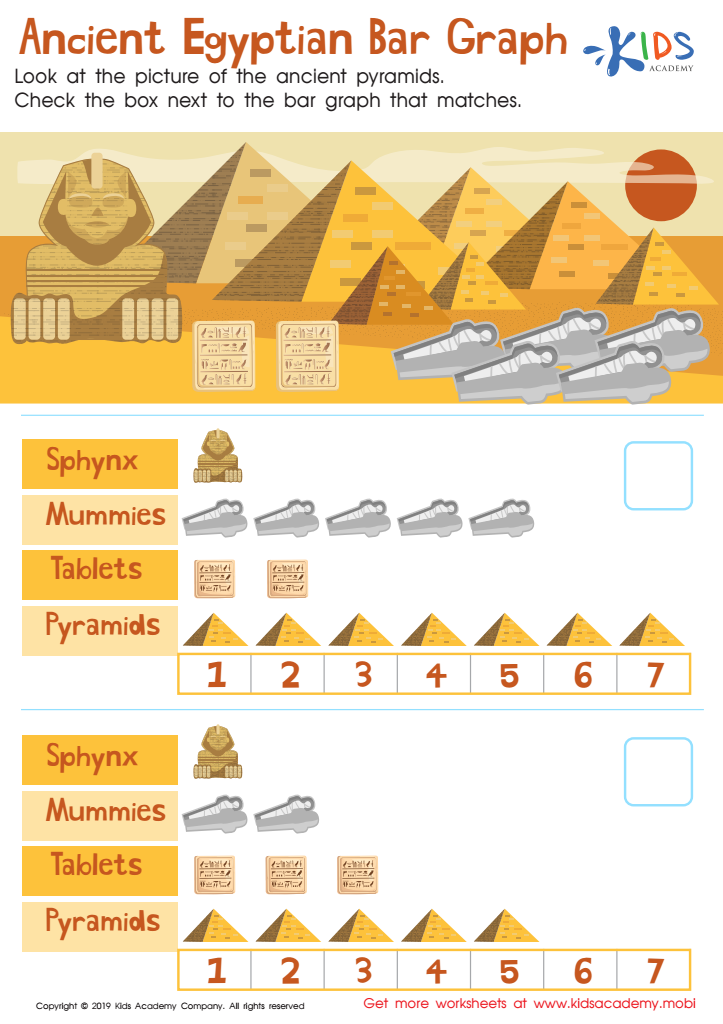
Egyptian Bar Graph Worksheet
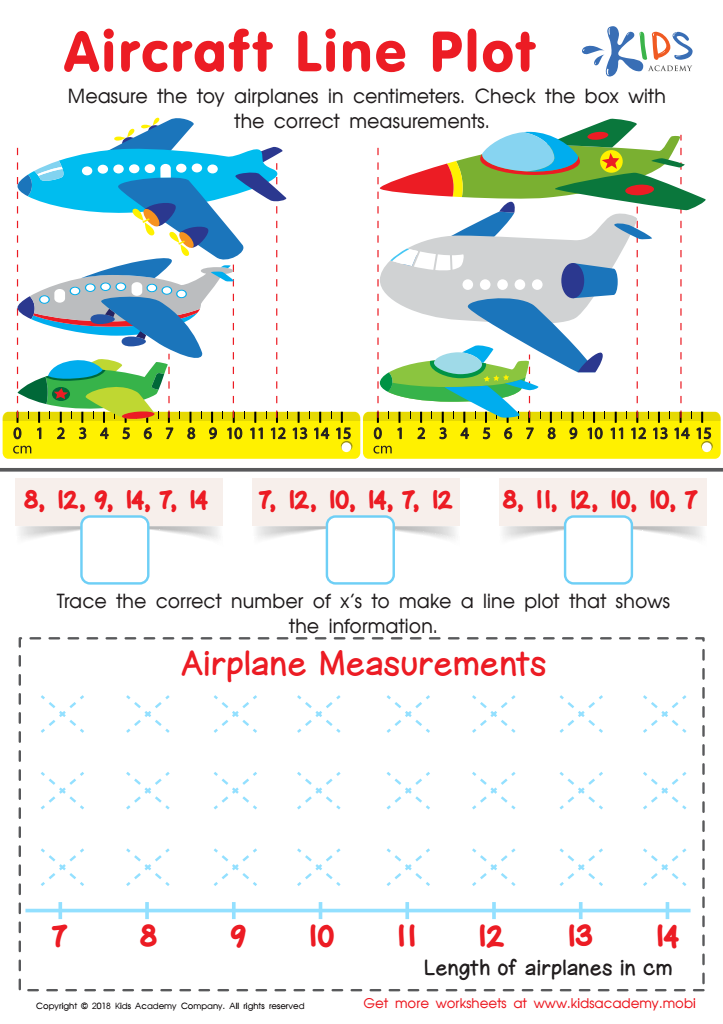
Aircraft Line Plot Worksheet
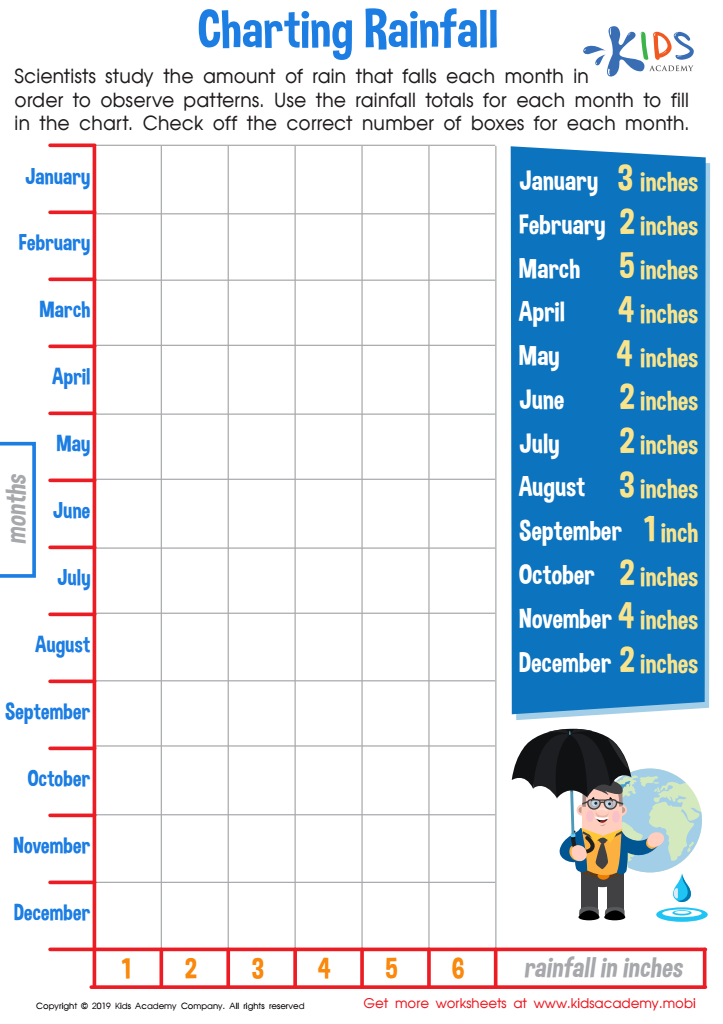
Charting Rainfall Worksheet
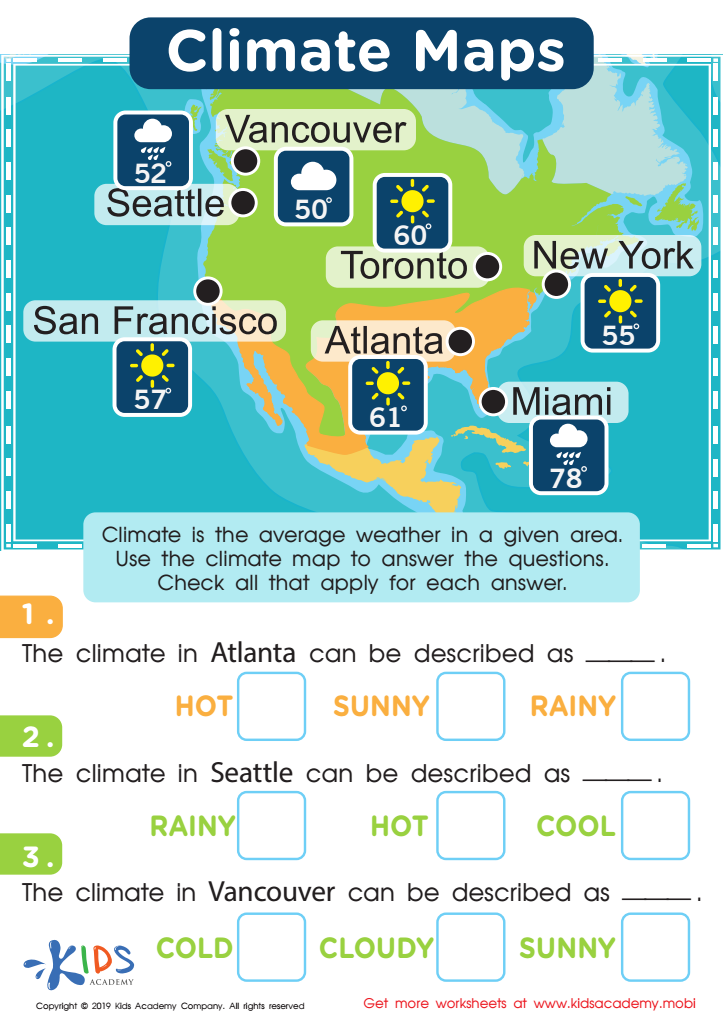
Climate Maps Worksheet








Analyzing data for children aged 4-9 is crucial for parents and teachers, as it directly impacts educational strategies and outcomes. This age group experiences rapid cognitive, social, and emotional development, making data analysis vital for understanding their individual needs and learning styles. By examining assessment results, attendance records, and participation rates, educators can tailor instruction to support each child’s unique strengths and areas for improvement.
Data analysis fosters early identification of potential learning challenges or giftedness, allowing for timely interventions and enrichment opportunities. It helps monitor progress over time, ensuring that children are on track with developmental milestones. Moreover, data can provide insights into the effectiveness of teaching methods and curricular choices, guiding educators to adjust strategies for greater impact.
For parents, understanding data trends can offer valuable insights into their child’s learning journey, enabling them to engage meaningfully with educators and reinforce learning at home. Furthermore, data-driven collaboration between parents and teachers nurtures a supportive environment that fosters holistic development.
In summary, analyzing data involves leveraging information to create responsive educational experiences, empowering both teachers and parents to contribute effectively to children’s growth during these formative years.








