Associative learning Worksheets for Ages 4-9
7 filtered results
-
From - To
Discover engaging Associative Learning Worksheets designed for children aged 4-9 at Kids Academy! Our carefully crafted resources help young learners develop crucial cognitive skills through fun activities that connect related concepts. These worksheets enhance memory, promote critical thinking, and encourage creativity, enabling children to make associations between words, images, and numbers. Perfect for homeschooling or supplementary learning, our printable worksheets are suitable for any educational setting. With colorful designs and age-appropriate challenges, kids will enjoy discovering the power of connections as they explore new ideas. Boost their confidence and competence in a fun-filled learning environment with our associative learning tools today!
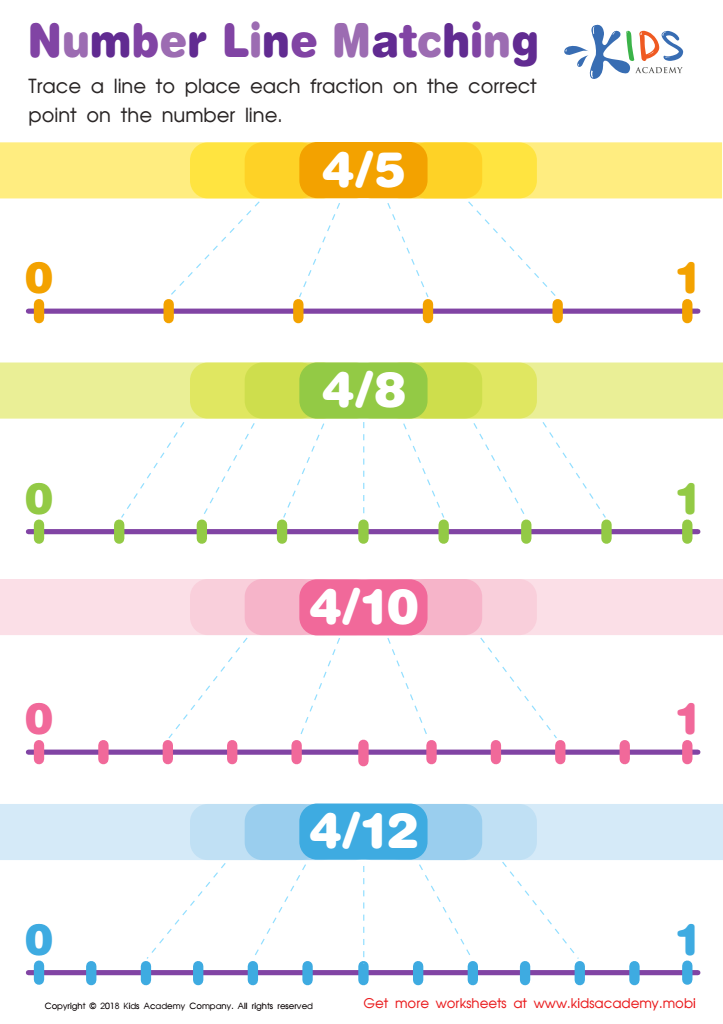
Number Line Matching Worksheet
 Assign to My Students
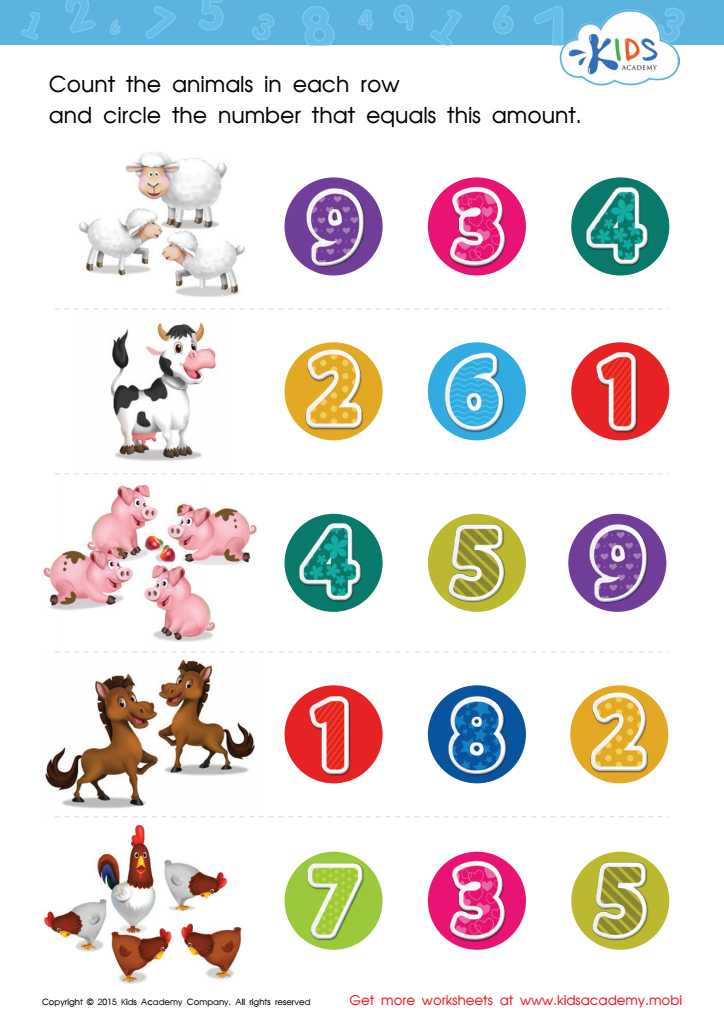
Count and Match 1 – 5 Math Worksheet
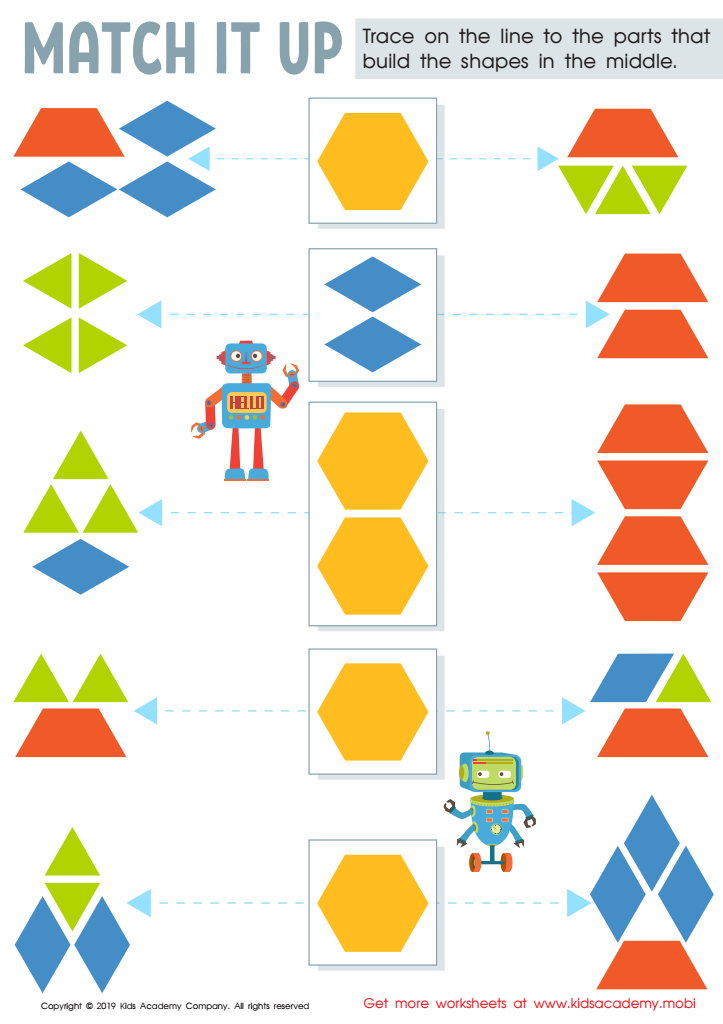
Match It up Worksheet
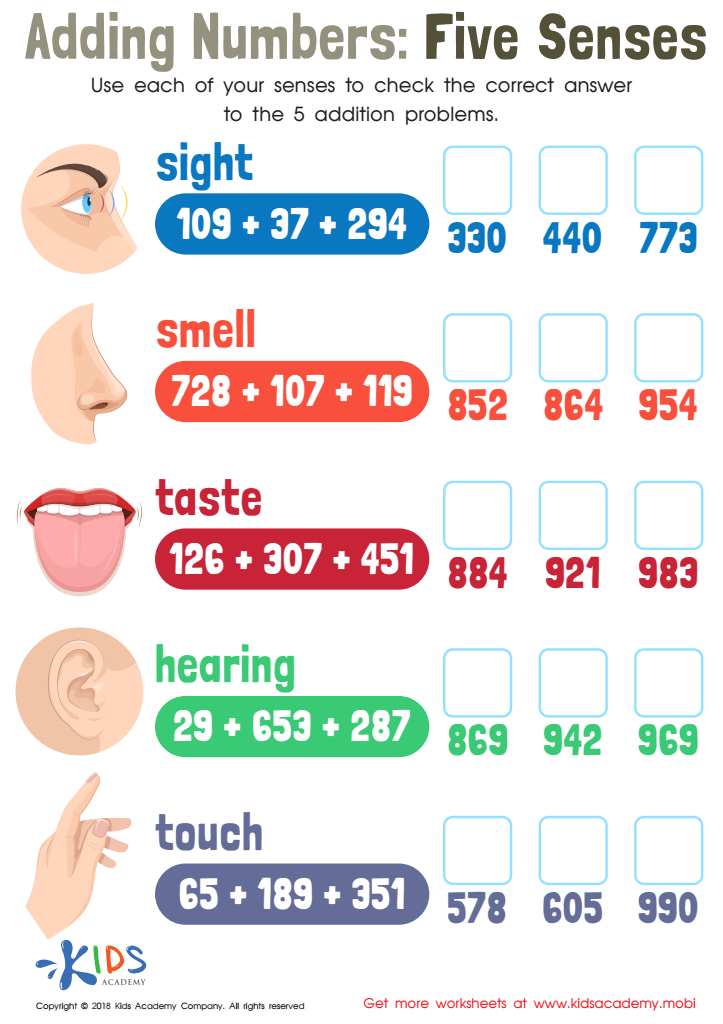
Adding Numbers: Five Senses Worksheet

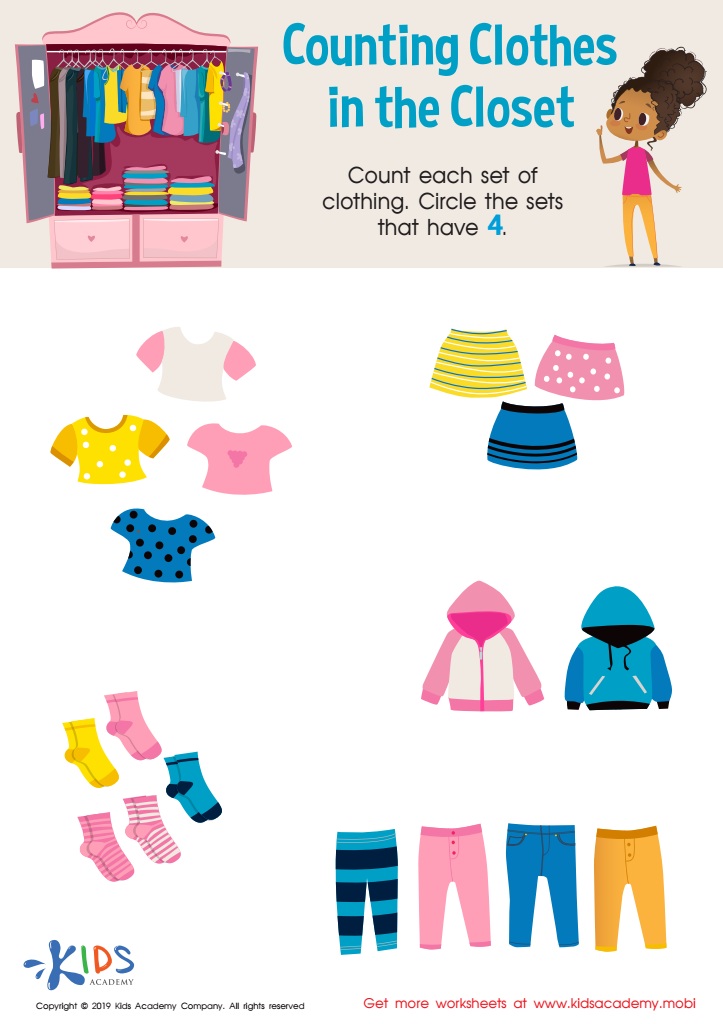
Counting Clothes Worksheet
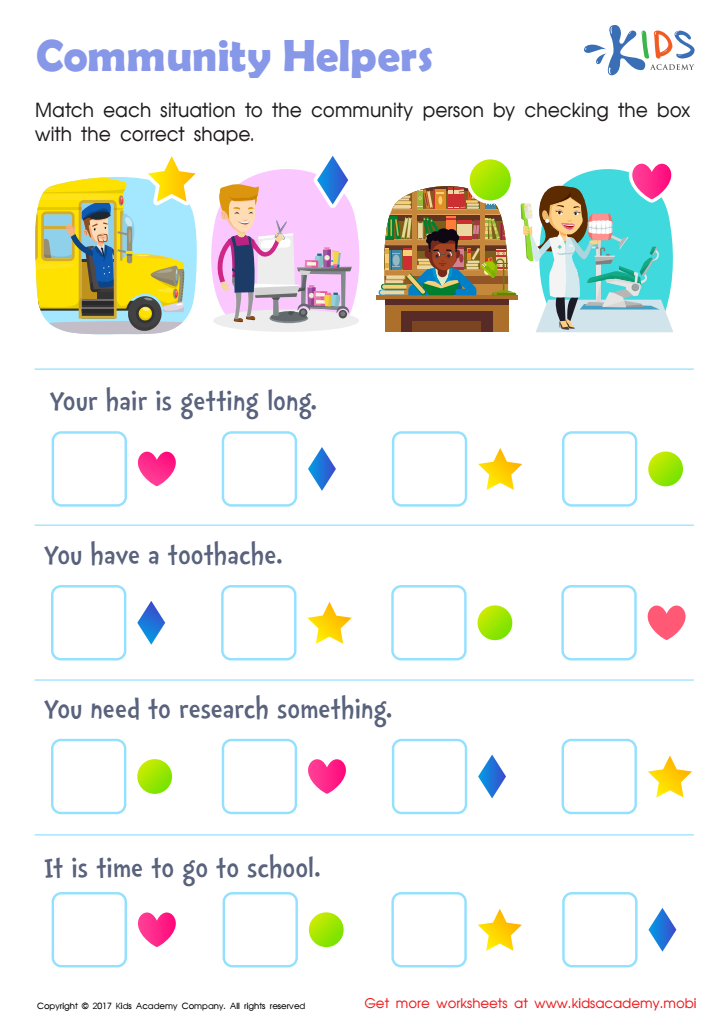





Associative learning is a fundamental process where children connect new information with existing knowledge and experiences. For parents and teachers of children aged 4-9, understanding the importance of this concept is essential for effective education and development.
At this age, children's brains are incredibly receptive to new ideas and experiences. Associative learning fosters cognitive skills, enabling them to make connections that enhance memory and comprehension. When children learn through stories, songs, and play-based activities, they form associations that help solidify their understanding of concepts. For example, linking words to pictures or sounds to actions can significantly improve language skills and retention.
Moreover, this type of learning supports emotional and social growth. By associating positive experiences with learning, children are more likely to develop a love for school and a curiosity for exploration. Teachers can use strategies like games and interactive lessons to harness this natural instinct, ensuring that learning is enjoyable and engaging.
Lastly, when parents actively participate in creating rich learning environments—such as reading together or encouraging imaginative play—they strengthen their child’s ability to form connections. Ultimately, nurturing associative learning lays the foundation for lifelong learning and critical thinking skills, making it crucial for parents and teachers to prioritize.








