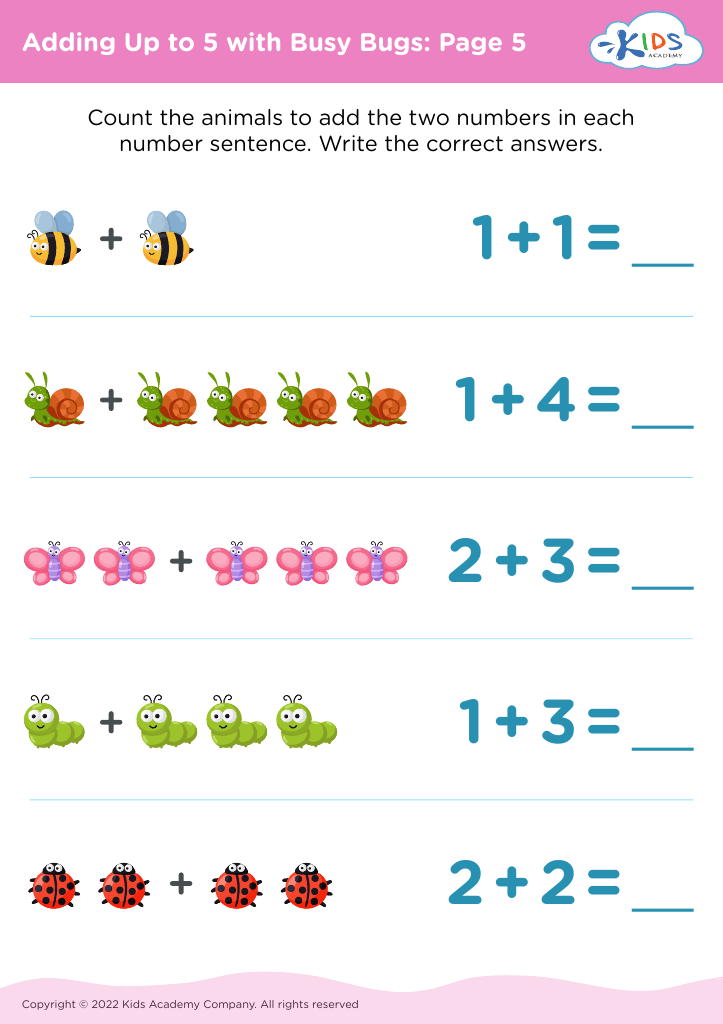
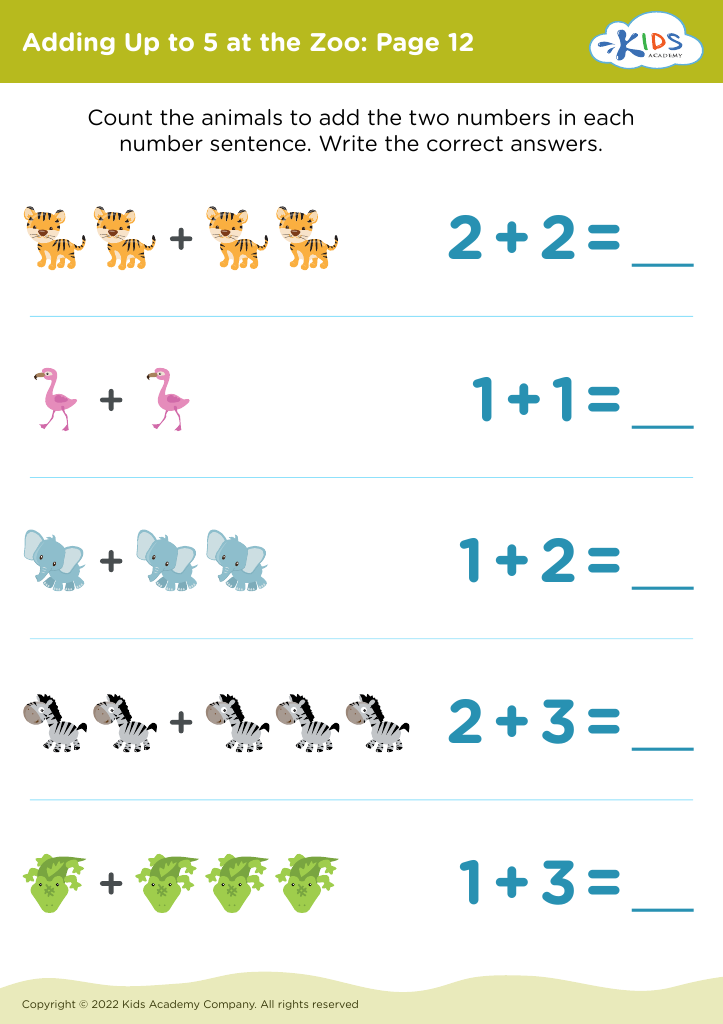
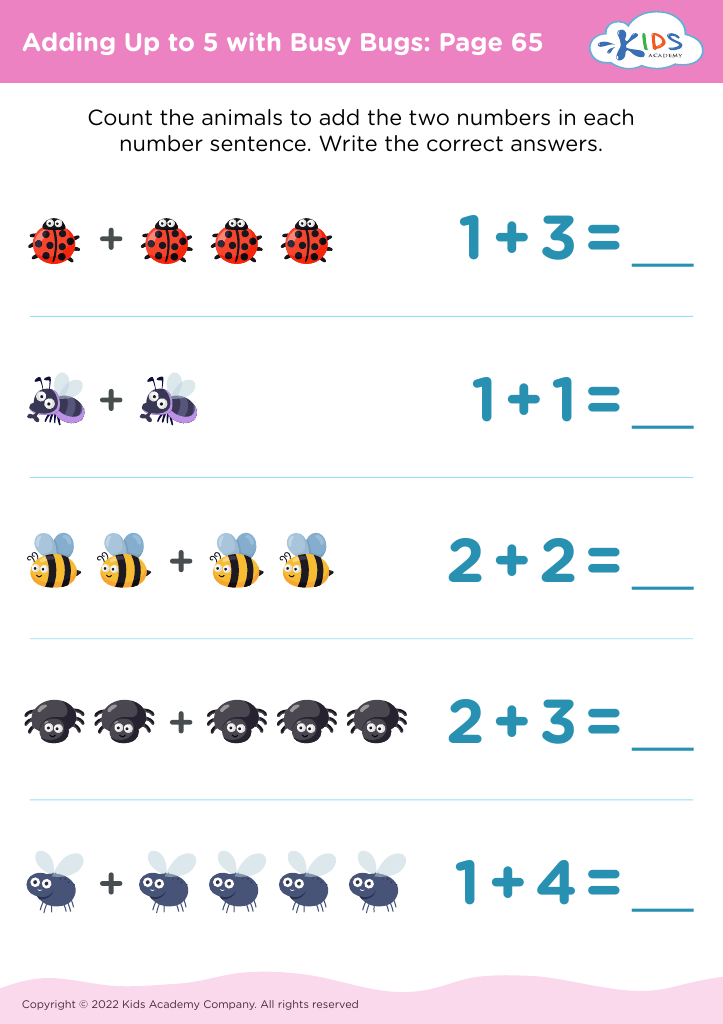
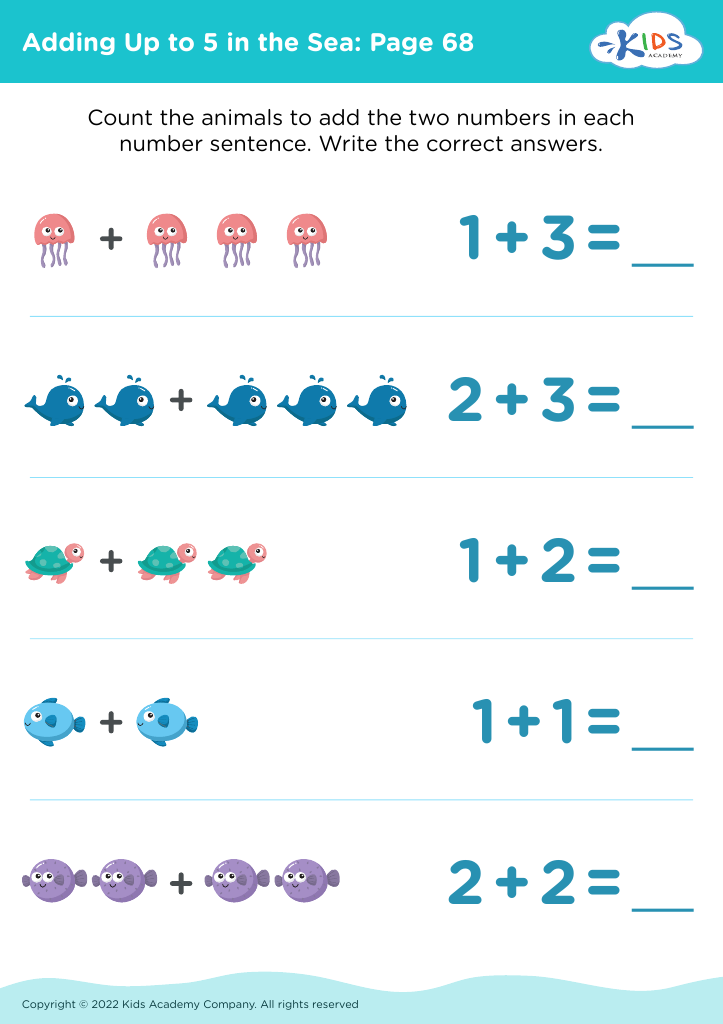
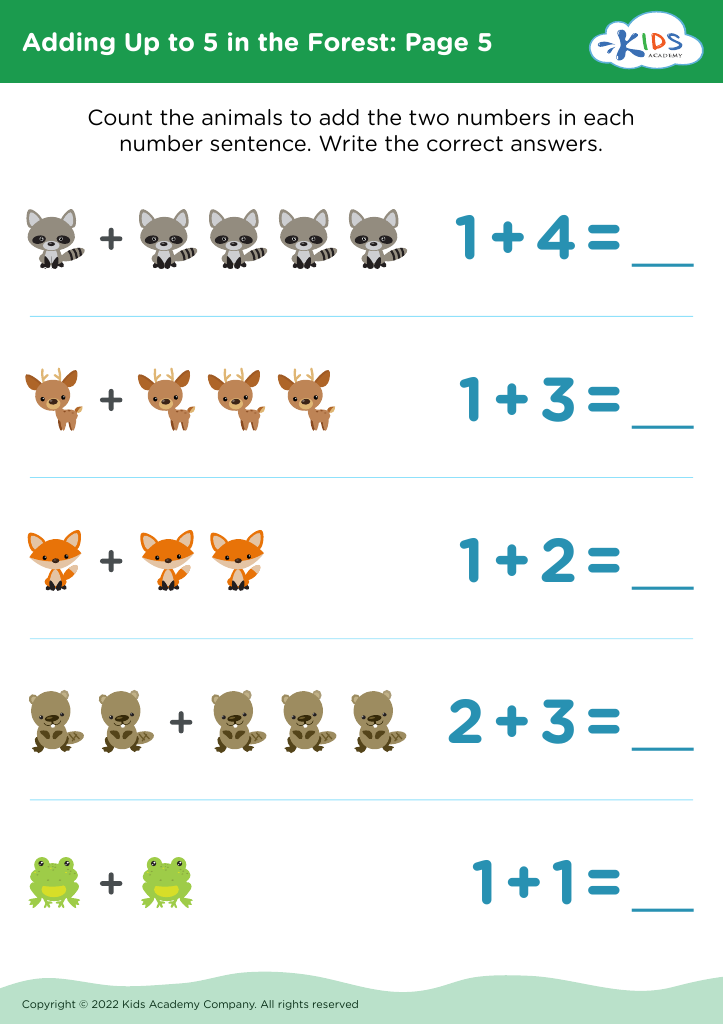
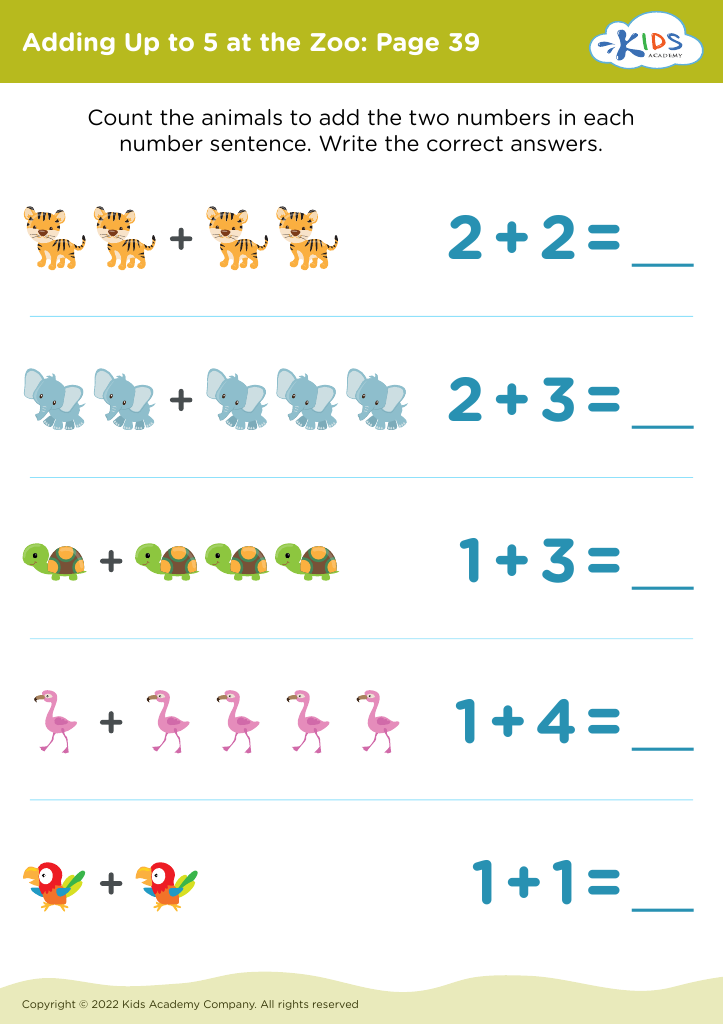
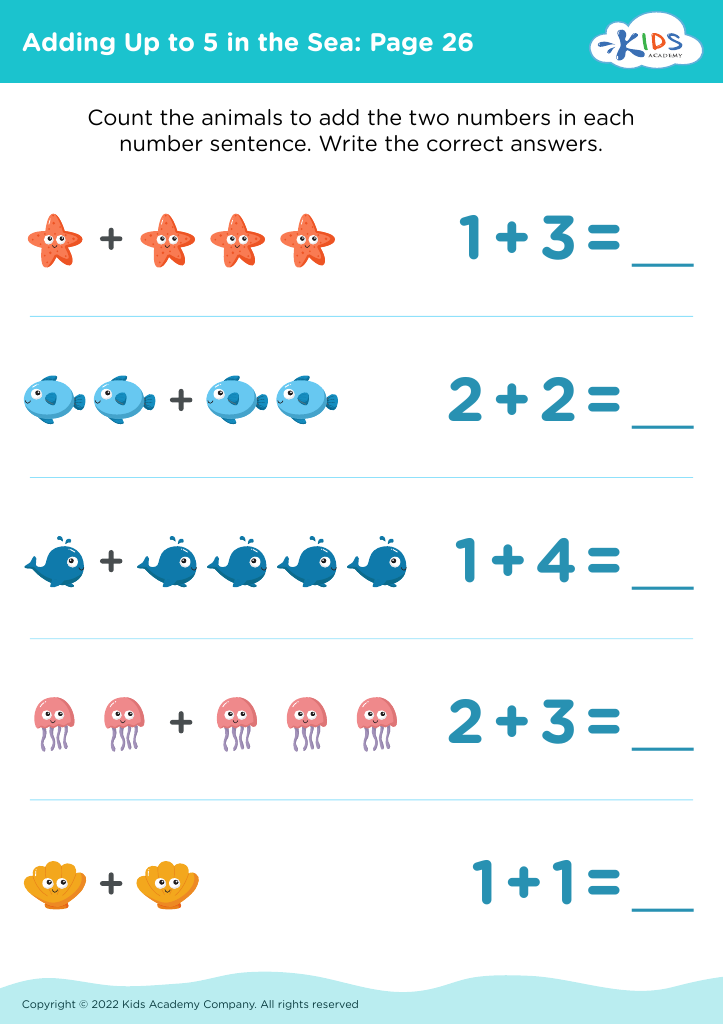
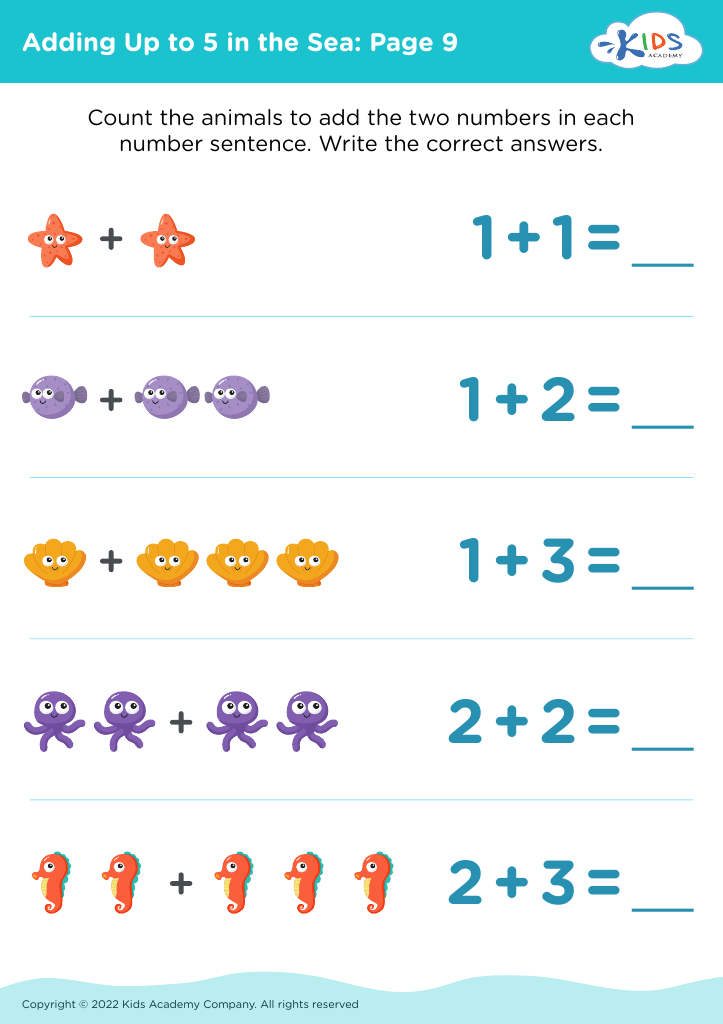






Basic arithmetic is a critical foundation for children aged 4 to 9, as it lays the groundwork for future mathematical understanding and problem-solving skills. During these formative years, children's cognitive development is rapid, making it essential for parents and teachers to emphasize arithmetic concepts such as addition, subtraction, and number recognition.
Firstly, arithmetic develops logical and critical thinking skills that are valuable across all subjects. Early exposure to patterns, quantities, and numerical relationships helps children make sense of the world around them. This early engagement promotes number sense, enabling kids to interpret data, recognize patterns, and solve problems.
Moreover, strong basic arithmetic skills foster confidence in children, enabling them to tackle more complex mathematical challenges later in school. As children practice arithmetic, they build a sense of accomplishment, which encourages a positive attitude towards learning.
Additionally, basic arithmetic is relevant in everyday life, from counting objects and sharing items to budgeting and planning. By embedding these skills in real-world contexts, parents and teachers can help children understand the importance of math in their daily lives.
In summary, prioritizing basic arithmetic nurtures essential skills that benefit children academically, socially, and practically, making it a crucial focus for parents and teachers alike.








