Basic counting skills Worksheets for Ages 4-9 - Page 2
28 filtered results
-
From - To
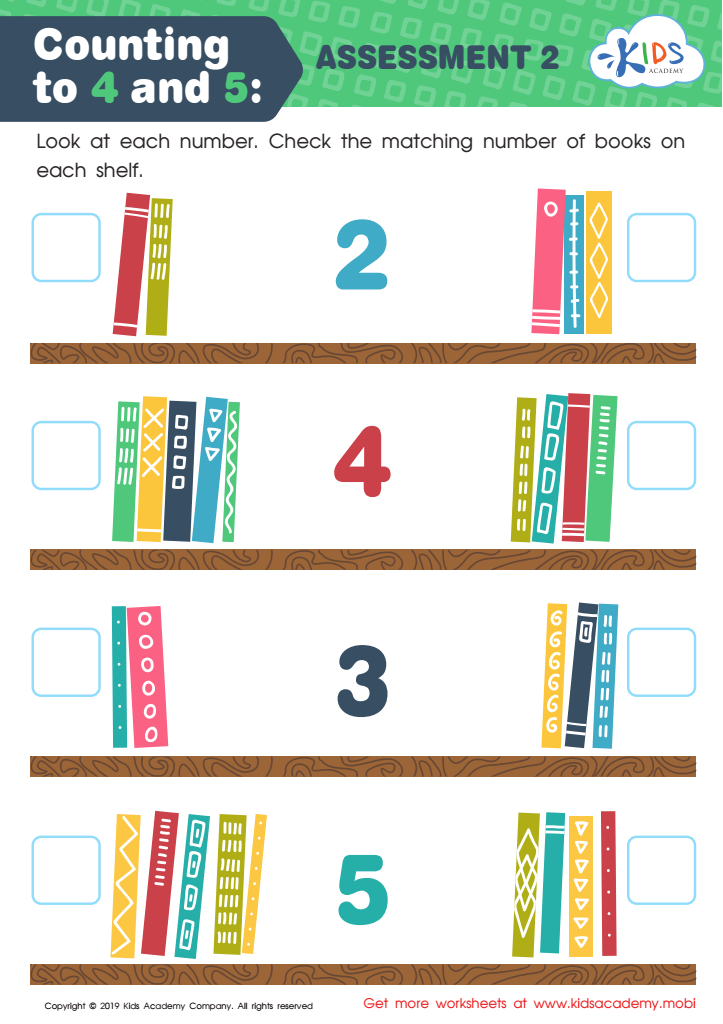
Counting to 4 and 5: Assessment 2 Worksheet
 Assign to My Students
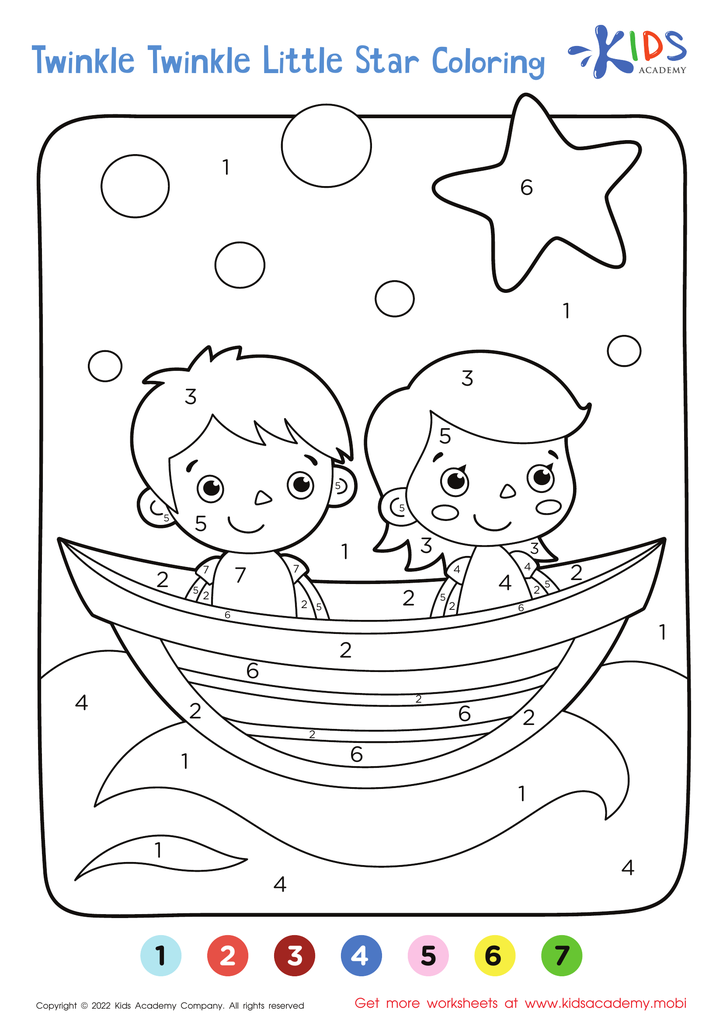
Twinkle, Twinkle, Little Star – Coloring by Numbers
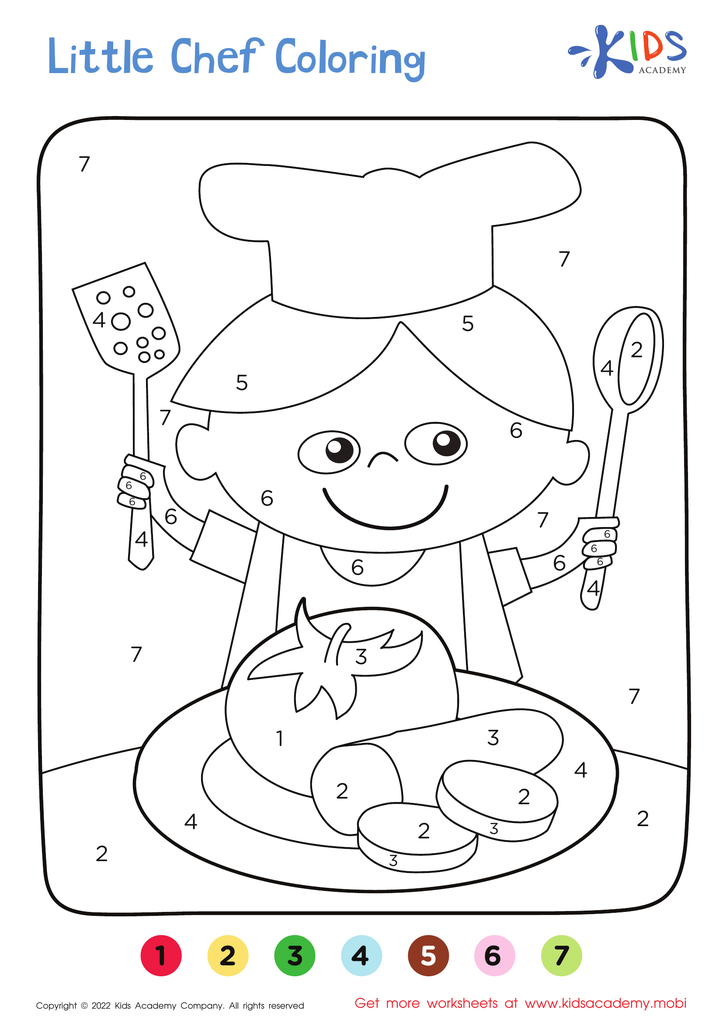
Little Chef – Coloring by Numbers








Basic counting skills are foundational to a child's development, particularly between the ages of 4 to 9. During these formative years, children are not only learning to count but also developing critical cognitive skills that will aid in their comprehensive understanding of mathematics and problem-solving.
Counting serves as the building block for mathematical concepts such as addition, subtraction, and later, more complex operations. A strong grasp of basic counting helps children grasp concepts of quantity, size, and order, which are essential for everyday life situations—whether it’s sharing snacks, grouping objects, or understanding time.
Moreover, counting enhances fine motor skills and boosts memory through repeated practice, often involving interactive games and activities. Engaging in counting activities together promotes not only mathematical understanding but also social and emotional bonding between children and caregivers, fostering a love for learning.
Ultimately, the ability to count opens doors to numerous educational opportunities, paving the way for academic success in not only mathematics but also in subjects where analytical thinking is essential. Parents and teachers should prioritize skill development in this area to ensure a solid academic foundation for children as they transition into formal schooling.








