Basic math application Worksheets for Ages 4-9
5 filtered results
-
From - To
Explore our engaging Basic Math Application Worksheets, specifically designed for children aged 4 to 9. These fun and interactive resources help young learners master essential math skills, including addition, subtraction, and number recognition. Each worksheet is tailored to meet developmental milestones, ensuring children grasp foundational concepts while staying motivated. Our printable worksheets feature colorful illustrations and diverse activities that make learning enjoyable and effective. Whether used at home or in the classroom, these worksheets provide valuable practice for budding mathematicians. Encourage your child's love for math and boost their confidence as they embark on their exciting learning journey!
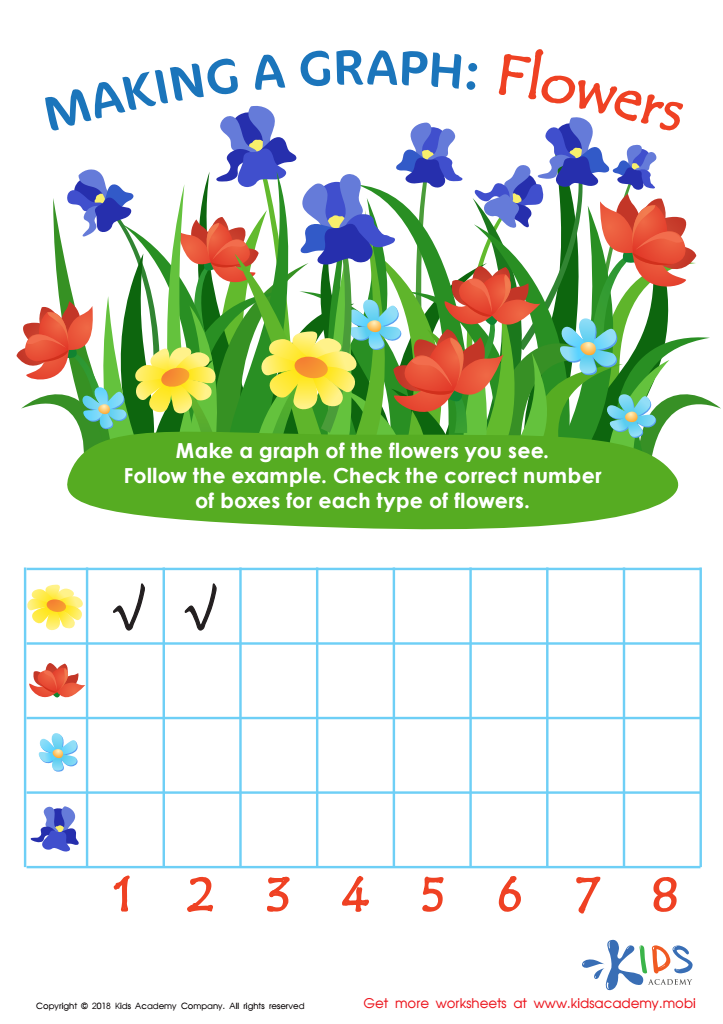
Making a Graph: Flowers Worksheet
 Assign to My Students
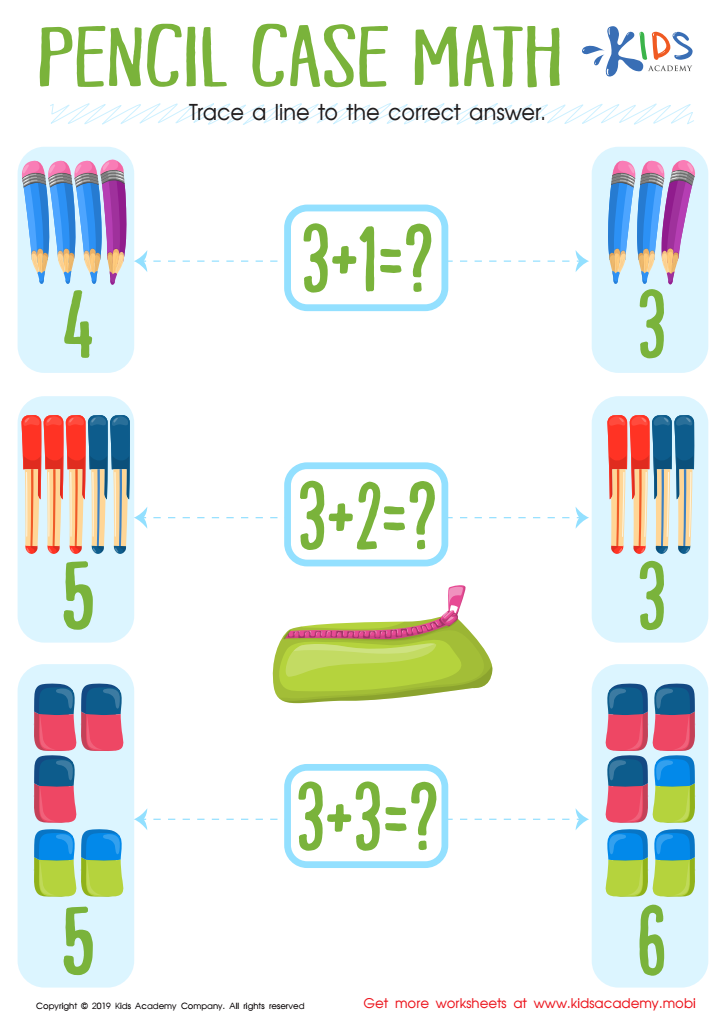
Pencil Case Math Worksheet
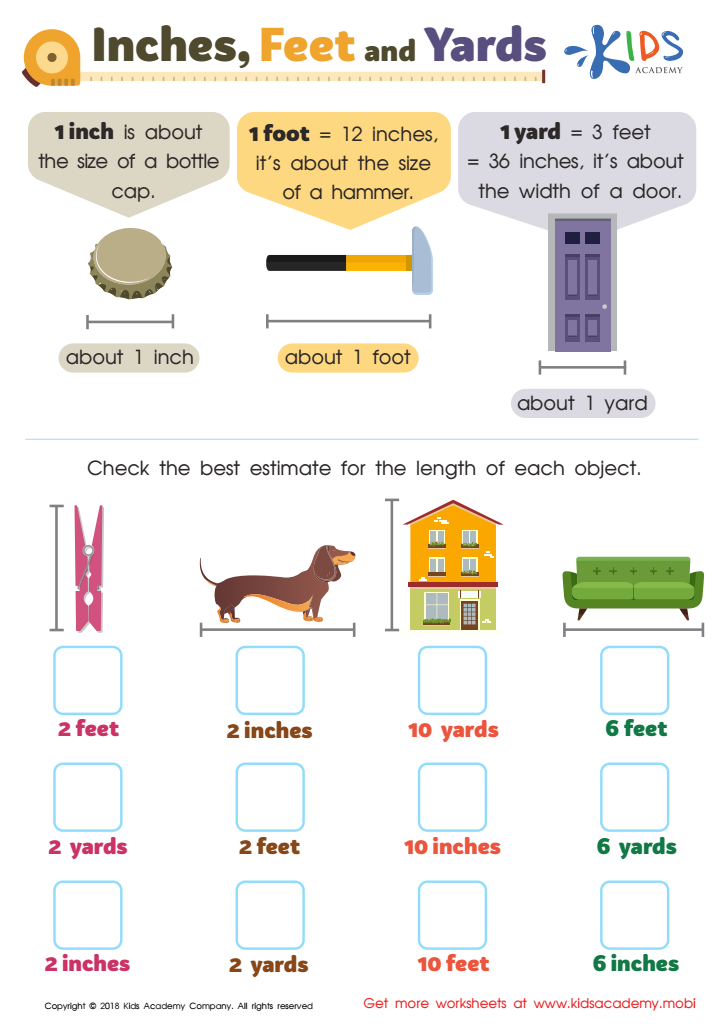
Inches, Feet and Yards Worksheet
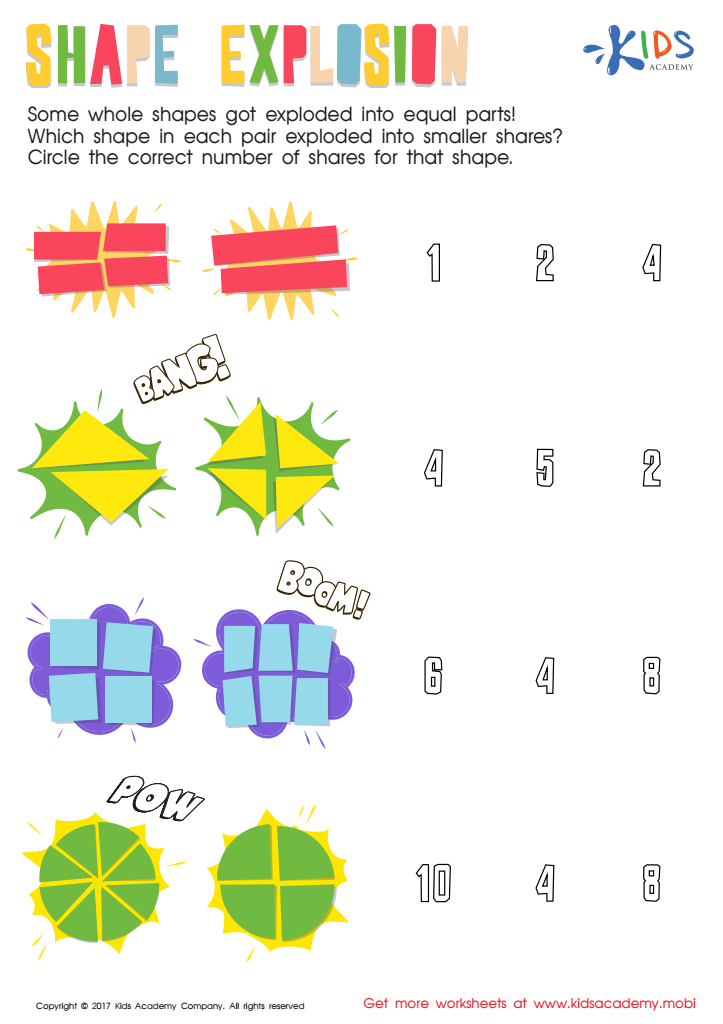
Shape Explosion Worksheet
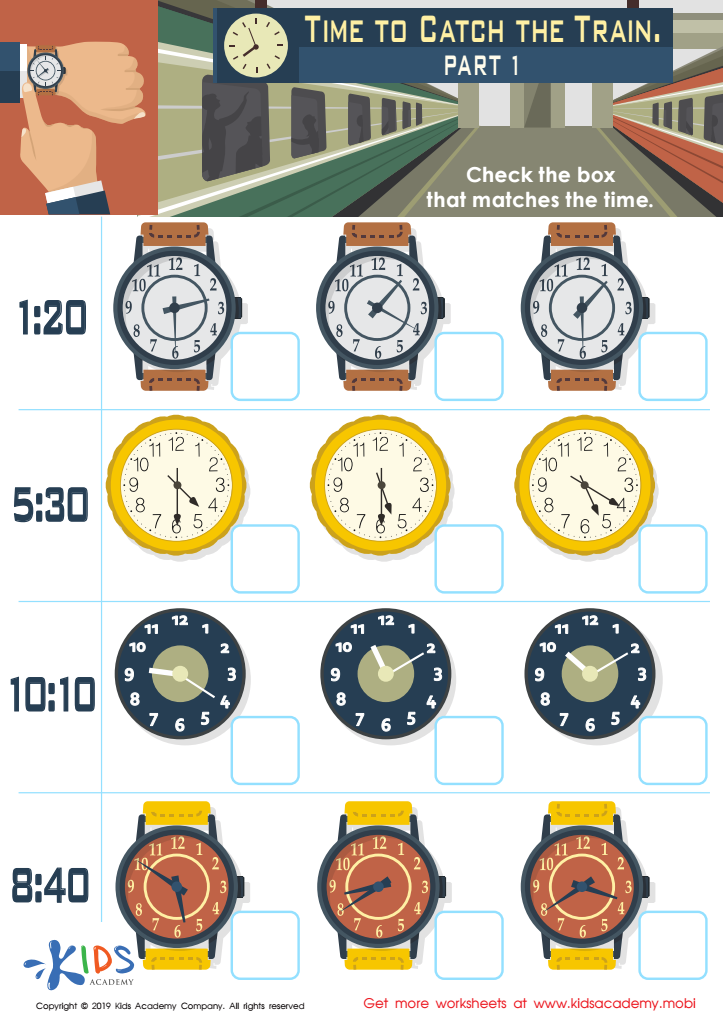
Time to Catch the Train Part 1 Worksheet







Parents and teachers should prioritize basic math application for children aged 4-9 as it lays a critical foundation for lifelong learning. During these formative years, children are naturally curious and receptive to new concepts, making it the perfect time to introduce fundamental math skills such as counting, addition, subtraction, and pattern recognition. These skills not only support academic success but also enhance cognitive development, problem-solving ability, and logical thinking.
Early exposure to math encourages symbolic thinking, essential for literacy and communication skills. Additionally, incorporating math into everyday activities—like cooking, shopping, or playing games—reinforces its relevance, helping children understand that math is not just an abstract subject but a tool for real-life situations.
Moreover, fostering a positive attitude toward math during these years can help combat math anxiety later in life. Engaging children with fun, interactive math applications promotes confidence and enhances their ability to tackle more complex concepts in the future.
By making basic math fun and relevant, parents and teachers can cultivate not only skills but also a love for learning, ensuring that children are well-equipped for their academic journey and beyond. As such, a strong emphasis on basic math is an investment in a child’s future success.








