Color differentiation Worksheets for Ages 4-9
7 filtered results
-
From - To
Explore our "Color Differentiation Worksheets for Ages 4-9" to enhance your child's ability to recognize and distinguish between colors. Designed by experts, these engaging worksheets support early learners in developing visual discrimination skills crucial for reading readiness and cognitive development. Through fun activities like color matching, sorting, and identifying various hues, children aged 4 to 9 can improve their fine motor skills and attention to detail. Incorporate these printable worksheets into your learning routine to make mastering colors a delightful and educational experience. Discover a vibrant world of learning with Kids Academy's color differentiation resources!
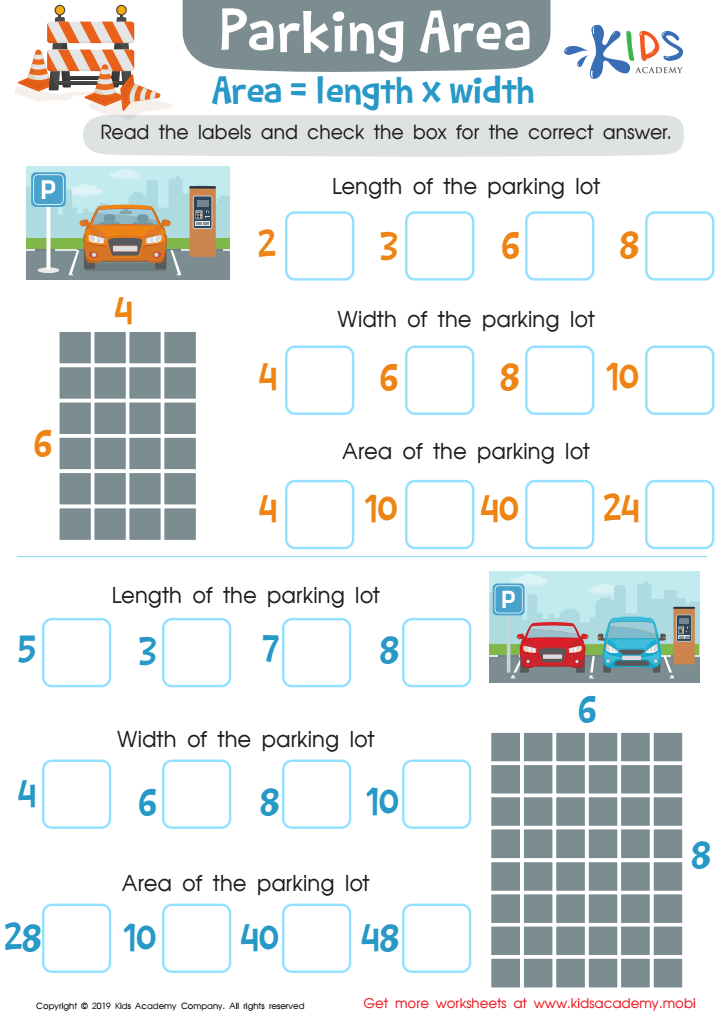
Parking Area Worksheet
 Assign to My Students
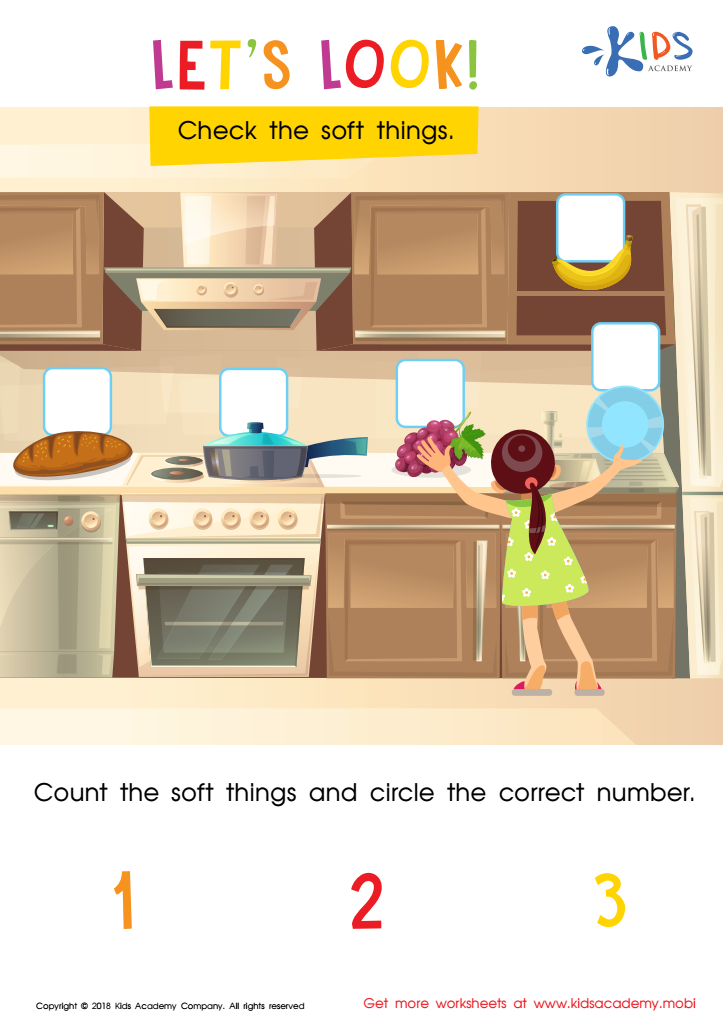
Let's Look! Assessment Worksheet
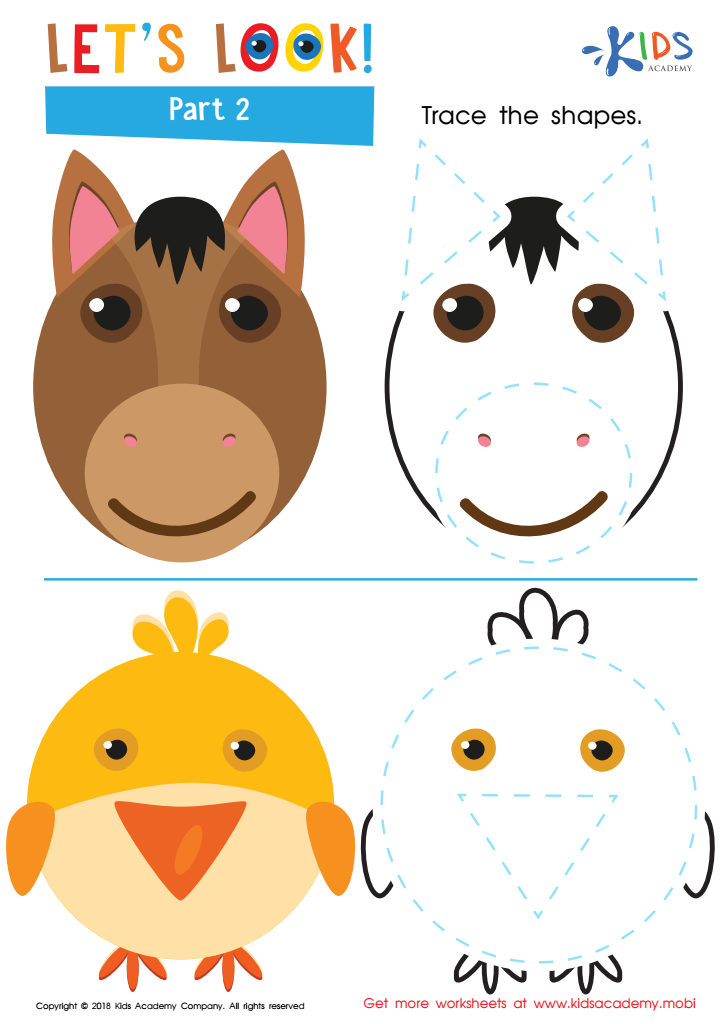
Let's Look! Part 2 Worksheet
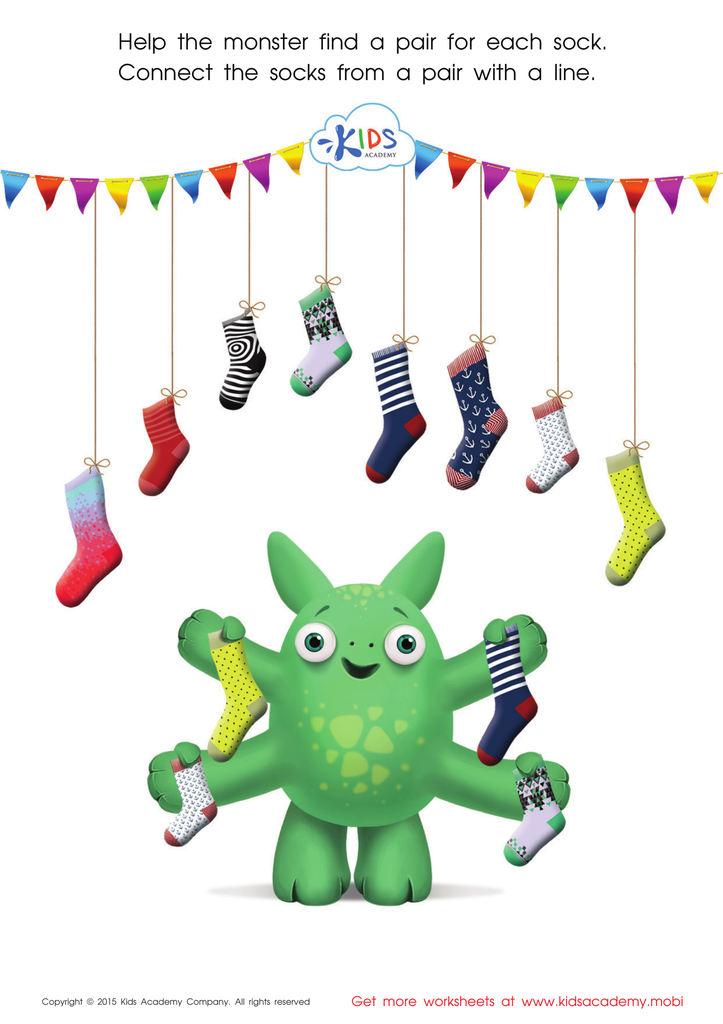
Math Matching Pairs Game: Monsterв's Socks Worksheet








Color differentiation is a critical aspect of early childhood development that parents and teachers should prioritize for children aged 4-9. During these formative years, the ability to distinguish between colors is closely tied to cognitive development, visual perception skills, and academic growth.
Firstly, mastering color differentiation lays the groundwork for developing essential language skills. Children learn to associate colors with specific words, enhancing their vocabulary and communication abilities. For instance, understanding that "apple" often refers to something red helps kids expand their descriptive lexicon.
Secondly, color differentiation is fundamental to sorting and categorizing activities, which are key components of early math skills. Concepts such as identifying patterns, classifying objects, and understanding sequences become more comprehensible when children can distinguish differences in color.
Moreover, recognizing and naming colors boosts children's confidence and independence. Simple tasks like selecting clothing, organizing toys, or following color-coded instructions help build their decision-making and problem-solving skills.
For educators, incorporating color differentiation into lesson plans can improve classroom engagement. Brightly colored materials can capture students' attention and enhance memory retention, making learning experiences more effective and enjoyable.
Therefore, an investment in teaching color differentiation during these critical developmental years translates to long-lasting benefits in a child's educational journey and everyday life.








