Comparative analysis Worksheets for Ages 4-9
10 filtered results
-
From - To
Discover our captivating Comparative Analysis Worksheets for Ages 4-9 at Kids Academy! Our expertly-designed activities ignite young minds and develop critical thinking, as children compare and contrast objects, concepts, and scenarios. These printable worksheets enhance cognitive skills, foster analytical reasoning, and promote observational accuracy. Ideal for preschool to early elementary students, our comparative analysis resources are easy-to-use and engaging. Each worksheet offers a variety of fun, educational exercises tailored to different learning levels. Equip your child with the tools to excel in problem-solving while enjoying every step of the learning journey. Explore and download now to boost your child's learning!
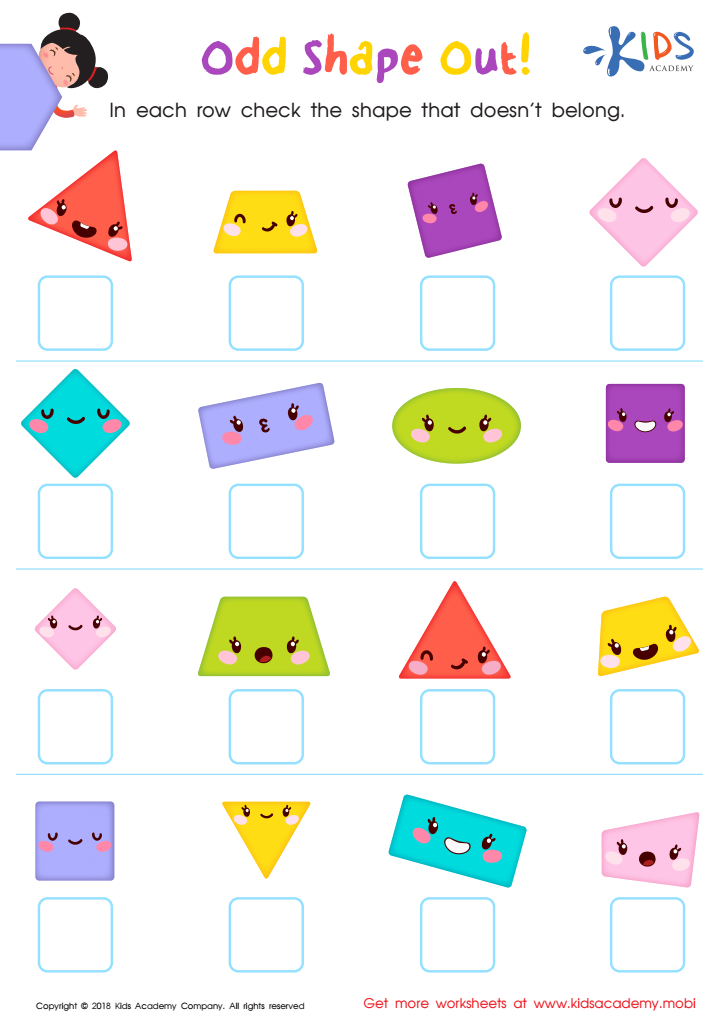
Odd Shape Out Worksheet for Grade 3
 Assign to My Students
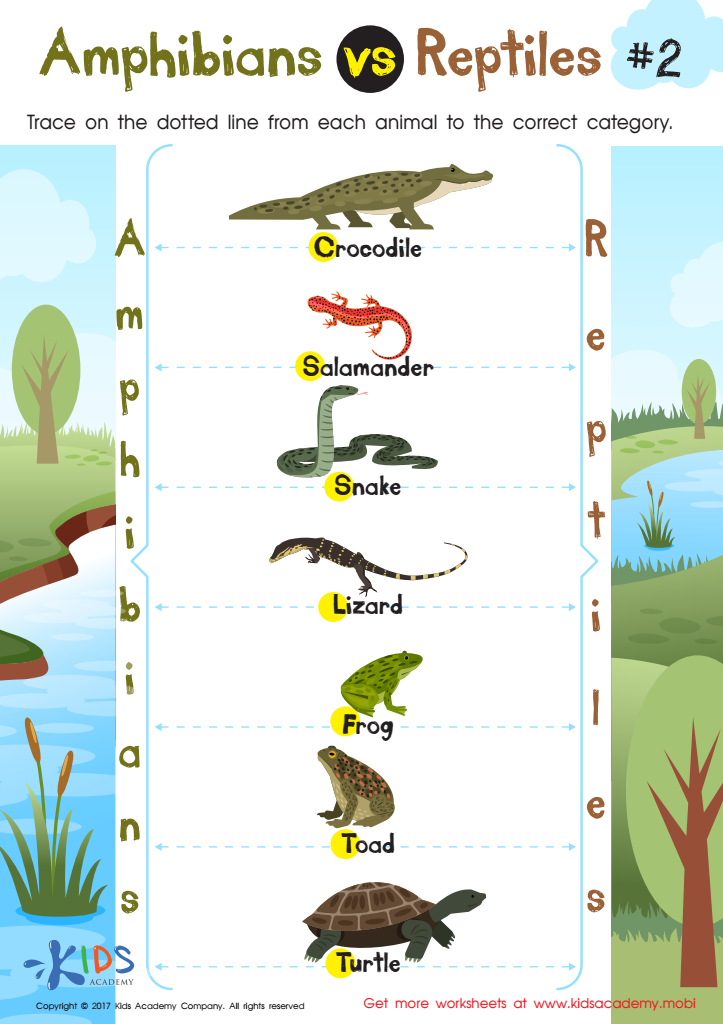
Amphibians vs Reptiles Worksheet for 3rd Grade
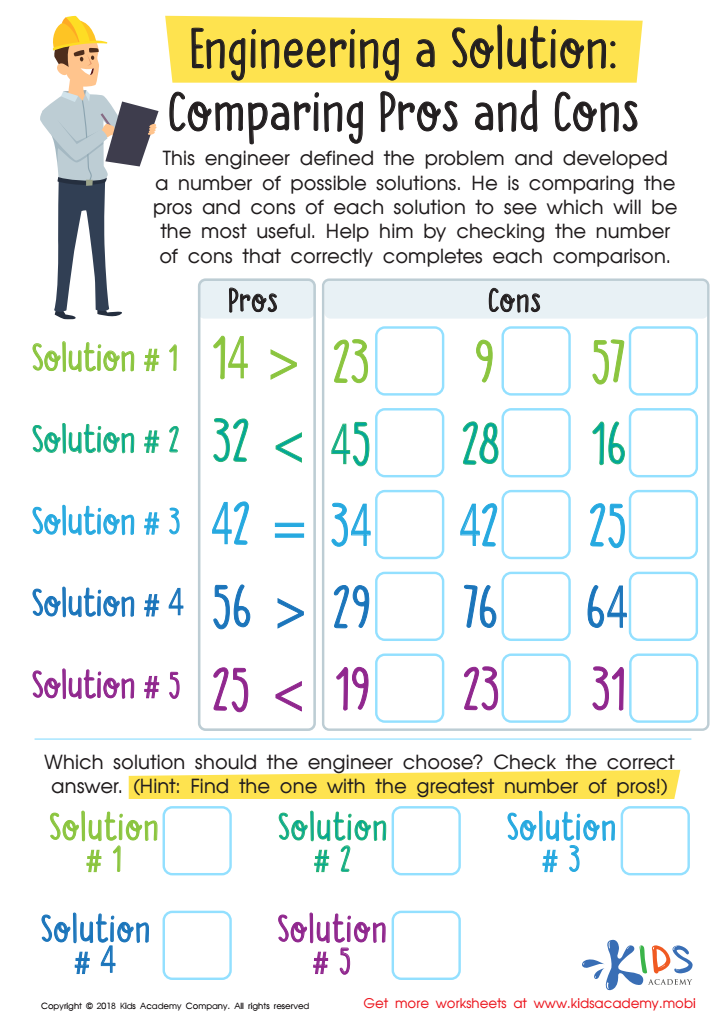
Engineering a Solution: Comparing Pros and Cons Worksheet
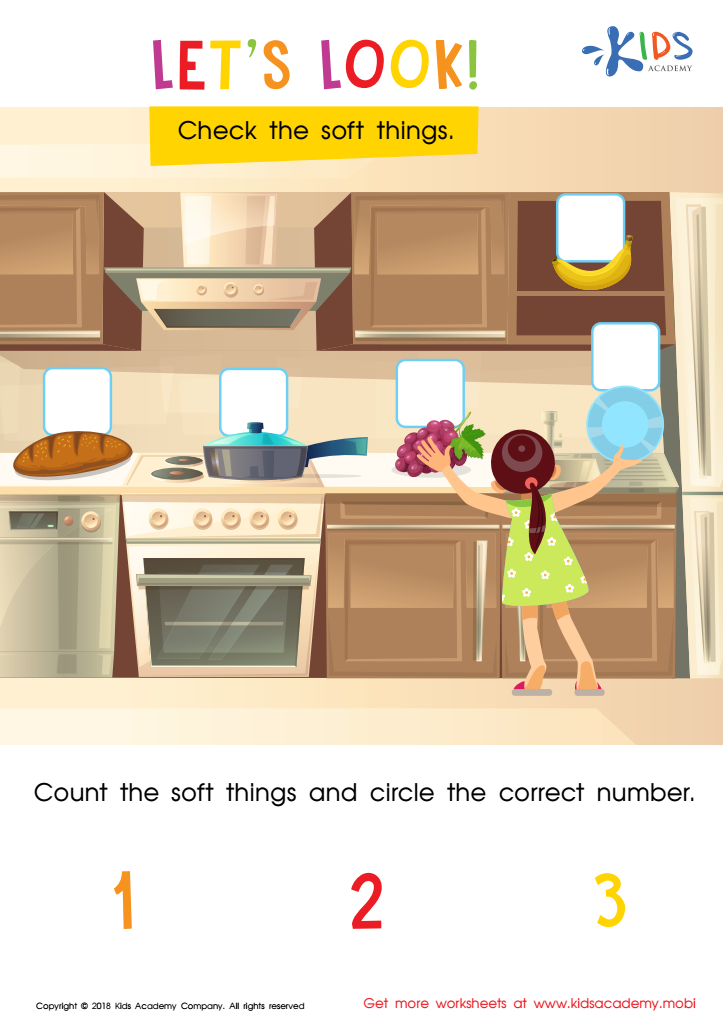
Let's Look! Assessment Worksheet
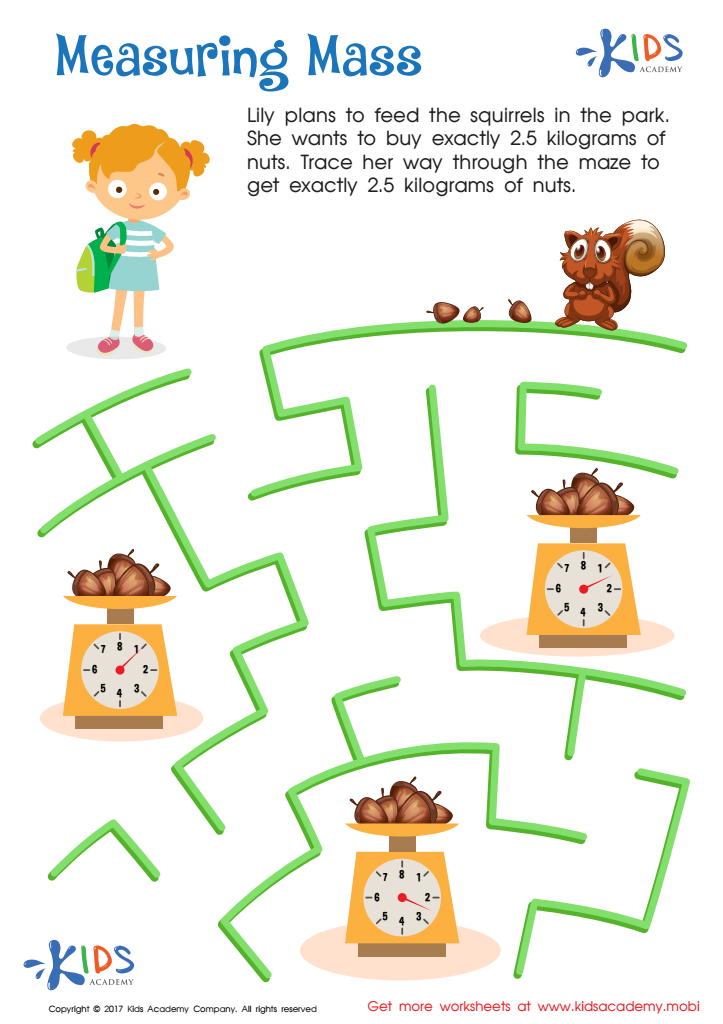
Measuring Mass Worksheet
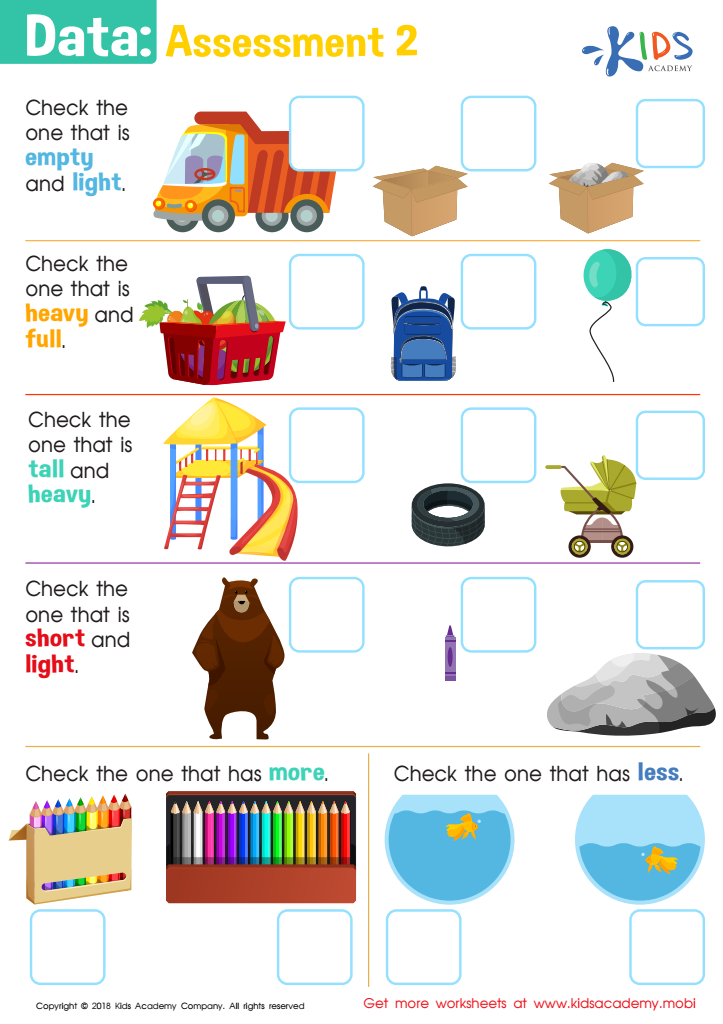
Data: Assessment 2 Worksheet
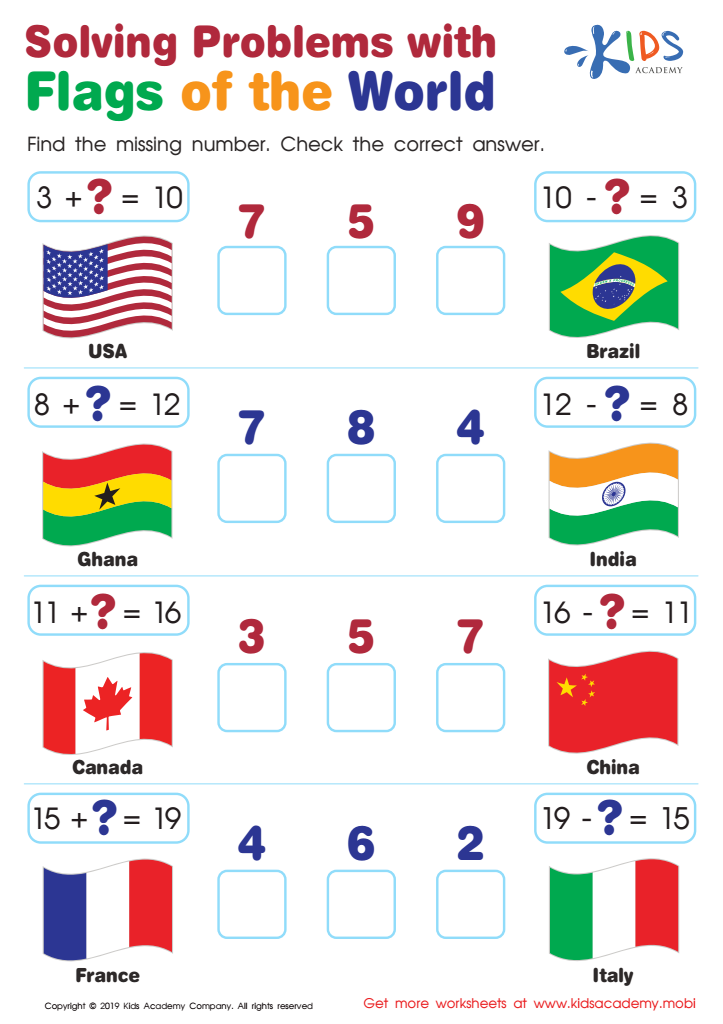
Solving Problems with Flags of the World Worksheet
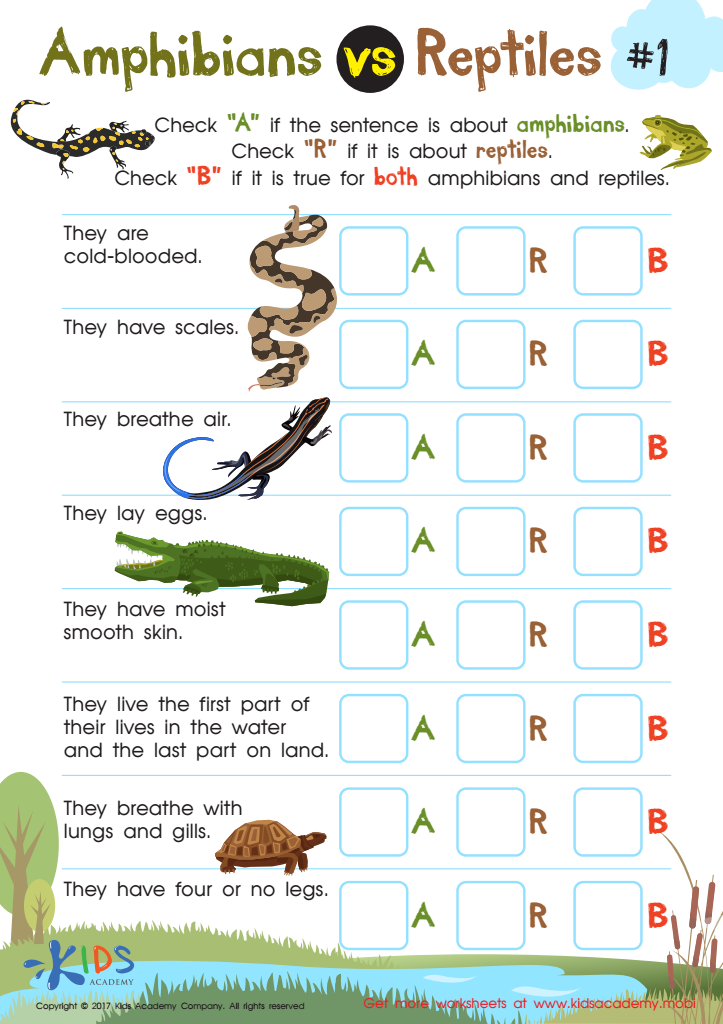
Amphibians vs Reptiles Worksheet
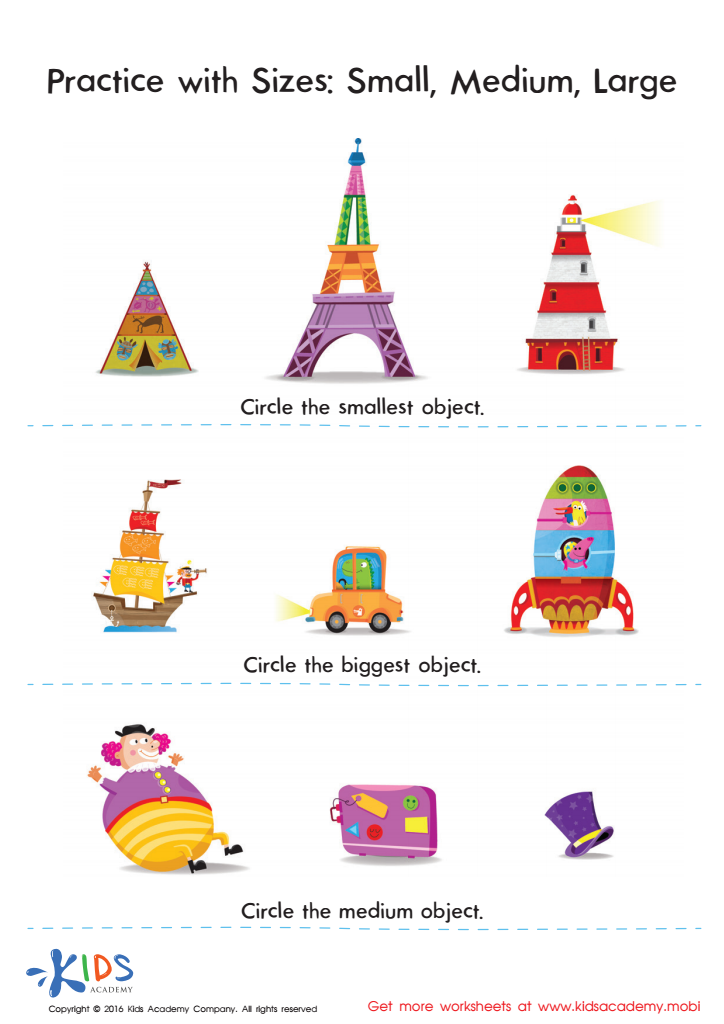
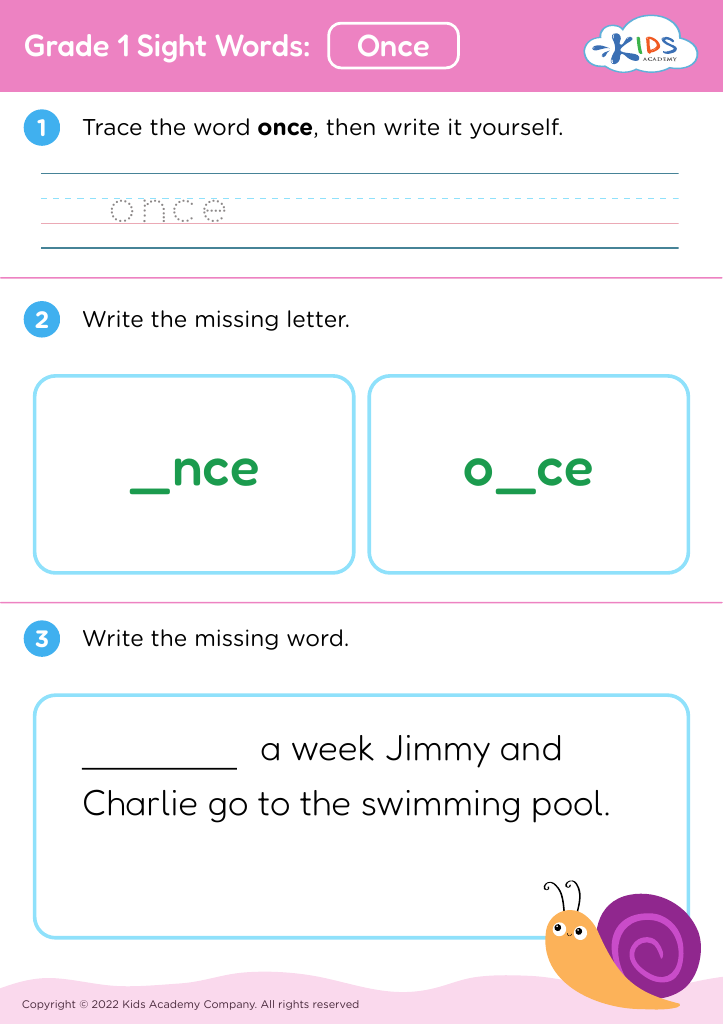








Comparative analysis is a powerful tool that can greatly benefit the education of children ages 4-9. For parents and teachers, understanding and employing comparative analysis can provide significant insights and drive targeted improvements in a child’s learning journey.
For one, it allows educators to identify learning patterns and individual strengths and weaknesses by comparing the performance and behavior of a child across different activities or subjects. This enables the creation of personalized learning plans that cater to each child’s unique needs, ensuring they receive the appropriate challenges and support.
Furthermore, comparative analysis can reveal trends and gaps at a broader level. By examining the collective performance of a class or a group of peers, educators and parents can identify common areas that may require additional focus or resources. This holistic view supports a more effective and balanced curriculum design that can benefit all students involved.
The process also fosters the development of critical thinking skills in children. By engaging in simple comparative exercises, young students begin to understand how to weigh similarities and differences, leading to better decision-making and problem-solving aptitude as they grow.
Ultimately, caring about and implementing comparative analysis helps in building a robust, responsive, and resourceful educational environment conducive to the holistic development of young learners.








