
Develop fine motor skills Worksheets for Ages 4-9
13 filtered results
Difficulty Level
Grade
Age
-
From - To
Subject
Activity
Standards
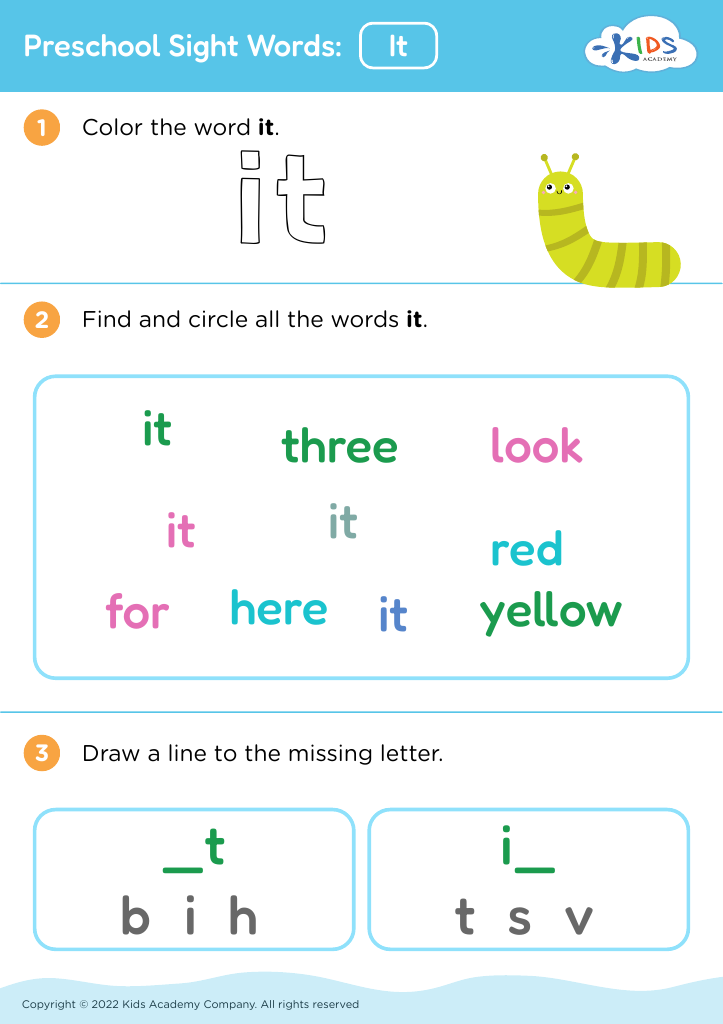
Enhance your child's fine motor skills with our engaging worksheets specifically designed for ages 4 to 9. Our interactive activities blend learning and fun, helping young learners refine their hand-eye coordination, dexterity, and control. From tracing lines and shapes to creative coloring tasks, each worksheet promotes essential pre-writing skills while fostering creativity. These printables are perfect for at-home learning or classroom use, allowing children to practice crucial motor skills through enjoyable exercises. Invest in your child's development today with our expertly crafted fine motor skill worksheets, and watch them gain confidence and independence in their abilities!
Favorites
With answer key
Interactive
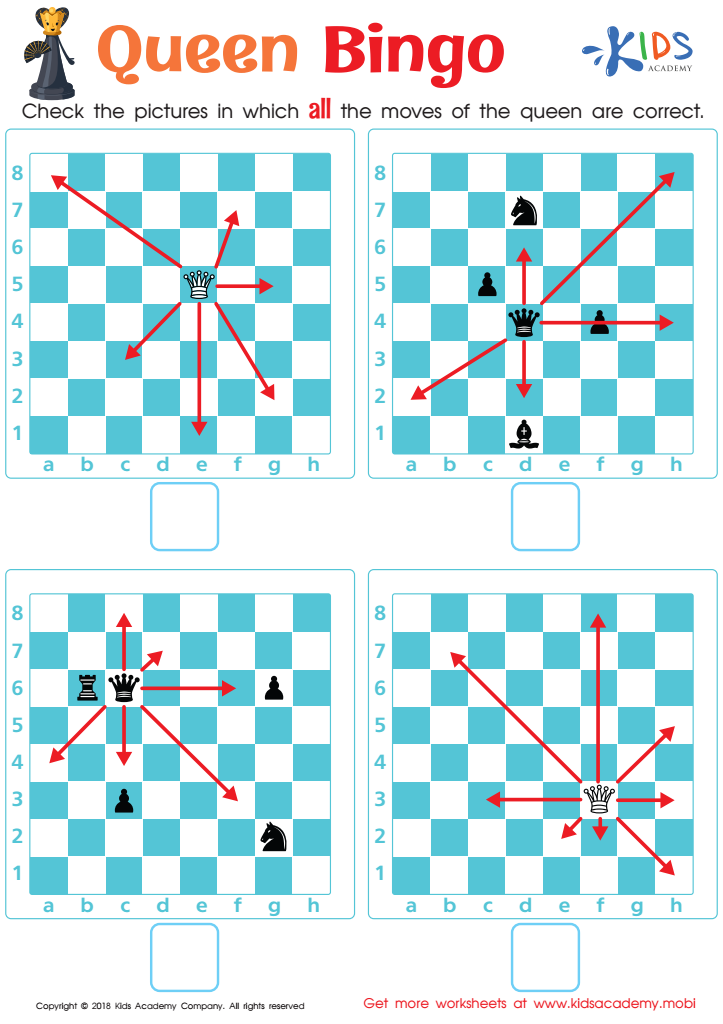
Queen Bingo Worksheet
Test your child's knowledge of chess rules and moves with this free worksheet! Kids look at four pictures and must decide if the queen moves are correct. This exercise helps hone your little one's chess skills!
Queen Bingo Worksheet
Worksheet

Connecting the Monster's Socks Printable
The cute monster did some washing yesterday, but now he can't put his socks back together! Children must focus on the color and pattern to make the right matches, improving their cognitive and fine motor skills. Get more educational games by Kids Academy!
 Assign to My Students
Connecting the Monster's Socks Printable
Worksheet
Join Kids Academy for Free
Who is primarily going to use this learning content?


%20(1).jpg)




Developing fine motor skills in children aged 4-9 is essential for their overall growth and learning. These skills, which involve the coordination of small muscles in the hands and fingers, play a critical role in a child's ability to perform everyday tasks such as writing, drawing, buttoning clothes, and using utensils. As children master these tasks, they gain confidence in their independence, which positively impacts their self-esteem and social interactions.
For educators and parents, fostering fine motor skills is important as they are foundational for academic success, particularly in literacy and numeracy. Strong fine motor abilities enable children to hold writing tools properly, cut with scissors, and manipulate educational materials, paving the way for effective learning experiences. Additionally, fine motor development is linked to critical thinking and creativity, as children engage in arts and crafts, imaginative play, and problem-solving tasks.
Engaging activities such as crafting, puzzles, and play-dough not only support fine motor development but also make learning enjoyable. Thus, by prioritizing fine motor skill development, parents and teachers help children become more capable and confident, setting the stage for lifelong learning and development.








