Directional understanding Worksheets for Ages 4-9
6 filtered results
-
From - To
Discover our engaging Directional Understanding Worksheets designed for children ages 4-9! These educational resources help young learners develop essential skills in recognizing and following directional concepts such as up, down, left, right, and more. Our worksheets are thoughtfully crafted to enhance spatial awareness and boost comprehension through fun activities like tracing, matching, and interactive puzzles. By using these worksheets, children will build a solid foundation for future learning in math, reading, and navigation. Ideal for both classroom and home use, our worksheets are printable and easy to incorporate into daily learning routines. Start your child's journey to directional fluency today!
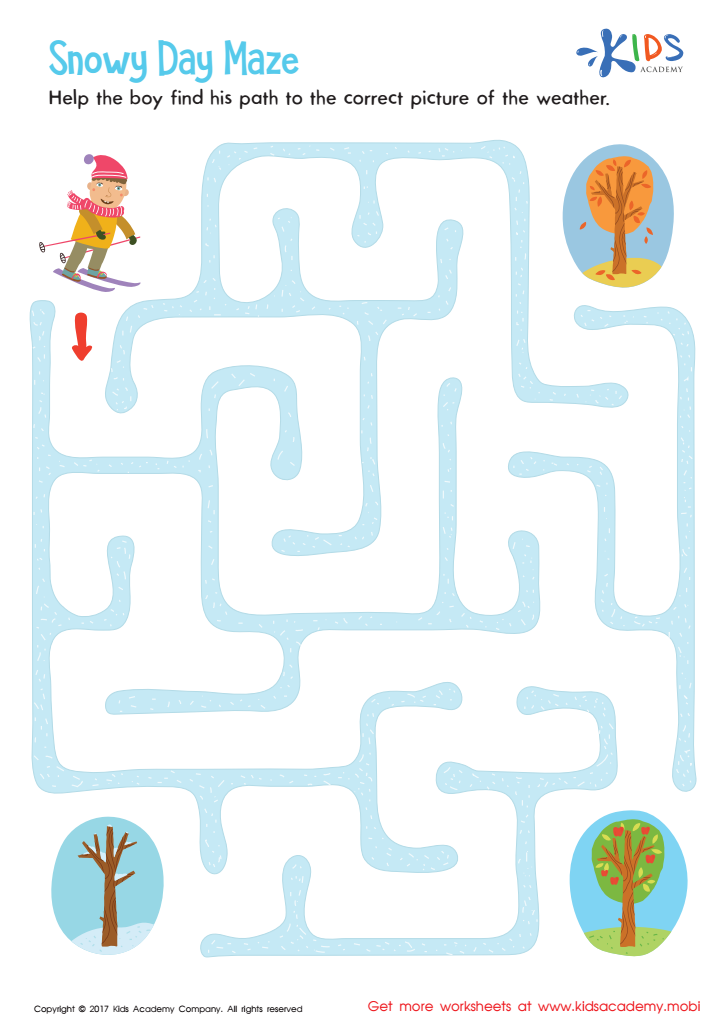
 Assign to My Students
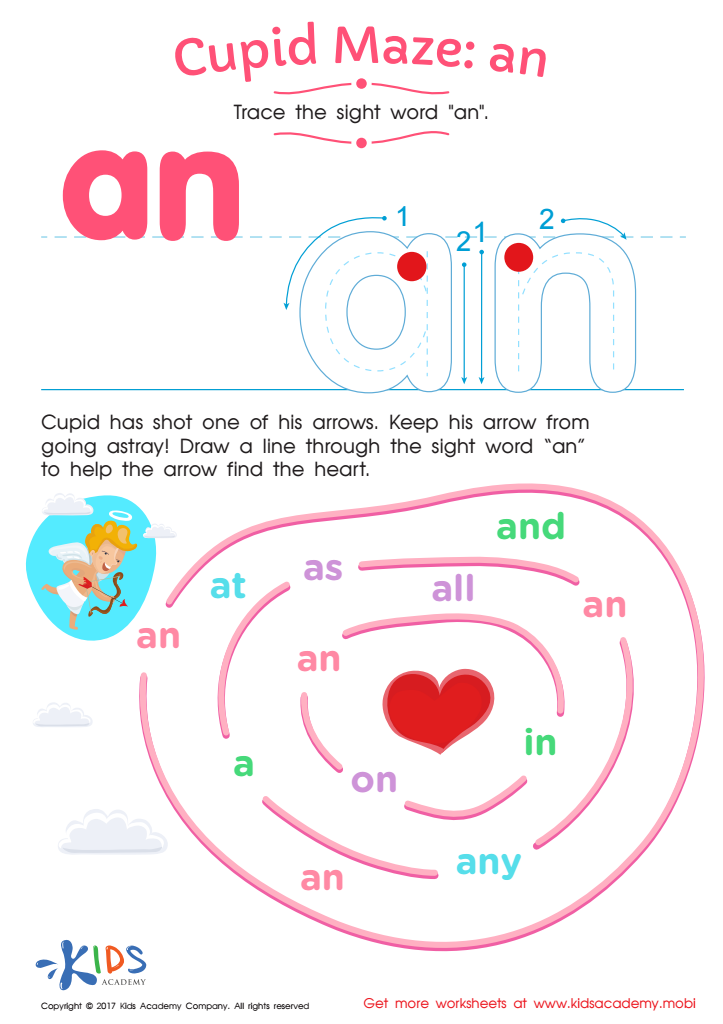
Cupid Maze: An Printable
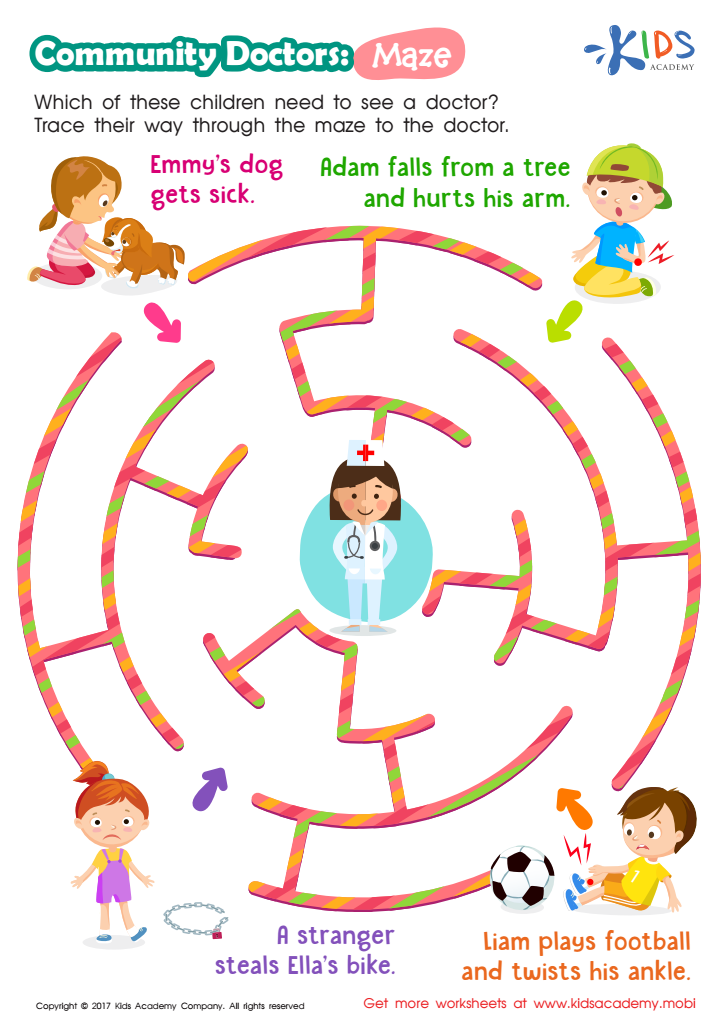
Community Doctors: Maze Printable
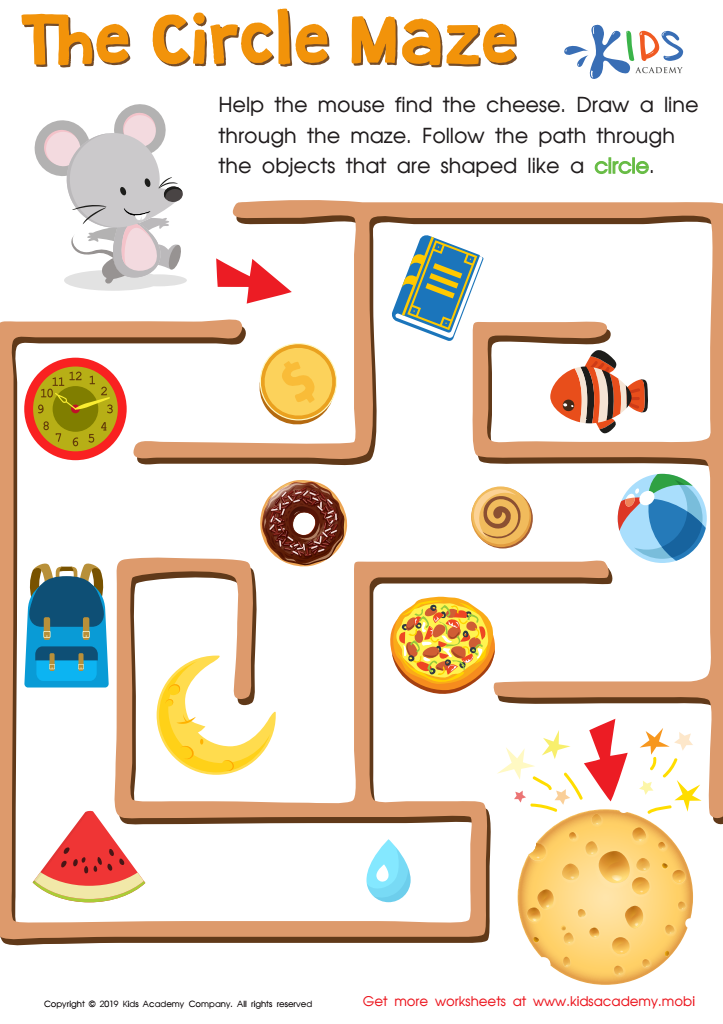
The Circle Maze Worksheet
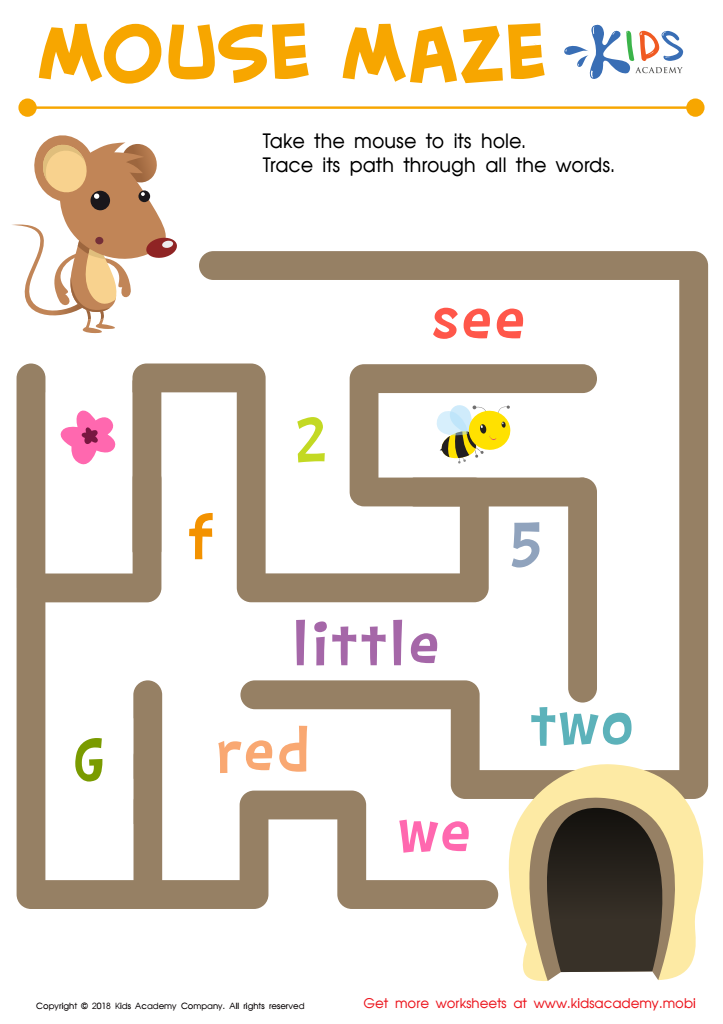
Find Words Mouse Maze Worksheet
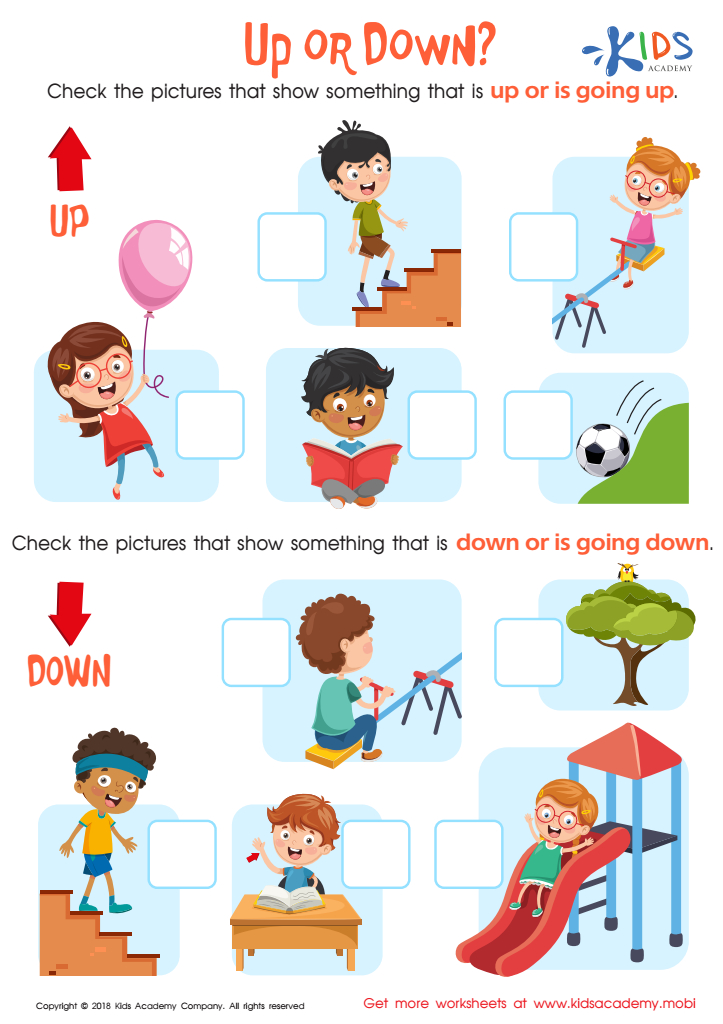
Up or Down Worksheet








Directional understanding is crucial for children aged 4-9 as it lays the foundation for essential life skills that extend far beyond physical navigation. Children in this age group begin to develop spatial awareness and hone their ability to understand and interpret the world around them. By cultivating directional skills, parents and teachers enable kids to build a sense of place and spatial relationships, aiding in their cognitive development.
Additionally, directional understanding promotes problem-solving capabilities. When children can interpret directions, they become more adept at following multistep instructions, whether in academic settings or daily life situations, such as playing games or navigating new environments. Moreover, this skill supports math learning, as concepts of positioning, movement, and orientation are key in geometry and measurement.
Socially and emotionally, enhanced directional skills encourage confidence and independence. Kids gain a sense of autonomy as they learn to navigate their surroundings, leading to increased self-esteem.
Thus, parents and teachers must value and actively promote directional understanding in young children to support holistic development, foster critical thinking, and prepare them for future challenges in academics and everyday life. Encouraging exploration and play-based learning can effectively cultivate these vital skills.








