Fraction comparison Worksheets for Ages 4-9 - Page 2
47 filtered results
-
From - To
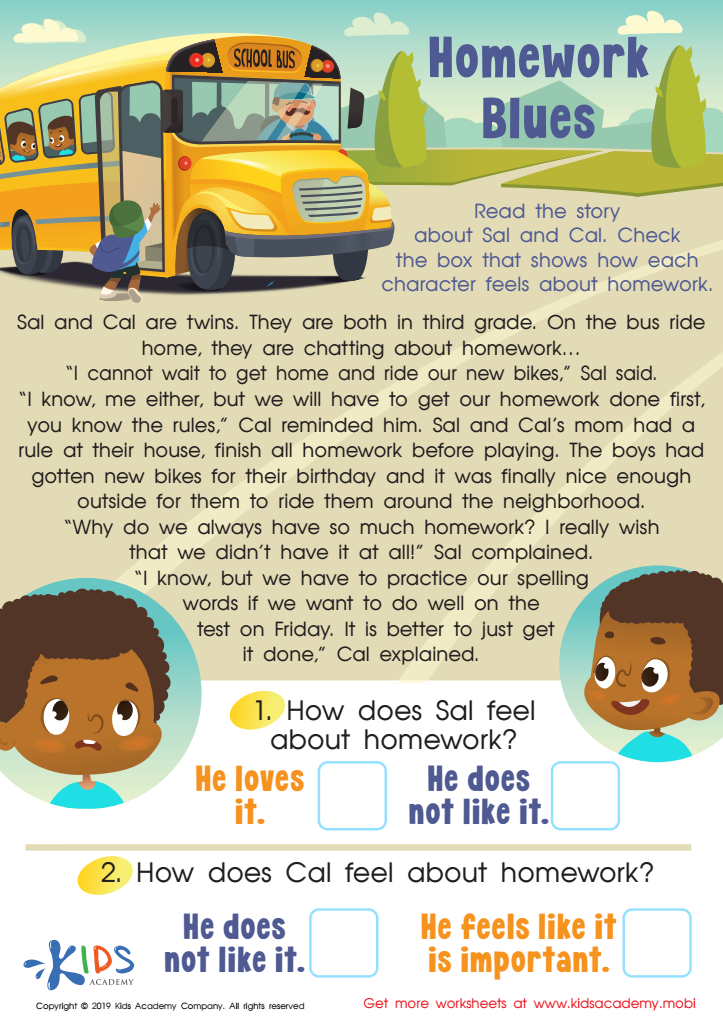
Homework Blues Worksheet
 Assign to My Students
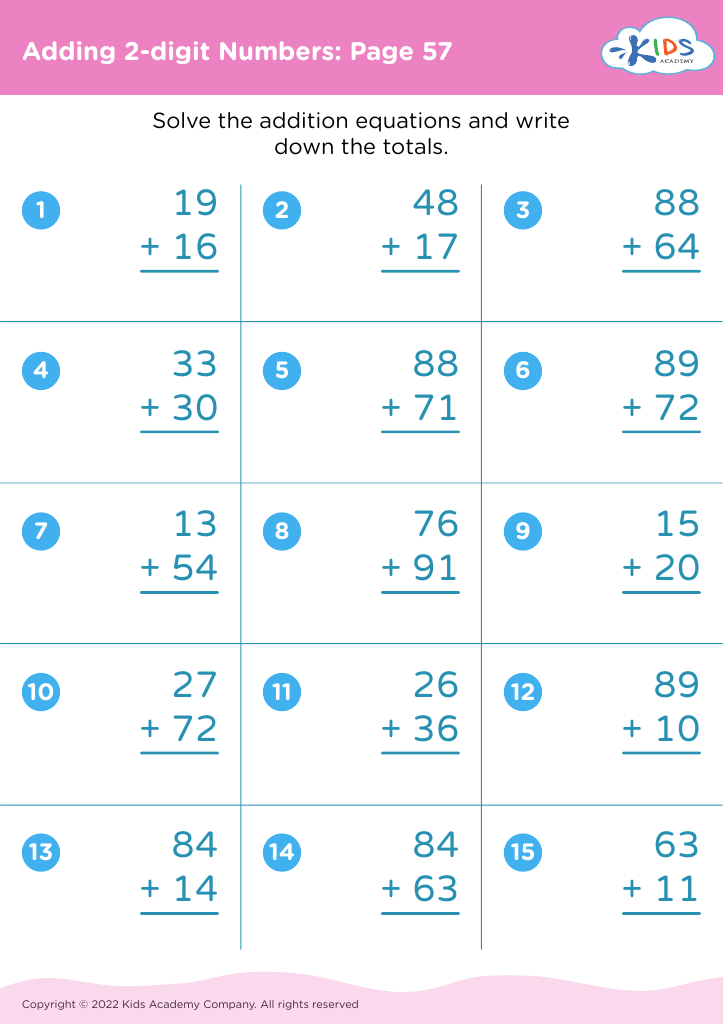
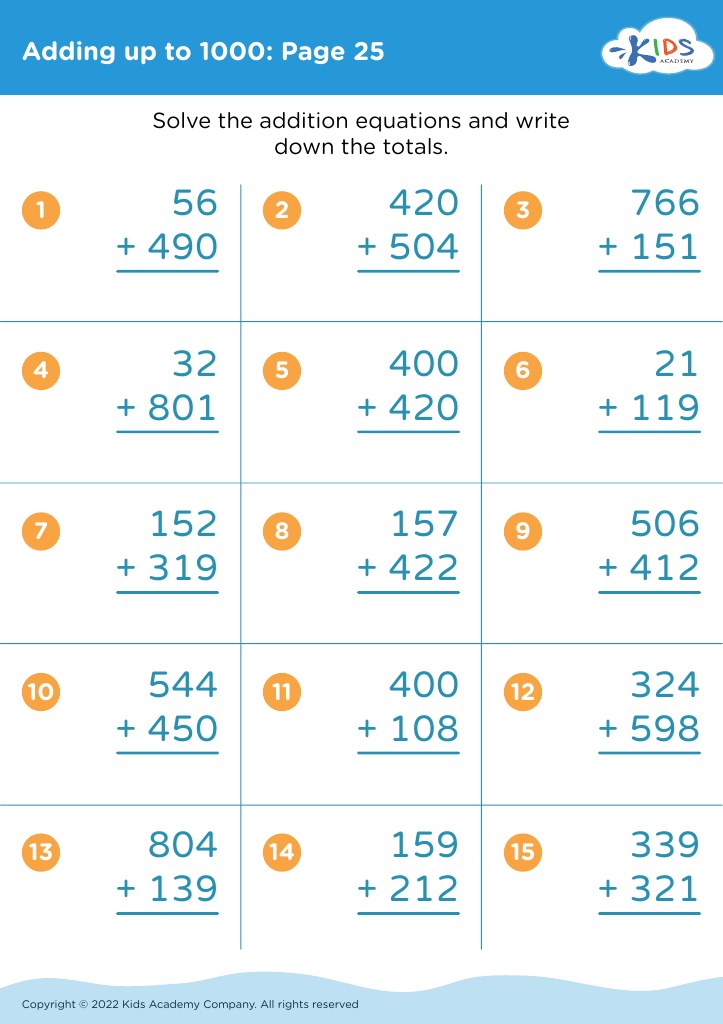
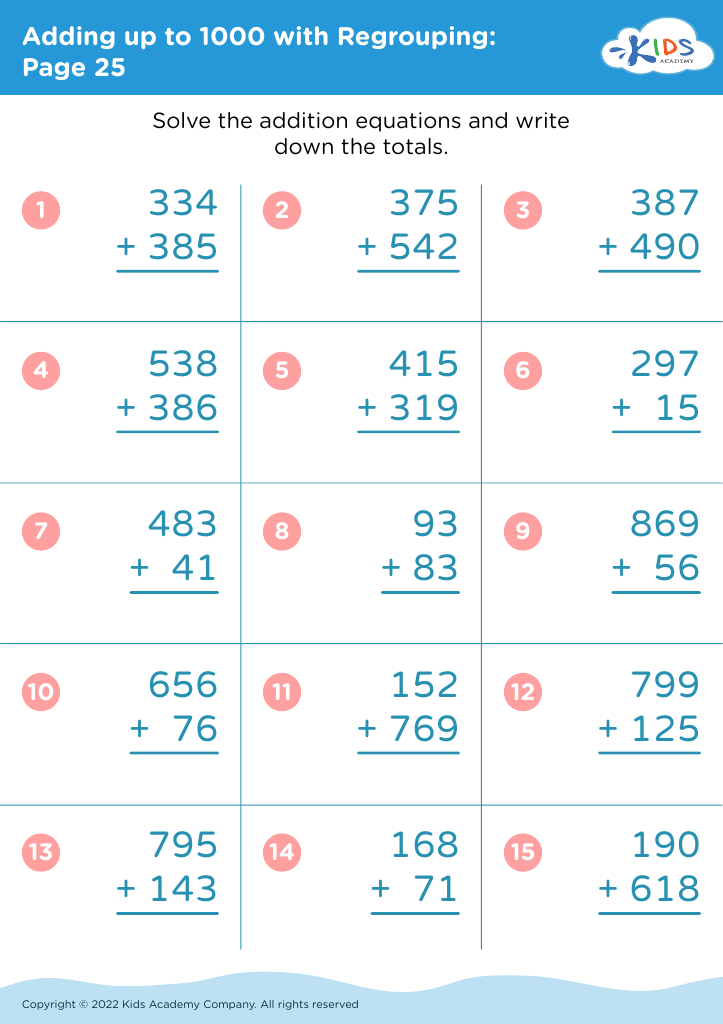


.jpg)



Understanding fractions and their comparisons is crucial for young children ages 4-9 because it forms a foundational element of mathematical literacy. At this developmental stage, children's brains are uniquely primed to grasp basic concepts through exploration and play, and grasping fractions early can set them up for academic success in later years.
First, mastering fractions enhances number sense, allowing children to better understand and work with numbers. It builds the groundwork for more complex mathematical concepts they will encounter, such as decimals, percentages, and ratios. Additionally, early fraction recognition can improve problem-solving skills. When children understand how to compare fractions, they can make sense of real-world situations involving division and sharing, such as splitting a pizza or understanding the significance of parts in a whole.
Furthermore, confidence in math positively impacts a child’s academic self-esteem. Early exposure to fractions in a supportive environment helps prevent math anxiety, leading to greater enthusiasm for learning. By caring about and guiding their children through fraction comparisons, parents and teachers play a critical role in helping develop a love for math, which can have remarkable long-term educational and cognitive benefits. Fractions are not merely a math skill but a pivotal cognitive stepping stone to critical thinking and analytical abilities.








