Hand-eye Coordination Worksheets for Ages 4-9 - Page 5
116 filtered results
-
From - To
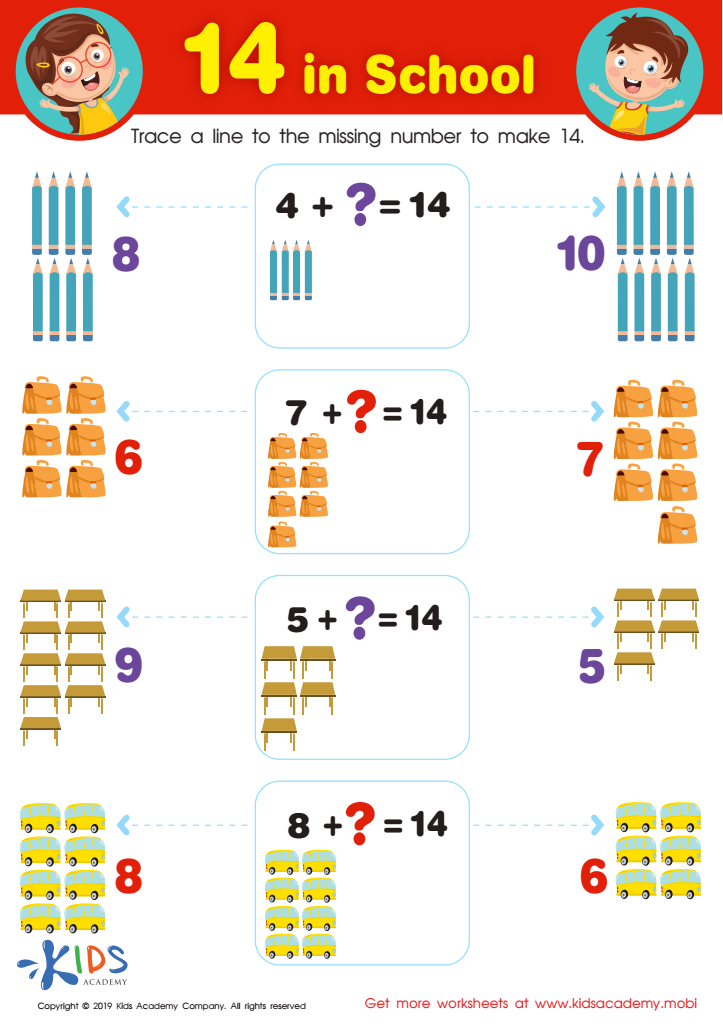
14 in School Worksheet
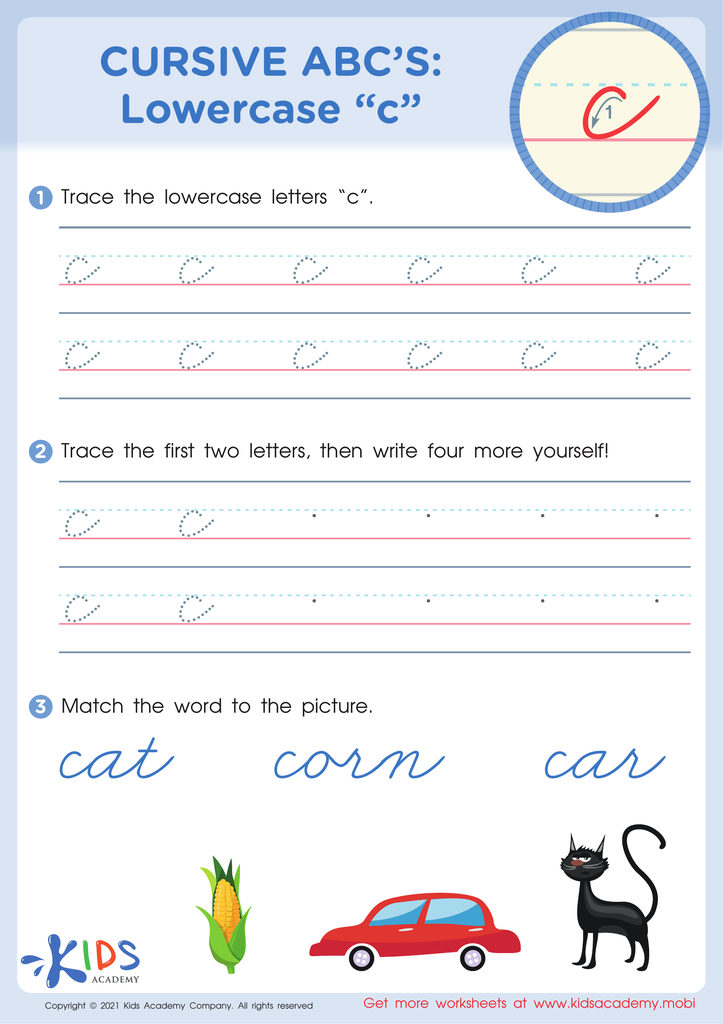
Cursive ABCs: Lowercase c
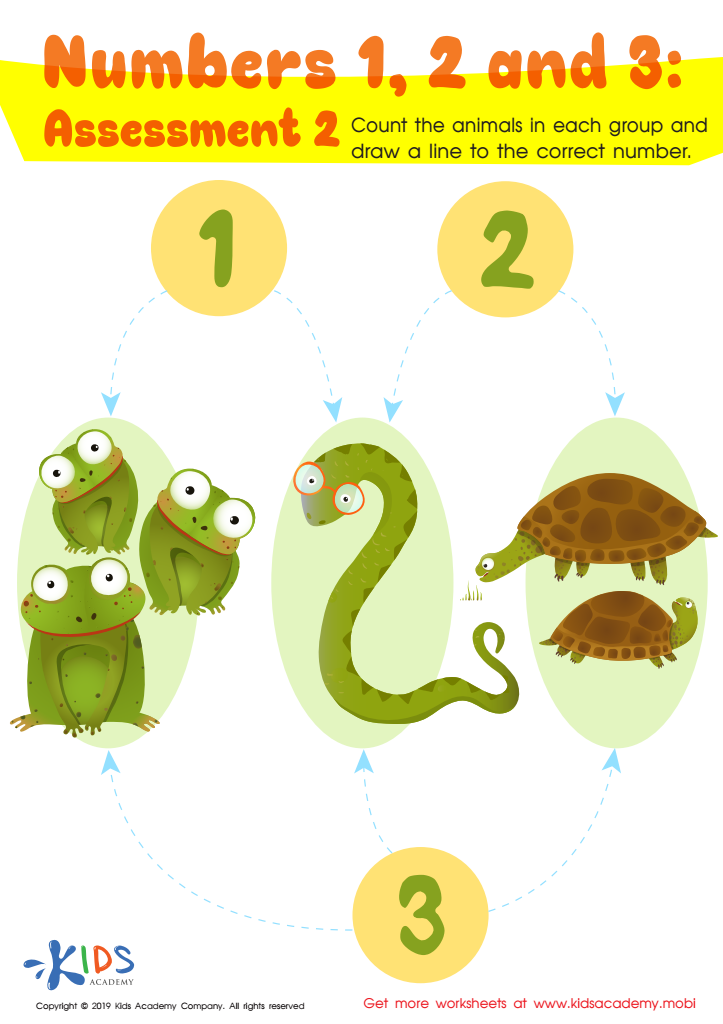
Numbers 1, 2 and 3: Assessment 2 Worksheet
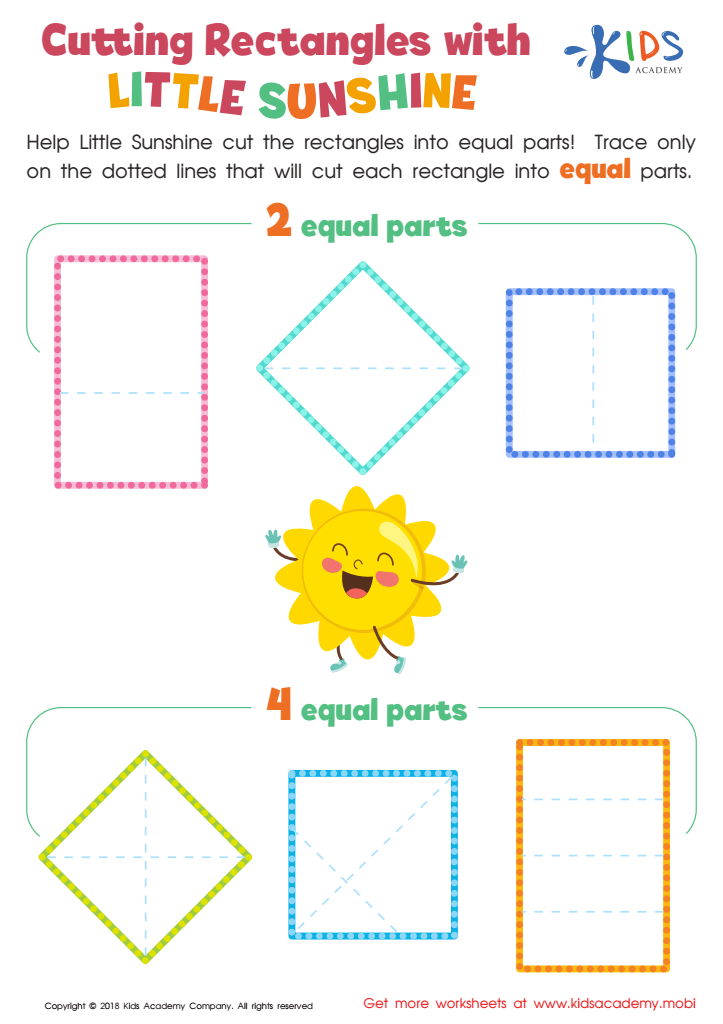
Cutting Rectangles with Little Sunshine Worksheet
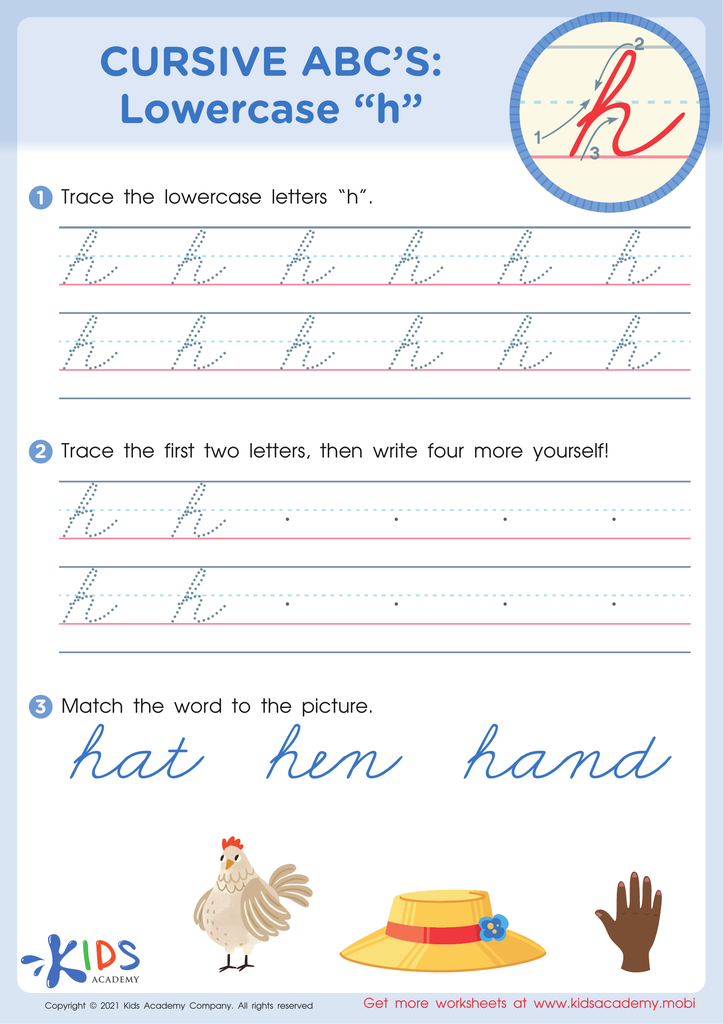
Cursive ABCs: Lowercase h
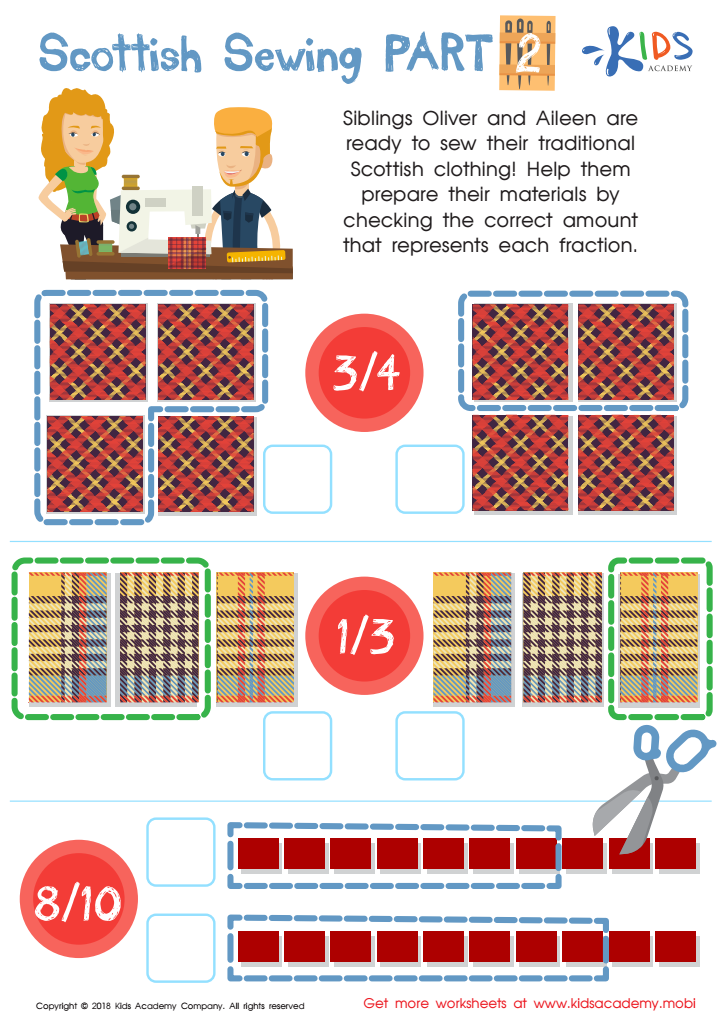
Scottish Sewing Part 2 Worksheet
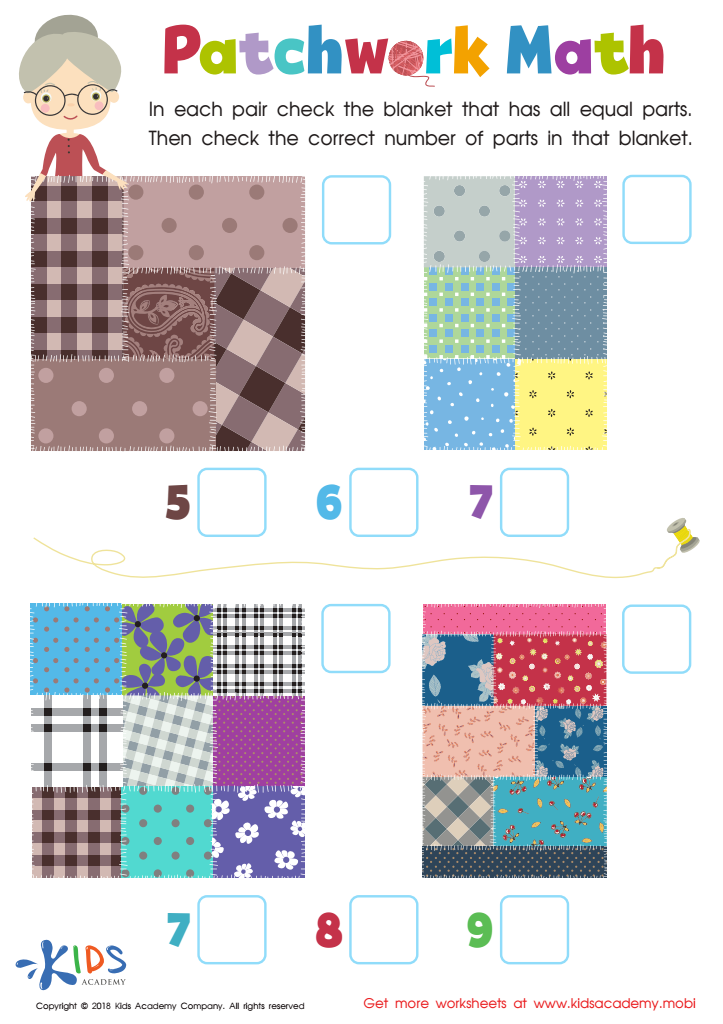
Patchwork Math Worksheet
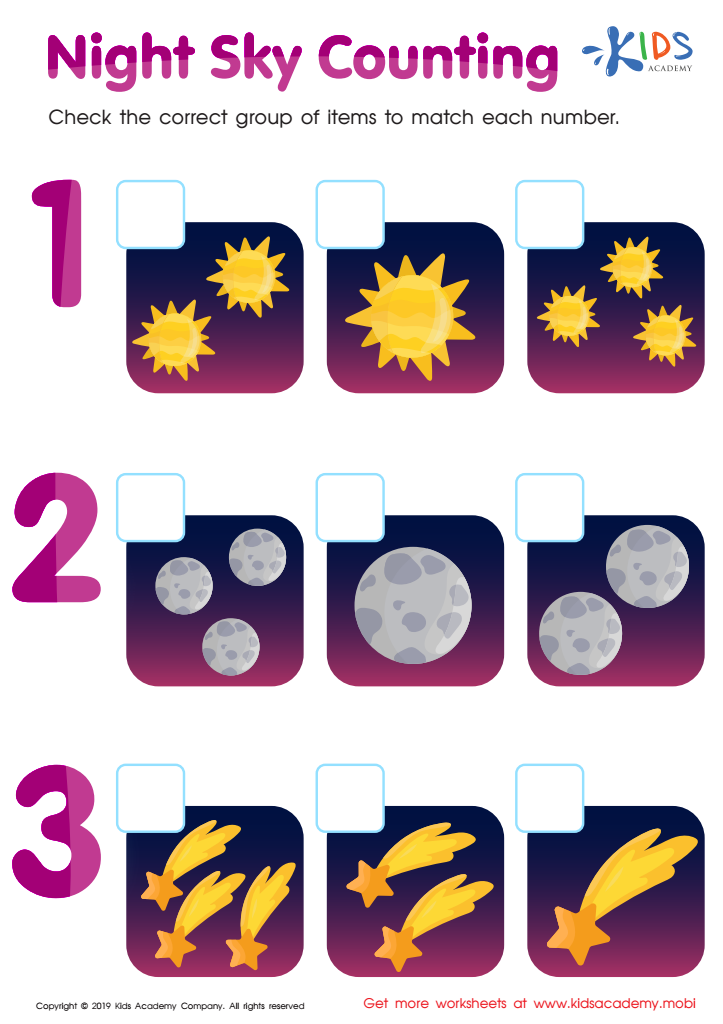
Night Sky Counting Worksheet
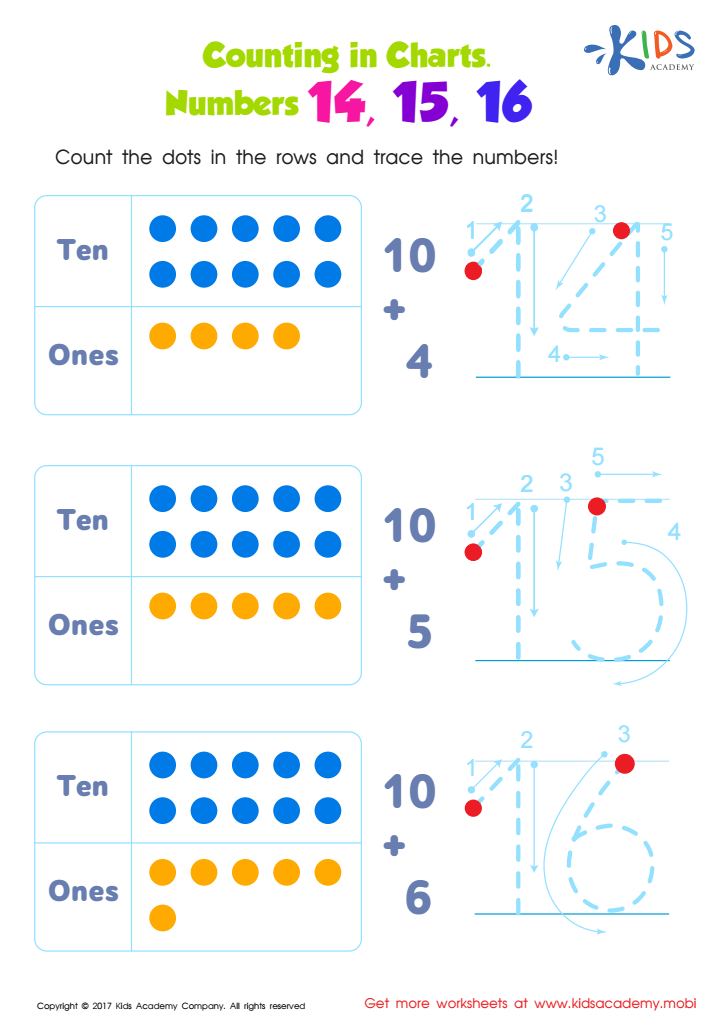
Number Tracing Worksheet
Tower Coloring Page
 Assign to My Students
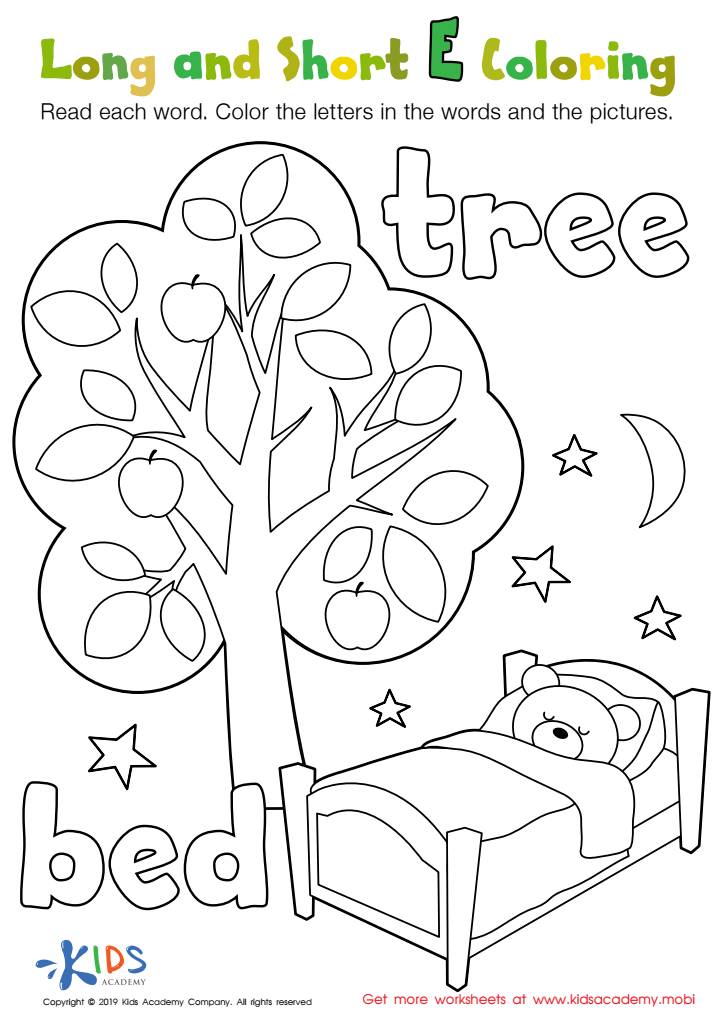
Long and Short E Worksheet
Assign to My Students
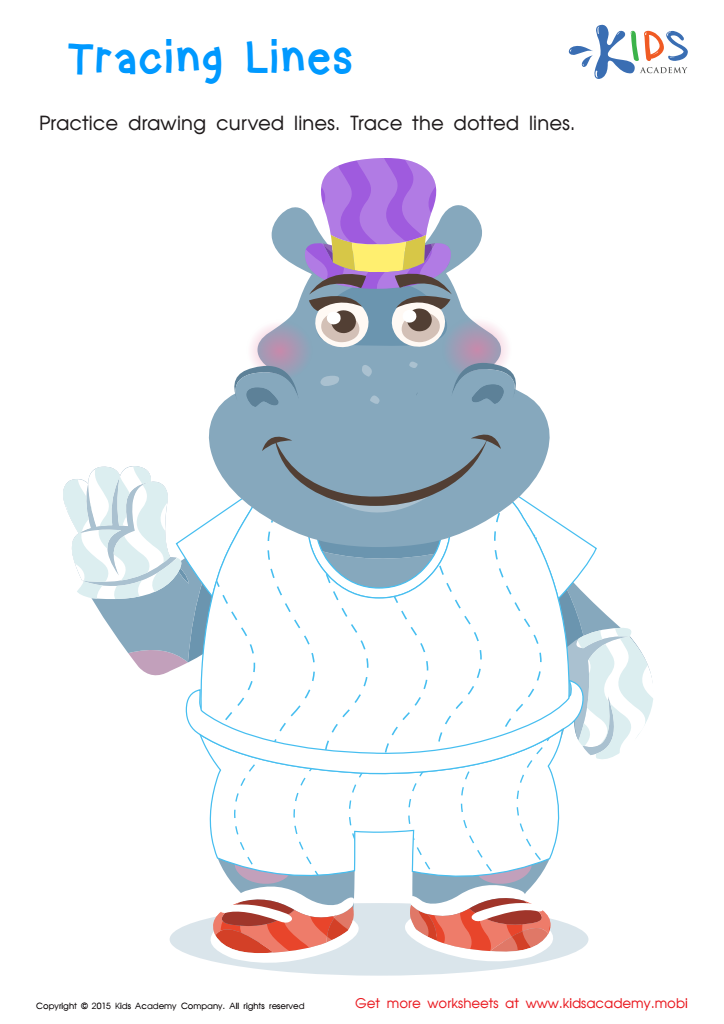
Tracing Lines Worksheet
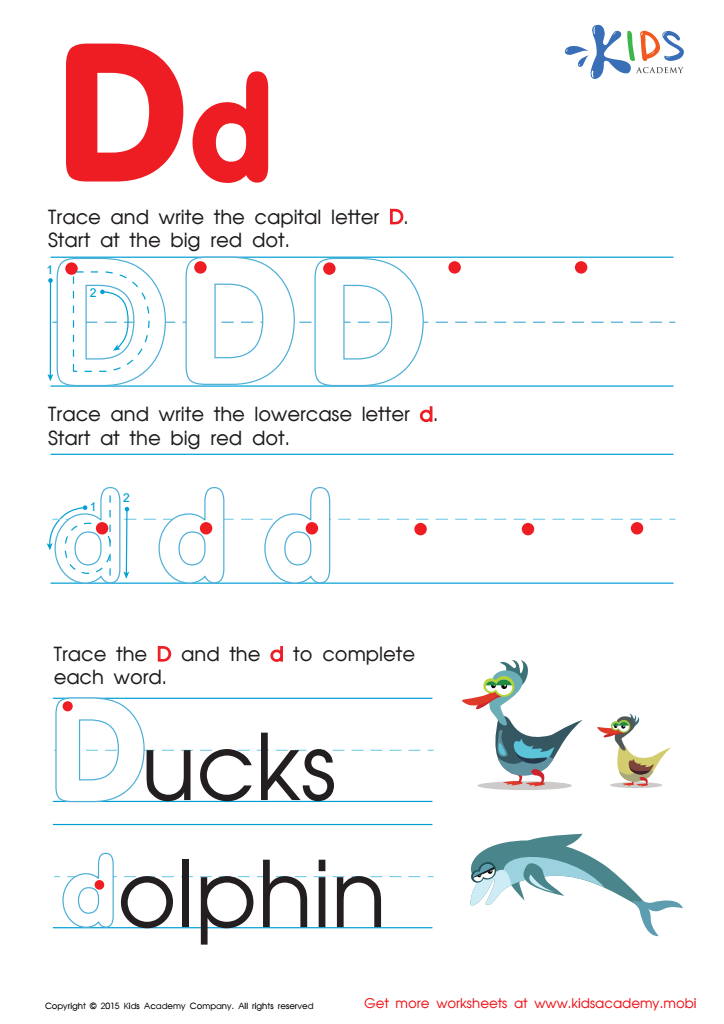
Letter D Tracing Page
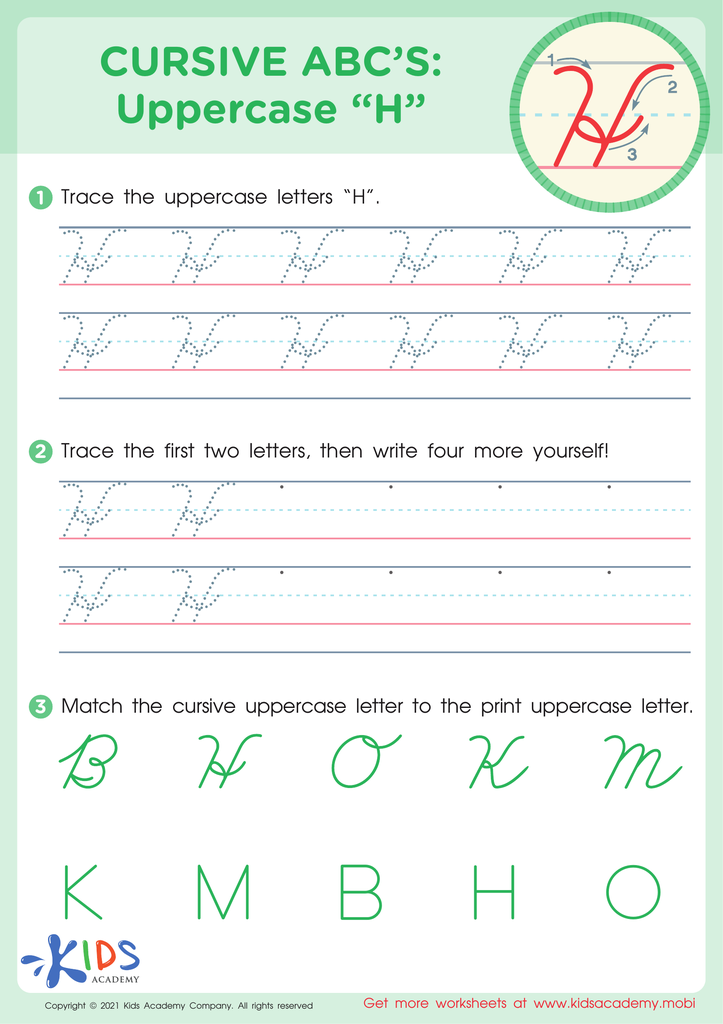
Cursive ABCs: Uppercase H








Hand-eye coordination is a crucial skill that significantly impacts a child's development, particularly in the ages of 4 to 9. During these formative years, children are engaged in various activities that rely on this coordination, such as writing, drawing, sports, and even everyday tasks like buttoning shirts. Parents and teachers should care about hand-eye coordination because it lays the foundation for fine motor skills, which are essential for academic success and daily functioning.
Improving hand-eye coordination can enhance children's learning experiences and lead to greater confidence in physical activities. Children with well-developed hand-eye coordination are often better equipped to navigate challenges in school, resulting in improved writing and art skills, better performance in sports, and, consequently, greater overall self-esteem.
Moreover, fostering these skills can promote social interactions, as children engage in cooperative play that requires teamwork and coordination. Activities such as playing catch or engaging in crafts encourage not only physical ability but also cognitive choices related to planning and executing tasks. In short, supporting the development of hand-eye coordination in young children can open doors to a multitude of learning opportunities and promote a healthier, more active lifestyle, ultimately setting them up for success both in and out of the classroom.








