Identifying characters Worksheets for Ages 4-9
3 filtered results
-
From - To
Discover engaging Identifying Characters Worksheets for children aged 4-9, designed to enhance reading comprehension and critical thinking skills. These thoughtfully crafted worksheets help young learners understand and identify key characters in stories through fun activities and vibrant illustrations. Ideal for classroom use or at-home practice, each worksheet offers exercises that promote discussions, boost imagination, and develop literacy proficiency. Perfect for young readers, these tools enable kids to distinguish between main and supporting characters, relate to their actions, and enhance their narrative understanding. Prepare your child for a successful reading journey with these exciting worksheets.
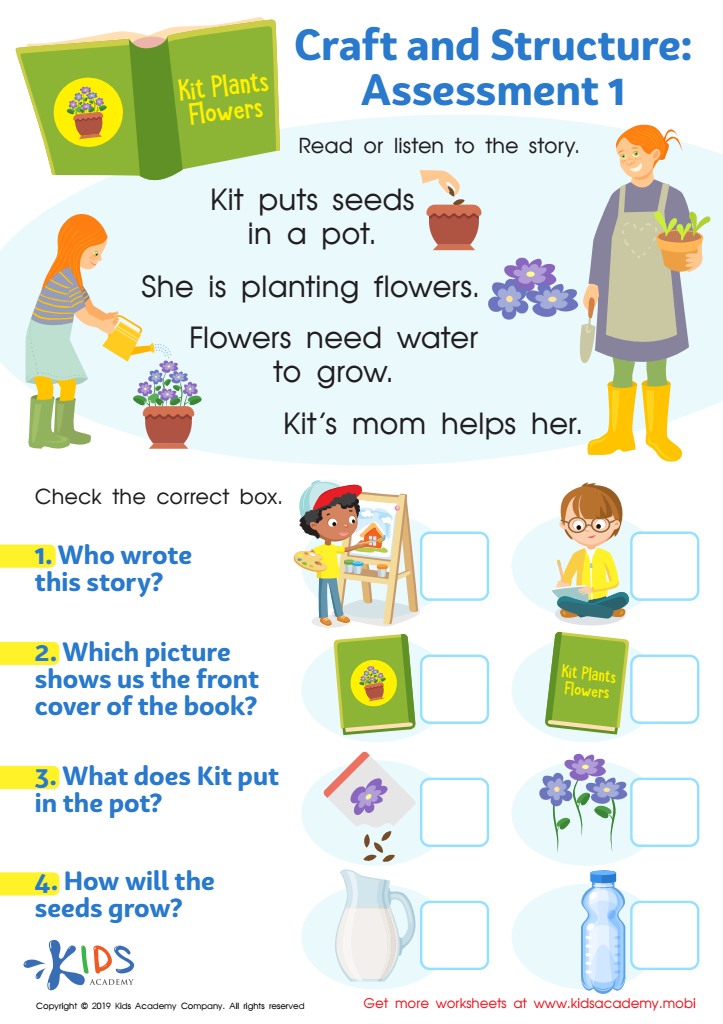
Craft and Structure: Assessment 1 Worksheet
 Assign to My Students
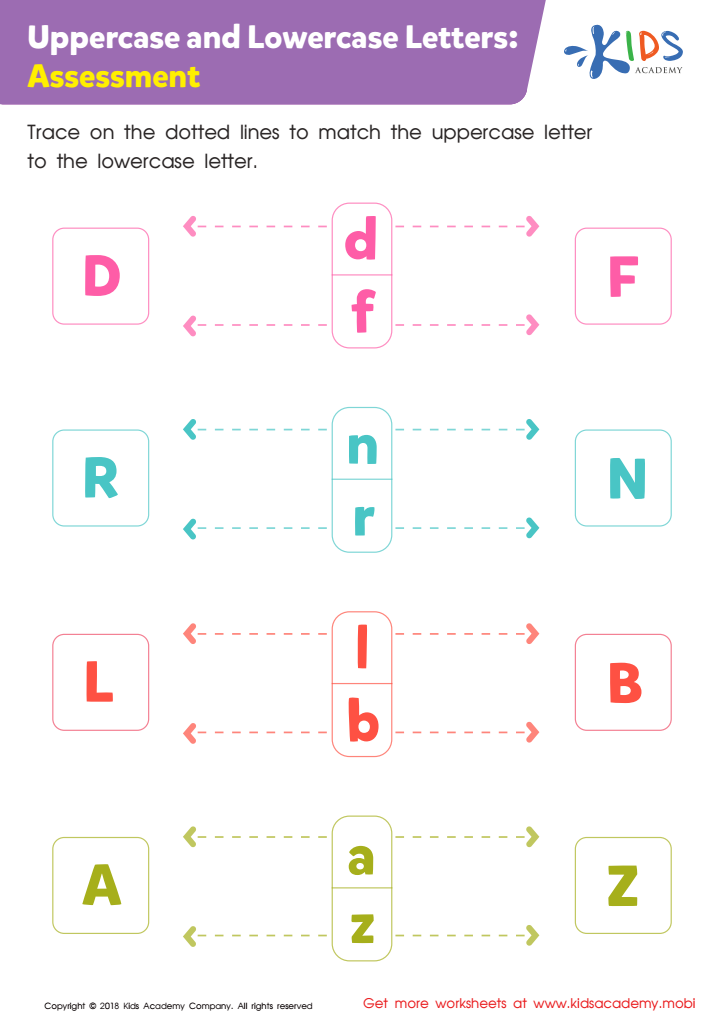
Uppercase and Lowercase Letters: Assessment Worksheet





.jpg)


Identifying characters in stories is a crucial literacy skill for young children ages 4-9. Developing this skill not only enhances their reading comprehension but also lays the foundation for more advanced literacy concepts. Understanding characters helps children empathize with others by seeing the world from different perspectives. This emotional intelligence can foster better interpersonal relationships and social skills.
Moreover, recognizing characters and distinguishing between protagonists and antagonists help children grasp plot structure and storyline changes, essential components of narrative development. This, in turn, supports critical thinking and allows them to predict outcomes and understand cause-and-effect relationships within stories.
In a classroom or a home setting, encouraging children to identify characters also sparks creativity, enabling them to role-play and create their own stories. These activities promote language development, enrich vocabulary, and improve communication skills.
For parents and teachers, actively guiding children in this process allows them to monitor the child’s cognitive and emotional growth. Observing their ability to discuss and relate to characters can provide insights into their comprehension levels and identify areas where they may need additional support. Thus, focusing on character identification creates a robust foundation for academic success and personal development.








