
Improves number recognition Worksheets for Ages 4-9
4 filtered results
Difficulty Level
Grade
Age
-
From - To
Subject
Activity
Standards
Enhance your child's number recognition skills with our engaging worksheets designed specifically for ages 4-9! These interactive activities promote early math understanding, helping young learners easily identify and differentiate numbers. Our worksheets are crafted to captivate children's attention, featuring colorful designs and fun themes that make learning enjoyable. Each printable set includes a variety of exercises such as tracing, matching, and coloring, ensuring a comprehensive approach to building number recognition. Perfect for homeschoolers, teachers, or parents seeking extra practice, our resources aim to create a strong foundation for future math success. Boost your child's confidence and enthusiasm for learning with our fun worksheets today!
Favorites
With answer key
Interactive
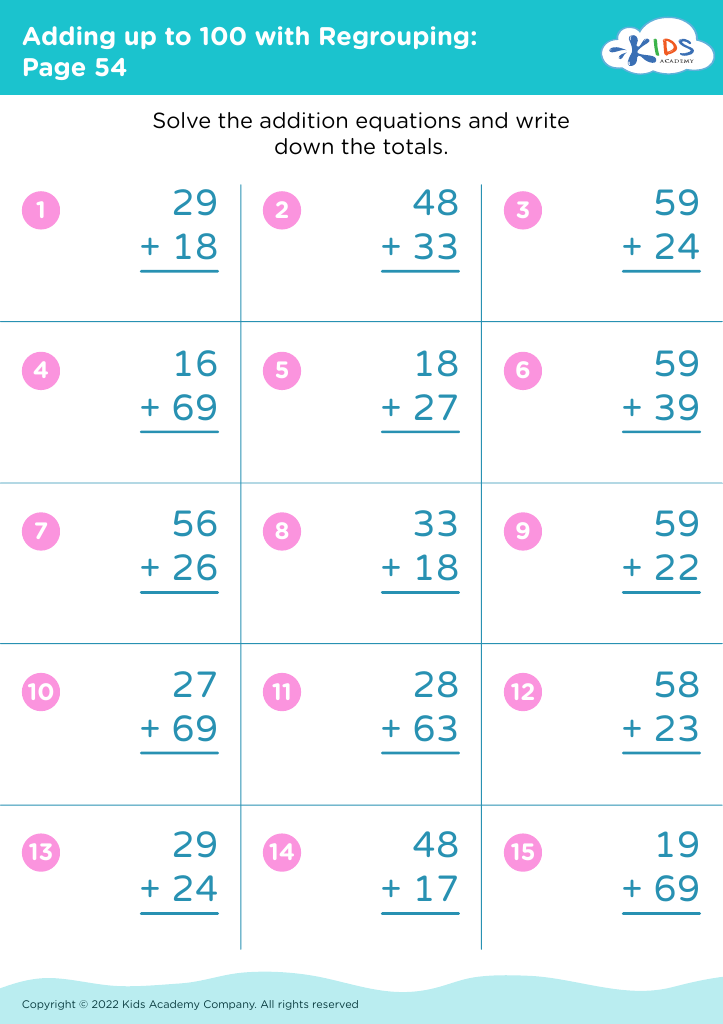
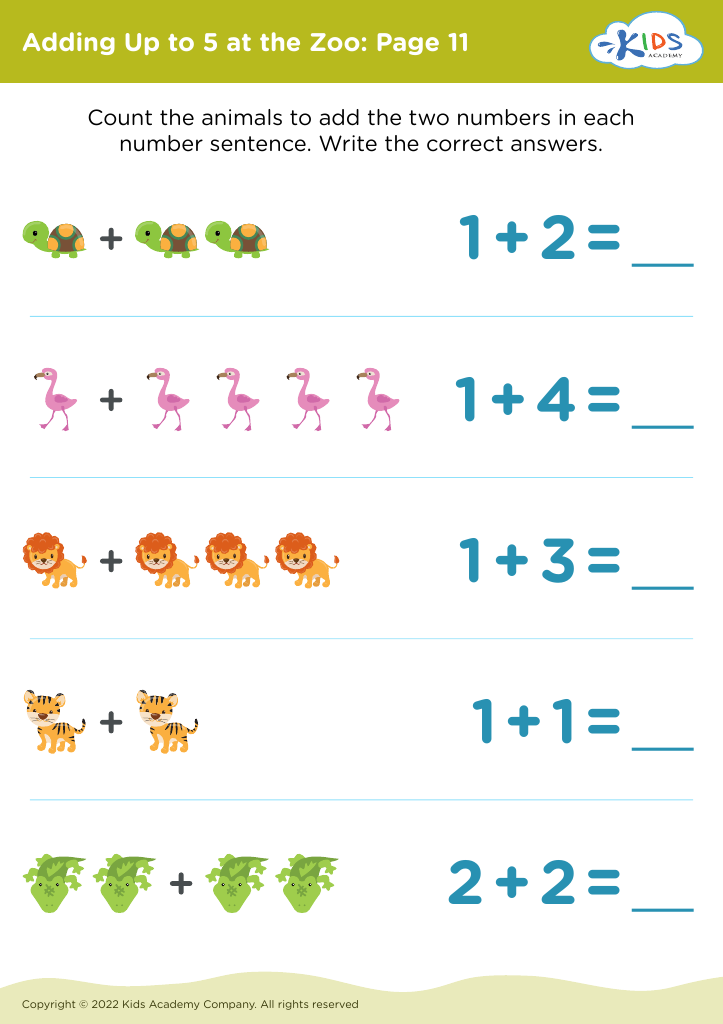
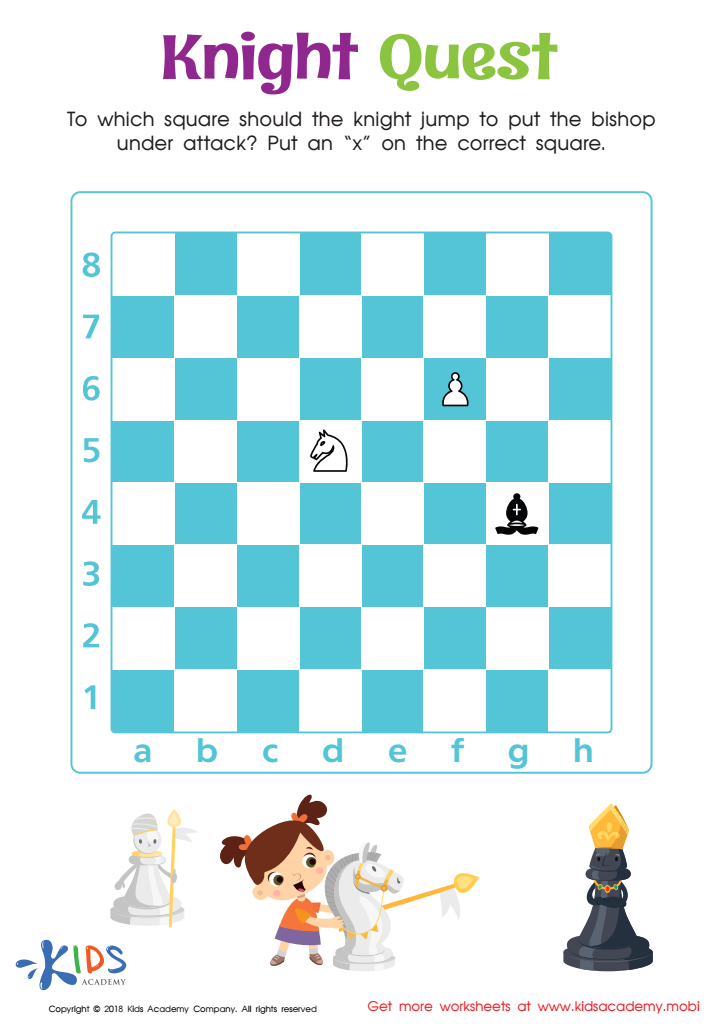
Knight Quest Worksheet
Testing your child's strategic planning and chess skills? Give them this worksheet: Ask them to mark an 'x' on the square where the knight should jump to attack the enemy bishop. See how well they plan for a win! (80 words)
 Assign to My Students
Knight Quest Worksheet
Worksheet
Learning Skills
Enhances counting skills
Improves number recognition
Encourages attention to details
Develops fine motor skills
Promotes problem-solving abilities
Enhances focus and concentration
Encourages logical thinking
Improves fine motor skills (writing)
Develops problem-solving abilities
Promotes addition learning
Join Kids Academy for Free
Who is primarily going to use this learning content?


.jpg)





Number recognition is a foundational skill critical for success in early mathematics and lifelong learning. For children aged 4-9, mastering number recognition lays the groundwork for more complex mathematical concepts such as addition, subtraction, and problem-solving. Parents and teachers should care about improving this skill because it enhances children's confidence and engagement in math, an area where many young learners feel intimidated.
Moreover, developing number recognition aids in cognitive growth, fostering attention and memory skills. Early interventions can prevent future difficulties in math-related subjects, ensuring children are better prepared as they progress through their education. Programs that promote number recognition also build a positive attitude toward learning by making math interactive and fun, using games and visual aids that capture children's interest.
Engaged and motivated students are more likely to excel academically, making number recognition an essential focus in both home and classroom environments. Additionally, this skill supports real-life applications, as children turn to math for everyday activities like counting, budgeting, and time management. By investing time and resources into improving number recognition now, parents and teachers lay the groundwork for children's academic success and confidence in their abilities.








