Improving problem-solving skills Worksheets for Ages 4-9
7 filtered results
-
From - To
Unlock your child's potential with our "Improving Problem-Solving Skills Worksheets" designed for ages 4-9. These engaging, printable worksheets encourage critical thinking and creative problem-solving through fun activities tailored to promote cognitive development. From puzzles and logic games to real-life scenario challenges, each worksheet is crafted to make learning enjoyable while helping children develop essential skills for everyday problem-solving. Perfect for home or classroom use, our resources support early learners in building confidence and independence. Dive into a world of discovery and see your young learners flourish as they tackle each task with enthusiasm and curiosity!
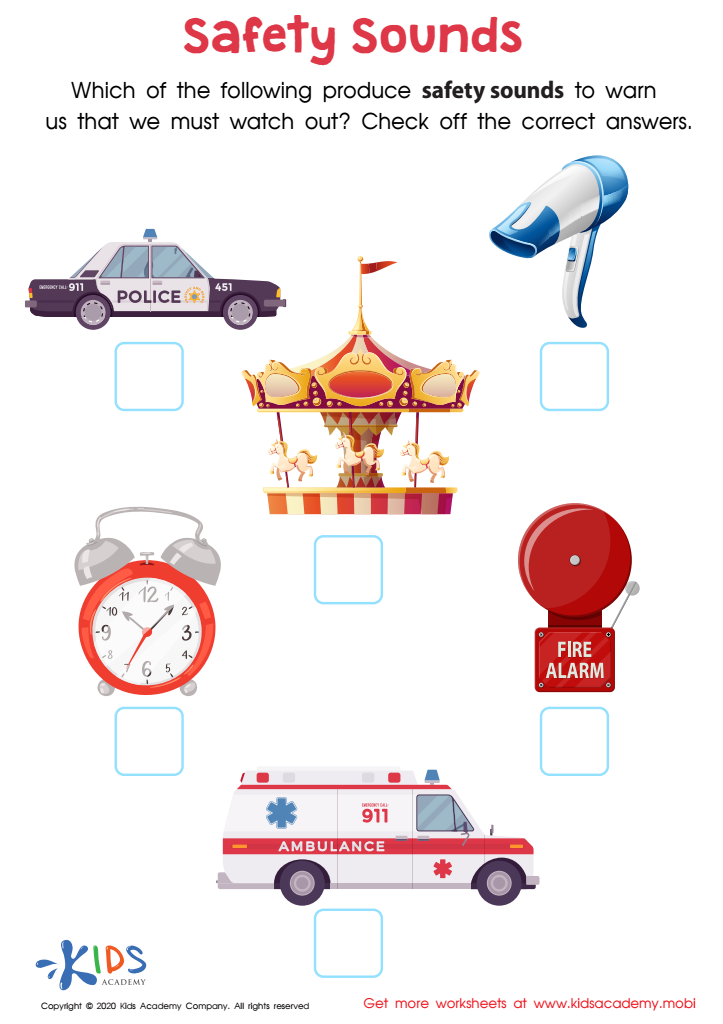
Safety Sounds Worksheet
 Assign to My Students
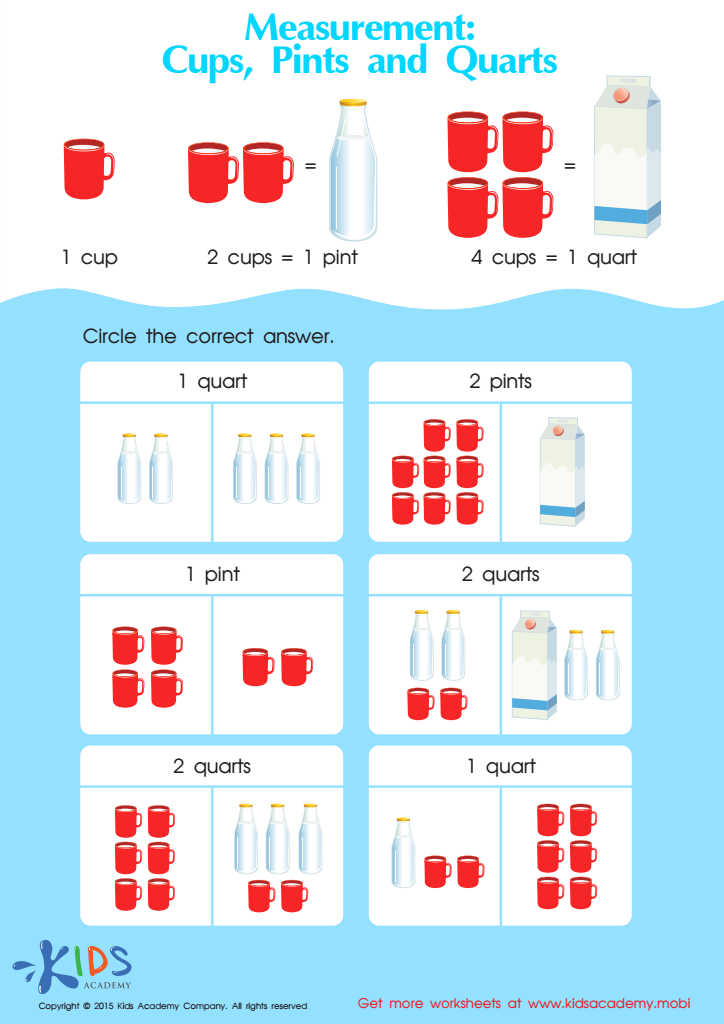
Cups, Pints and Quarts Worksheet
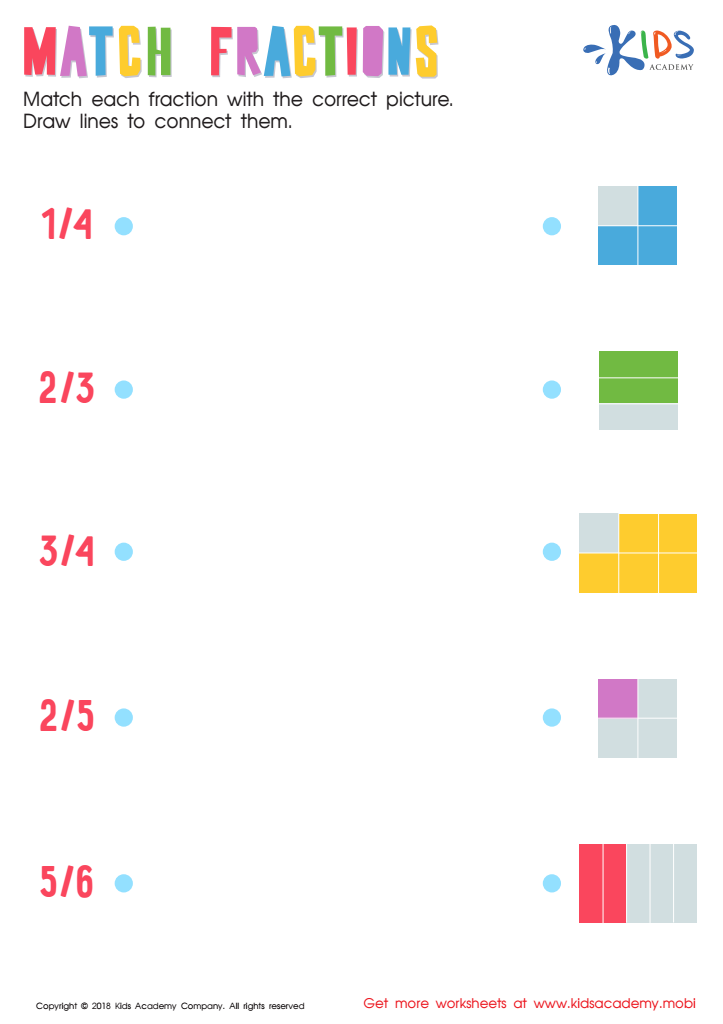
Match Fractions Worksheet
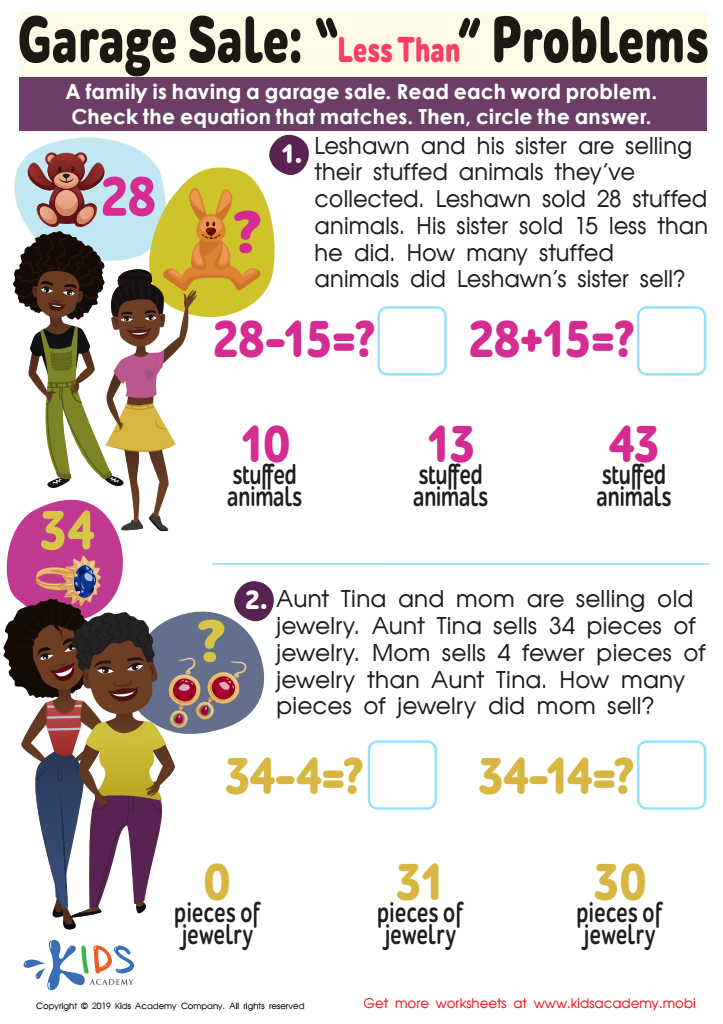
Garage Sale Less Than Worksheet
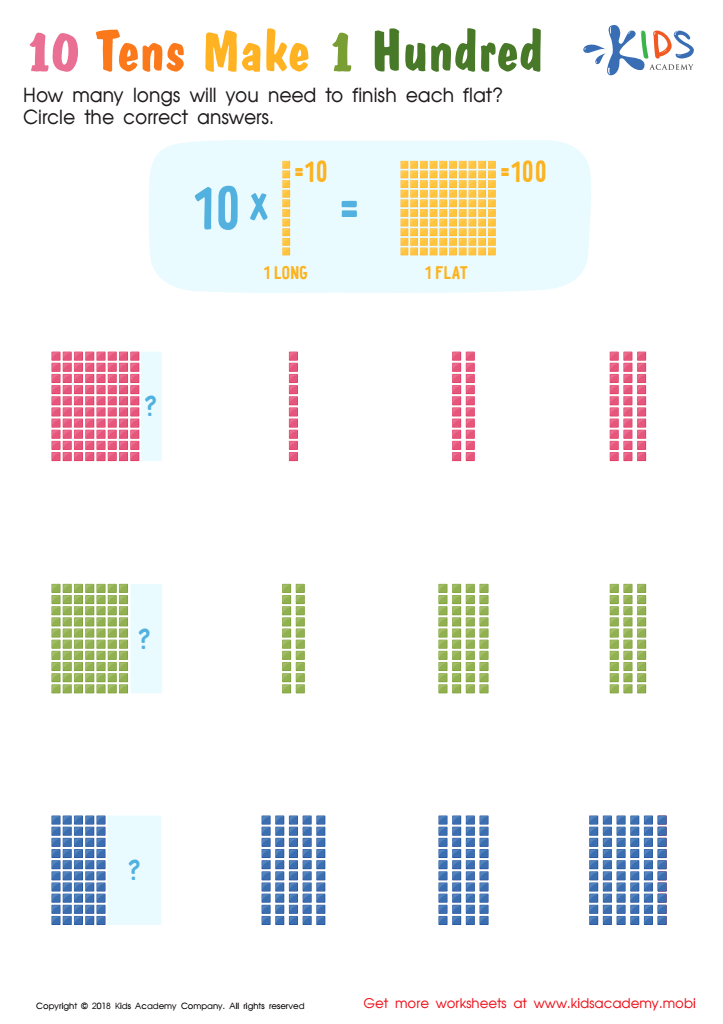
10 Tens Make 1 Hundred Worksheet
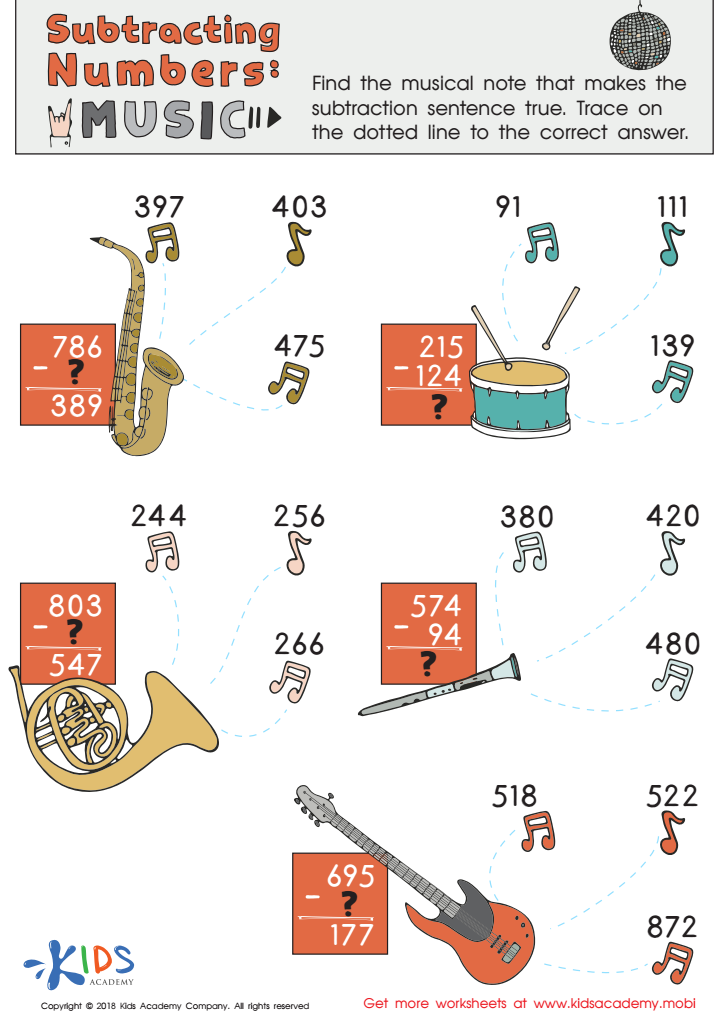
Subtracting Numbers: Music Worksheet








Improving problem-solving skills in children aged 4 to 9 is crucial for several reasons. Firstly, these skills equip young learners with the ability to approach challenges confidently, fostering resilience and critical thinking. At this age, children encounter various problems in their lives, whether it's navigating social interactions or tackling schoolwork. Encouraging problem-solving allows them to explore strategies, analyze situations, and deduce solutions, setting a solid foundation for lifelong learning.
Moreover, problem-solving enhances cognitive development, stimulating creativity and promoting logical reasoning. When parents and teachers engage children in puzzles, games, or real-life challenges, they facilitate a deeper understanding of cause-and-effect relationships and enhance their ability to think adaptively.
Additionally, nurturing these skills encourages collaboration and communication often needed in group settings. As children work with peers to solve problems, they learn to listen, share ideas, and negotiate — essential life skills that extend beyond the classroom.
Ultimately, by prioritizing problem-solving, parents and teachers empower children not only to succeed academically but also to develop essential social and emotional skills, making them well-rounded individuals ready to navigate the complexities of the world around them.








