Practicing writing skills Worksheets for Ages 4-9
4 filtered results
-
From - To
Enhance your child’s writing abilities with our “Practicing Writing Skills Worksheets for Ages 4-9.” Specially designed for young learners, these interactive worksheets cover essential writing aspects, including fine motor skills, sentence formation, spelling, and grammar. Engaging exercises and fun activities keep children interested, while progressively challenging tasks ensure consistent skill development. Ideal for both classroom and at-home learning, our worksheets provide a strong writing foundation. Whether your child is just beginning to write or improving existing skills, these resources are perfect for fostering confidence and competence in young writers. Equip your child with the tools needed for writing success!
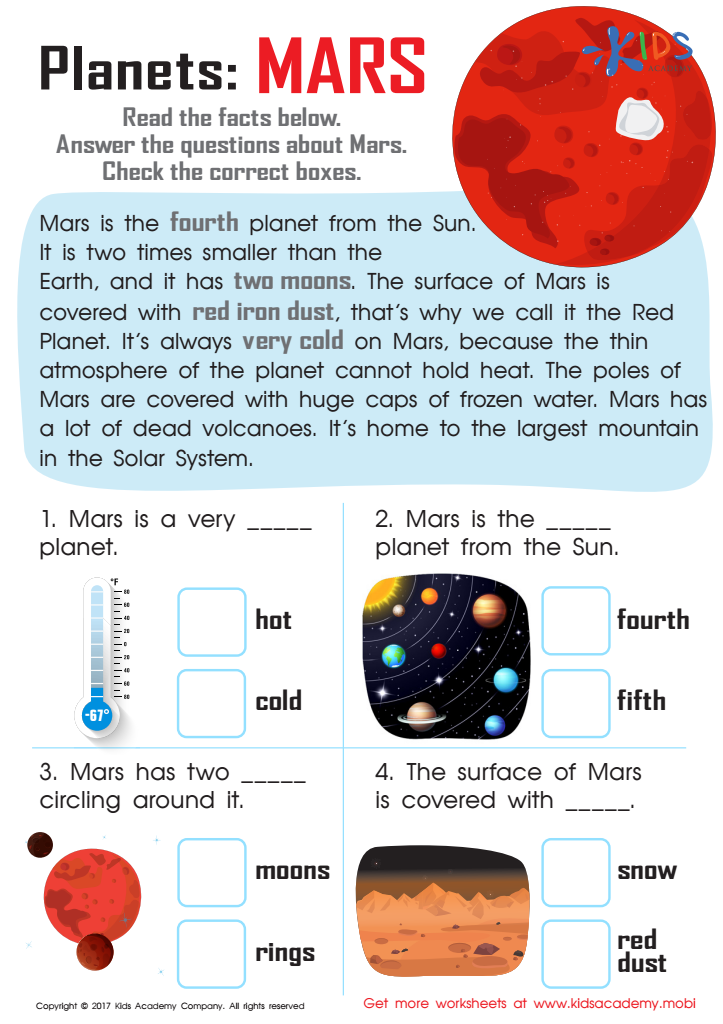
Mars Fact Printable Worksheet
 Assign to My Students

Capitalization Rules: Part 2 Worksheet
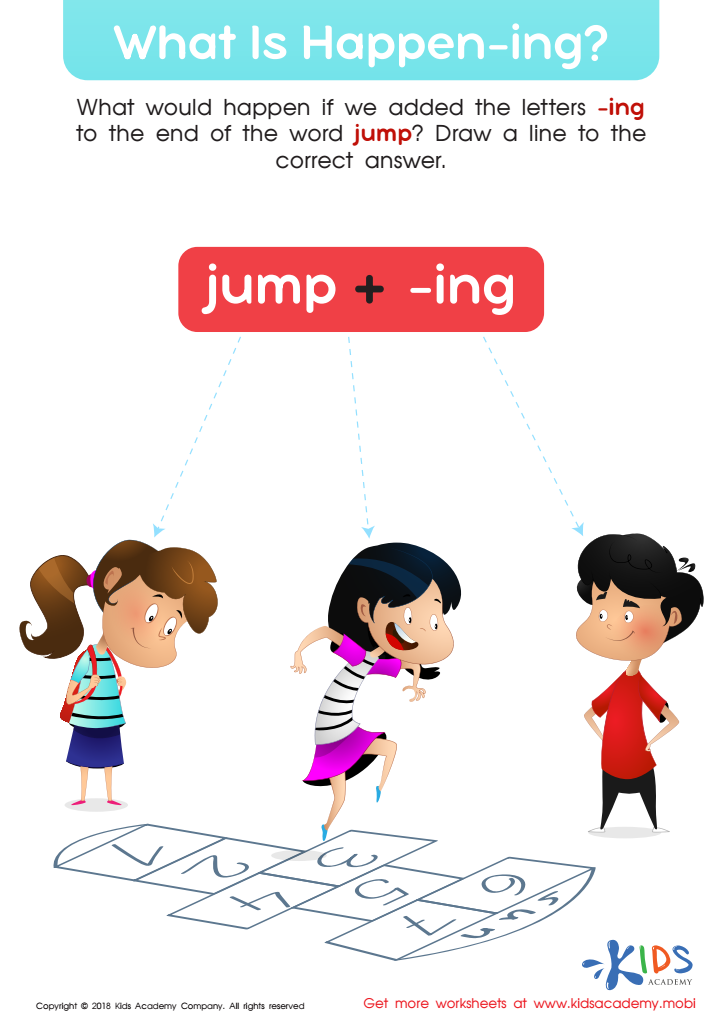
What Is Happen-Ing? Worksheet
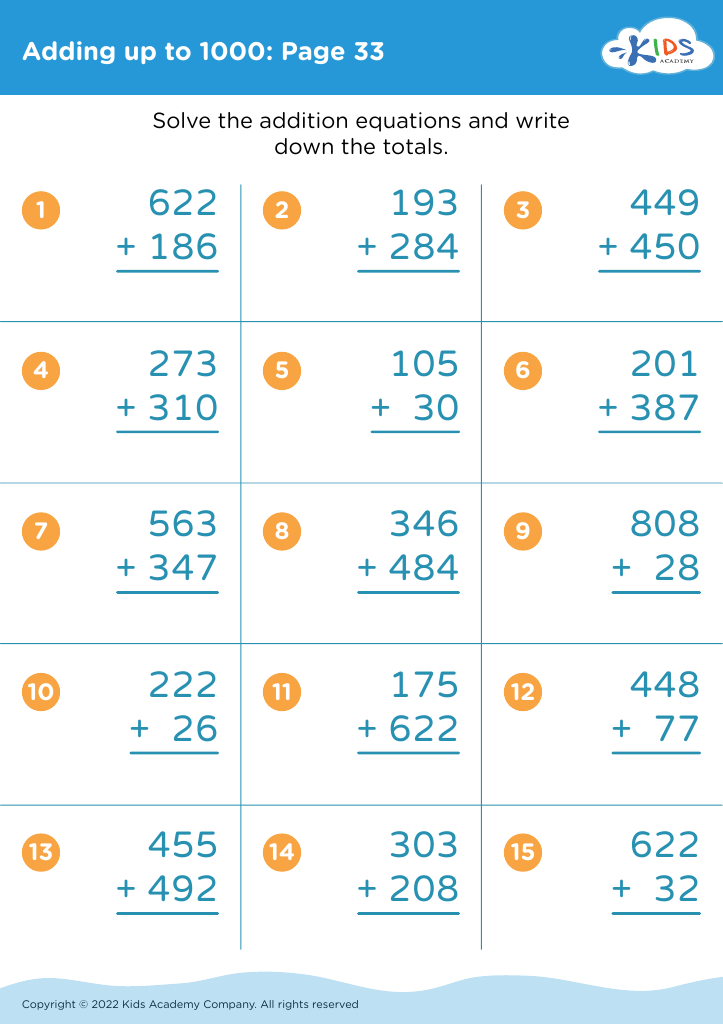







.jpg)
Practicing writing skills from ages 4-9 is crucial for a child's early development and academic success. During these formative years, writing activities help children develop fine motor skills by teaching them to control their hand movements and coordinate hand-eye actions. This affects not just their ability to write but also their overall dexterity and capability in tasks requiring precision.
Moreover, writing reinforces reading skills. When children write, they become more aware of phonics, vocabulary, and sentence structure, which improves their reading comprehension. Writing exercises also enhance cognitive development by encouraging them to organize thoughts, form coherent ideas, and transfer these ideas onto paper.
For parents and teachers, focusing on writing skills at an early age fosters emotional growth. Writing offers a medium for children to express their feelings and thoughts, aiding in self-reflection and emotional intelligence. Additionally, strong writing skills are foundational for educational achievement, as writing competency is critical in almost every subject area as children advance in school.
Considering the digital age, early writing practice provides a balance by promoting sustained concentration and patience, countering the instant gratification often found in technology-based engagements. In essence, nurturing writing skills from an early age equips children with essential abilities that underpin their lifelong learning and personal development.








