Problem-solving abilities Worksheets for Ages 4-9 - Page 3
65 filtered results
-
From - To
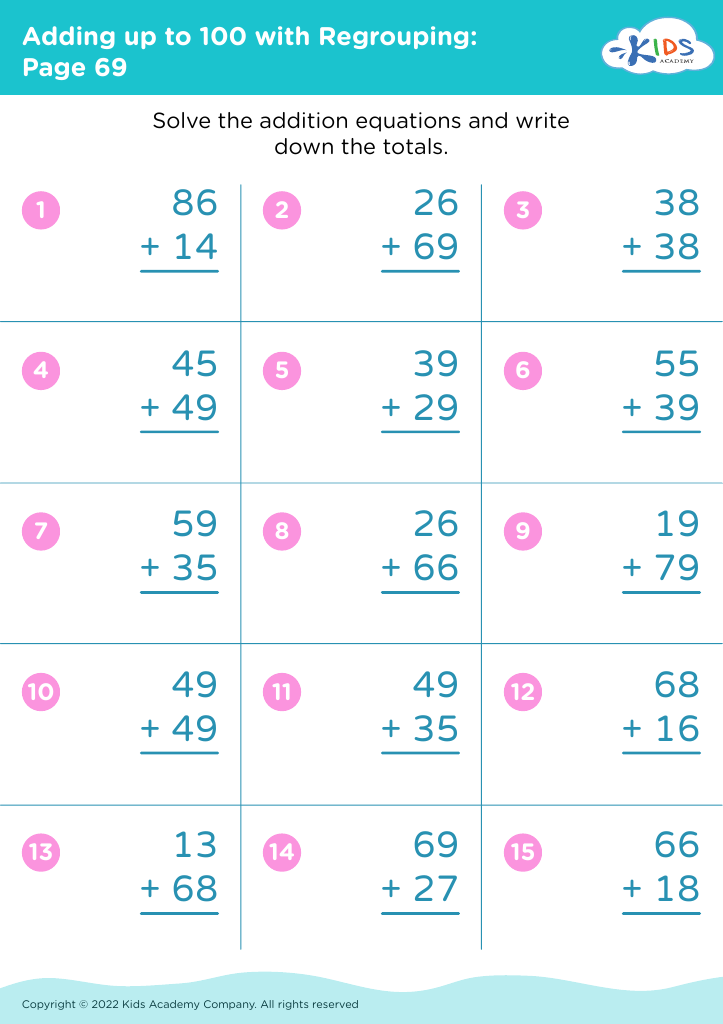
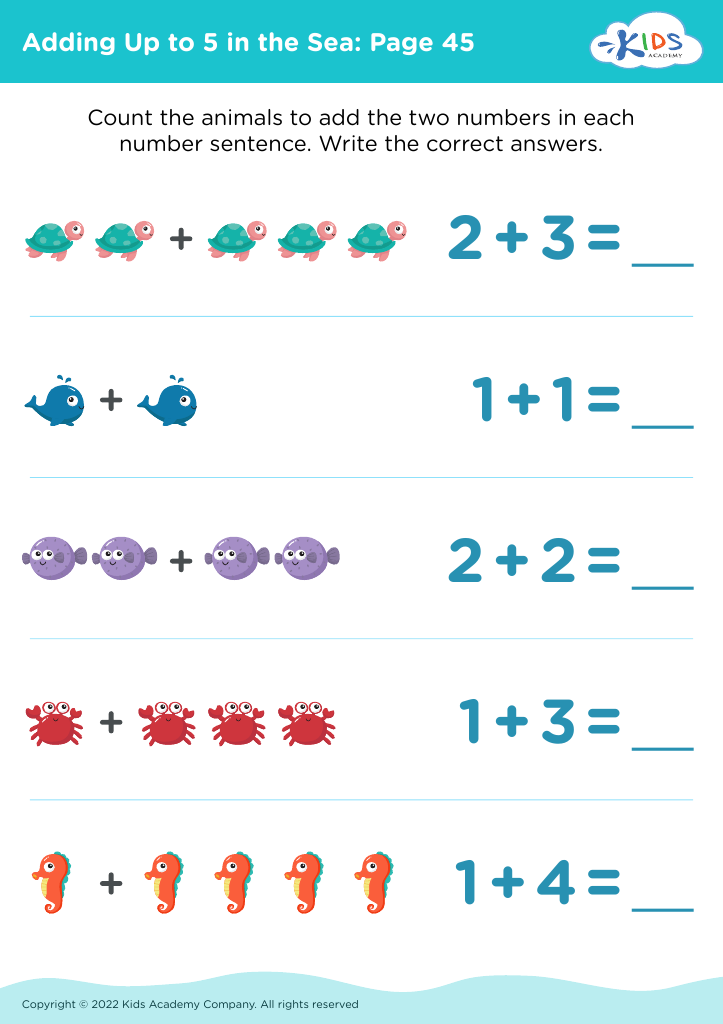
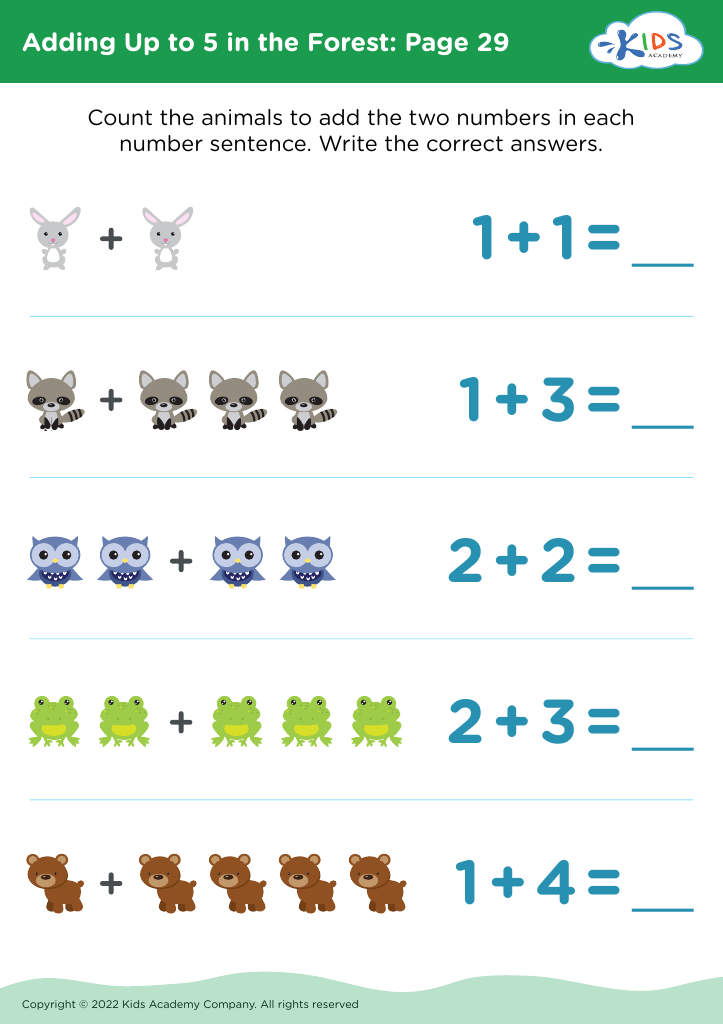
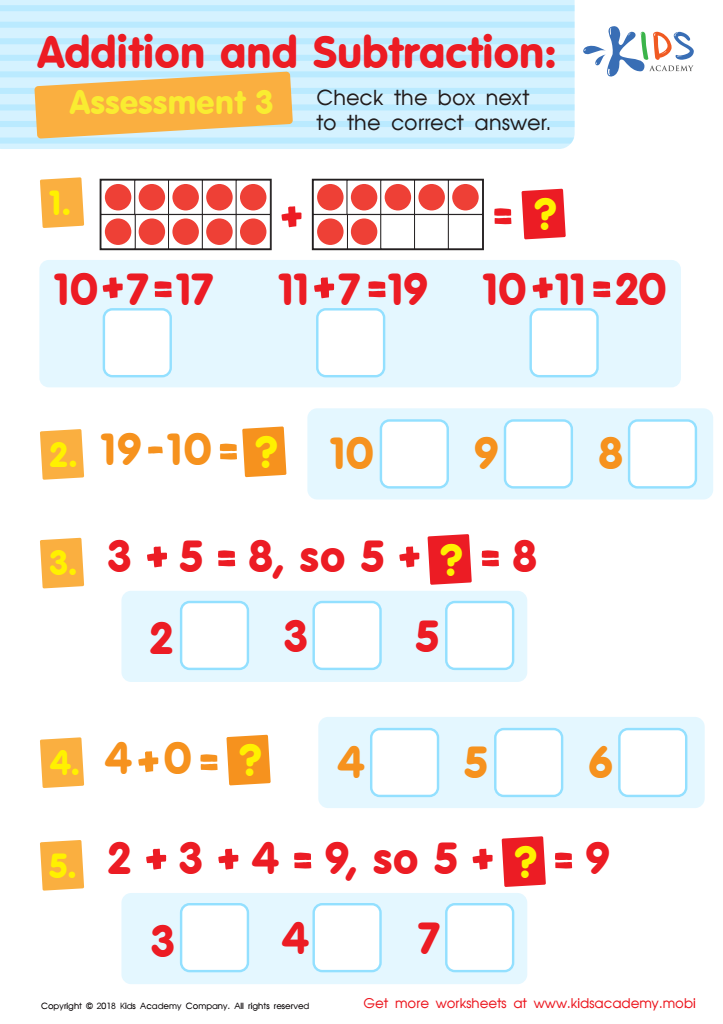
Addition and Subtraction Assessment 3 Worksheet
 Assign to My Students

Sweet Shop – Counting Coins Worksheet
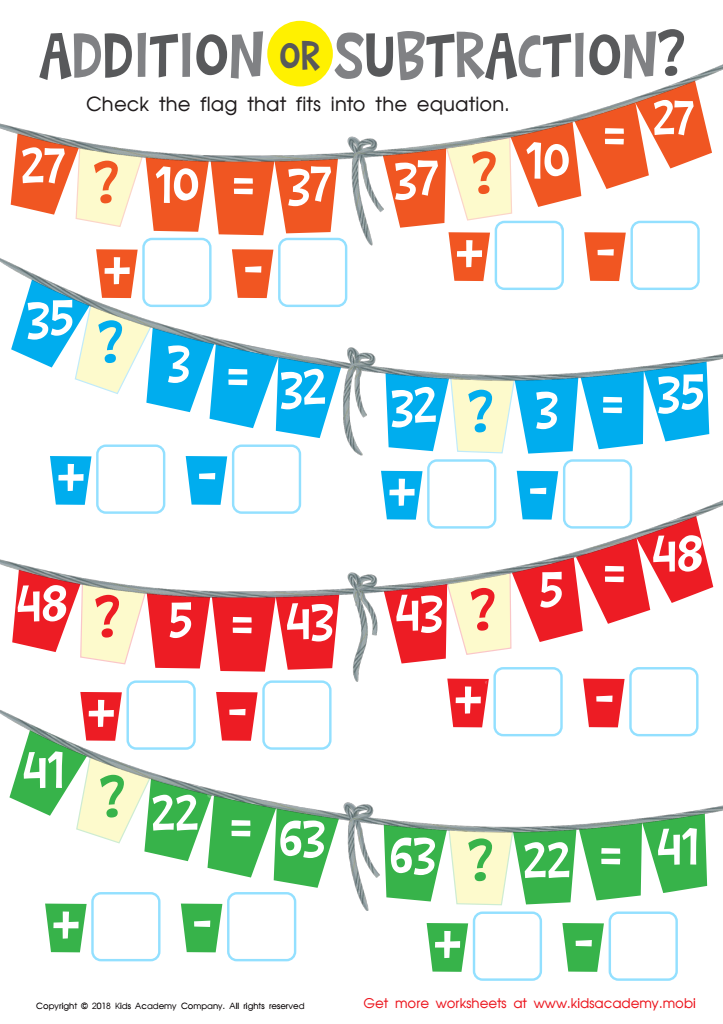
Addition or Subtraction? Worksheet
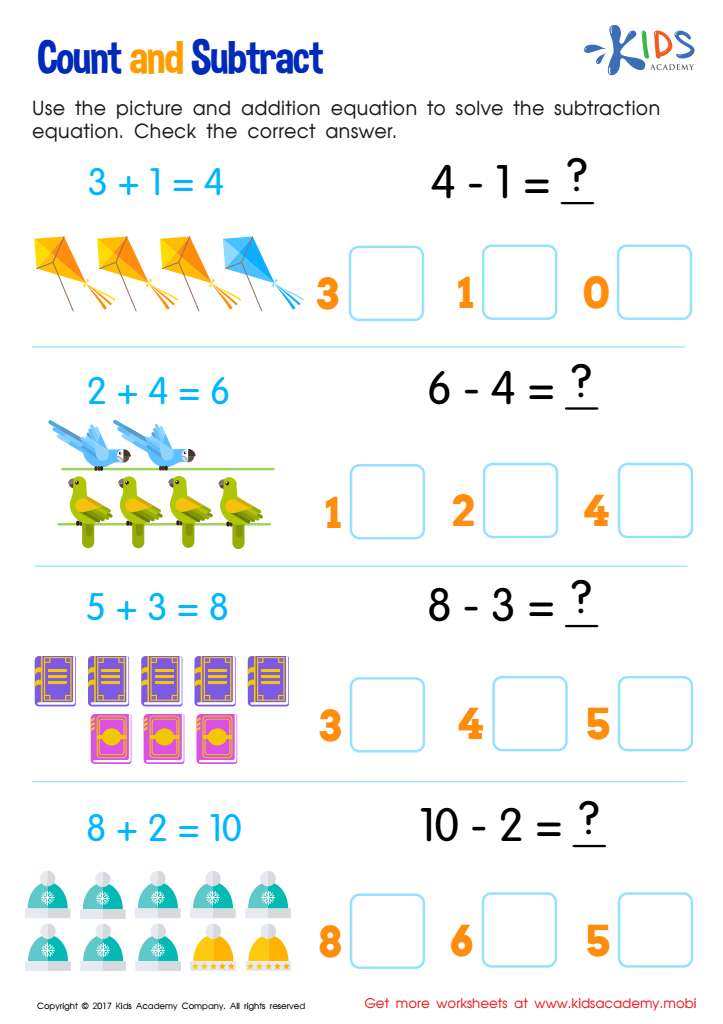
Count and Subtract Worksheet
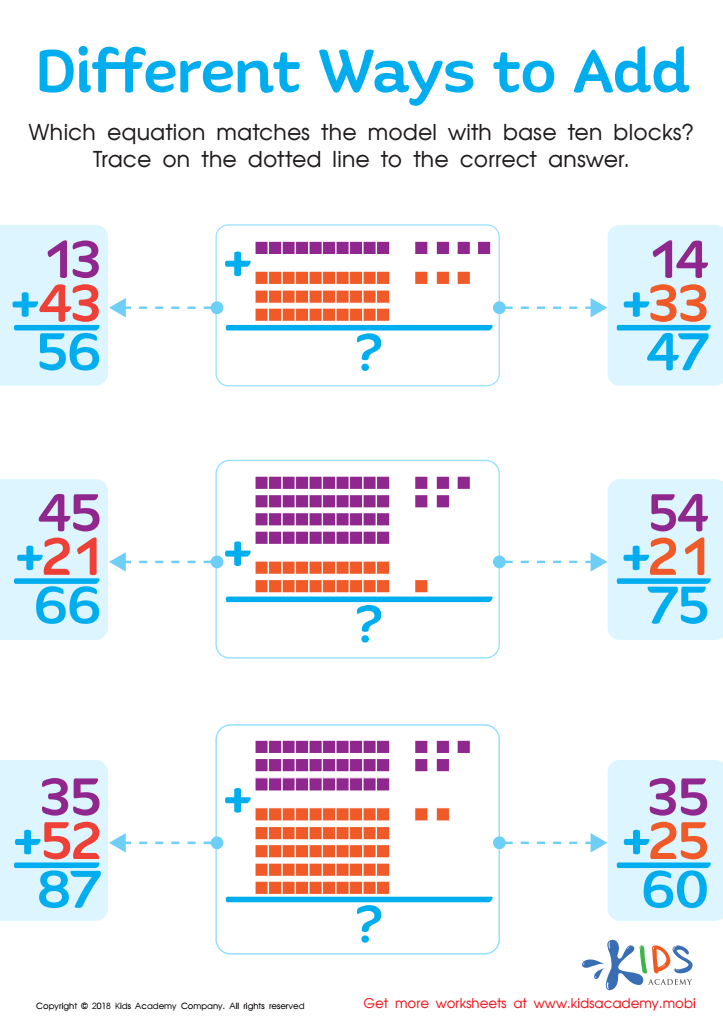
Different Ways to Add Worksheet
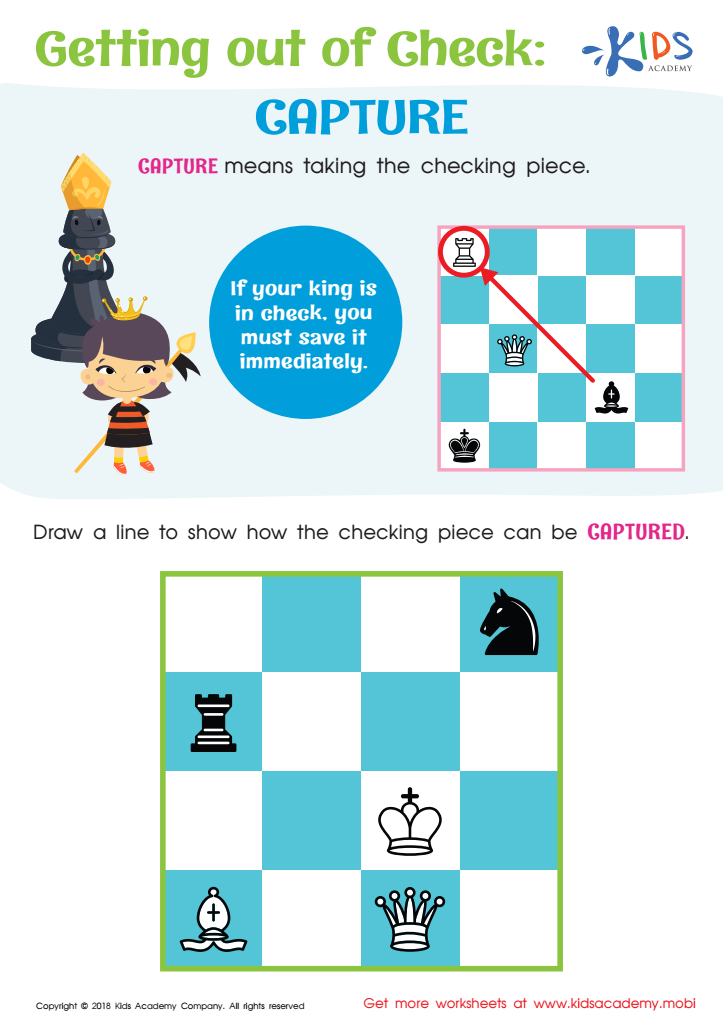
Getting out of Check: Capture

Sudoku Worksheet
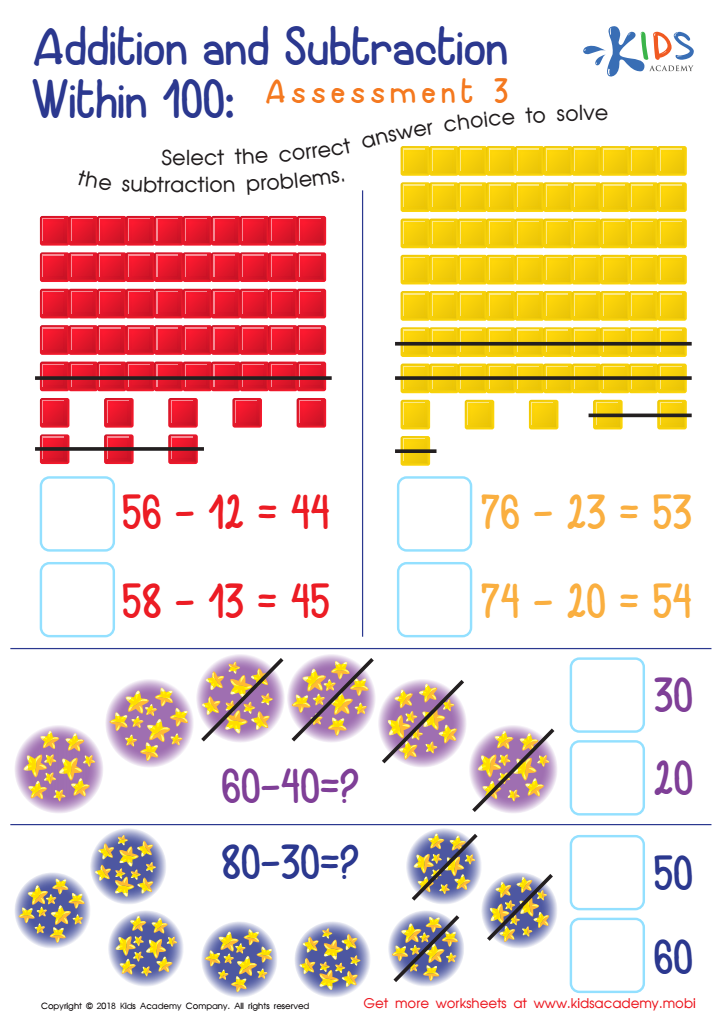
Addition and Subtraction Within 1: Assessment 3 Worksheet
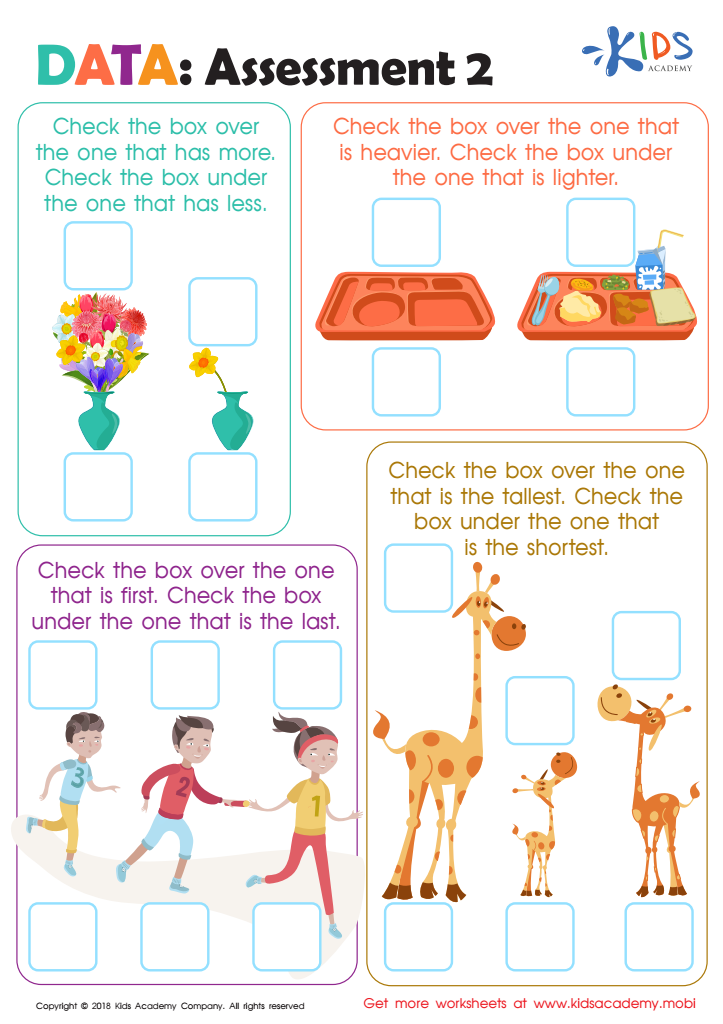
Data: Assessment 2 Worksheet
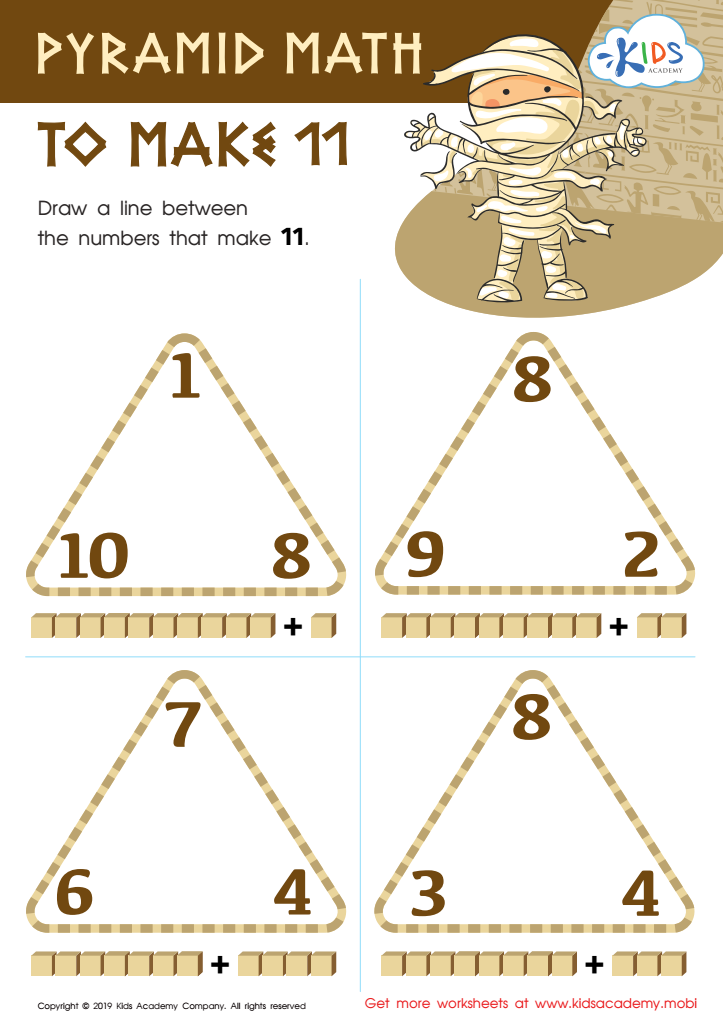
Pyramid Math to Make 11 Worksheet
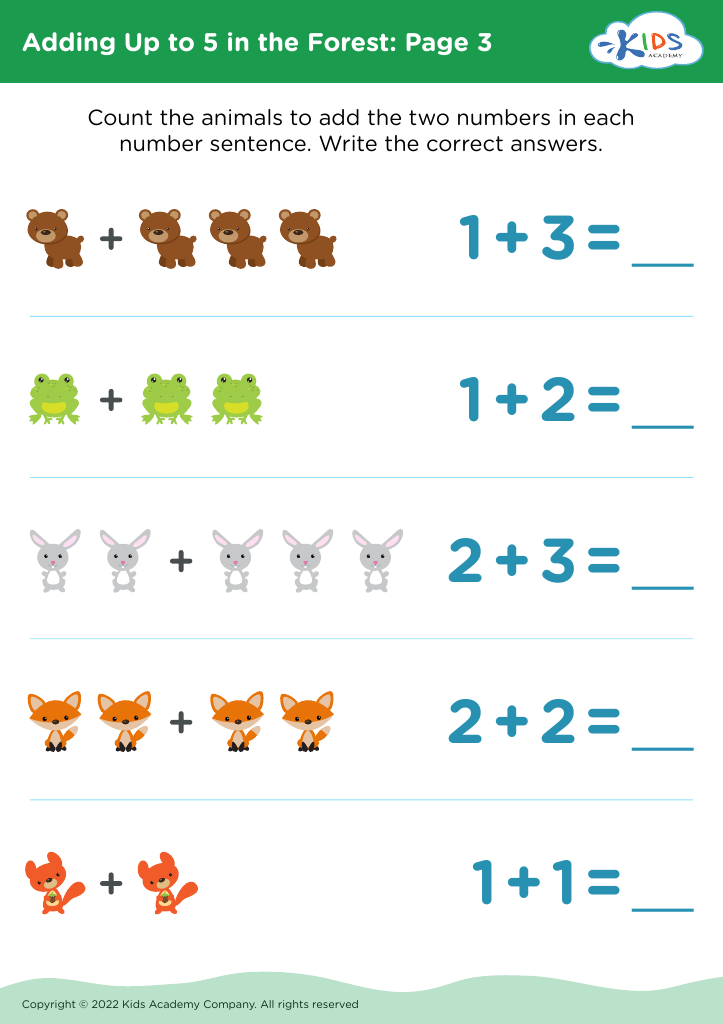
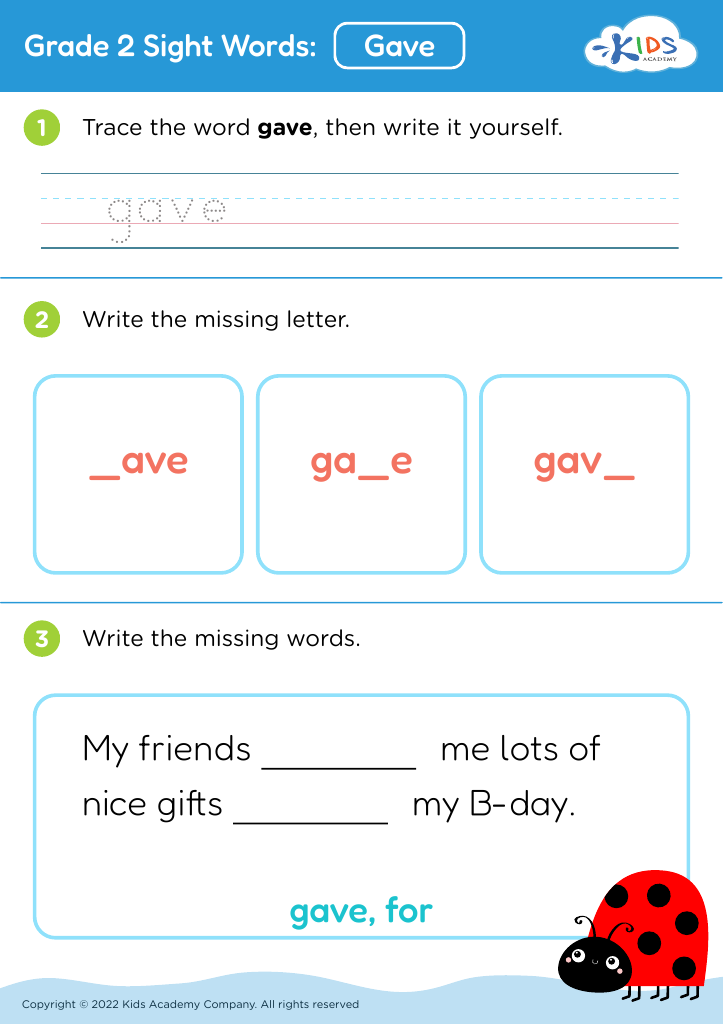







Problem-solving abilities are crucial for children aged 4-9 as they lay the foundation for critical thinking and future academic success. During these formative years, children's cognitive skills are rapidly developing, making them especially receptive to learning how to approach and navigate challenges. Encouraging problem-solving fosters resilience, creativity, and independence, allowing children to explore different solutions and learn from their mistakes.
Moreover, the ability to solve problems enhances children's social skills. When they collaborate with peers to tackle challenges, they develop communication and teamwork skills, which are essential for both personal and professional relationships later in life. Problem-solving also nurtures emotional intelligence, as children learn to manage frustration and develop patience when faced with obstacles.
For educators and parents, fostering this ability means not only enhancing children's academic performance but also preparing them for real-world situations. Children equipped with strong problem-solving skills are better prepared to face life’s challenges with confidence and adaptability. Additionally, these skills contribute to a positive learning environment where exploration and inquiry are encouraged, ultimately leading to a lifelong love of learning. Therefore, supporting problem-solving abilities during these critical years is vital for holistic development and future success.








