Promotes number recognition Worksheets for Ages 4-9
5 filtered results
-
From - To
Discover engaging and effective number recognition worksheets tailored for children aged 4-9 at Kids Academy. Our expertly crafted activities support early math development, helping young learners identify, understand, and confidently work with numbers. Filled with vibrant visuals, interactive exercises, and fun games, our worksheets make learning numbers an enjoyable and rewarding experience. Backed by educational research, our resources pave the way for numerical literacy, ensuring a solid foundation for future math success. Boost your child’s counting and number sense skills today with Kids Academy’s comprehensive and delightful collection of number recognition worksheets. Ideal for parents, teachers, and homeschooling.
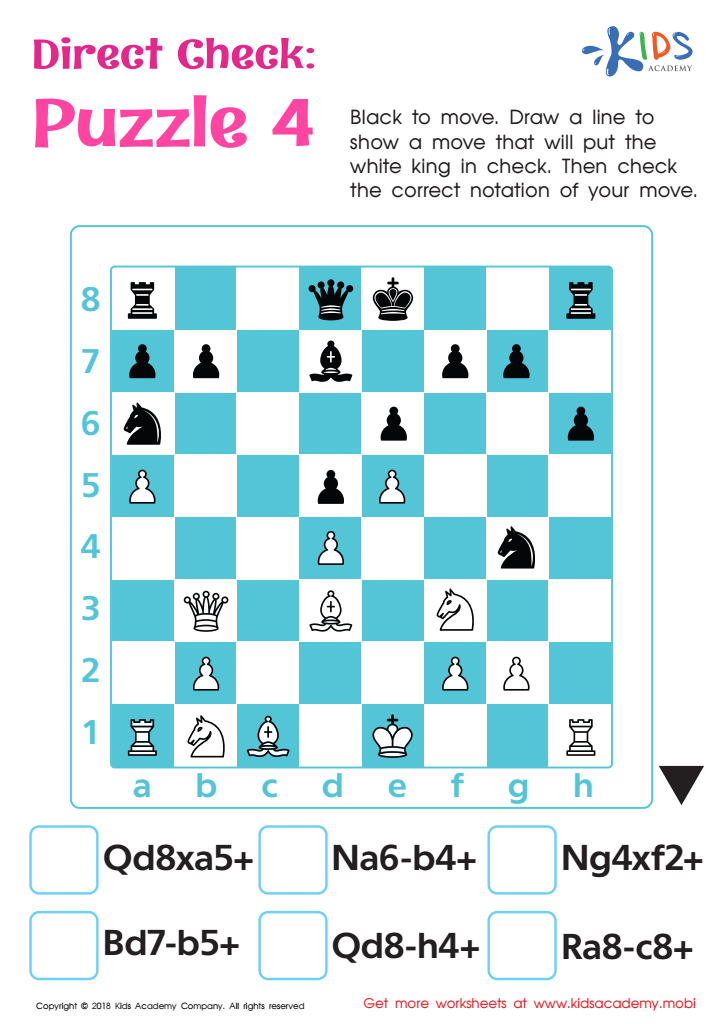
Direct Check: Puzzle 4 Worksheet
 Assign to My Students
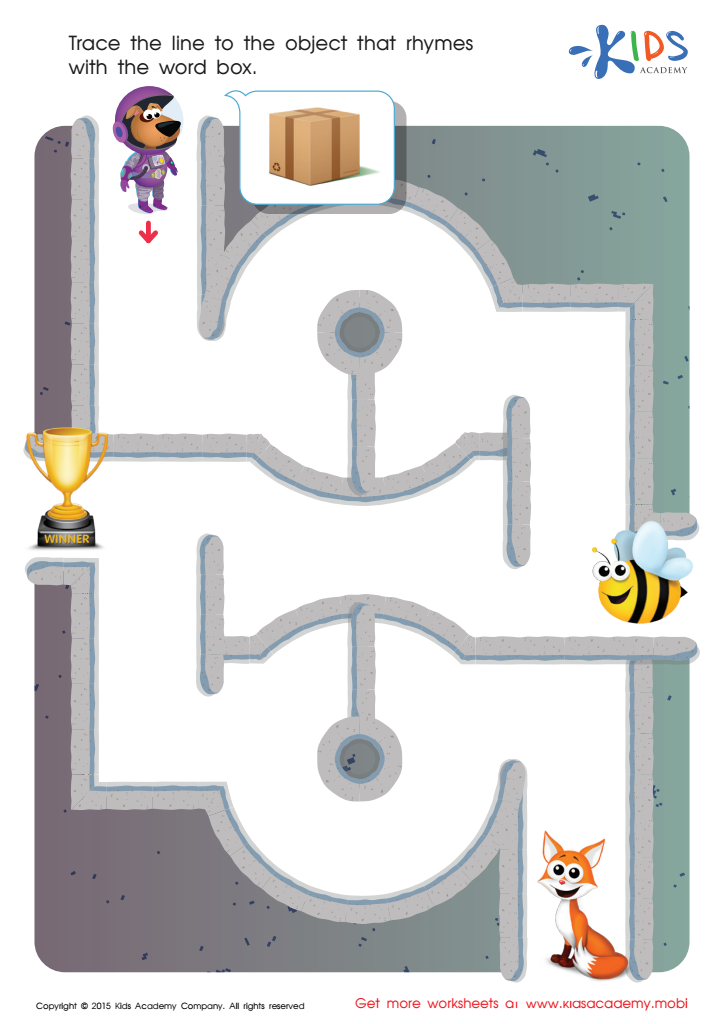
Box Rhyming Words Worksheet
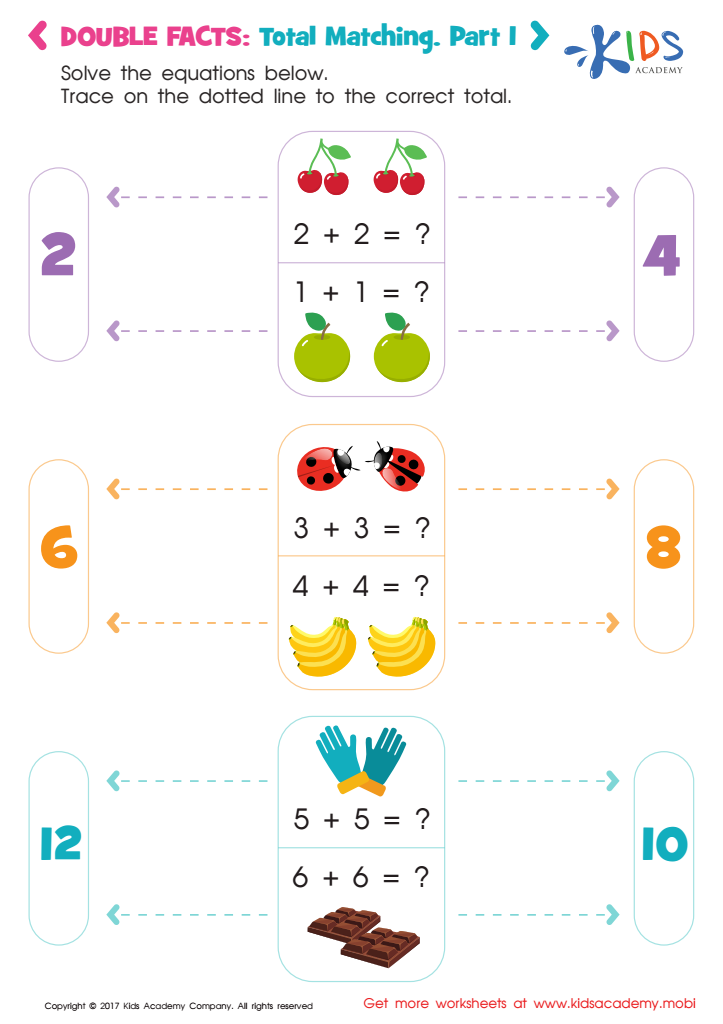
Double Facts: Total Matching Worksheet: Part 1
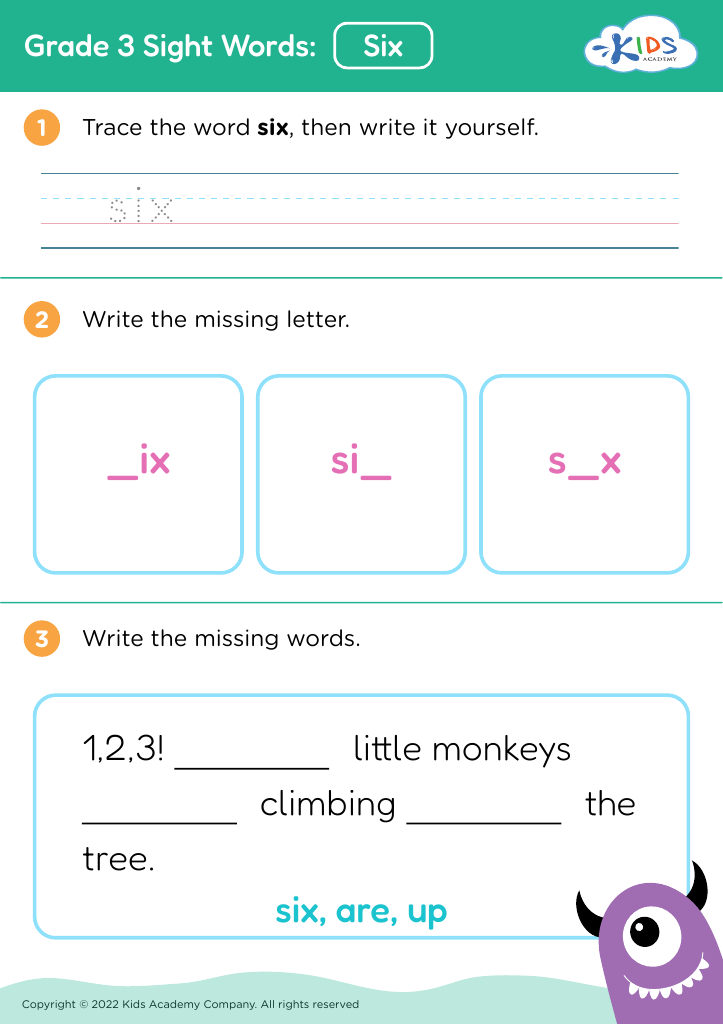






Promoting number recognition for children aged 4-9 is crucial for laying a strong foundation in mathematics. During these formative years, kids' brains are highly receptive to learning new concepts, making it an ideal time to introduce numerical understanding. Early number recognition enables children to identify and understand numbers, which is fundamental to learning further mathematical concepts such as addition, subtraction, and beyond.
When children recognize numbers, they develop a sense of quantity and order, allowing them to grasp more complex ideas in elementary school. This competency fosters confidence in their ability to tackle math-related tasks, which can influence their attitudes toward math throughout their academic careers.
Additionally, number recognition aligns with everyday activities, from counting objects to recognizing numbers in their environment, like house addresses or telephone numbers. This reinforces their learning in practical, relatable contexts.
For parents and teachers, encouraging this skill fosters cognitive development and critical thinking, essential components of overall academic success. Including number recognition in early childhood education helps ensure that children do not fall behind as the curriculum advances, ultimately contributing to their lifelong math proficiency and problem-solving abilities. These early skills set the stage for more complex and abstract mathematical thinking, which is vital not just in school, but as a foundational life skill.








