Recognize shapes Worksheets for Ages 4-9
12 filtered results
-
From - To
Enhance your child's geometry skills with our dedicated "Recognize Shapes Worksheets for Ages 4-9." These engaging printable worksheets from Kids Academy are perfect for early learners, offering an array of fun and educational activities designed to help children identify and understand various shapes. Each worksheet is tailored to build a solid foundation in geometry, progressing from basic to complex shapes, ensuring age-appropriate learning for young minds. With colorful illustrations and interactive exercises, our worksheets make learning about shapes an exciting adventure. Encourage your child’s cognitive development and spatial awareness today with Kids Academy!
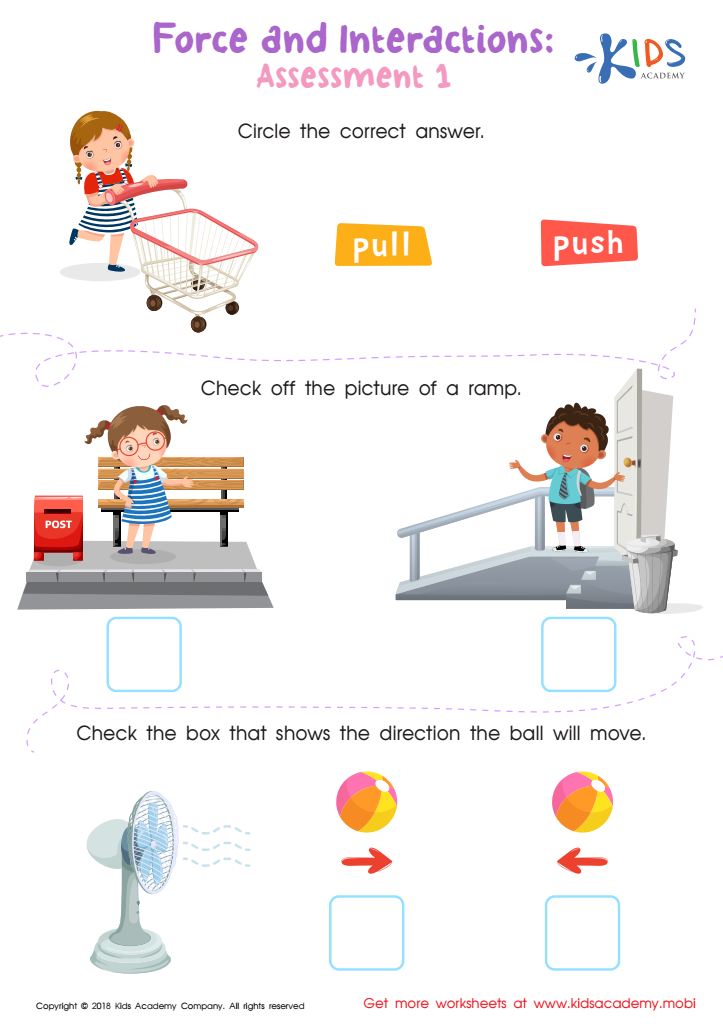
Force and Interactions: Assessment 1 Worksheet
 Assign to My Students
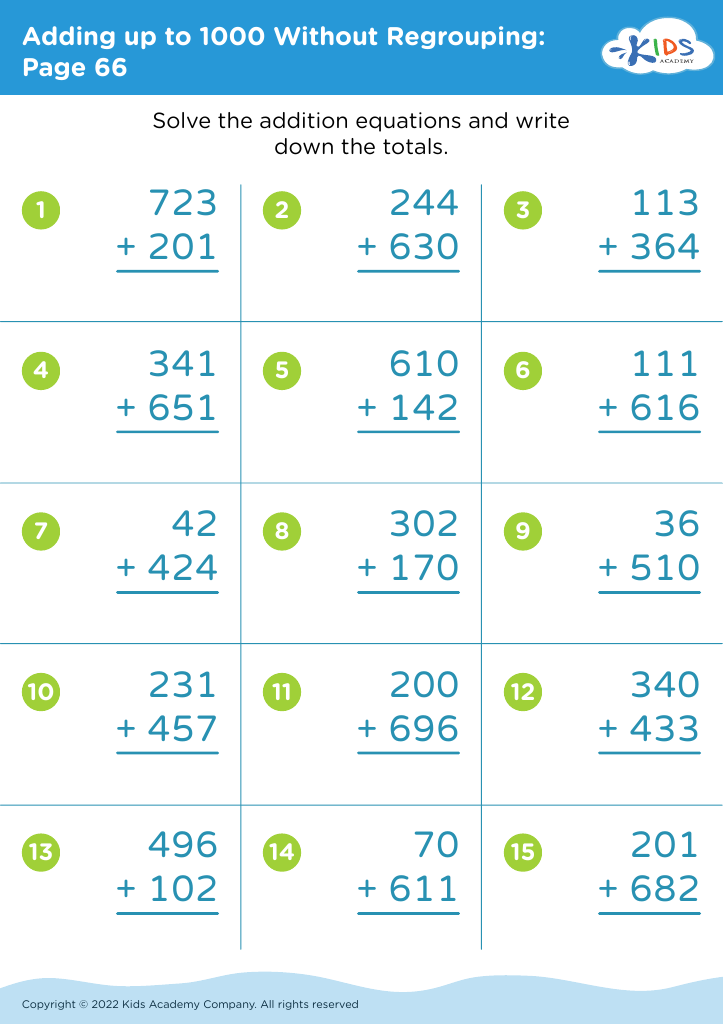
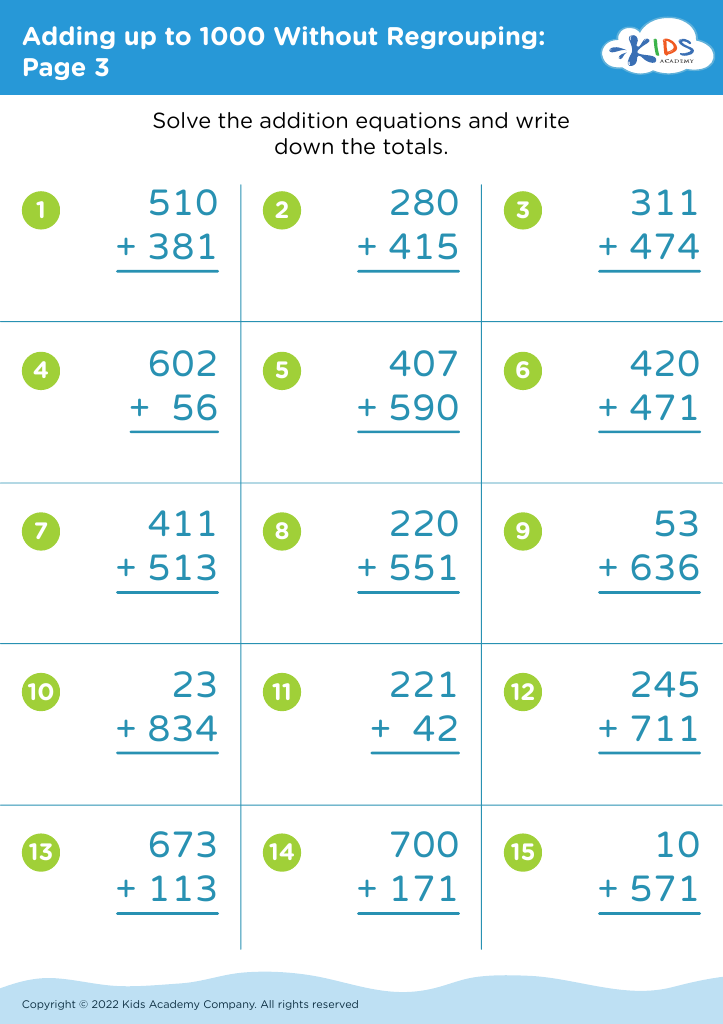
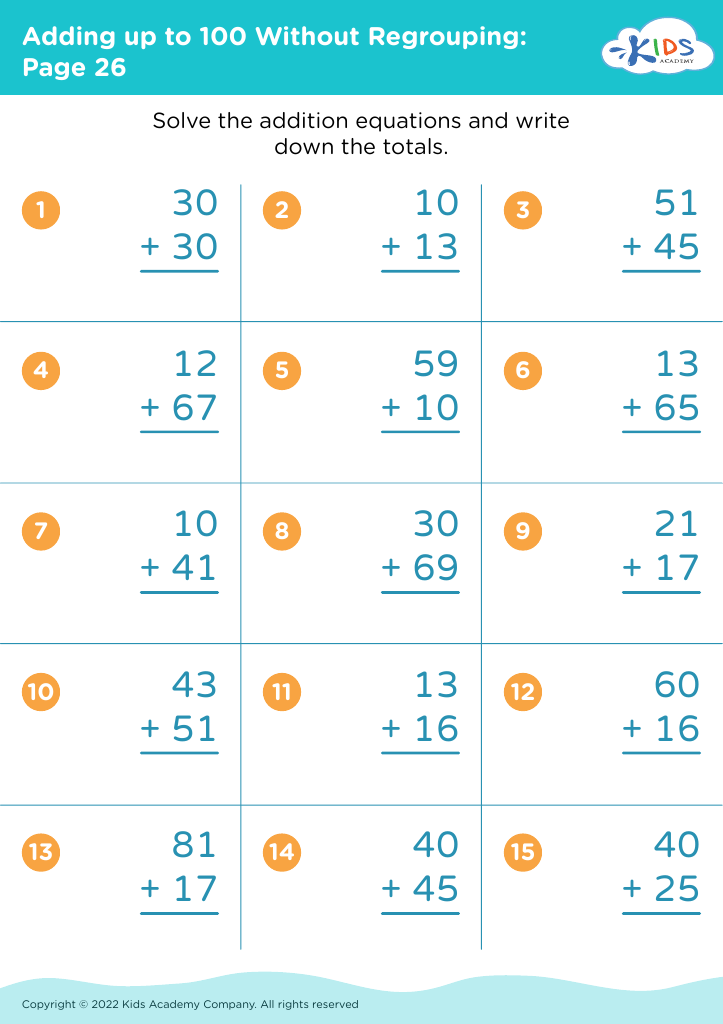
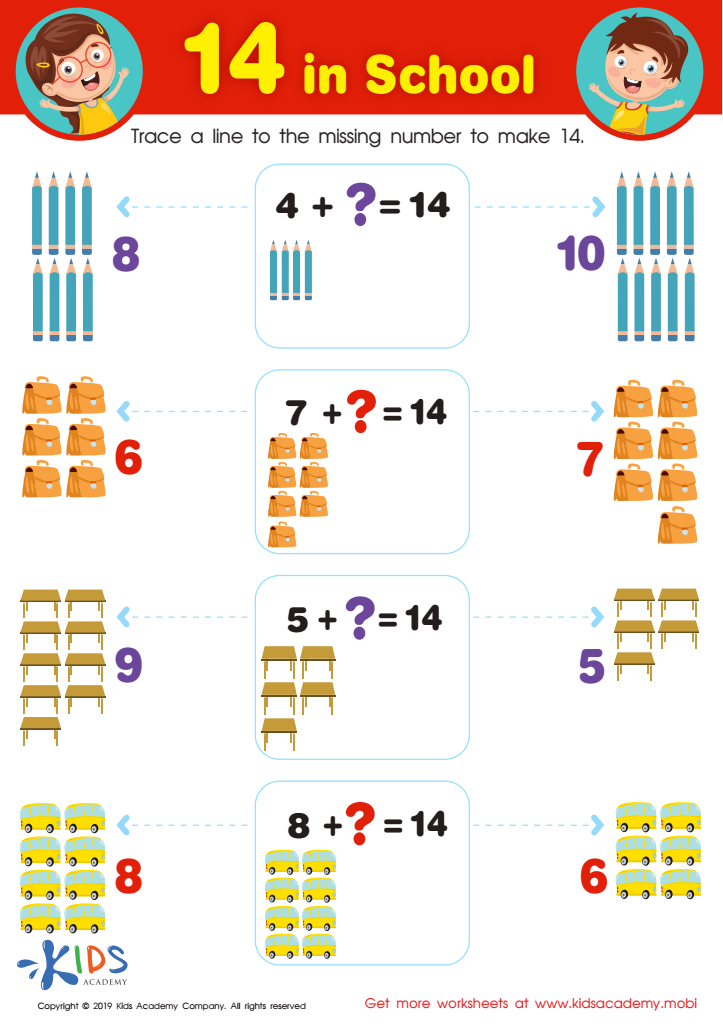
14 in School Worksheet






Recognizing shapes is a fundamental skill for children aged 4-9, and both parents and teachers play a crucial role in nurturing this ability. Understanding shapes is an integral part of early childhood development that impacts various aspects of a child's academic journey and daily life.
Firstly, shape recognition lays the groundwork for math skills, particularly geometry. By recognizing and distinguishing shapes, children build spatial awareness and logical thinking—skills essential for more complex math concepts they’ll encounter later.
Moreover, shape recognition is closely linked to literacy skills. Children learn to identify letters and numbers based on their shapes, which paves the way for reading and writing. Identifying and differentiating shapes develop a child's ability to notice small differences in the environment, aiding in visual discrimination necessary for interpreting written symbols.
Art and creativity also benefit from shape knowledge. It encourages children to notice the world around them and express their observations through drawing and constructing, hence fostering creativity and fine motor skills.
Additionally, the ability to recognize shapes aids in problem-solving and critical thinking. When children identify and manipulate shapes in puzzles or blocks, they practice strategic thinking and improve their hand-eye coordination.
In conclusion, parents and teachers should care about shape recognition as it supports mathematical proficiency, literacy, creative expression, and critical thinking, laying a strong foundation for holistic learning and development in children aged 4-9.








