Sentence formation Worksheets for Ages 4-9
6 filtered results
-
From - To
Enhance your child's language skills with our engaging sentence formation worksheets designed for ages 4-9! Kids Academy offers fun, interactive resources to help young learners grasp the basics of sentence structure. Each worksheet encourages children to construct sentences, enhance vocabulary, and improve reading comprehension through colorful visuals and engaging activities. Perfect for home or classroom use, our worksheets are crafted to develop critical thinking, boost creativity, and support early literacy. Whether your child is beginning to form simple sentences or mastering more complex structures, our worksheets provide the perfect practice for budding writers. Start exploring today!
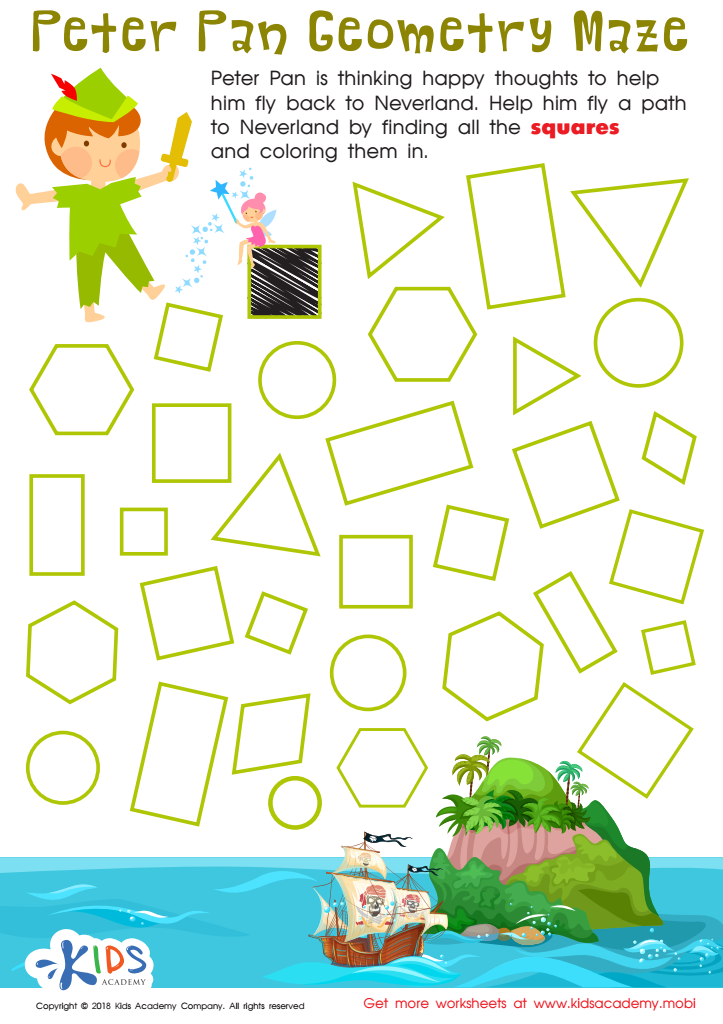
Peter Pan Worksheet
 Assign to My Students
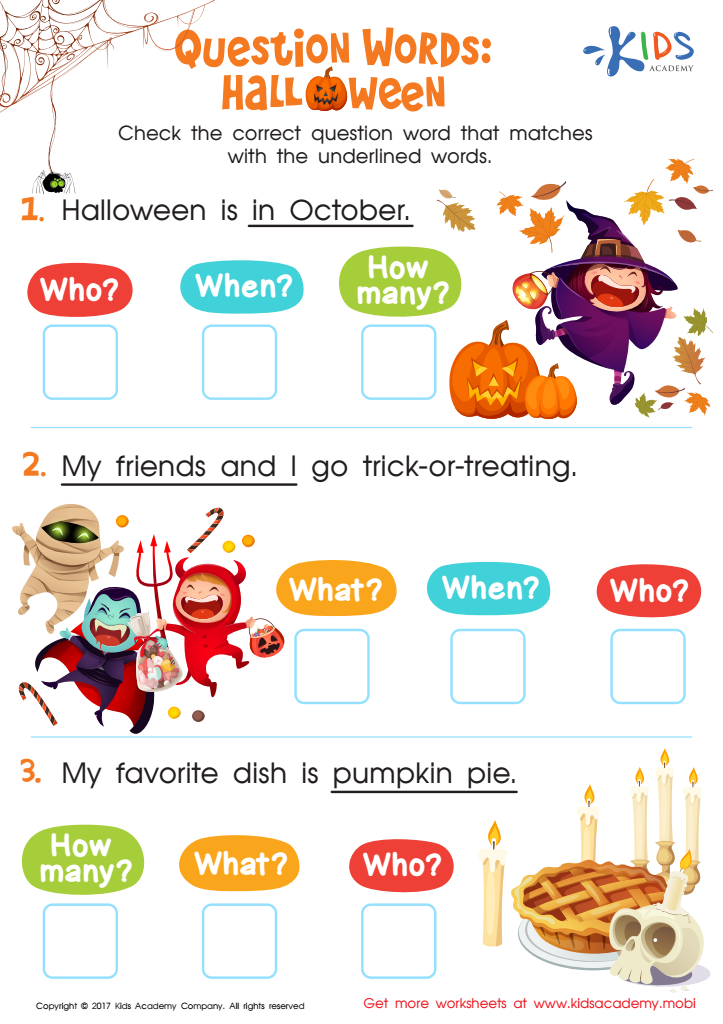
Question Words: Halloween Worksheet
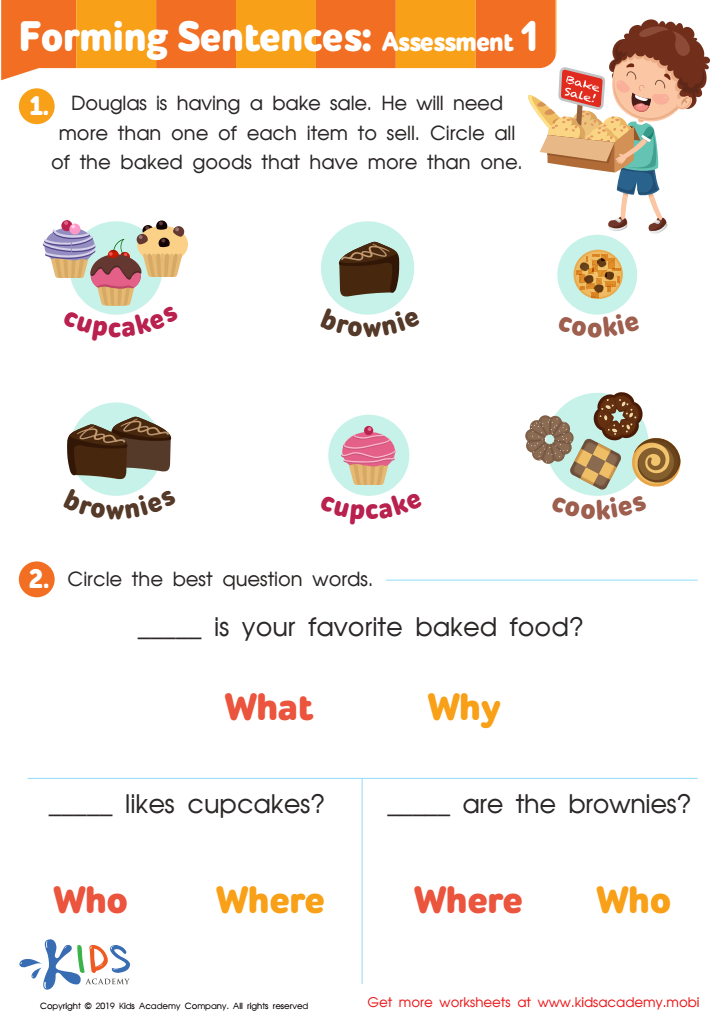
Forming Sentences: Assessment 1 Worksheet
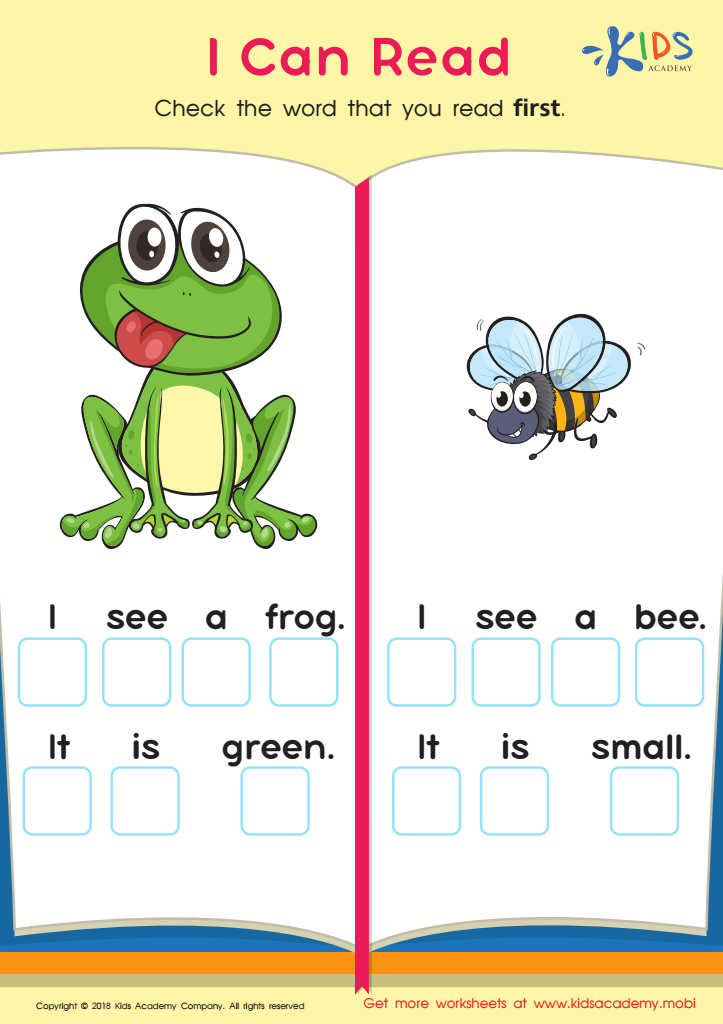
I Can Read Worksheet
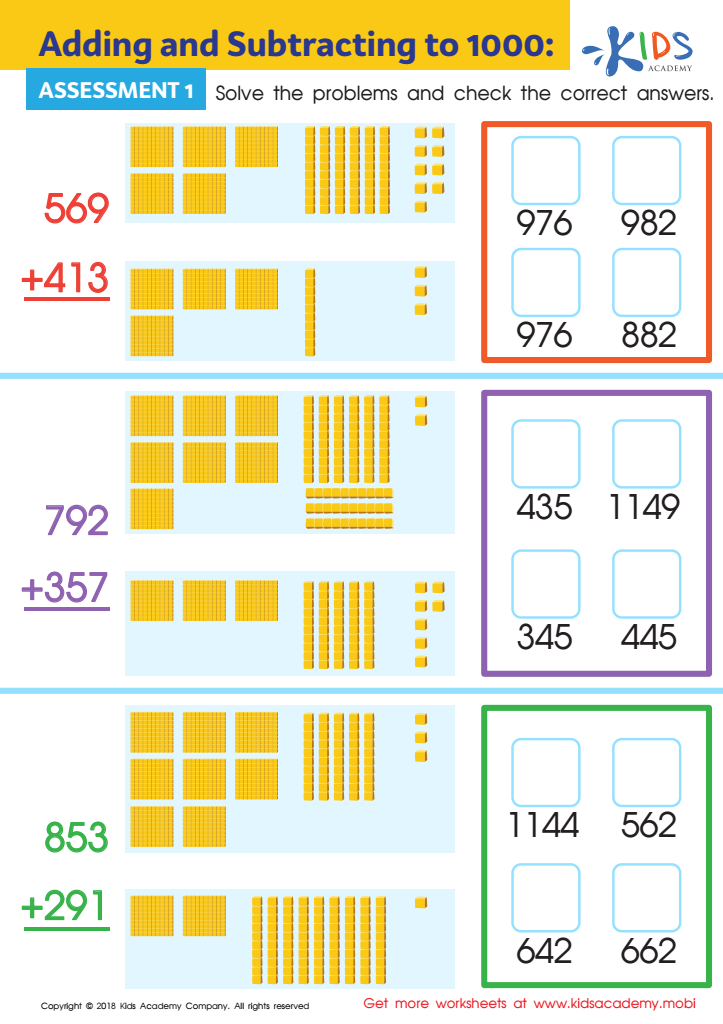
Adding and Subtracting to 1 Worksheet: Assessment 1
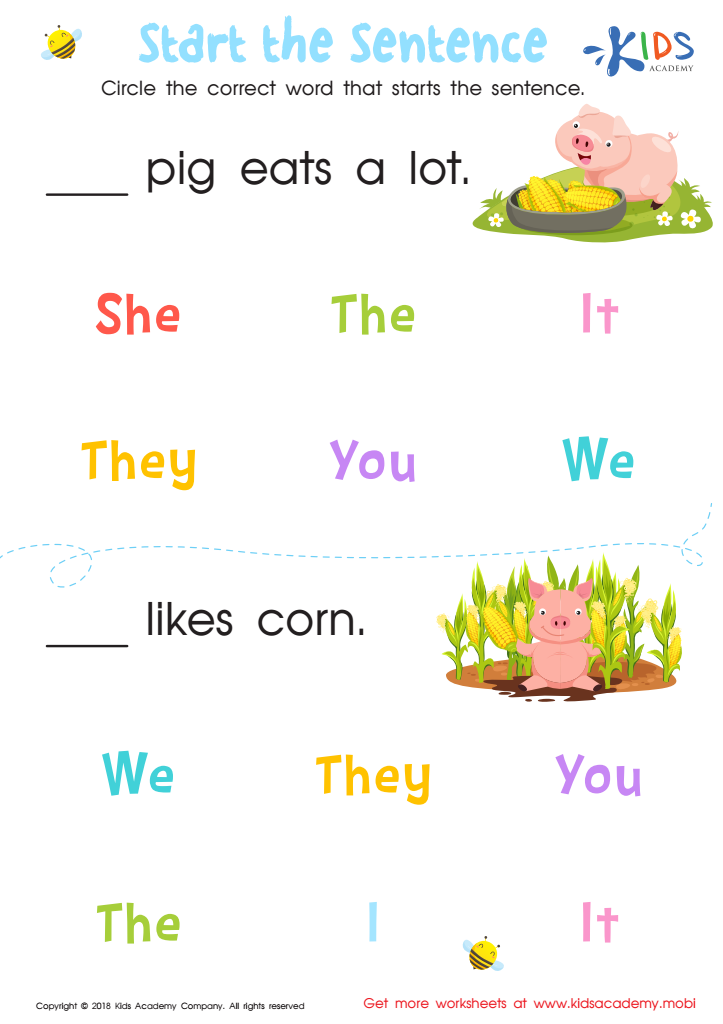
Start the Sentence Worksheet






Sentence formation is a crucial skill for children aged 4-9, and parents or teachers should pay close attention to its development for several key reasons. Firstly, strong sentence formation is foundational to effective communication. At this age, children are beginning to express themselves more clearly and accurately. Mastering sentence structure enables them to share thoughts, needs, and emotions effectively, which is essential for their social interactions and emotional development.
Secondly, sound sentence formation skills enhance reading and writing abilities. When children understand how sentences work, they can better comprehend the texts they read and construct coherent, logical written narratives. This competency is vital for academic success across all subjects, as nearly all school activities involve some level of reading and writing.
Additionally, learning sentence structure aids cognitive development. It encourages children to think critically and logically as they learn to arrange words in meaningful ways. This skill also boosts problem-solving abilities and memory.
Lastly, clear sentence formation builds confidence. Children who can articulate their thoughts coherently feel more assured in speaking and writing. This confidence can lead to greater participation in classroom discussions, better academic performance, and stronger relationships with peers and adults.
For all these reasons, prioritizing sentence formation in early education lays a strong foundation for future learning and personal development.








