Sequence Understanding Worksheets for Ages 4-9
7 filtered results
-
From - To
Boost your child's cognitive skills with our Sequence Understanding Worksheets designed for ages 4-9. These engaging activities help young learners grasp the concept of order and sequence through fun, age-appropriate exercises. Each worksheet is designed to improve critical thinking and logical problem-solving while enhancing early literacy skills. Our colorful, easy-to-follow worksheets make learning sequences an enjoyable experience, ensuring your child remains interested and motivated. Perfect for parents and educators, these resources cater to varying learning paces, ensuring every child can succeed. Prepare your child for academic success with our Sequence Understanding Worksheets!
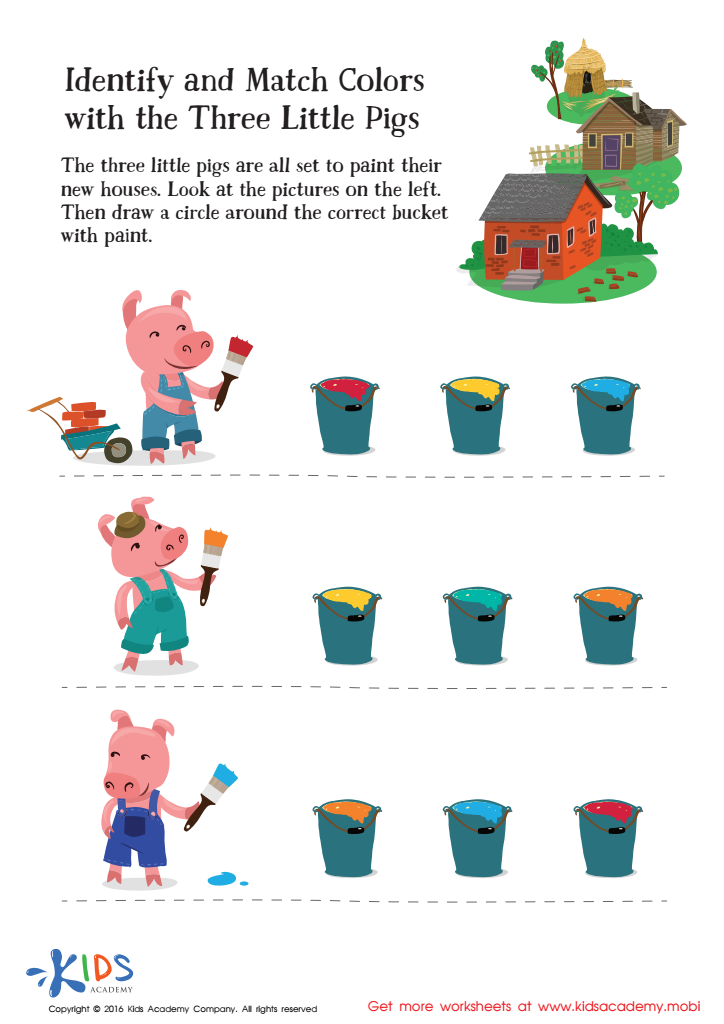
Fairy Tale Worksheet: Identify and Match Colors with Three Little Pigs
 Assign to My Students
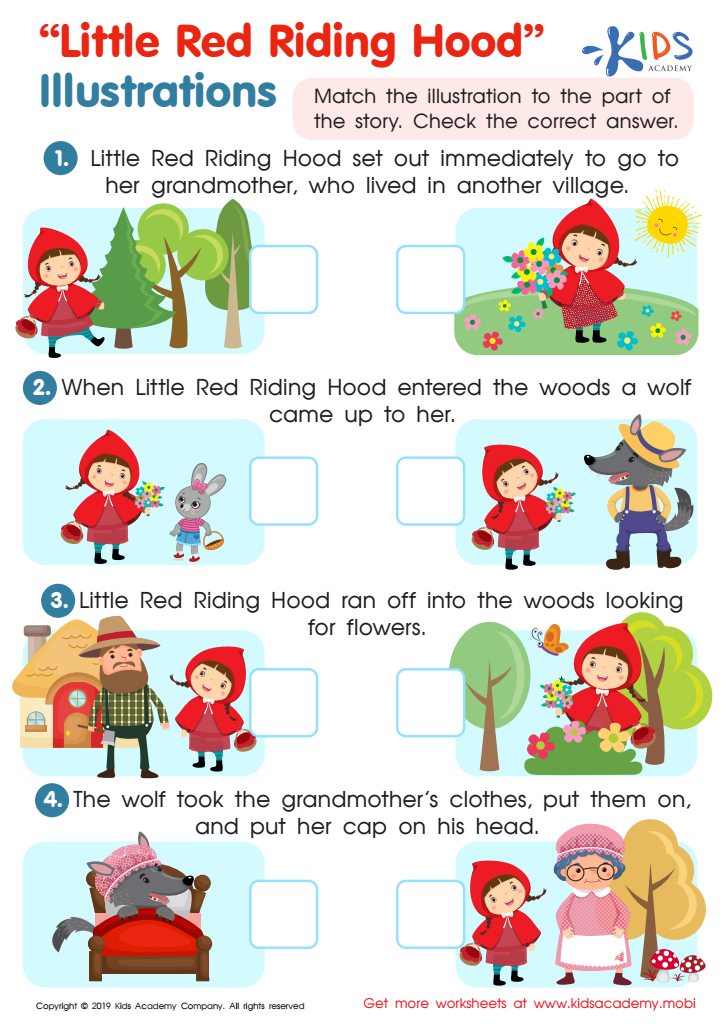
Little Red Riding Hood: Illustrations Worksheet
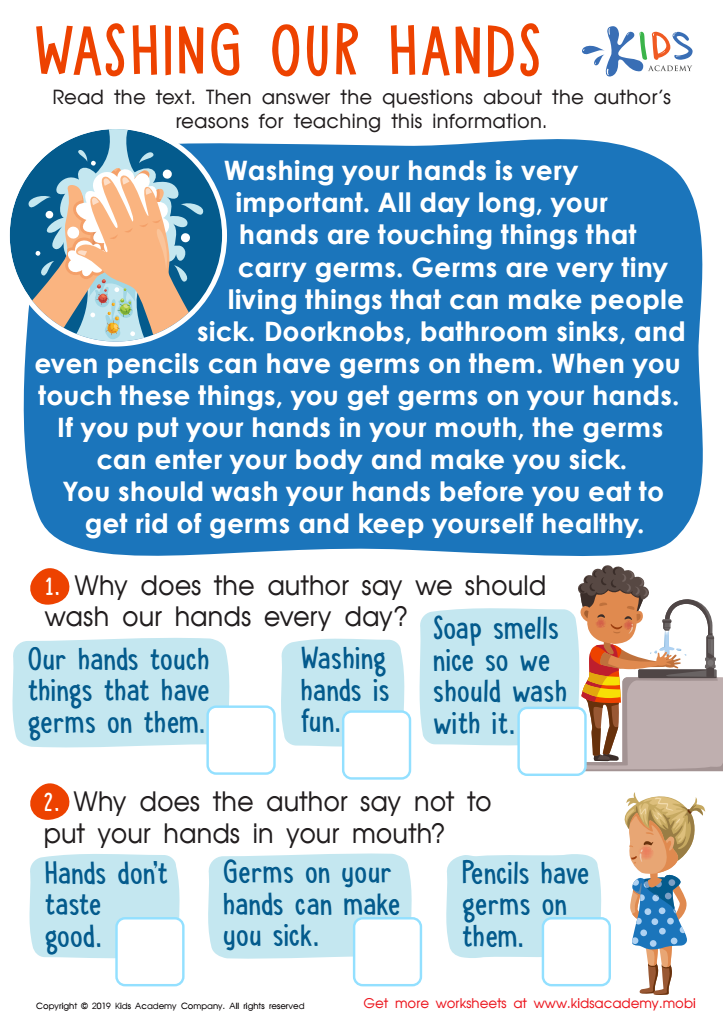
Washing Our Hands Worksheet
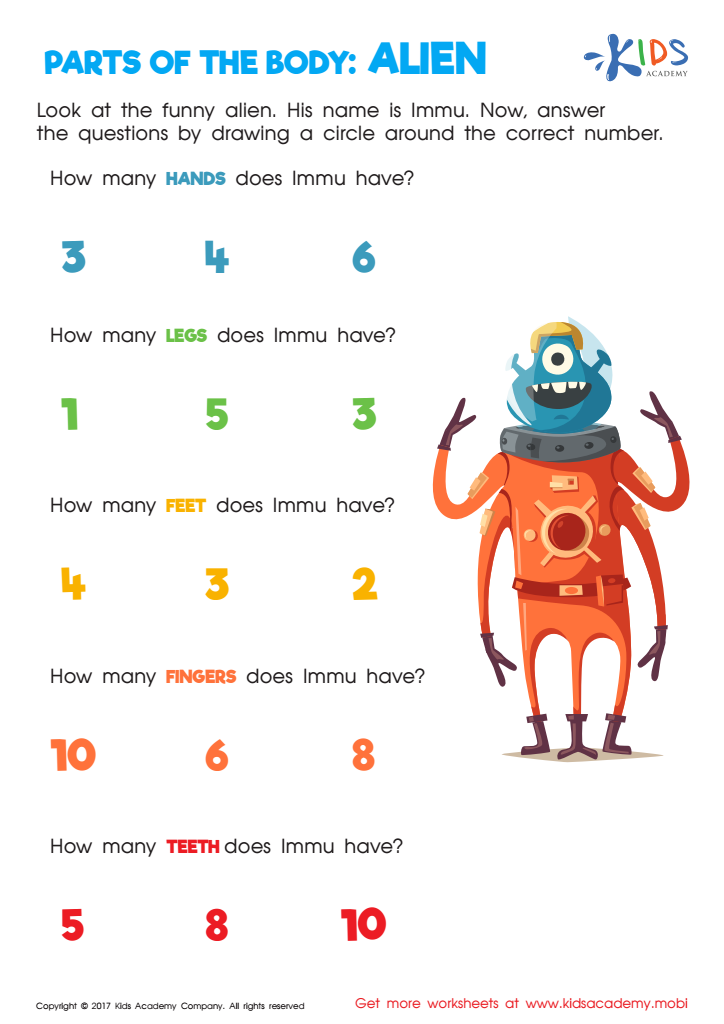
Alien Worksheet
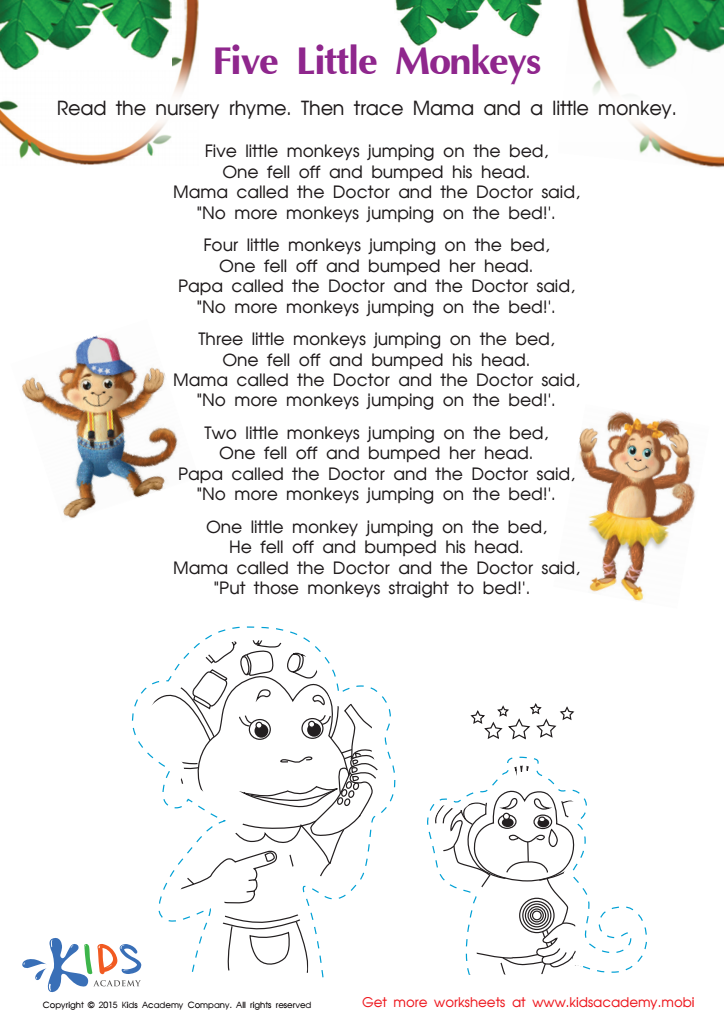
The Five Little Monkeys Nursery Rhyme Worksheet
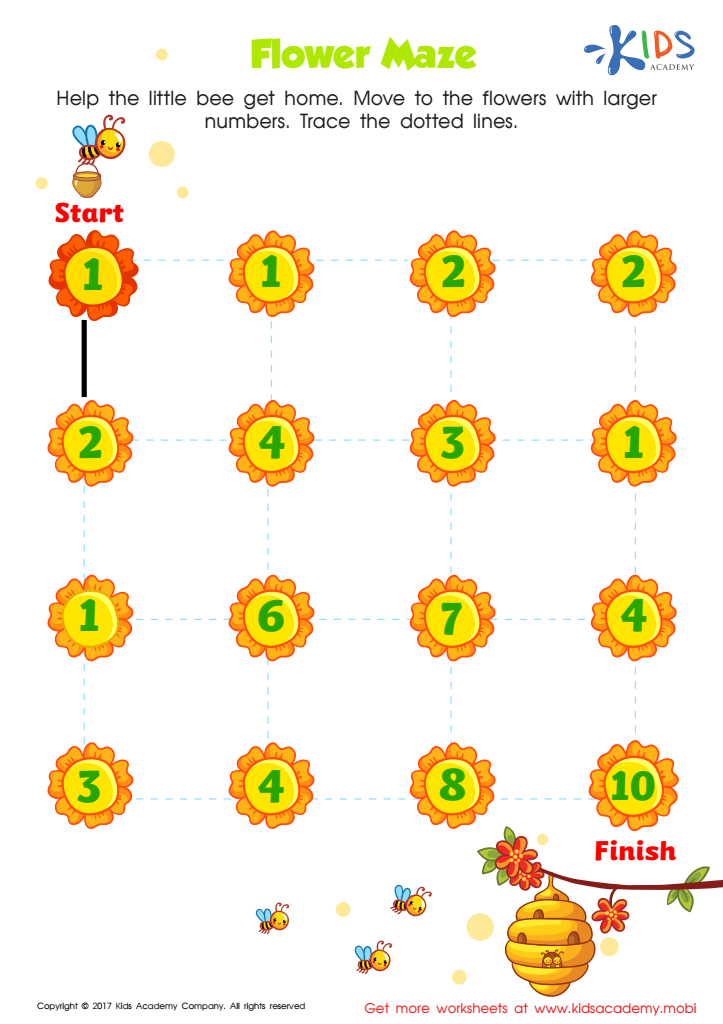
Number Maze For Kindergarten Printable
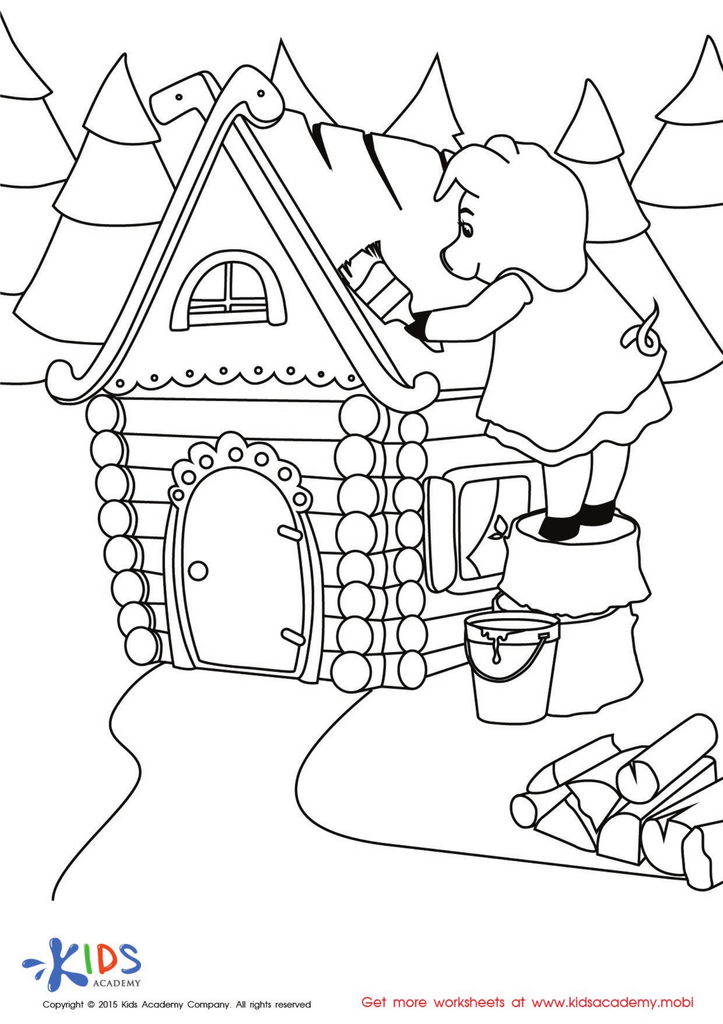
The Three Little Pigs Worksheet








Sequence understanding is a foundational cognitive skill essential for young children's academic and social development. For children aged 4-9, grasping concepts of order and sequence paves the way for success in various learning areas. In reading, for instance, comprehension relies heavily on understanding the sequence of events in a story. Children must grasp beginning, middle, and end sections to make sense of narratives and predict outcomes accurately.
Math also heavily depends on sequencing. Understanding numerical order is crucial for fundamental arithmetic operations like addition and subtraction. Without sequence comprehension, students may struggle to follow multi-step procedures, resulting in gaps in learning. In science, recognizing patterns and cycles—whether it’s the water cycle or life stages of plants and animals—depends on sequencing skills.
Furthermore, beyond academics, sequence understanding impacts daily life and routines. Children who grasp sequences can better manage tasks and follow instructions, promoting independence. Socially, storytelling skills rooted in sequence help children communicate effectively, fostering stronger relationships.
Parents and teachers play a critical role in nurturing these skills. By integrating activities like sorting games, storytelling, and cooking instructions into daily routines, adults can enhance children's sequence understanding. Thus, prioritizing this skill lays a robust foundation for diverse learning experiences and problem-solving capabilities, crucial throughout their educational journey.








