Sequencing events Worksheets for Ages 4-9
7 filtered results
-
From - To
Explore our engaging Sequencing Events Worksheets designed for children ages 4-9! These carefully crafted activities help young learners develop critical thinking and storytelling skills by arranging events in the correct order. With visually appealing illustrations and age-appropriate content, our worksheets make learning fun and accessible. Perfect for classroom settings or homeschooling, these resources promote early literacy, enhance comprehension, and build logical thinking. From simple sequences to more complex narratives, our worksheets cater to various skill levels, ensuring every child can succeed. Foster a lifelong love for learning while strengthening essential cognitive skills with our Sequencing Events Worksheets today!
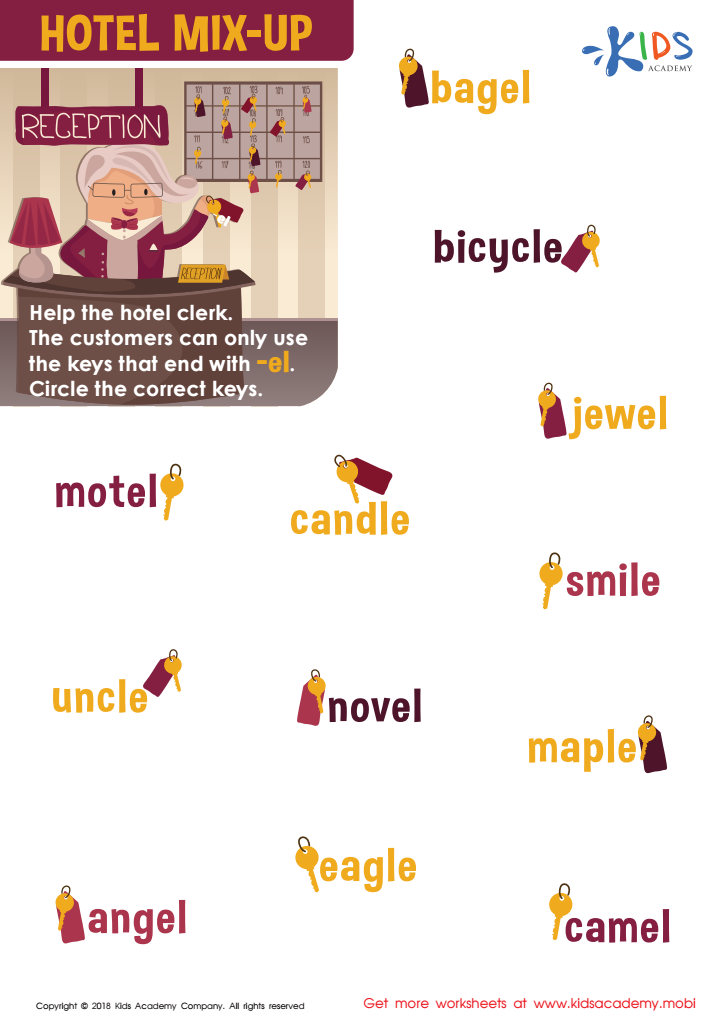
Hotel Mix-up Worksheet
 Assign to My Students
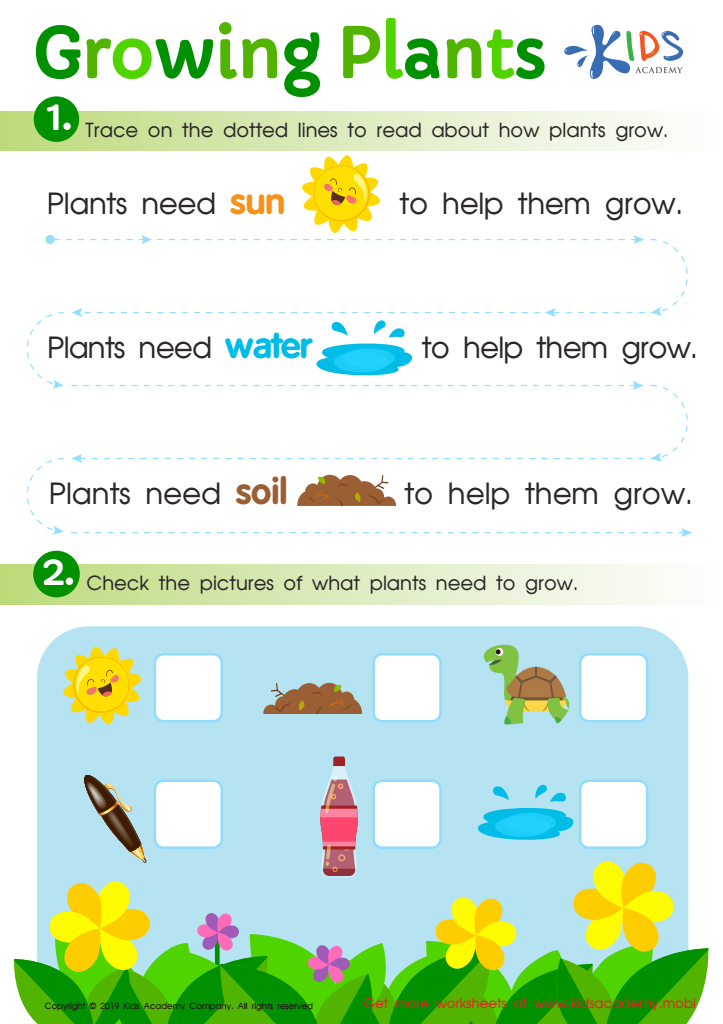
Growing Plants Worksheet
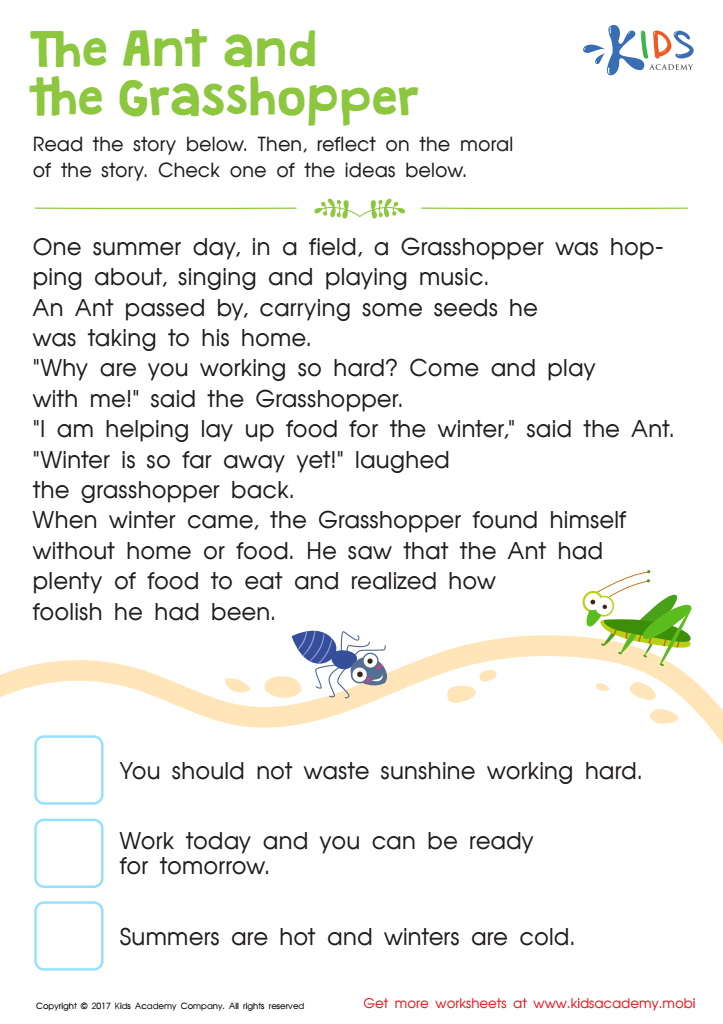
The Ant and The Grasshopper Printable

Emperor Penguin Journey Worksheet
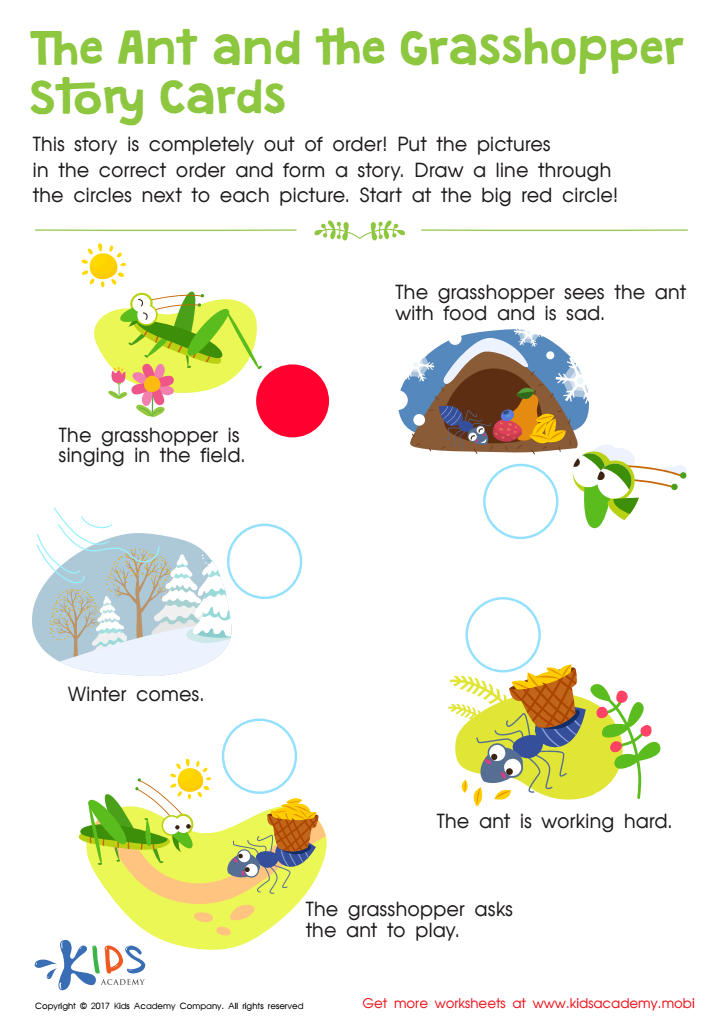
The Ant and The Grasshopper Worksheet

Cook Maze Worksheet
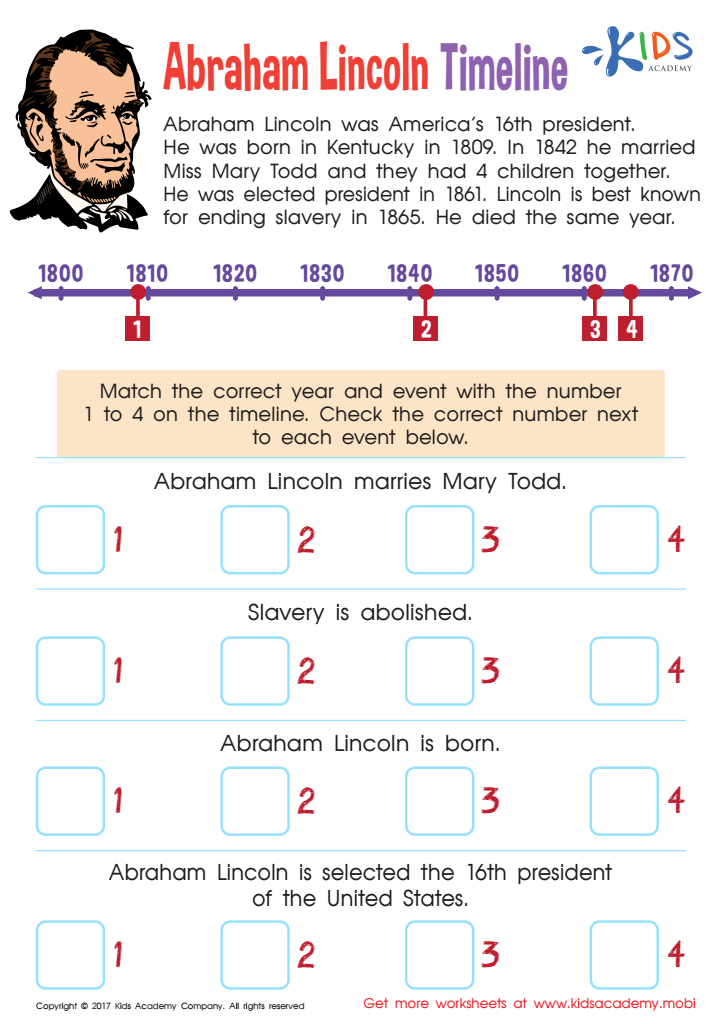
Abraham Lincoln Timeline Worksheet








Sequencing events is a fundamental cognitive skill crucial for children aged 4-9, laying the groundwork for various academic and life skills. By understanding the order of events, children develop stronger critical thinking, comprehension, and narrative abilities. This skill aids in literacy, as it helps young learners grasp story structures, making it easier to retell tales and comprehend complex narratives.
Furthermore, sequencing fosters problem-solving skills by enabling children to break down tasks or scenarios into manageable steps. This capability not only enhances their academic performance but also instills a sense of organization and planning in everyday life.
Parents and teachers should prioritize sequencing activities, such as storytelling, picture cards, and simple charts, to engage children in interactive learning. These activities build memory skills and encourage children to connect ideas, promoting deeper understanding. Additionally, engaging in sequencing creates collaborative opportunities between adults and children, strengthening their relationship while promoting communication skills.
Lastly, by mastering sequencing, children will be better equipped to navigate both academic challenges and social interactions, leading to increased confidence and independence. Overall, supporting children in developing sequencing skills fosters a solid foundation for future learning and overall development.








