Spelling practice Worksheets for Ages 4-9 - Page 7
151 filtered results
-
From - To
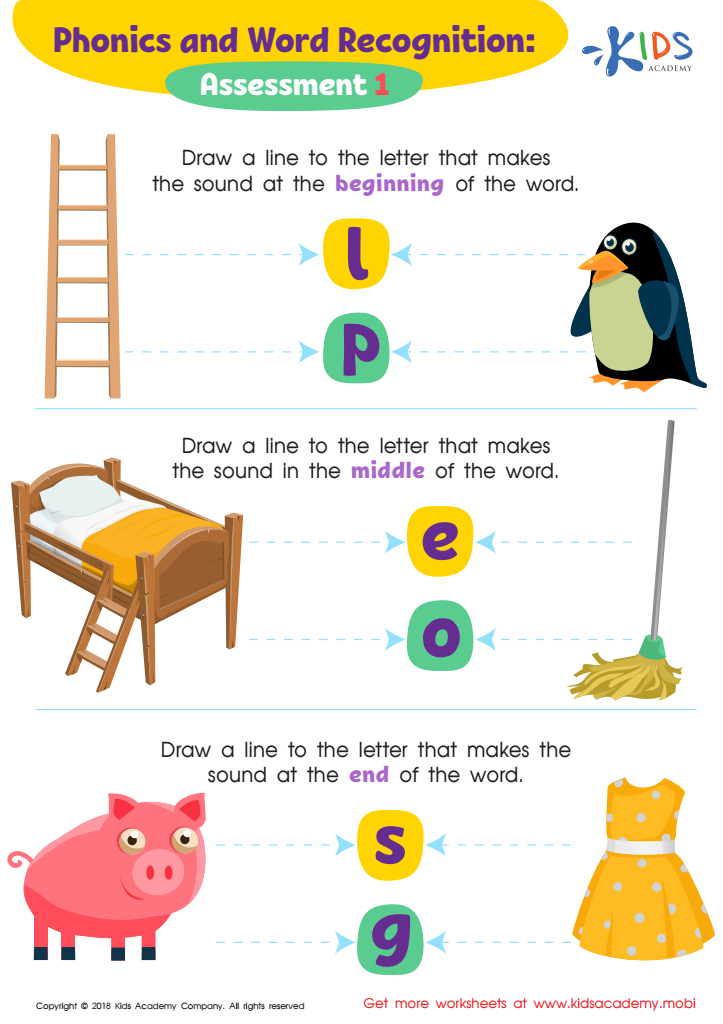
Phonics and Word Recognition: Assessment 1 ELA Worksheet
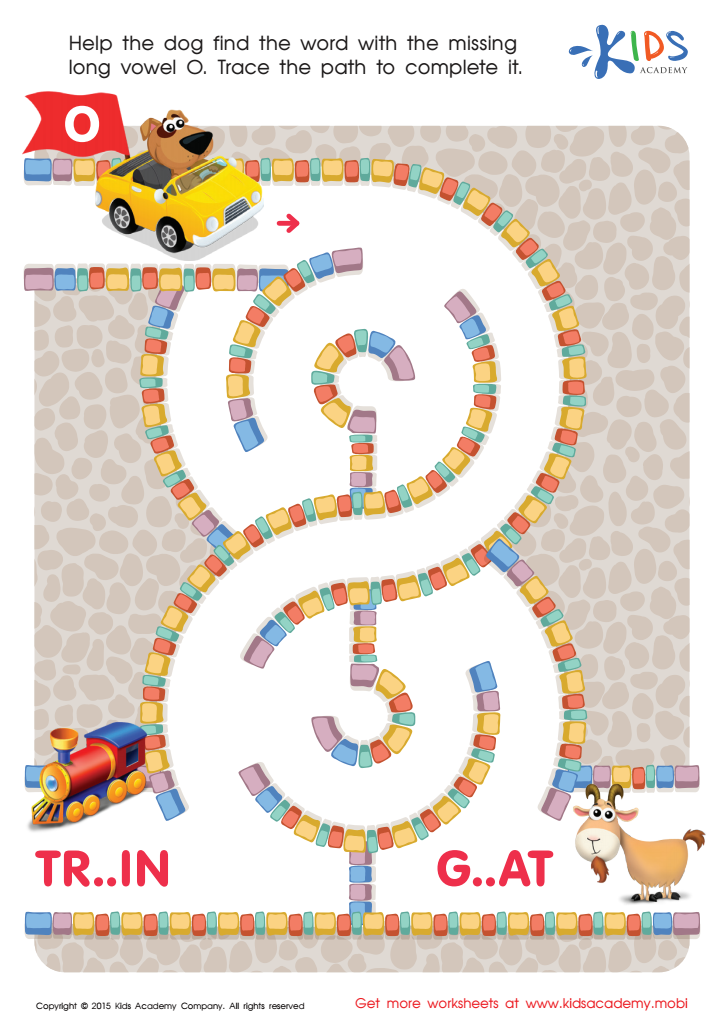
Long Vowel Sound O Worksheet
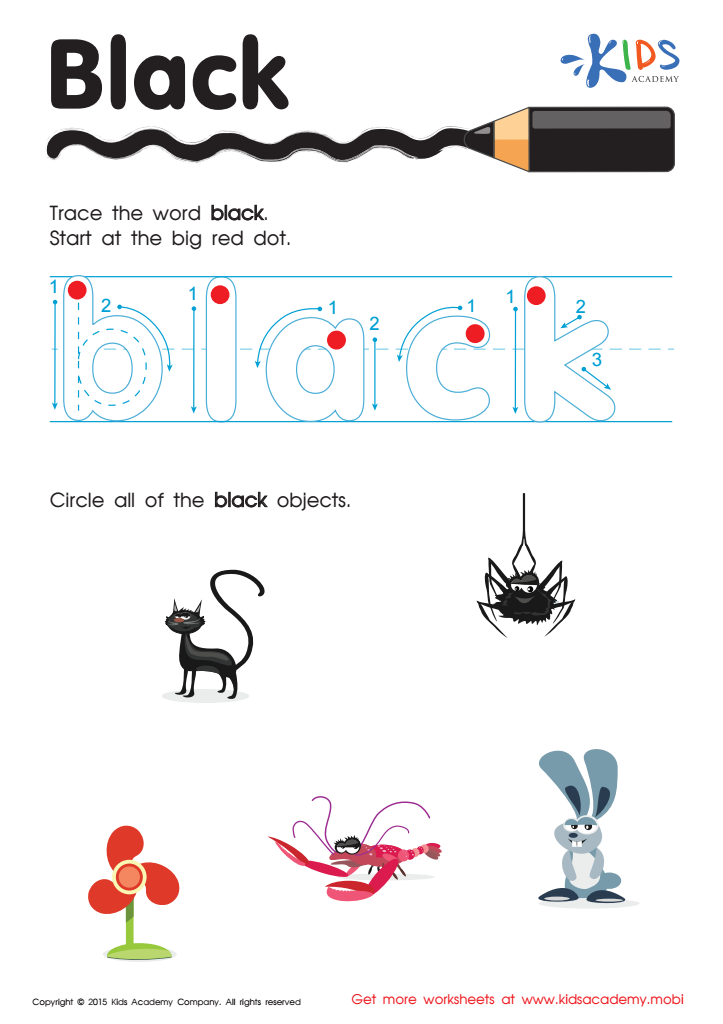
Black Tracing Color Words Printable
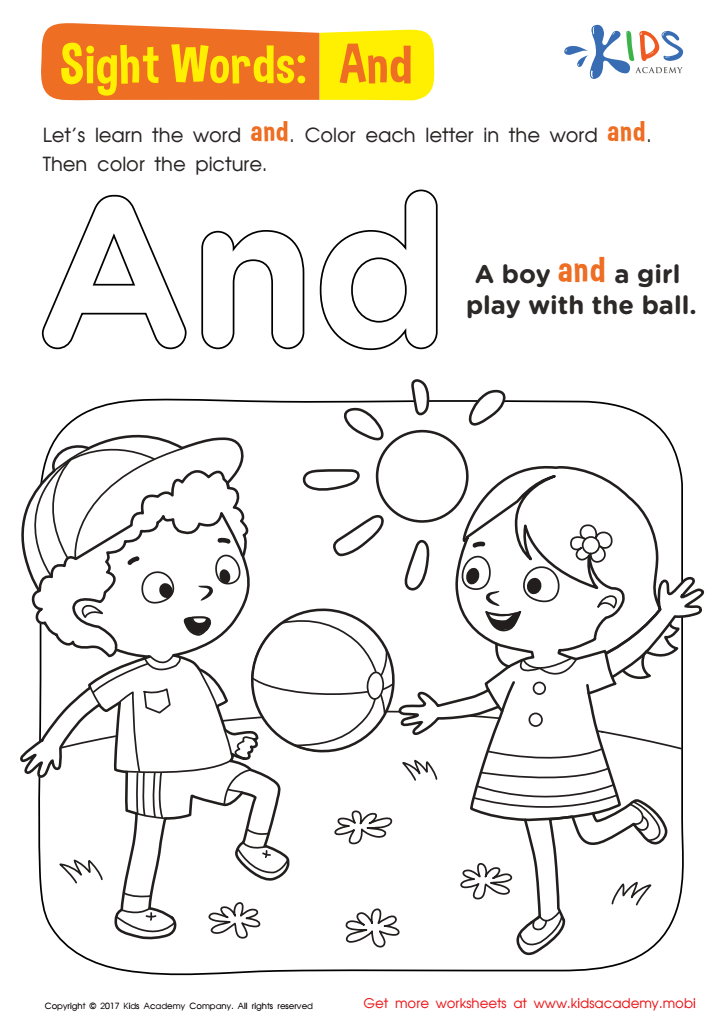
And Worksheet Sight Words Worksheet
 Assign to My Students
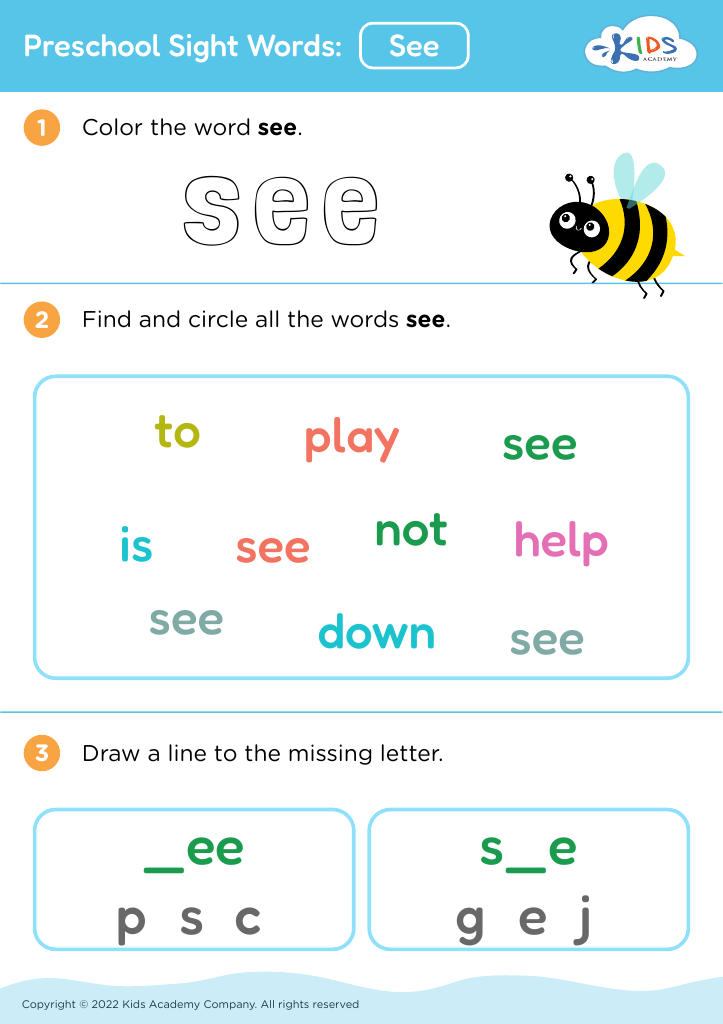
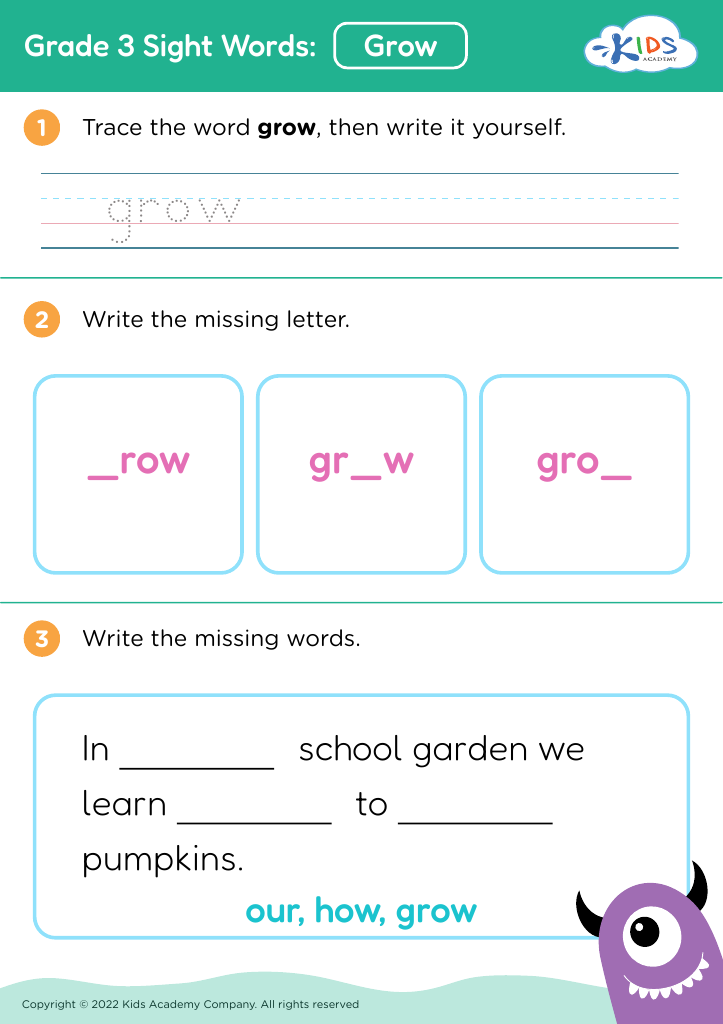
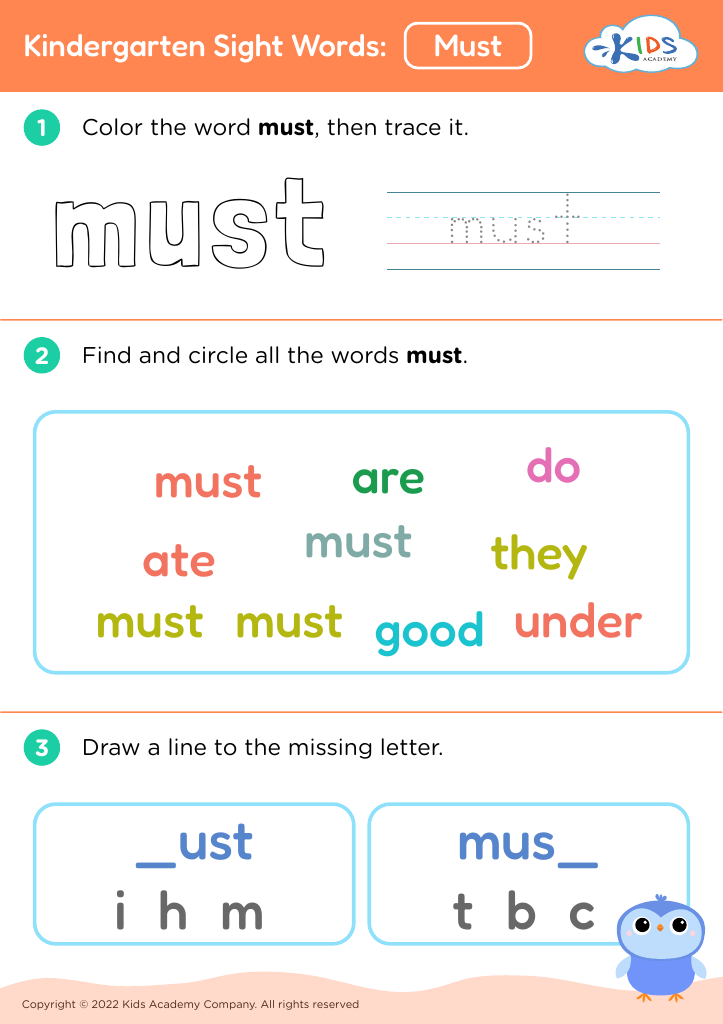








Spelling practice for ages 4-9 is crucial for several reasons. First, it lays a solid foundation for literacy, the bedrock of academic success. Learning to spell at an early age enhances reading skills, as children understand the relationship between letters and sounds. This, in turn, improves comprehension and fluency, enabling children to read more complex texts with ease as they grow.
Second, good spelling skills boost writing abilities. As children become proficient spellers, they can express their thoughts more clearly and accurately in writing, fostering effective communication. This skill is not just important academically but also vital for everyday interactions and future employment opportunities.
Modern text-dependent tools shouldn't overshadow spelling practice. Technology may autocorrect errors, but knowing how words are structured strengthens cognitive development and memory. Hands-on spelling exercises enhance children's fine motor skills, necessary for writing and other tasks.
Finally, regular spelling practice builds confidence. Mastery of spelling lists gives children a sense of accomplishment, encouraging them to tackle more challenging words. This self-assurance is crucial as they encounter new subjects and tasks throughout their education.
Overall, spelling practice is a multi-faceted tool. Investing time in this area sets a strong educational groundwork, supporting children's reading, writing, and overall cognitive development.








