Welcome to our "Understand Fractions Worksheets" designed for children aged 4-9! Our engaging worksheets help young learners grasp the fundamental concepts of fractions through colorful visuals and interactive exercises. Each activity encourages kids to identify, compare, and work with fractions in a fun and accessible way. By using relatable examples and hands-on exercises, children will build a solid foundation in fractional understanding that supports their overall math skills. Perfect for classroom use or home learning, these worksheets make mastering fractions an enjoyable experience for kids. Explore our collection today and watch your child develop confidence in math!

Check out this FREE "Understand fractions" Trial Lesson for age 4-9!

X

Favorites
With answer key
Interactive
  • 4-9
  • Understand fractions
Shared Food Worksheet

Shared Food Worksheet

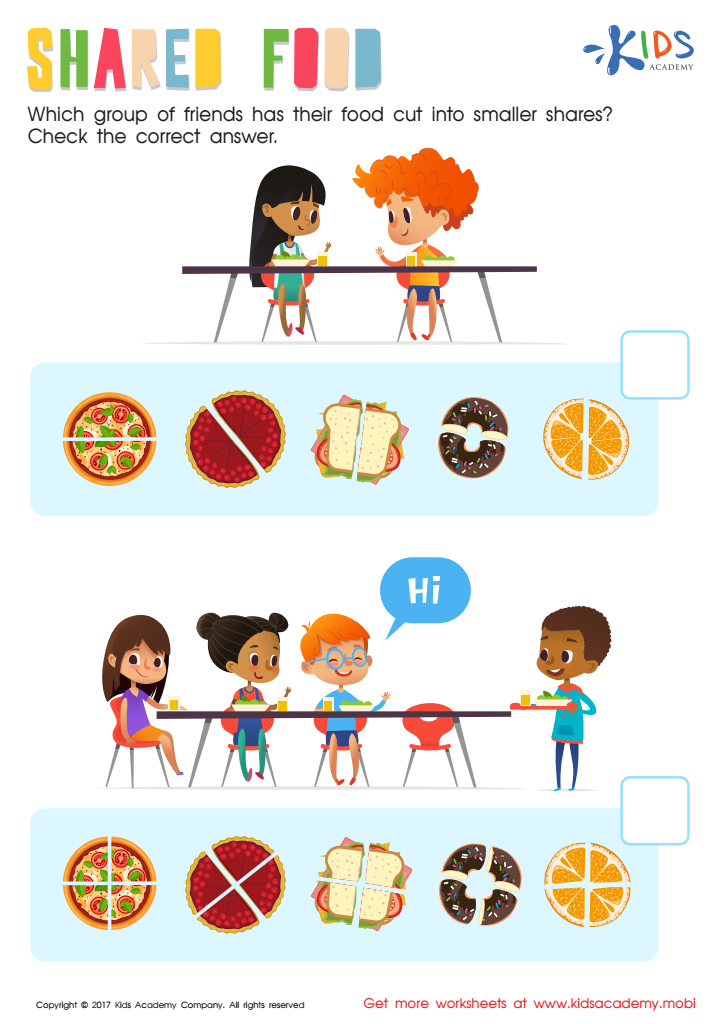
In this worksheet, kids learn about sharing and cutting shapes into equal parts. There are two groups of friends: one with two, the other with four. Ask your child which group has their food cut into smaller shares, and help them find the right answer.
Shared Food Worksheet
Worksheet
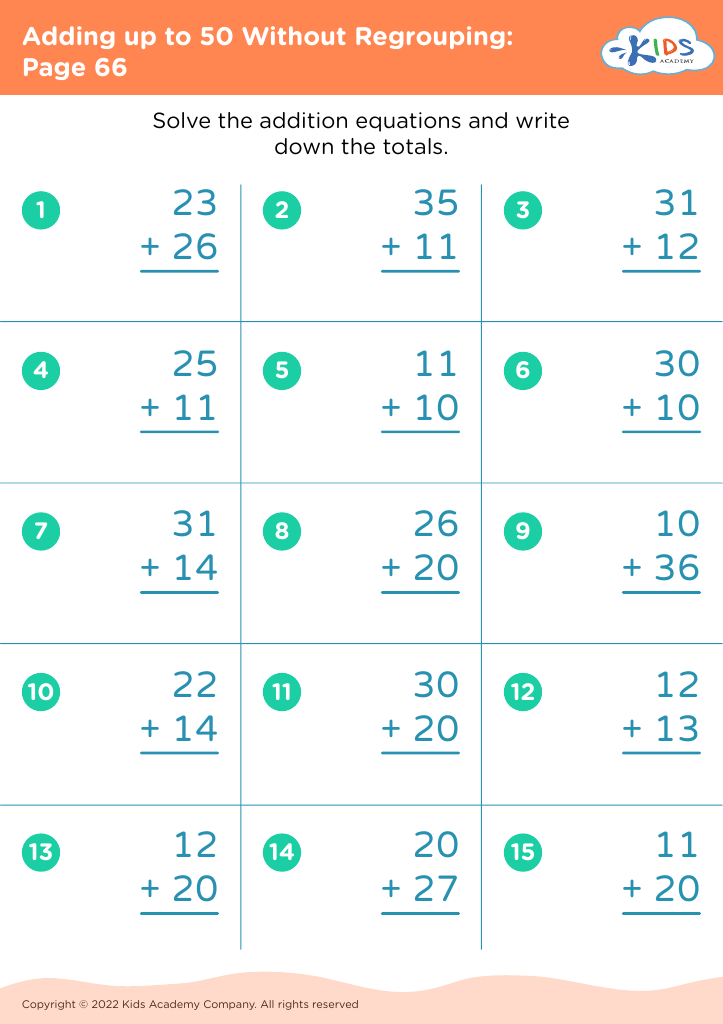
Adding up to 50 Without Regrouping: Page 66
Worksheet
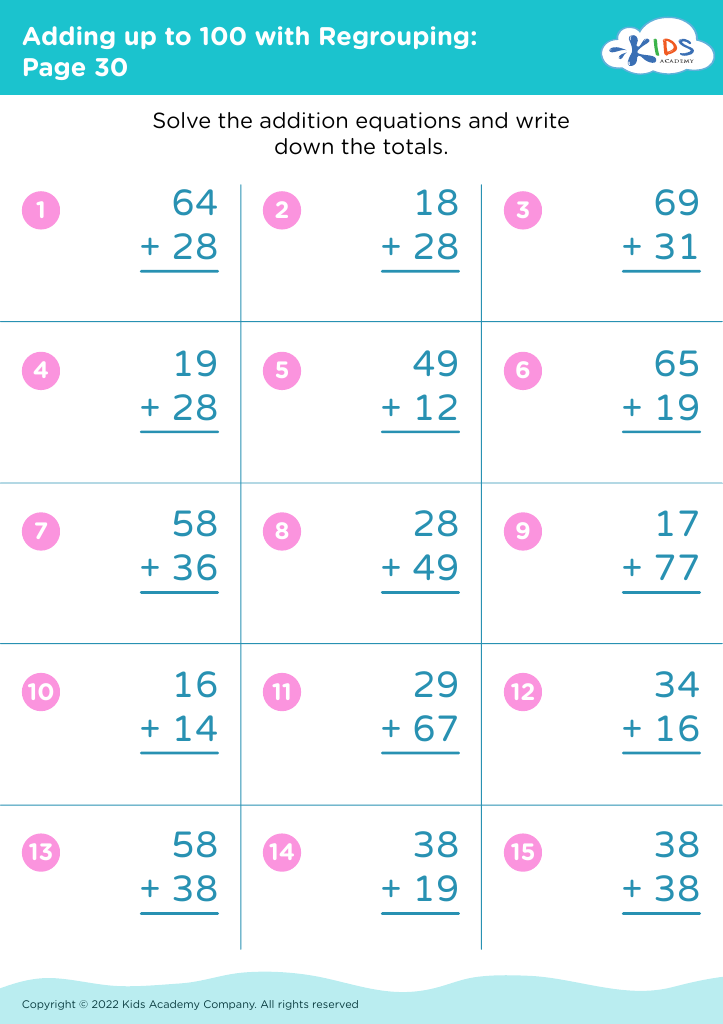
Adding up to 100 with Regrouping: Page 30
Worksheet
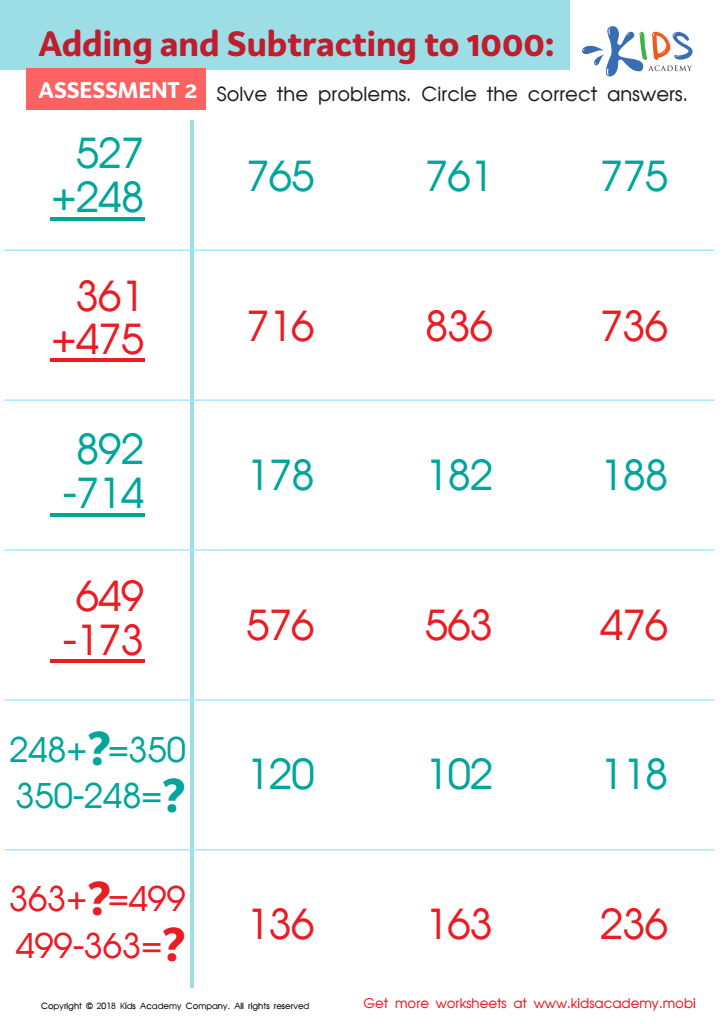
Adding and Subtracting to 1 Worksheet: Assessment 2
Adding and Subtracting to 1 Worksheet: Assessment 2
Test your child's addition and subtraction of 3-digit numbers with this assessment worksheet! They'll practice regrouping and pre-algebra skills to show their expertise. Have them work through the page and circle their answers, then see how many they got right to check their understanding and progress.
Adding and Subtracting to 1 Worksheet: Assessment 2
Worksheet
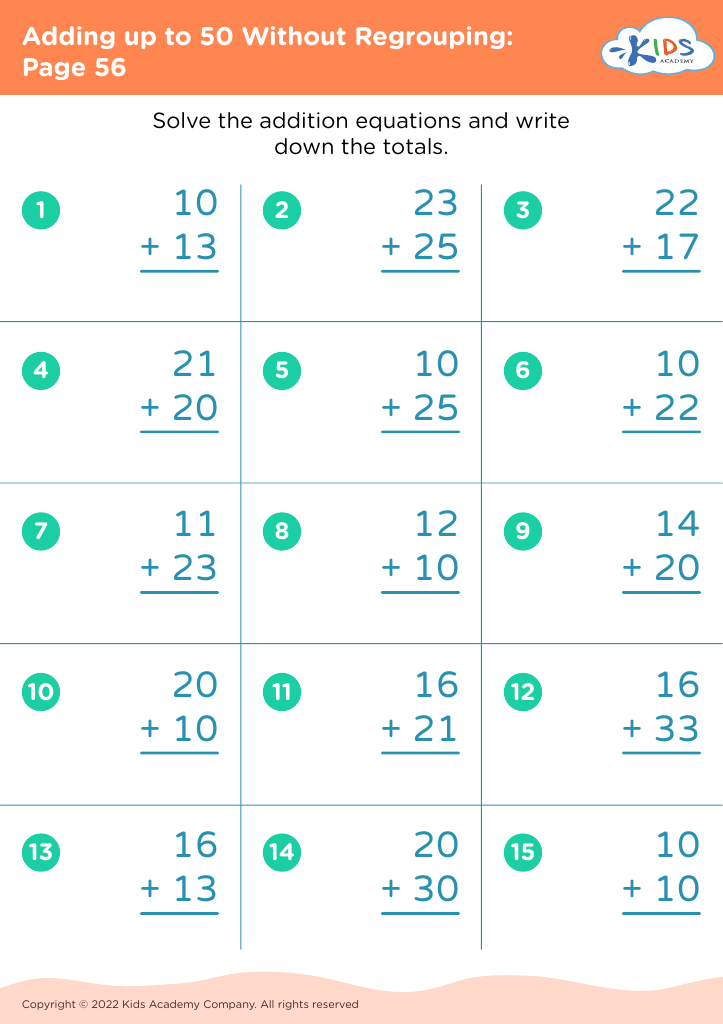
Adding up to 50 Without Regrouping: Page 56
Worksheet
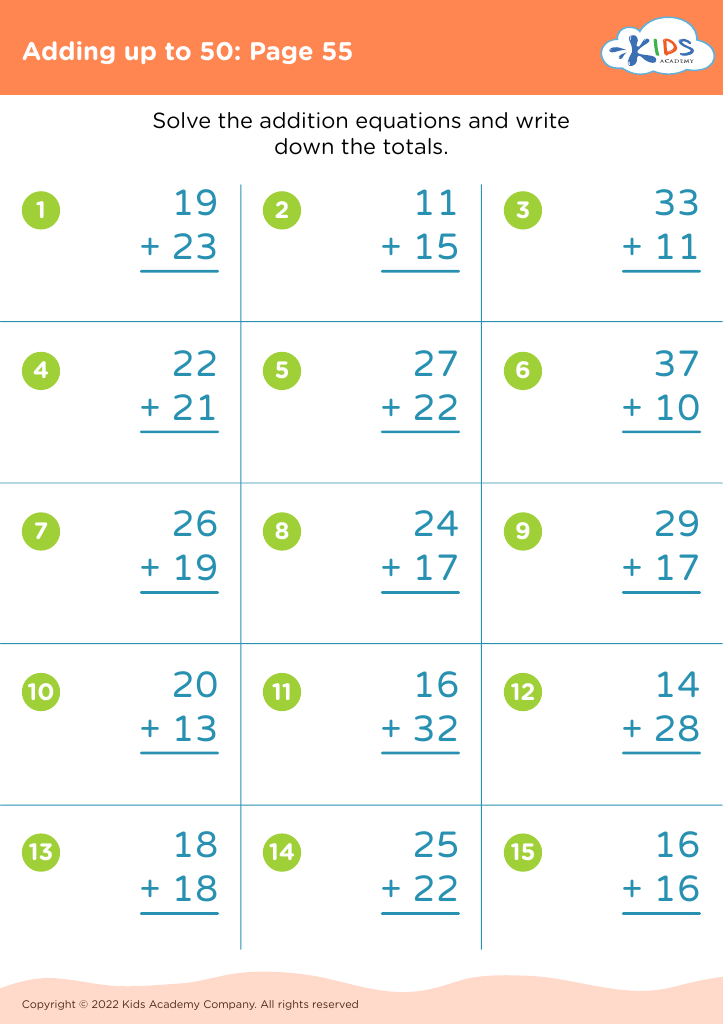
Adding up to 50: Page 55

Adding up to 50: Page 55

Adding up to 50: Page 55
Worksheet
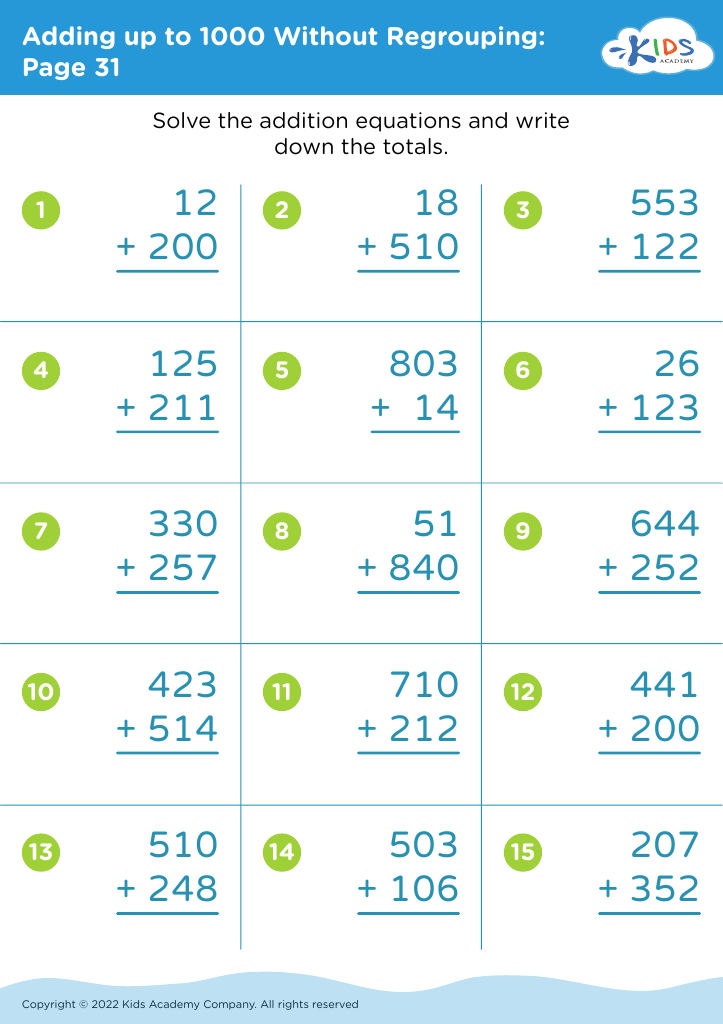
Adding up to 1000 Without Regrouping: Page 31
Worksheet
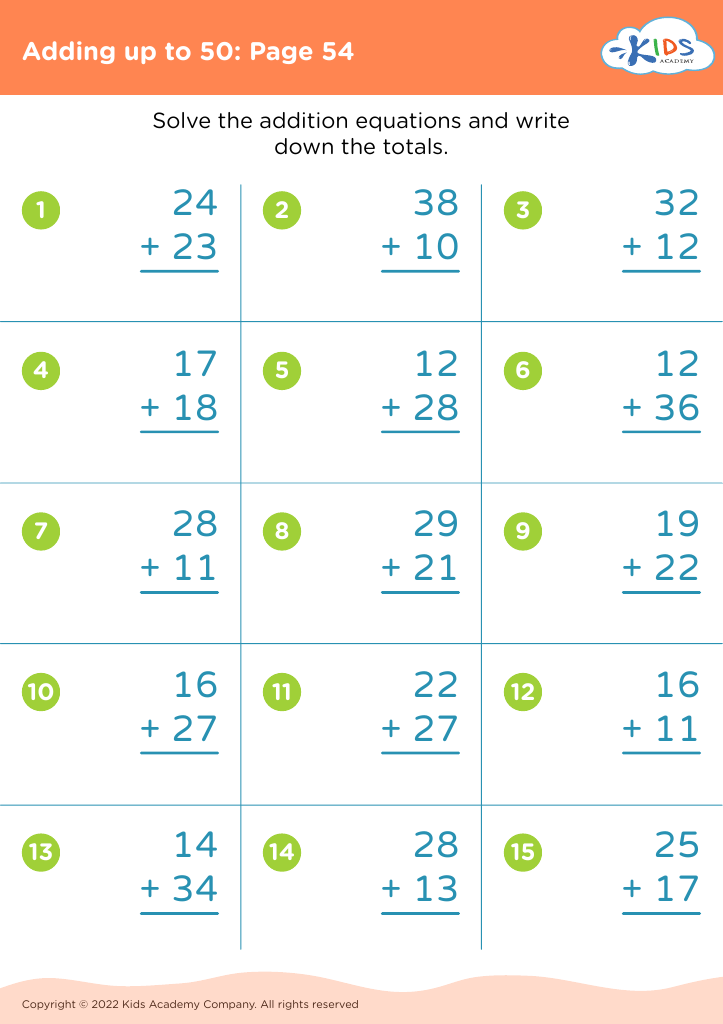
Adding up to 50: Page 54

Adding up to 50: Page 54

Adding up to 50: Page 54
Worksheet
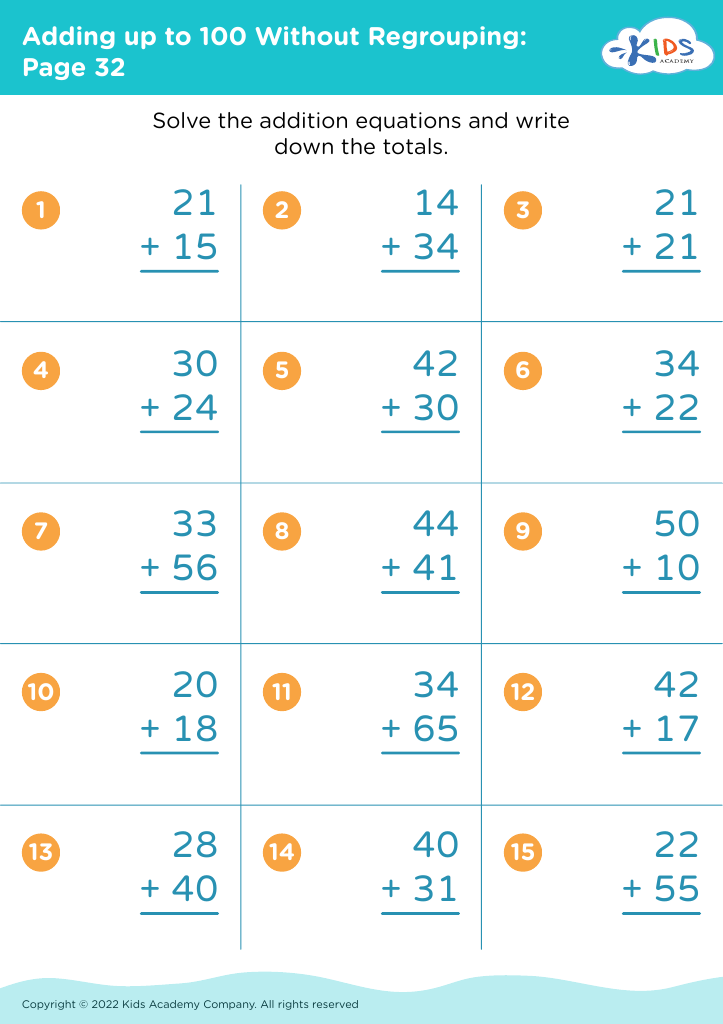
Adding up to 100 Without Regrouping: Page 32
Worksheet
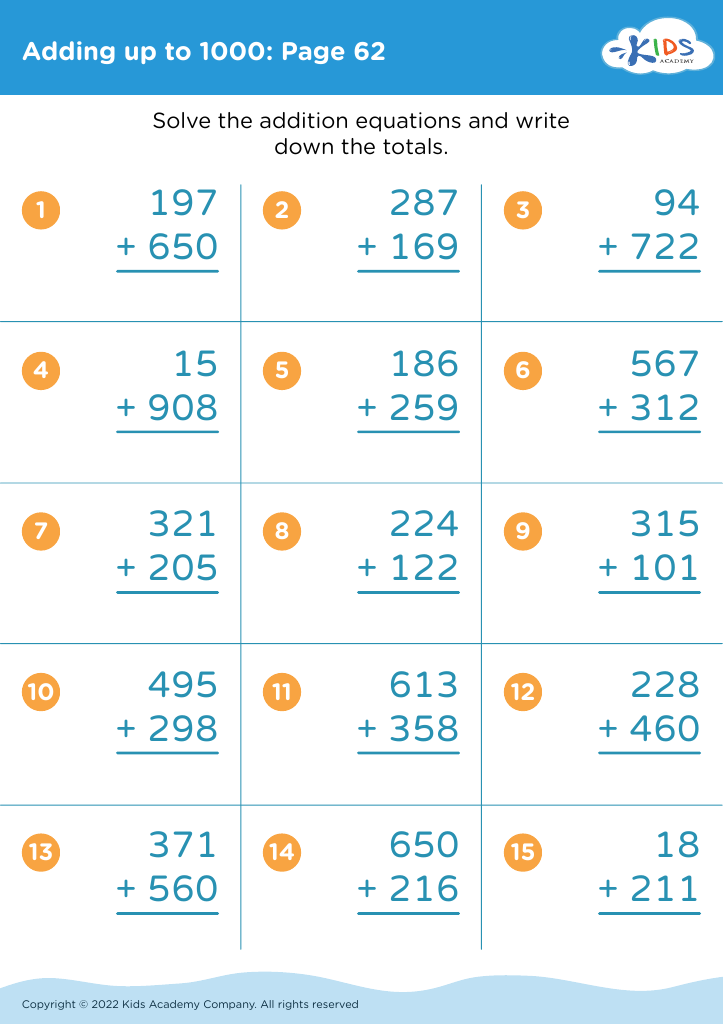
Adding up to 1000: Page 62

Adding up to 1000: Page 62

Adding up to 1000: Page 62
Worksheet
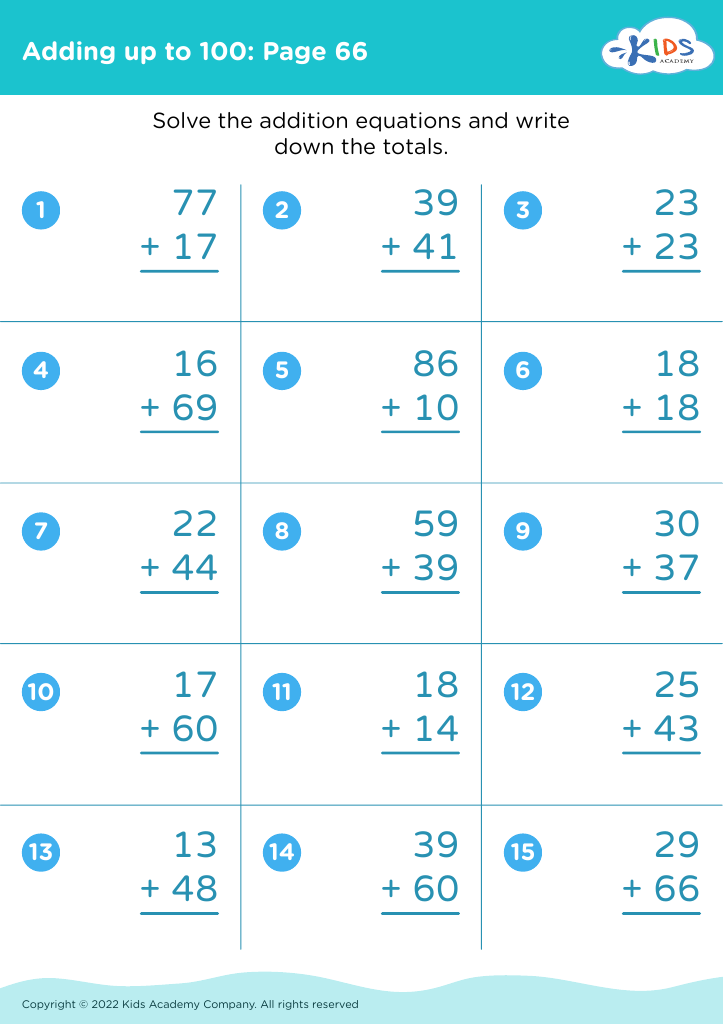
Adding up to 100: Page 66

Adding up to 100: Page 66

Adding up to 100: Page 66
Worksheet
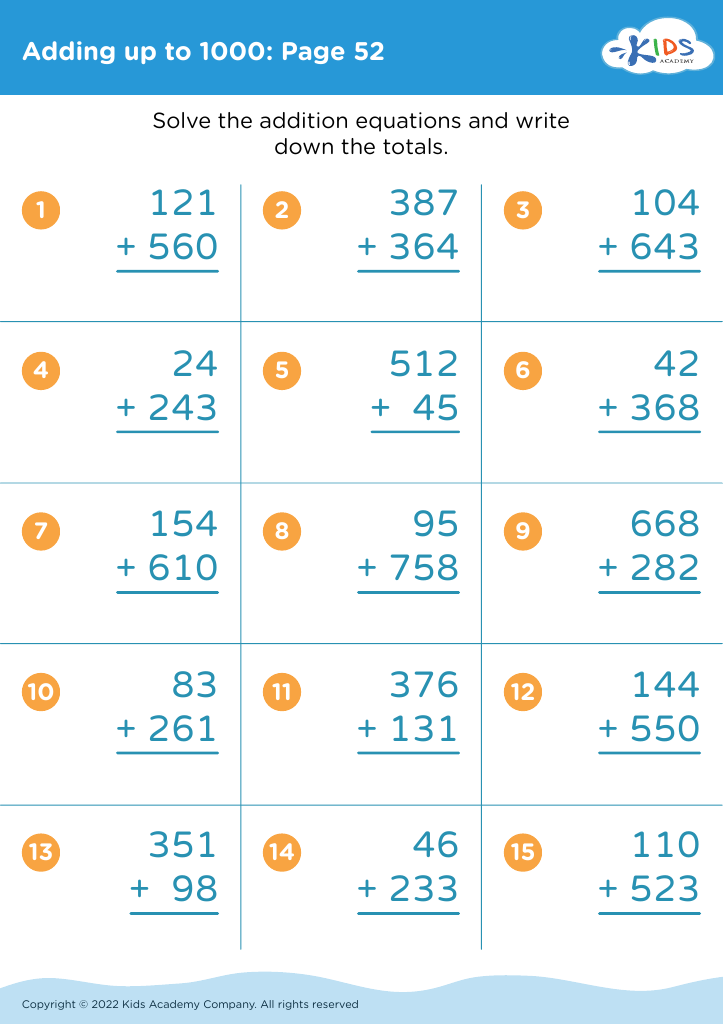
Adding up to 1000: Page 52

Adding up to 1000: Page 52

Adding up to 1000: Page 52
Worksheet
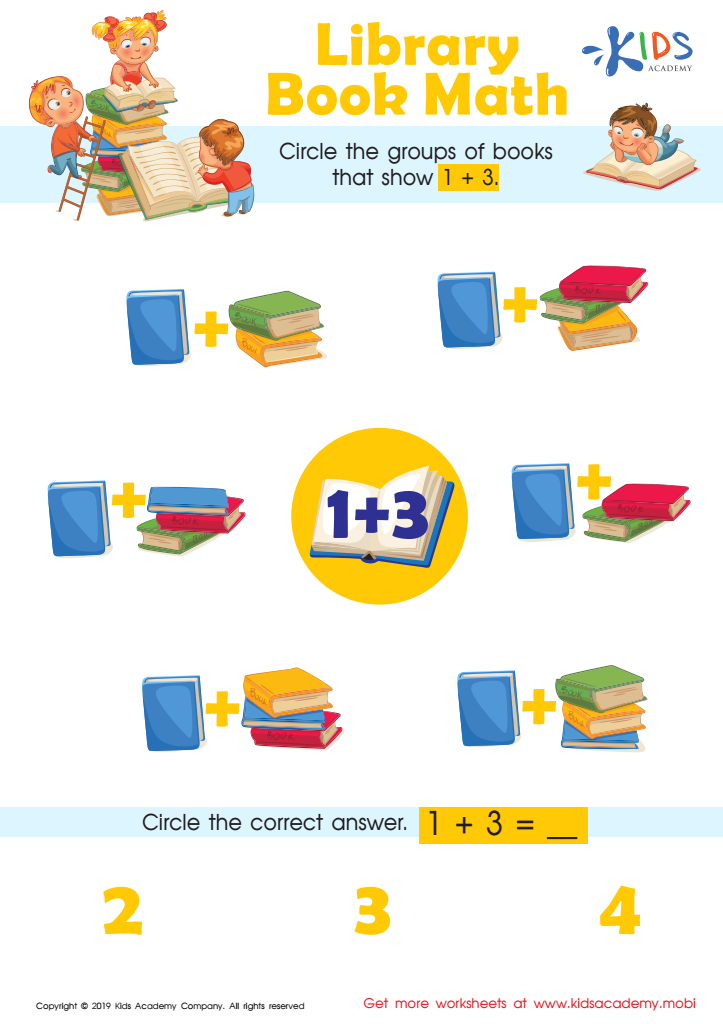
Library Book Math Worksheet
Library Book Math Worksheet
=4. It's essential for your child's growth to know how to count and add. Help them by giving simple tasks and encouraging them. This worksheet is a great tool to use. Ask your kids to name the objects in the picture and help them circle the groups of books that show 1+3=4.
Library Book Math Worksheet
Worksheet
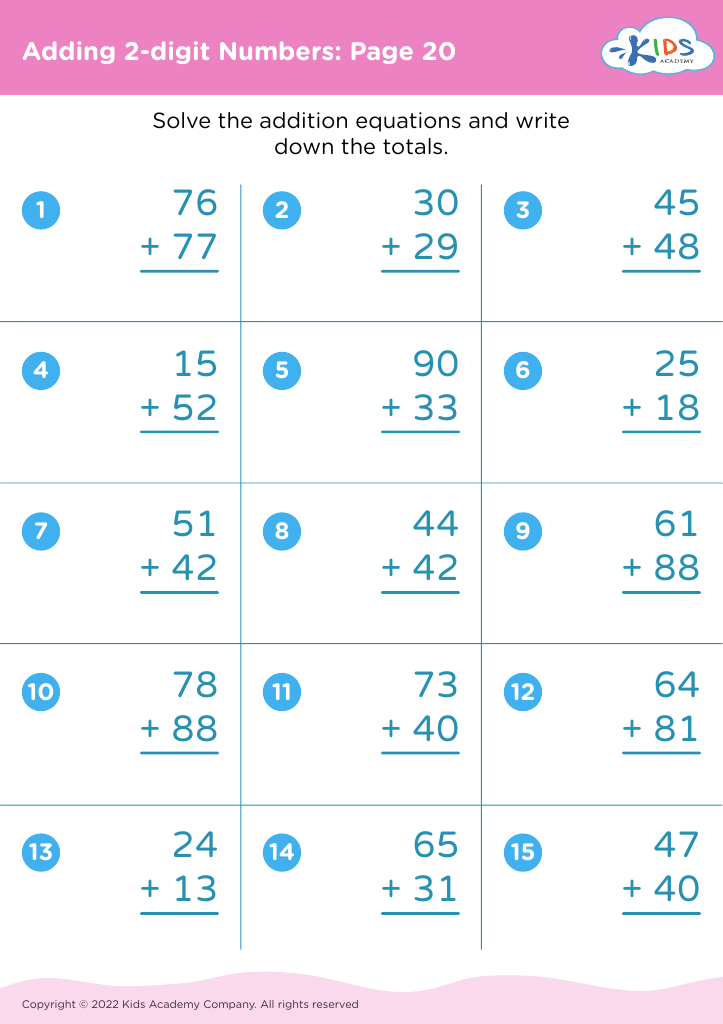
Adding 2-digit Numbers: Page 20

Adding 2-digit Numbers: Page 20

Adding 2-digit Numbers: Page 20
Worksheet
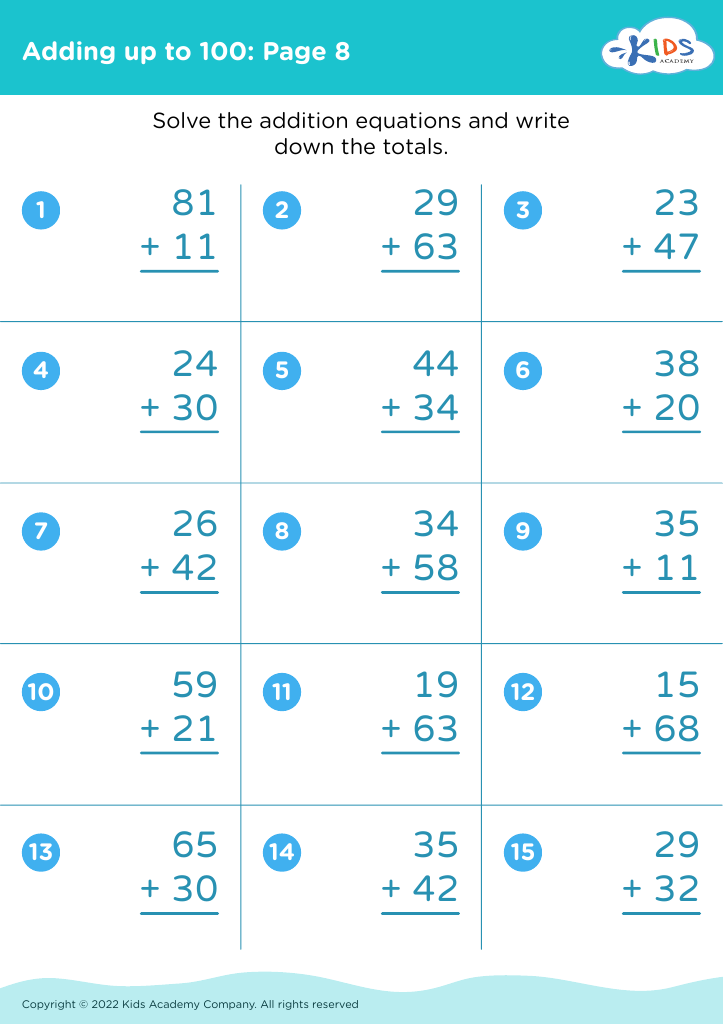
Adding up to 100: Page 8

Adding up to 100: Page 8

Adding up to 100: Page 8
Worksheet
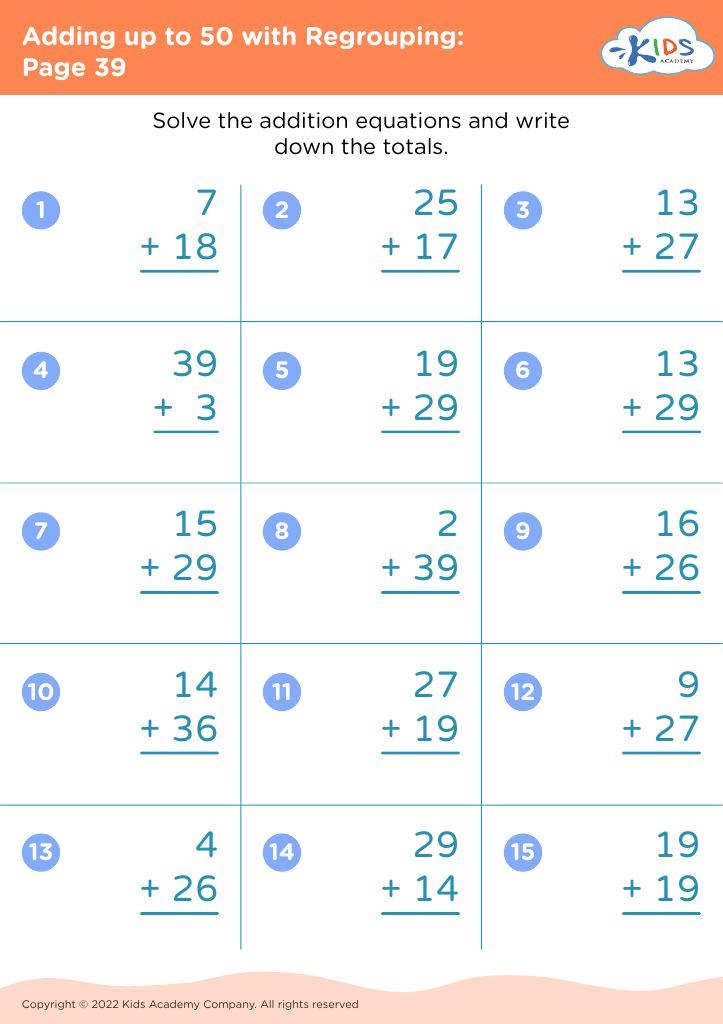
Adding up to 50 with Regrouping: Page 39
Worksheet
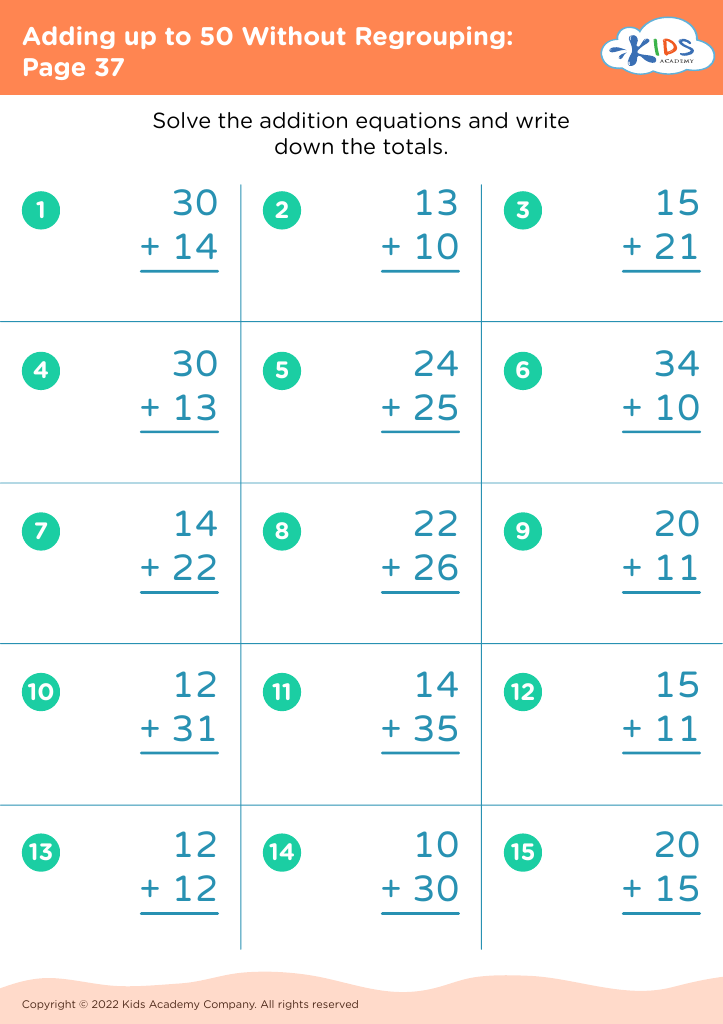
Adding up to 50 Without Regrouping: Page 37
Worksheet
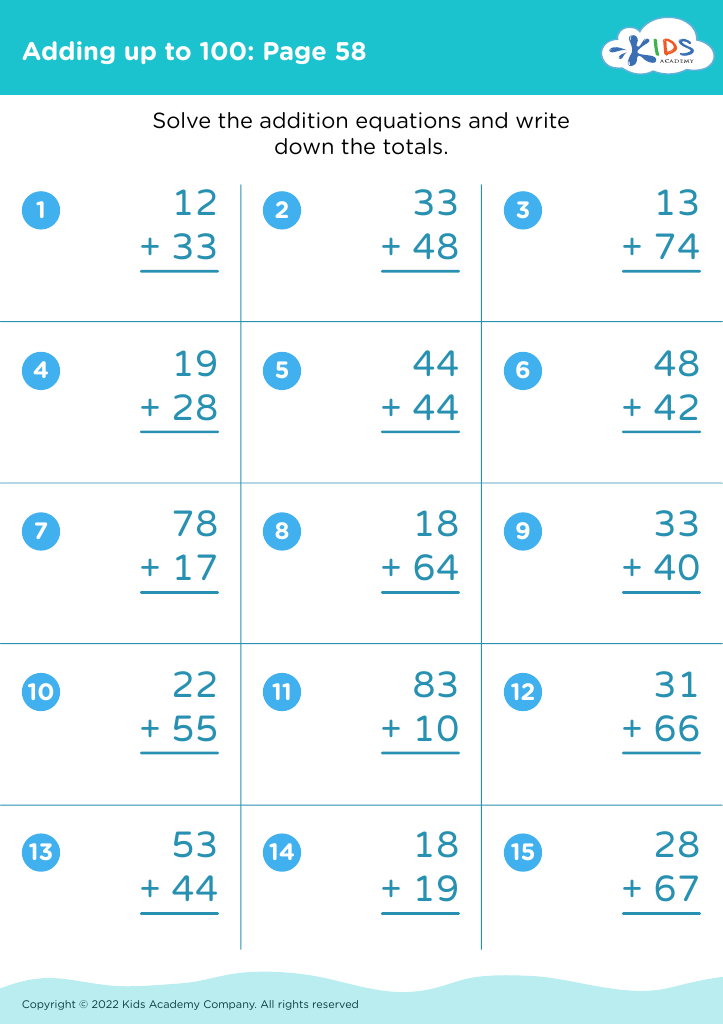
Adding up to 100: Page 58

Adding up to 100: Page 58

Adding up to 100: Page 58
Worksheet
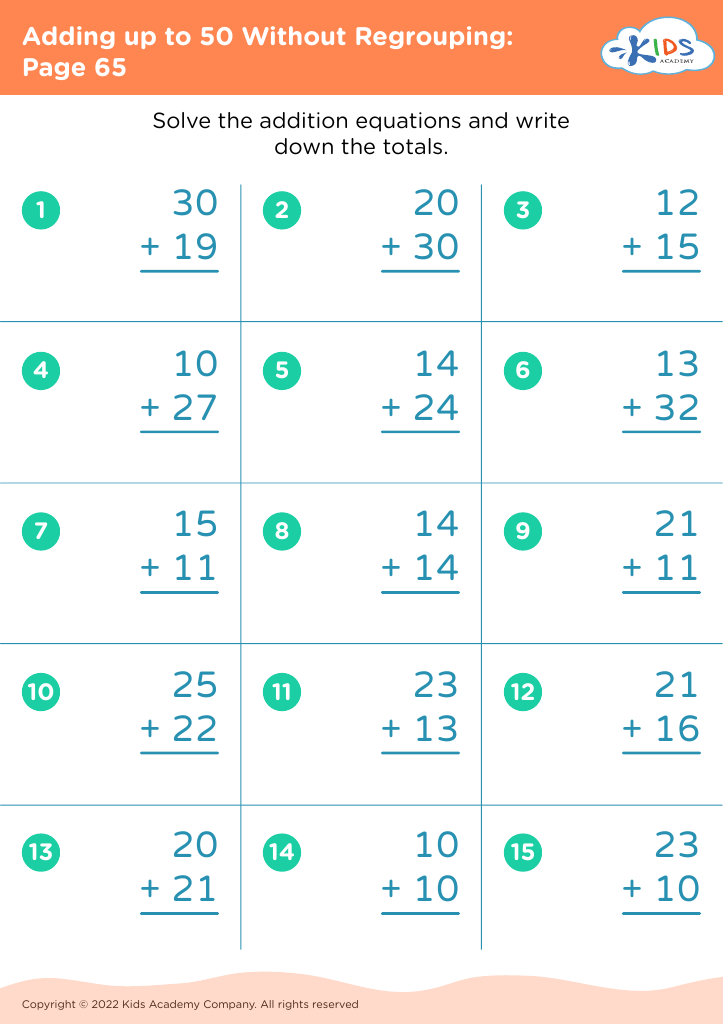
Adding up to 50 Without Regrouping: Page 65
Worksheet
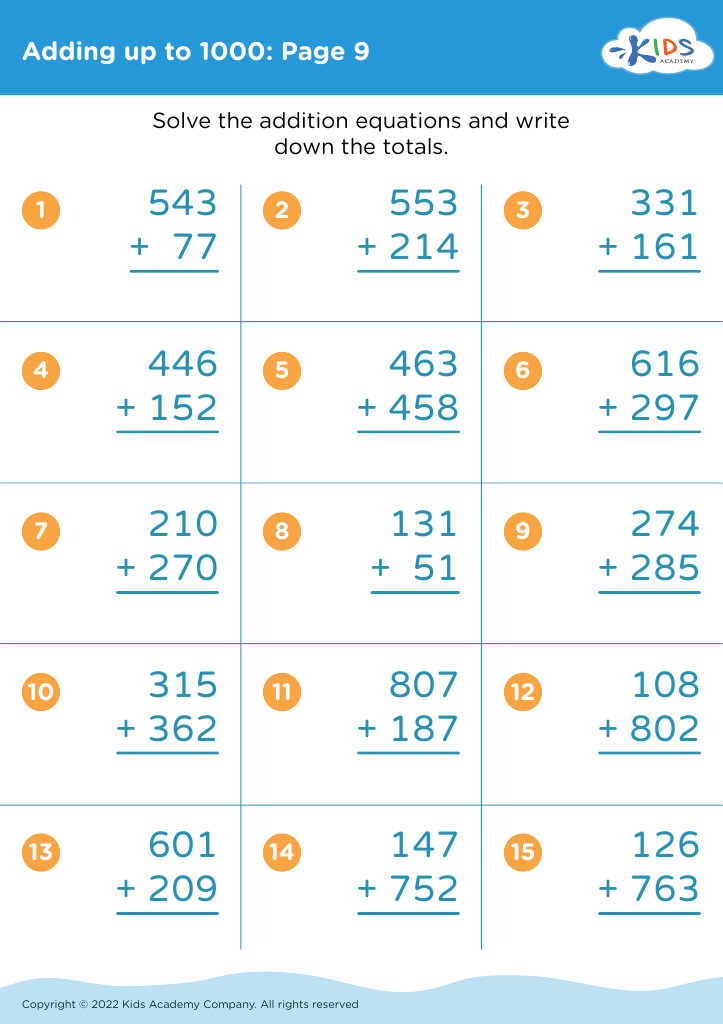
Adding up to 1000: Page 9

Adding up to 1000: Page 9

Adding up to 1000: Page 9
Worksheet
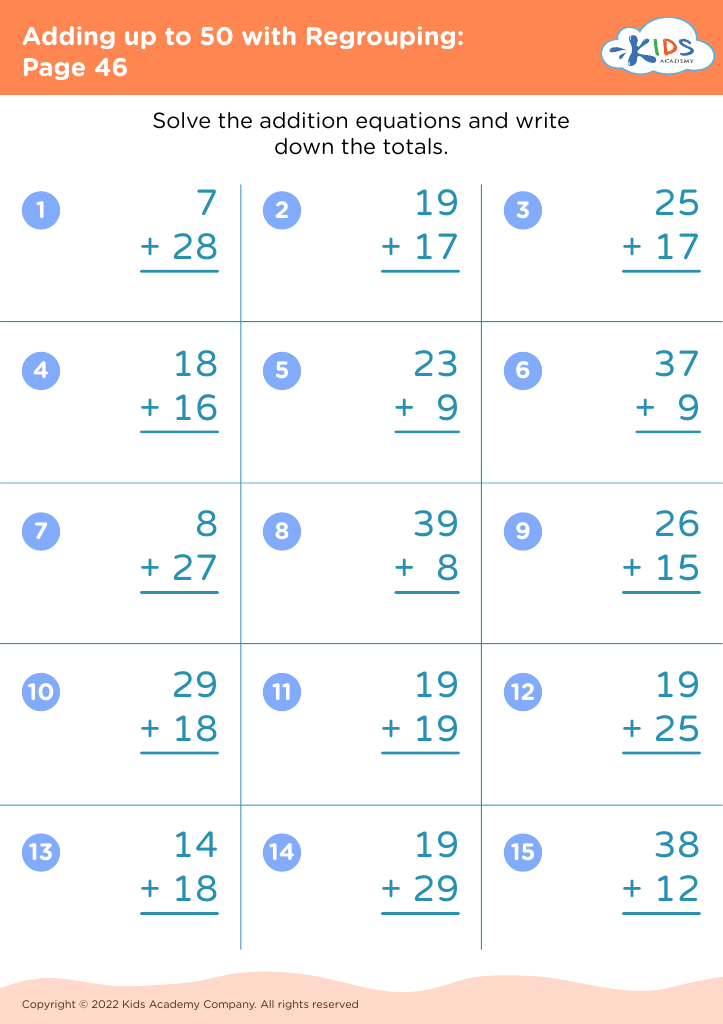
Adding up to 50 with Regrouping: Page 46
Worksheet
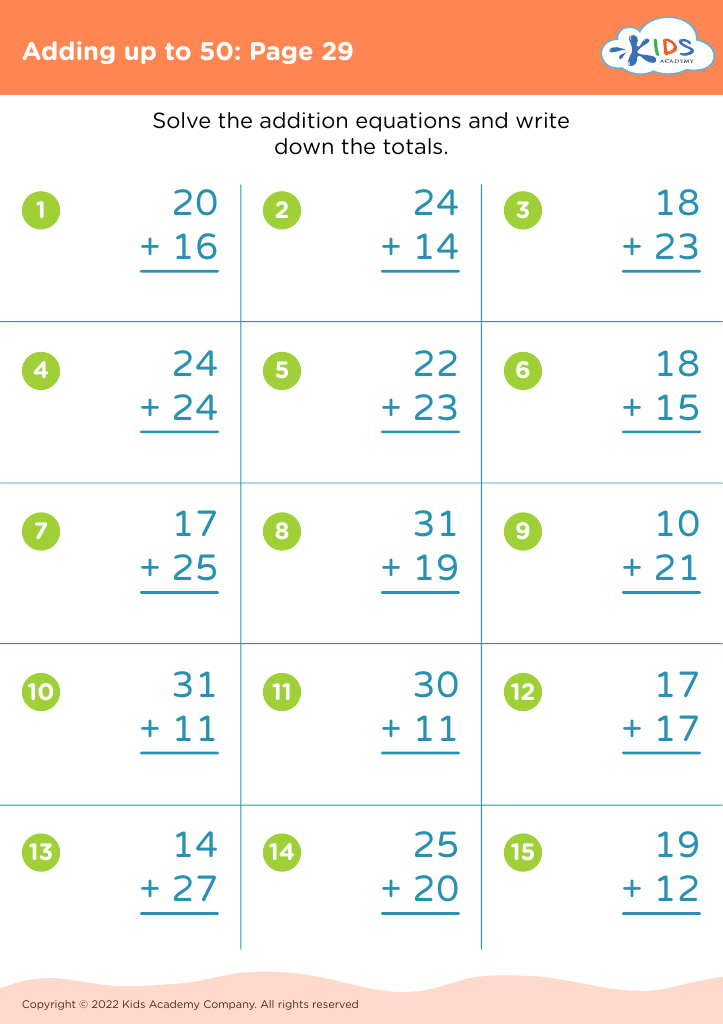
Adding up to 50: Page 29

Adding up to 50: Page 29

Adding up to 50: Page 29
Worksheet
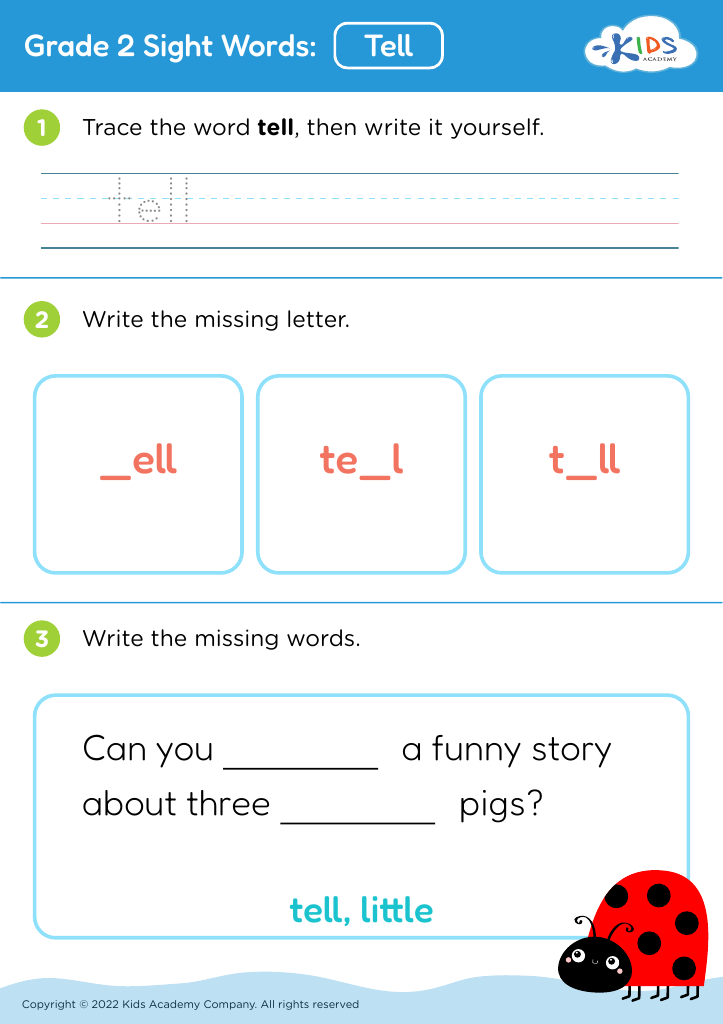
Grade 2 Sight Words: Tell

Grade 2 Sight Words: Tell

Grade 2 Sight Words: Tell
Worksheet
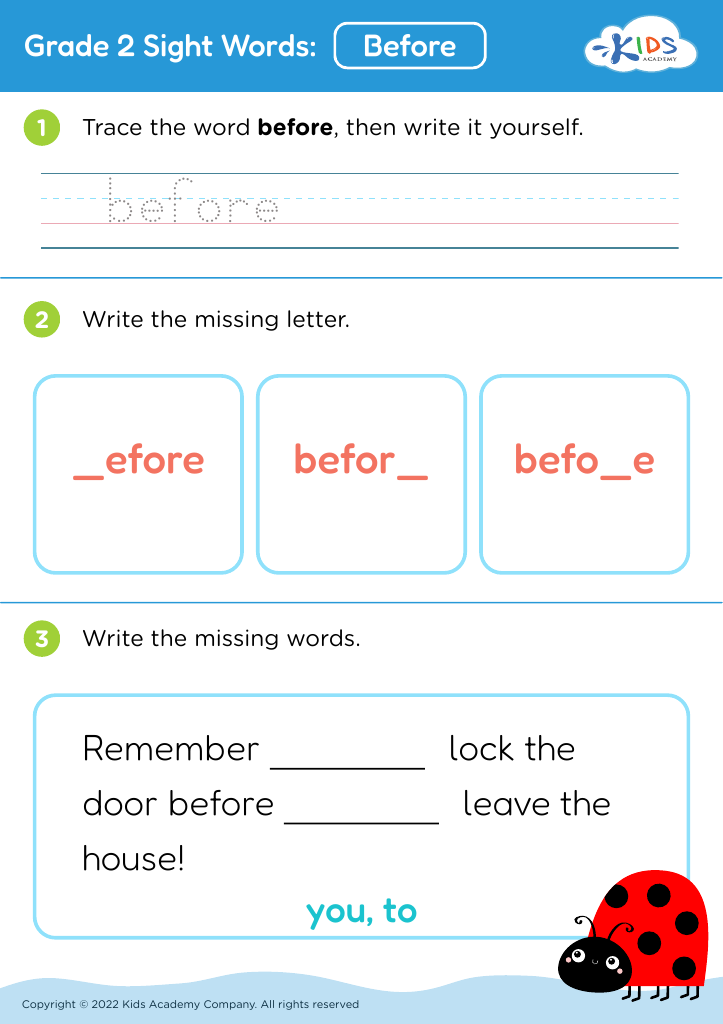
Grade 2 Sight Words: Before

Grade 2 Sight Words: Before

Grade 2 Sight Words: Before
Worksheet


Understanding fractions is pivotal for children aged 4-9, laying the groundwork for their future mathematical skills. During these formative years, kids are naturally curious and eager to learn about the world around them, making it an ideal time to introduce the concept of fractions.

Fractions help children grasp the idea of parts to a whole, which is fundamental in daily life. From sharing food to understanding measurements in cooking, fractional knowledge is vital. Early exposure to fractions fosters critical thinking and problem-solving abilities, as children learn to compare, order, and manipulate parts and wholes in various scenarios.

Moreover, mastery of fractions sets the stage for success in advanced math topics, such as ratios, percentages, and algebra. If children struggle with fractions later on, it can affect their confidence and attitude toward math, which can persist into adulthood.

Parents and teachers play a crucial role by integrating fun, meaningful activities that involve fractions, such as measuring, dividing resources evenly, and using visual aids like pie charts or fraction bars. By nurturing a strong foundation in fraction understanding now, we equip children with the necessary skills to thrive mathematically in the future.