Understand sequencing Worksheets for Ages 4-9
4 filtered results
-
From - To
Explore our engaging sequencing worksheets designed for children aged 4 to 9! Sequencing is essential for developing critical thinking and comprehension skills. Our worksheets encourage young learners to understand the order of events, enhance their storytelling abilities, and improve their memory. Featuring colorful images and relatable themes, these activities are perfect for classroom or at-home learning. Whether your child is identifying the sequence of everyday activities, solving puzzles, or completing stories, our resources provide a fun and effective way to master this important skill. Help your child build a strong foundation in sequencing today with our printable worksheets!
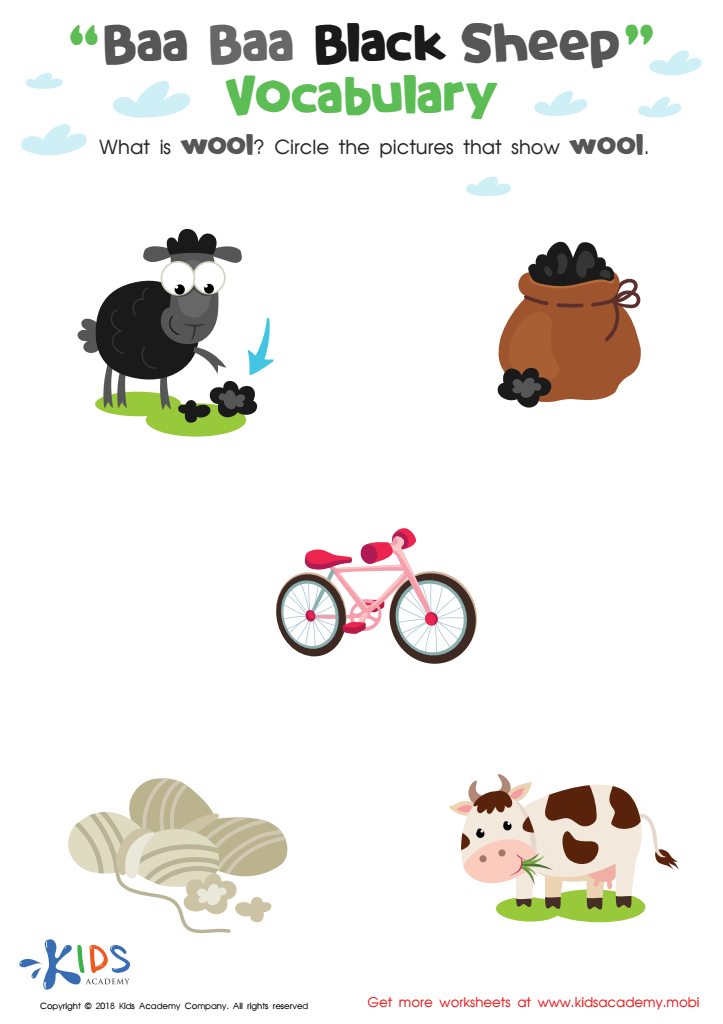
Baa Baa Black Sheep: Vocabulary Worksheet
 Assign to My Students
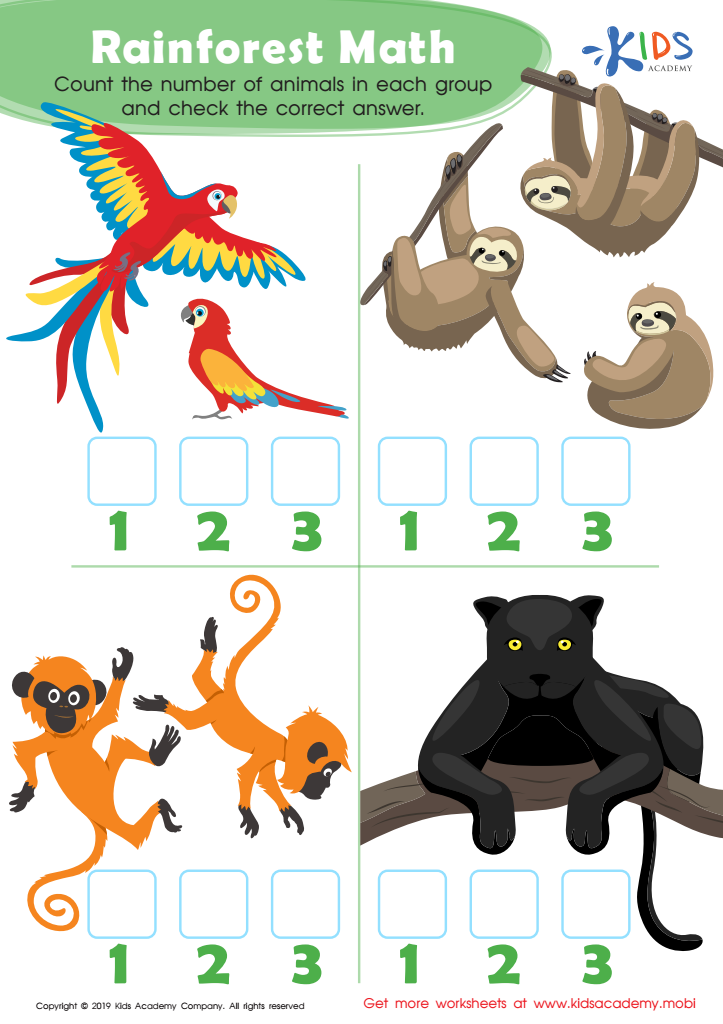
Rainforest Math Worksheet
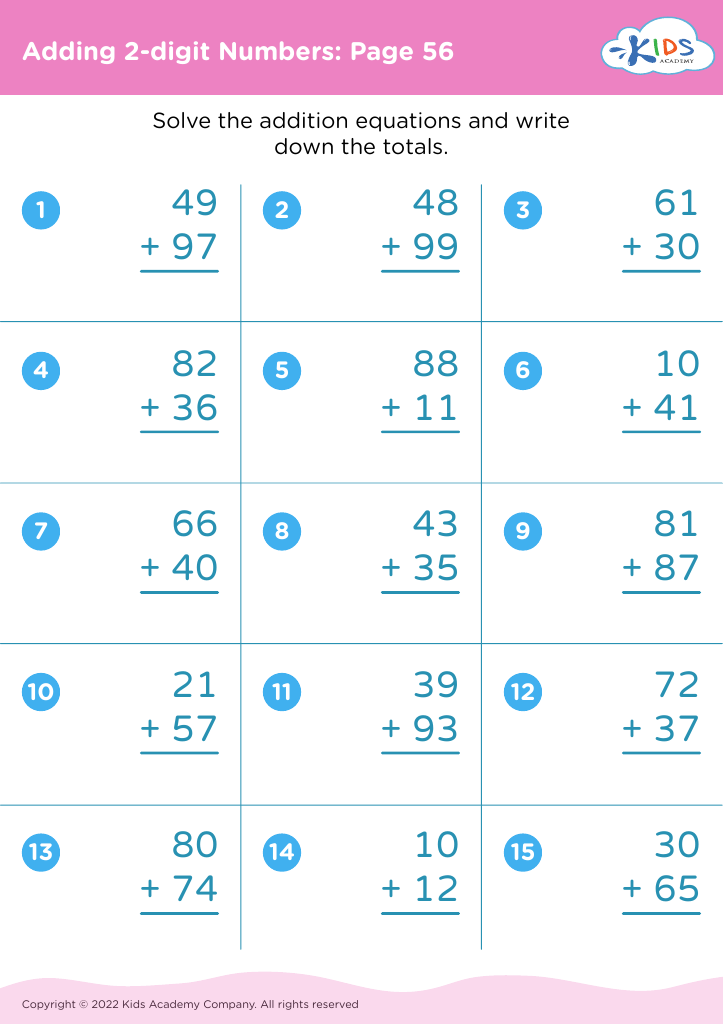
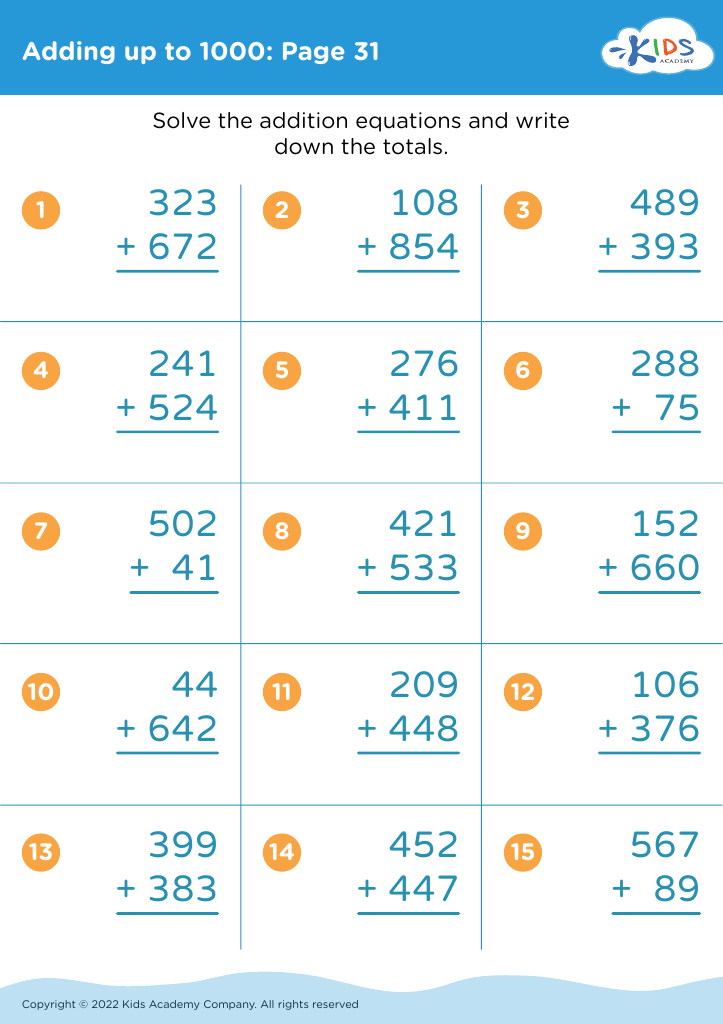




.jpg)



Understanding sequencing is crucial for children aged 4-9 as it lays the foundation for critical cognitive skills essential across their educational journey. First, sequencing teaches children how to organize information logically, which enhances memory retention and comprehension. Recognizing the order of events helps students grasp narrative structure, vital for reading and storytelling.
Moreover, sequencing is fundamental in mathematics and science, where children learn to solve problems step-by-step. For instance, understanding that addition and subtraction follow specific processes aids in developing stronger math skills. It also nurtures their ability to follow instructions and complete tasks, facilitating more effective learning environments.
Additionally, sequencing enhances life skills such as planning and decision-making. As children learn to plan their day, understand routines, or complete chores in a timely manner, they build independence and responsibility. This foundational skill also supports social interactions, as it helps children understand cause and effect, enabling them to grasp the consequences of their actions.
Ultimately, by focusing on sequencing, parents and teachers equip children with essential tools for academic success, critical thinking, and personal development, fostering confidence as they navigate various life challenges.








