Understanding equality Worksheets for Ages 4-9
7 filtered results
-
From - To
Explore our "Understanding Equality Worksheets" designed specifically for children aged 4-9! These engaging and educational worksheets help young learners grasp the concept of equality through fun activities tailored to their developmental stage. With colorful illustrations and age-appropriate exercises, your child will enjoy practicing comparisons, identifying similarities, and understanding the importance of fairness. Our resources support early math skills and critical thinking, fostering a sense of justice and empathy in little ones. Perfect for classroom use or at-home learning, these worksheets will create a solid foundation for your child's comprehension of equality. Start your child's journey toward understanding equality today!
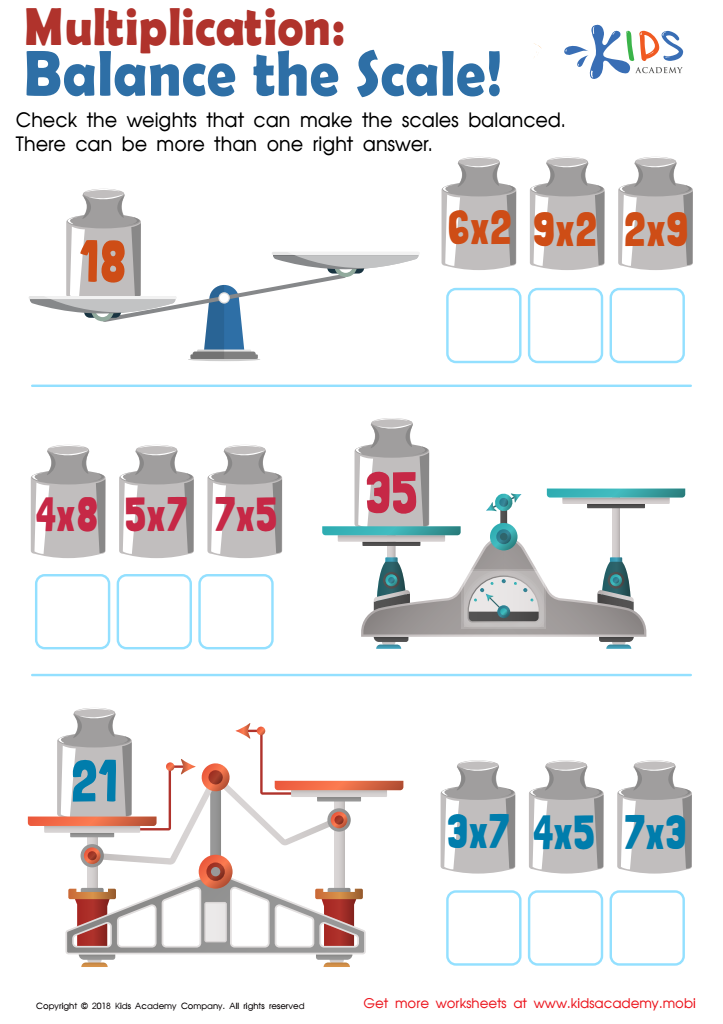
Balance the Scales Multiplication Worksheet
 Assign to My Students
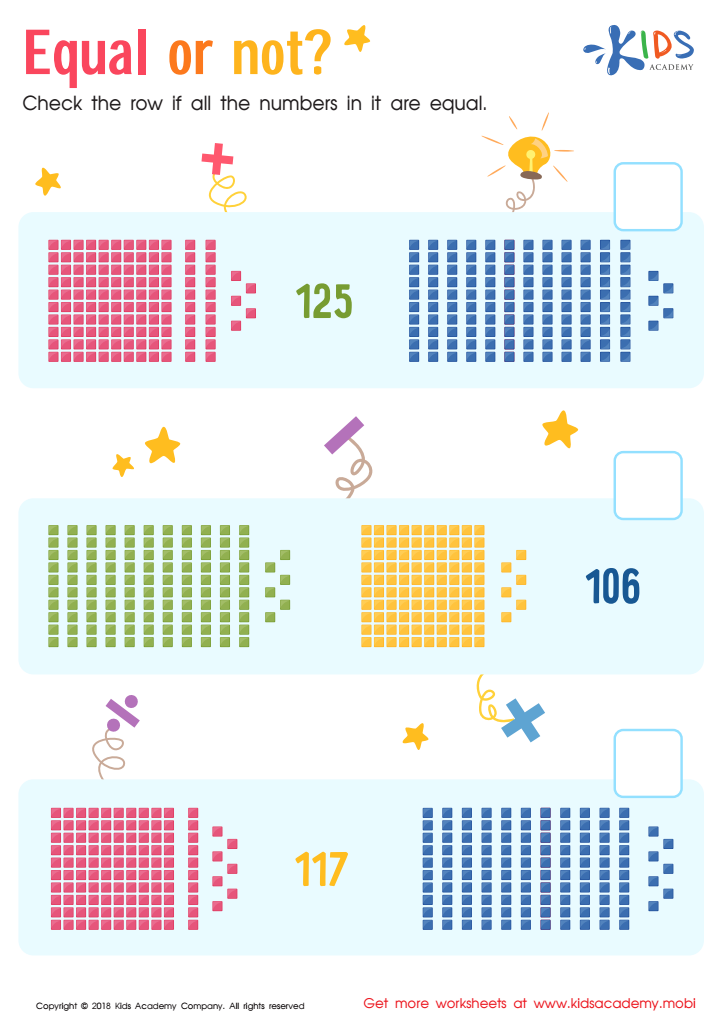
Equal or not Worksheet
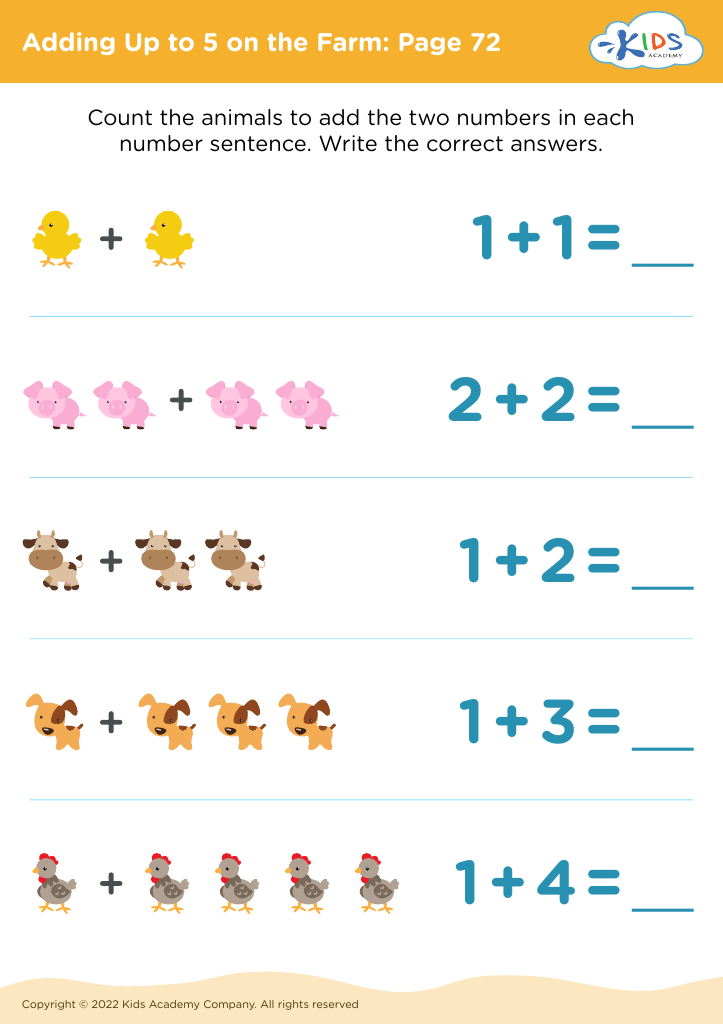
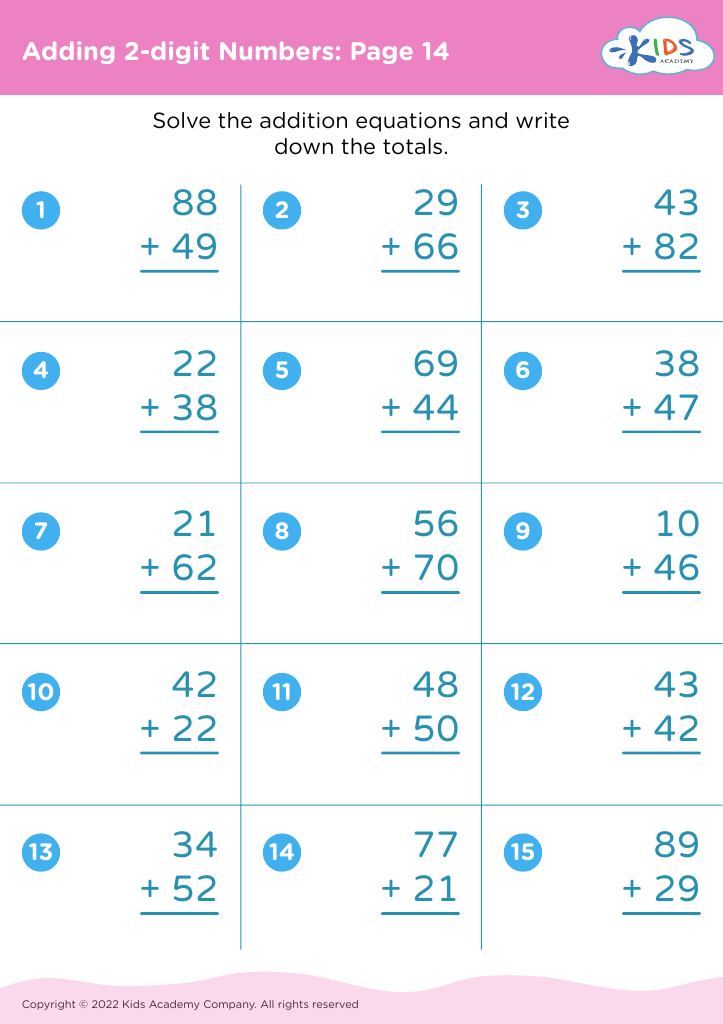
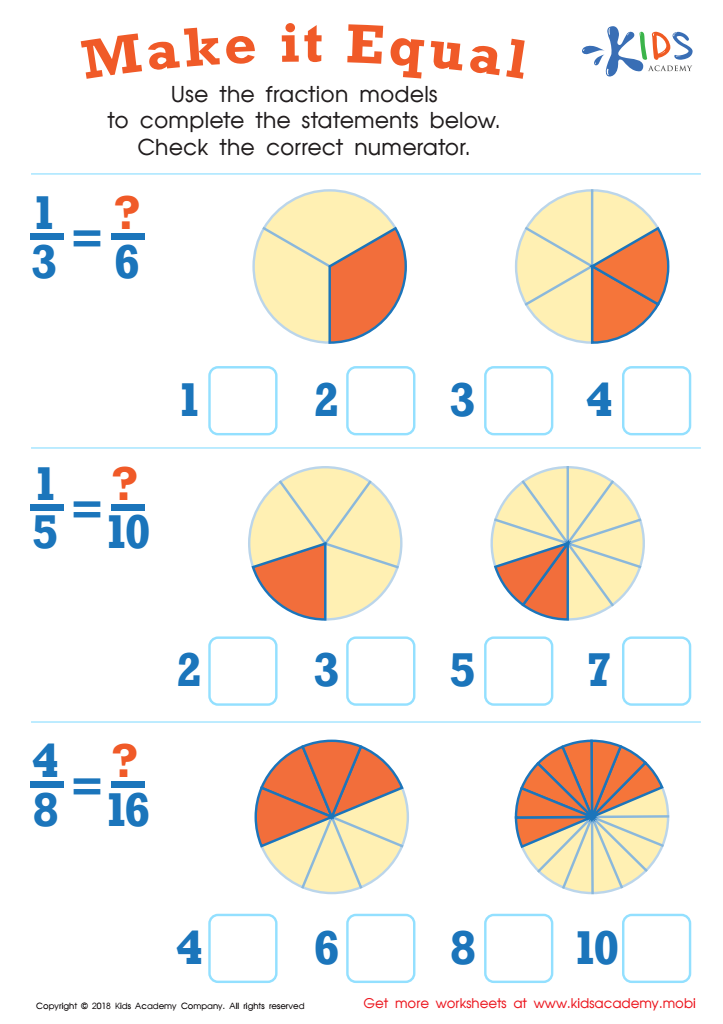
Make It Equal Worksheet
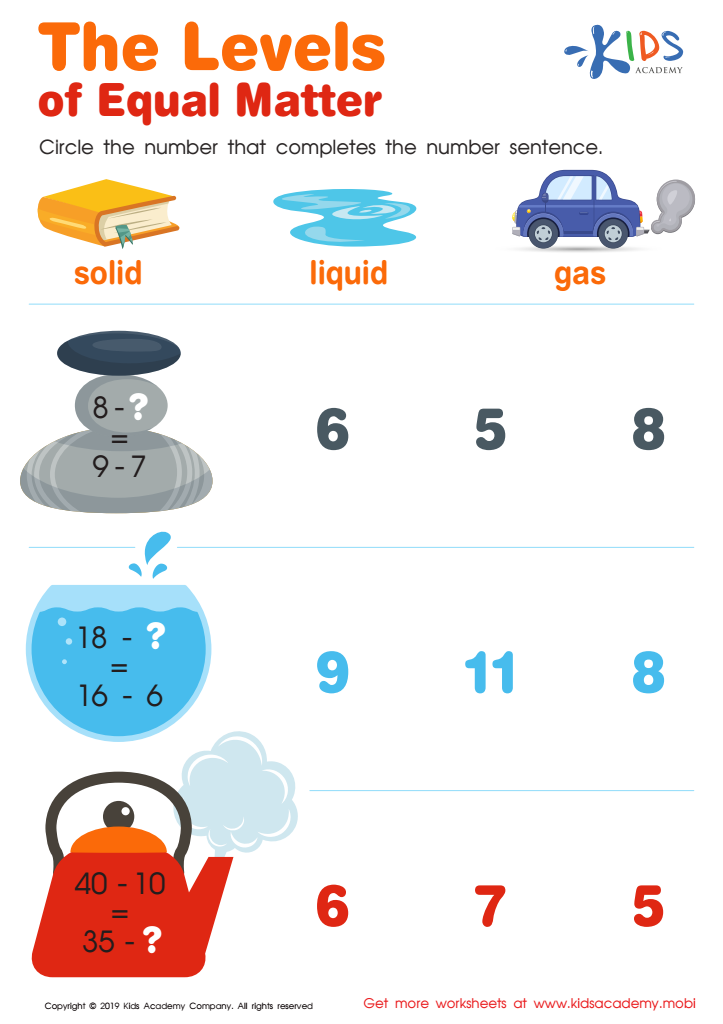
The Levels of Equal Matter Worksheet
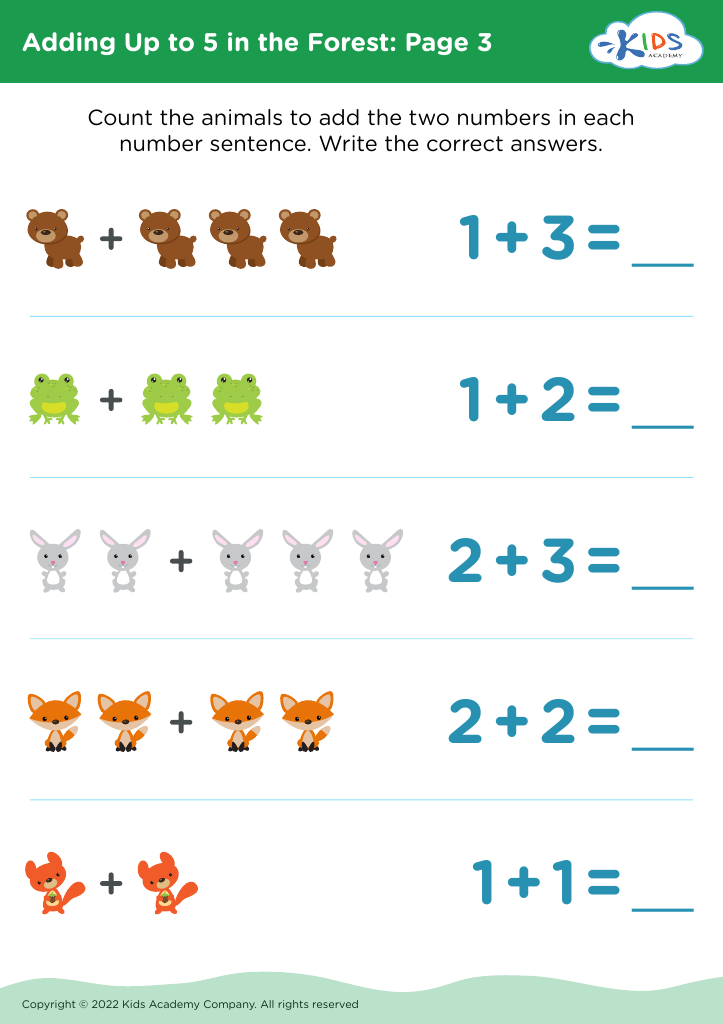


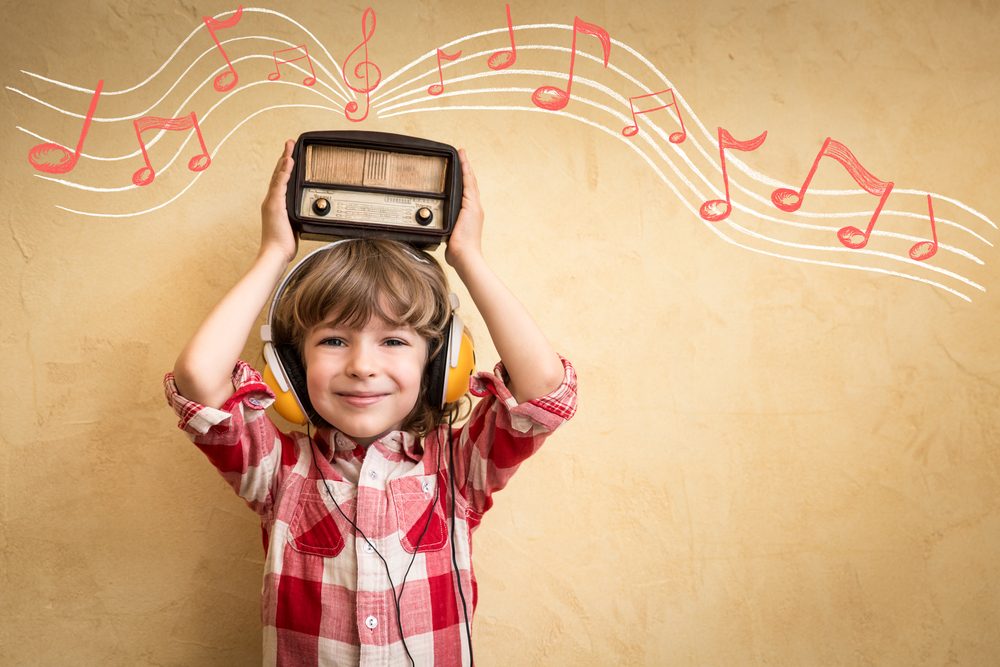



Understanding equality is crucial for children aged 4-9 as it lays the foundation for their development into empathetic and inclusive individuals. First and foremost, children are naturally inquisitive, often asking questions about fairness and differences. By discussing equality at an early age, parents and teachers can help children grasp the concept that every person deserves respect and opportunities, regardless of their background, abilities, or appearance.
Furthermore, fostering awareness of equality promotes a positive classroom and home environment. When children learn to appreciate variety and recognize injustice, they become more accepting of others, reducing instances of bullying, discrimination, and social conflict. This early education shapes their attitudes, encouraging collaboration and teamwork, which is vital during their formative years.
In addition, understanding equality supports social-emotional learning. Children who can identify and discuss issues of fairness are more likely to develop strong interpersonal skills and emotional intelligence. This growth enhances their problem-solving abilities, preparing them to navigate diverse social situations effectively.
Ultimately, instilling an understanding of equality not only benefits individual children but also strengthens communities, fostering a culture of inclusivity and mutual respect for future generations. Thus, both parents and teachers play pivotal roles in guiding young minds towards this essential understanding.








