Understanding sequence Worksheets for Ages 4-9
9 filtered results
-
From - To
Explore our "Understanding Sequence Worksheets" tailored for children ages 4-9, designed to enhance critical thinking and cognitive skills. These engaging worksheets help young learners grasp the concept of sequencing through fun and interactive activities. By organizing events, illustrations, or actions in a logical order, kids develop essential skills for comprehension and problem-solving. Our resources cater to various learning styles, ensuring that each child can grasp the sequence concept at their own pace. Perfect for teachers and parents alike, these worksheets offer a valuable educational tool to make learning enjoyable while fostering essential early literacy skills. Start building a strong foundation in sequencing today!
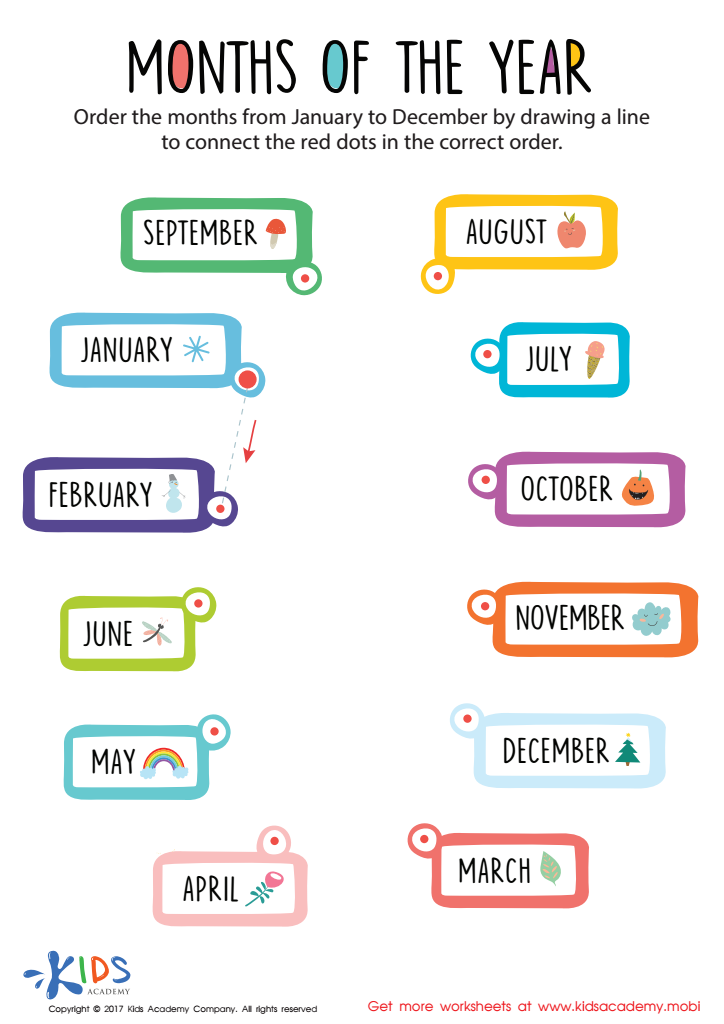
Months of the Year Worksheet
 Assign to My Students
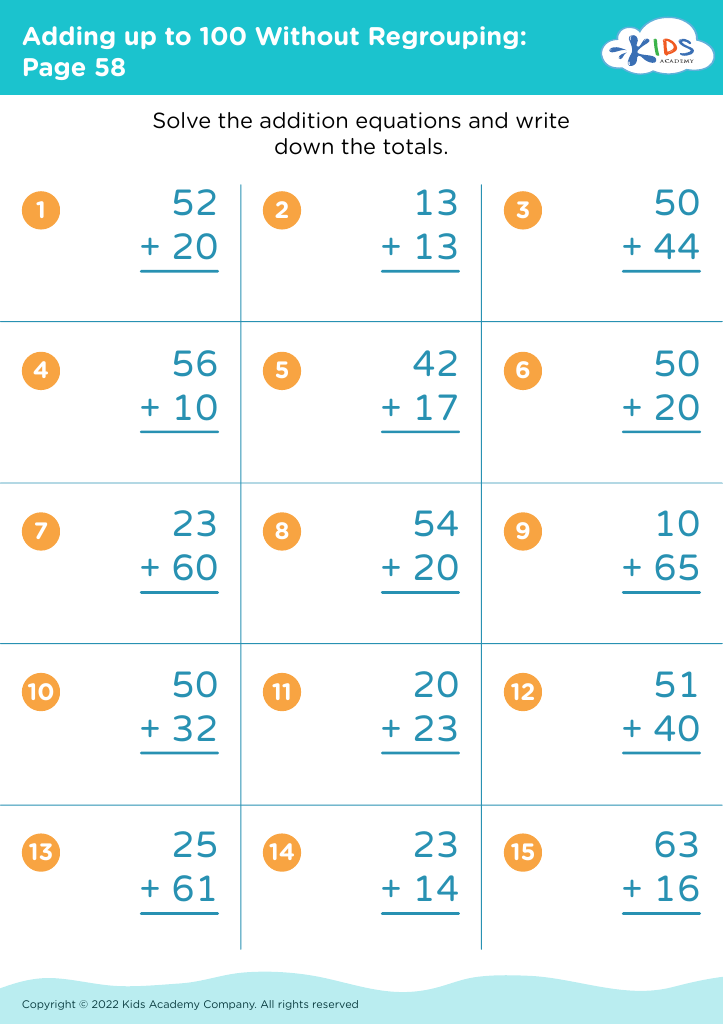
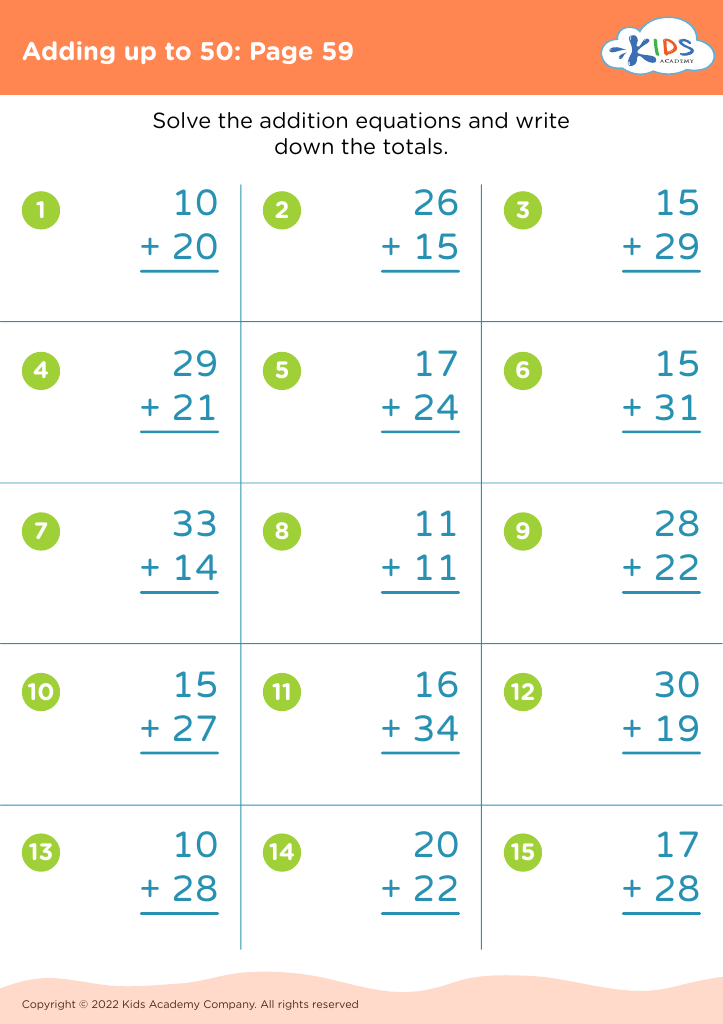
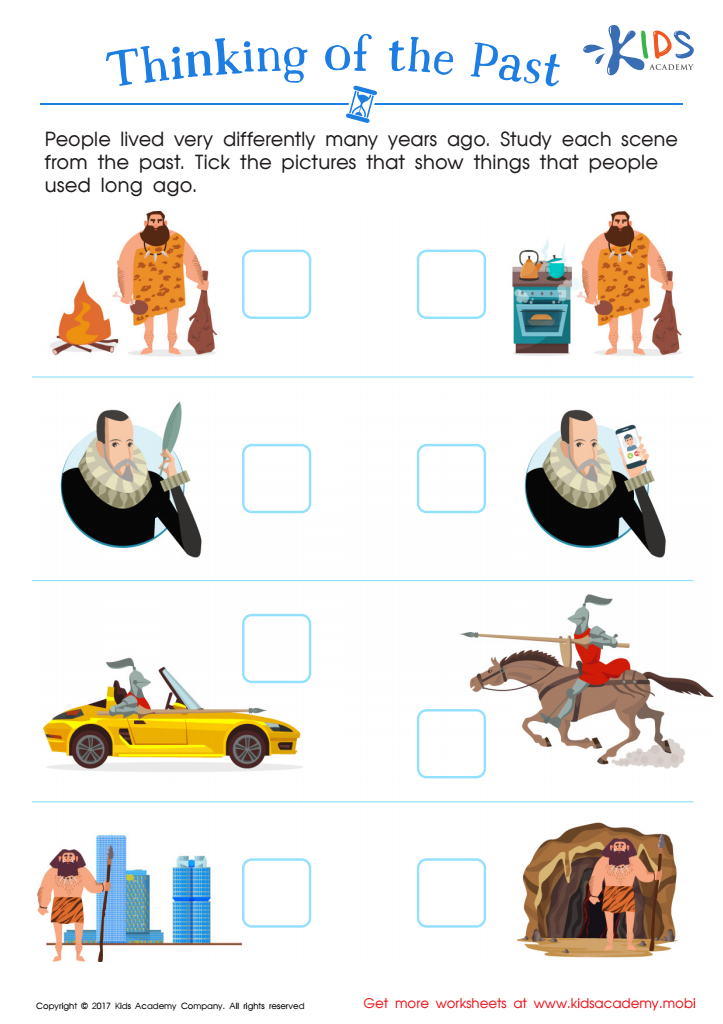
Thinking Past Printable
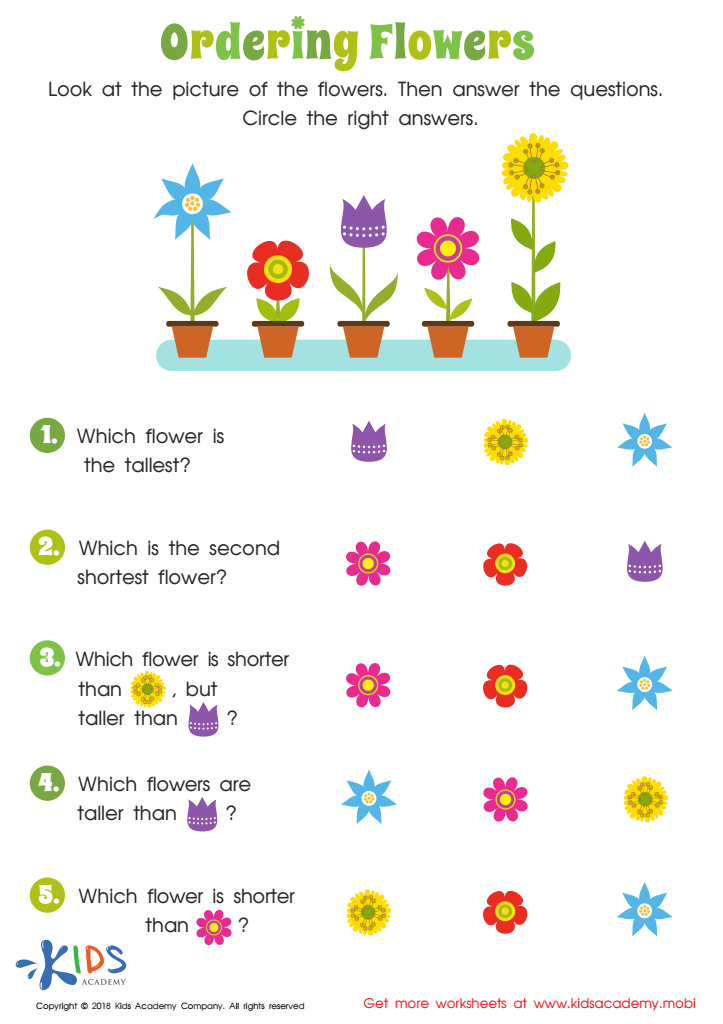
Ordering Flowers Worksheet
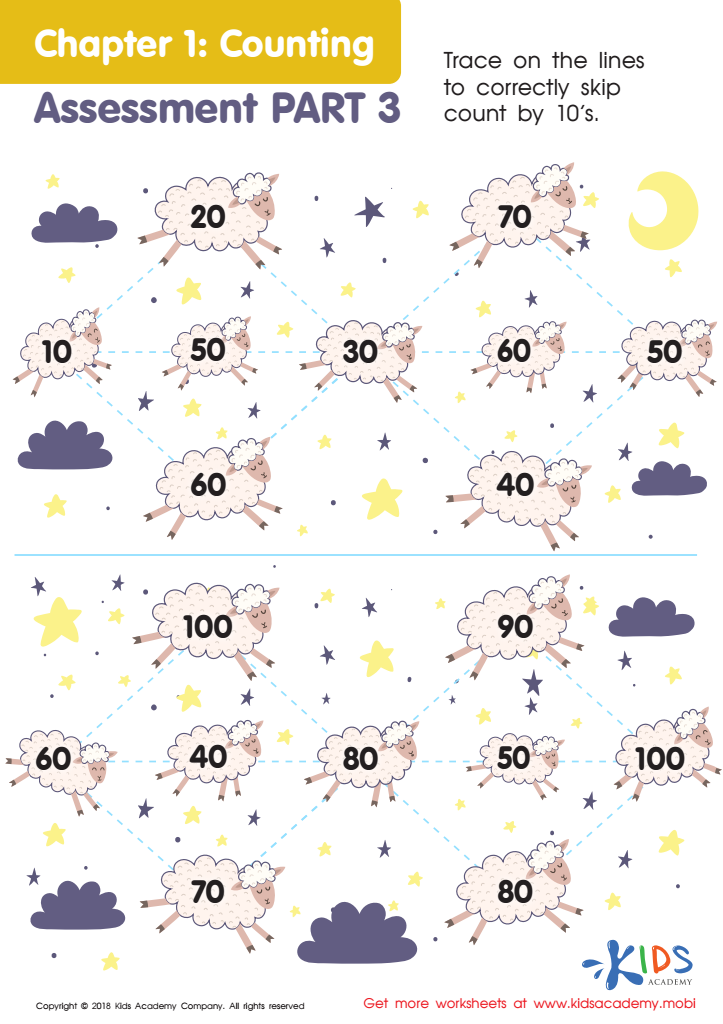
Counting: Assessment 3 Worksheet
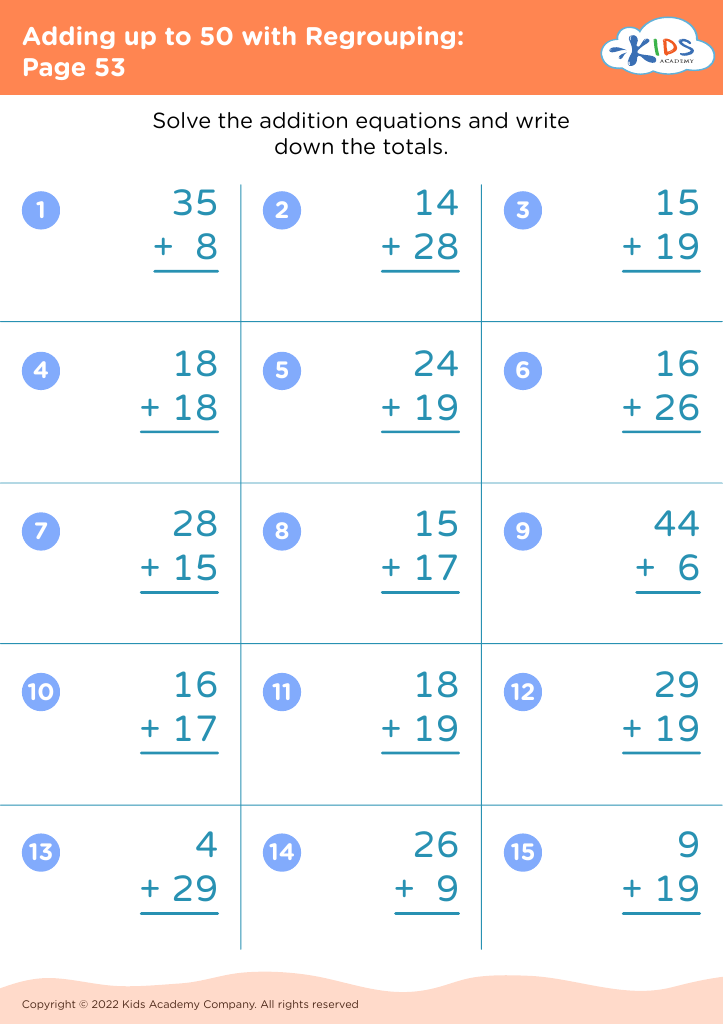
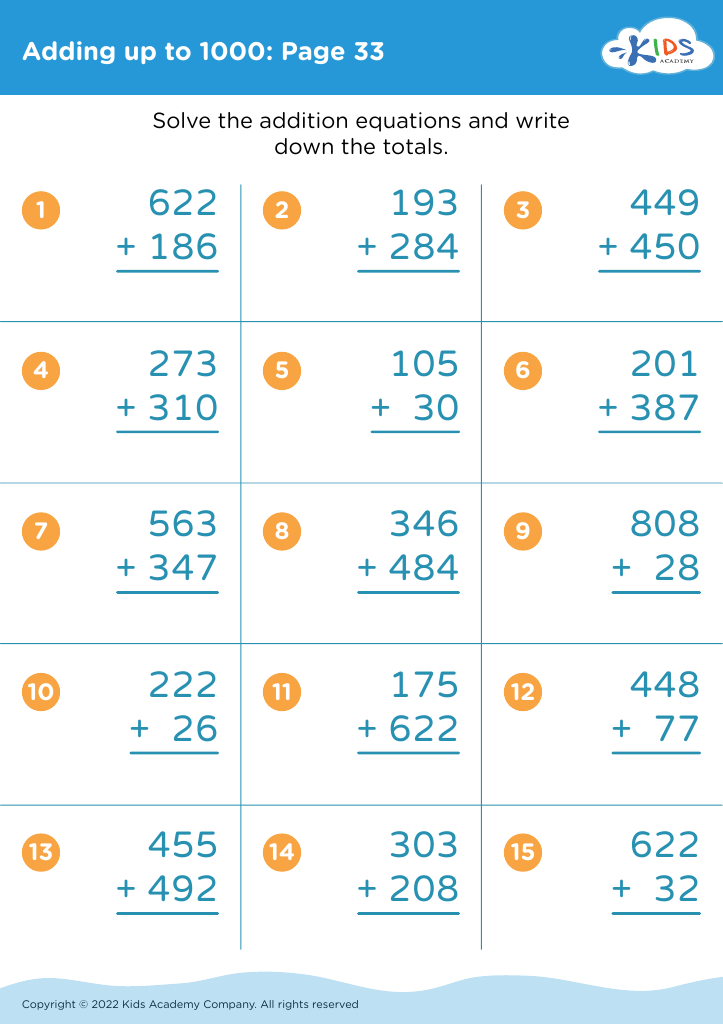








Understanding sequence is crucial for children aged 4-9 as it lays the foundation for essential cognitive and academic skills. Sequencing refers to the ability to arrange events or concepts in a logical order, helping children to understand cause and effect, predict outcomes, and follow narratives. This skill is directly linked to reading comprehension; children who can successfully sequence events within a story are better equipped to grasp its overall meaning and themes.
Moreover, sequencing enhances problem-solving abilities. When children learn to approach tasks step-by-step, they become more systematic in their thinking and decision-making. It also supports mathematical concepts, such as comparing numerical values and understanding patterns, which are vital at this developmental stage.
As children navigate social interactions, sequencing helps them understand routines and rules, promoting cooperative behaviors and appropriate responses in various situations. For parents and teachers, fostering sequencing through storytelling, games, and daily activities cultivates critical thinking skills, creativity, and self-discipline. Ultimately, emphasizing the importance of sequencing aids in developing well-rounded learners prepared for future academic challenges and real-world scenarios.








