Visual-motor skills Worksheets for Ages 4-9
6 filtered results
-
From - To
Enhance your child's visual-motor skills with our engaging worksheets designed for ages 4-9! Our resources are expertly crafted to blend fun and learning, promoting hand-eye coordination, fine motor control, and overall cognitive development. Featuring a variety of activities such as tracing, matching, and drawing, these worksheets encourage creativity while sharpening essential skills for academic success. Perfect for home or classroom use, our visual-motor skills worksheets provide an interactive approach to learning that captivates young minds. Help your child develop confidence and competence as they master crucial skills in a supportive and enjoyable environment. Discover the joy of learning today!
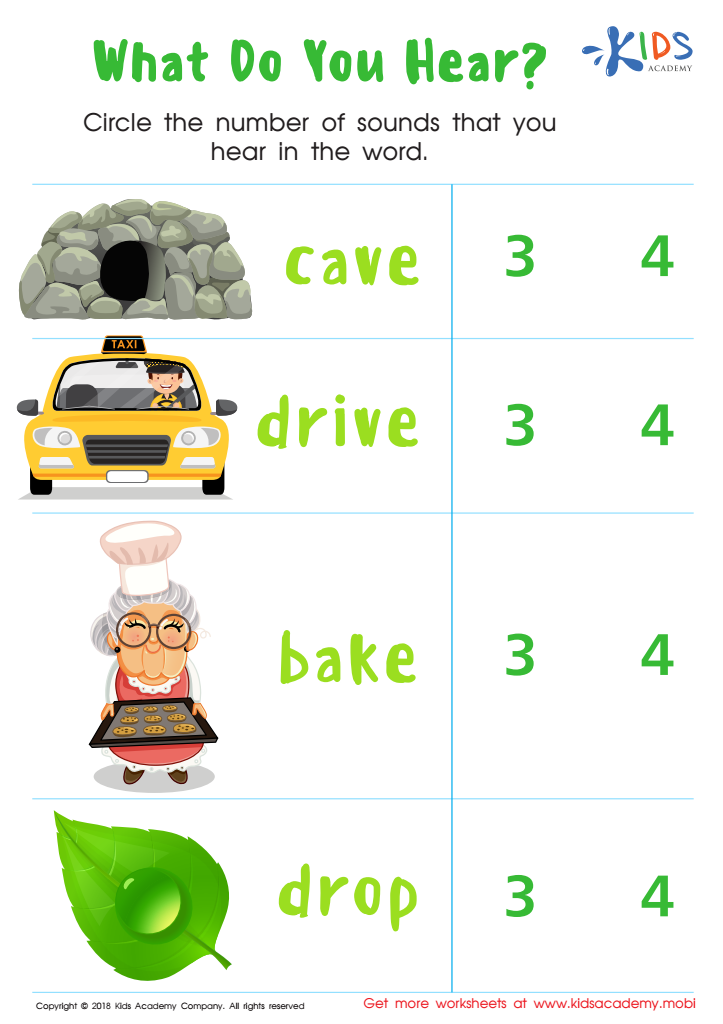
What Do You Hear? Worksheet
 Assign to My Students
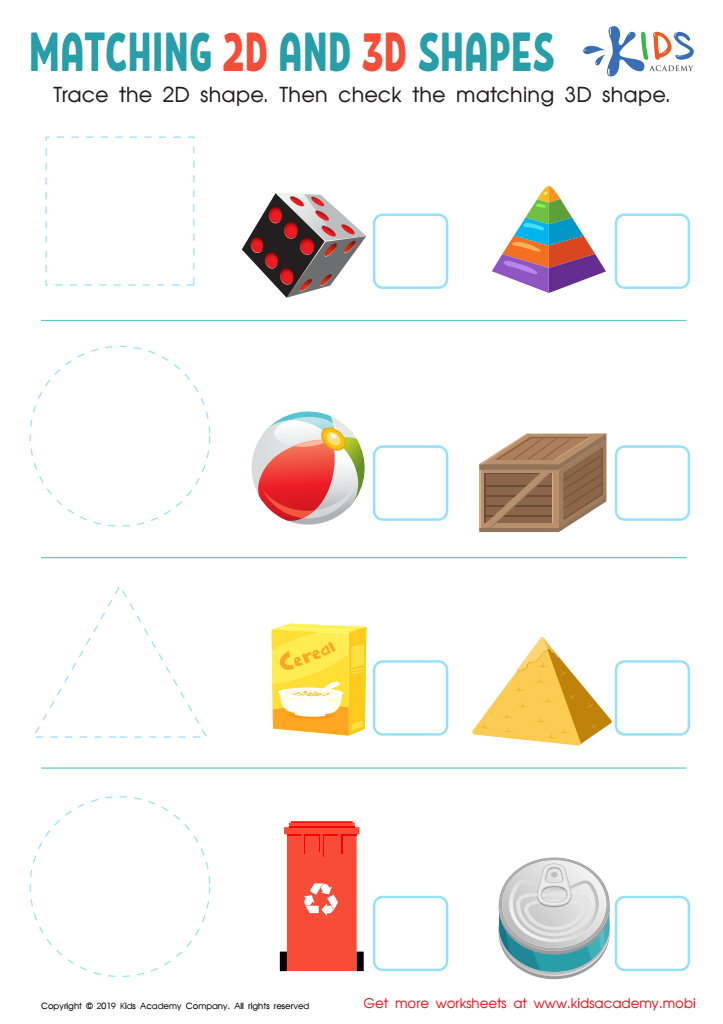
Matching 2D and 3D Shapes Worksheet
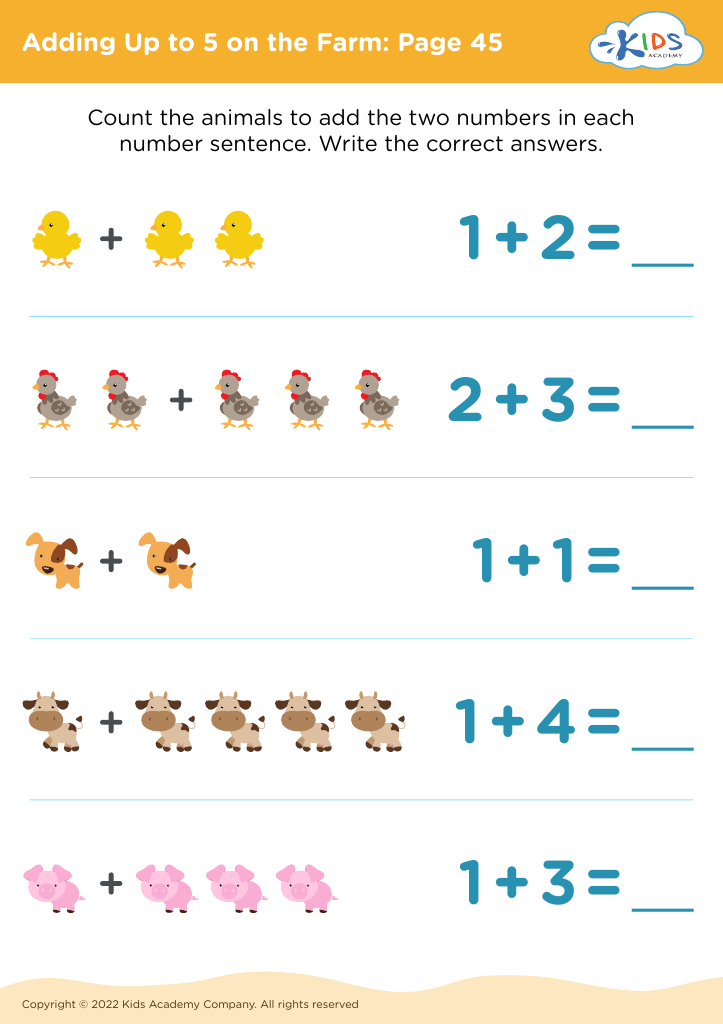
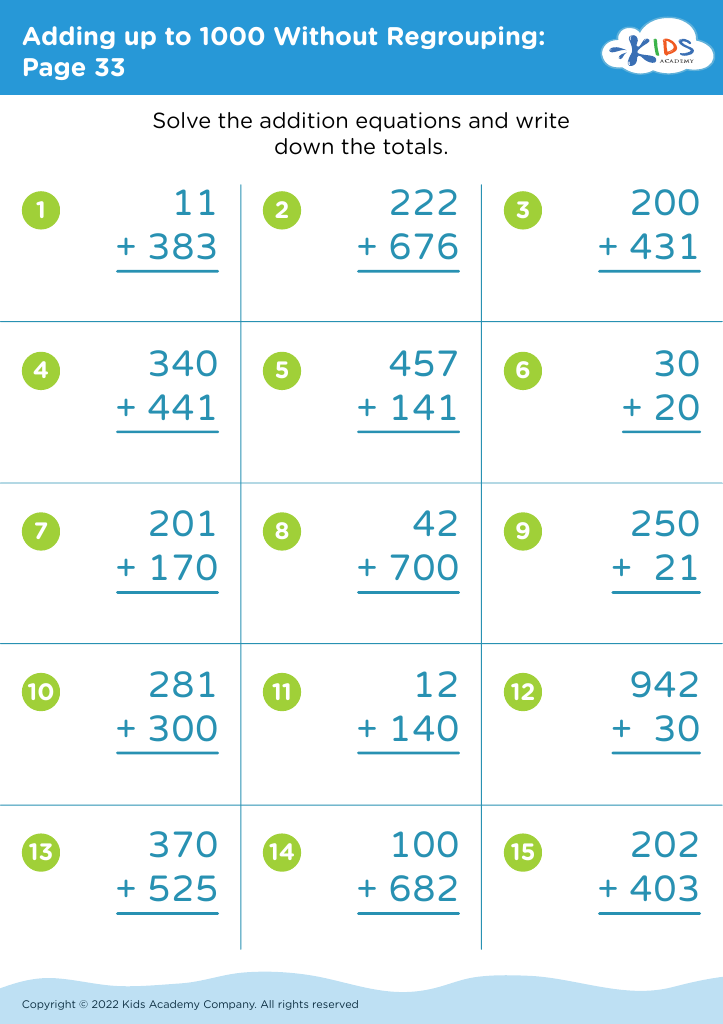








Visual-motor skills are crucial for children's overall development, especially between ages 4-9. During these formative years, children are preparing for academic challenges, and visual-motor skills significantly influence their ability to perform tasks like writing, drawing, and participating in sports. These skills pertain to the coordination of visual input with motor actions, enabling children to execute precise movements.
Parents and teachers should be particularly concerned about developing these skills, as they directly impact academic performance. Proficient visual-motor integration aids in handwriting legibility, which is especially important in early education when forming the foundation for effective communication and learning. Additionally, these skills enhance a child’s ability to follow instructions, complete puzzles, or partake in classroom activities, fostering social interactions and boosting self-esteem.
Moreover, solid visual-motor integration encourages the development of critical thinking and problem-solving abilities as children learn to interpret visual information and translate it into action. Therefore, nurturing these skills through games, arts, and hands-on activities benefits children, fostering a well-rounded foundation for lifelong learning. Investing time in the development of visual-motor skills equips parents and teachers to support children’s growth, both academically and socially, aiding their journey towards becoming confident learners.








