
Color differentiation Addition & Subtraction Worksheets for Ages 4-9
3 filtered results
Difficulty Level
Grade
Age
-
From - To
Subject
Activity
Standards
Unlock the world of math with our engaging Color Differentiation Addition & Subtraction Worksheets for children ages 4-9! Designed to make learning fun, these worksheets incorporate vibrant colors to help young learners visually distinguish between different mathematical concepts. By associating colors with numbers, children strengthen their understanding of addition and subtraction while enhancing their cognitive skills. Each worksheet offers a mix of creative exercises that promote concentration and boost confidence in math. Perfect for classroom use or at-home learning, our Color Differentiation worksheets make mastering early math skills a delightful experience for kids. Get started today and watch your child thrive!
Favorites
With answer key
Interactive
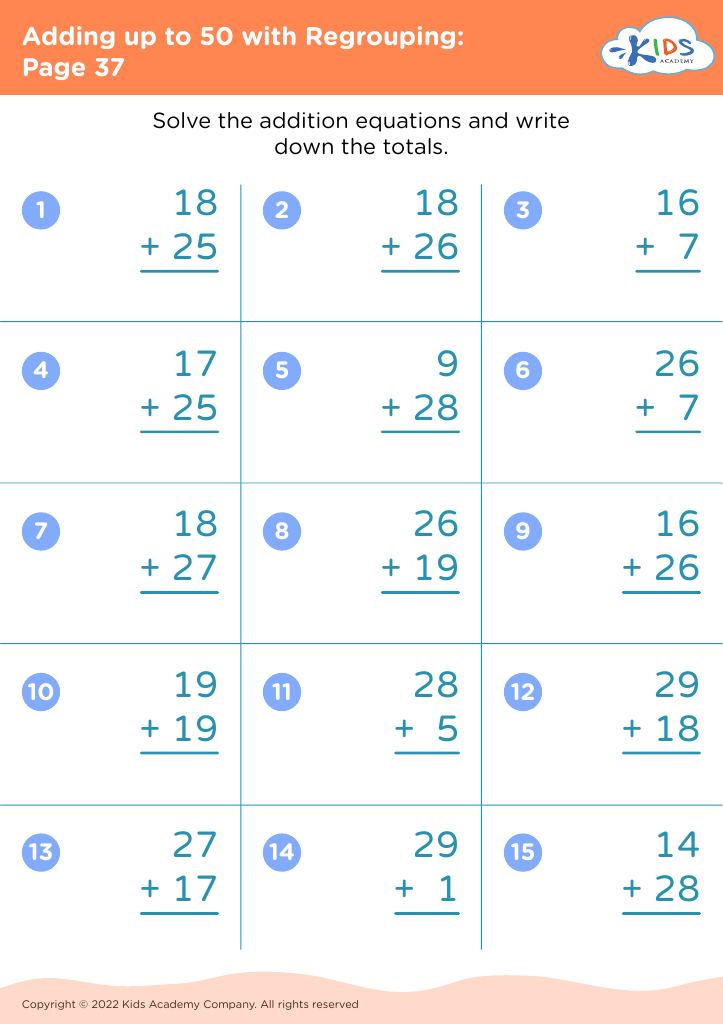
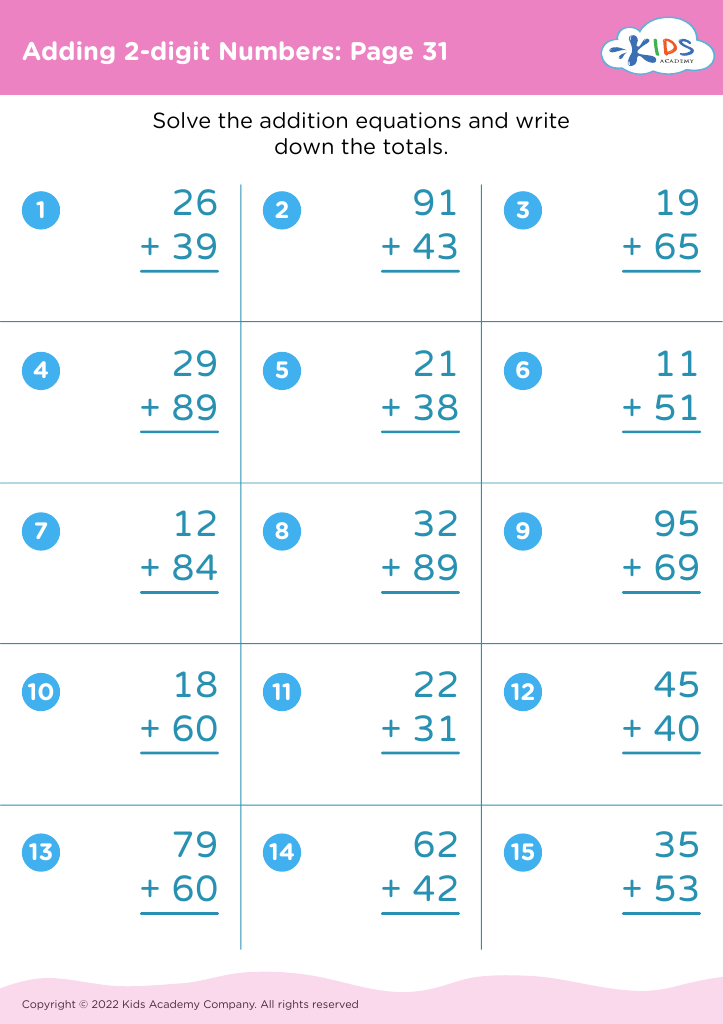
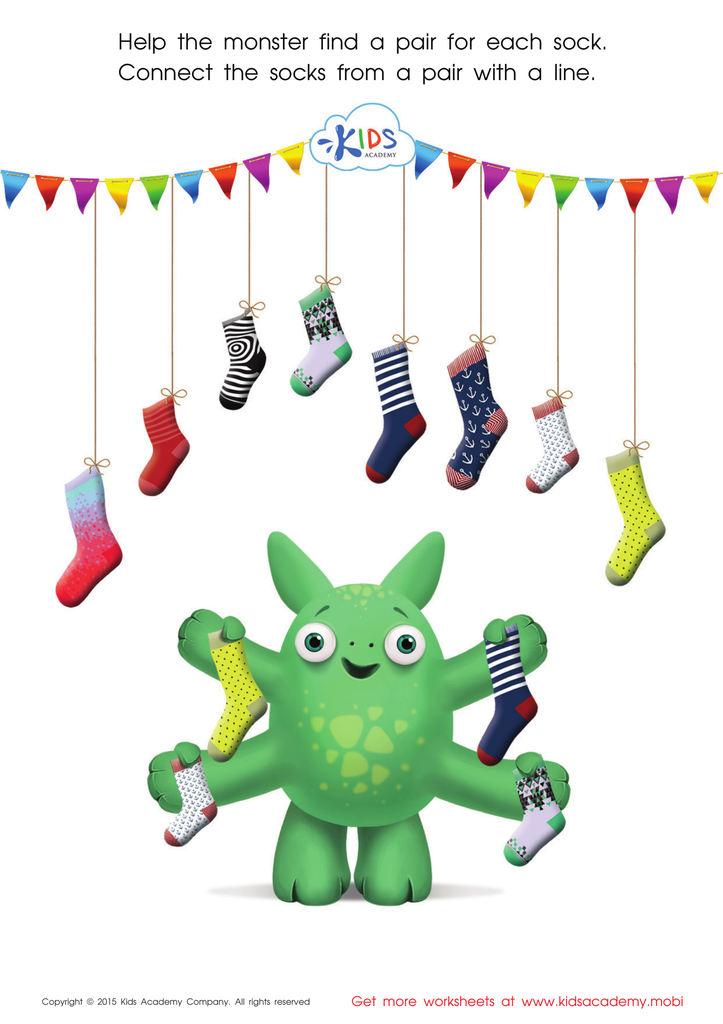
Math Matching Pairs Game: Monsterв's Socks Worksheet
Let your child learn, concentrate and practice sorting skills with this fun kindergarten worksheet. Matching polka dots, anchors, geo shapes and stripes on Monster's socks will help improve fine motor skills. Download and print this free worksheet and several others on different topics.
Math Matching Pairs Game: Monsterв's Socks Worksheet
Worksheet
Join Kids Academy for Free
Who is primarily going to use this learning content?








Color differentiation in addition and subtraction for children aged 4-9 is a valuable teaching tool that helps young learners grasp foundational math concepts in an engaging and intuitive way. At this age, children are often visual and kinesthetic learners, meaning they benefit immensely from seeing and physically interacting with what they are learning. By incorporating color coding into math problems, educators and parents can help children differentiate between various elements of addition and subtraction, such as numbers, operations, and outcomes.
Using colors can make abstract concepts more concrete; for example, using red for addition and blue for subtraction reinforces the different operations' meanings. It also stimulates memory retention, as visual cues aid recall far better than text alone. Additionally, incorporating color can foster a sense of accomplishment; children may delight in organizing their work in bright, structured formats that make learning feel playful rather than arduous.
Moreover, this approach encourages critical thinking and problem-solving as students learn to track their processes visually. By embracing color differentiation, parents and teachers support not only math skills but also creativity and motivation, ultimately laying a strong foundation for a child's future mathematical understanding.








