
Develop analytical thinking Addition & Subtraction Worksheets for Ages 4-9
3 filtered results
Difficulty Level
Grade
Age
-
From - To
Subject
Activity
Standards
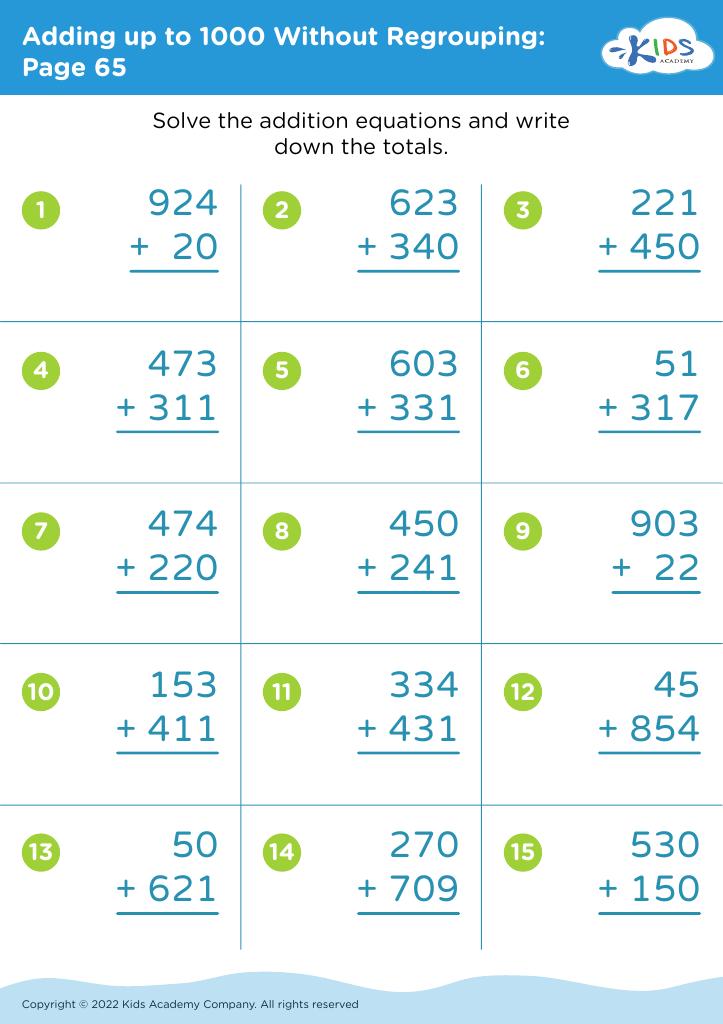
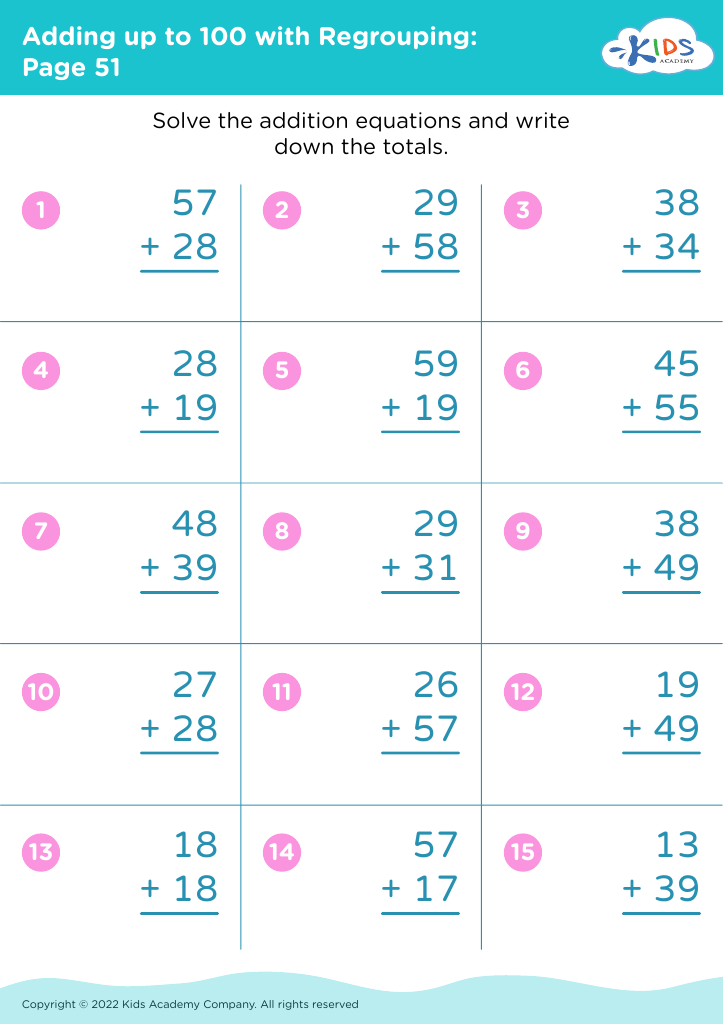
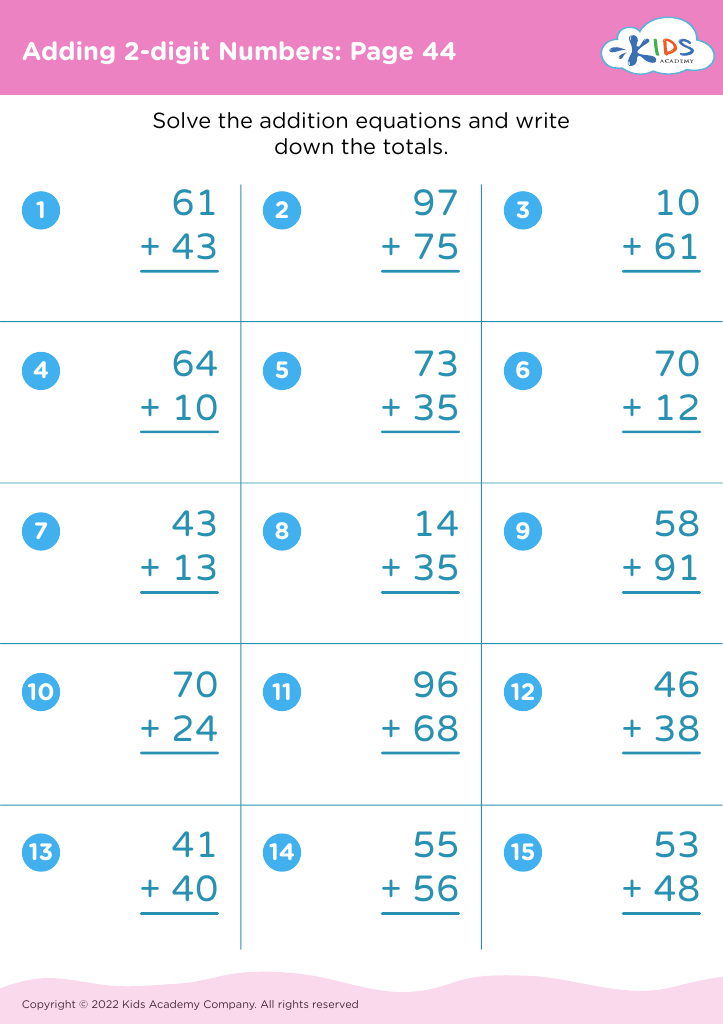
Explore our engaging Addition and Subtraction Worksheets designed for children aged 4-9, aimed at enhancing analytical thinking skills. These thoughtfully crafted resources promote problem-solving and critical analysis through fun, interactive exercises. Perfect for early learners, our worksheets encourage students to identify patterns, make connections, and approach math with confidence. Each activity is tailored to various skill levels, ensuring that every child can progress and challenge themselves. Foster a love for math while developing essential analytical skills that lay the groundwork for future academic success. Visit us to discover a wealth of printable resources that make learning enjoyable and effective!
Favorites
With answer key
Interactive
Join Kids Academy for Free
Who is primarily going to use this learning content?








Developing analytical thinking skills in young children, particularly in areas like addition and subtraction, is crucial for their overall cognitive growth. For parents and teachers, fostering these skills not only enhances mathematical understanding but also cultivates problem-solving abilities that extend beyond math. At ages 4-9, children are at a vital stage of brain development where they are highly receptive to learning.
When children practice addition and subtraction, they learn to analyze problems, recognize patterns, and apply logical reasoning. This foundational knowledge supports their future academic success, enabling them to tackle more complex concepts in higher grades. Furthermore, analytical thinking nurtures perseverance, as children learn to approach problems methodically—bouncing back from errors by reassessing their strategies.
In addition to academic benefits, strong analytical skills contribute to everyday decision-making. Children who think critically are better prepared to navigate challenges, from simple choices during playtime to more significant issues in school. By prioritizing analytical thinking skills tied to addition and subtraction, parents and teachers play a vital role in equipping children with tools they will use throughout their lives, promoting not just mathematic proficiency but holistic development. Investing in these skills lays a robust foundation for lifelong learning and adaptability.








