
Improve math skills Addition & Subtraction Worksheets for Ages 4-9
18 filtered results
Difficulty Level
Grade
Age
-
From - To
Subject
Activity
Standards
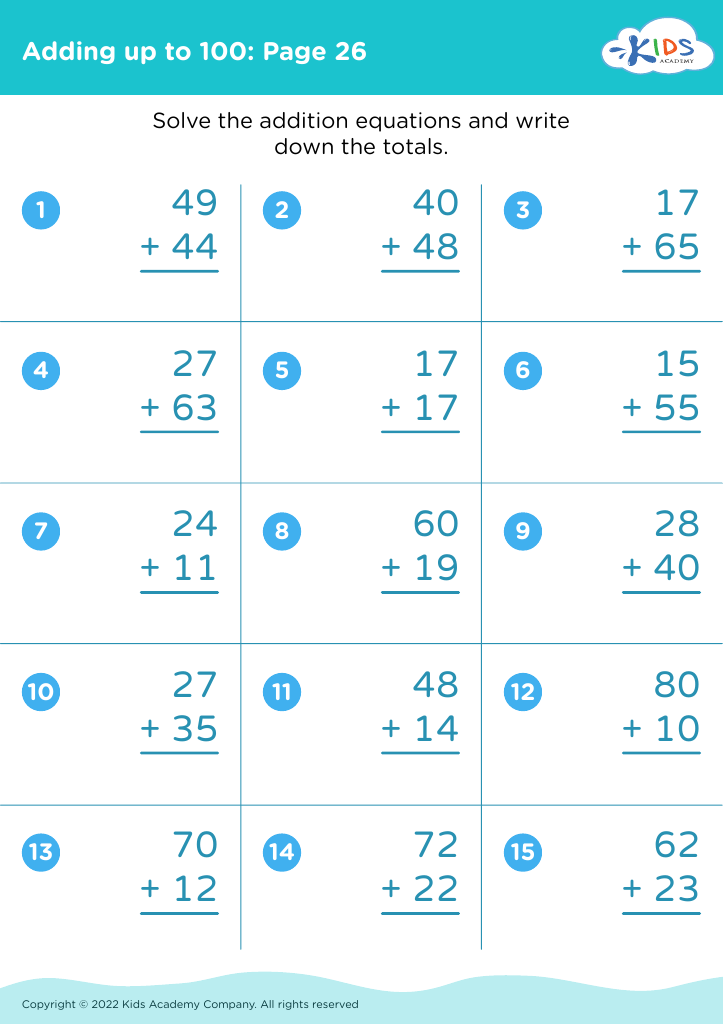
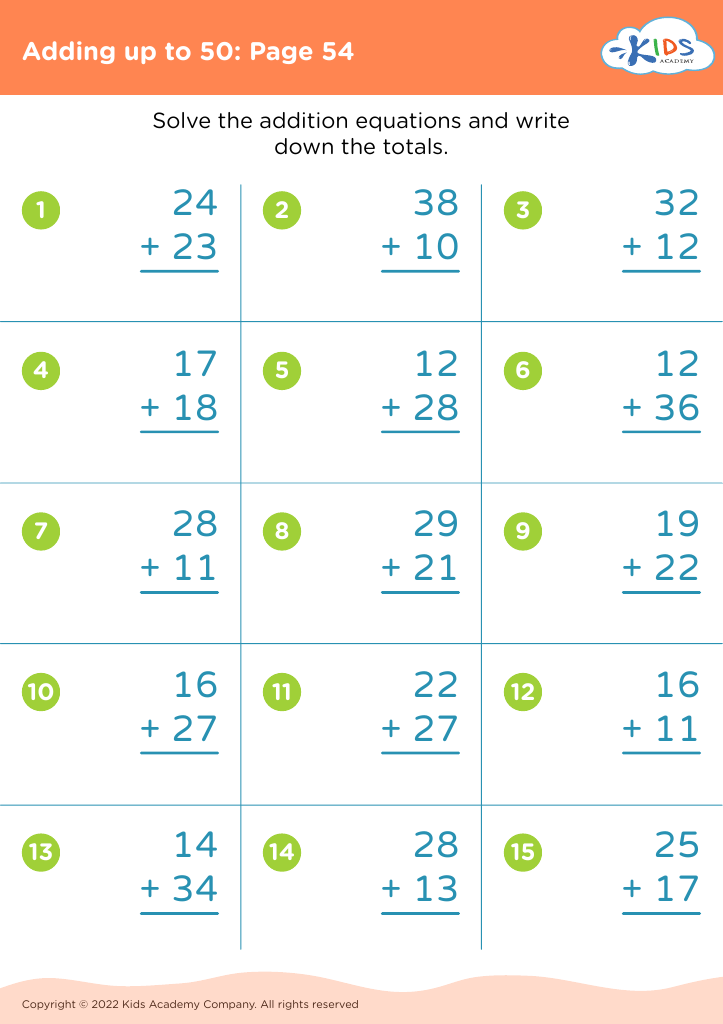
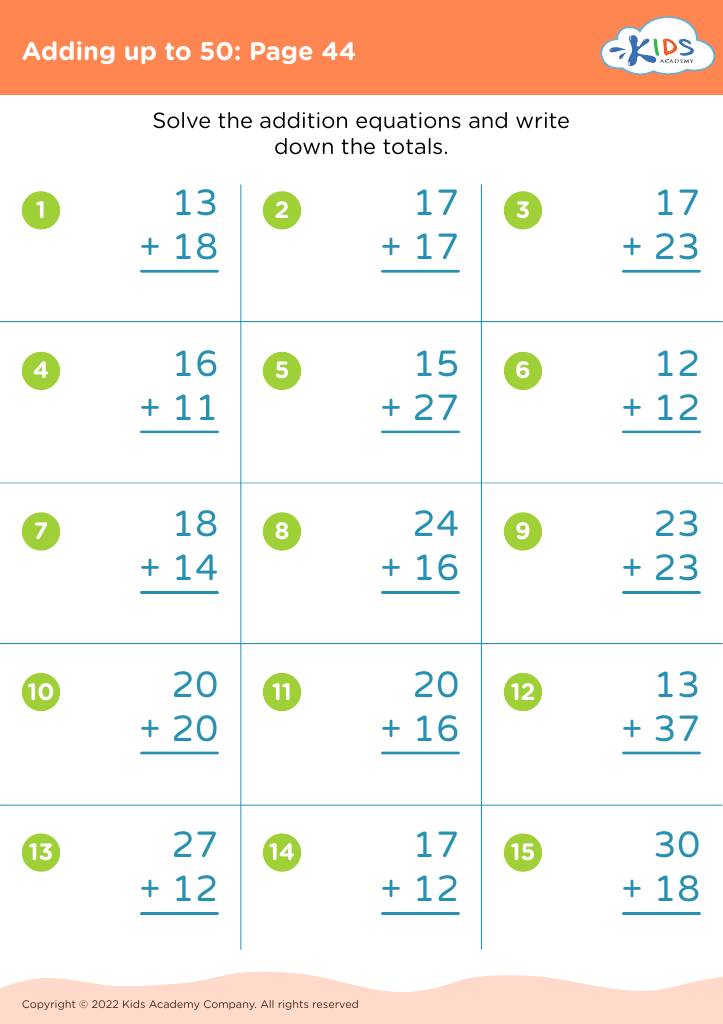
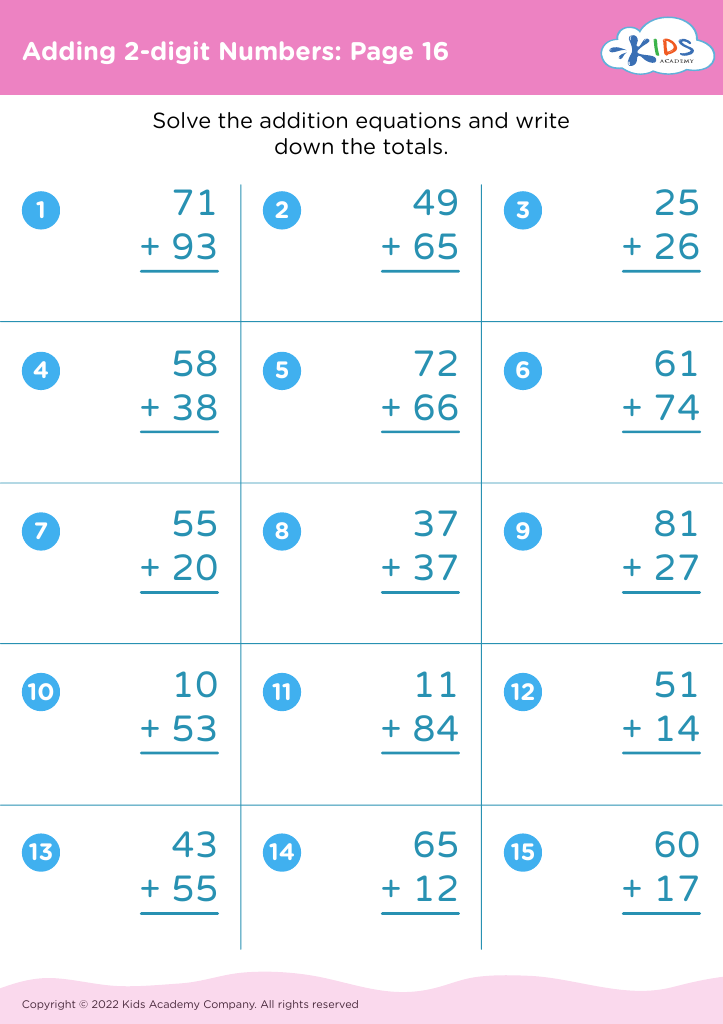
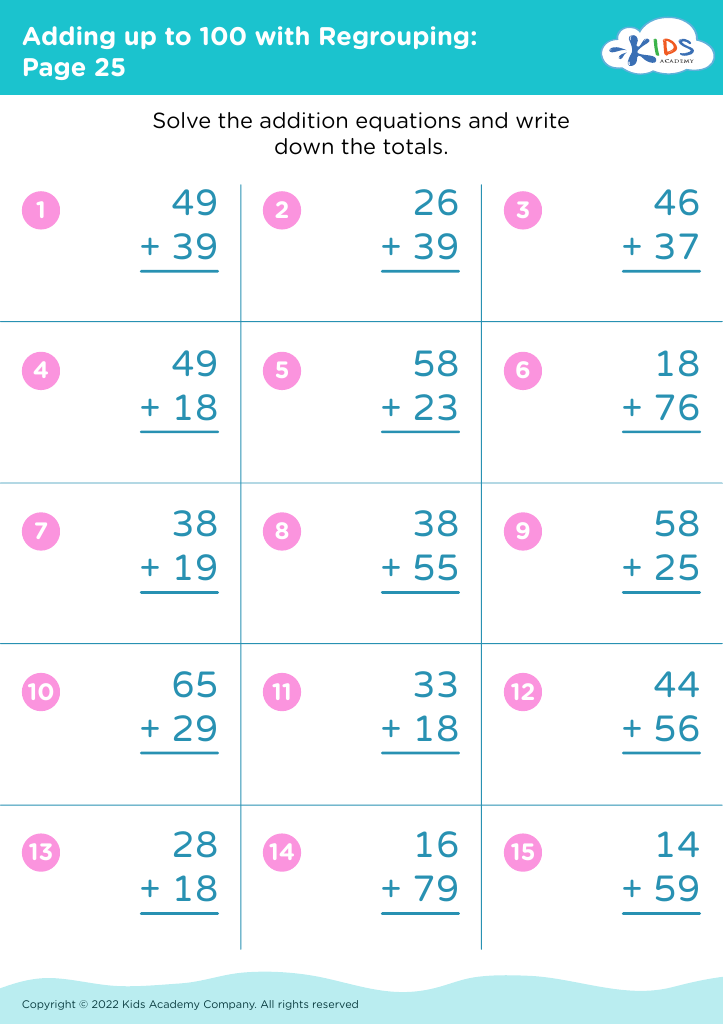
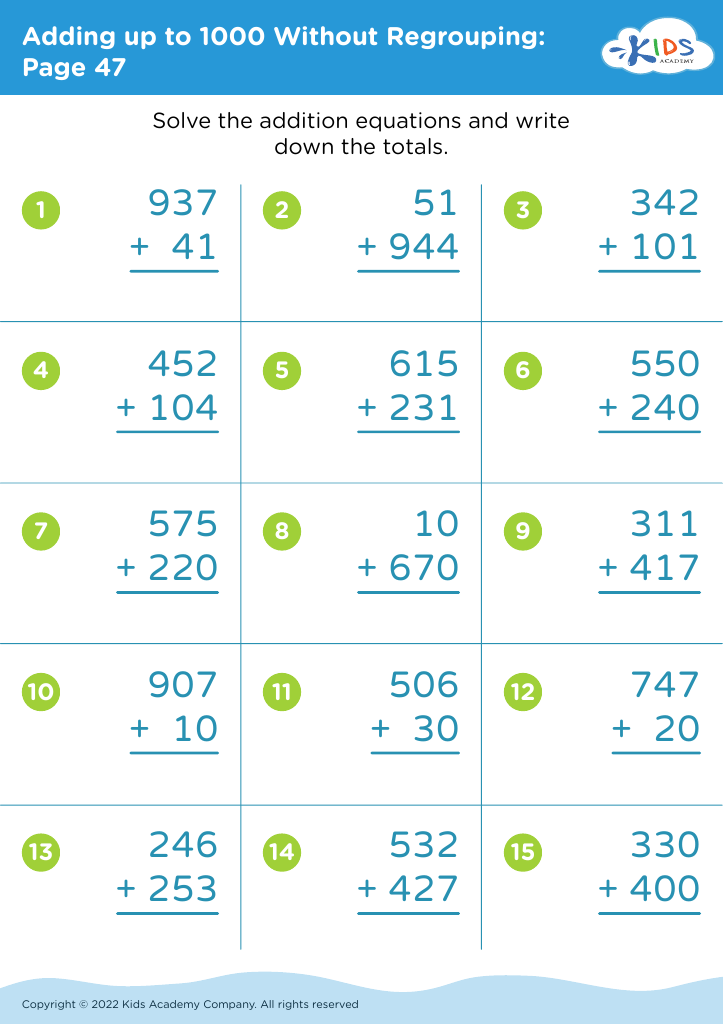
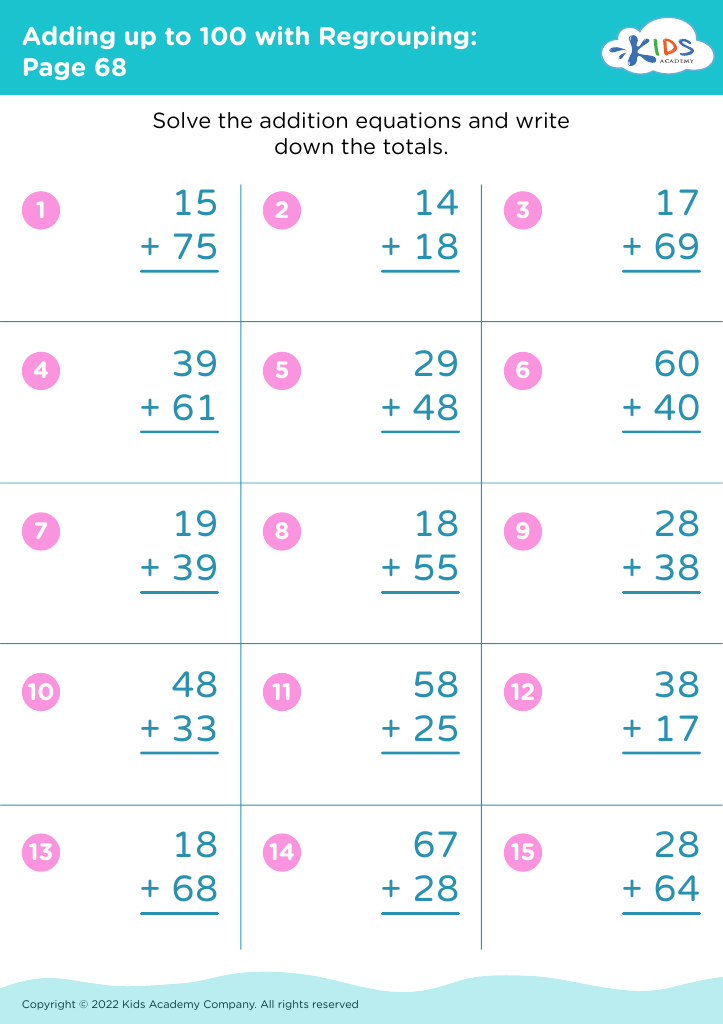
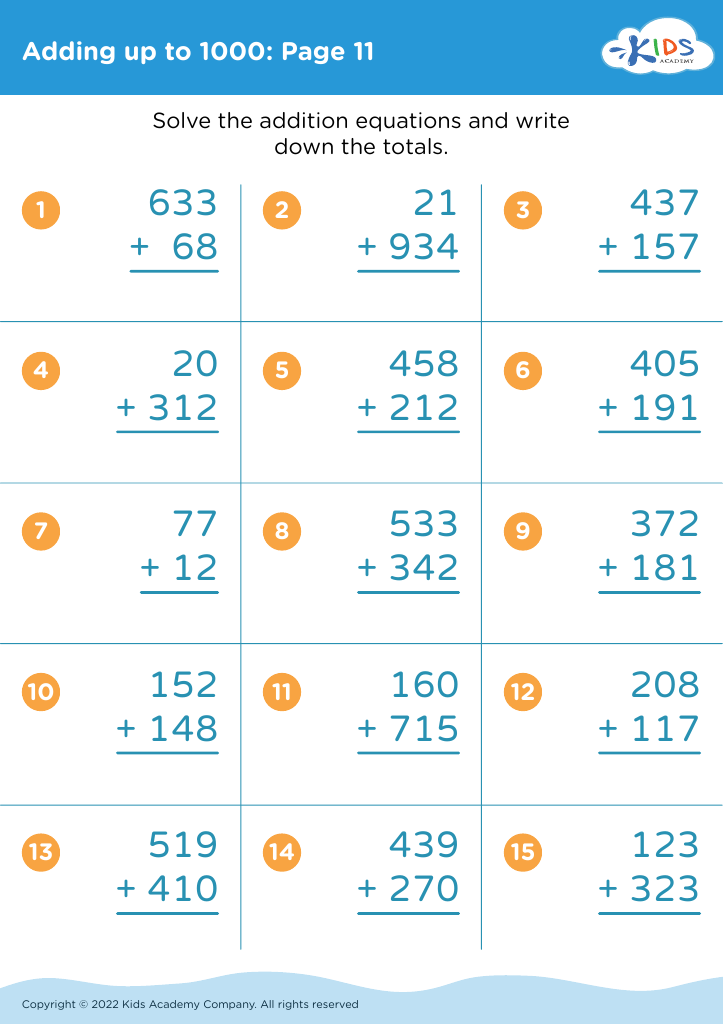
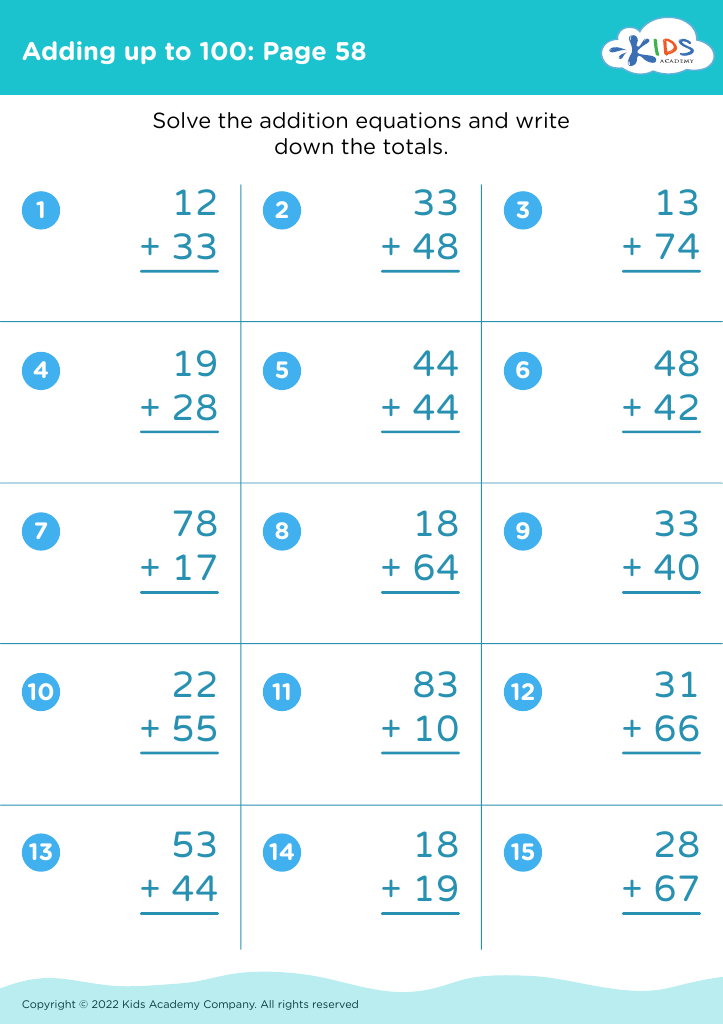
Enhance your child's math skills with our engaging Addition and Subtraction Worksheets designed specifically for ages 4-9. These fun and interactive worksheets provide opportunities to develop essential mathematical concepts through colorful illustrations and relatable scenarios. Students will practice counting, number recognition, and basic operations, building their confidence along the way. With step-by-step instructions and a variety of activities, kids will enjoy practicing essential math facts. Our resources are tailored to cater to various learning styles, making it easy for parents and educators to support young learners. Unlock your child’s potential and make math fun today! Explore our collection now!
Favorites
With answer key
Interactive
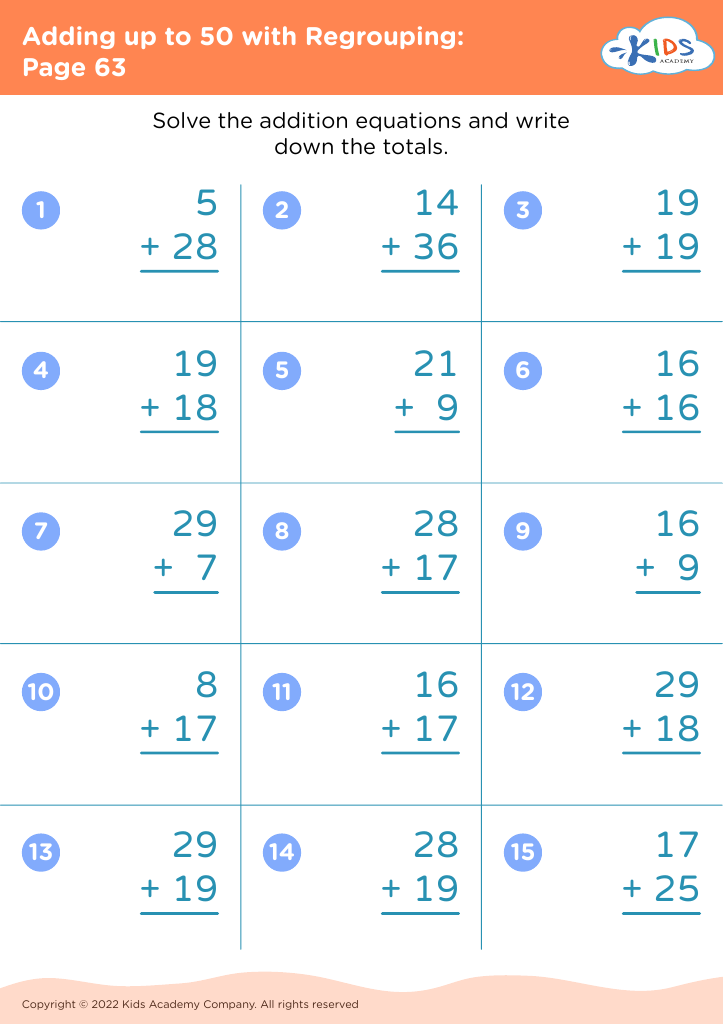
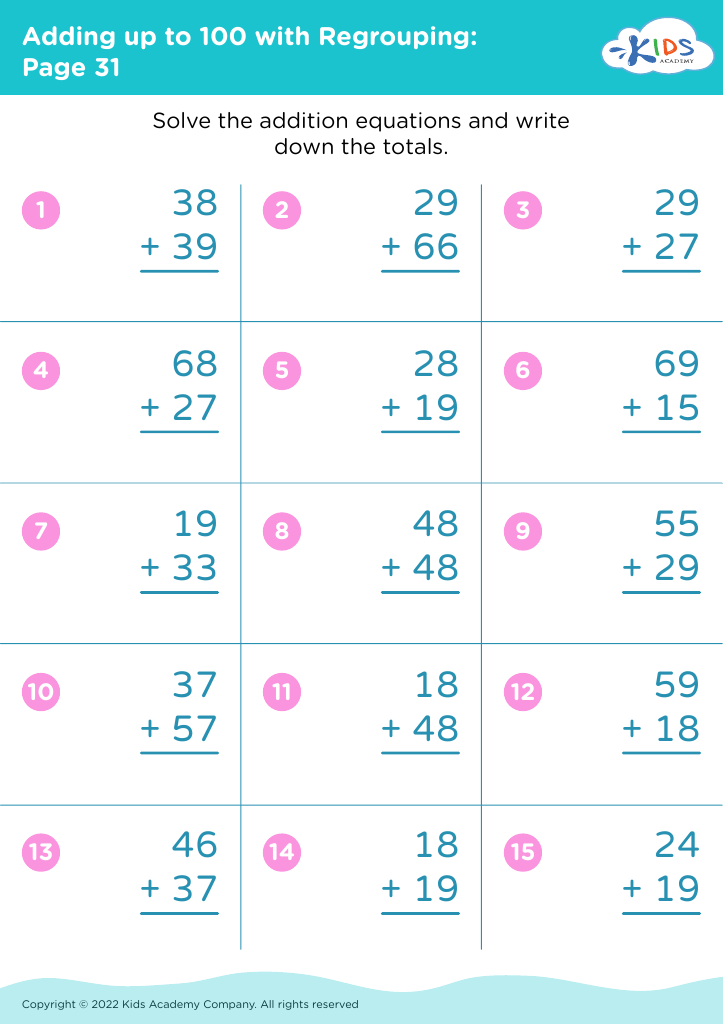
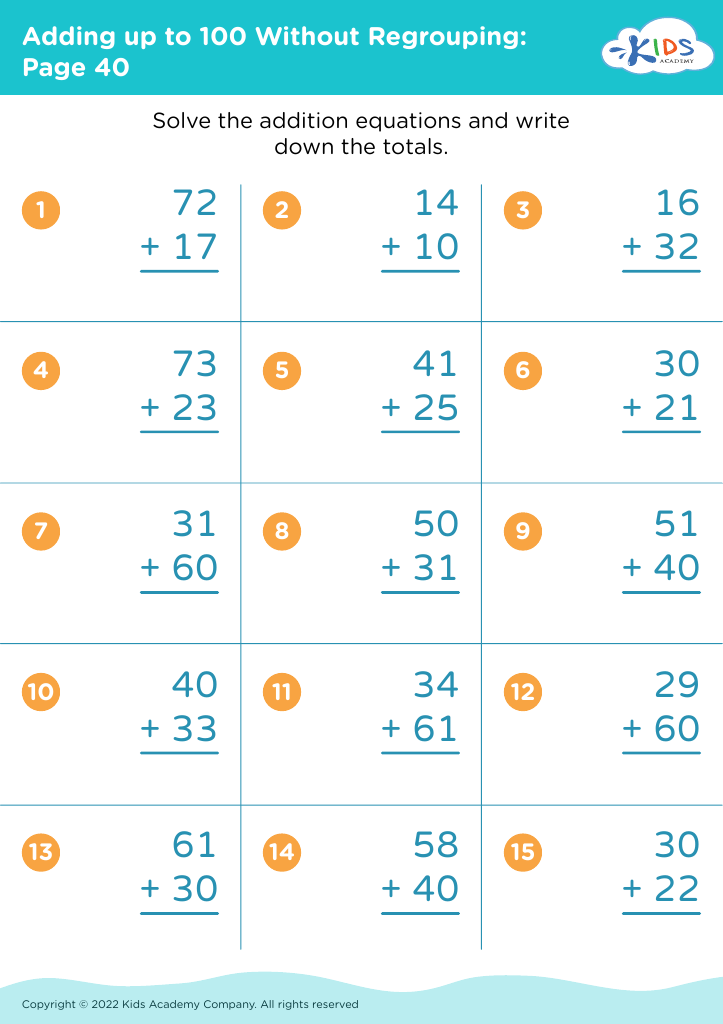
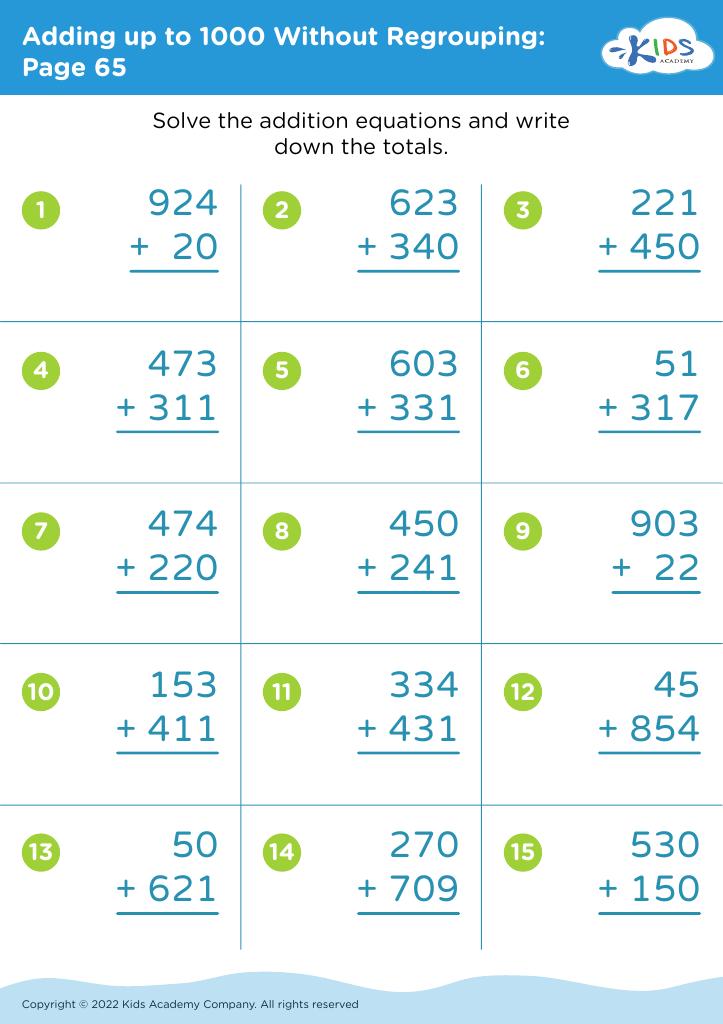
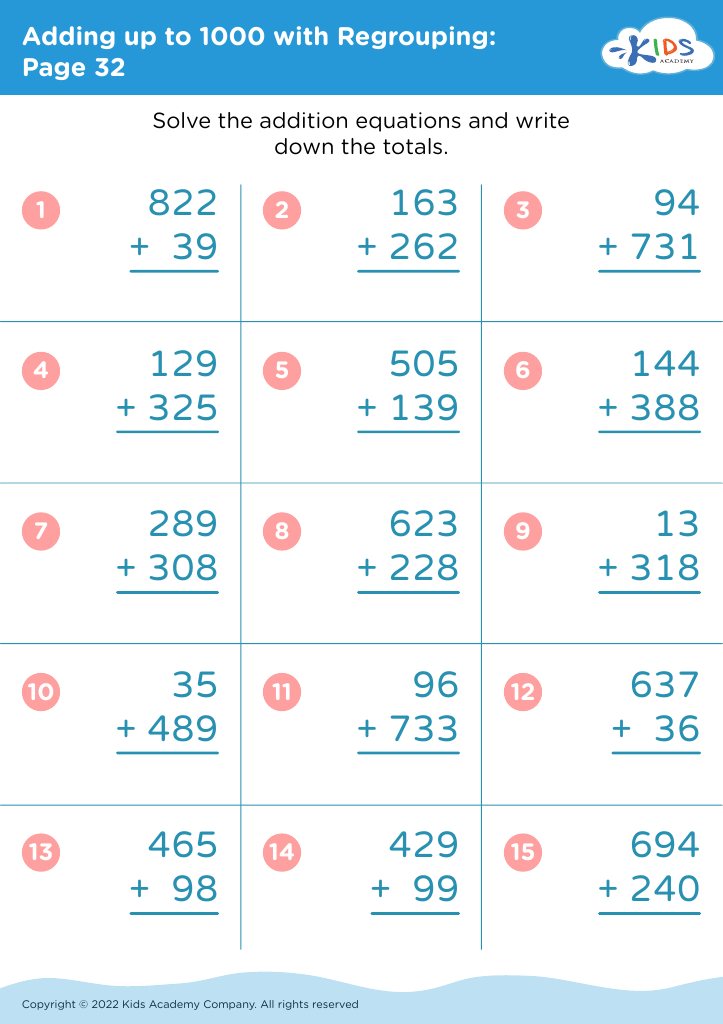
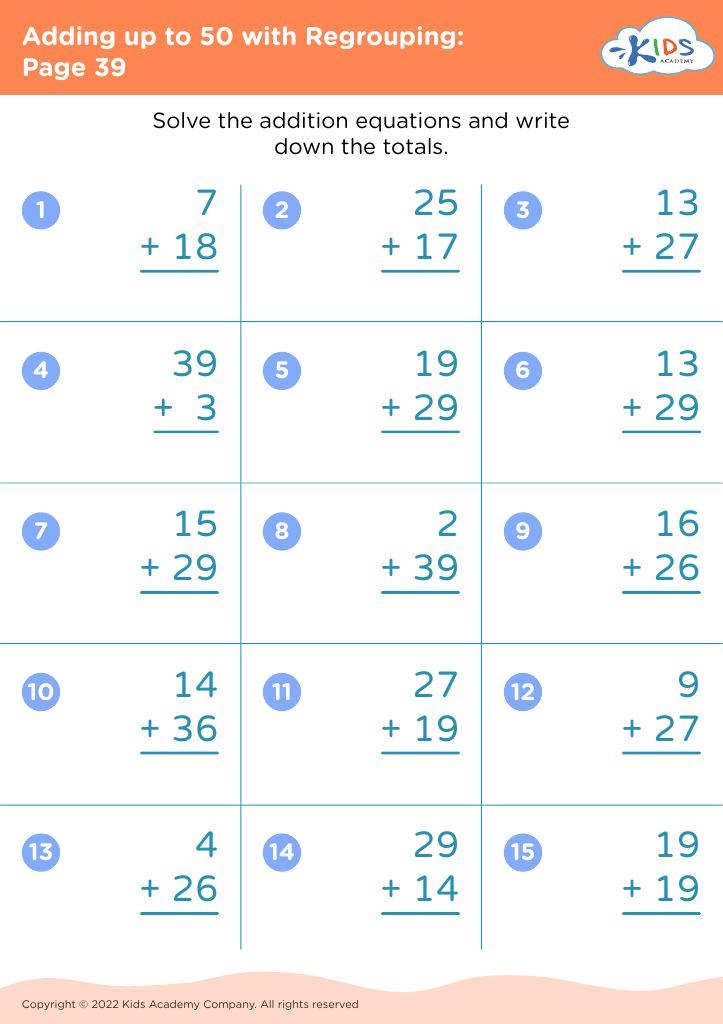
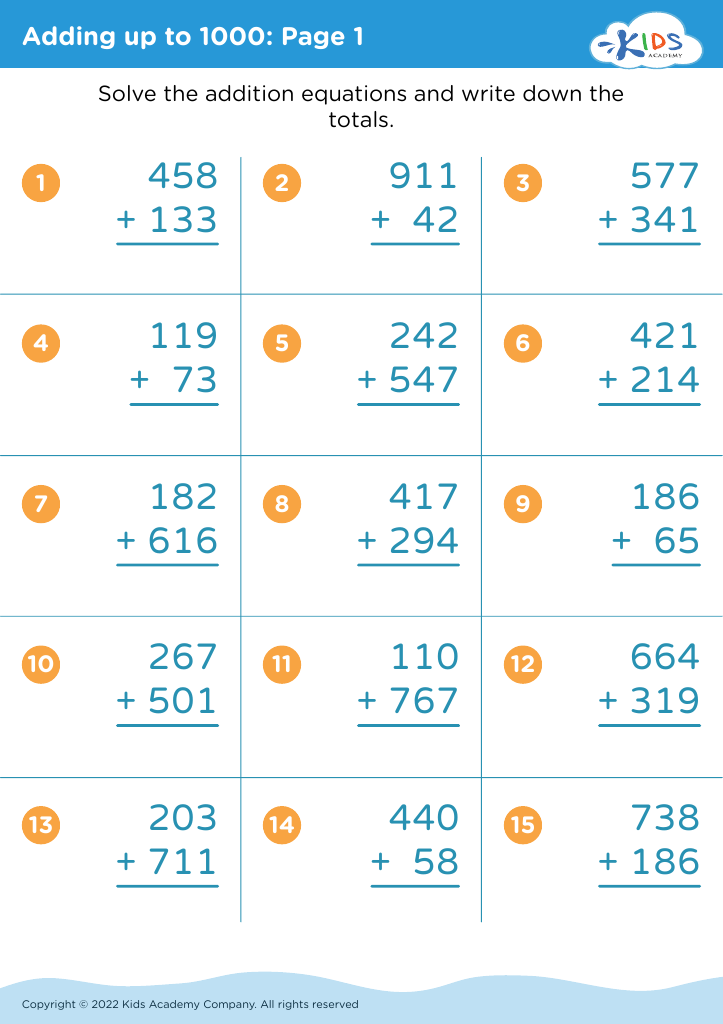
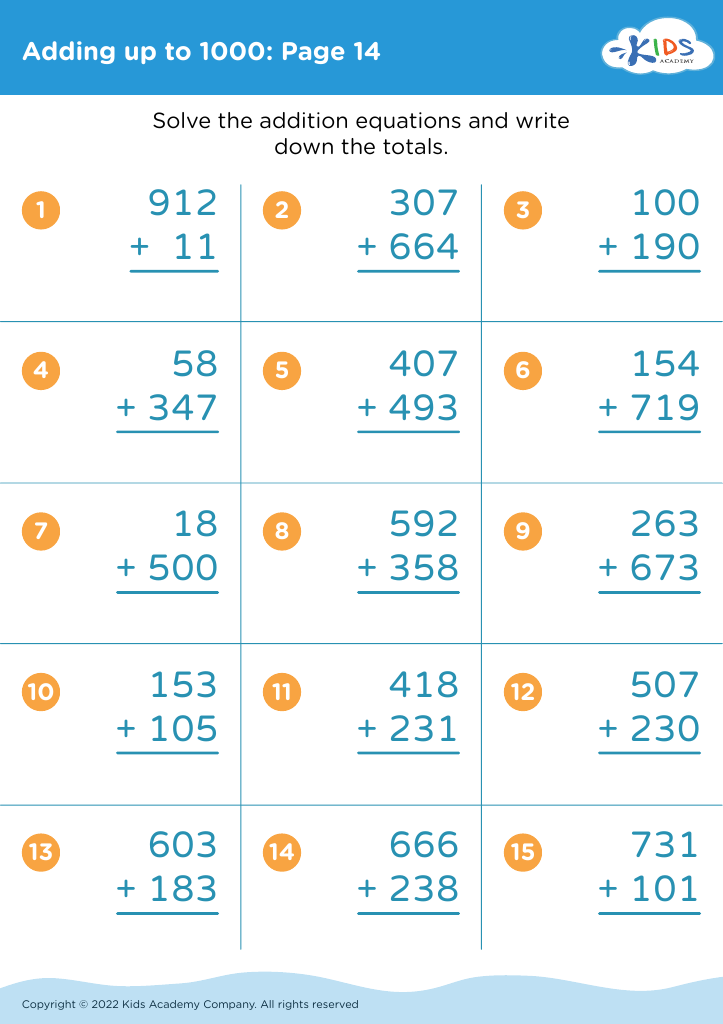
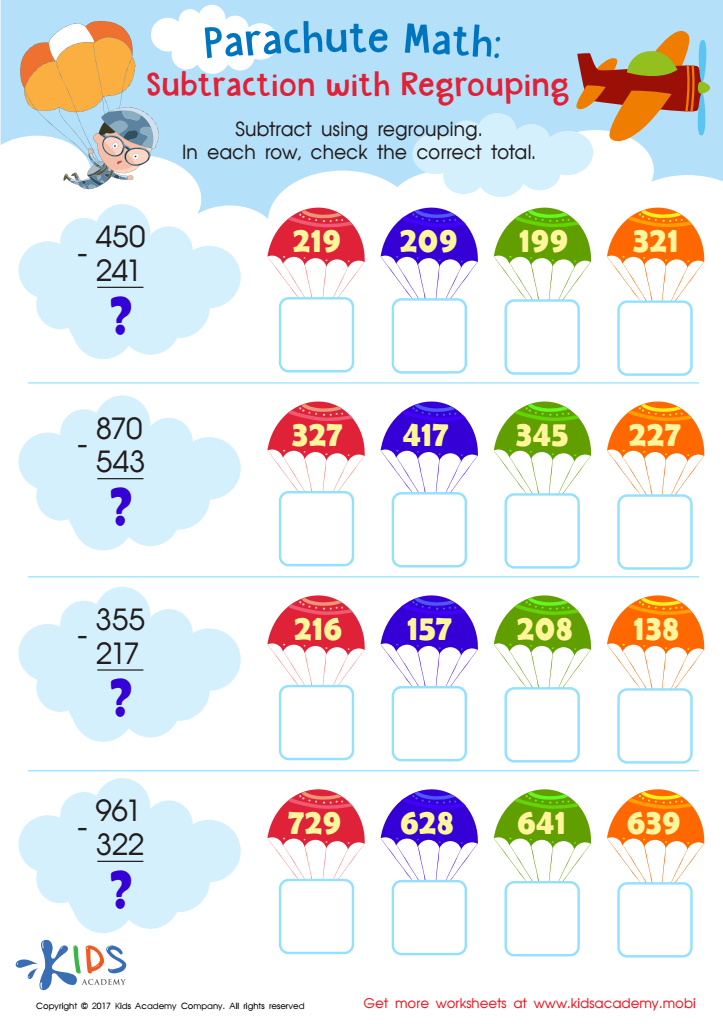
Subtraction with Regrouping for 3rd Grade Worksheet
Kids will have fun mastering subtraction with regrouping with this parachute-themed worksheet! Perfect for 3rd graders, it provides plenty of practice so your child can take to the skies in their math understanding.
 Assign to My Students
Subtraction with Regrouping for 3rd Grade Worksheet
Worksheet
Join Kids Academy for Free
Who is primarily going to use this learning content?








Parents and teachers should prioritize improving math skills, specifically addition and subtraction, for children aged 4-9 due to several crucial reasons. First, these foundational skills form the bedrock for later mathematical concepts, enabling children to tackle more complex problems as they progress through school. Mastery of basic addition and subtraction aids in developing critical thinking and problem-solving skills, essential for academic success.
Furthermore, early proficiency in math enhances a child's confidence and attitude towards learning. Children who struggle with basic math might develop anxiety or apprehension towards the subject, potentially leading to long-term educational challenges. By fostering a solid understanding of these basic operations through engaging activities and practical applications, parents and teachers can help children build a positive relationship with mathematics, encouraging a growth mindset.
Additionally, early math skills have real-world applications, enhancing everyday decision-making abilities, financial literacy, and logical reasoning as children grow. Engaging children in playful math activities at home and in the classroom also nurtures social skills and teamwork, further enriching their overall educational experience. In short, supporting improvement in addition and subtraction is vital for building a strong math foundation, enhancing confidence, and preparing children for future academic achievements.








