Logical thinking Addition & Subtraction Worksheets for Ages 4-9
10 filtered results
-
From - To
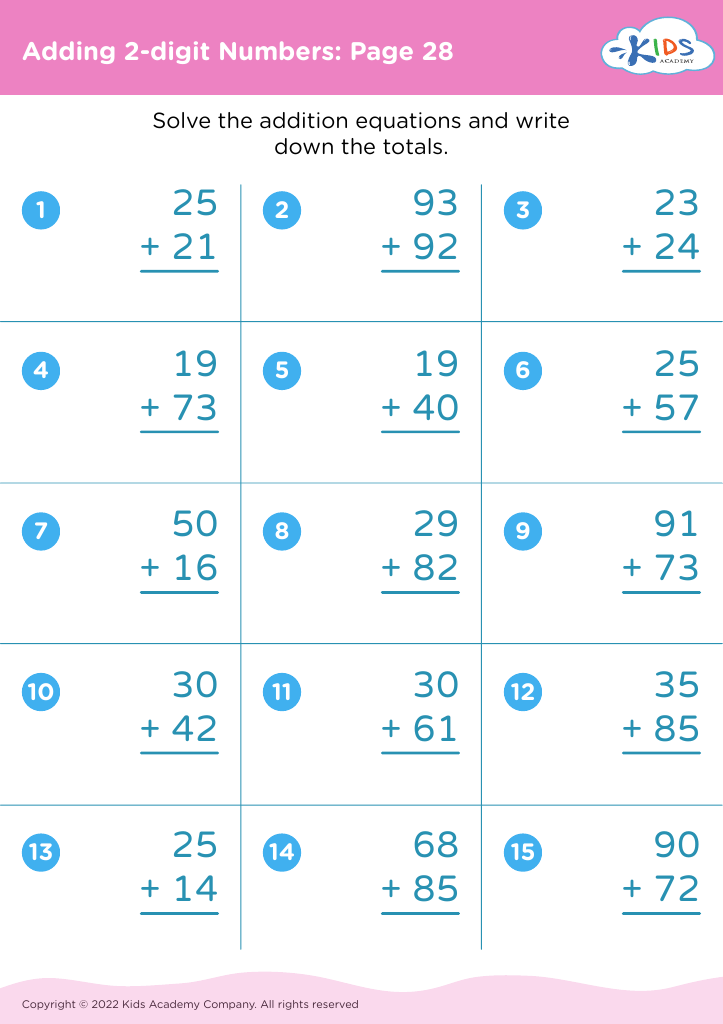
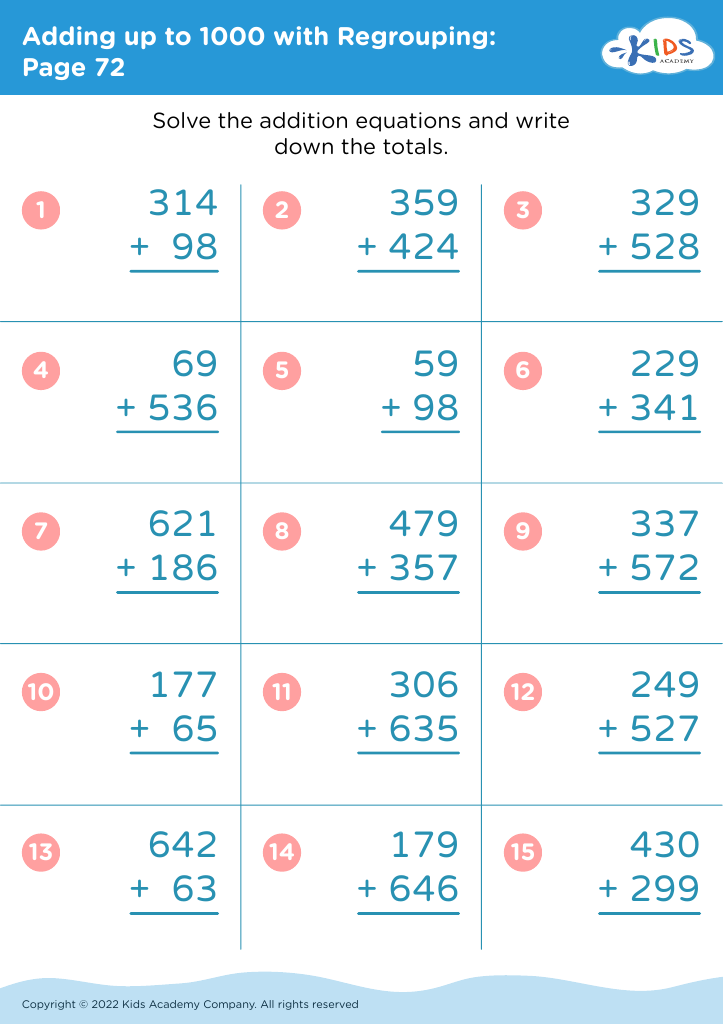
Enhance your child's mathematical skills with our "Logical Thinking Addition & Subtraction Worksheets" designed specifically for ages 4-9. These engaging worksheets not only focus on fundamental addition and subtraction concepts but also promote critical thinking and problem-solving abilities. Through diverse activities and puzzles, children will learn to approach math challenges logically and efficiently. Our user-friendly format ensures that kids stay motivated while building their confidence in math. Perfect for home or classroom use, these worksheets make learning fun and effective. Equip your young learners with essential skills for academic success while nurturing their logical reasoning abilities!
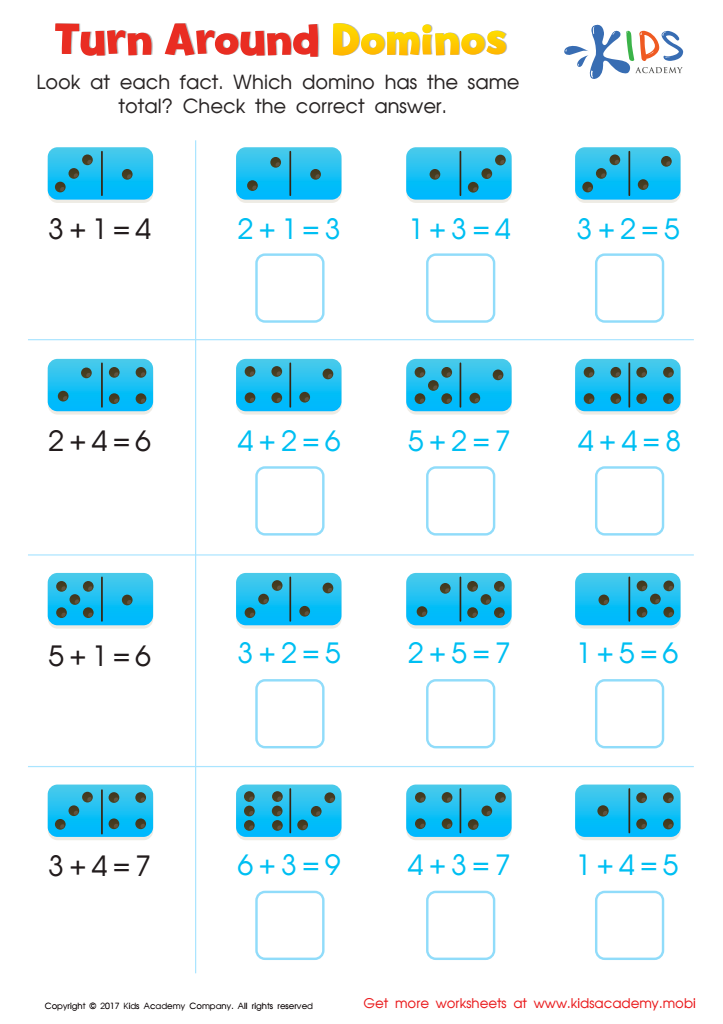
Turn Around Dominos Worksheet
 Assign to My Students
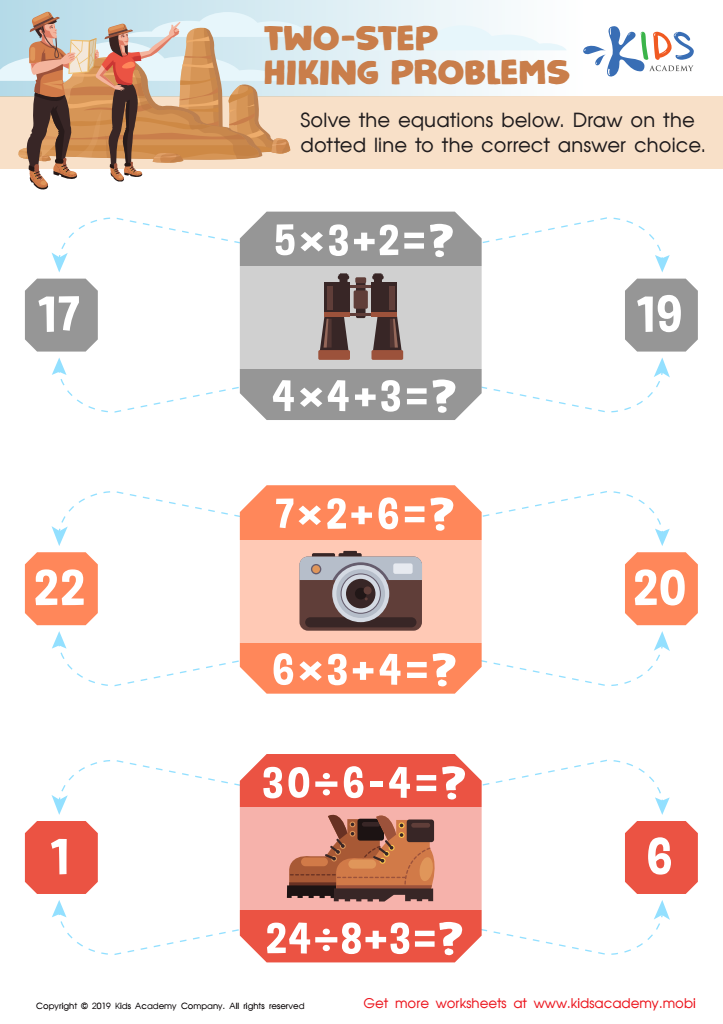
Two-Step Hiking Problems Worksheet
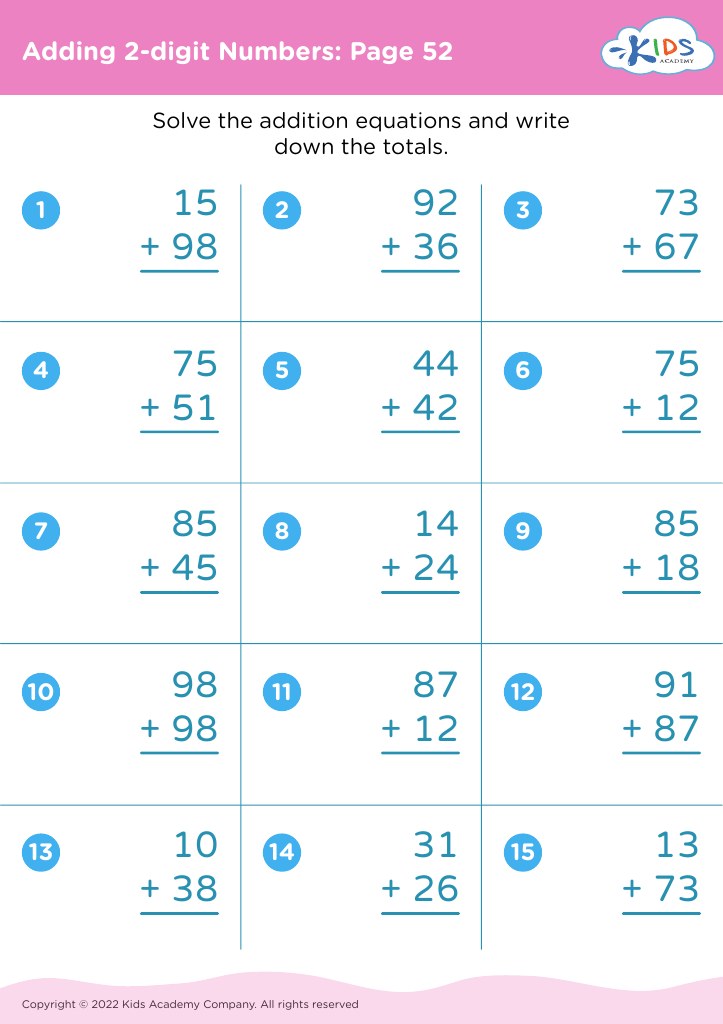
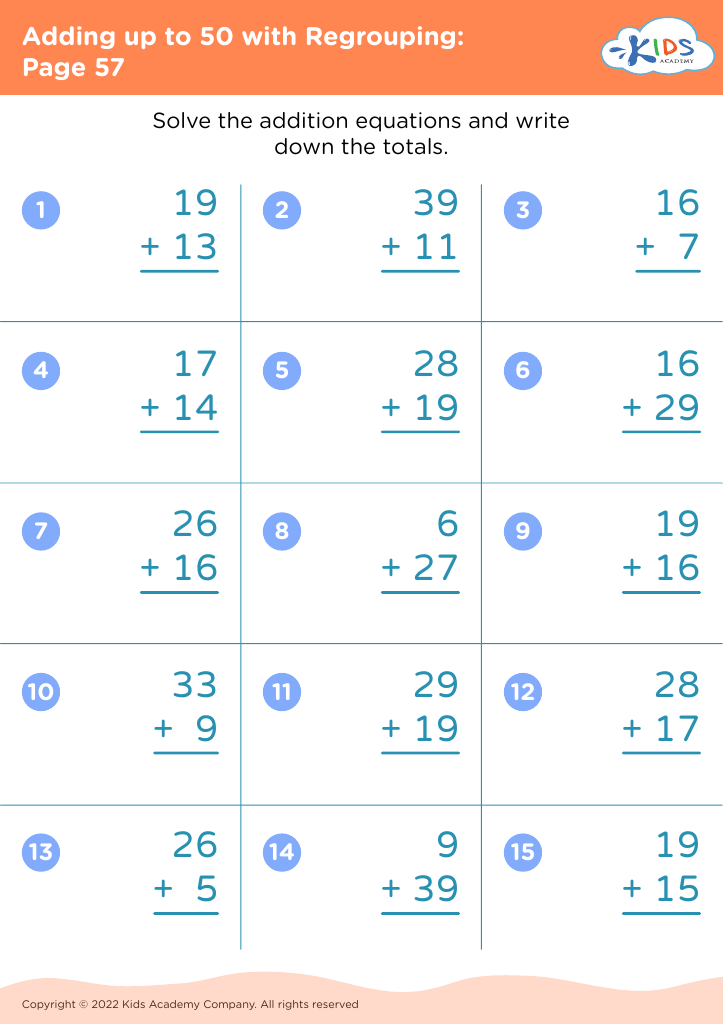
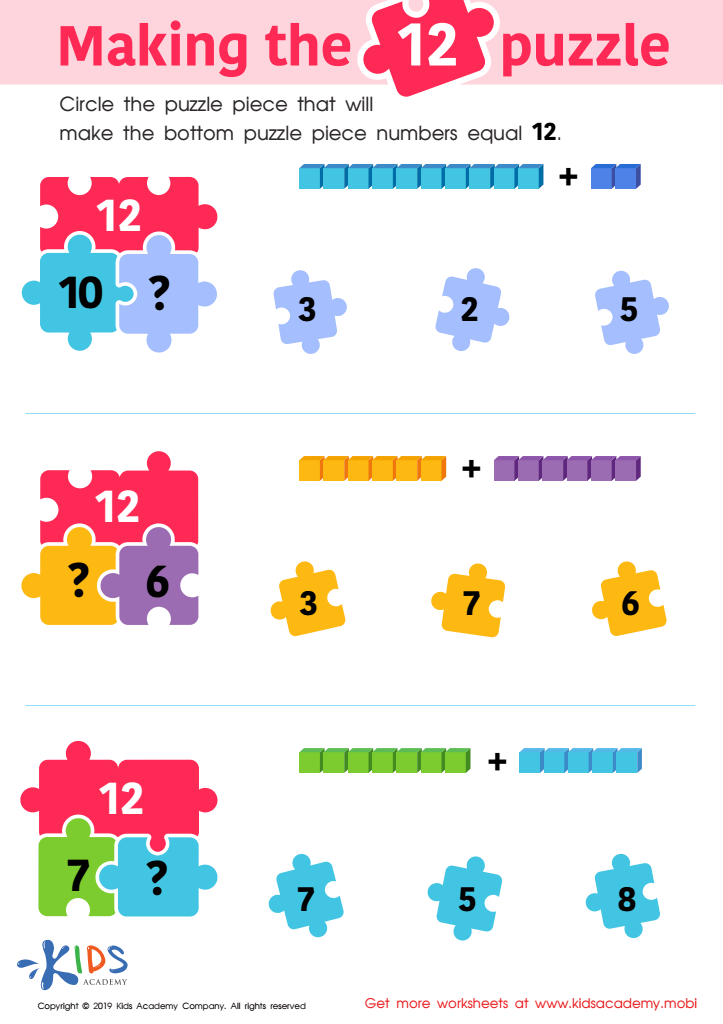
Making the 12 Puzzle Worksheet
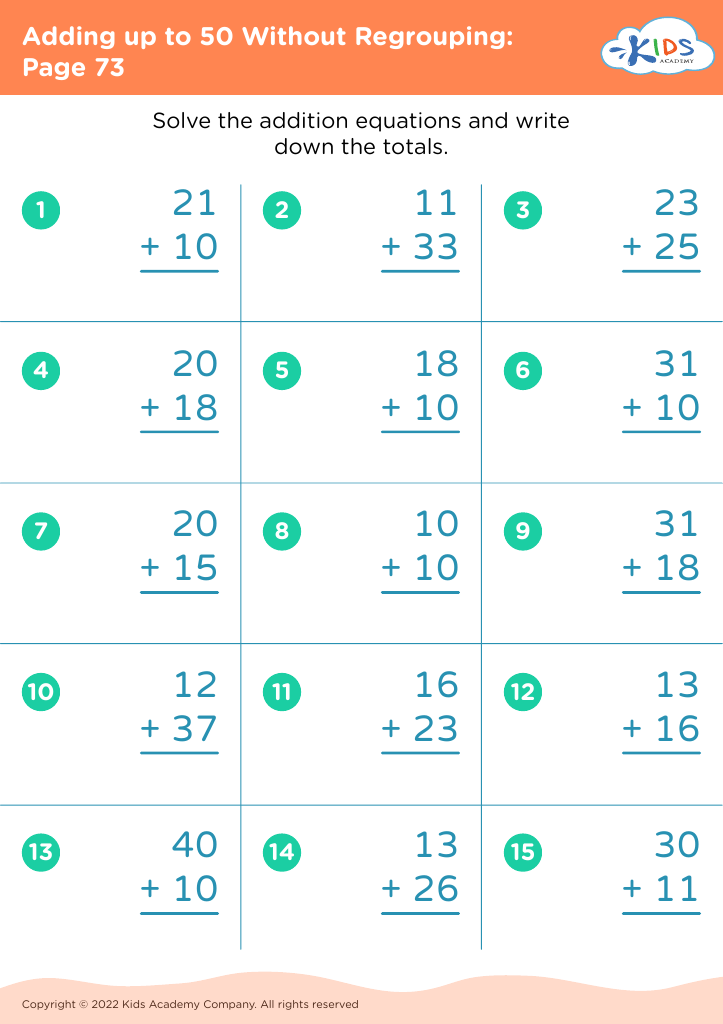
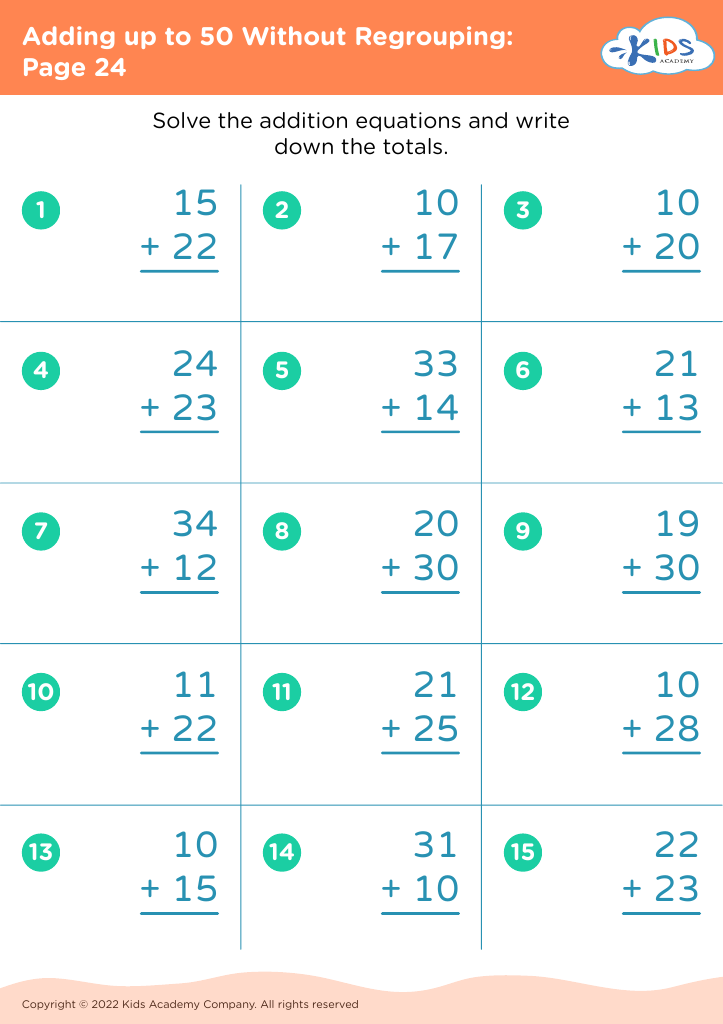
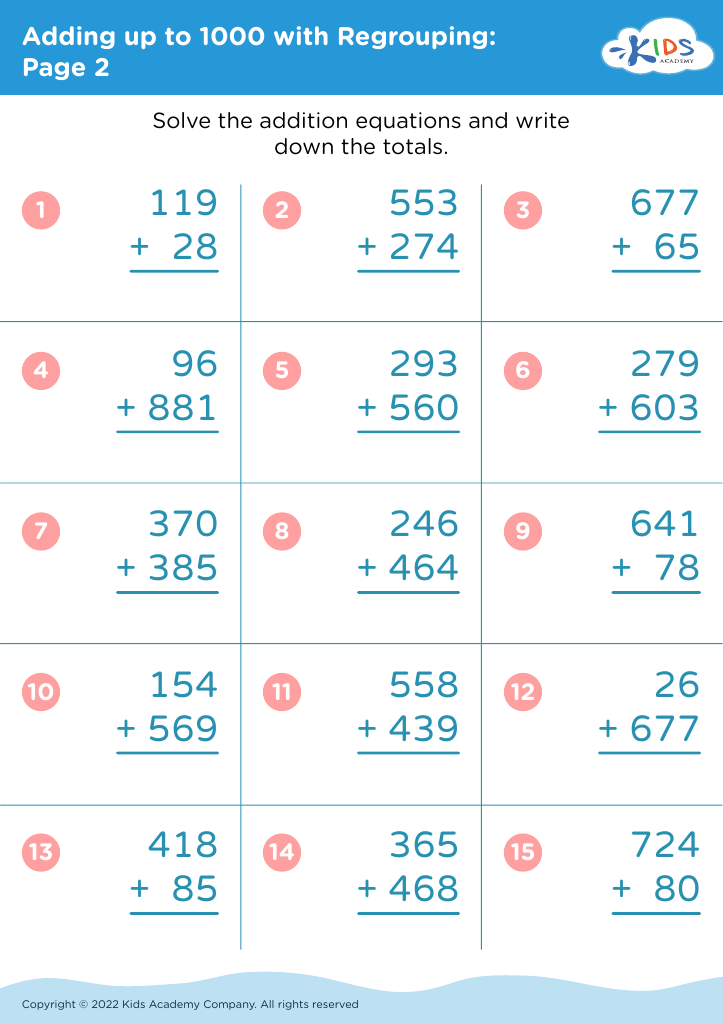








Logical thinking skills, particularly in addition and subtraction, are foundational for children aged 4 to 9. These skills lay the groundwork for more complex mathematical concepts and critical thinking abilities. When parents and teachers emphasize logical thinking in these operations, they are not merely teaching basic math; they are fostering a child's ability to solve problems, identify patterns, and make connections—all critical aspects of cognitive development.
During these formative years, children are naturally curious and increasingly capable of abstract thinking. By introducing addition and subtraction through engaging, logical methods—like grouping, visual aids, and games—parents and teachers can make learning enjoyable and impactful. These practices encourage children to understand the 'why' behind mathematical operations rather than just memorizing facts, which builds a deeper comprehension and promotes mathematical fluency.
Moreover, mastering these foundational skills enhances a child's confidence and enthusiasm for learning, paving the way for academic success in future subjects. Ultimately, nurturing logical thinking in addition and subtraction not only equips children with essential math competencies but also fosters a lifelong love for learning and problem-solving—skills that are invaluable beyond the classroom.








