Check out this FREE Trial Lesson on Addition & Subtraction for age 4-9!

H

Favorites
With answer key
Interactive
  • 4-9
  • Understanding fractions
  • Addition & Subtraction
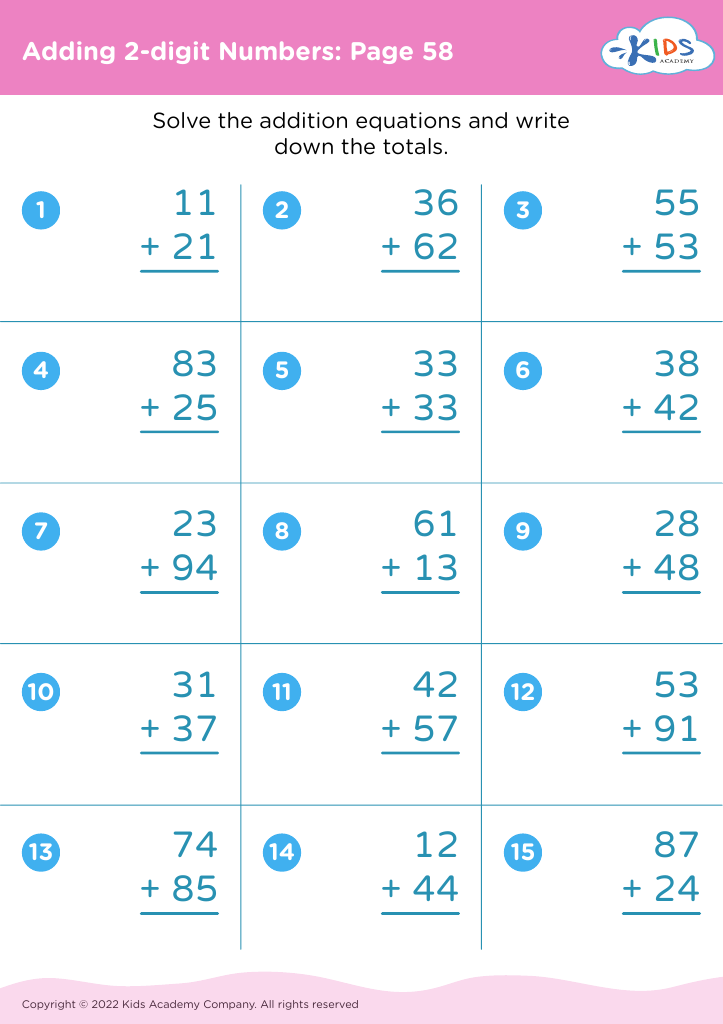
Adding 2-digit Numbers: Page 58

Adding 2-digit Numbers: Page 58

Adding 2-digit Numbers: Page 58
Worksheet
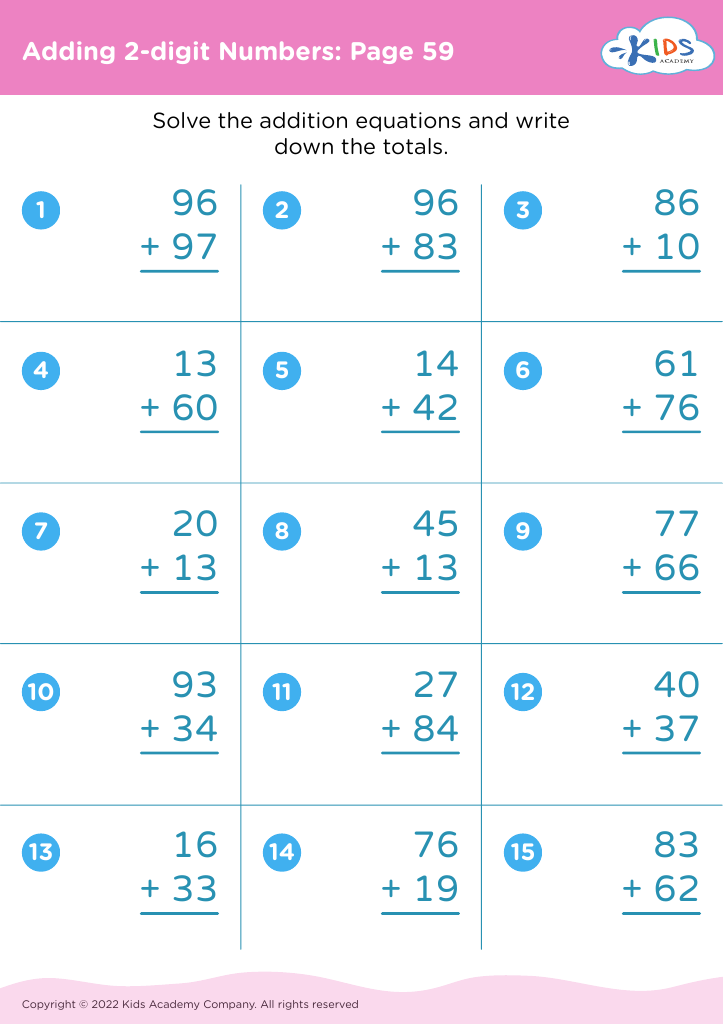
Adding 2-digit Numbers: Page 59

Adding 2-digit Numbers: Page 59

Adding 2-digit Numbers: Page 59
Worksheet
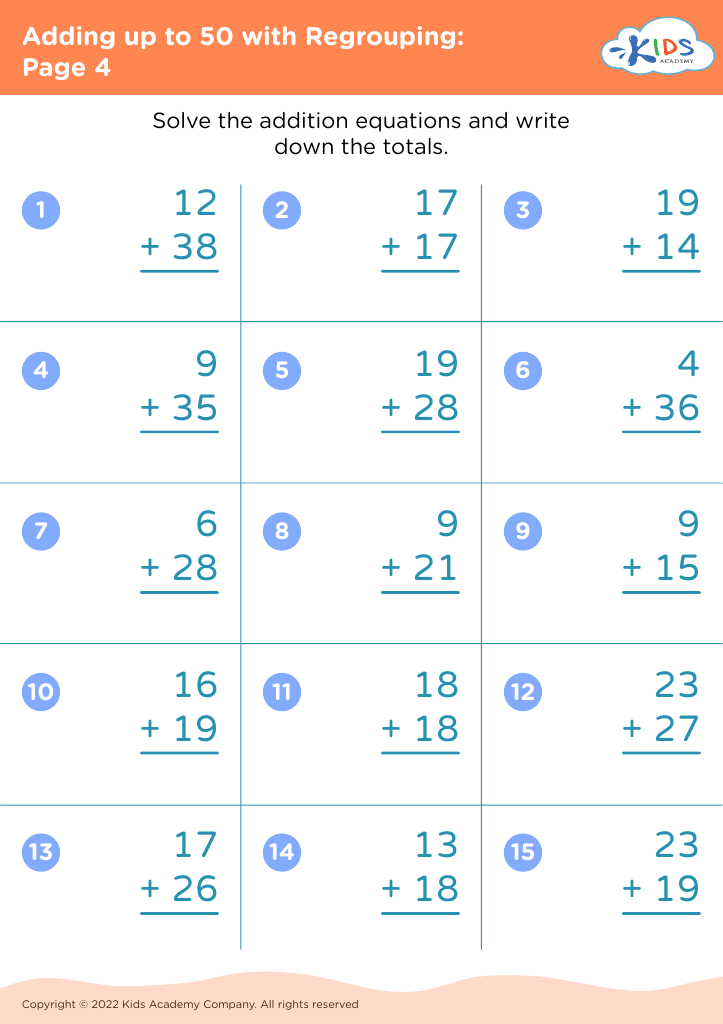
Adding up to 50 with Regrouping: Page 4
Worksheet
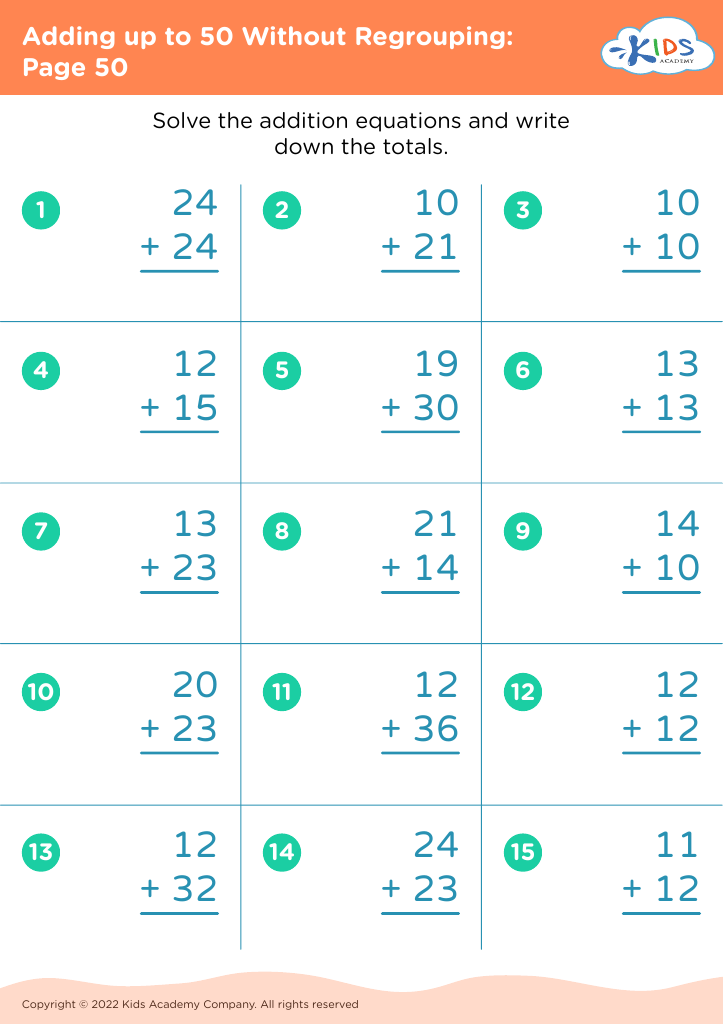
Adding up to 50 Without Regrouping: Page 50
Worksheet
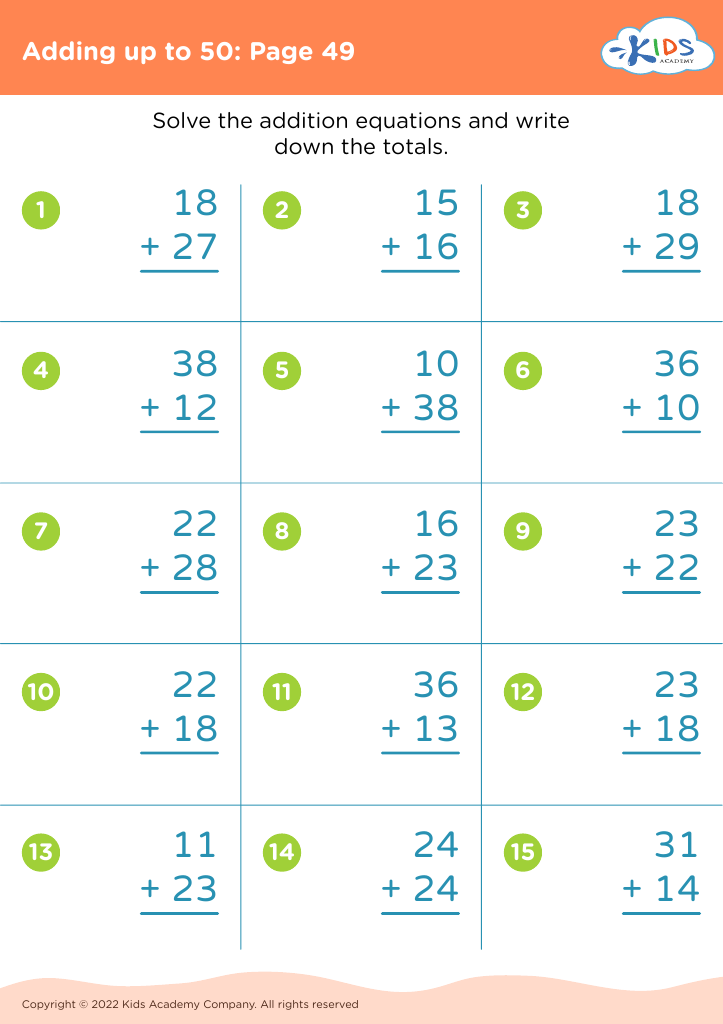
Adding up to 50: Page 49

Adding up to 50: Page 49

Adding up to 50: Page 49
Worksheet
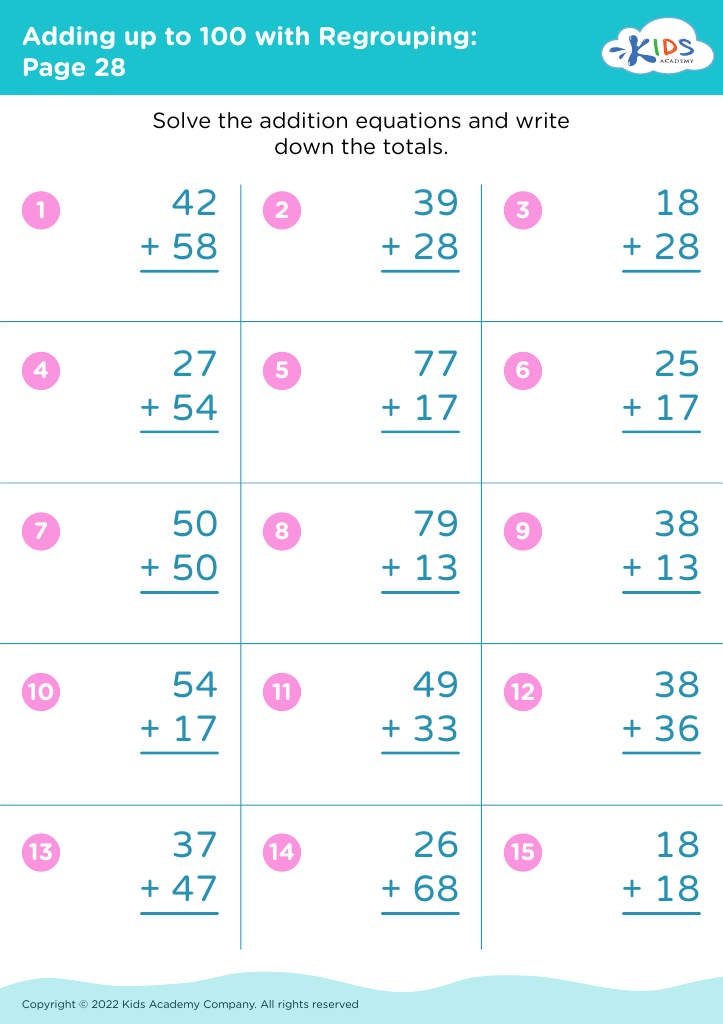
Adding up to 100 with Regrouping: Page 28
Worksheet
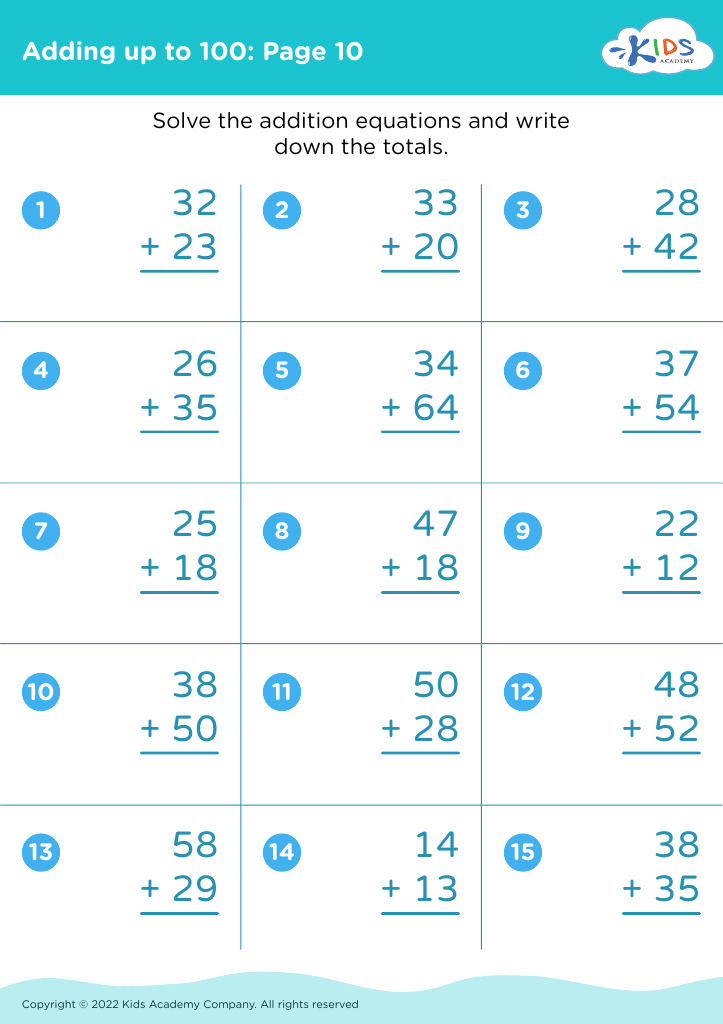
Adding up to 100: Page 10

Adding up to 100: Page 10

Adding up to 100: Page 10
Worksheet
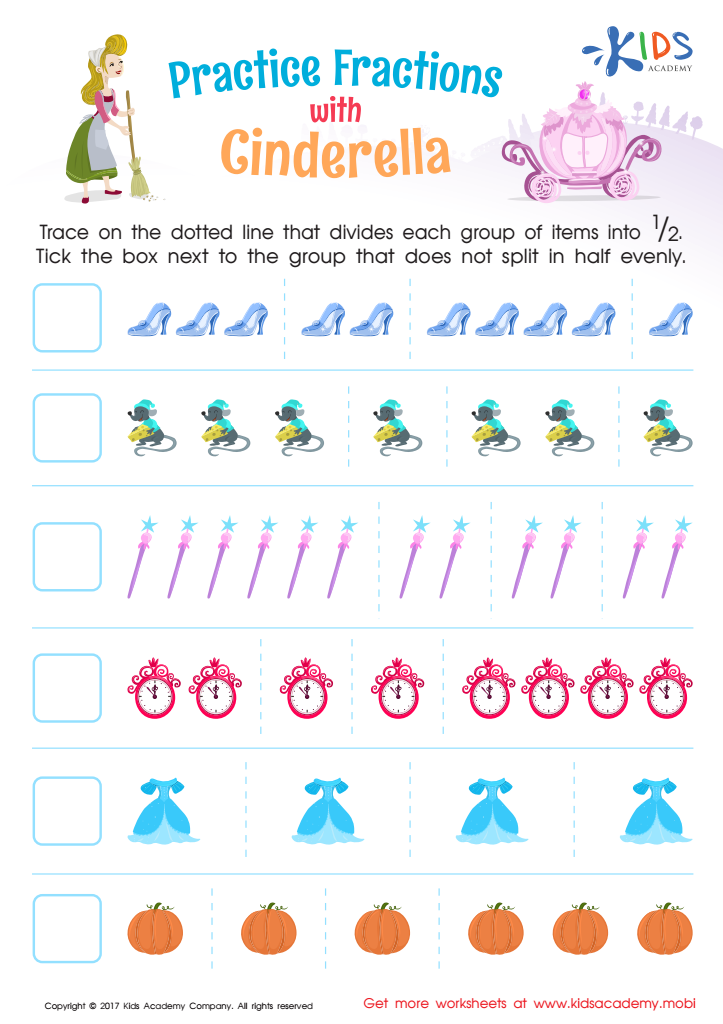
Cinderella Fraction Practice

Fractions: Cinderella Printable

Cinderella and ½ are the perfect pair to excite your child about learning fractions.
Fractions: Cinderella Printable
Worksheet
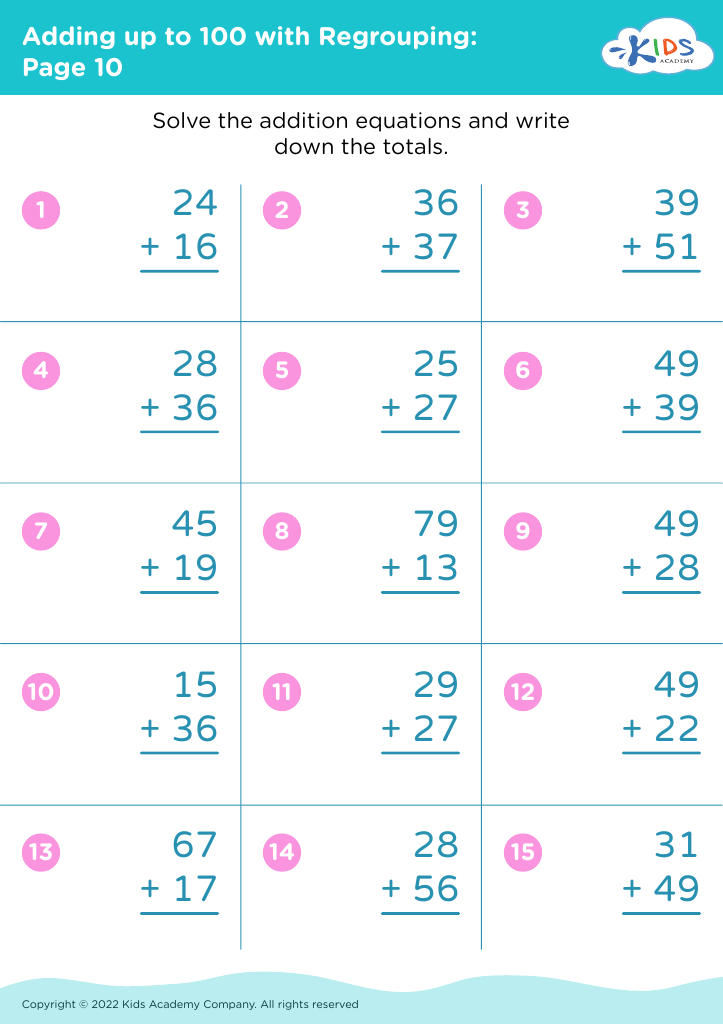
Adding up to 100 with Regrouping: Page 10
Worksheet
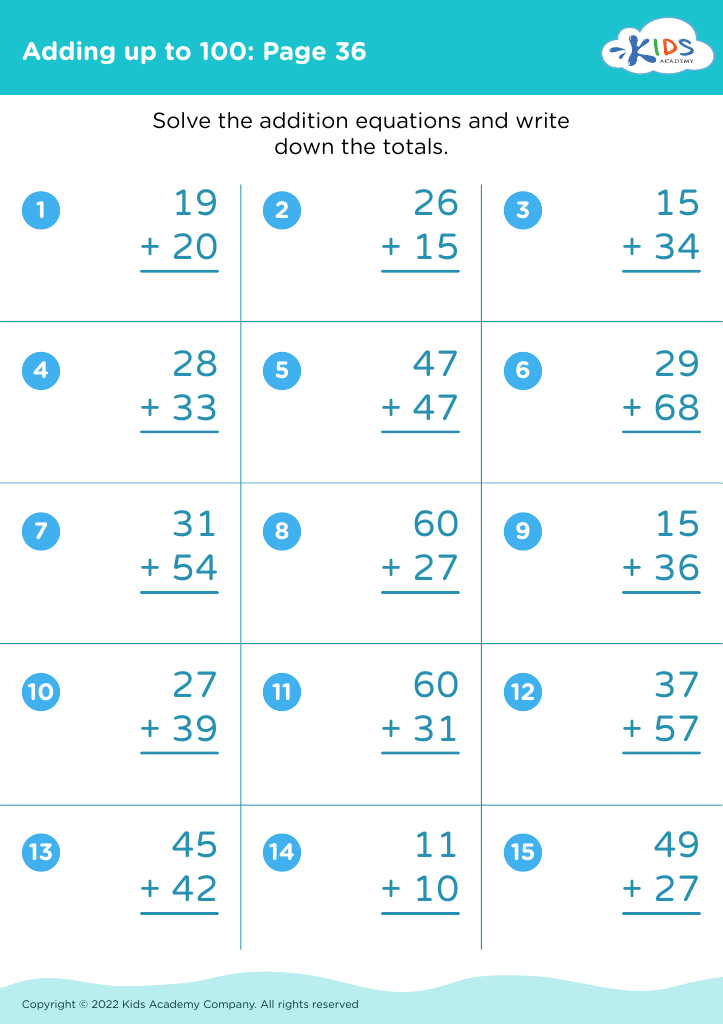
Adding up to 100: Page 36

Adding up to 100: Page 36

Adding up to 100: Page 36
Worksheet
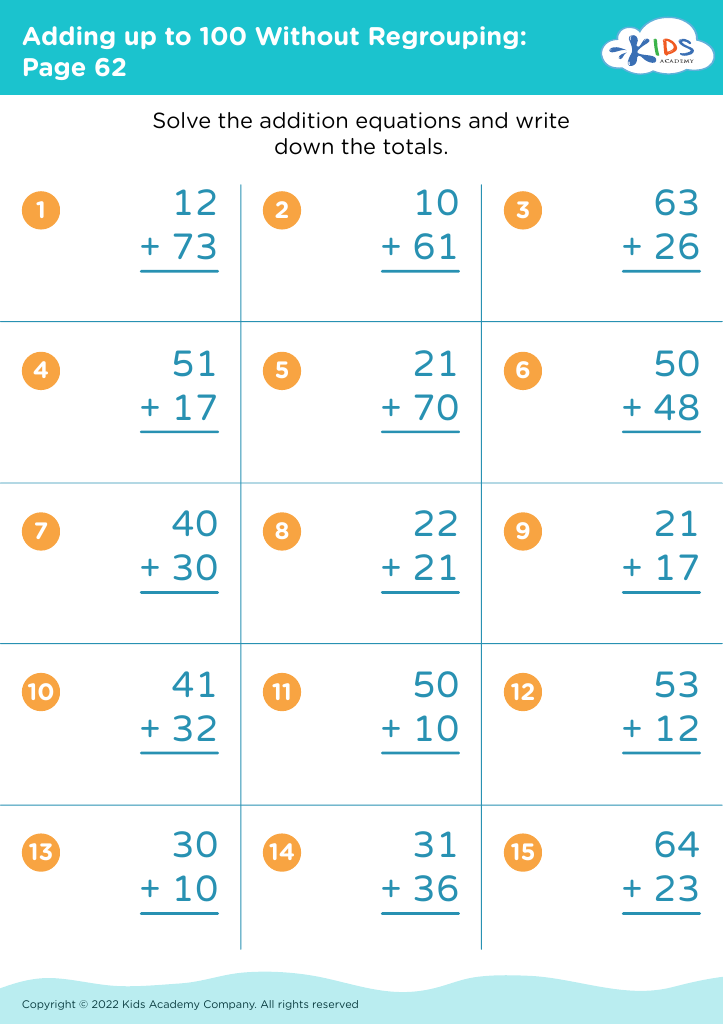
Adding up to 100 Without Regrouping: Page 62
Worksheet
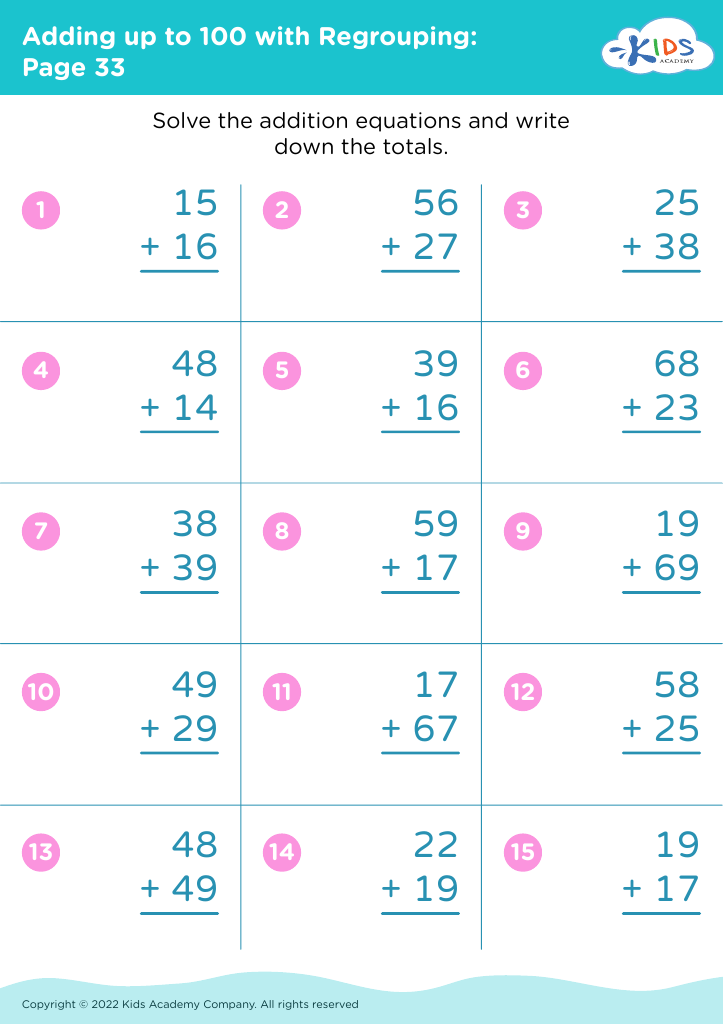
Adding up to 100 with Regrouping: Page 33
Worksheet
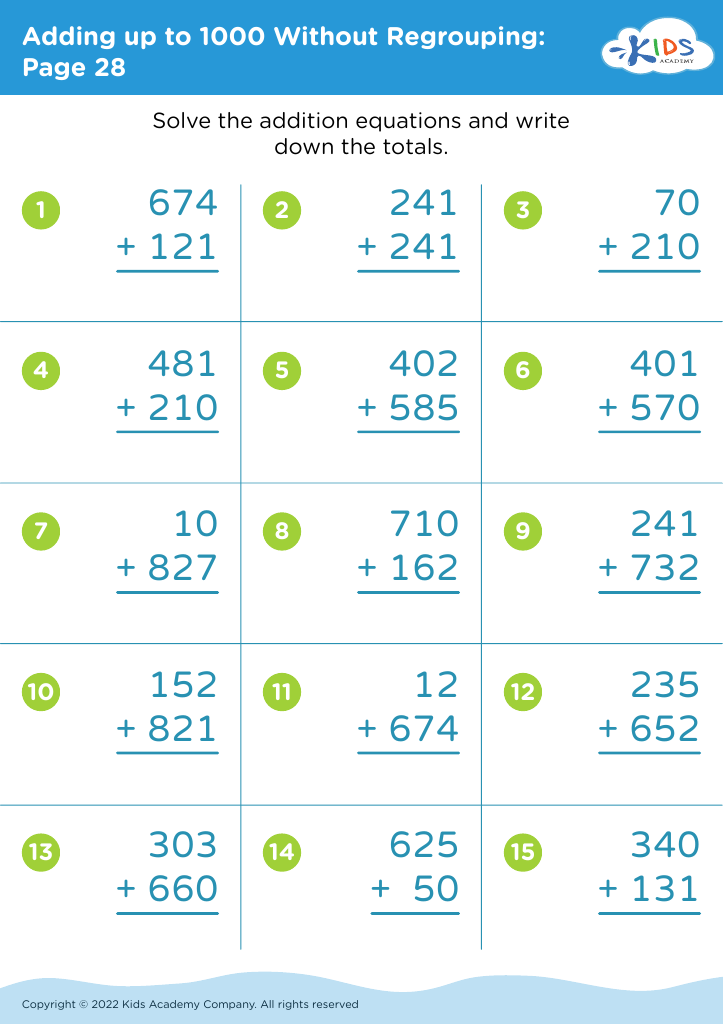
Adding up to 1000 Without Regrouping: Page 28
Worksheet
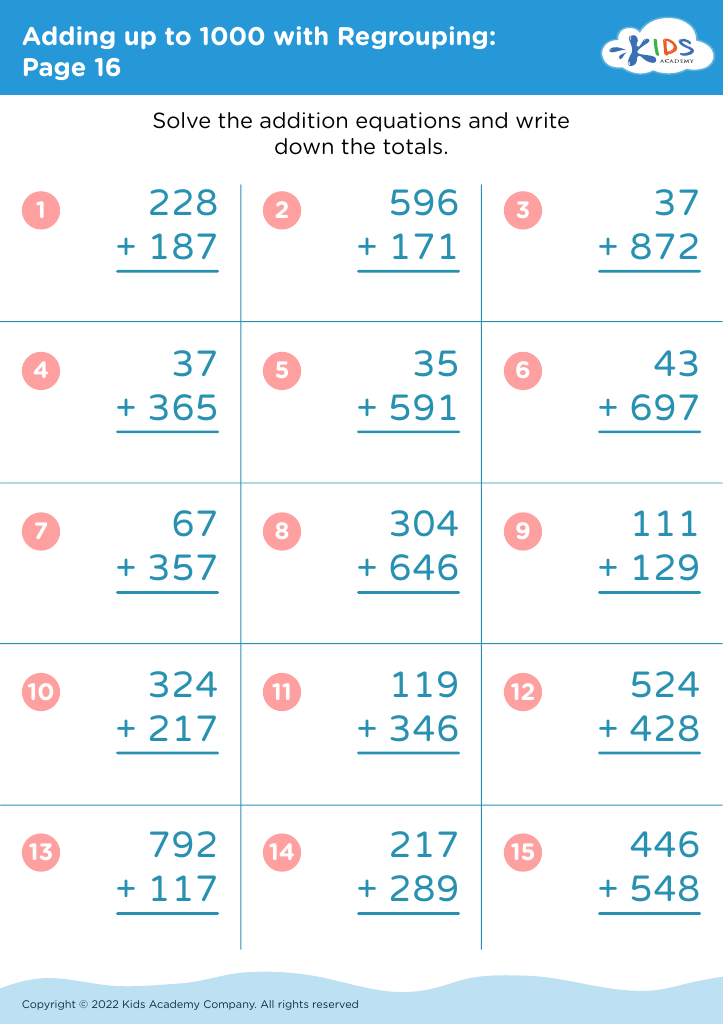
Adding up to 1000 with Regrouping: Page 16
Worksheet
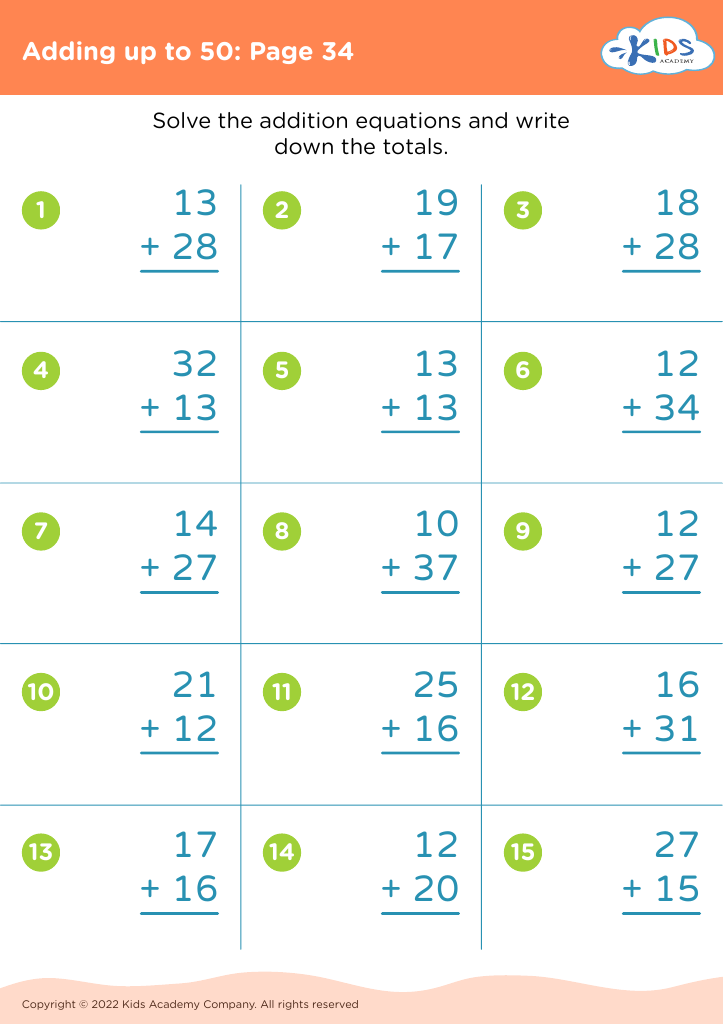
Adding up to 50: Page 34

Adding up to 50: Page 34

Adding up to 50: Page 34
Worksheet
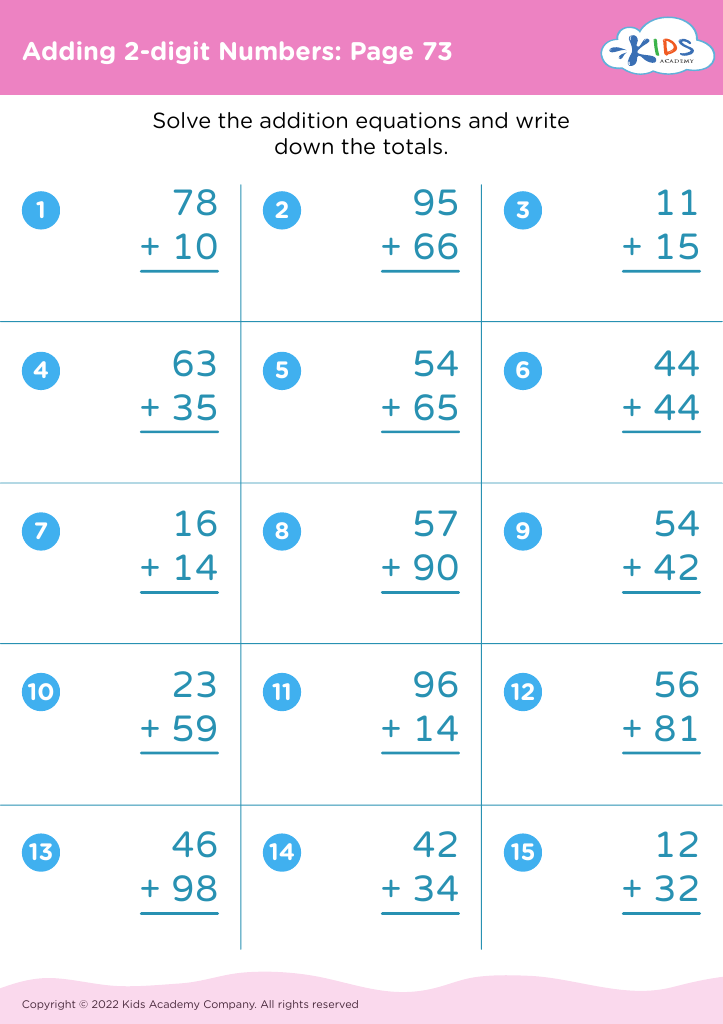
Adding 2-digit Numbers: Page 73

Adding 2-digit Numbers: Page 73

Adding 2-digit Numbers: Page 73
Worksheet
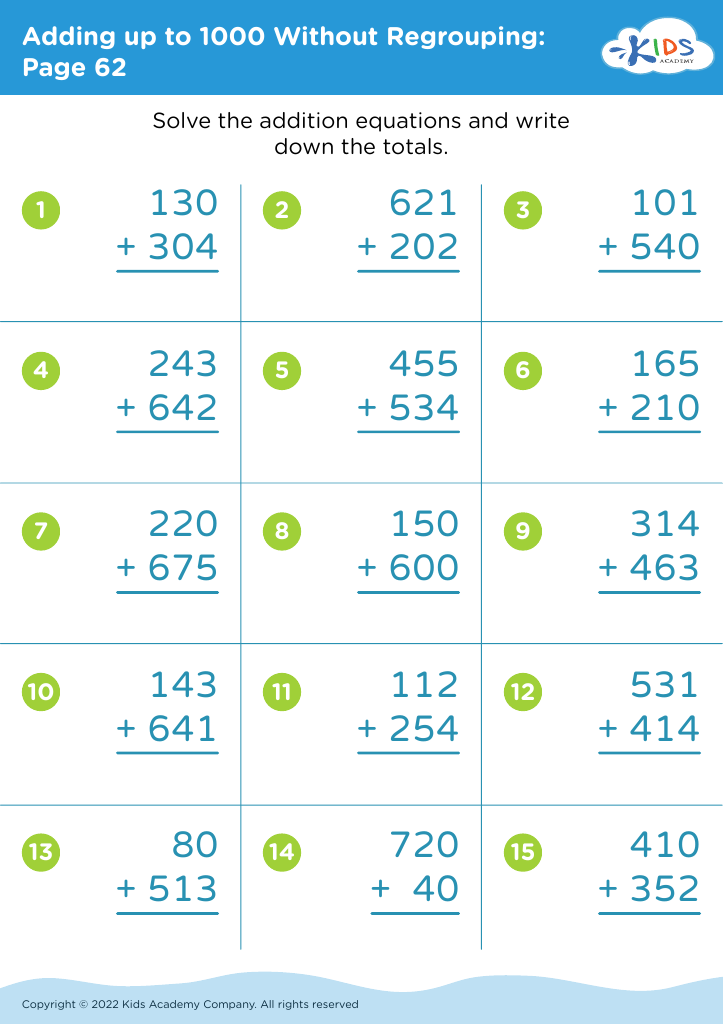
Adding up to 1000 Without Regrouping: Page 62
Worksheet
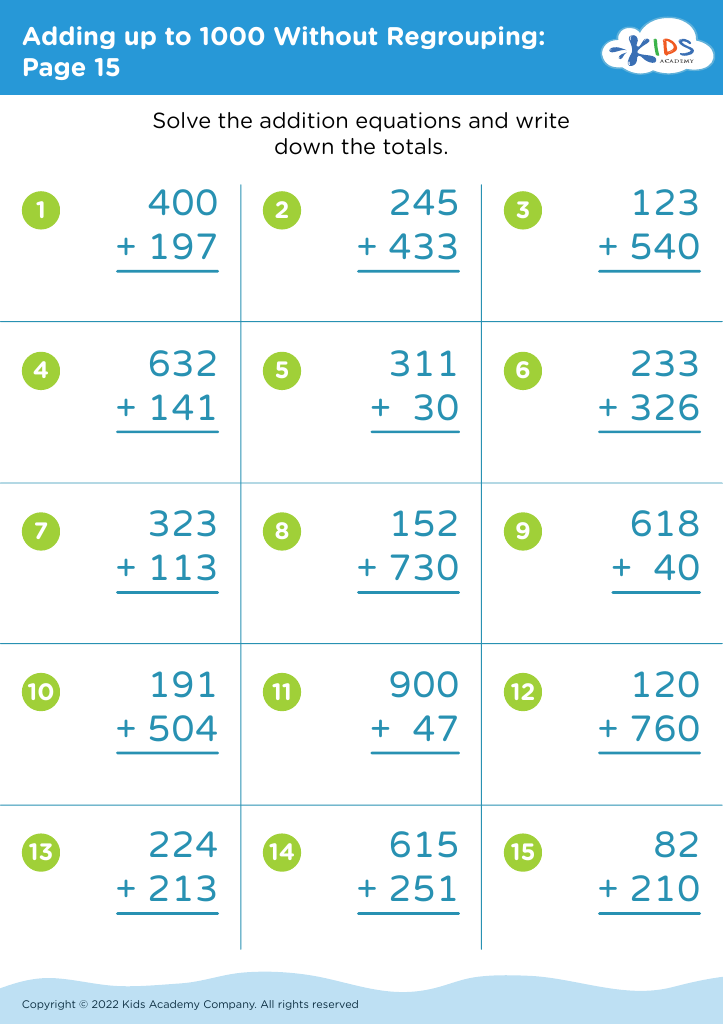
Adding up to 1000 Without Regrouping: Page 15
Worksheet
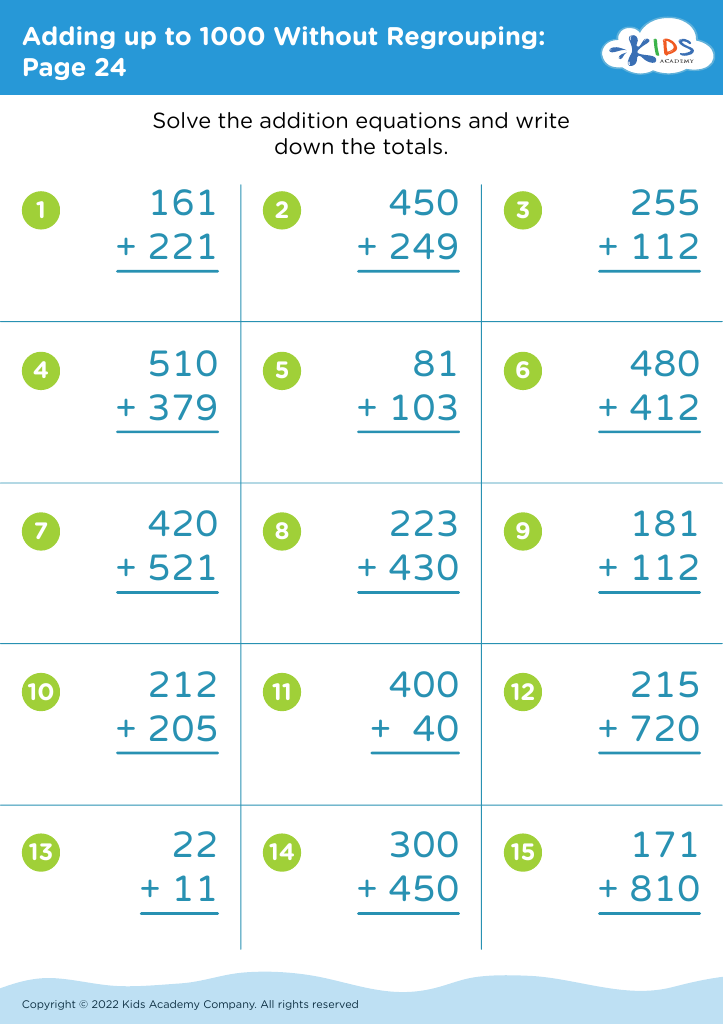
Adding up to 1000 Without Regrouping: Page 24
Worksheet


... 6 7

Understanding fractions, particularly addition and subtraction, is a foundational math skill for children aged 4-9 that has lasting implications for their academic journey. Early exposure to fractions nurtures a child’s ability to think critically and solve problems, fostering a mathematical mindset that is essential in later grades. Engaging with fractions helps kids comprehend concepts of part-whole relationships, allowing them to visualize quantities in new ways.

For parents and teachers, emphasizing the understanding of fractions encourages a deeper grasp of not just math, but also real-world applications – such as cooking or sharing. When children learn to add and subtract fractions, they develop essential skills like equivalency and number sense. These skills will enhance their understanding of more complex mathematical operations as they advance in their education.

Moreover, nurturing a strong fraction foundation can lessen math anxiety in later years. If children are confident in handling fractions, they will be better prepared to tackle subjects like ratios, proportions, and algebra. By integrating fun, hands-on activities that involve fractions in both home and classroom settings, parents and teachers can motivate children to explore mathematics, ensuring a smoother transition to more advanced concepts in the future.