Filters

16 filtered results

Clear all filters
Favorites
With answer key
Interactive

16 filtered results

Difficulty Level

Grade


Discover our versatile collection of Basic Addition Worksheets designed for children aged 4-9. These engaging resources help young learners grasp essential addition skills through fun and interactive problems. Each worksheet is carefully crafted to suit varying proficiency levels, ensuring kids gain confidence as they progress. With vibrant illustrations and clear instructions, these activities make math enjoyable and accessible. Perfect for at-home practice or classroom use, our worksheets support foundational math development and foster a lifelong love for learning. Explore our selection today and give your child the tools they need to succeed in math!
Check out this FREE Trial Lesson on Addition for age 4-9!

Short and Long Vowel Sort

Favorites
With answer key
Interactive
  • 4-9
  • Basic Addition
  • Addition
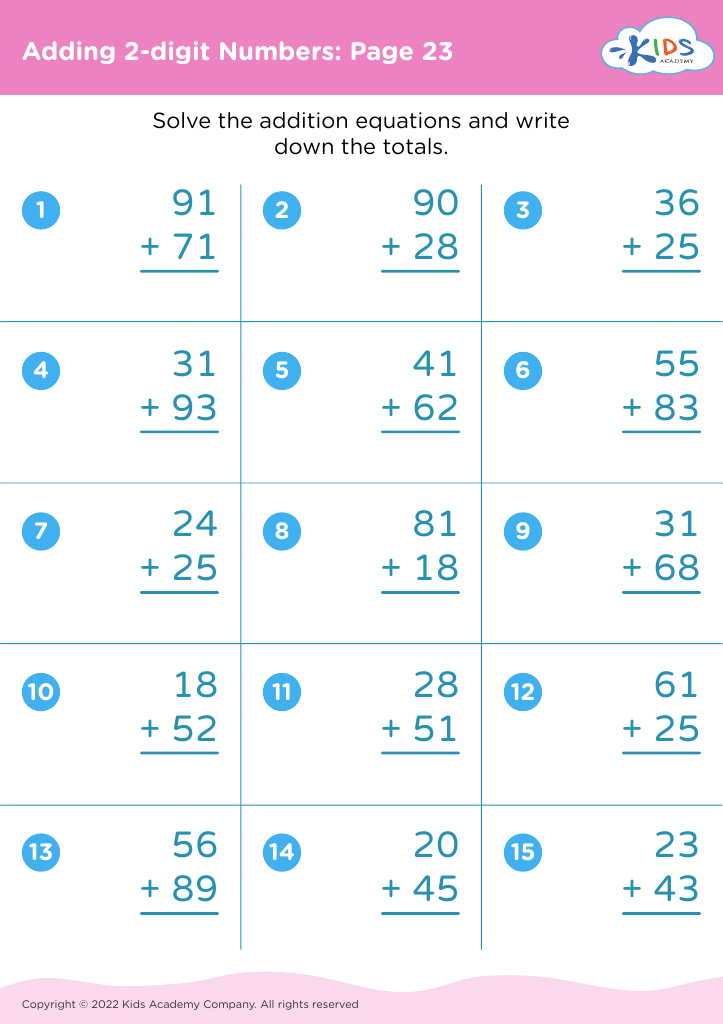
Adding 2-digit Numbers: Page 23

Adding 2-digit Numbers: Page 23

Adding 2-digit Numbers: Page 23
Worksheet
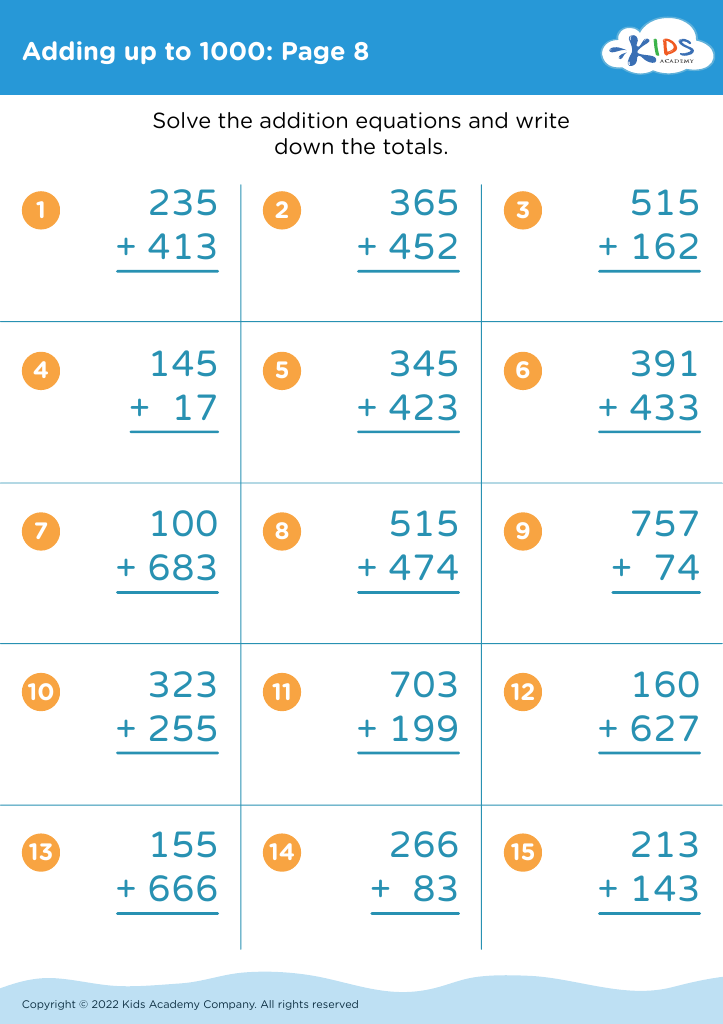
Adding up to 1000: Page 8

Adding up to 1000: Page 8

Adding up to 1000: Page 8
Worksheet
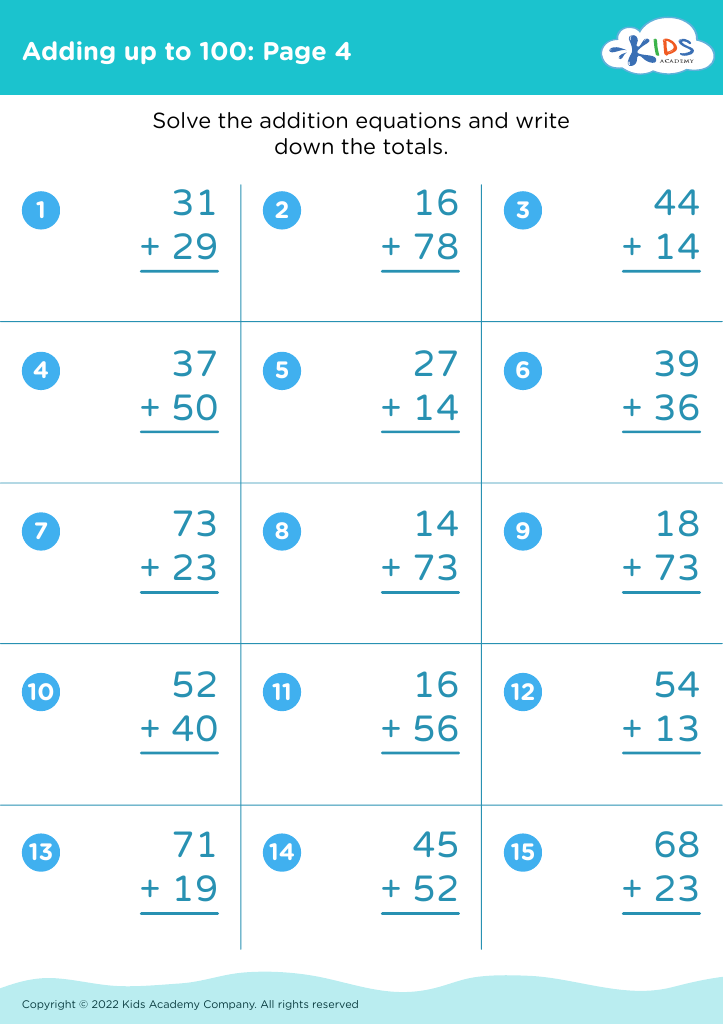
Adding up to 100: Page 4

Adding up to 100: Page 4

Adding up to 100: Page 4
Worksheet
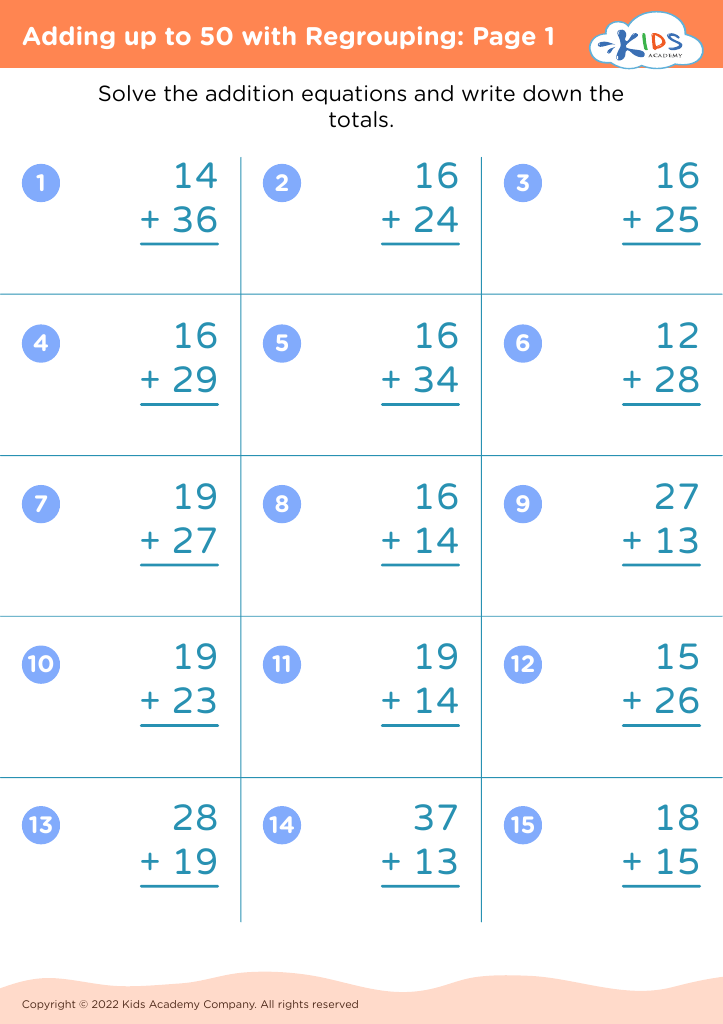
Adding up to 50 with Regrouping: Page 1
Worksheet
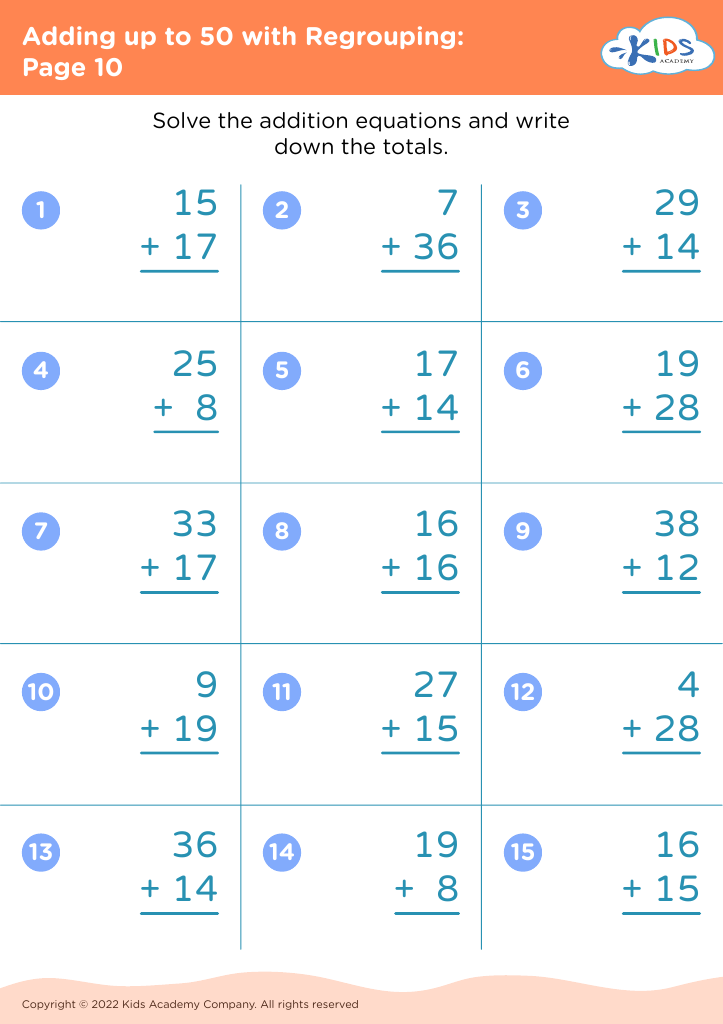
Adding up to 50 with Regrouping: Page 10
Worksheet
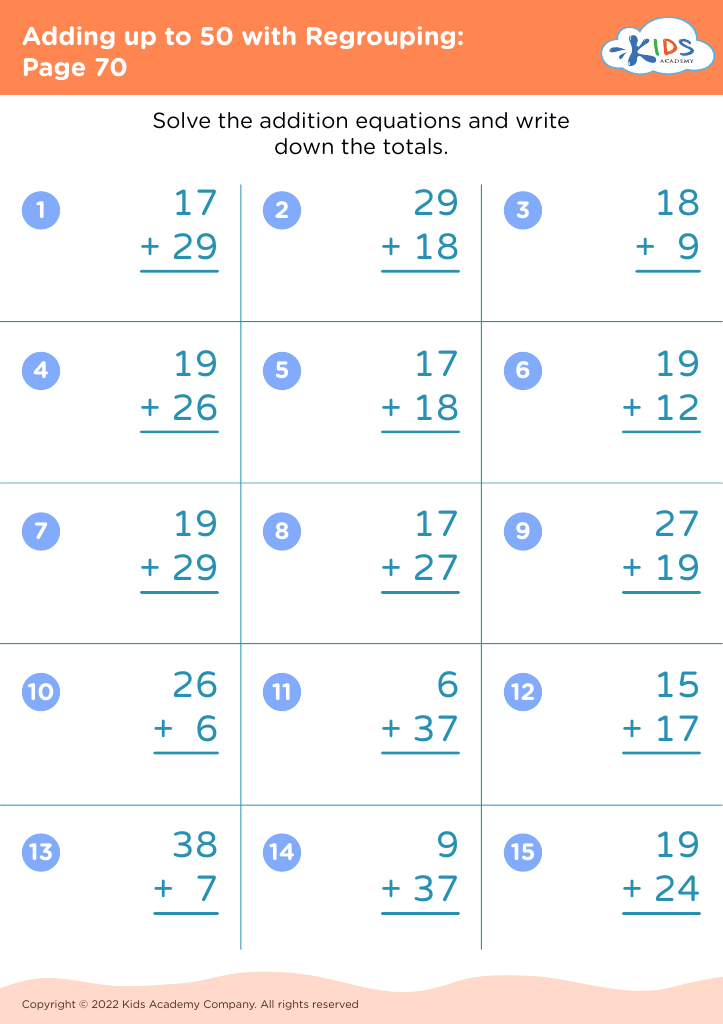
Adding up to 50 with Regrouping: Page 70
Worksheet
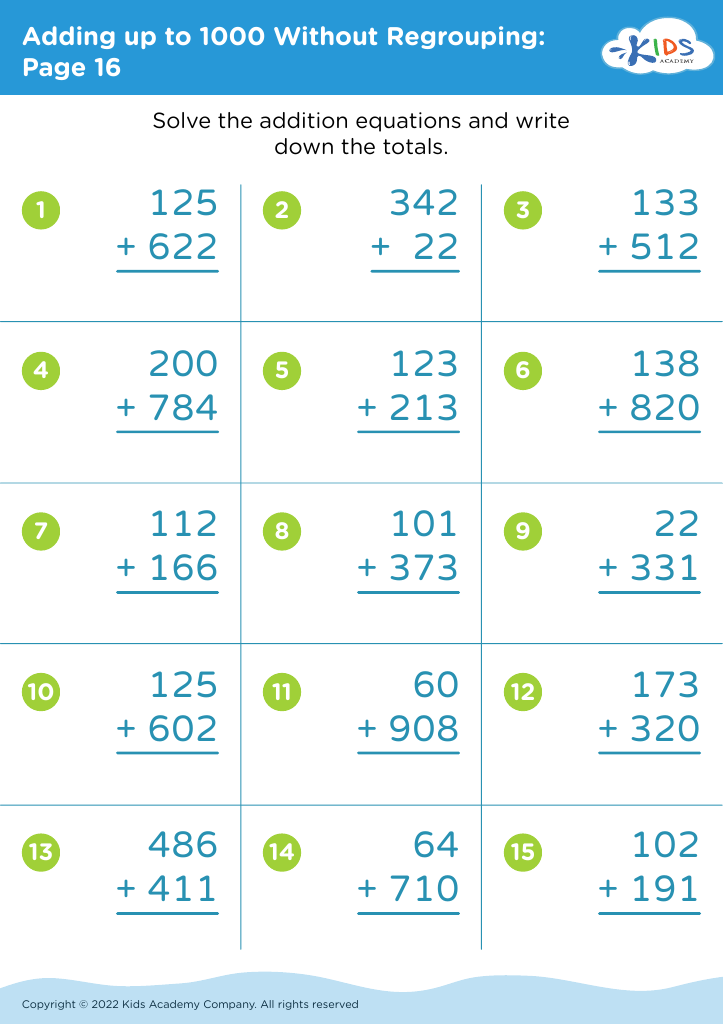
Adding up to 1000 Without Regrouping: Page 16
Worksheet
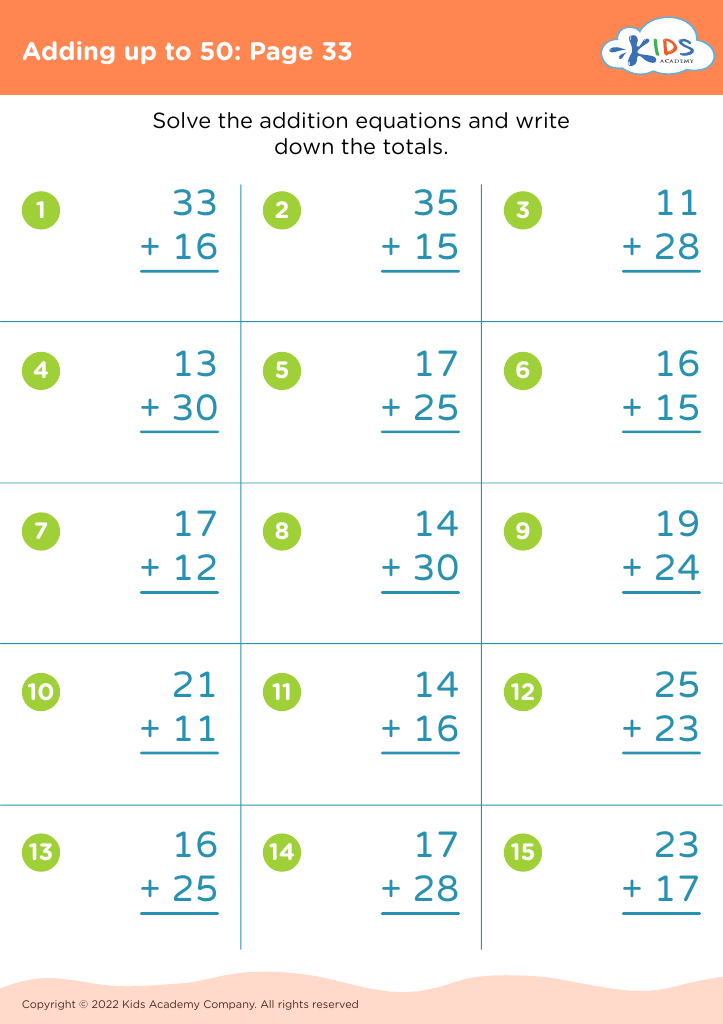
Adding up to 50: Page 33

Adding up to 50: Page 33

Adding up to 50: Page 33
Worksheet
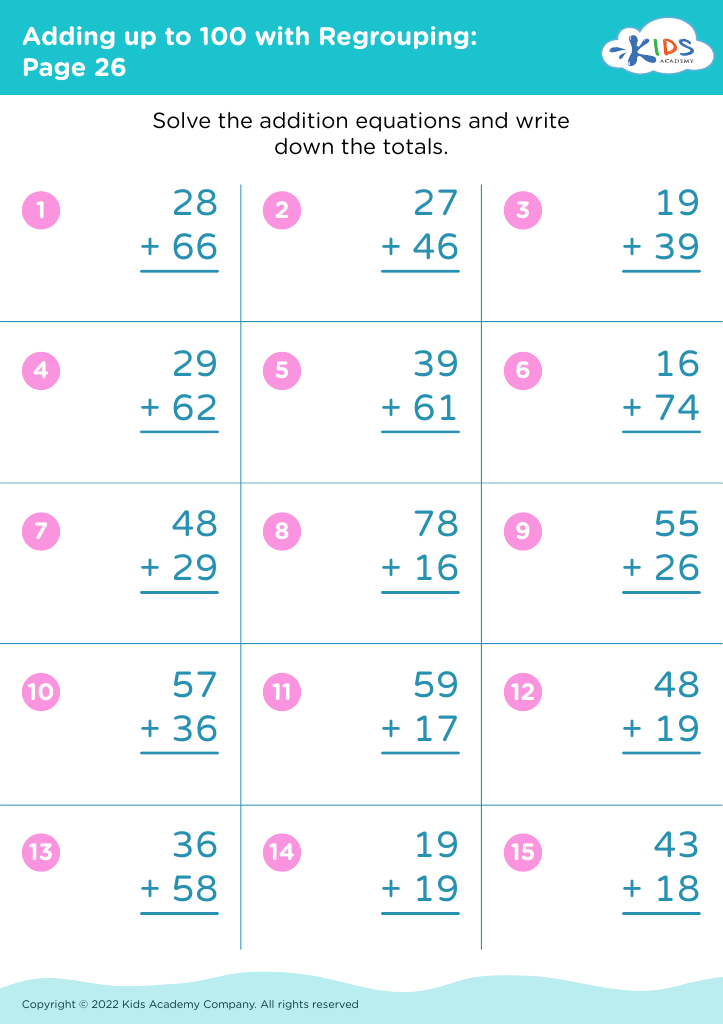
Adding up to 100 with Regrouping: Page 26
Worksheet
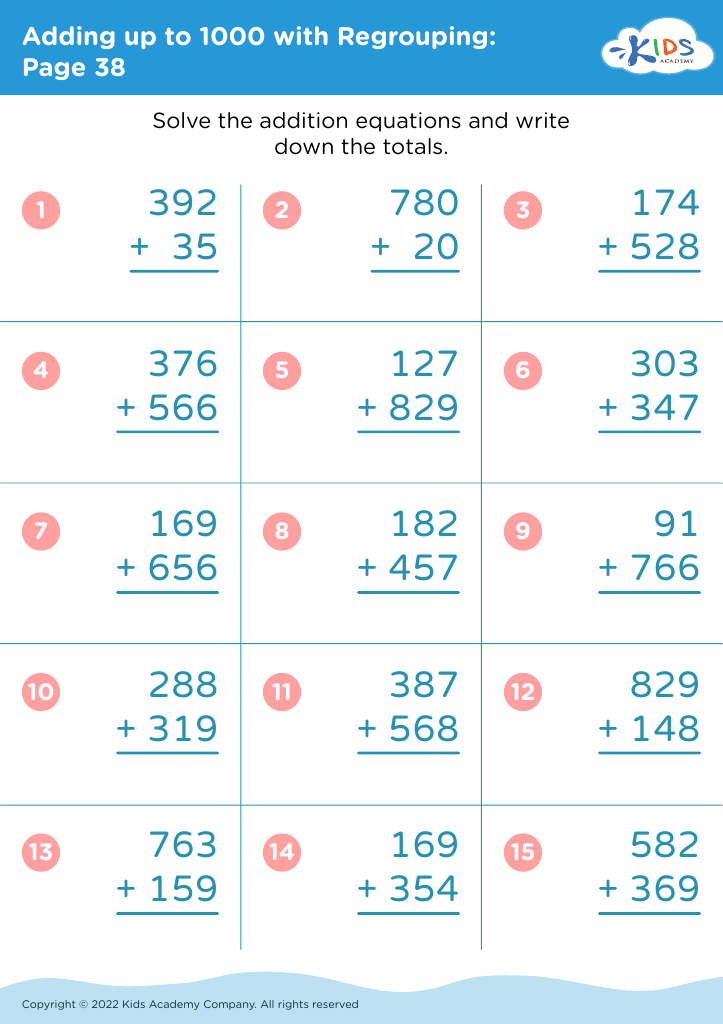
Adding up to 1000 with Regrouping: Page 38
Worksheet
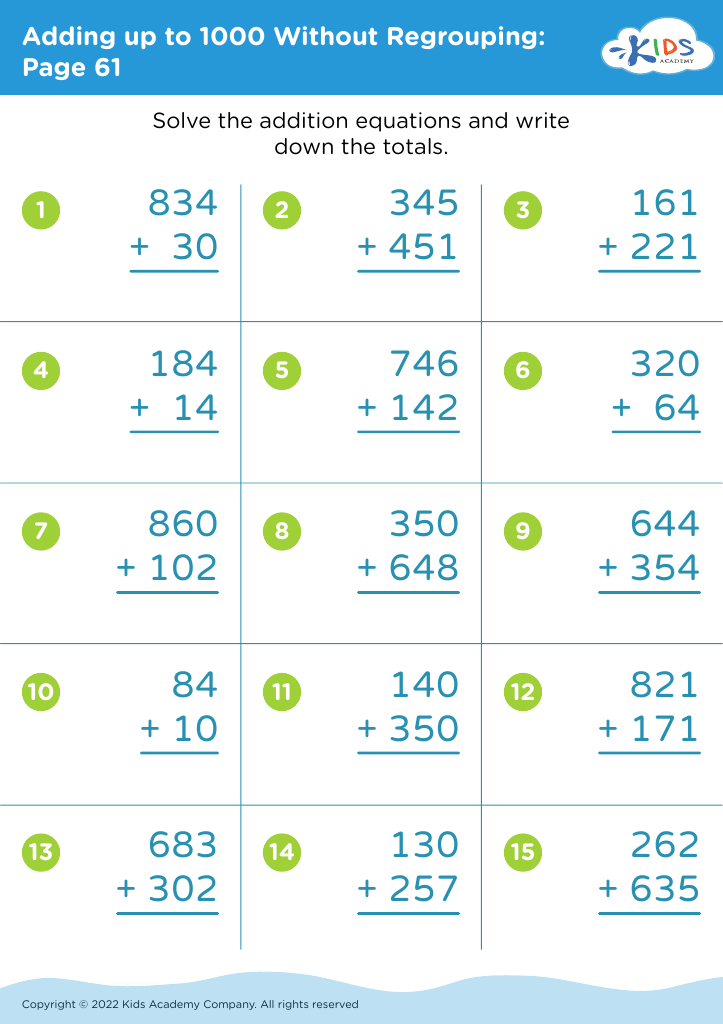
Adding up to 1000 Without Regrouping: Page 61
Worksheet
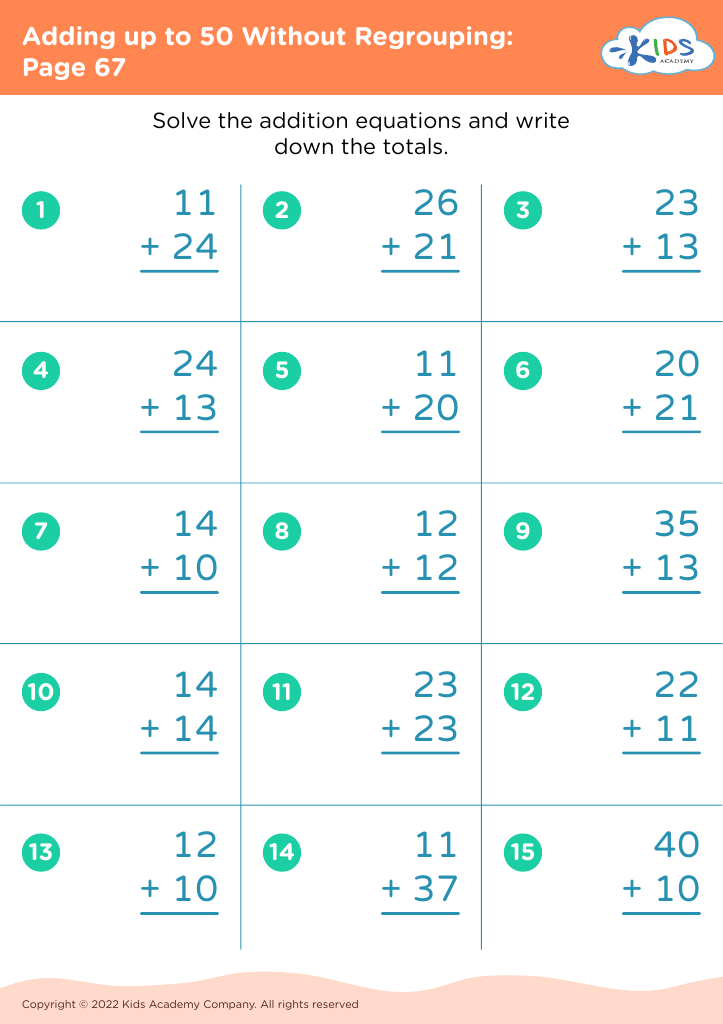
Adding up to 50 Without Regrouping: Page 67
Worksheet
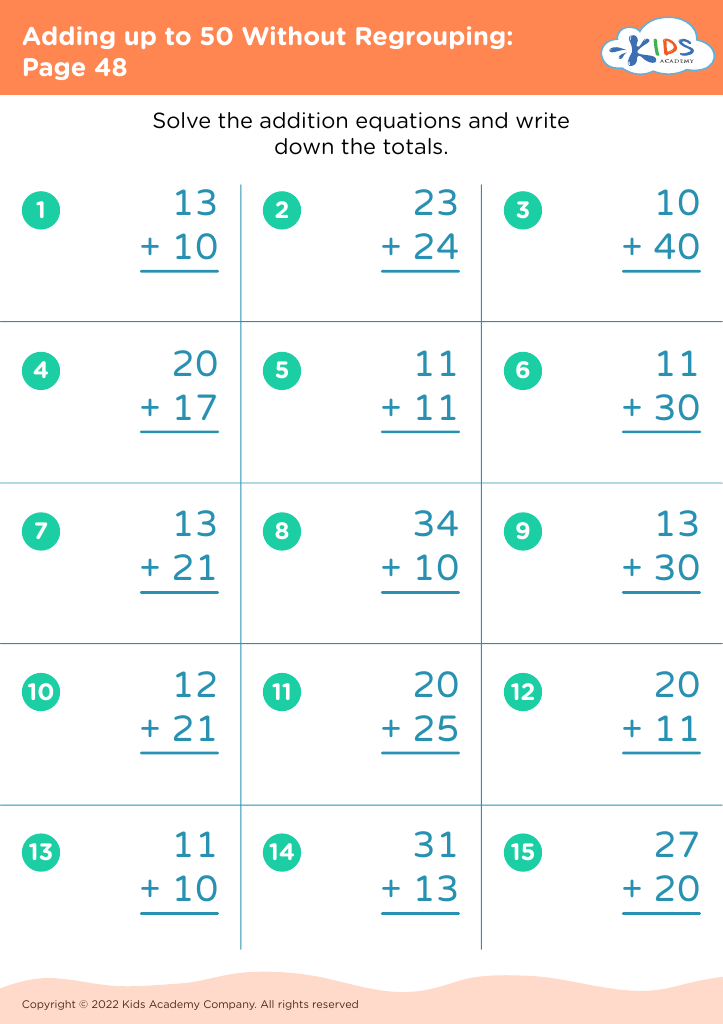
Adding up to 50 Without Regrouping: Page 48
Worksheet
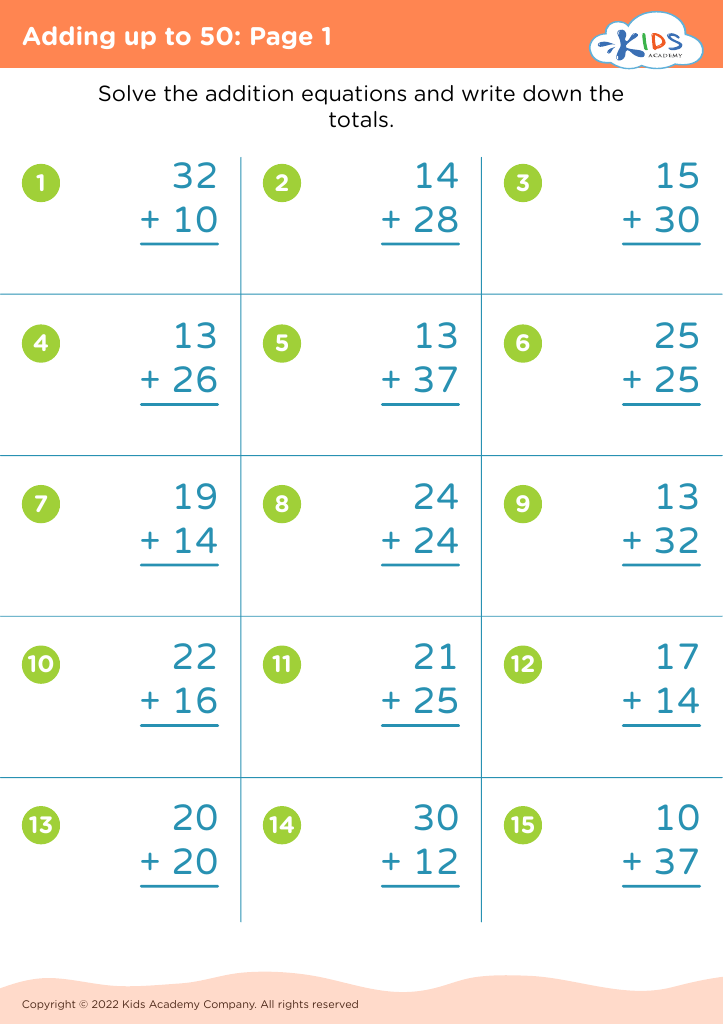
Adding up to 50: Page 1

Adding up to 50: Page 1

Adding up to 50: Page 1
Worksheet
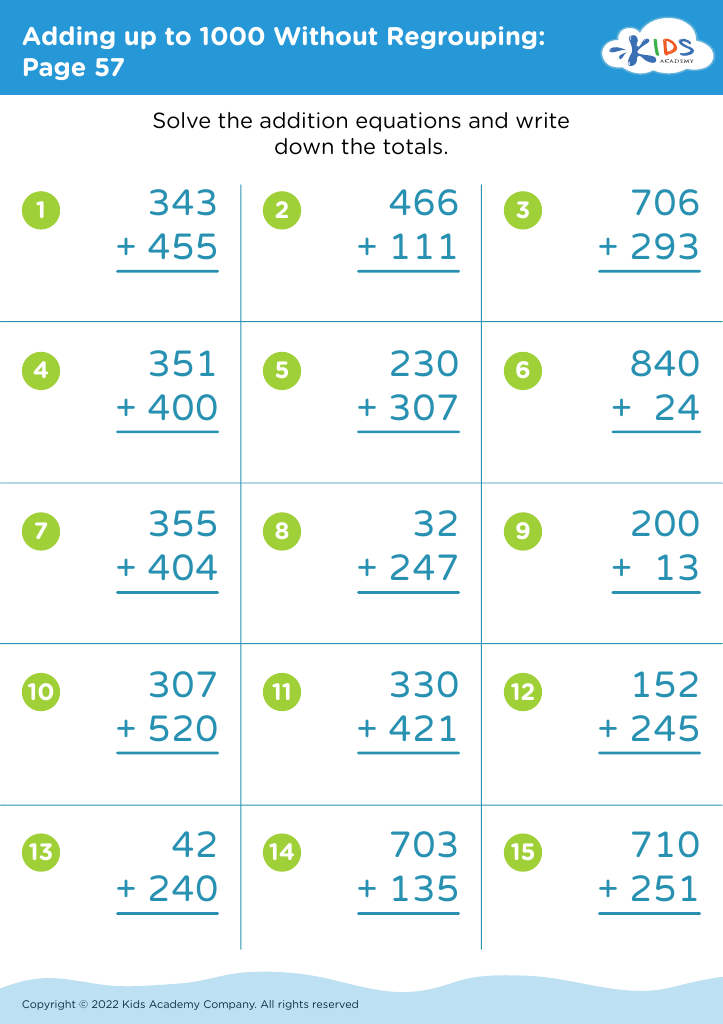
Adding up to 1000 Without Regrouping: Page 57
Worksheet
Adding up to 1000 Without Regrouping: Page 70
Worksheet


Basic addition is a foundational mathematical skill crucial for children aged 4-9 as it supports their cognitive development and paves the way for more complex mathematical concepts. Early mastery in addition enhances problem-solving abilities and logical thinking, skills indispensable not only in math but in everyday decision-making and problem-solving scenarios. By understanding basic addition, children are better prepared for subsequent math topics like subtraction, multiplication, and division.

For parents and teachers, ensuring children grasp basic addition is critical because it fortifies their confidence in math, reducing anxiety around the subject and fostering a positive attitude towards learning. This foundational knowledge directly influences academic performance in various subjects, as math skills are often integrated across the curriculum.

Moreover, basic addition skills contribute to a child's ability to handle real-life situations, such as managing money, understanding time, and engaging in games or activities that involve counting and scorekeeping. Early proficiency in arithmetic facilitates the development of important life skills such as budgeting, planning, and analytical thinking.

Investing time and energy in teaching basic addition ensures children have a strong mathematical foundation, a crucial step towards their overall academic success and everyday functionality. Parents and teachers play pivotal roles in making math an engaging, fun, and rewarding learning experience.