Basic Arithmetic Addition Worksheets for Ages 4-9 - Page 2
39 filtered results
-
From - To
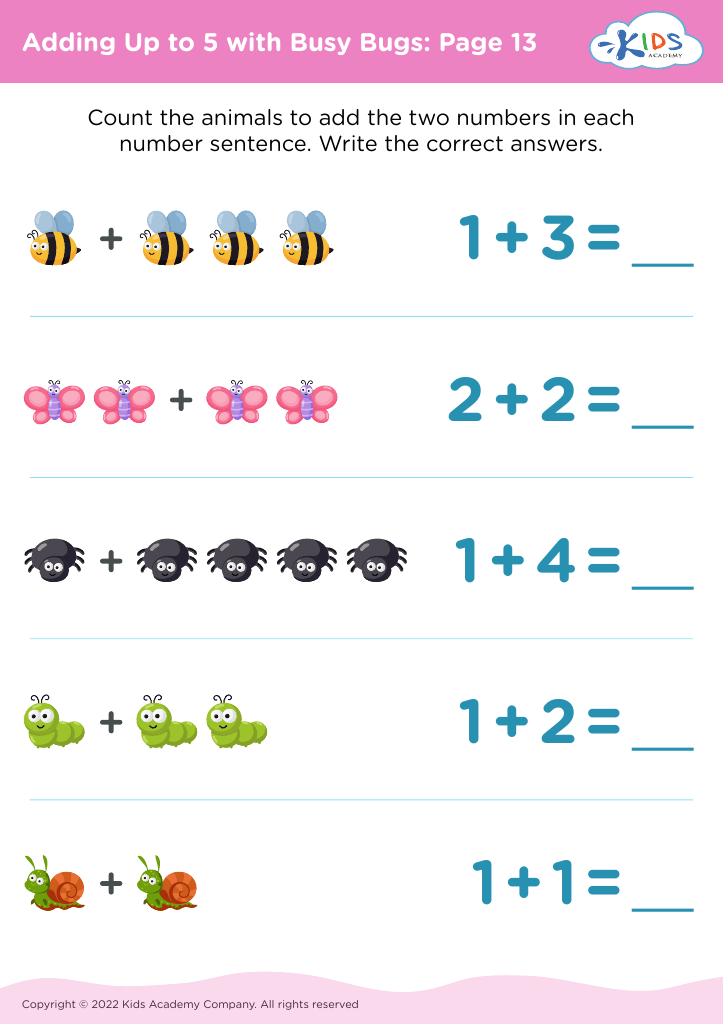
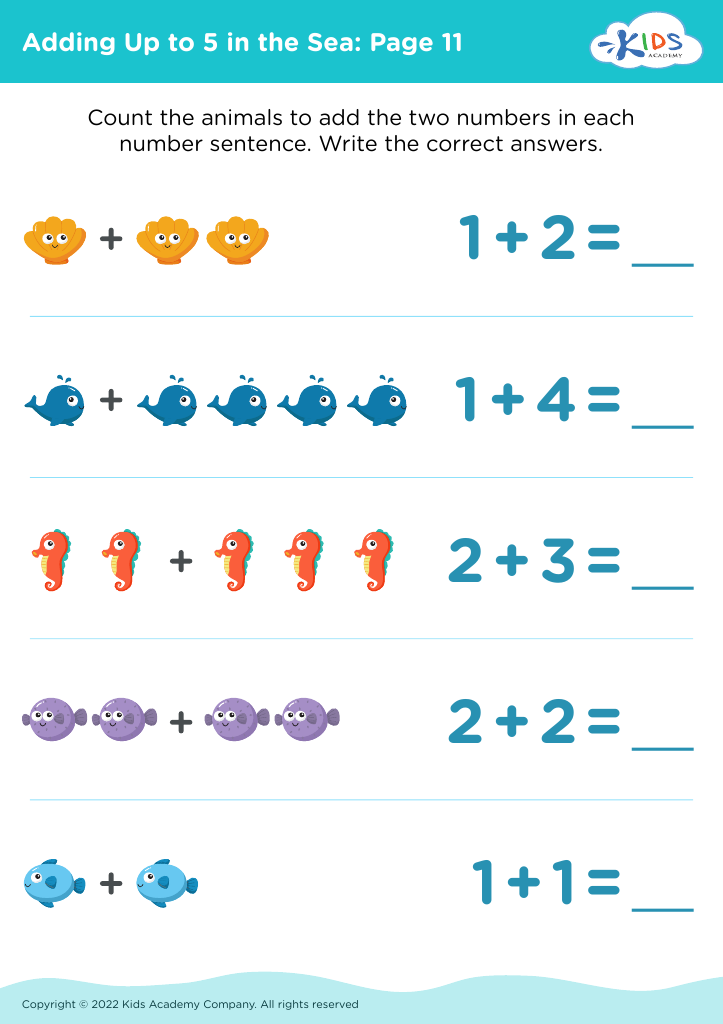
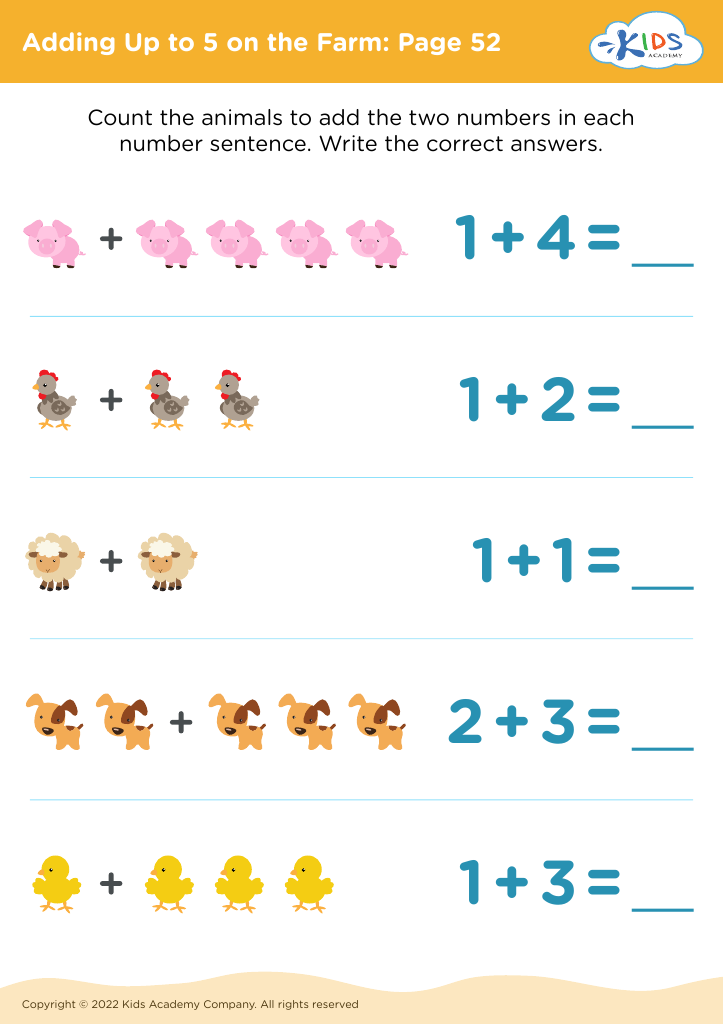
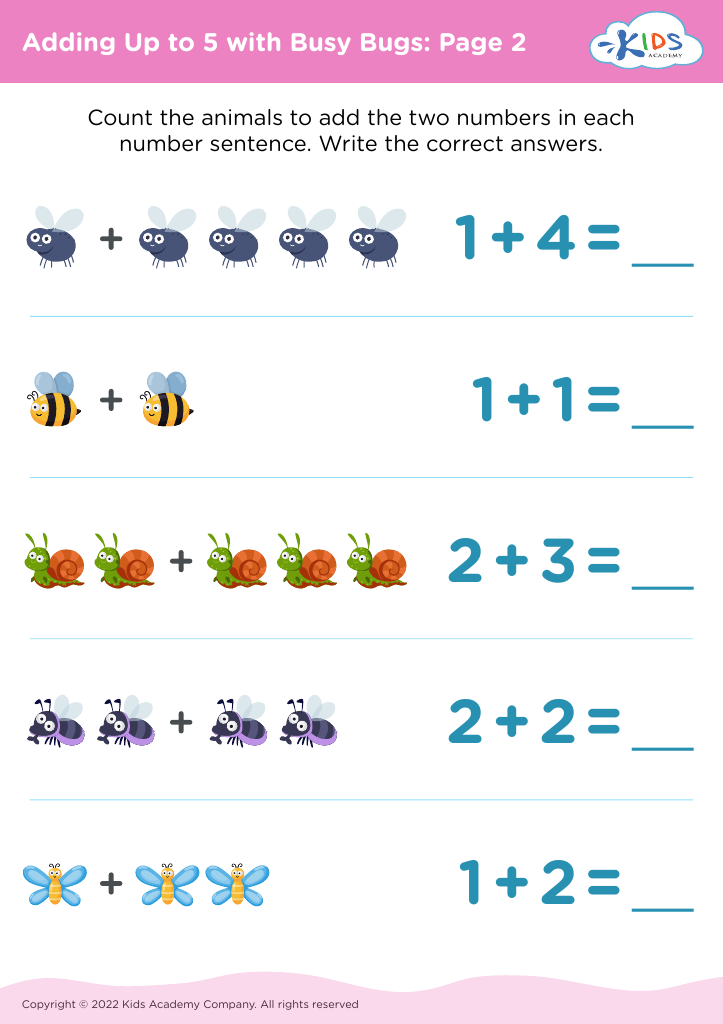
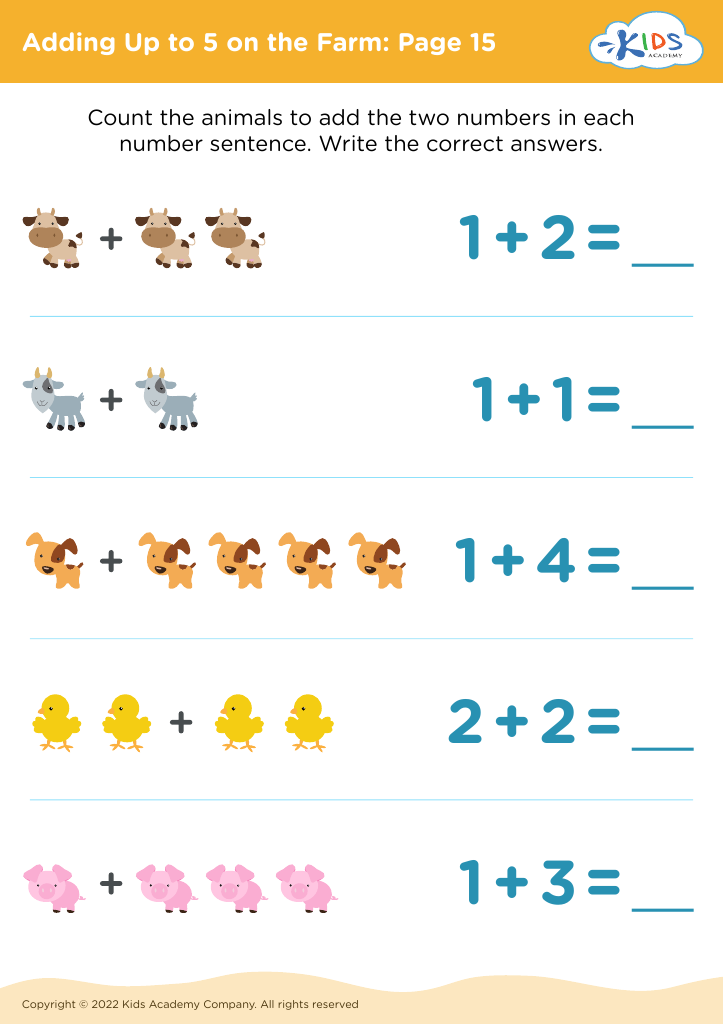
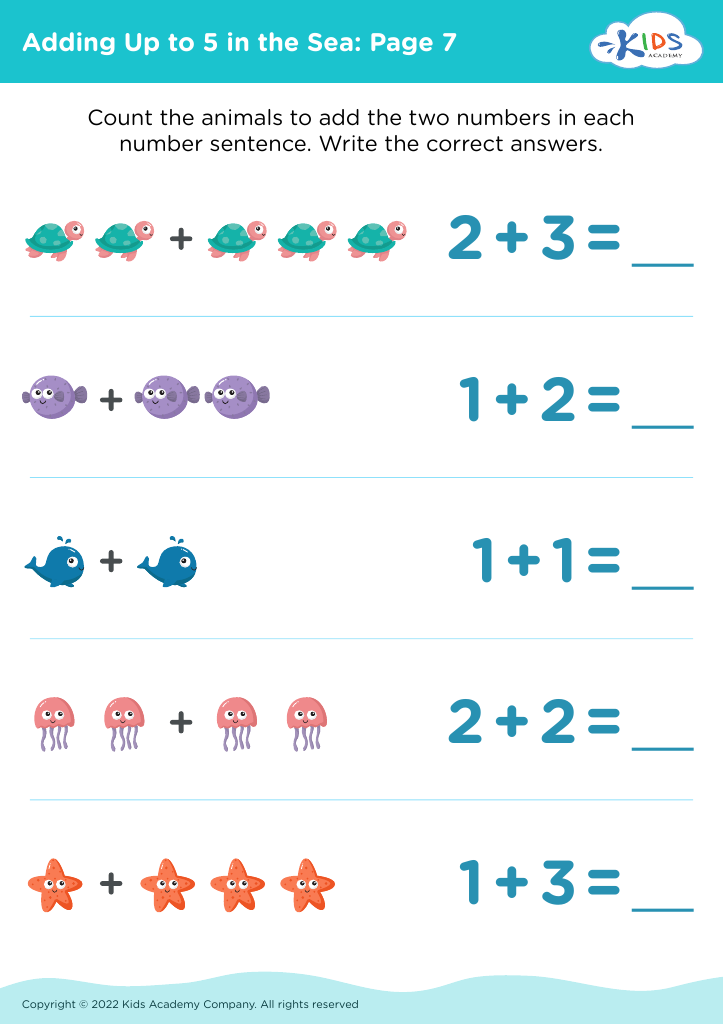
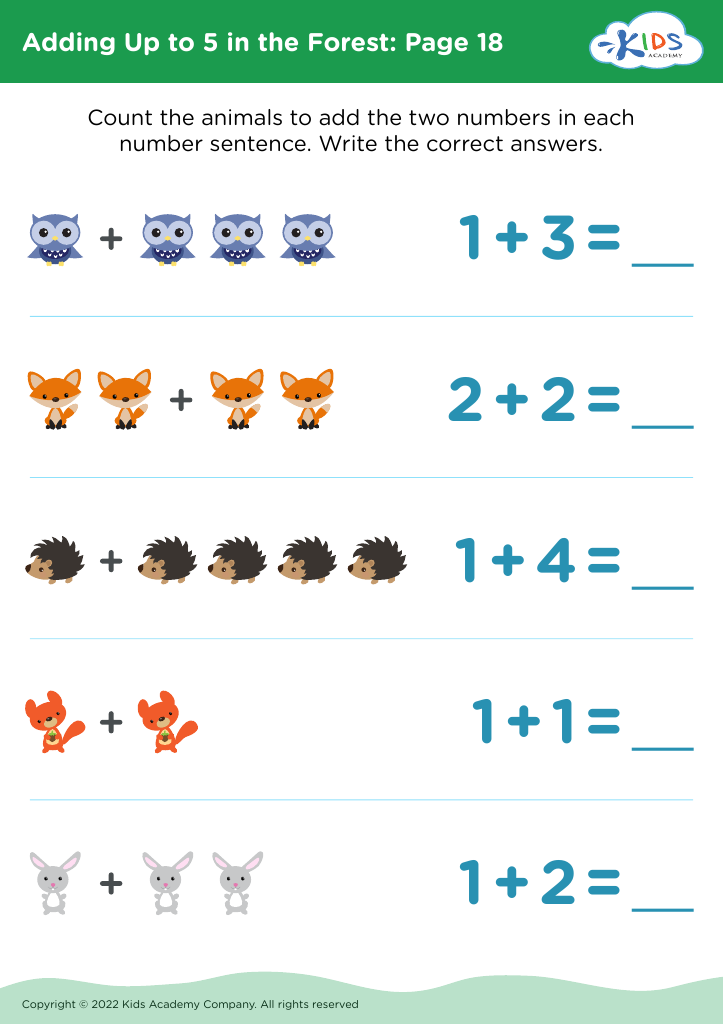
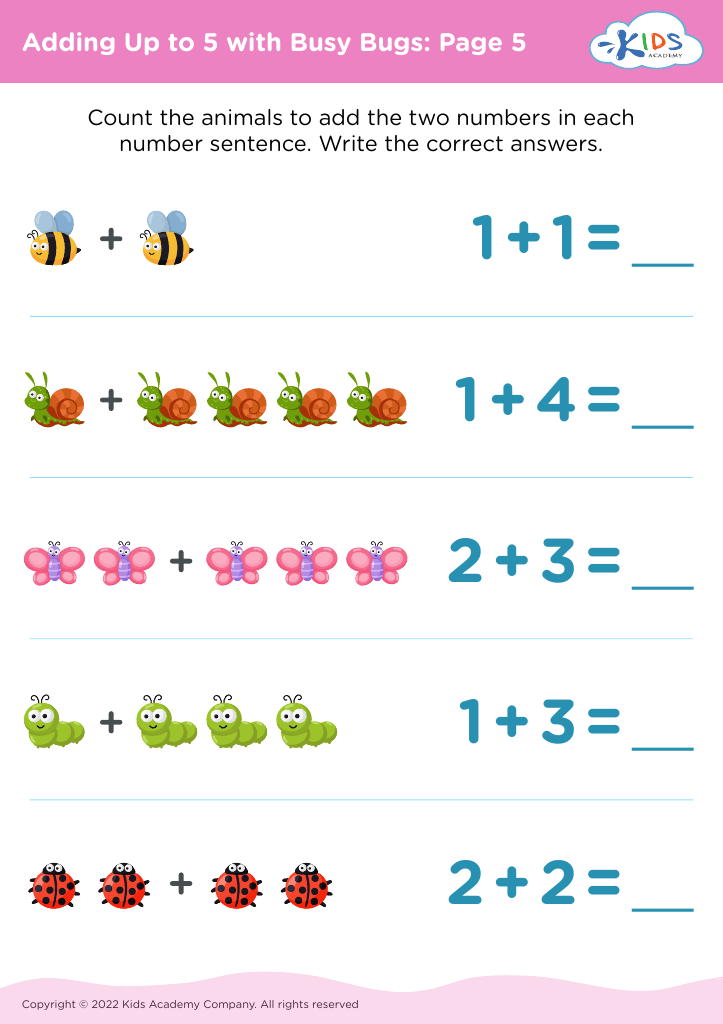
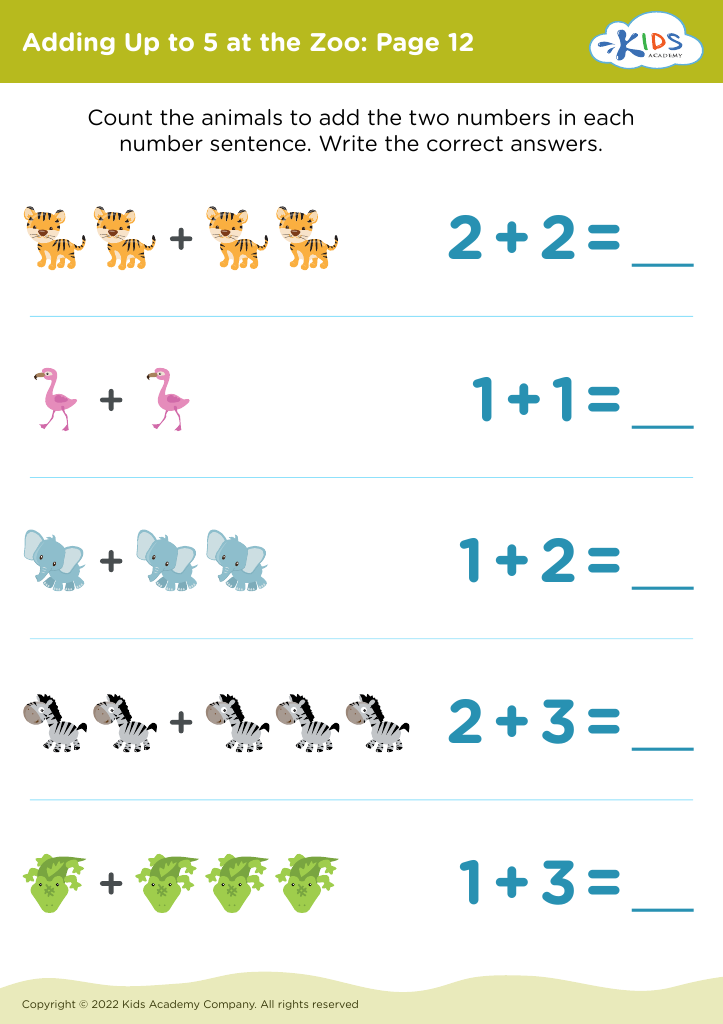
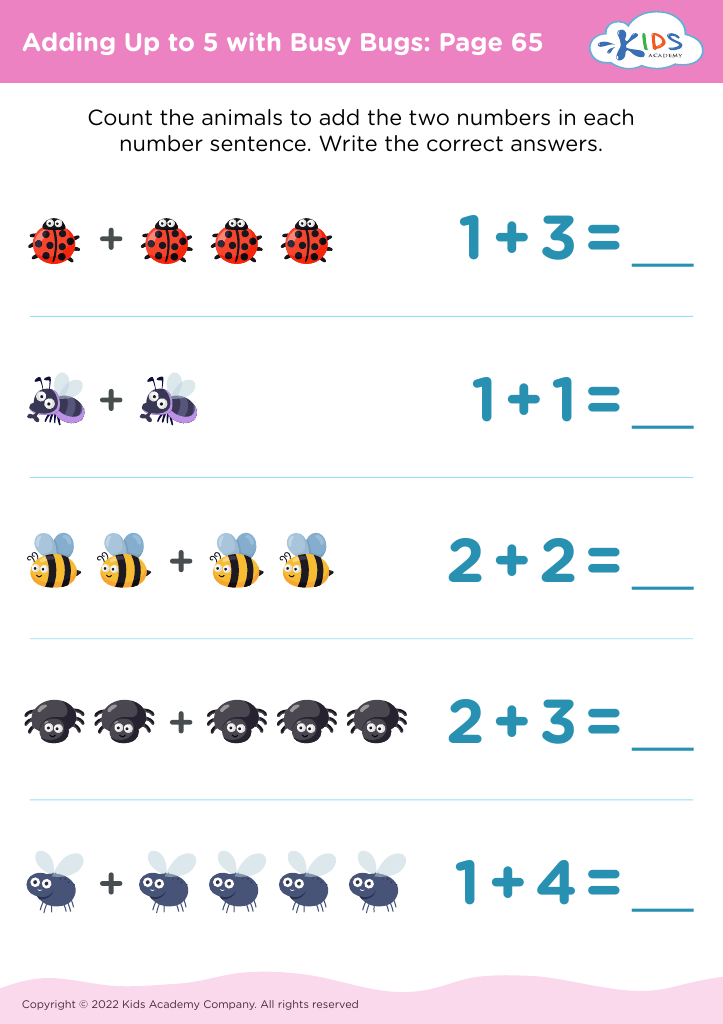
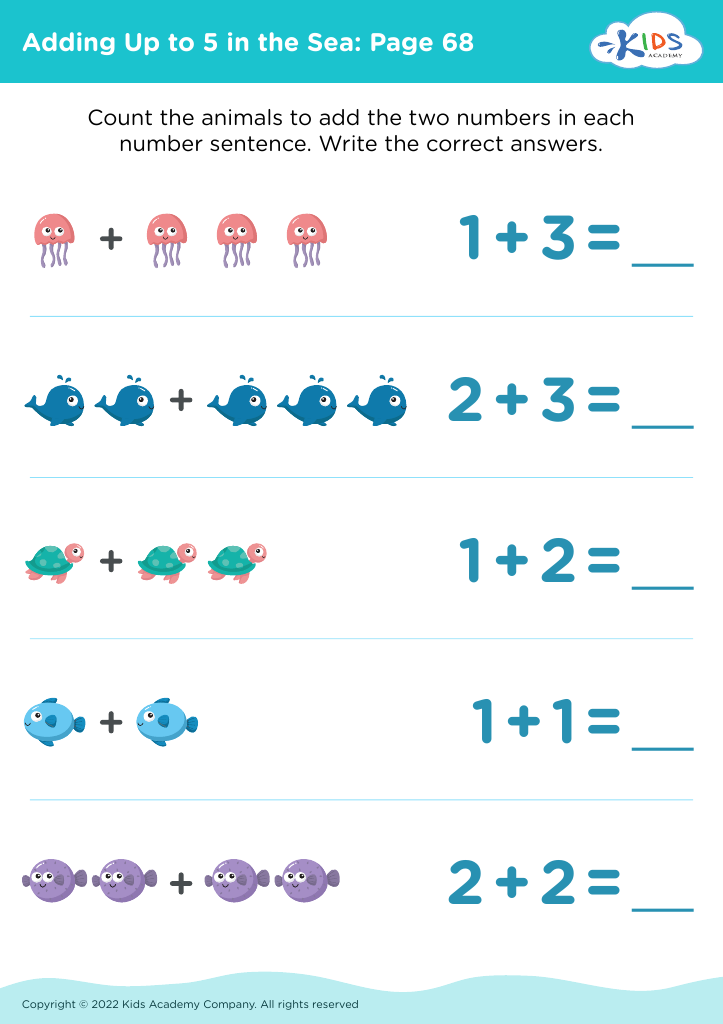
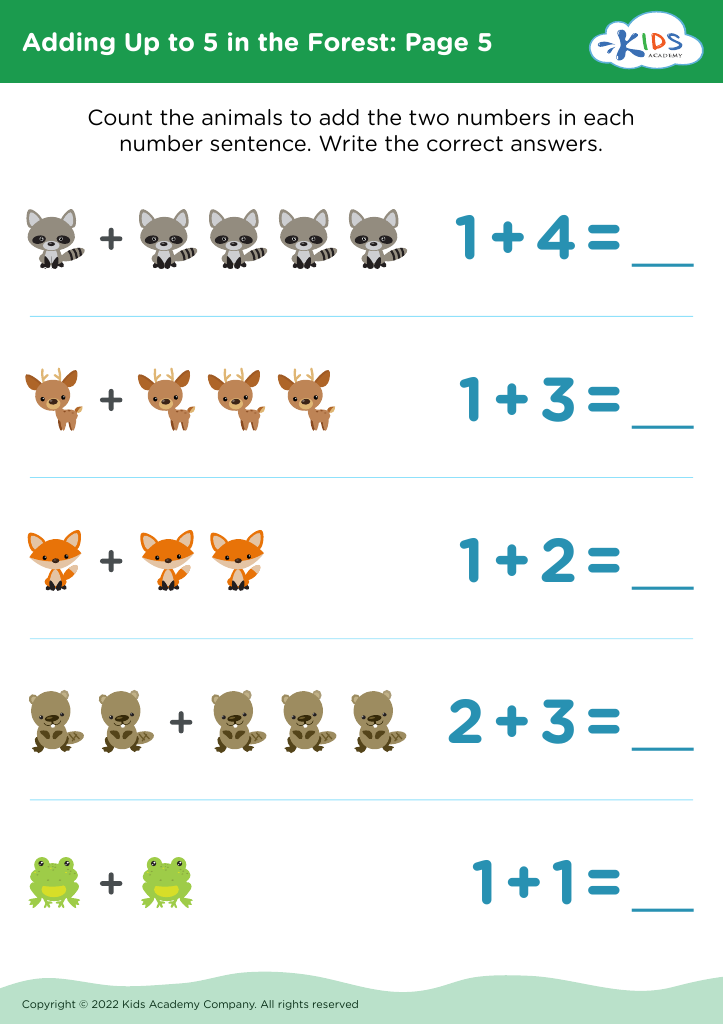
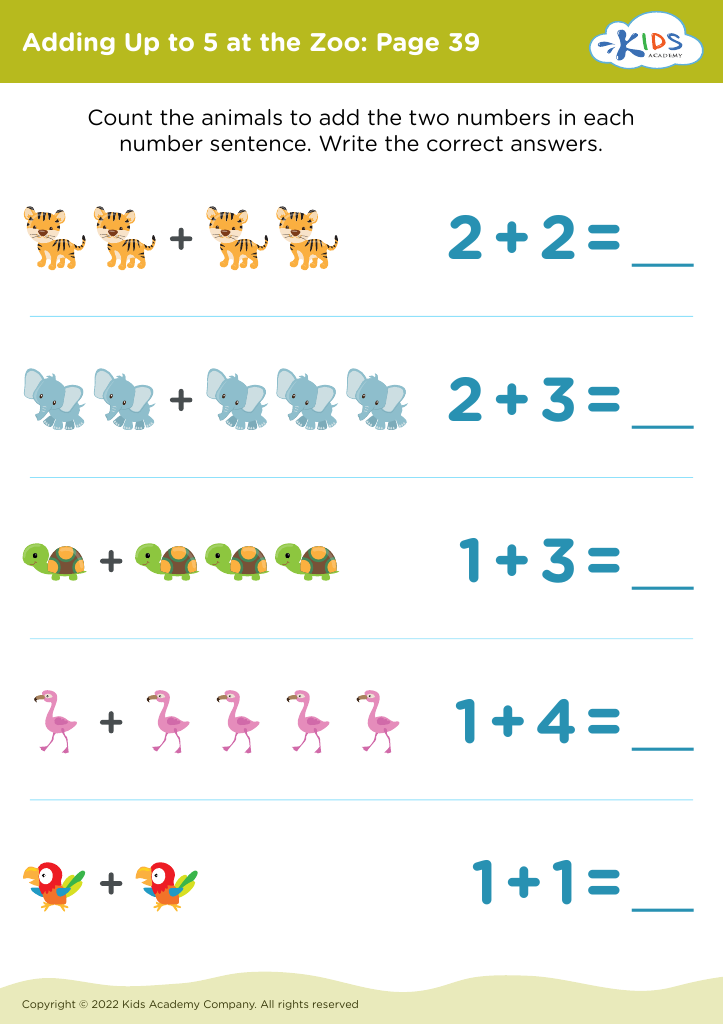
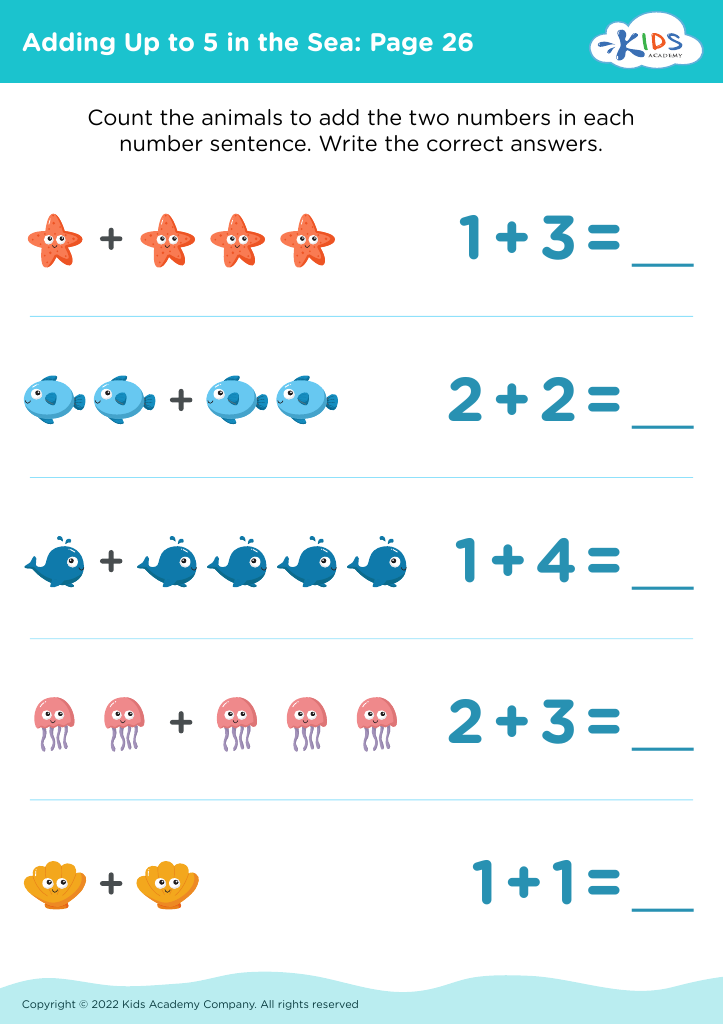
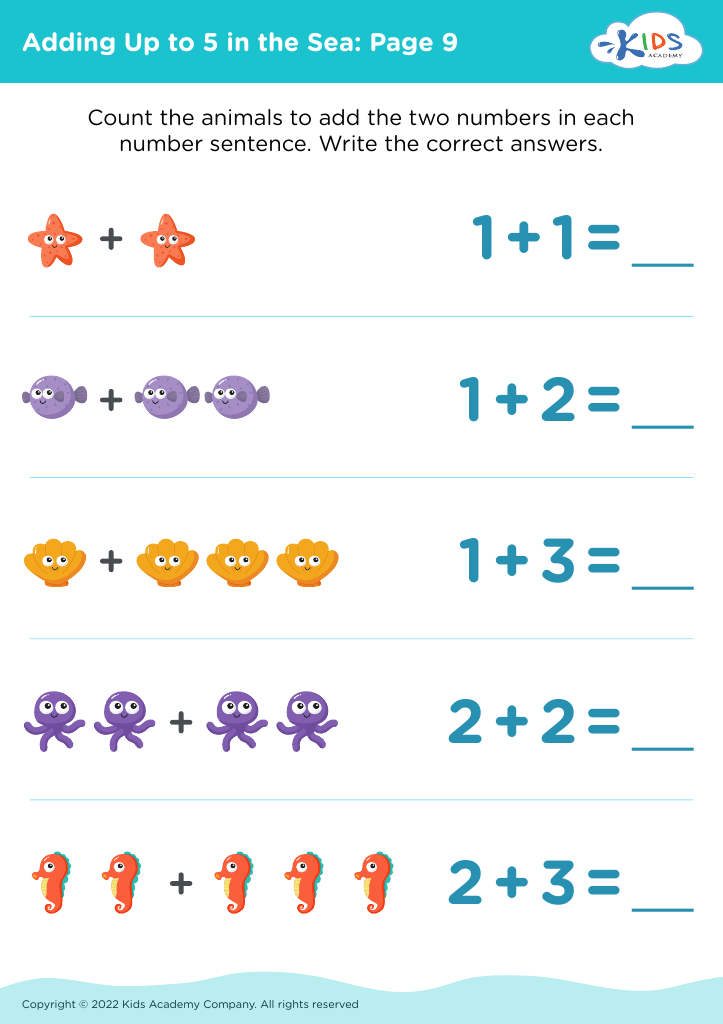








Basic arithmetic addition is a fundamental skill that serves as the foundation for future mathematical learning and overall cognitive development in children ages 4-9. Parents and teachers should care about this early-stage concept because it not only equips children with essential problem-solving skills but also encourages critical thinking and logical reasoning. Mastering addition helps build confidence in mathematics, making children more willing to engage with Numbers as they grow.
Moreover, early math skills correlate significantly with later academic success. Children who develop a grasp of basic addition are better prepared for more complex math concepts such as subtraction, multiplication, and division. These skills are critical for everyday life, as math is ingrained in a myriad of activities.
Engaging children with fun, interactive strategies to learn addition can also foster a love for learning and collaboration. It promotes social skills when they play math games with peers or family members.
Ultimately, focusing on basic arithmetic addition nurtures a child’s overall development, strengthening their academic abilities, enhancing reasoning skills, and fostering a lifelong love of learning. Therefore, parents and teachers play an essential role in-building these foundational skills during these crucial years.








