Filters

19 filtered results

Clear all filters
Favorites
With answer key
Interactive

19 filtered results

Difficulty Level

Grade


Enhance your child's math skills with our "Counting Objects Addition Worksheets" designed for ages 4-9! These engaging worksheets make learning addition fun by using colorful visuals and relatable objects. Students will practice counting and adding groups of items, building a solid foundation for basic arithmetic. Ideal for home or classroom use, these resources encourage critical thinking and boost confidence in math. Each worksheet is thoughtfully curated to match young learners’ cognitive levels, making the concept of addition clear and accessible. Equip your child with the essential skills needed for academic success and a love for learning through interactive practice! Download now!
Check out this FREE Trial Lesson on Addition for age 4-9!

Match Objects that Fit Together

Favorites
With answer key
Interactive
  • 4-9
  • Counting objects
  • Addition
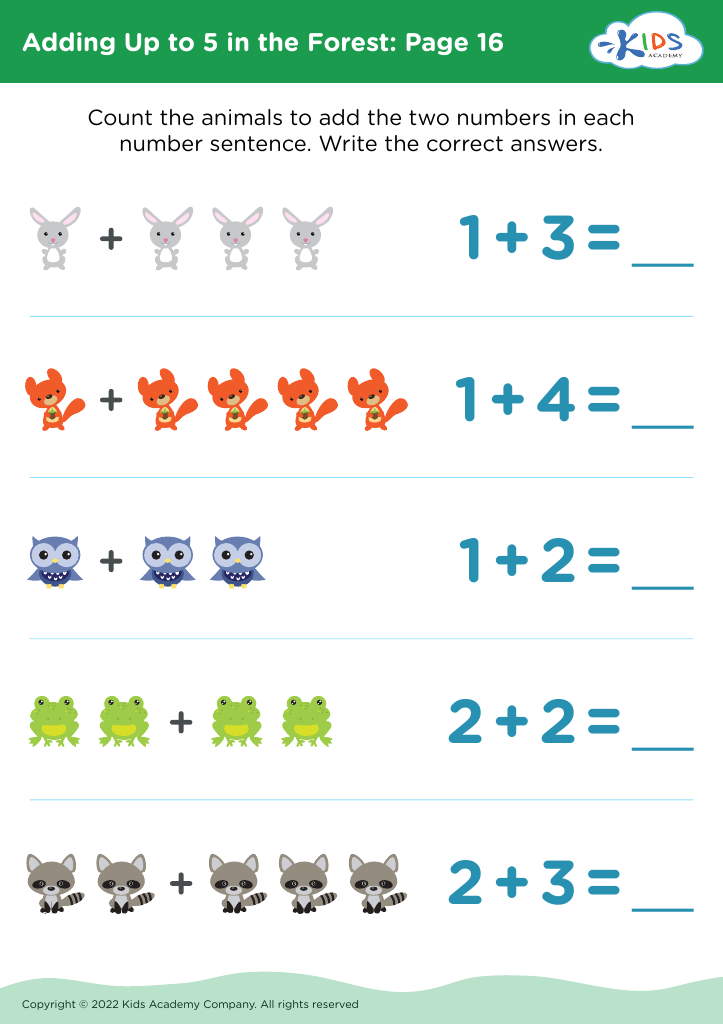
Adding Up to 5 in the Forest: Page 16
Worksheet
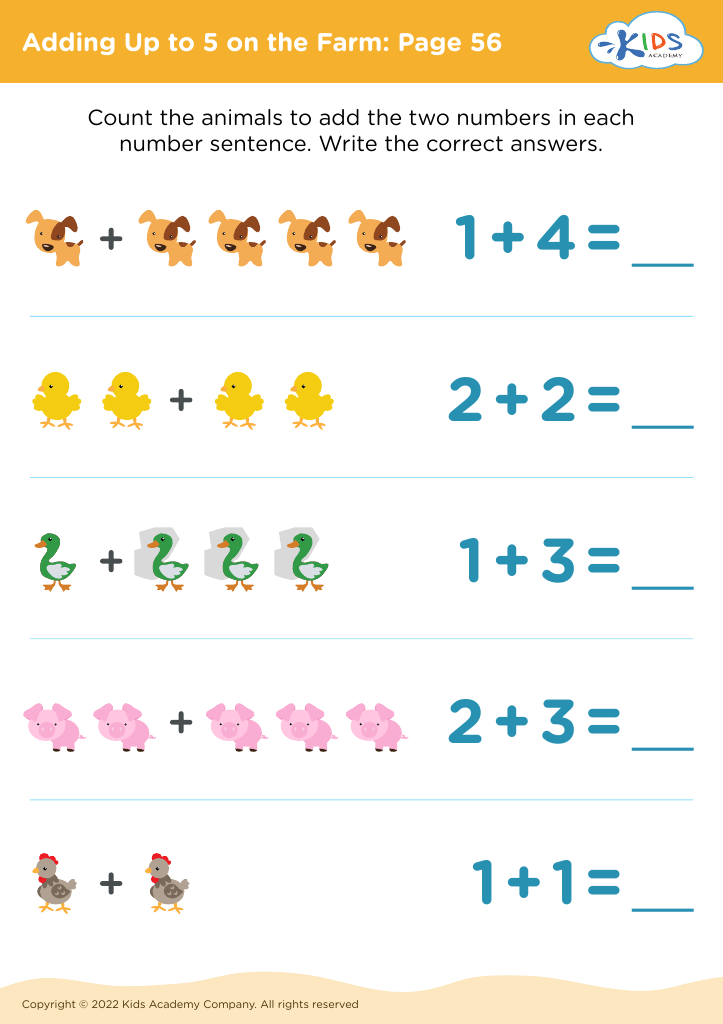
Adding Up to 5 on the Farm: Page 56
Worksheet
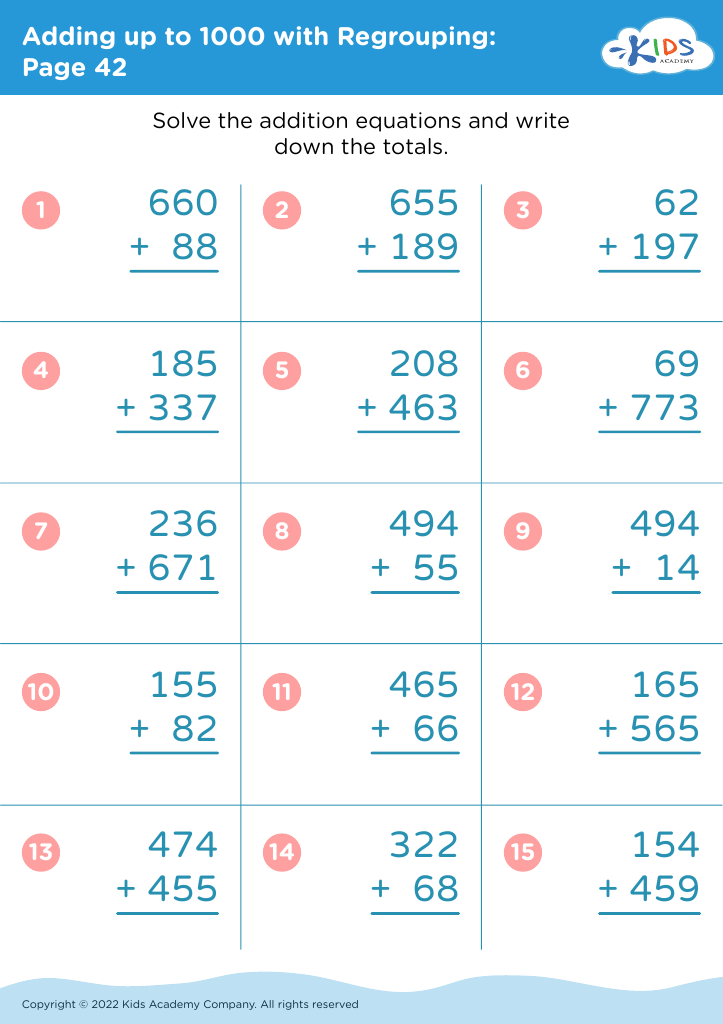
Adding up to 1000 with Regrouping: Page 42
Worksheet
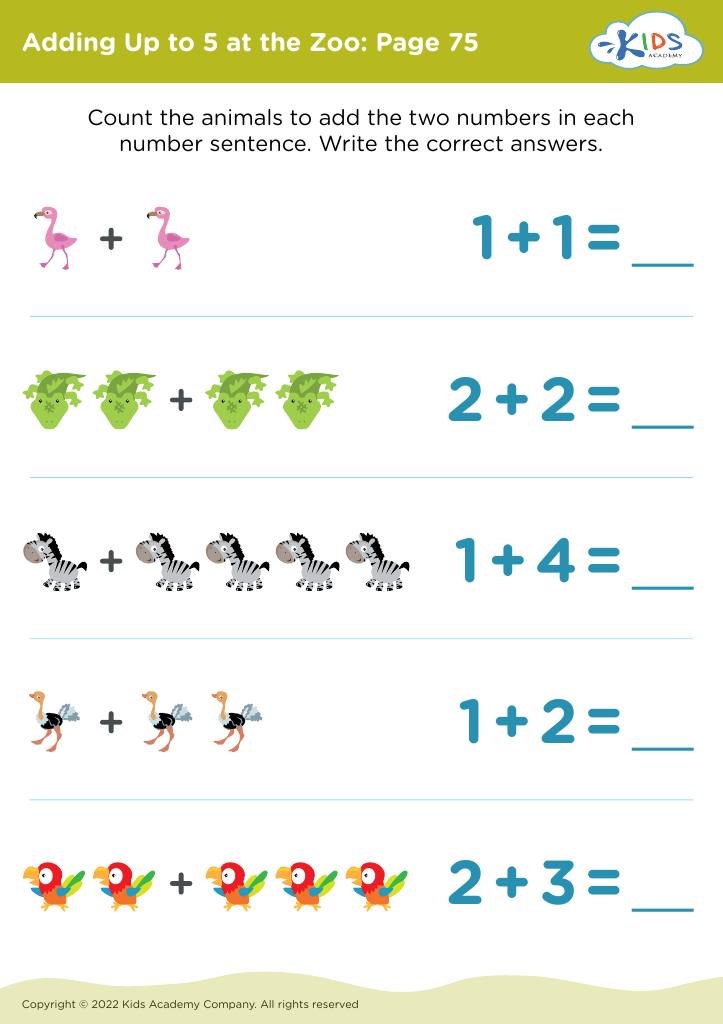
Adding Up to 5 at the Zoo: Page 75
Worksheet
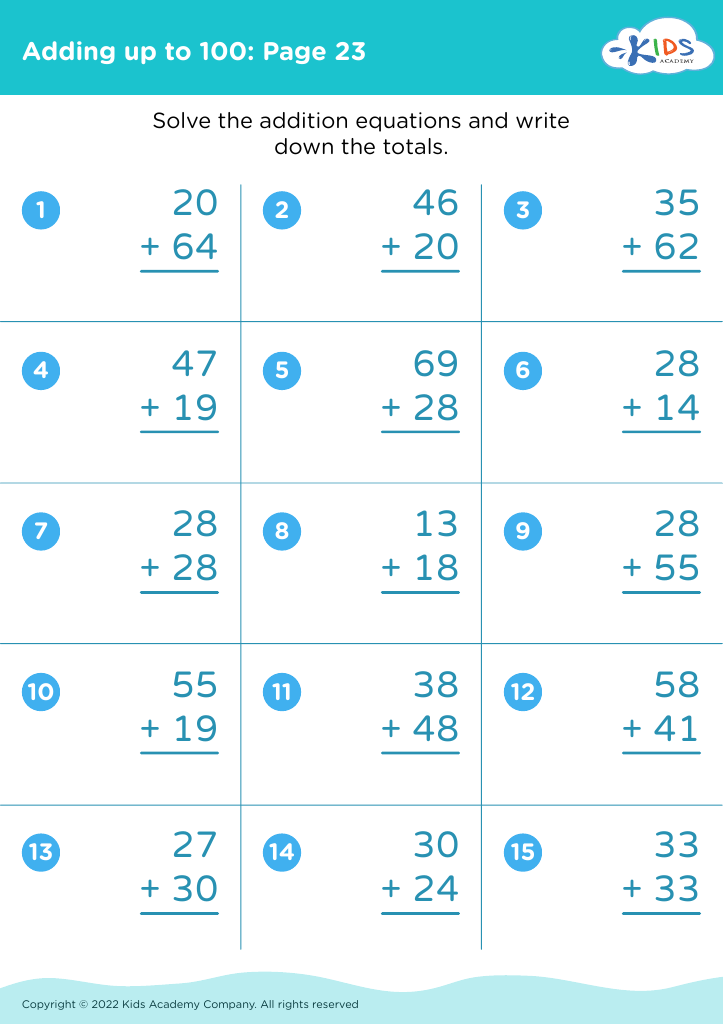
Adding up to 100: Page 23

Adding up to 100: Page 23

Adding up to 100: Page 23
Worksheet
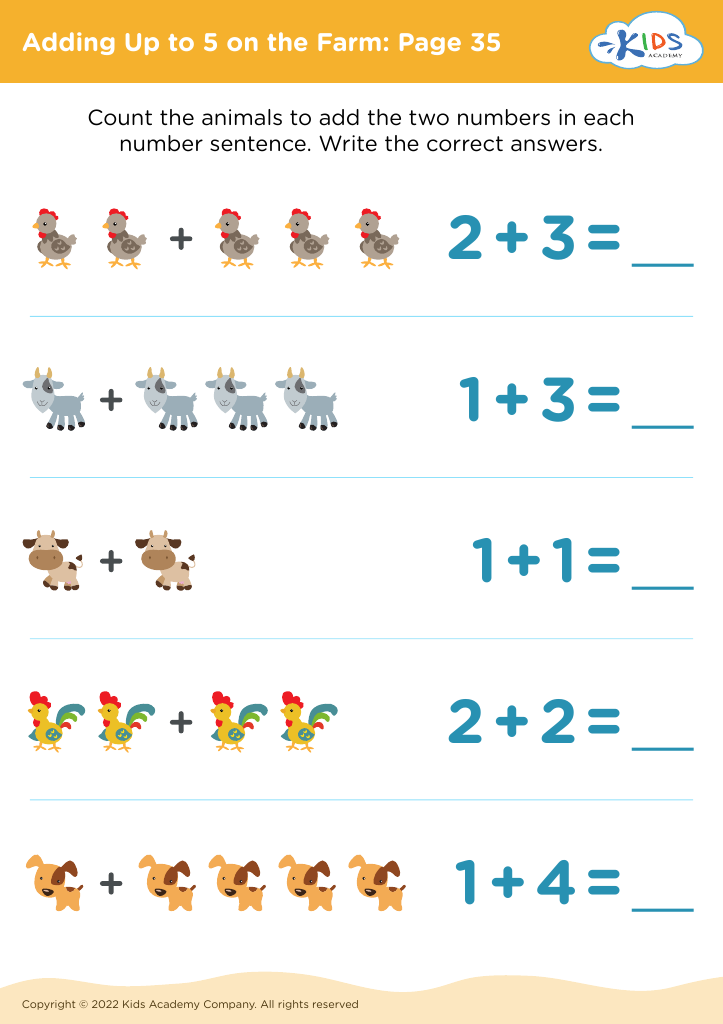
Adding Up to 5 on the Farm: Page 35
Worksheet
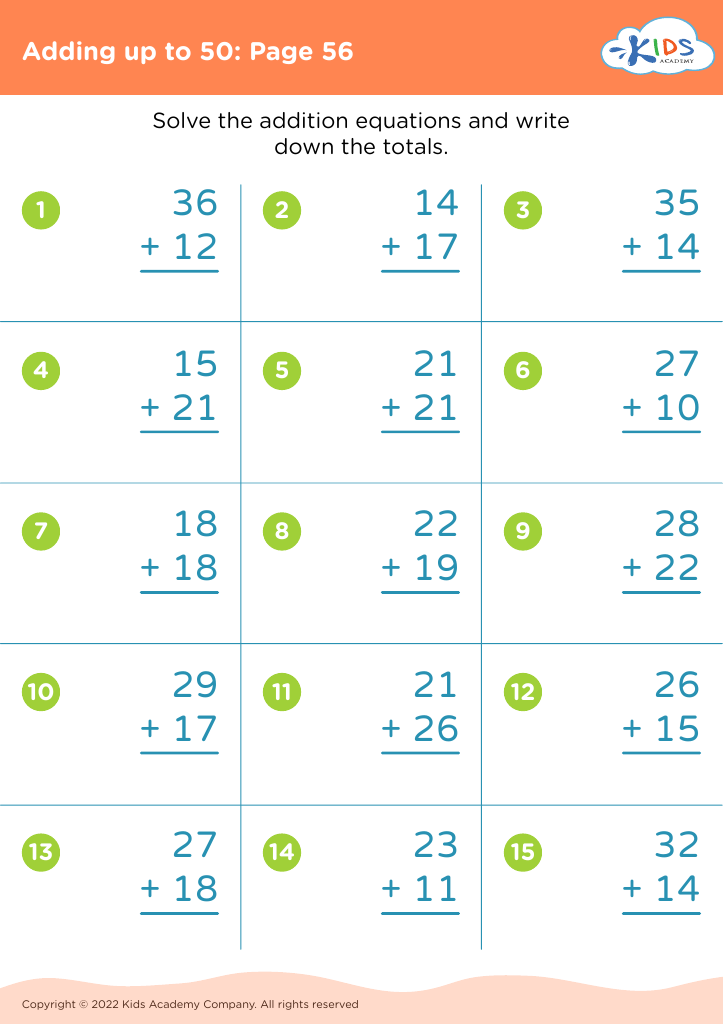
Adding up to 50: Page 56

Adding up to 50: Page 56

Adding up to 50: Page 56
Worksheet
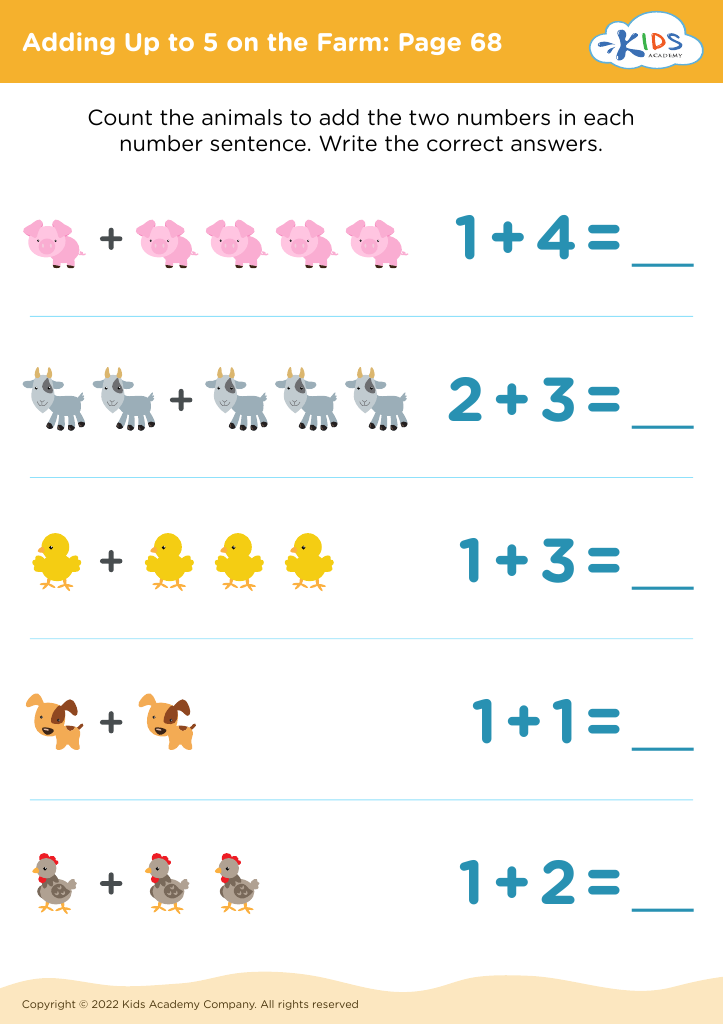
Adding Up to 5 on the Farm: Page 68
Worksheet
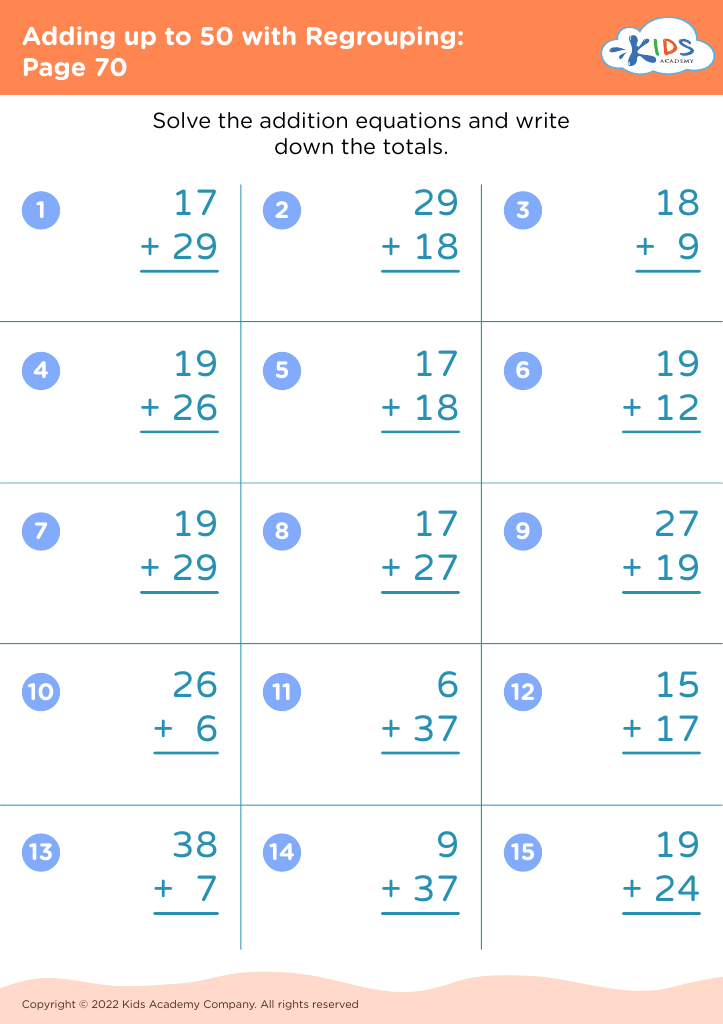
Adding up to 50 with Regrouping: Page 70
Worksheet
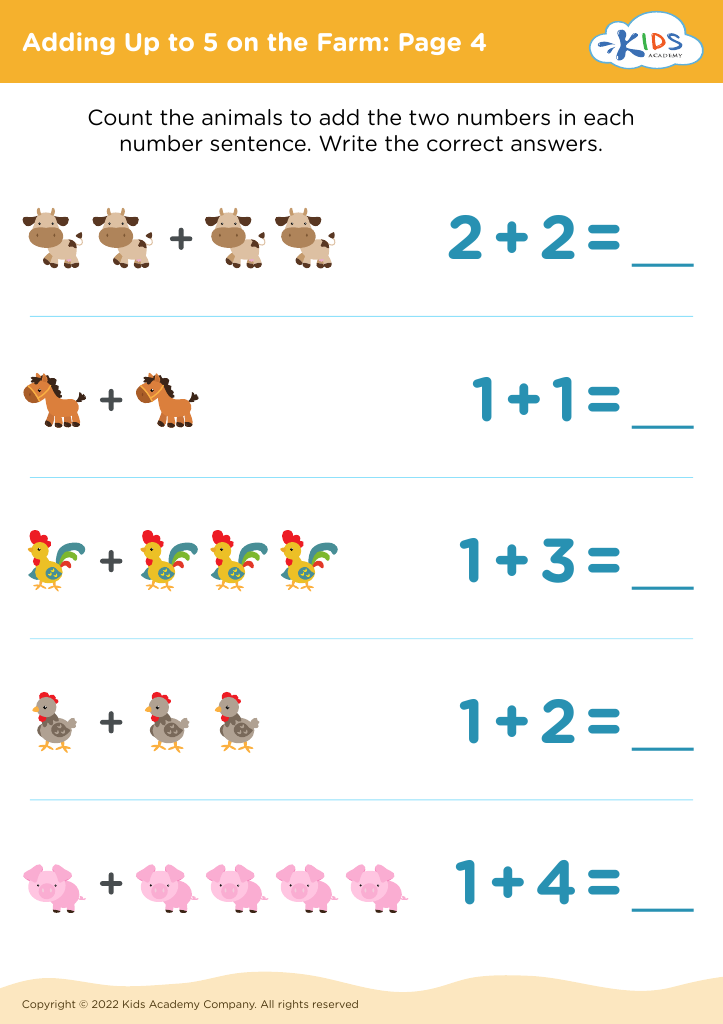
Adding Up to 5 on the Farm: Page 4
Worksheet
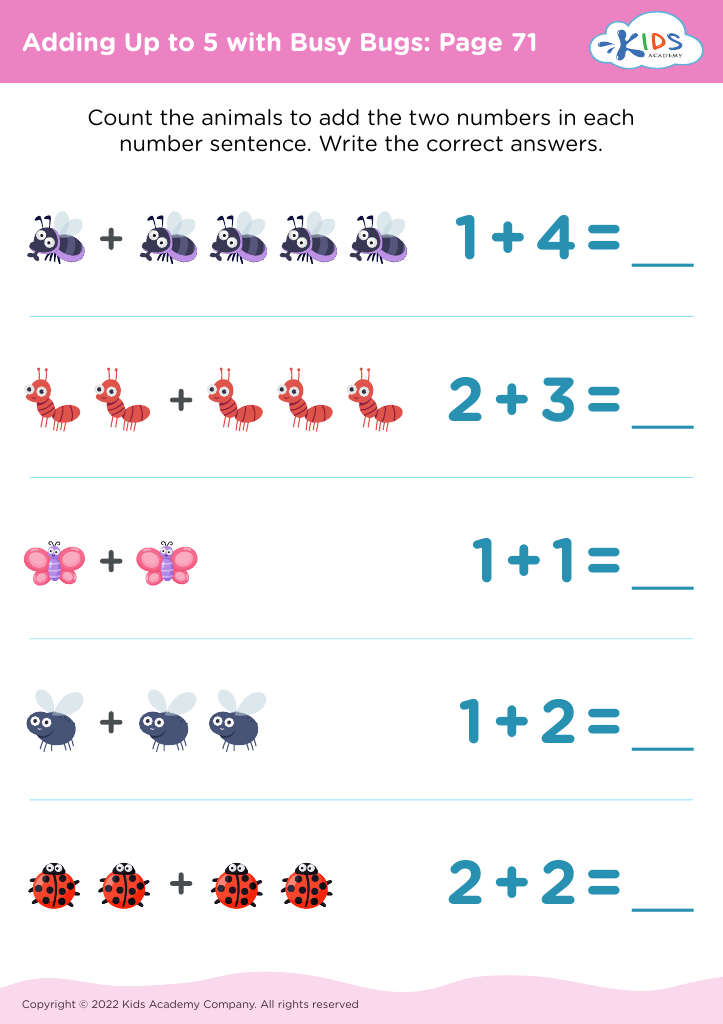
Adding Up to 5 with Busy Bugs: Page 71
Worksheet
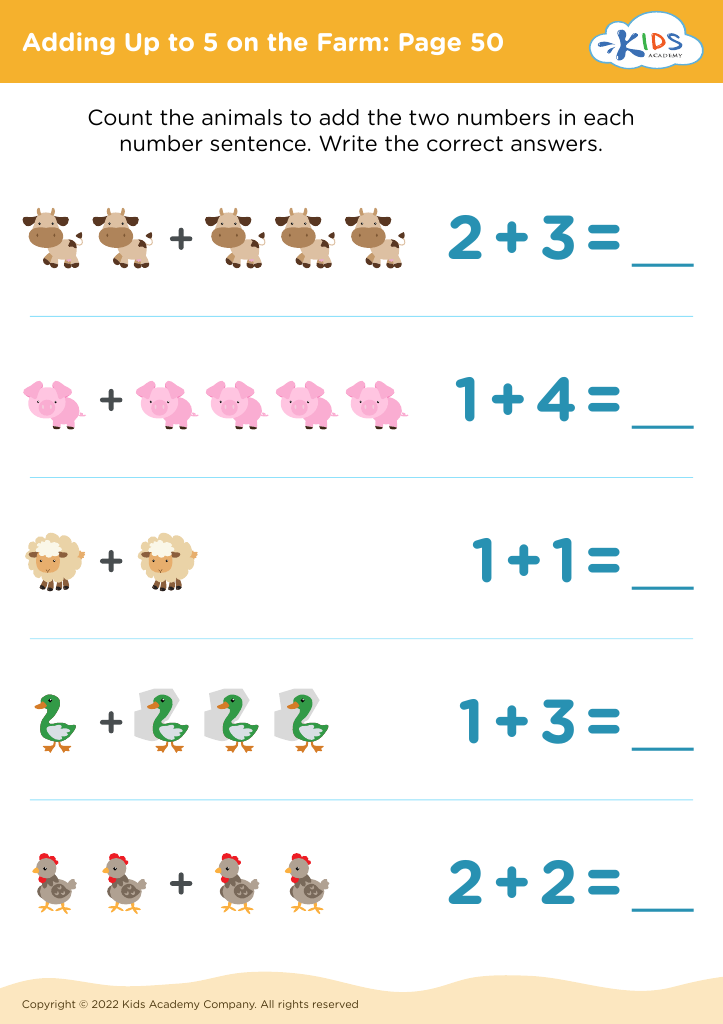
Adding Up to 5 on the Farm: Page 50
Worksheet
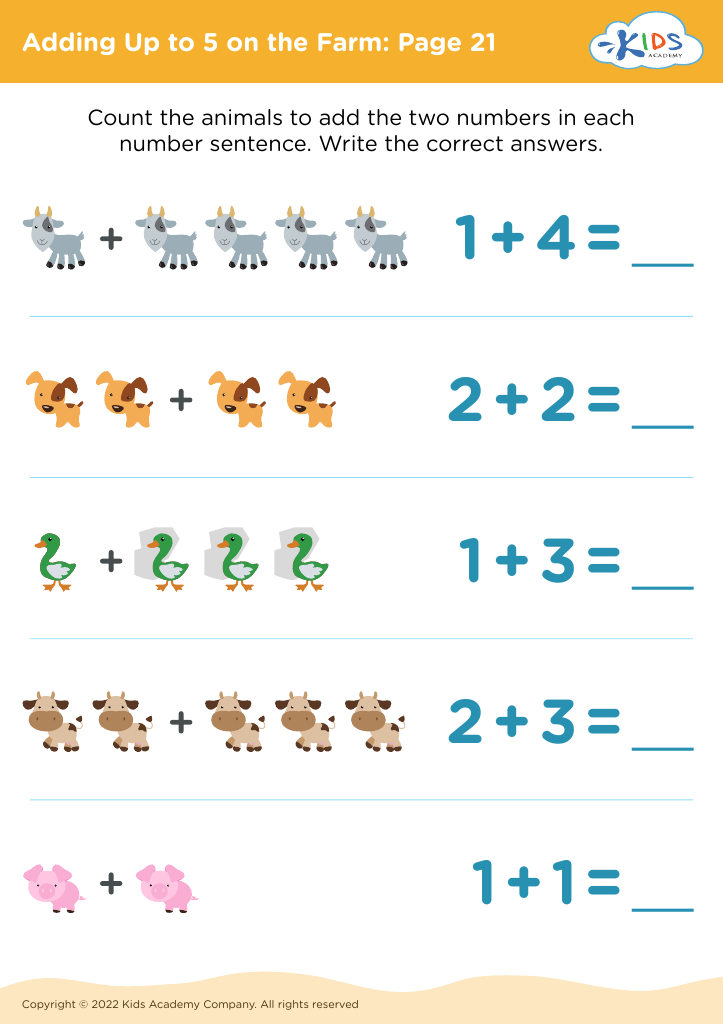
Adding Up to 5 on the Farm: Page 21
Worksheet
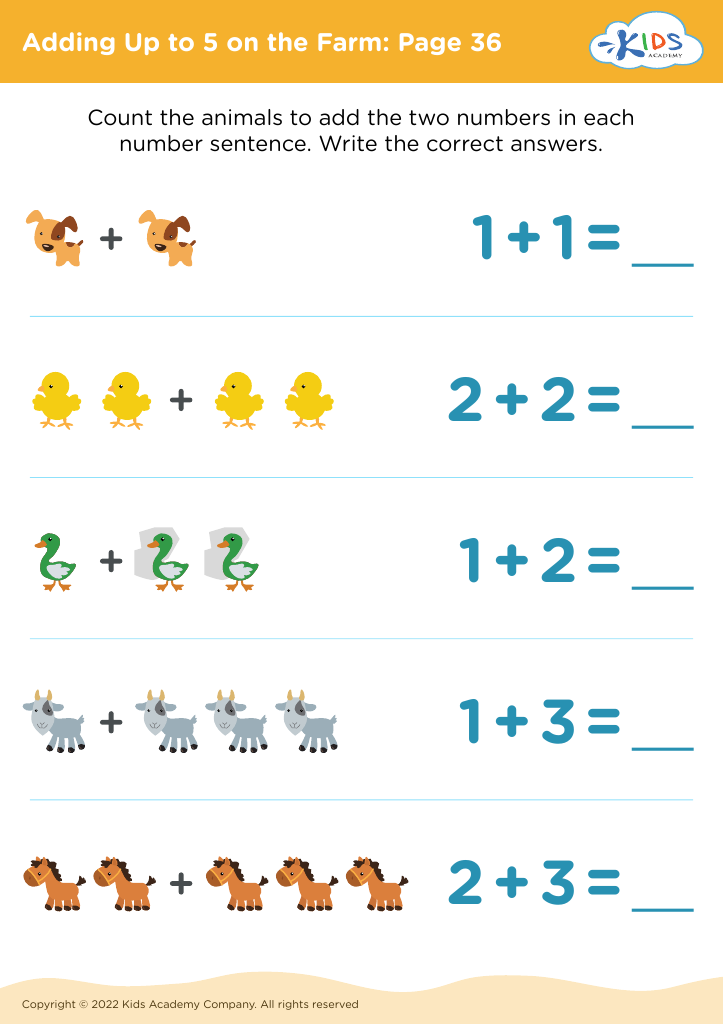
Adding Up to 5 on the Farm: Page 36
Worksheet
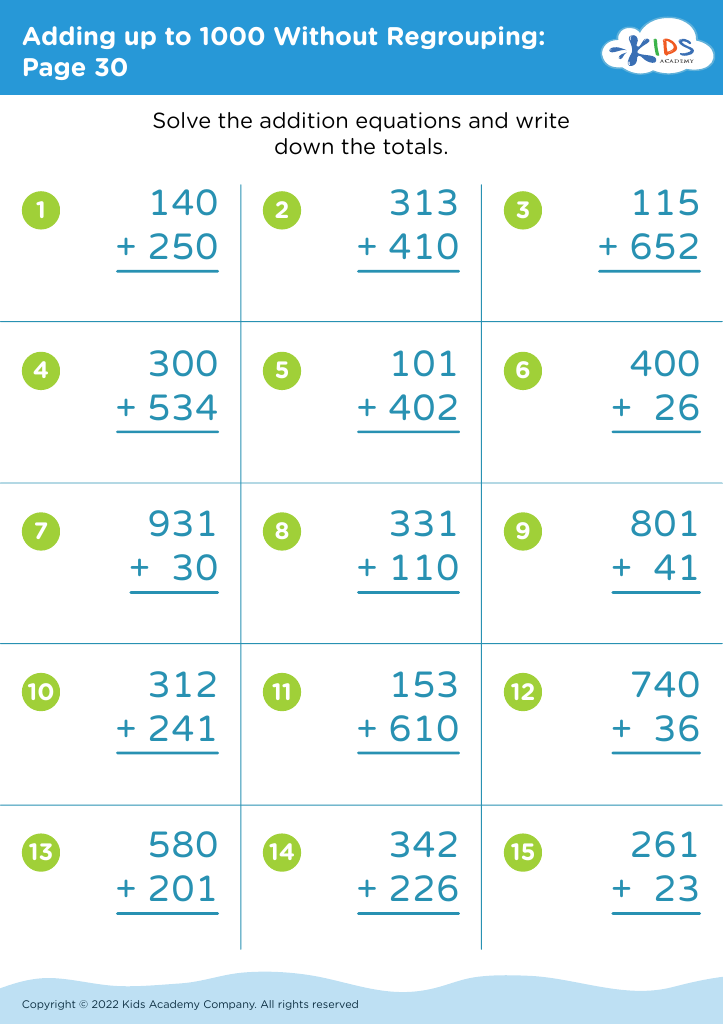
Adding up to 1000 Without Regrouping: Page 30
Worksheet
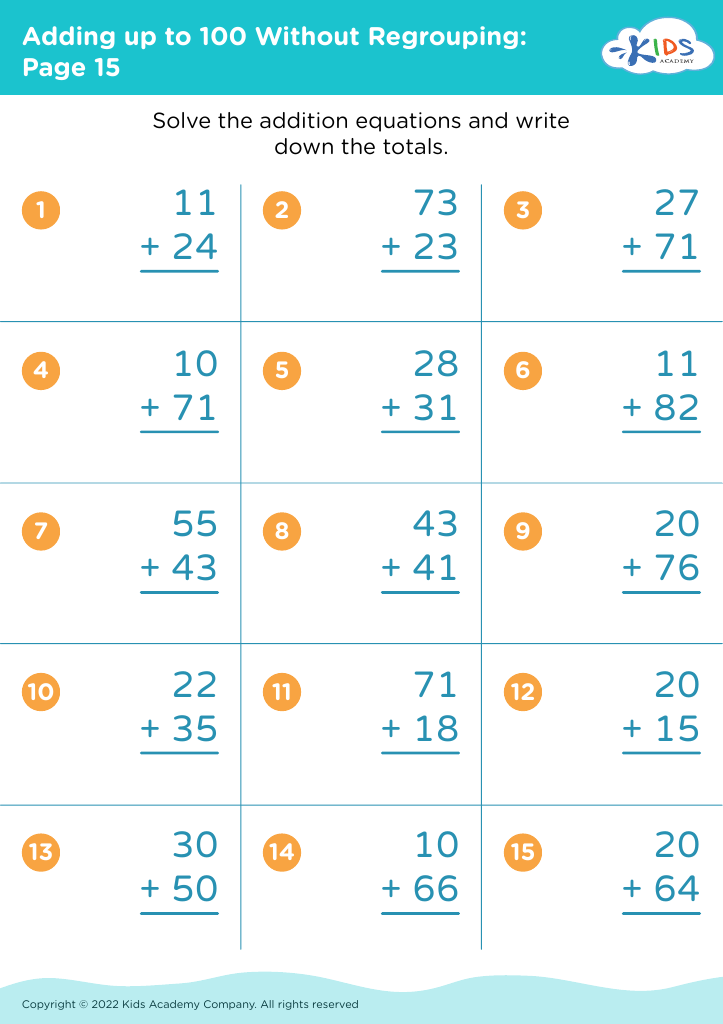
Adding up to 100 Without Regrouping: Page 15
Worksheet
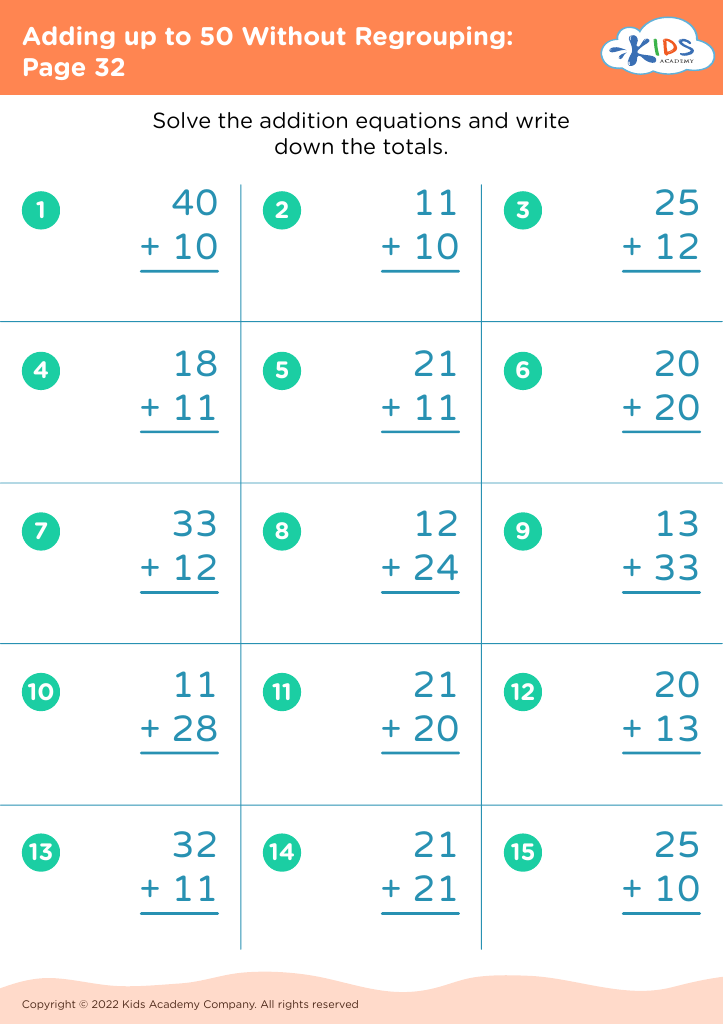
Adding up to 50 Without Regrouping: Page 32
Worksheet
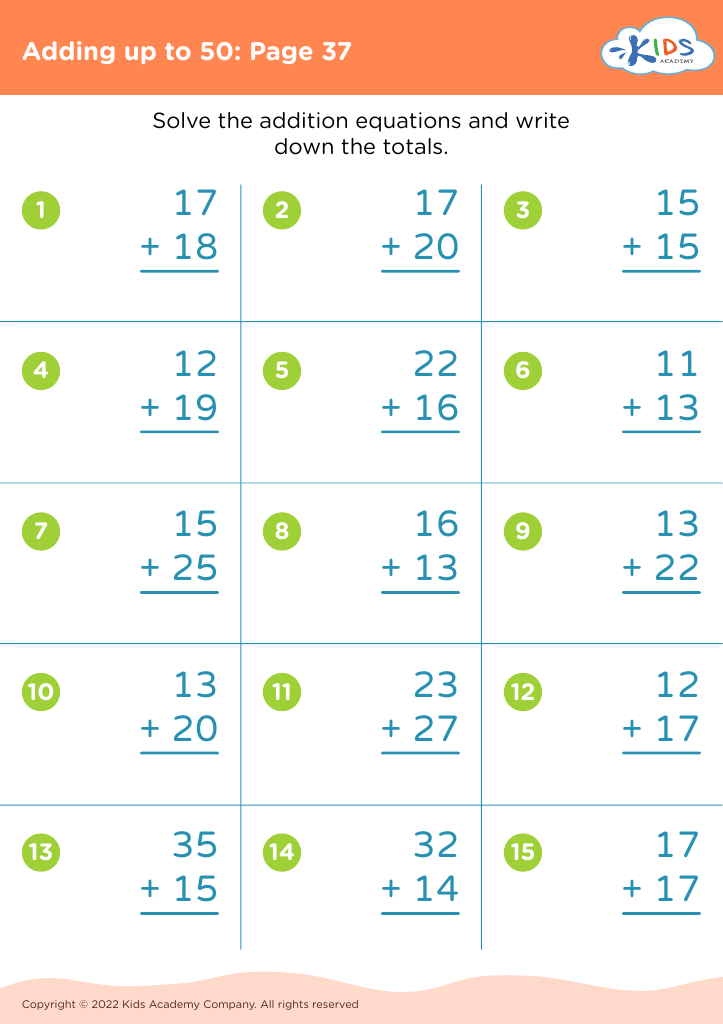
Adding up to 50: Page 37

Adding up to 50: Page 37

Adding up to 50: Page 37
Worksheet
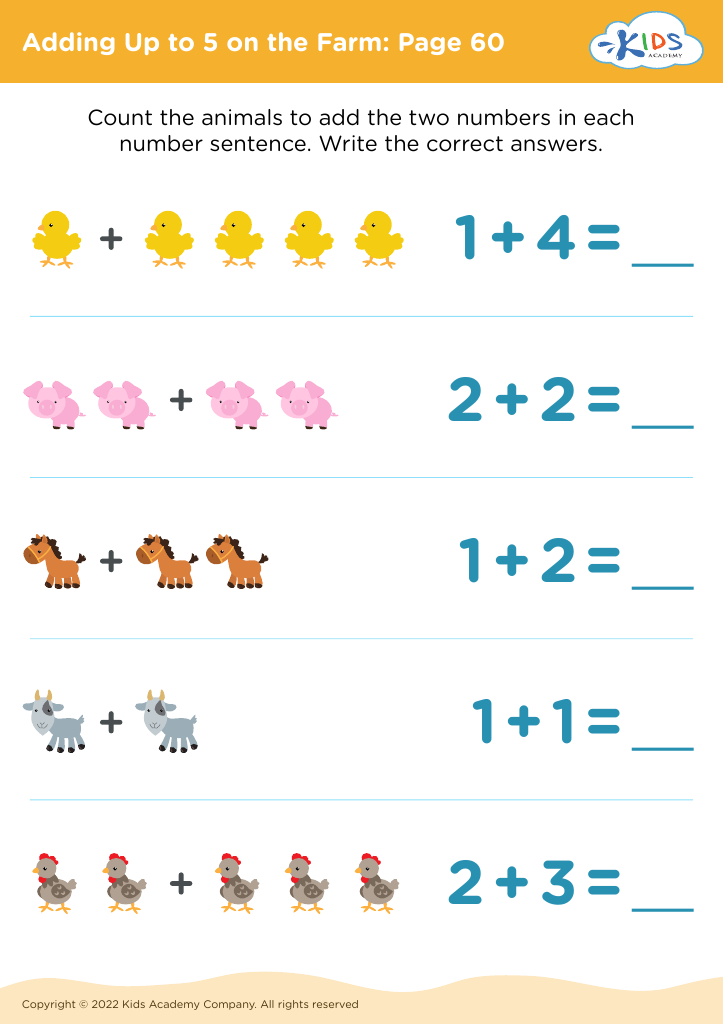
Adding Up to 5 on the Farm: Page 60
Worksheet


Counting objects and addition skills are foundational for children's mathematical development, especially for ages 4-9. At this stage, children are beginning to grasp numerical concepts, making it a crucial time for cognitive and social-emotional growth. When parents and teachers emphasize counting and addition, they are not just teaching math; they are enhancing counting skills, number recognition, and problem-solving abilities, which are transferable to many areas of learning.

Additionally, these skills provide a framework for everyday scenarios, helping kids learn practical applications like budgeting and time management as they grow older. Engaging children with hands-on activities, such as using physical objects for counting or simple addition, fosters a deeper understanding and makes learning enjoyable.

Counting and basic addition also promote critical thinking and perseverance. As kids encounter challenges – like puzzles or word problems – they develop resilience, learning to tackle problems systematically.

Furthermore, parental and teacher involvement in mathematical activities instills confidence in children, encouraging them to embrace challenges. Overall, focusing on these skills nurtures a strong foundation for lifetime learning, modeling value for education, and creating a positive attitude towards math in children.