Counting practice Addition Worksheets for Ages 4-9 - Page 2
292 filtered results
-
From - To
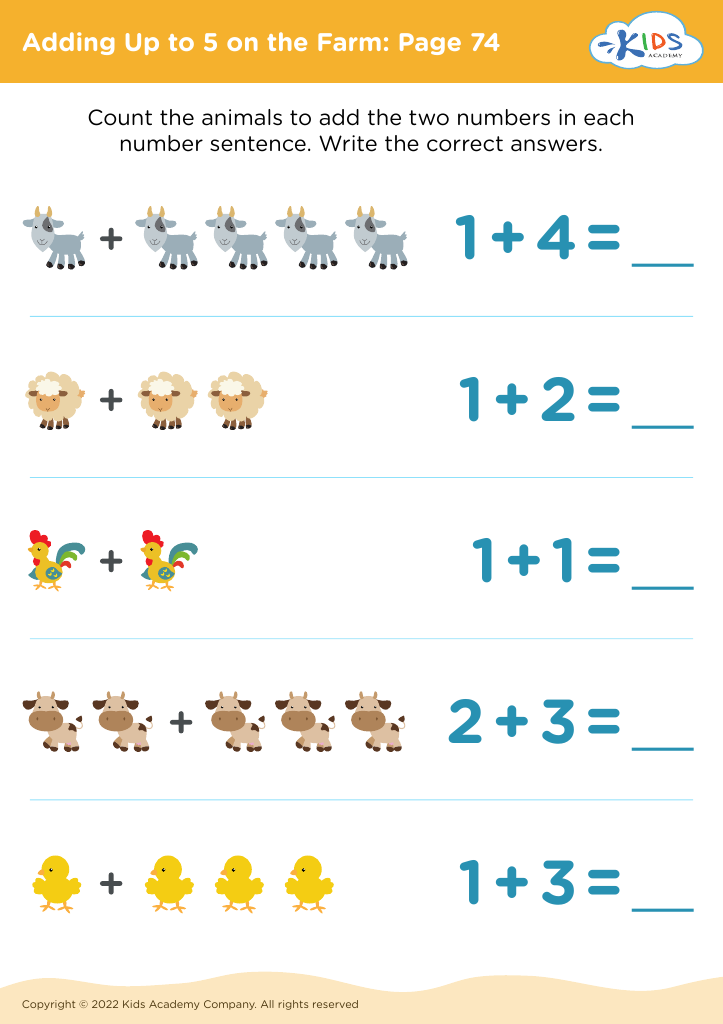
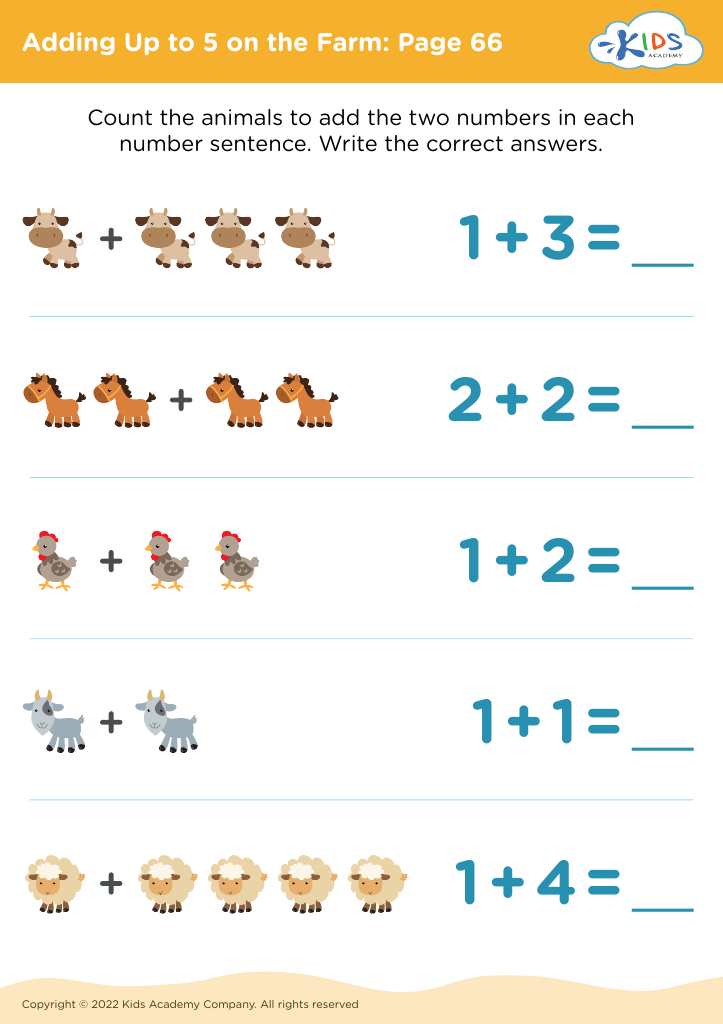
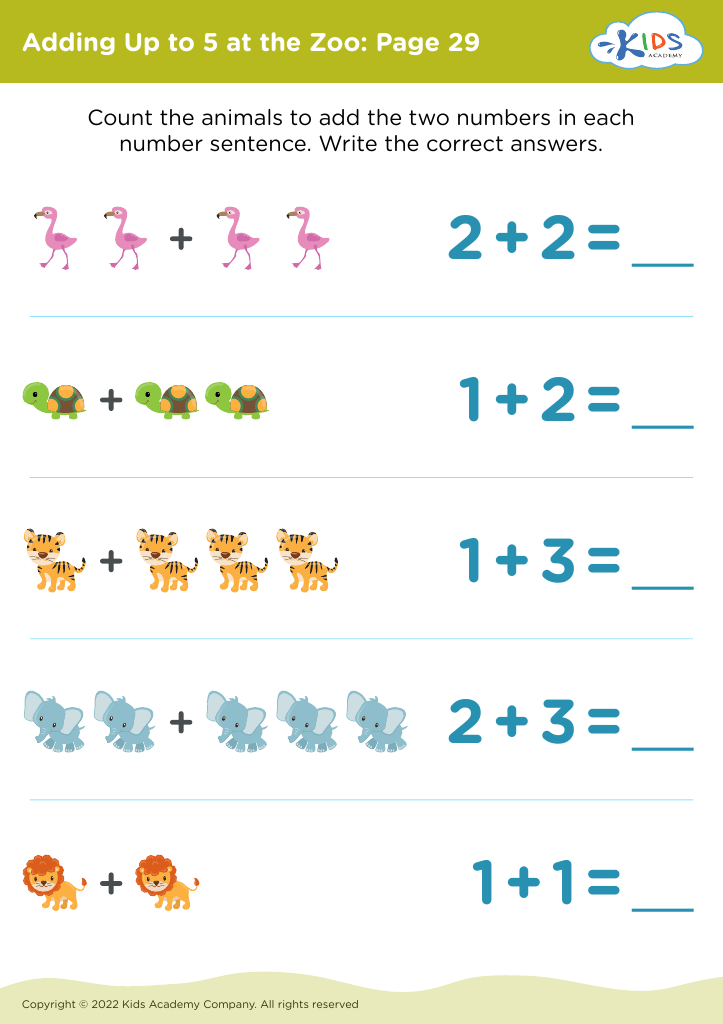
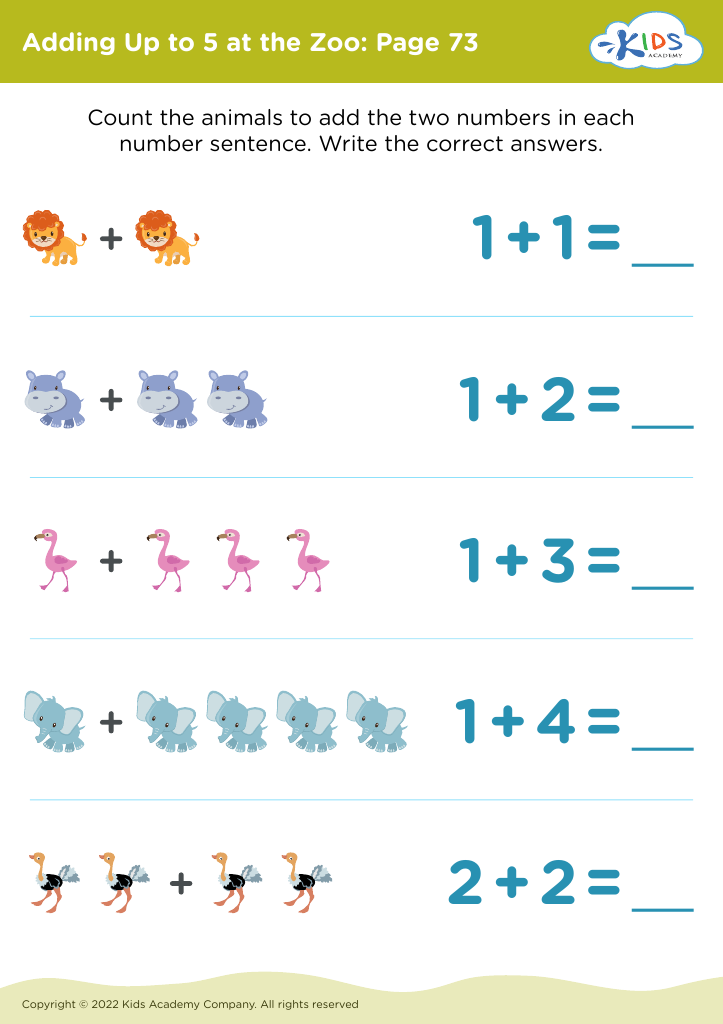
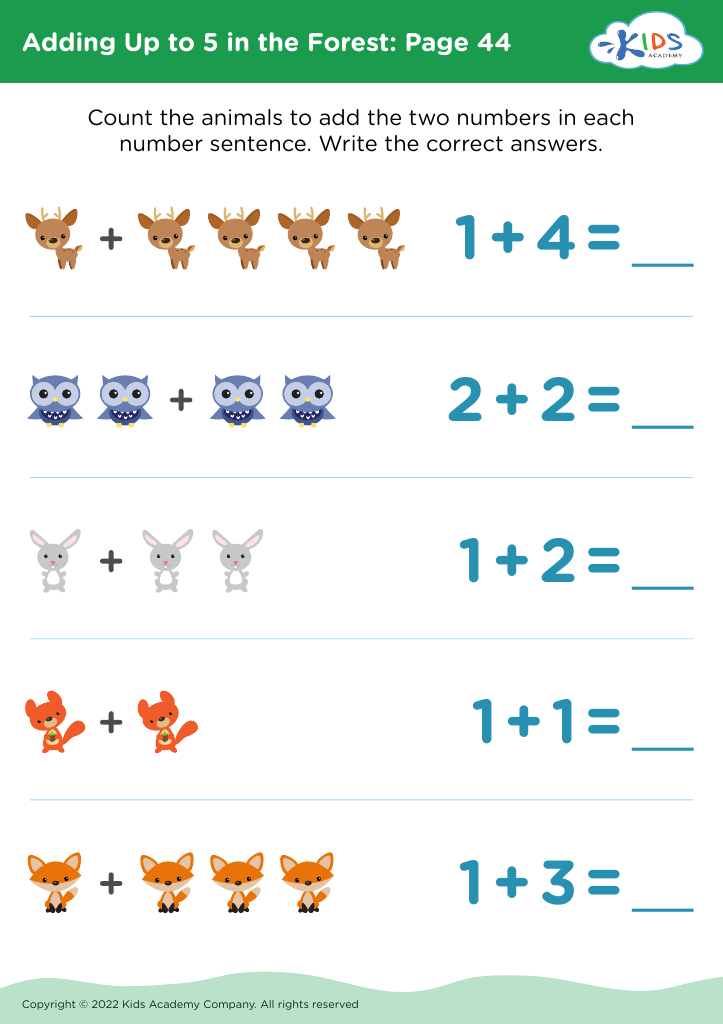
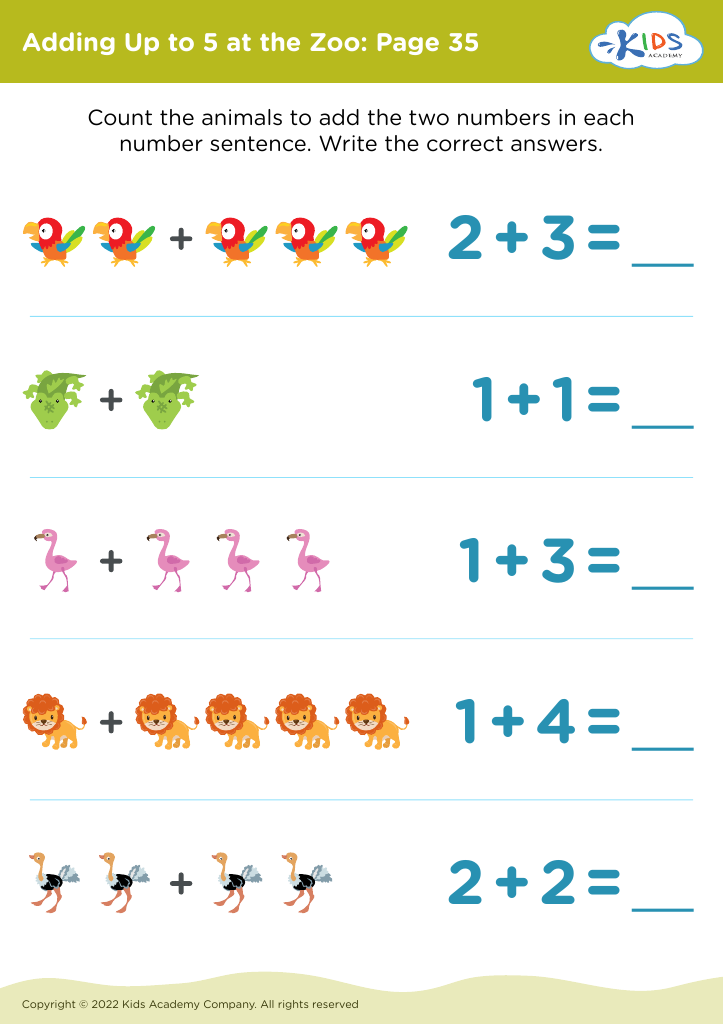
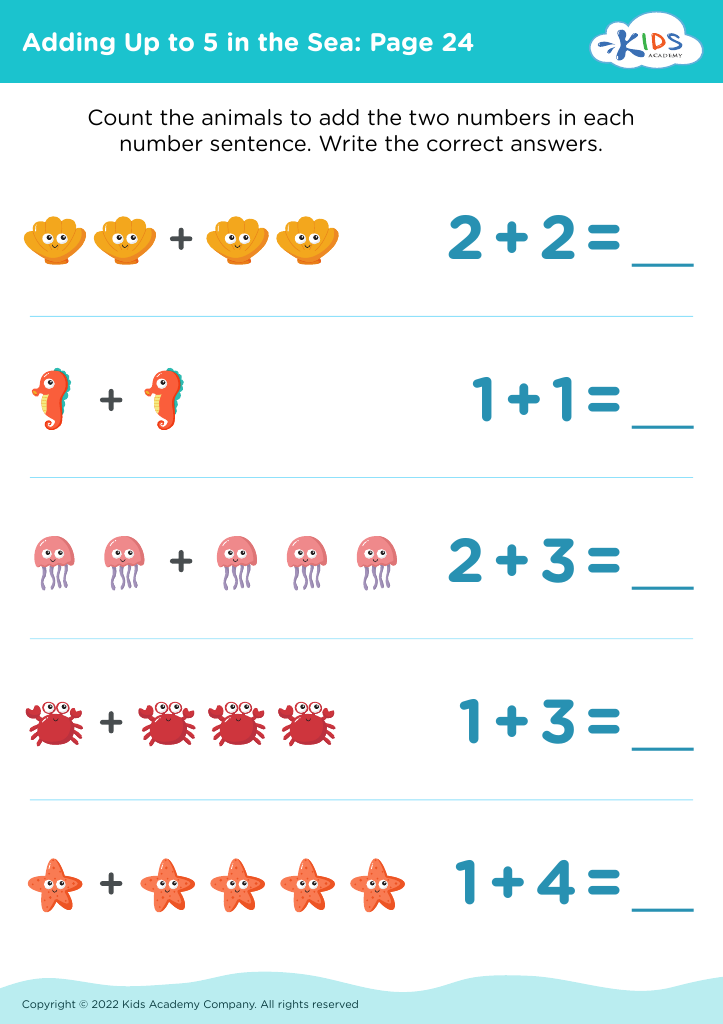
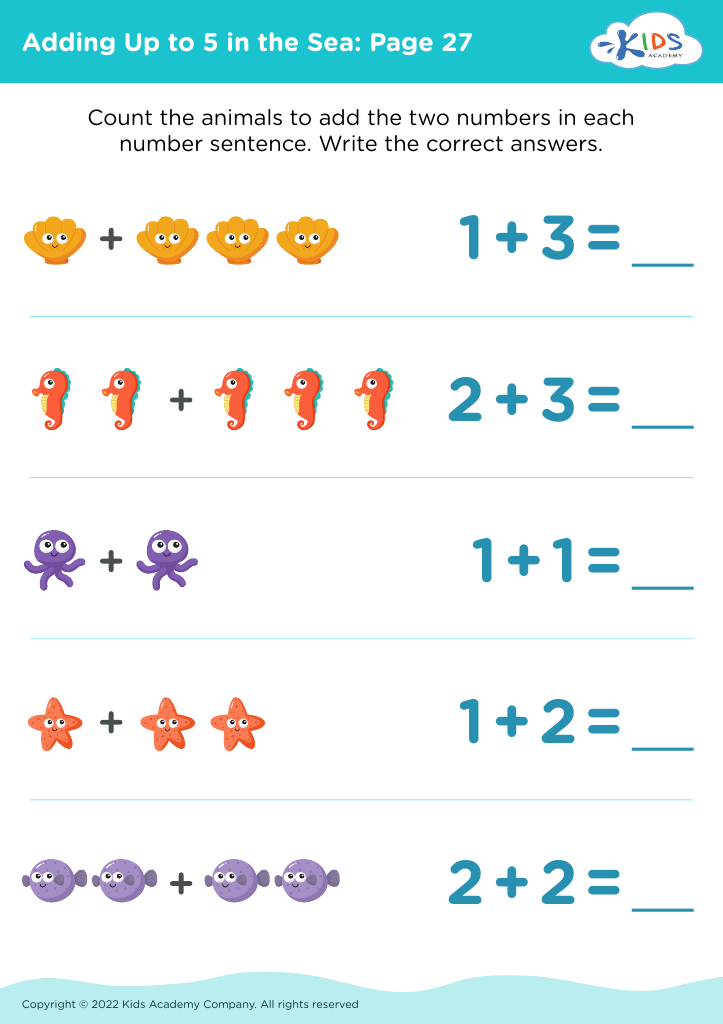
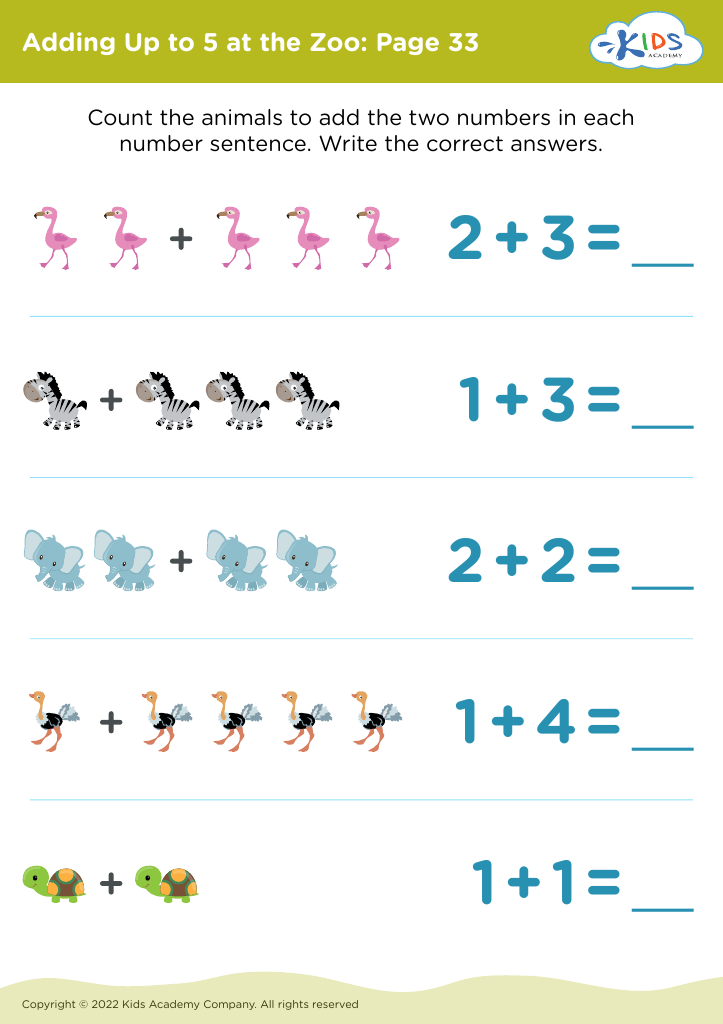
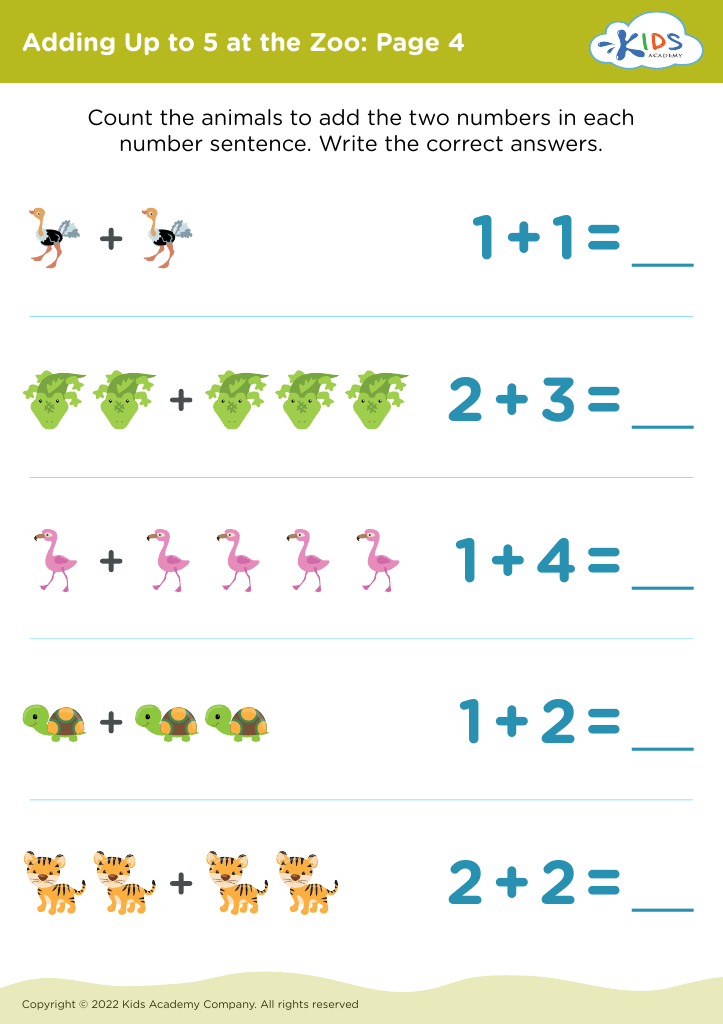
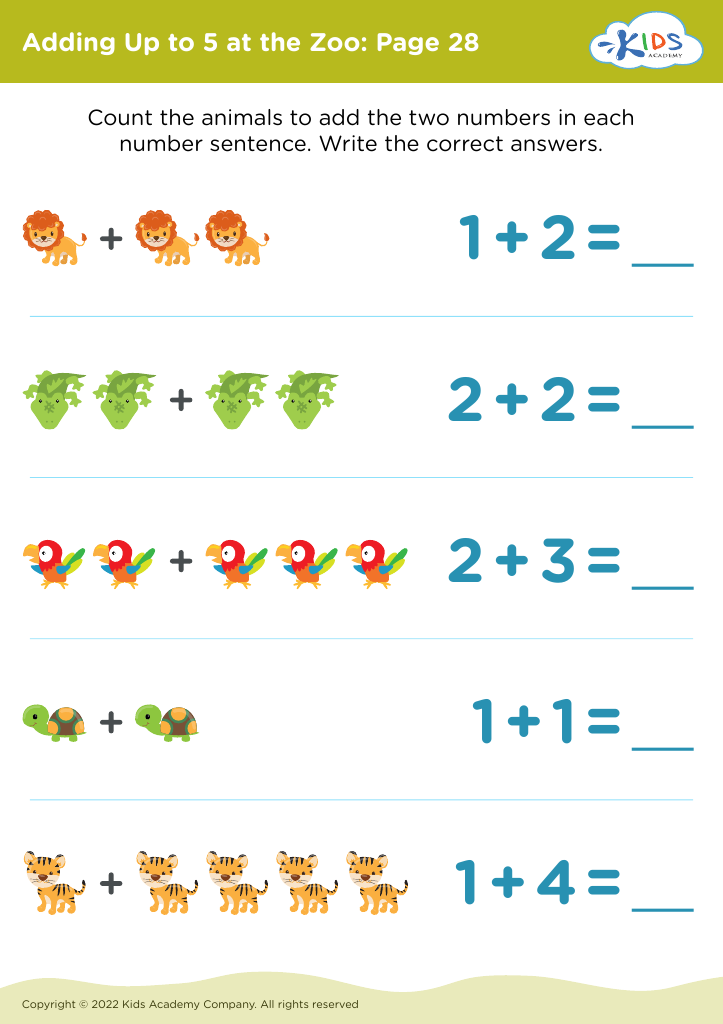
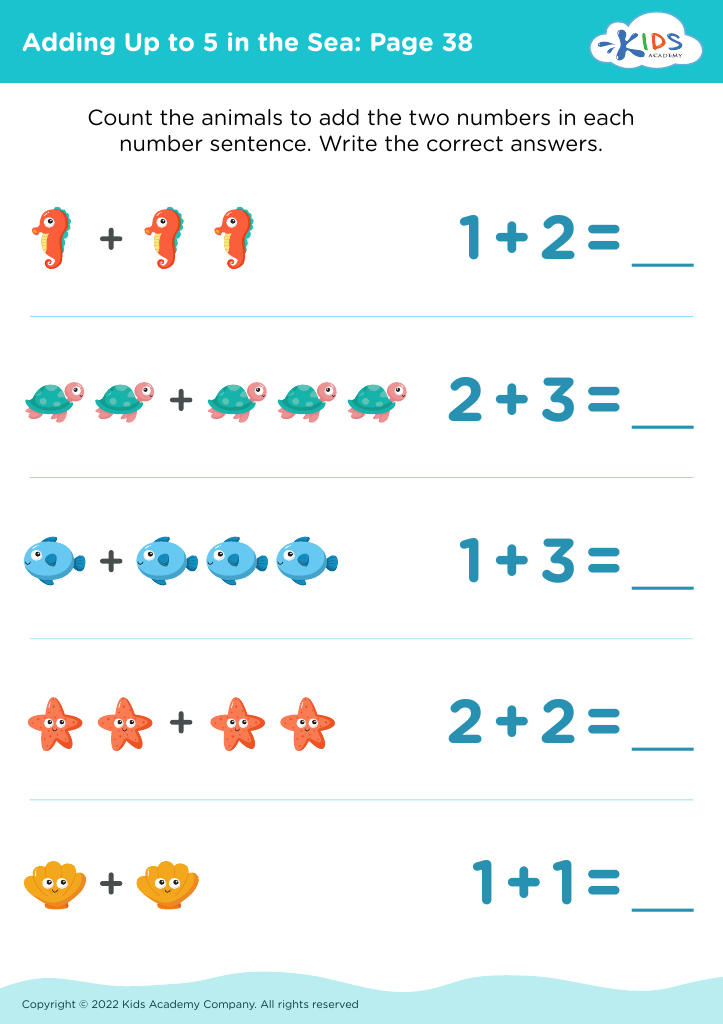
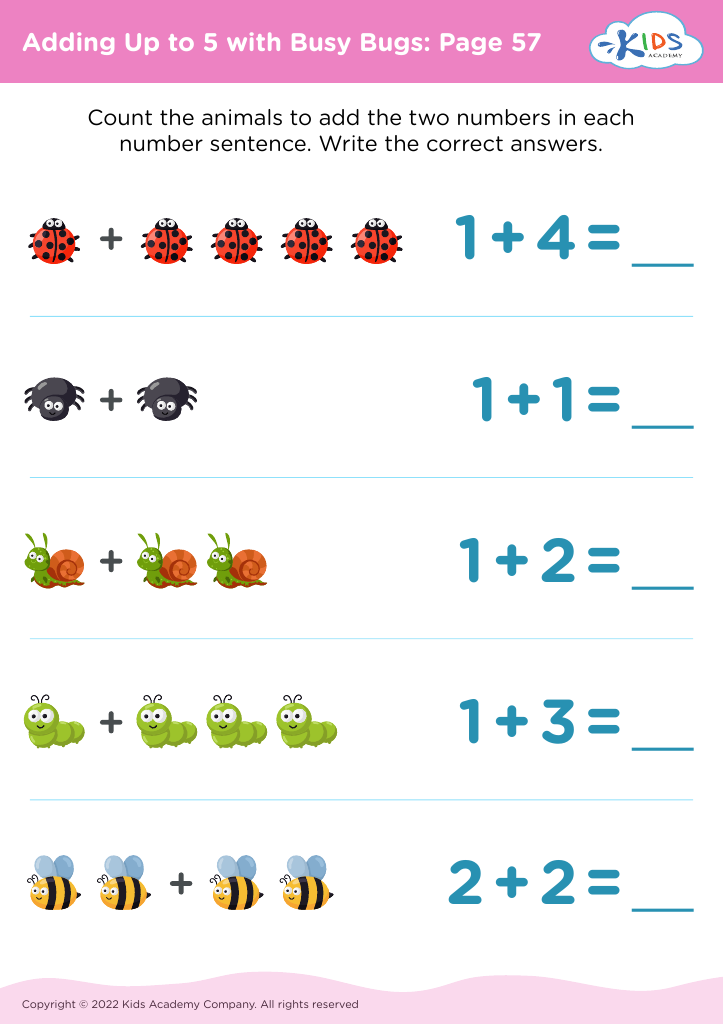
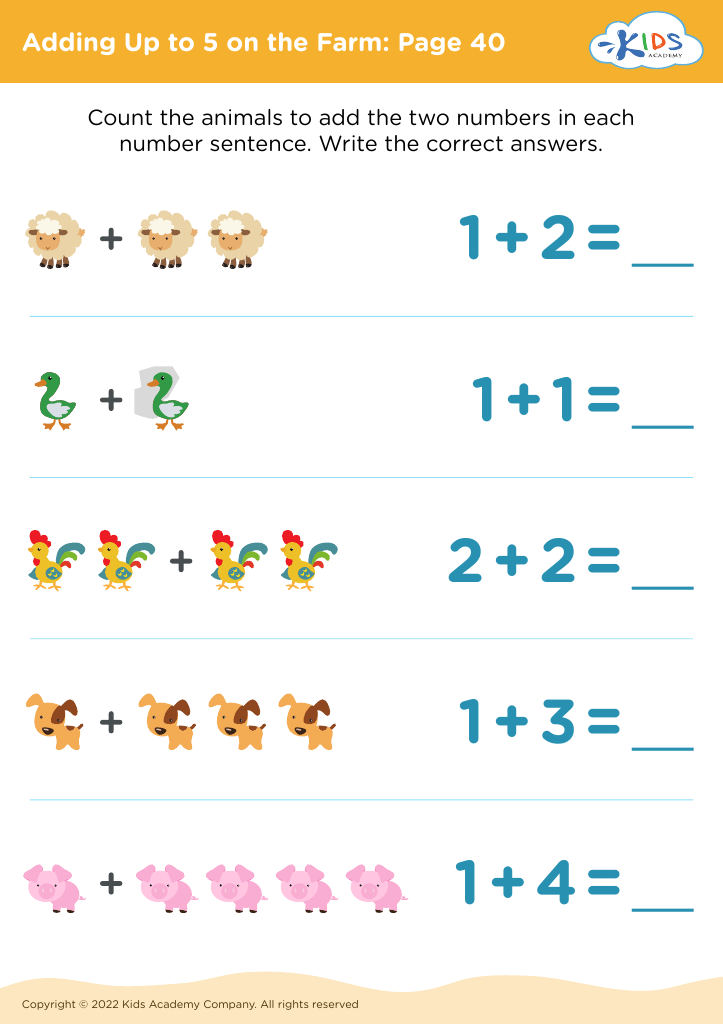
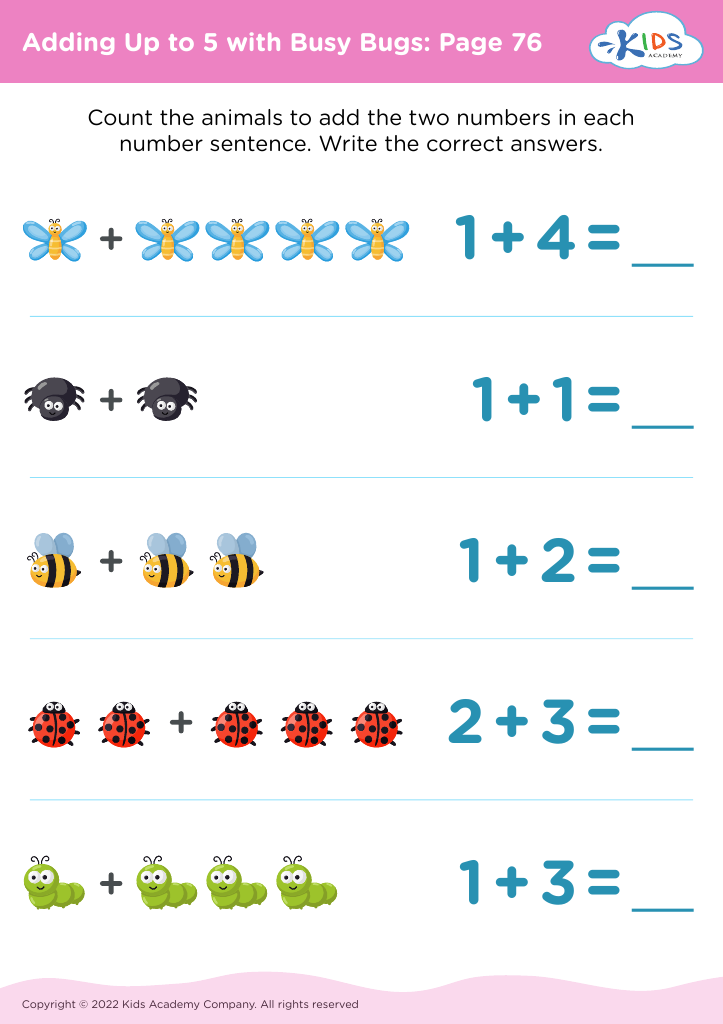
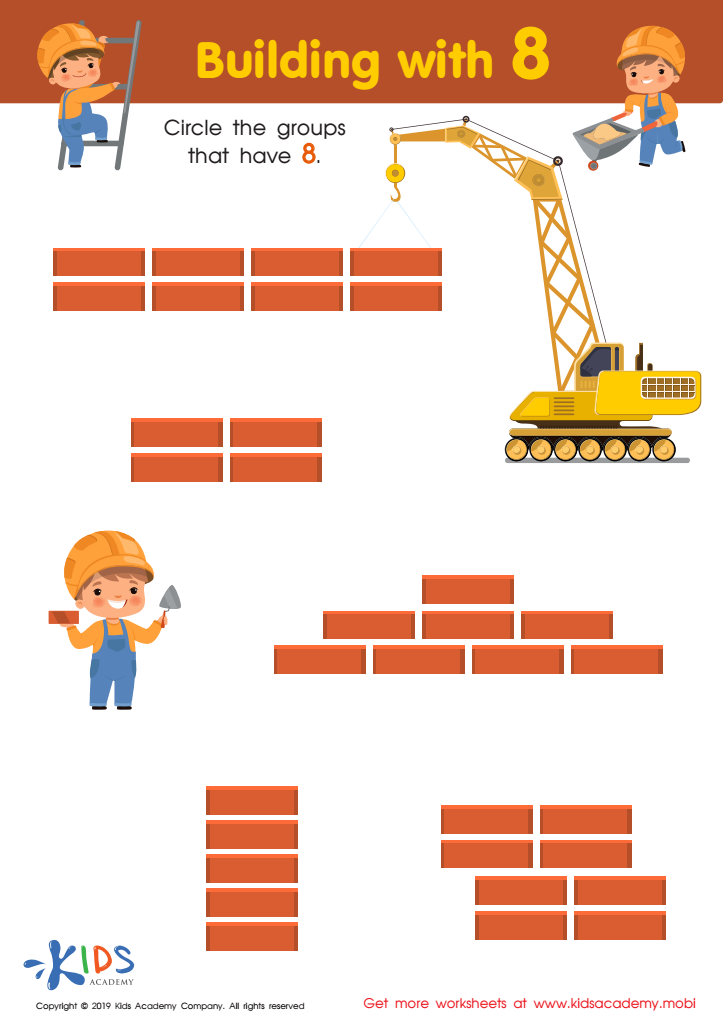
Building with 8 Worksheet
 Assign to My Students
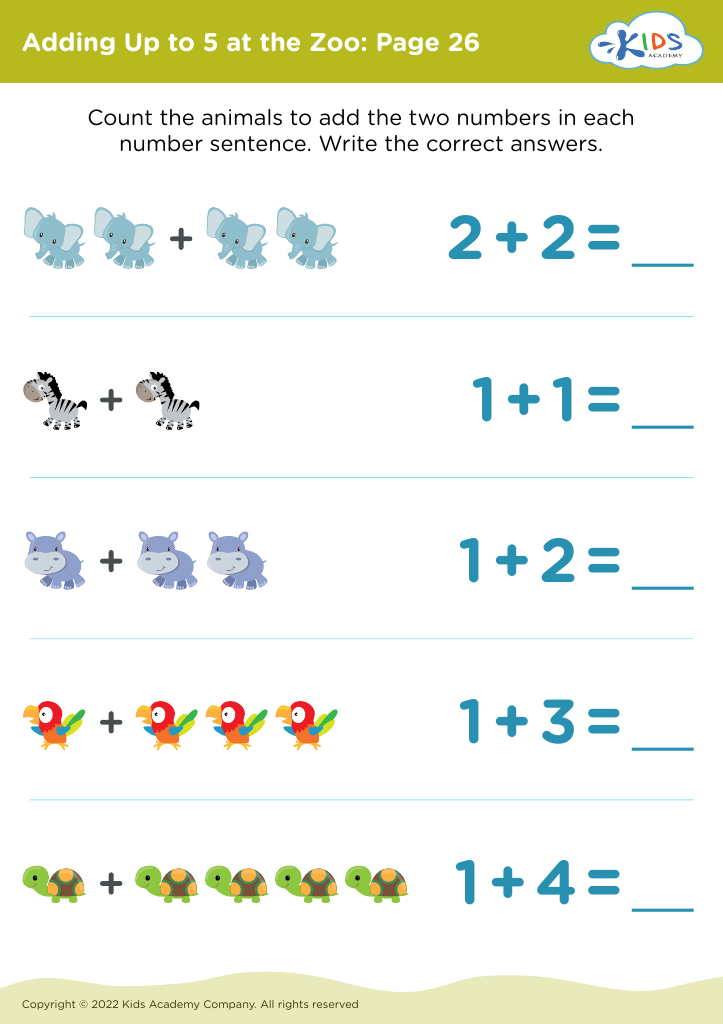
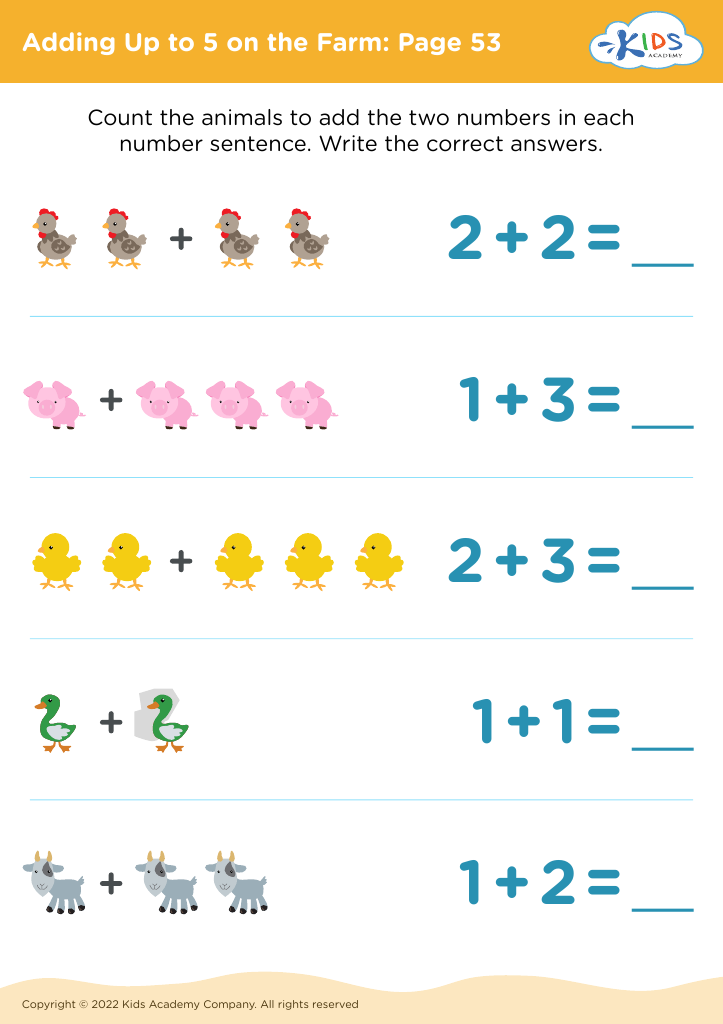
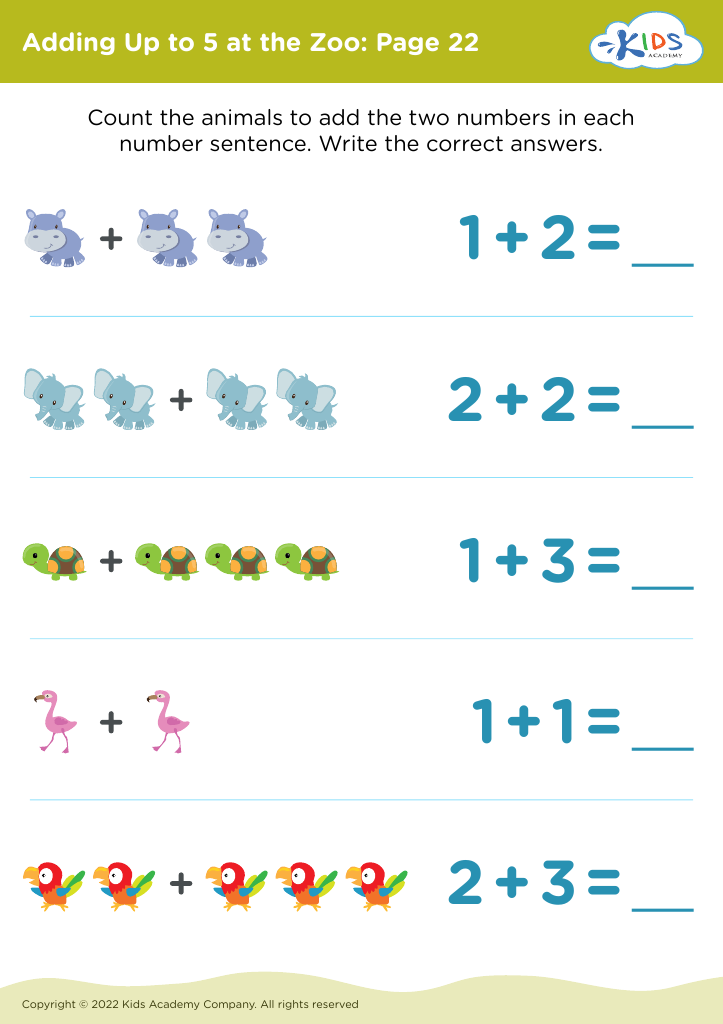
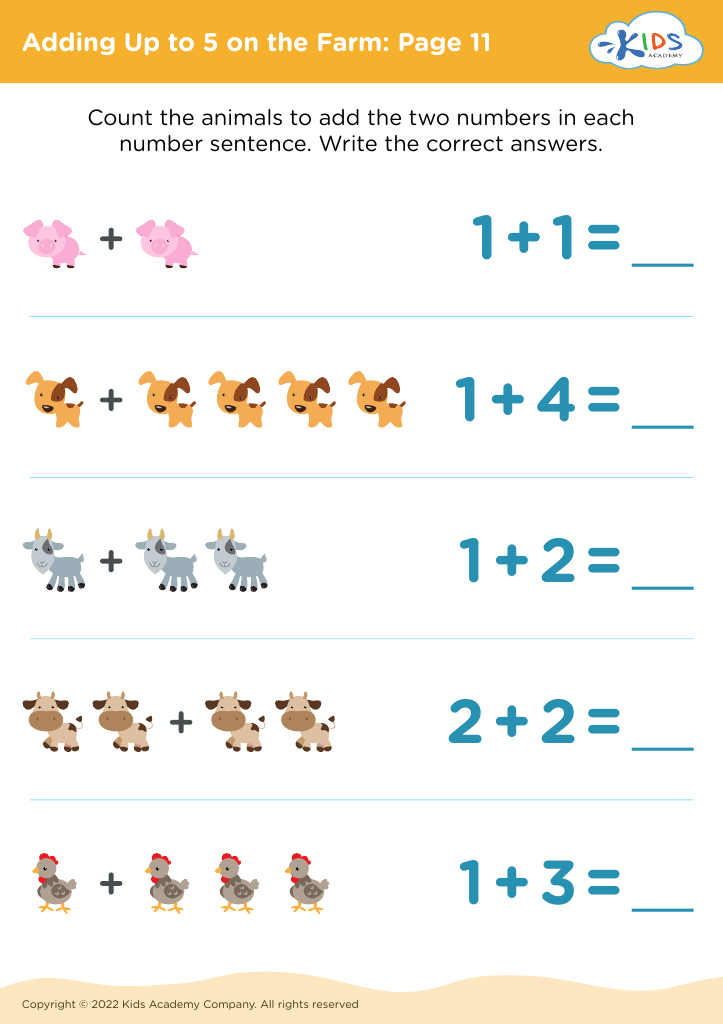







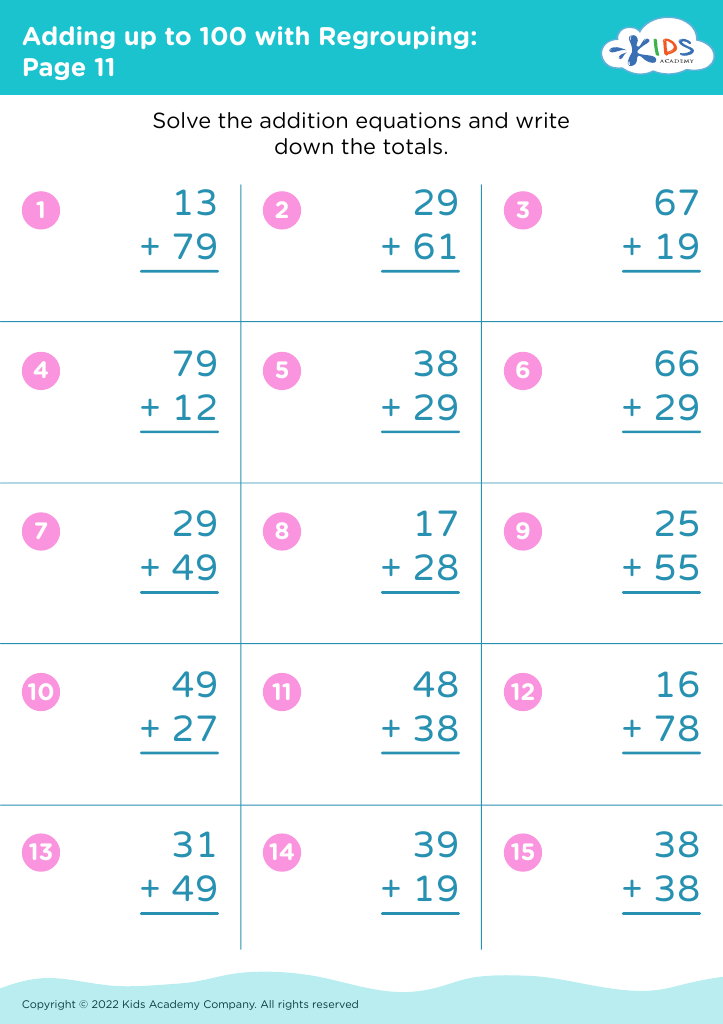
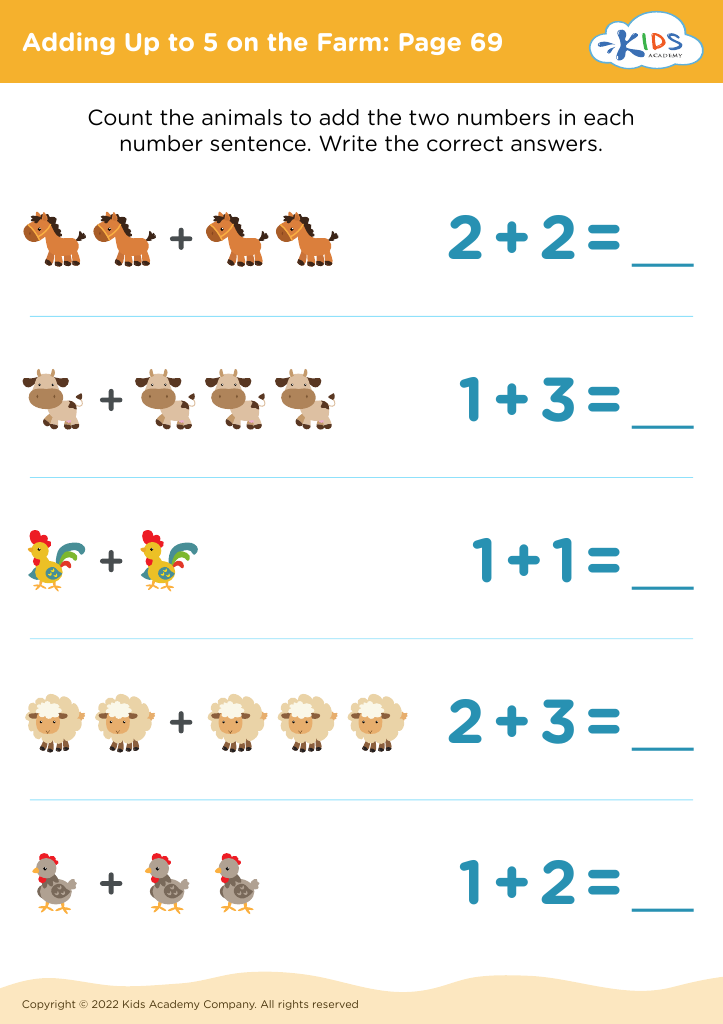
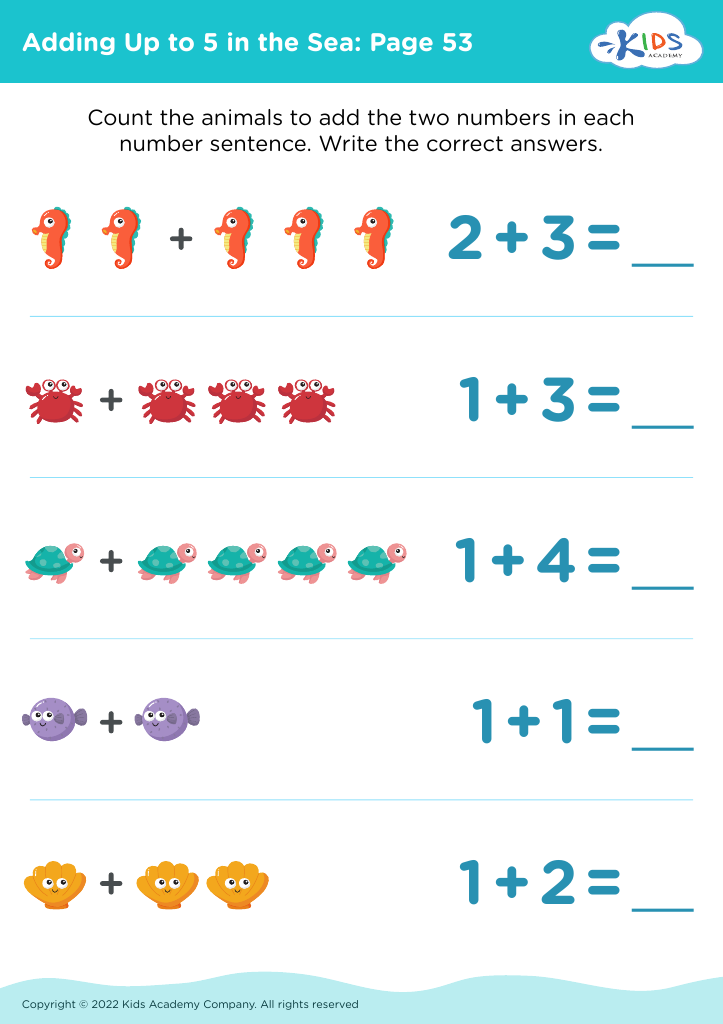
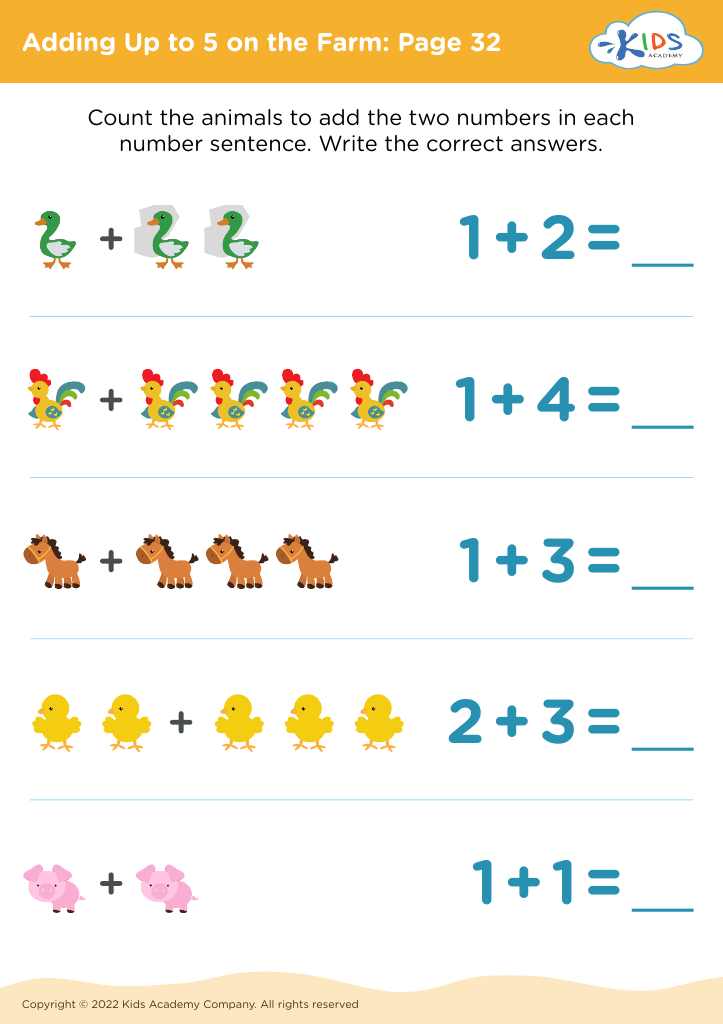
Counting practice and addition skills are crucial foundational components in early childhood education for children ages 4 to 9. Parents and teachers should prioritize these skills for several reasons.
Firstly, counting serves as the basis for all mathematical understanding. It encourages pattern recognition and quantitative reasoning, both of which are essential for more complex math later on. Developing strong counting skills also enhances a child's confidence in handling numbers, which can eliminate math anxiety and promote a positive attitude towards learning.
Secondly, early addition practice aids in the development of critical thinking and problem-solving abilities. Children begin to understand relationships and operations within numbers as they learn to combine quantities, laying the groundwork for future mathematical concepts like subtraction and multiplication.
Additionally, engaging in counting and addition games fosters cooperation and social skills when done in a group setting. Using everyday scenarios—such as using toys, snacks, or even nature—can make these practices more relatable and enjoyable for children.
By providing encouragement and opportunities for counting and addition, parents and teachers can significantly impact a child's academic journey, setting the stage for success not just in math, but in other subjects that rely on logical reasoning and analytical thinking.








