Filters

17 filtered results

Clear all filters
Favorites
With answer key
Interactive

17 filtered results

Difficulty Level

Grade


Transform your child's understanding of addition with our comprehensive "Enhance Comprehension Addition Worksheets" designed specifically for ages 4-9. These engaging resources focus on deepening mathematical concepts through fun exercises that blend visual aids, interactive activities, and clear instructions. Each worksheet encourages critical thinking, problem-solving, and the ability to analyze different addition scenarios, ensuring a well-rounded grasp of fundamental math skills. Ideal for both home and classroom use, our worksheets make learning addition enjoyable and effective, helping young learners build confidence and independence in their math abilities. Discover the joy of learning through play with our thoughtfully crafted materials!
Check out this FREE Trial Lesson on Addition for age 4-9!

H

Favorites
With answer key
Interactive
  • 4-9
  • Enhance comprehension
  • Addition
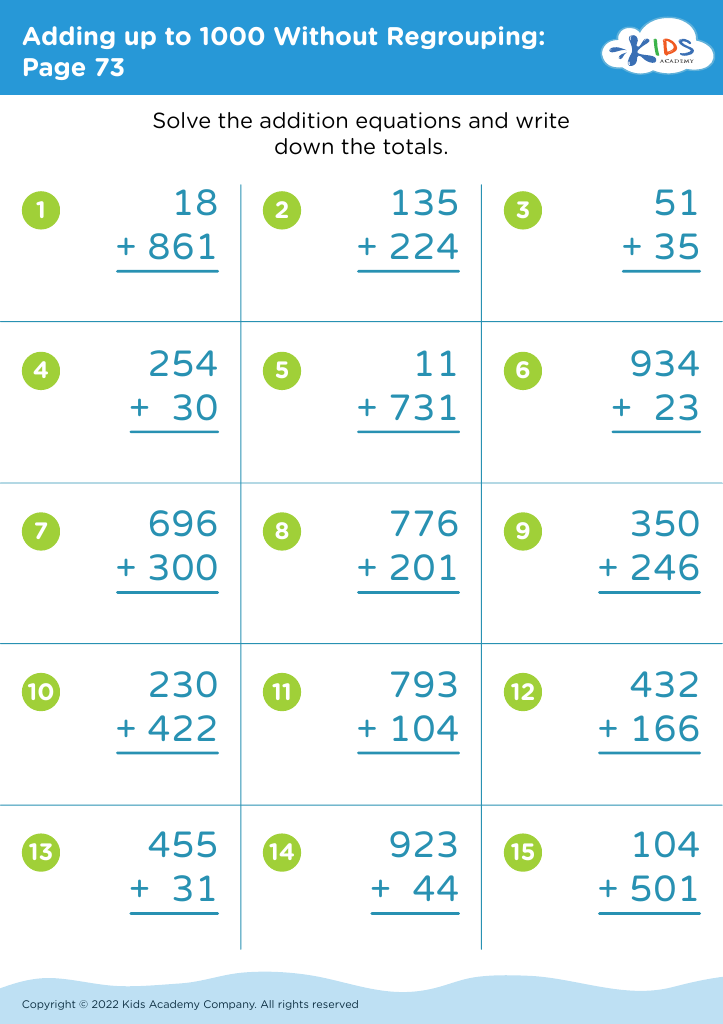
Adding up to 1000 Without Regrouping: Page 73
Worksheet
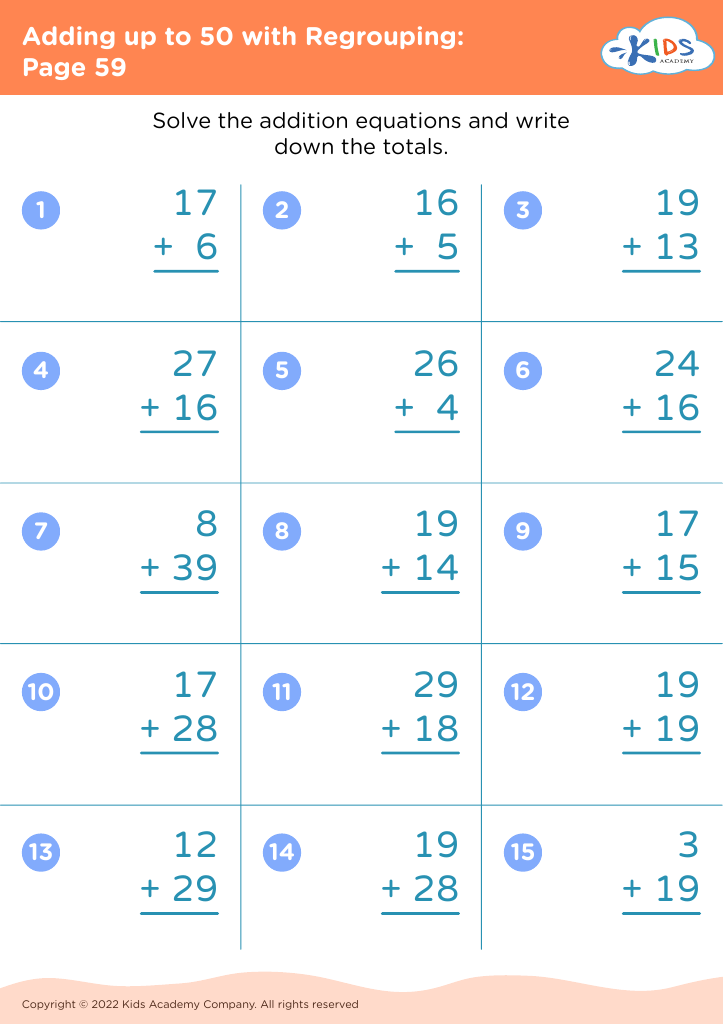
Adding up to 50 with Regrouping: Page 59
Worksheet
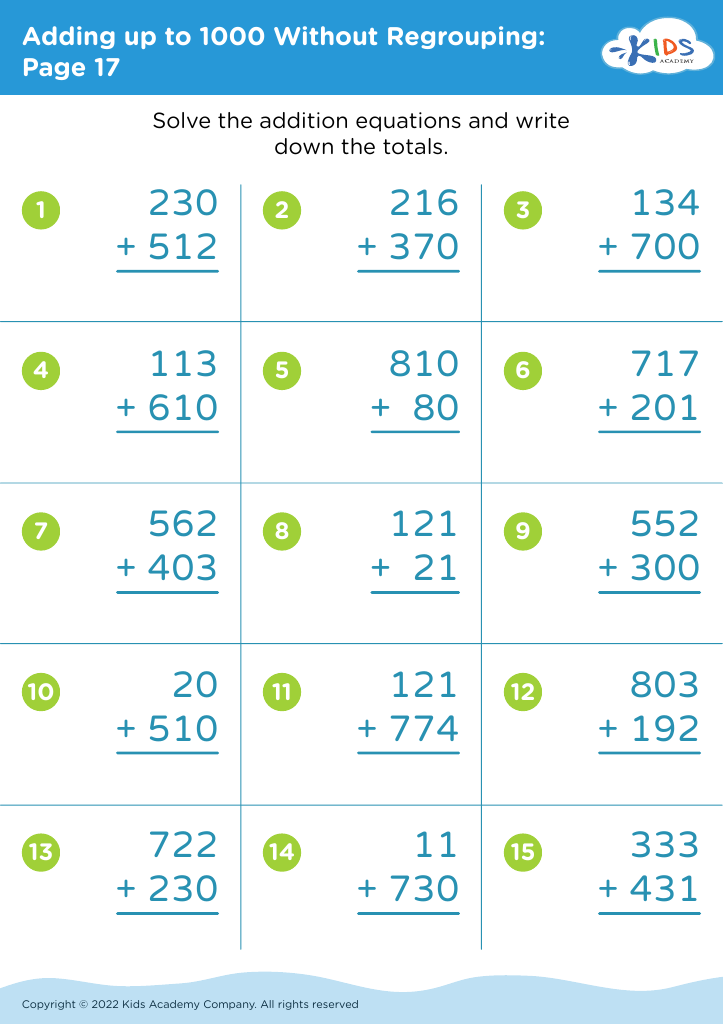
Adding up to 1000 Without Regrouping: Page 17
Worksheet
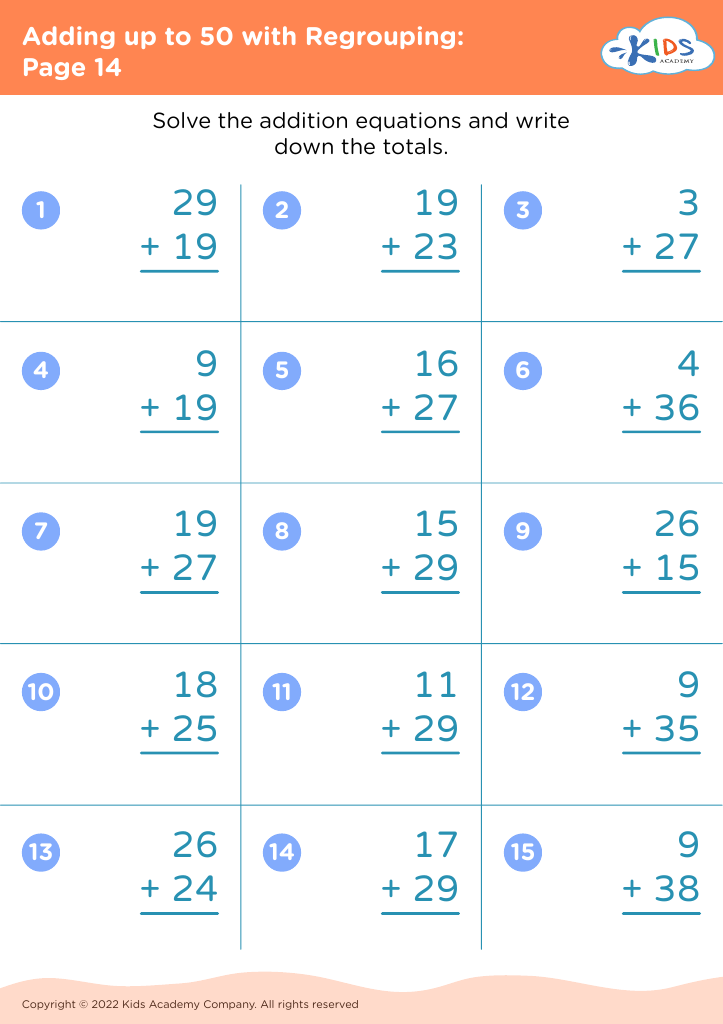
Adding up to 50 with Regrouping: Page 14
Worksheet
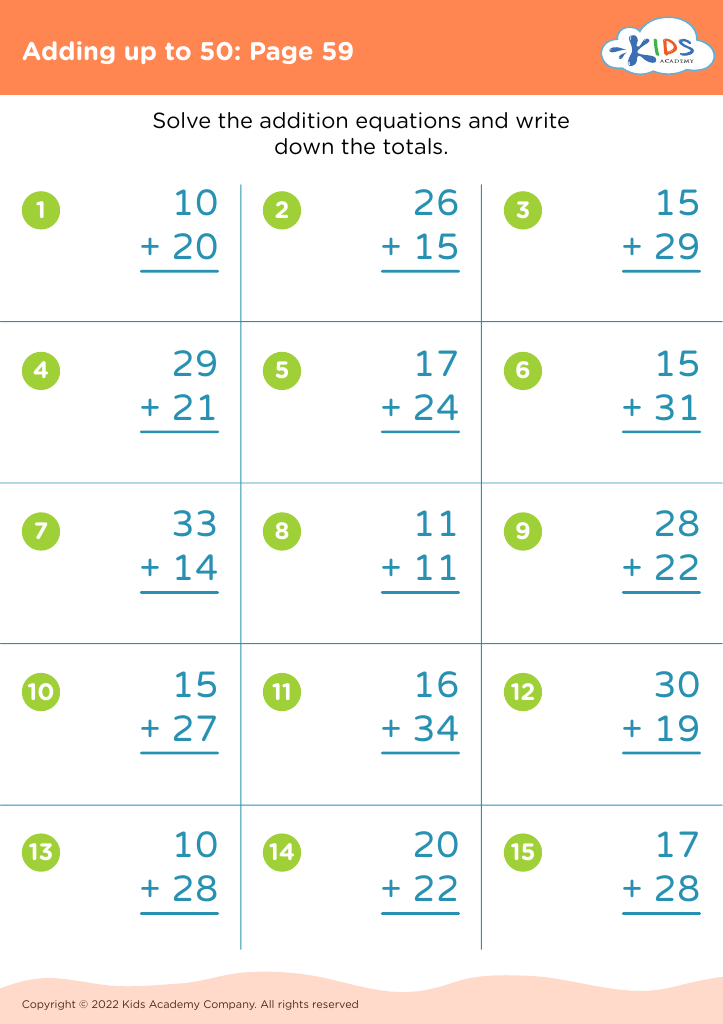
Adding up to 50: Page 59

Adding up to 50: Page 59

Adding up to 50: Page 59
Worksheet
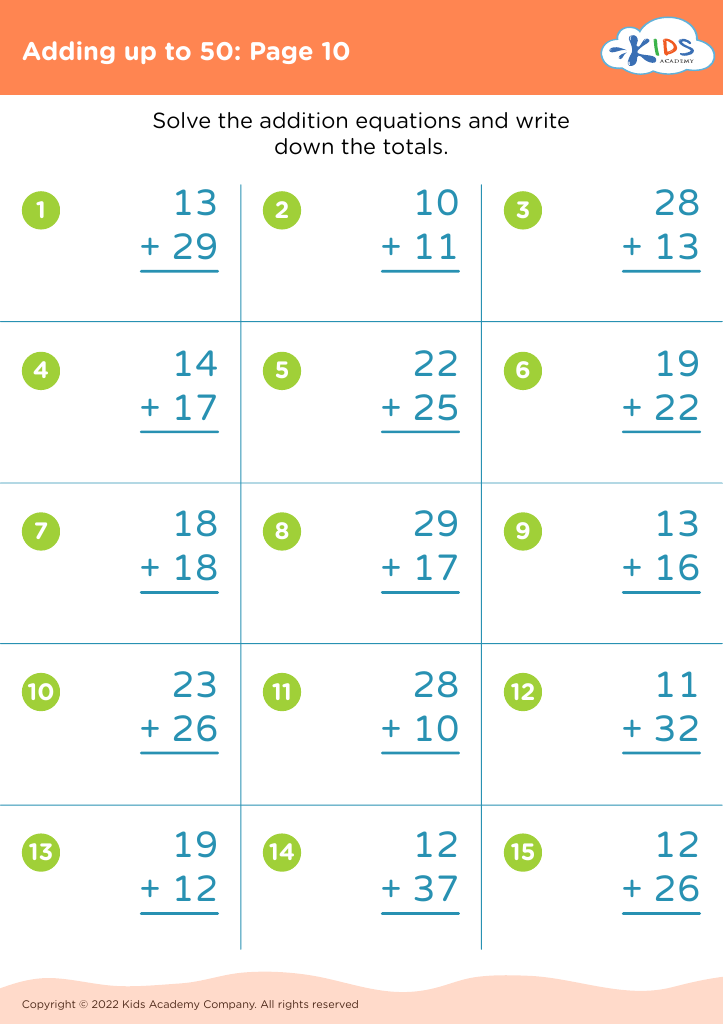
Adding up to 50: Page 10

Adding up to 50: Page 10

Adding up to 50: Page 10
Worksheet
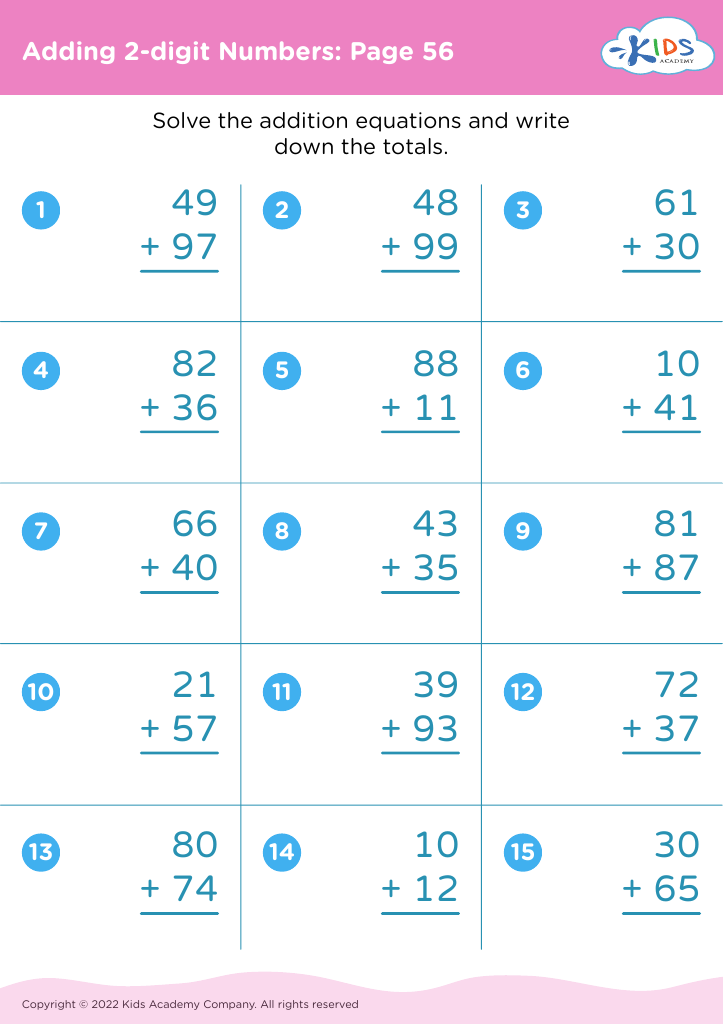
Adding 2-digit Numbers: Page 56

Adding 2-digit Numbers: Page 56

Adding 2-digit Numbers: Page 56
Worksheet
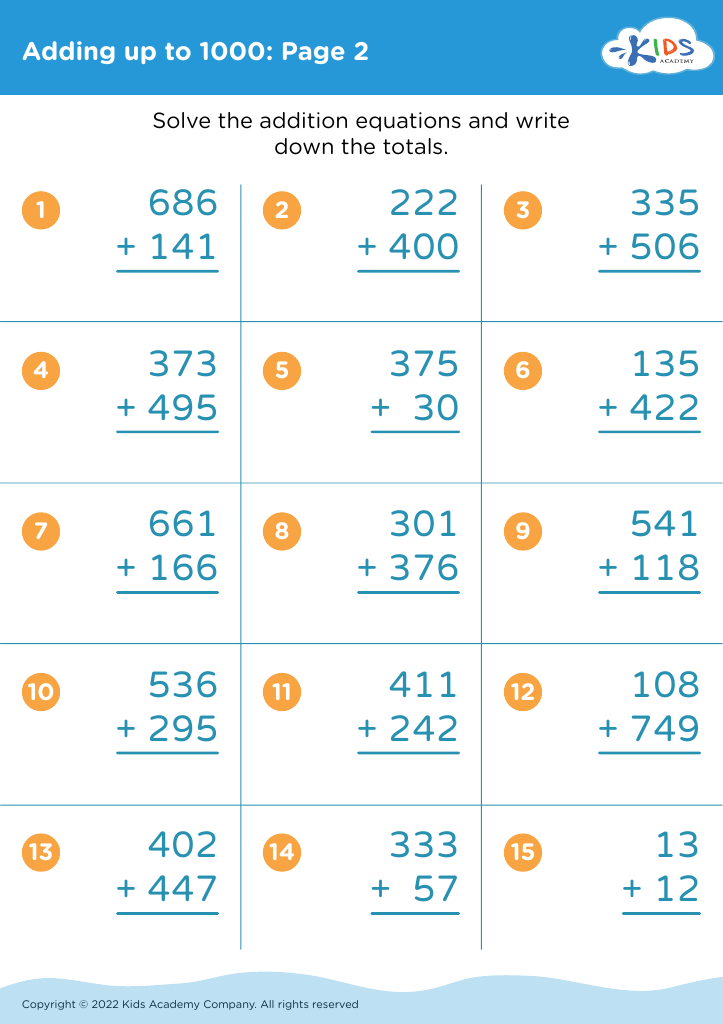
Adding up to 1000: Page 2

Adding up to 1000: Page 2

Adding up to 1000: Page 2
Worksheet
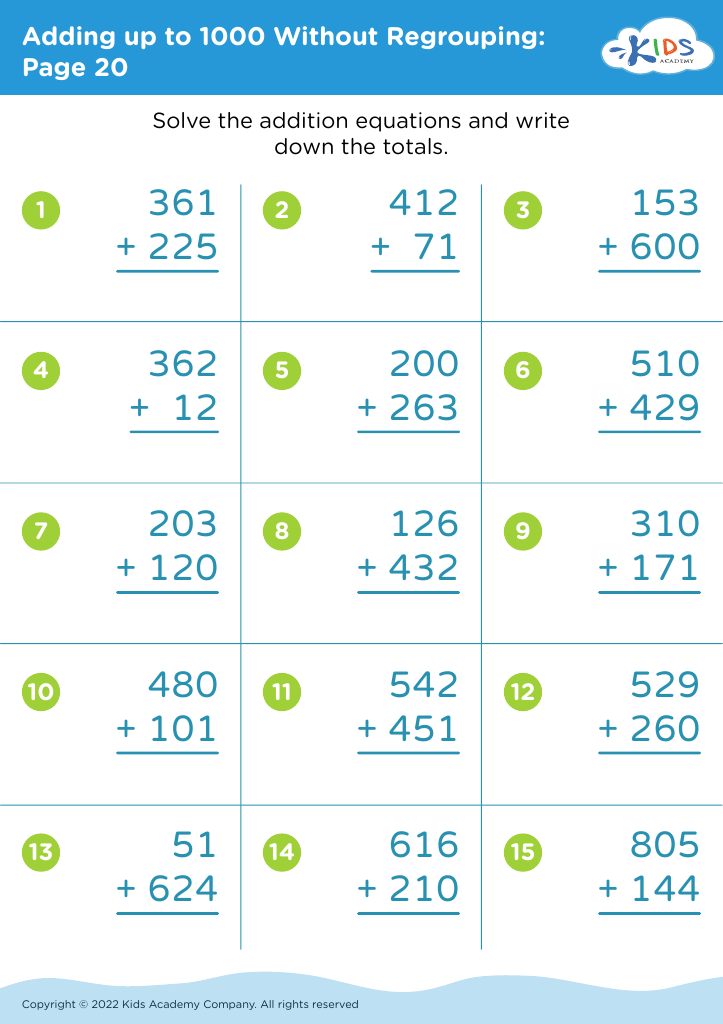
Adding up to 1000 Without Regrouping: Page 20
Worksheet
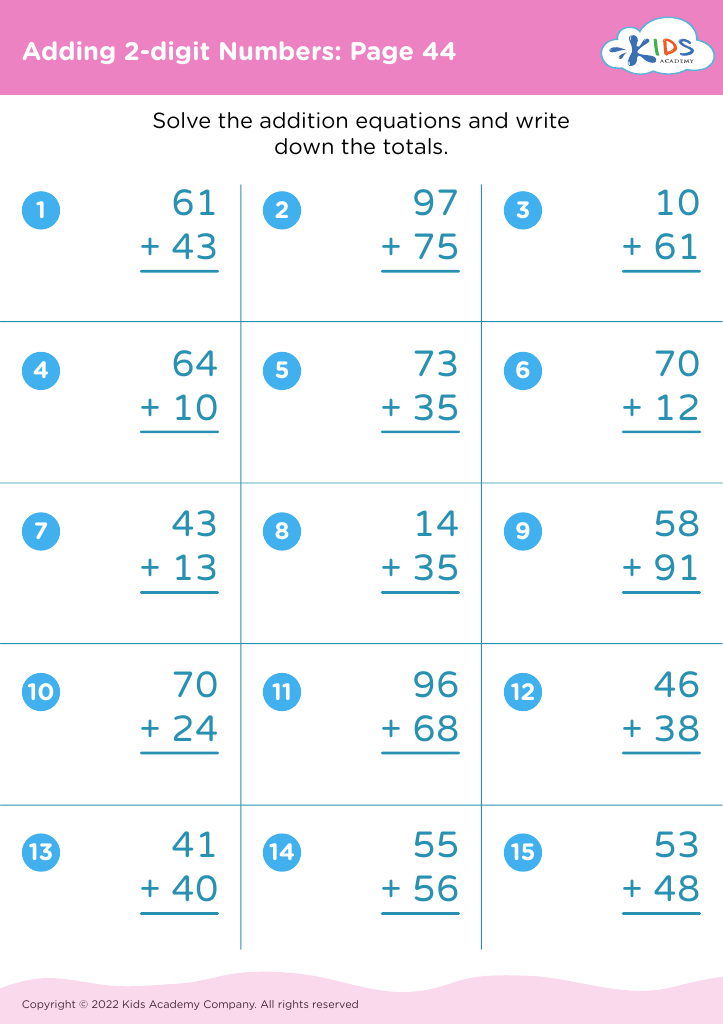
Adding 2-digit Numbers: Page 44

Adding 2-digit Numbers: Page 44

Adding 2-digit Numbers: Page 44
Worksheet
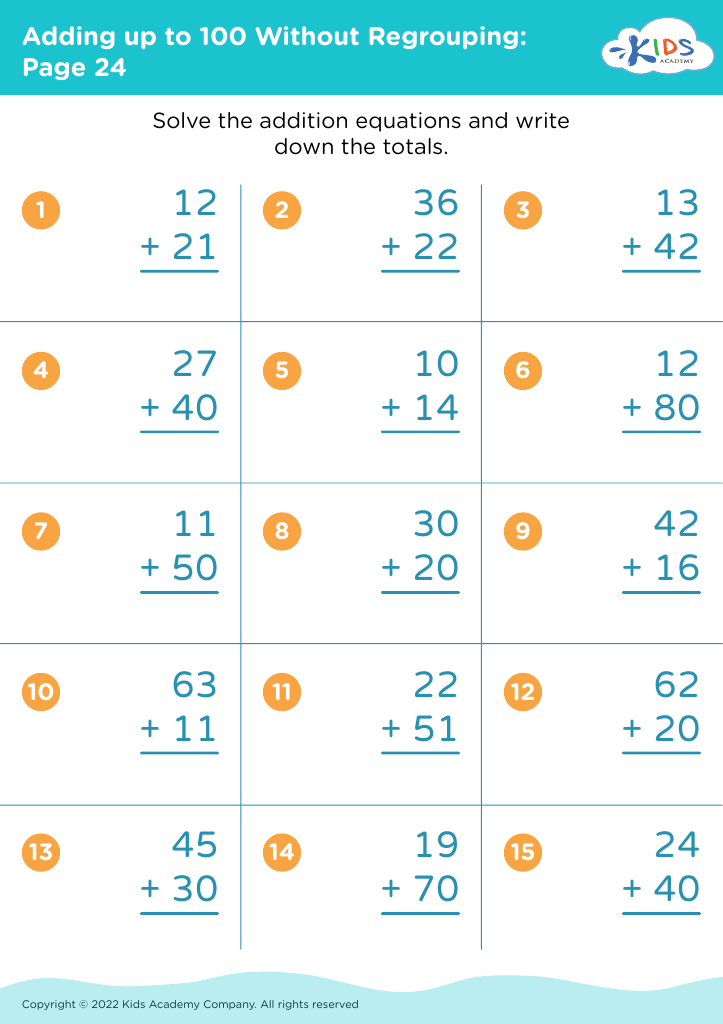
Adding up to 100 Without Regrouping: Page 24
Worksheet
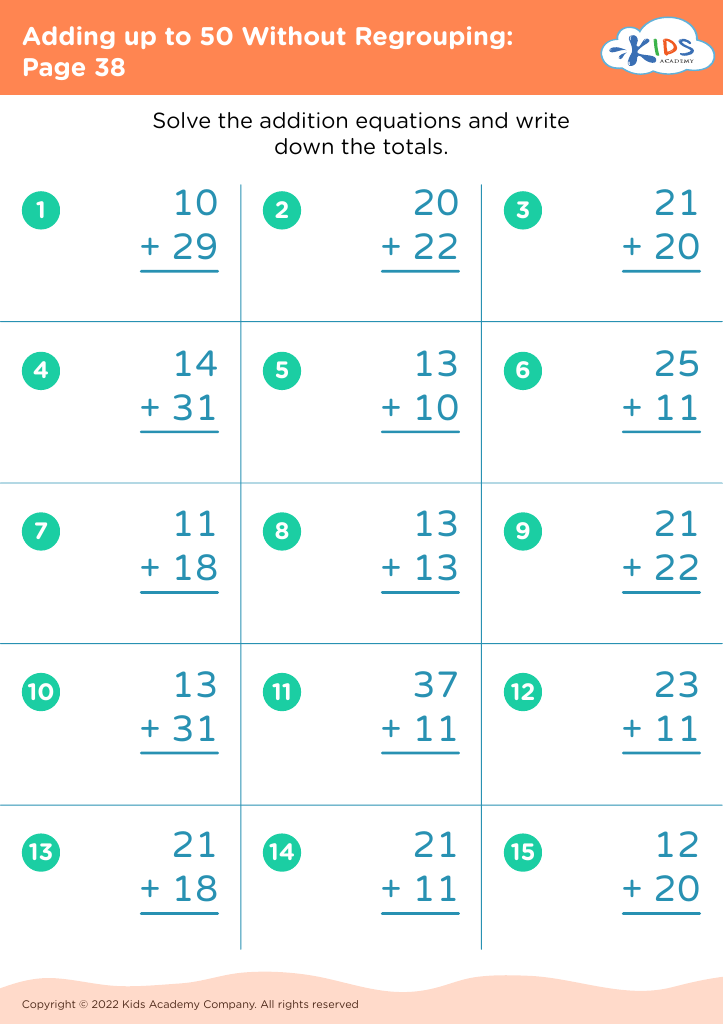
Adding up to 50 Without Regrouping: Page 38
Worksheet
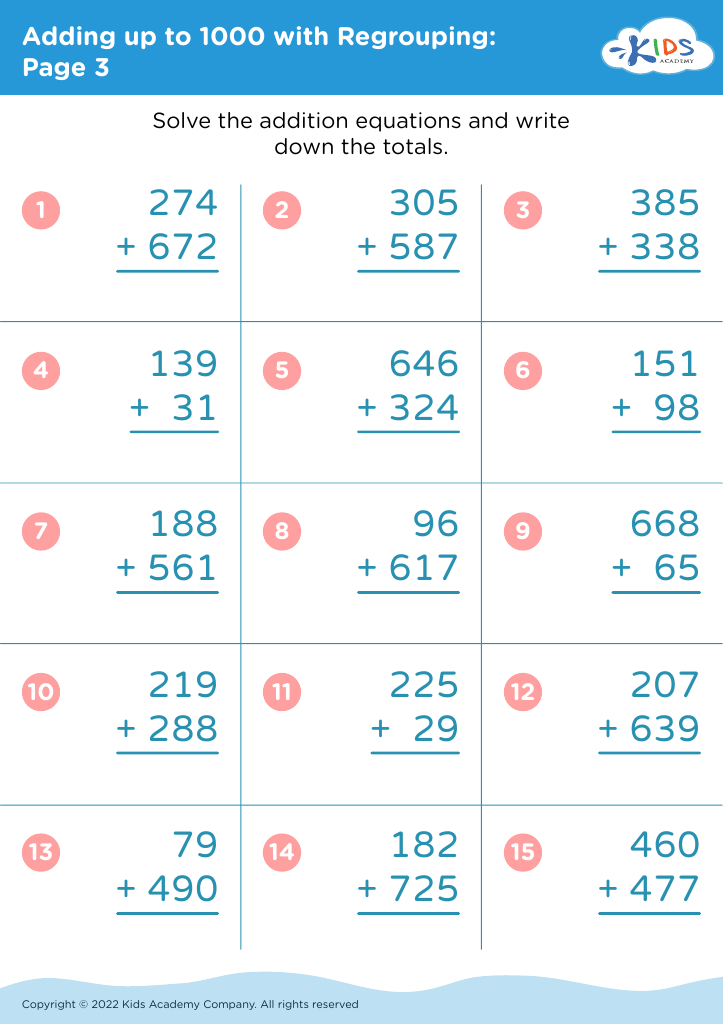
Adding up to 1000 with Regrouping: Page 3
Worksheet
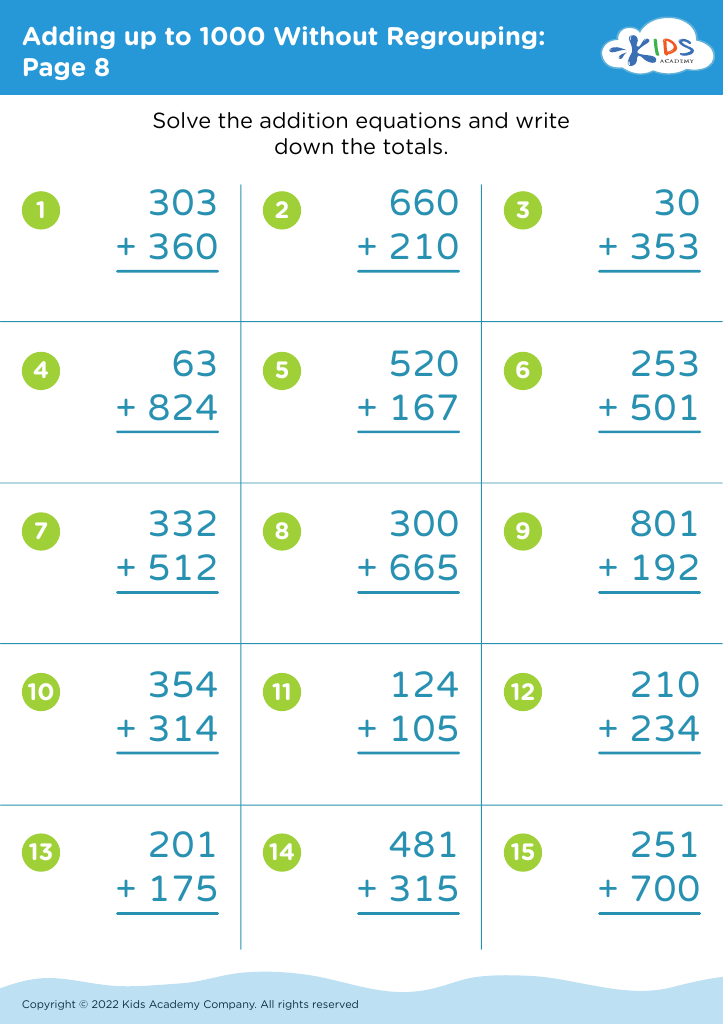
Adding up to 1000 Without Regrouping: Page 8
Worksheet
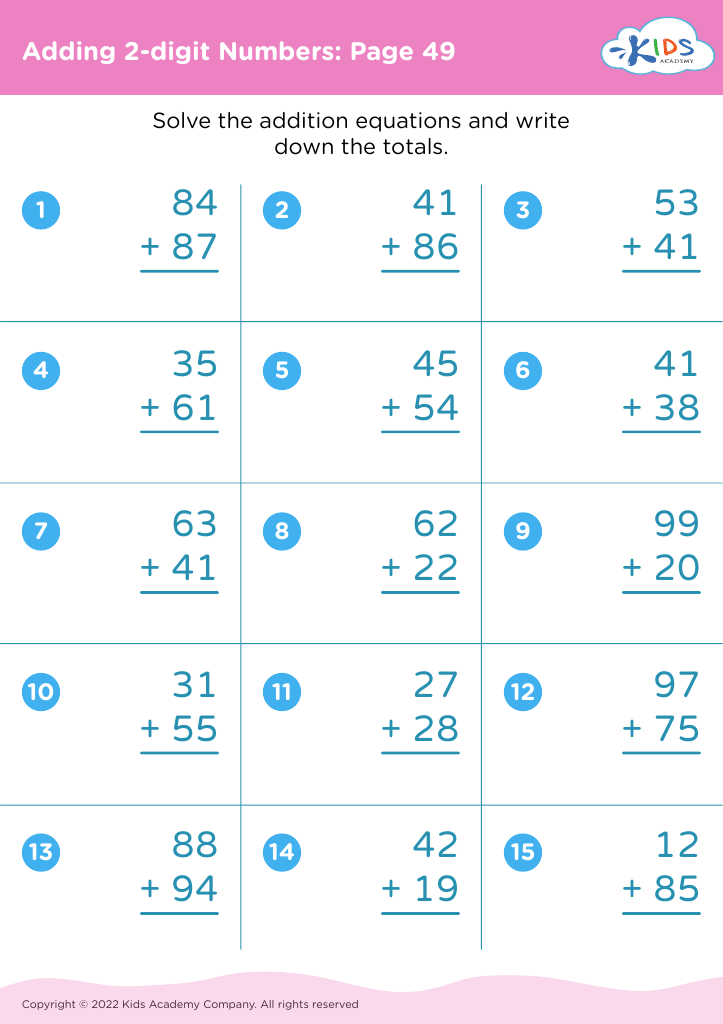
Adding 2-digit Numbers: Page 49

Adding 2-digit Numbers: Page 49

Adding 2-digit Numbers: Page 49
Worksheet
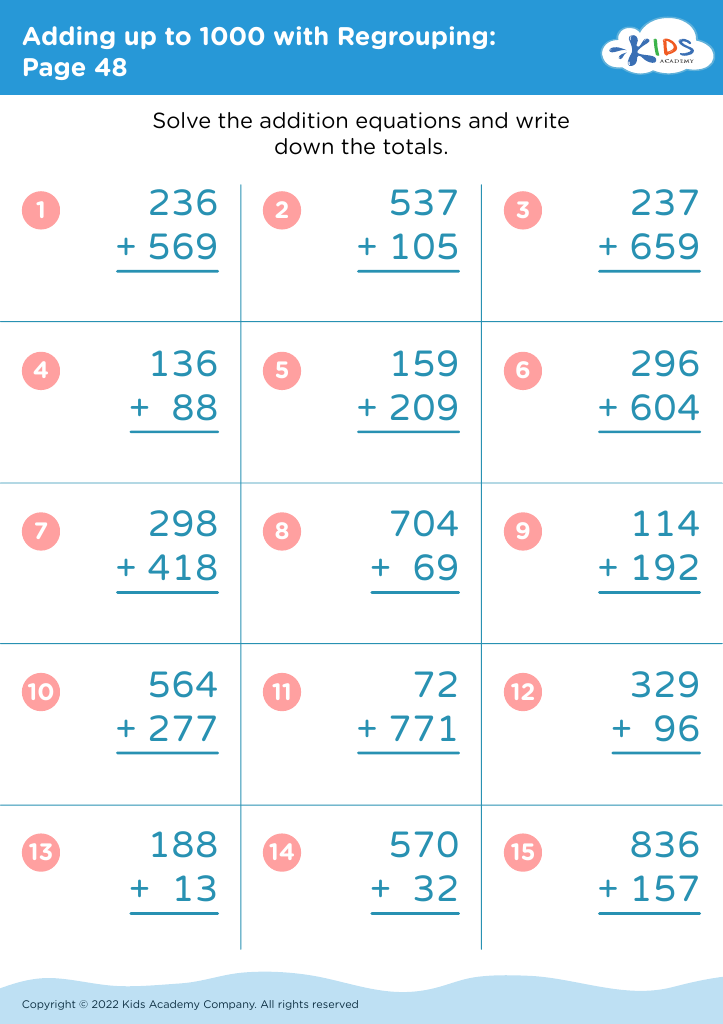
Adding up to 1000 with Regrouping: Page 48
Worksheet
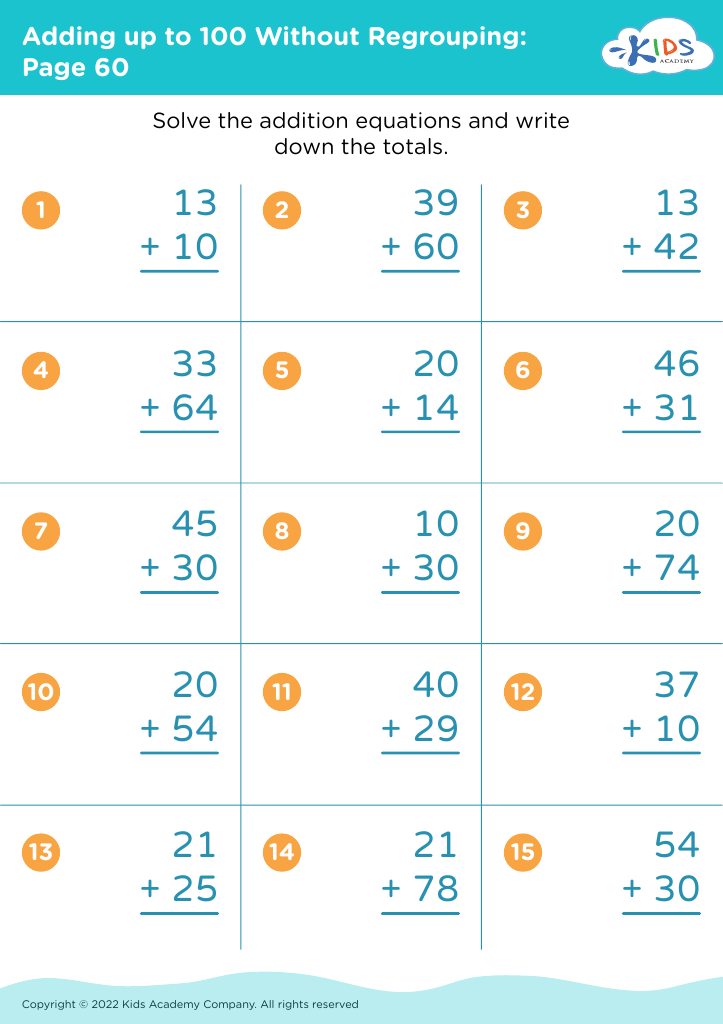
Adding up to 100 Without Regrouping: Page 60
Worksheet


Enhancing comprehension skills in children aged 4 to 9 is crucial for their overall development and academic success. At this age, children are building foundational skills in reading, writing, and math, which are essential for future learning. Improved comprehension enables young learners to grasp concepts, follow instructions, and solve problems effectively, fostering a sense of confidence and independence.

When parents and teachers prioritize comprehension strategies, they empower children to connect ideas, enhance their critical thinking abilities, and cultivate a love for learning. Engaging in activities such as storytelling, questioning, and summarizing not only enriches their vocabulary but also enhances their ability to retell and relate to the content, making learning more meaningful.

Moreover, effective comprehension skills in early grades help bridge the gap to more complex subjects in later years. When children understand what they read or the logic behind mathematical concepts, they are better prepared for the challenges that lie ahead. By caring about and actively engaging in enhancing comprehension skills, parents and teachers play a vital role in laying the groundwork for academic achievement, critical thinking, and lifelong learning, ultimately benefiting children’s personal and social development.