Fraction identification Addition Worksheets for Ages 4-9
5 filtered results
-
From - To
Discover our engaging Fraction Identification Addition Worksheets designed specifically for children ages 4-9! These fun and interactive resources help young learners grasp the concept of fractions while enhancing their addition skills. Our worksheets feature vibrant visuals and relatable contexts, making math enjoyable and accessible for early learners. Each activity encourages critical thinking, allowing kids to identify and compare fractions through various exercises. Whether in the classroom or at home, our worksheets foster a solid foundation in mathematics, setting the stage for future academic success. Explore our collection today to inspire your child's love for learning and boost their confidence in math!
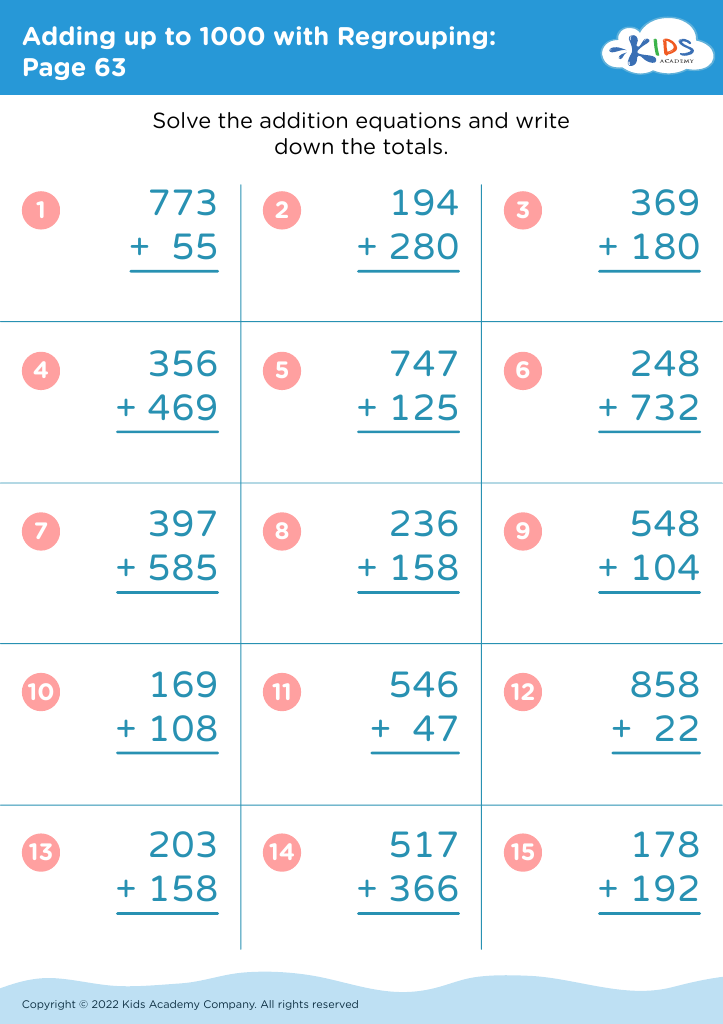
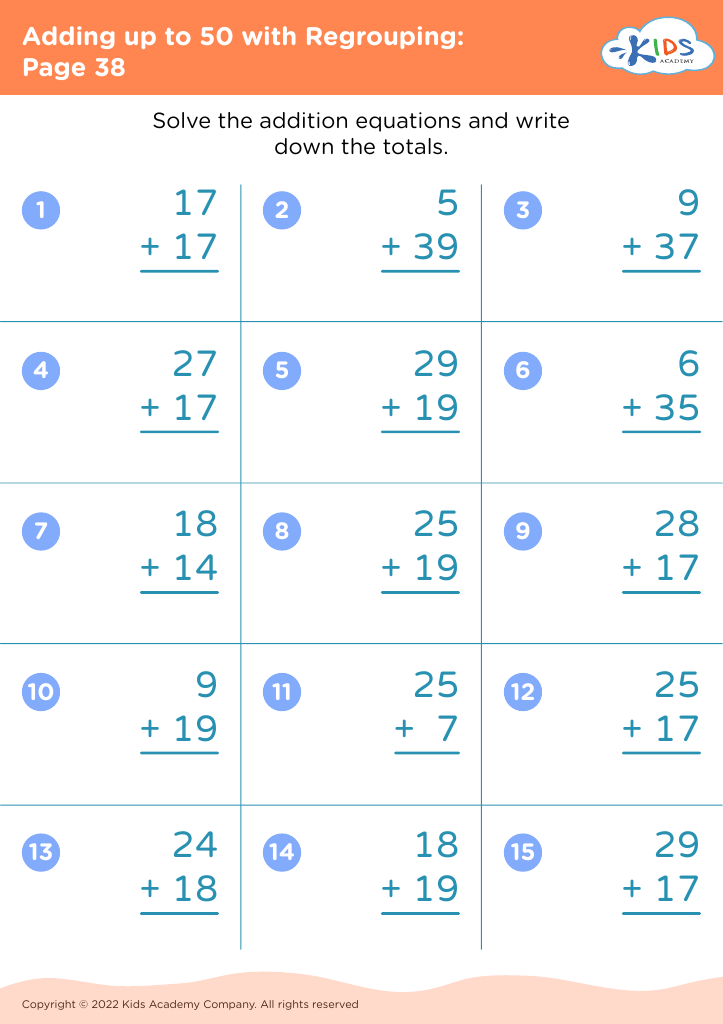
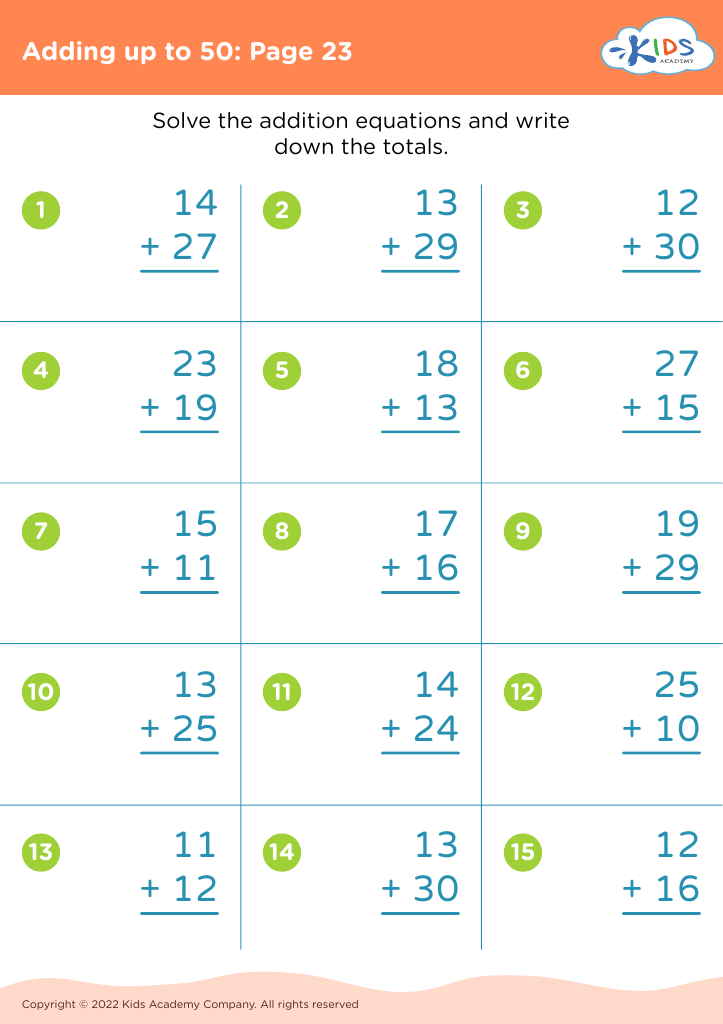
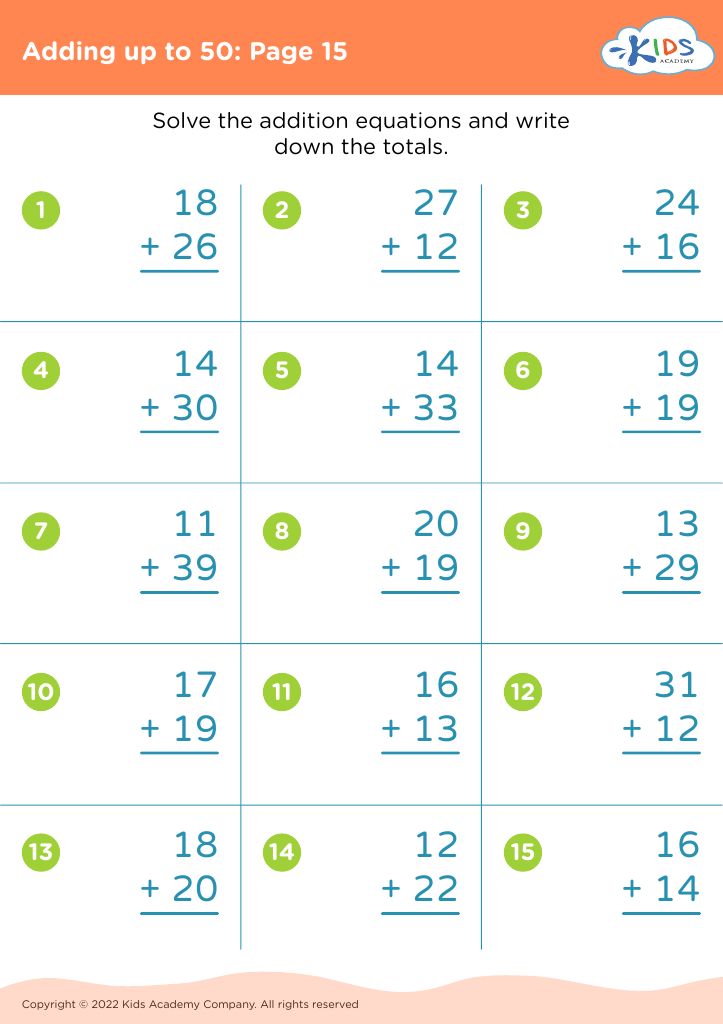
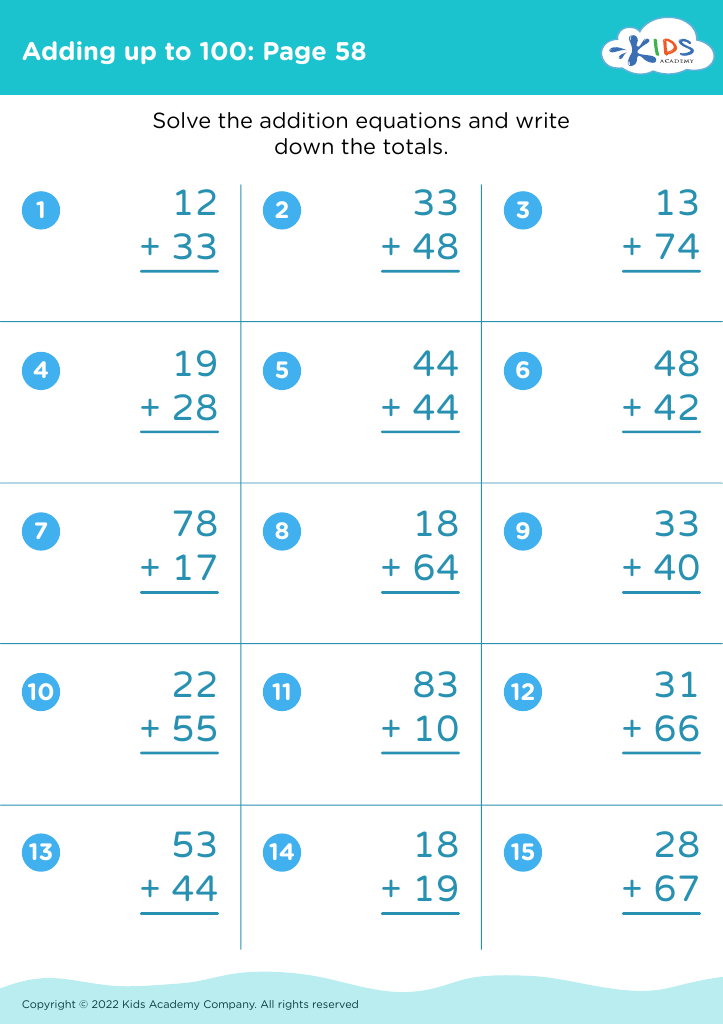








Understanding fraction identification and addition at early ages, particularly for children aged 4-9, is crucial for several reasons. First, foundational math skills developed during these formative years serve as building blocks for more complex mathematical concepts later on. Fractions represent part-to-whole relationships, enabling children to comprehend division and ratios down the line.
By introducing fraction identification, children learn to distinguish between different parts of a whole, nurturing their ability to solve real-life problems. Engaging with fractions also fosters critical thinking skills as children compare and contrast different values, enhancing their overall cognitive development.
Additionally, integrating fraction addition into early education promotes collaborative learning. Activities that involve sharing, such as combining slices of pizza or fruits, captivate young learners’ interest and demonstrate how math applies in everyday life. This relevance heightens motivation and engagement in the learning process.
Working on these skills encourages parents and teachers to create a supportive learning environment, reinforcing the idea that math can be fun and accessible. Ultimately, early mastery of fractions not only prepares children for future academic success but also cultivates a positive attitude towards mathematics as a whole.








