Recognize shapes Addition Worksheets for Ages 4-9
9 filtered results
-
From - To
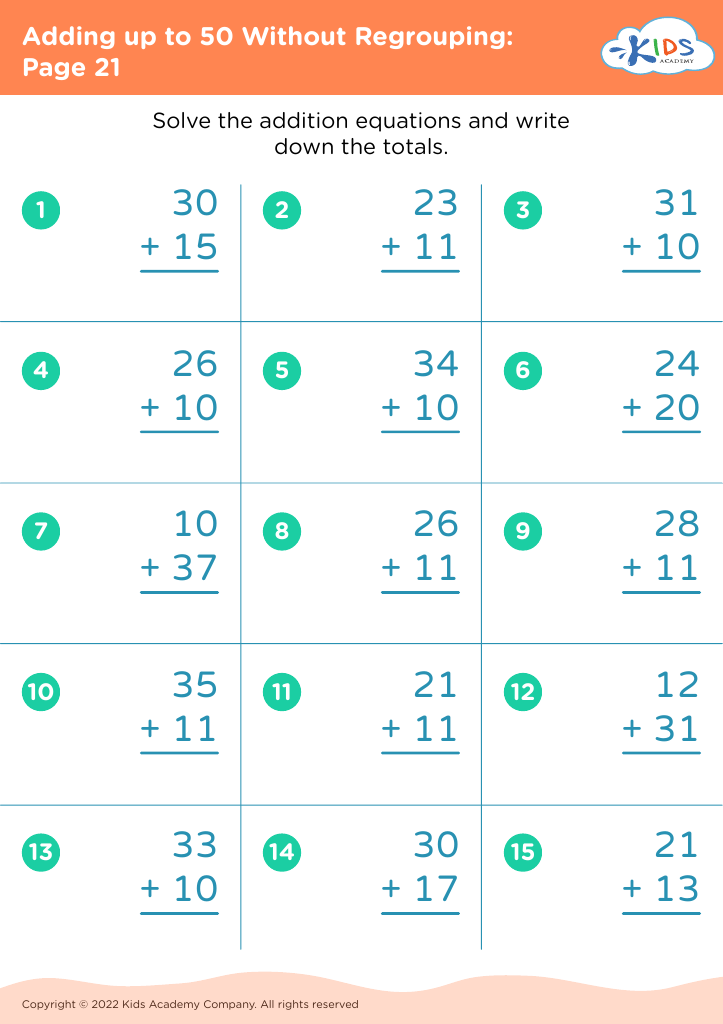
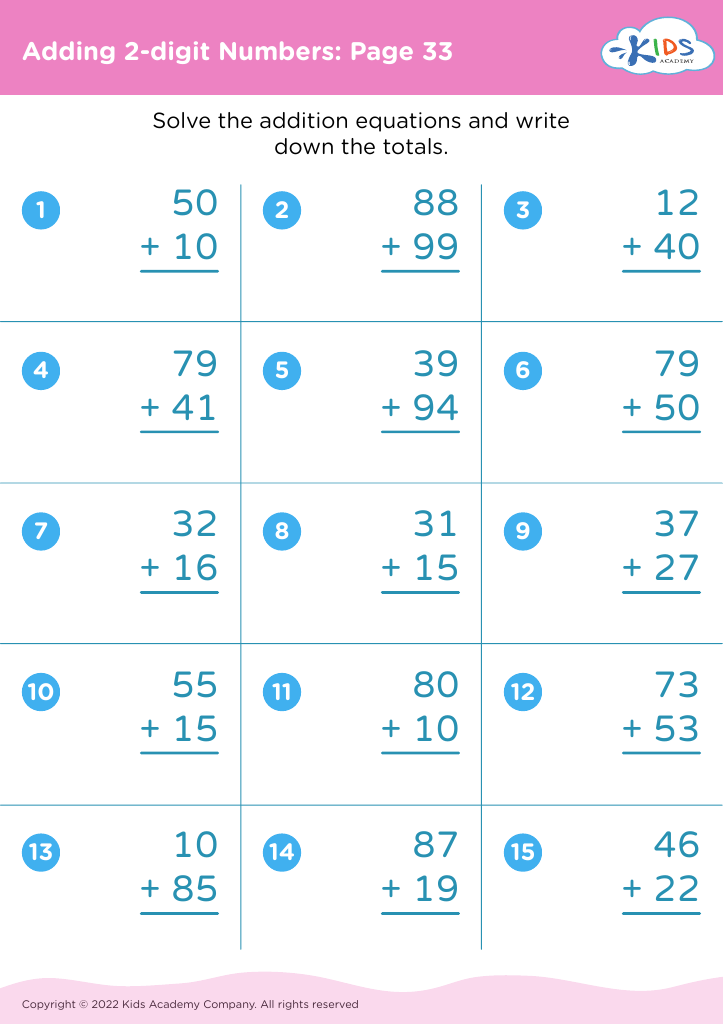
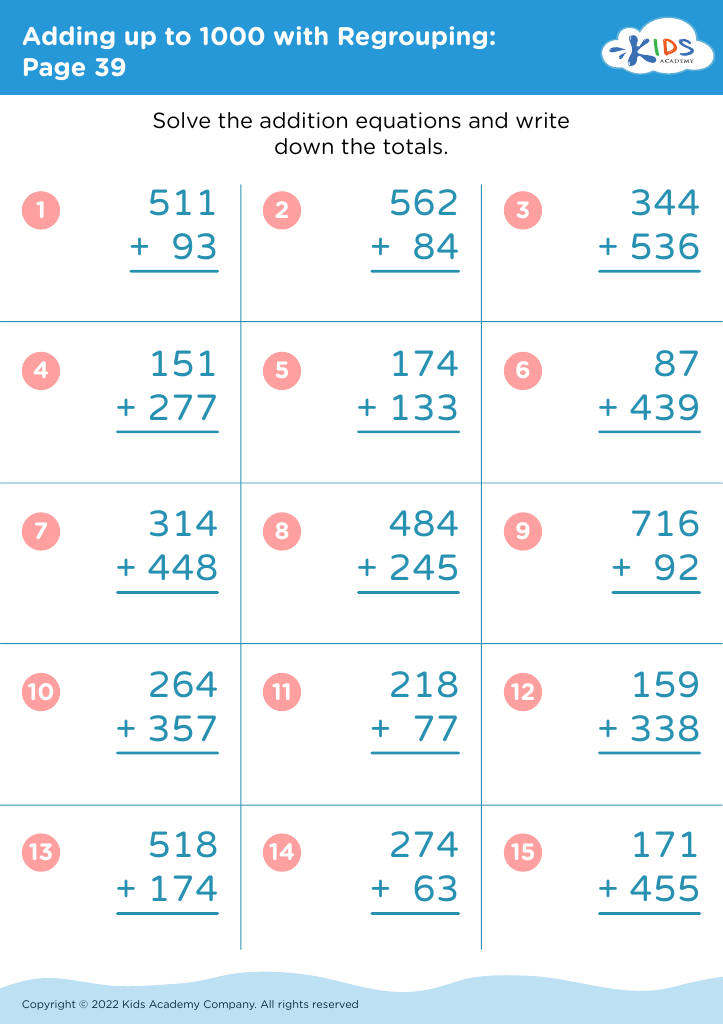
Introduce your child to fun and interactive learning with our "Recognize Shapes Addition Worksheets" designed for ages 4-9. These expertly crafted worksheets seamlessly combine shape recognition with basic addition practice, making math enjoyable and engaging. Perfect for young learners, they help develop essential math skills and spatial awareness while fostering a love for learning. Each worksheet offers a variety of activities that challenge children to identify geometric shapes and solve simple addition problems. Great for classroom use or at-home practice, our worksheets make it easy and fun to build a strong mathematical foundation for your child’s future success.
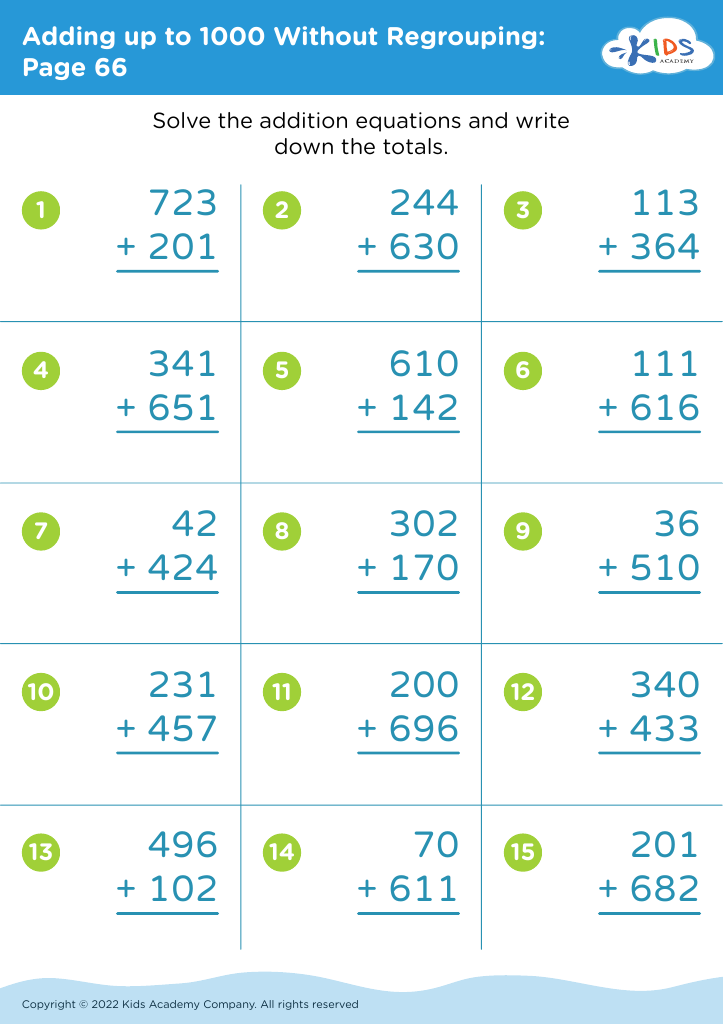
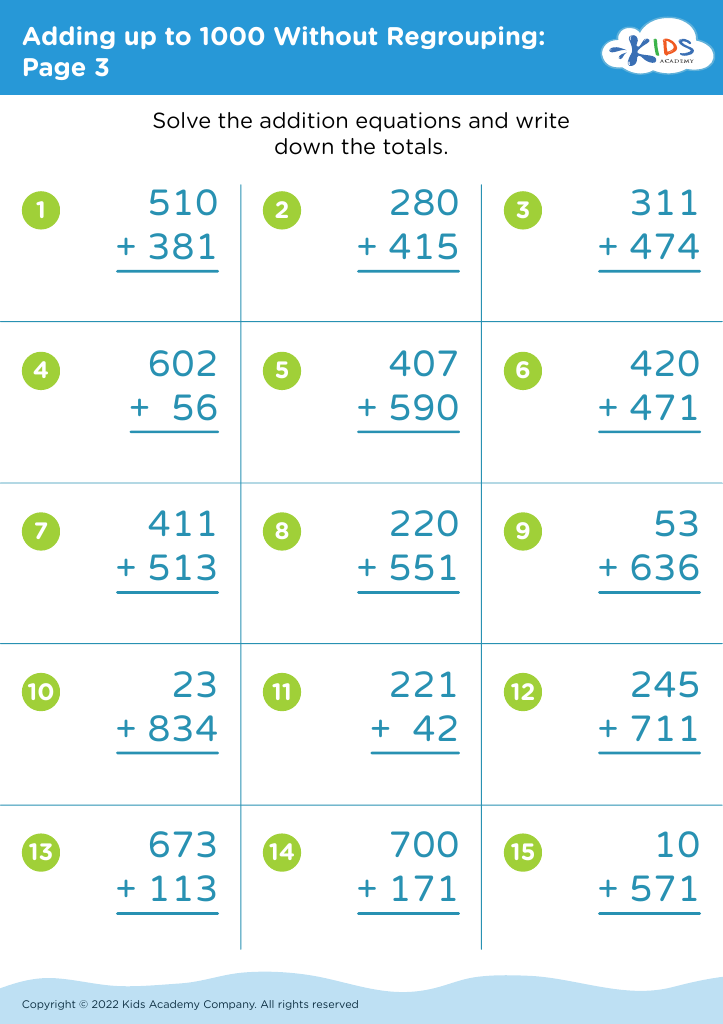
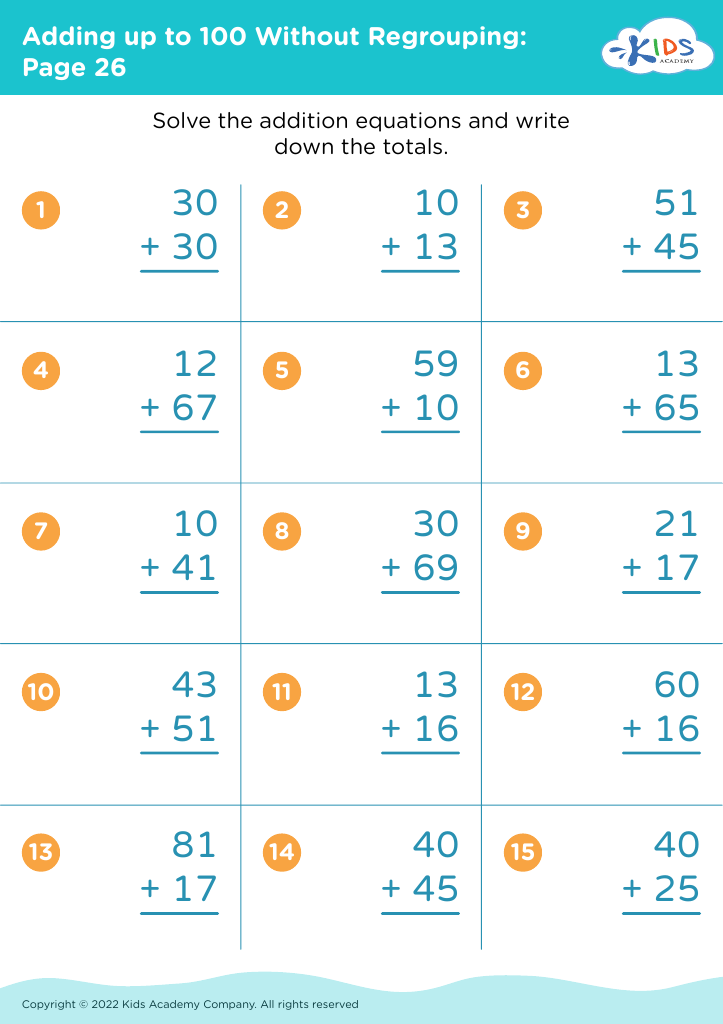
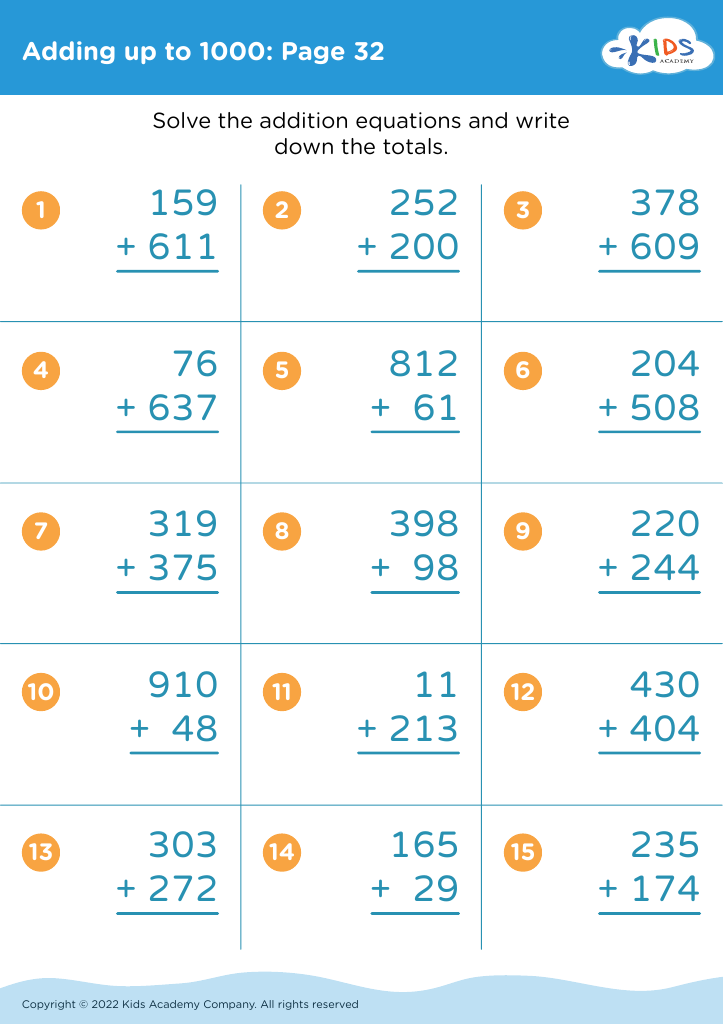
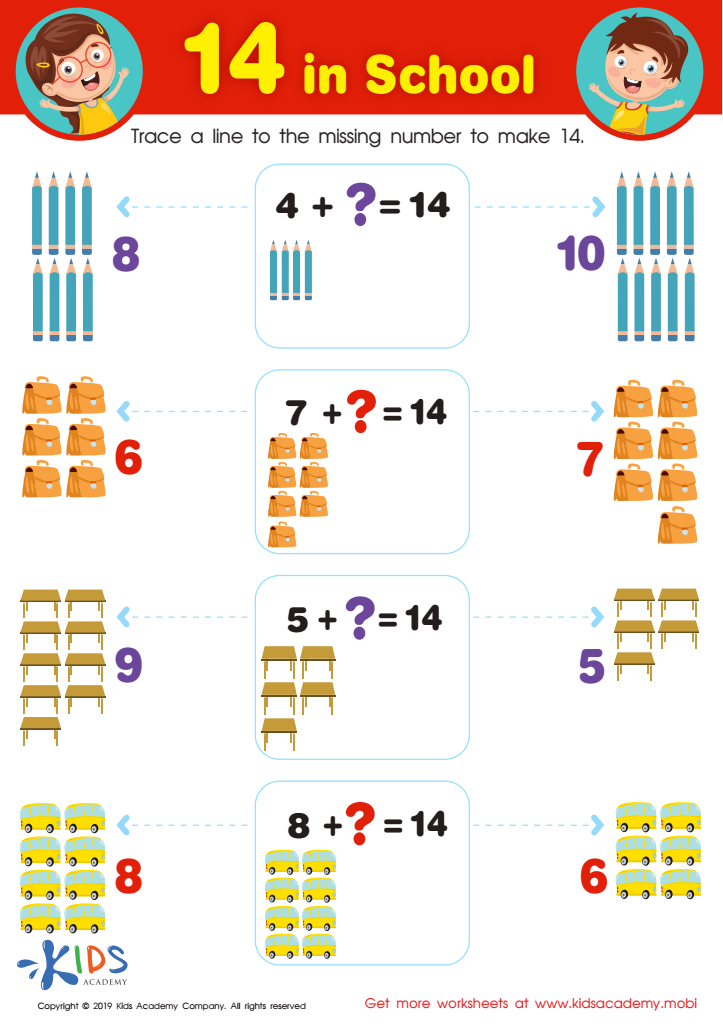
14 in School Worksheet
 Assign to My Students
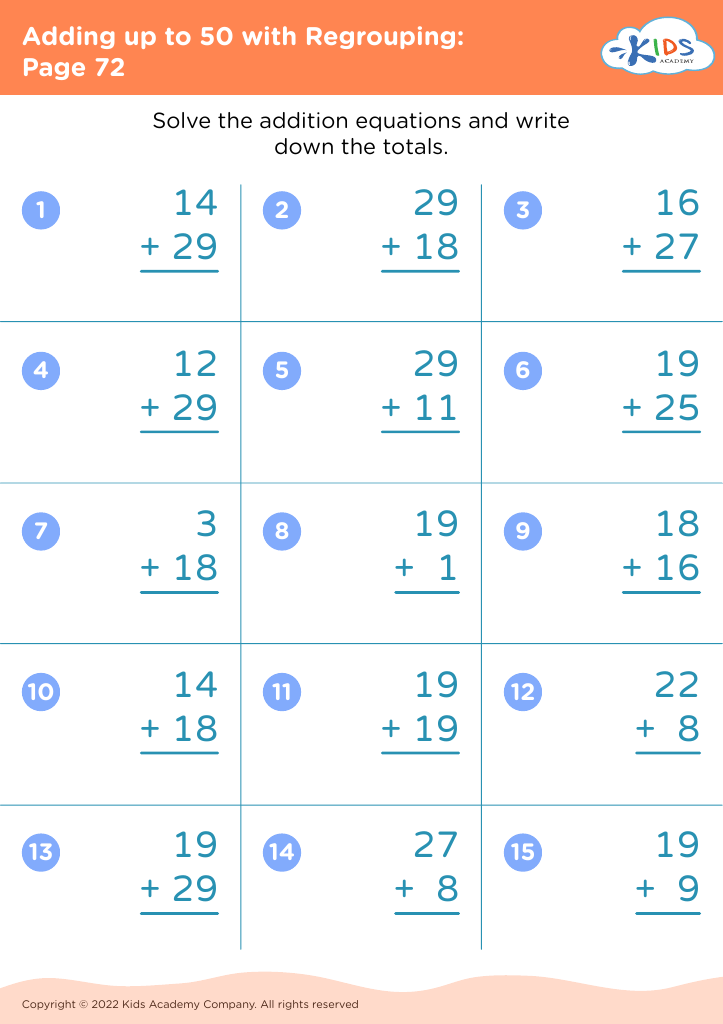








Understanding and recognizing shapes, along with mastering basic addition, is fundamental for children aged 4-9. These foundational skills are crucial for their cognitive and academic development. Shapes help young learners comprehend and categorize the world around them, enhancing their spatial awareness and visual processing. When children can recognize shapes, they develop an understanding of geometry, which is essential in various real-life contexts and advanced math concepts.
Addition, on the other hand, introduces children to the basic principles of mathematics and equips them with necessary problem-solving skills. Learning to add helps children understand numerical relationships and develop logical thinking, both of which are crucial for higher-level math and everyday tasks.
For parents and teachers, ensuring that children grasp these basics is important. Early mathematical success boosts children's confidence and encourages a positive attitude toward learning. Moreover, proficiency in these areas often correlates with better academic performance in later years.
Engaging in activities that incorporate shapes and addition also nurtures a child’s curiosity and fosters a love for learning. By effortlessly connecting fun with education, parents and teachers can lay down a strong foundation that supports future academic achievements and practical life skills. Consequently, efforts to teach these concepts at an early age can lead to long-lasting benefits.








