Recognizing numbers Addition Worksheets for Ages 4-9
4 filtered results
-
From - To
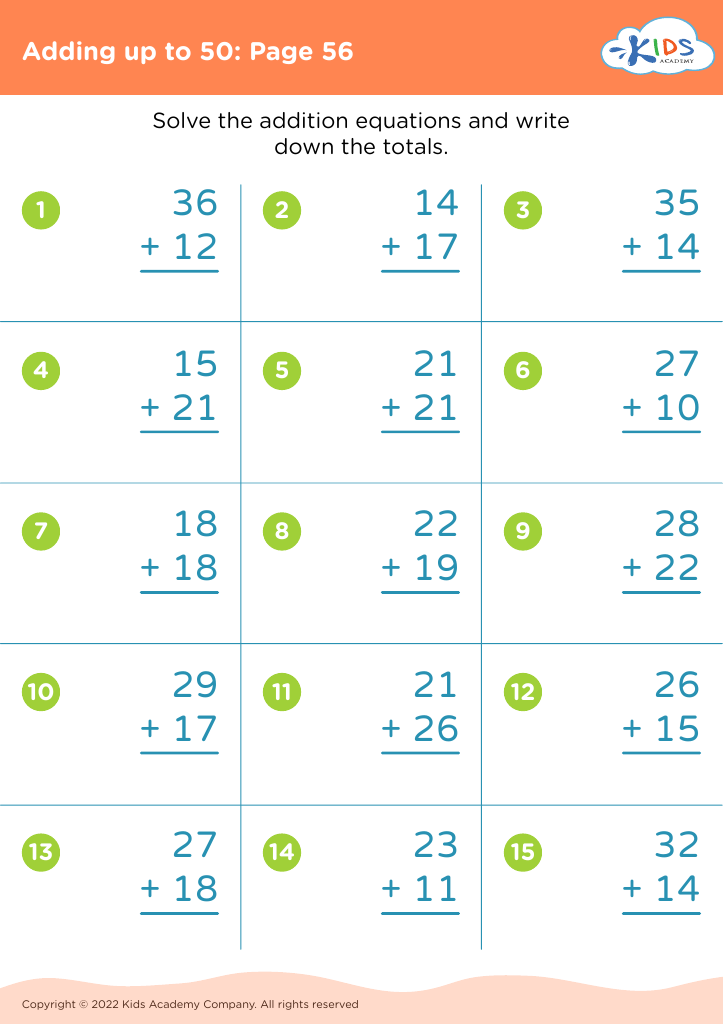
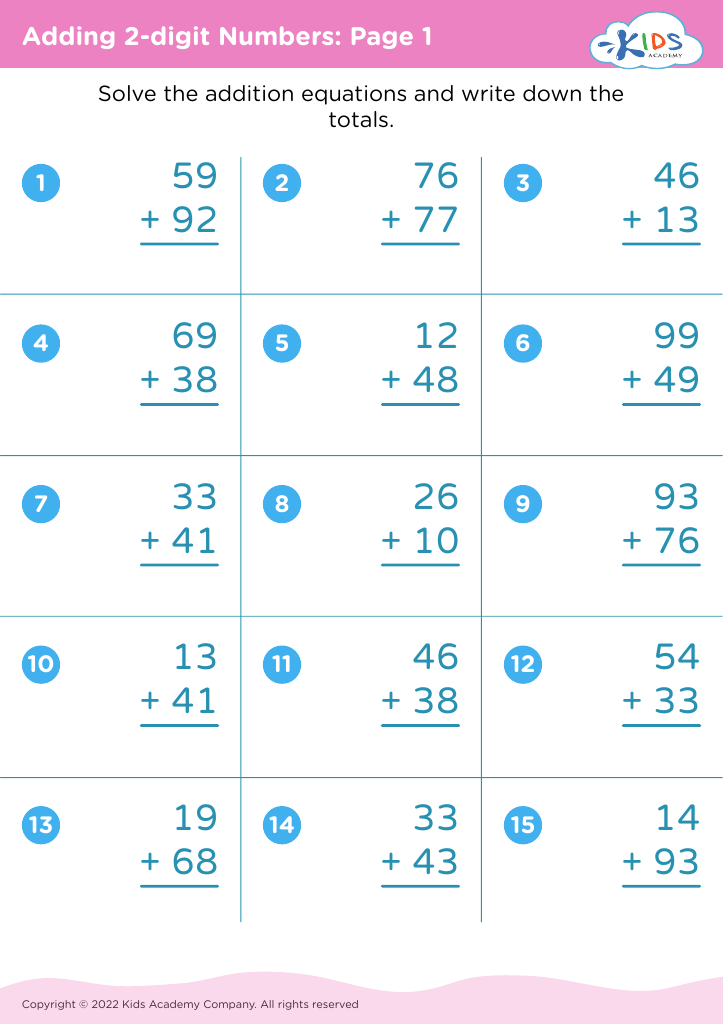
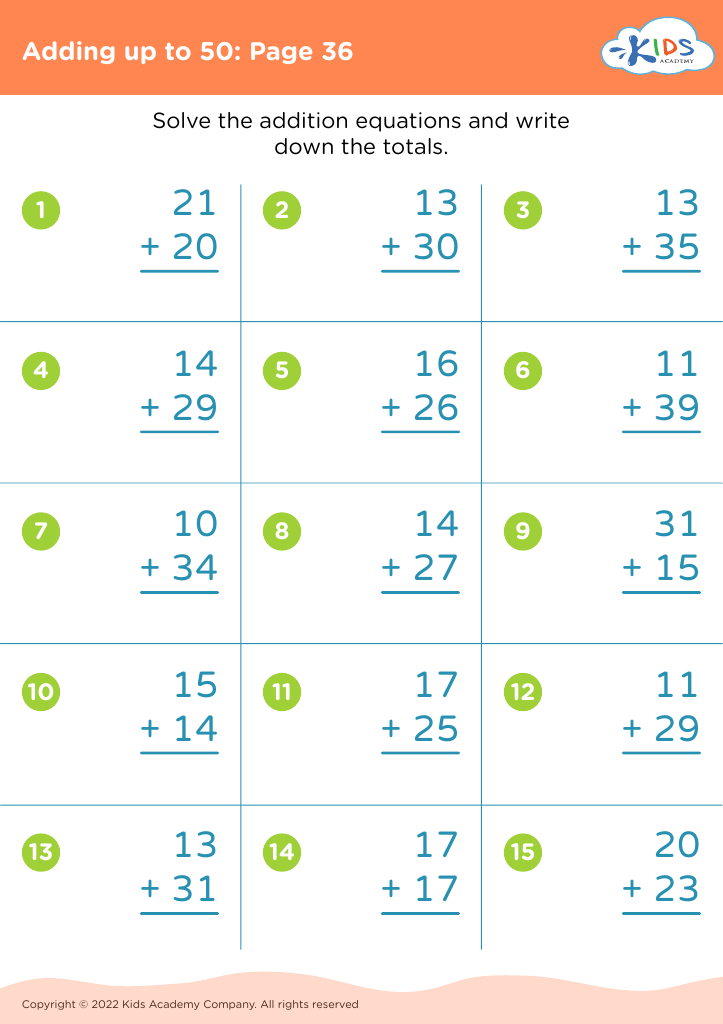
Our "Recognizing Numbers Addition Worksheets for Ages 4-9" offer an engaging and educational tool to help young learners master essential math skills. Featuring colorful, fun, and age-appropriate activities, these worksheets help children from ages 4 to 9 recognize numbers and build a solid foundation in addition. Designed to support your child's learning journey, our worksheets combine visual learning with practical exercises, making math both accessible and enjoyable. Perfect for home or classroom use, they encourage confidence and a positive attitude towards math. Spark your child's curiosity and boost their arithmetic skills with these thoughtfully designed resources.
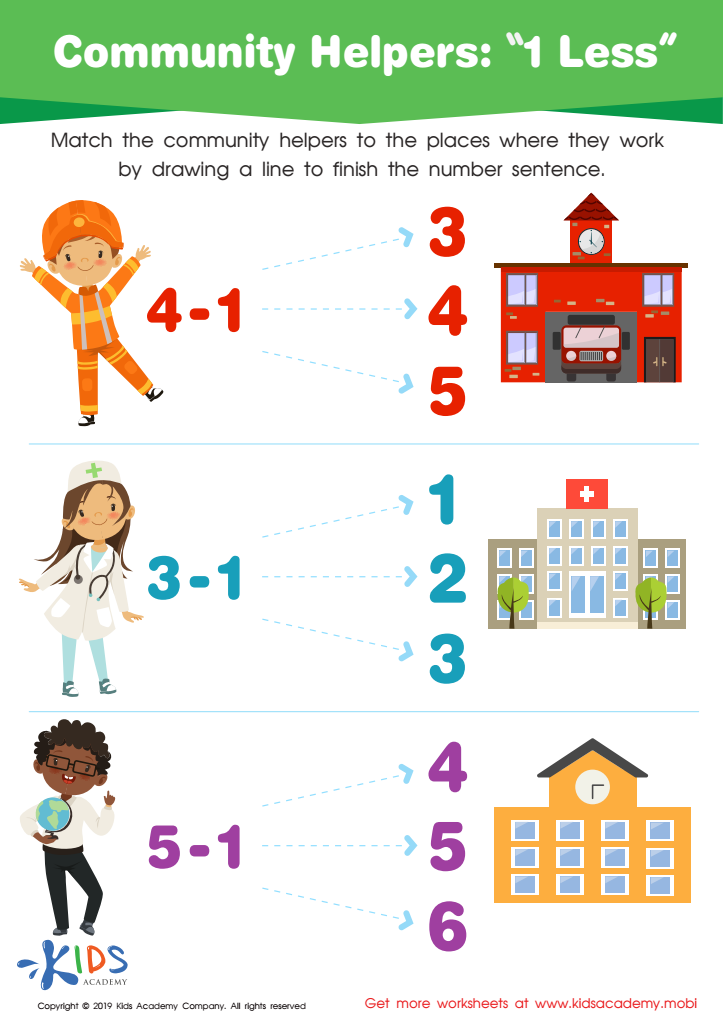
Community Helpers: 1 less Worksheet
 Assign to My Students








Recognizing numbers and understanding addition are foundational skills critical for children aged 4-9, setting the stage for future math success and numerous life skills. For parents and teachers, nurturing these skills during early years is vital.
First, mastering numerical recognition helps kids identify numbers in everyday life, enhancing their observations and interactions with the world. Whether reading a clock, dialing a phone, or recognizing page numbers in a book, these skills promote everyday functionality and self-reliance.
Addition, being one of the basic arithmetic operations, forms the cornerstone of all subsequent math education. Acquiring this skill early helps children develop logical thinking and problem-solving abilities staying essential all through education and beyond. Concepts such as counting and combining sets improve cognitive flexibility and help develop essential critical thinking pathways in their brains.
Struggles with fundamental math skills early on can lead to math anxiety or a negative attitude towards the subject later in life. Cultivating a positive experience early helps build confidence that translates into a love for math and learning.
Therefore, as integral figures in children’s educational journey, parents and teachers must prioritize these skillsets, opening doors to a world of exploration, curiosity, engagement, and lifelong learning.








