Color Identification Geometry Worksheets for Ages 4-9
5 filtered results
-
From - To
Discover our engaging Color Identification Geometry Worksheets designed for children aged 4-9! Perfect for integrating essential math skills with vibrant colors, these worksheets help young learners recognize geometric shapes and enhance their color vocabulary. Each activity focuses on identifying colors within various shapes, making learning fun and interactive. Versatile and easy to use, these printable resources cater to diverse learning styles while promoting critical thinking and creativity. Encourage your child's love for math and art with our thoughtfully crafted worksheets, specially created to foster a strong foundation in geometry and color recognition. Start your child's learning journey today!
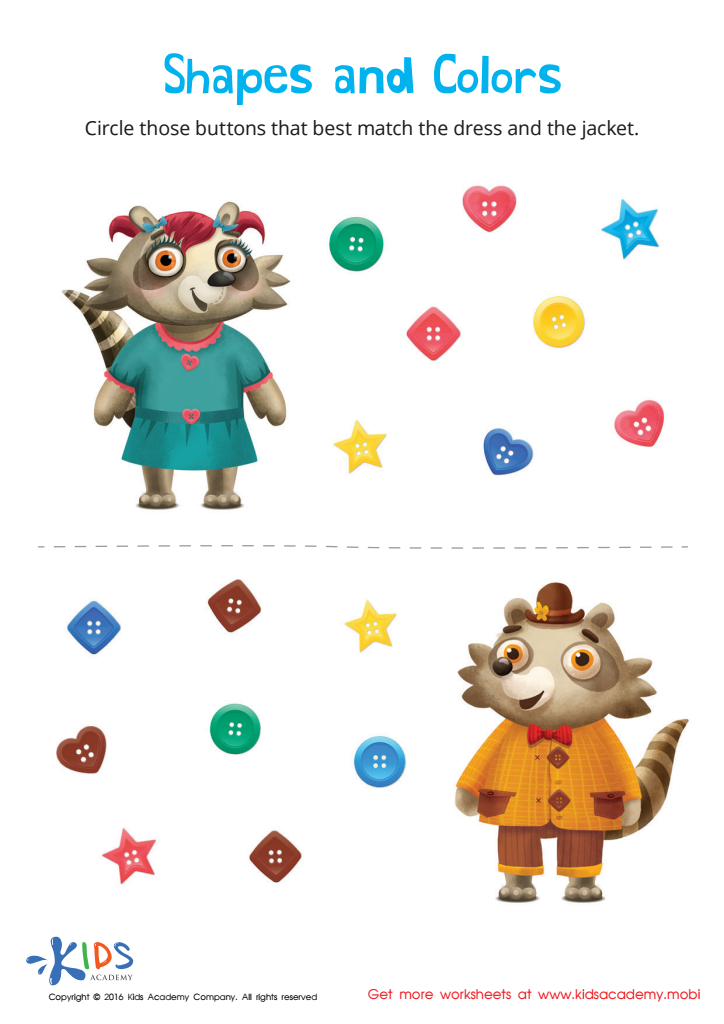
Matching: Shapes and Colors Worksheet











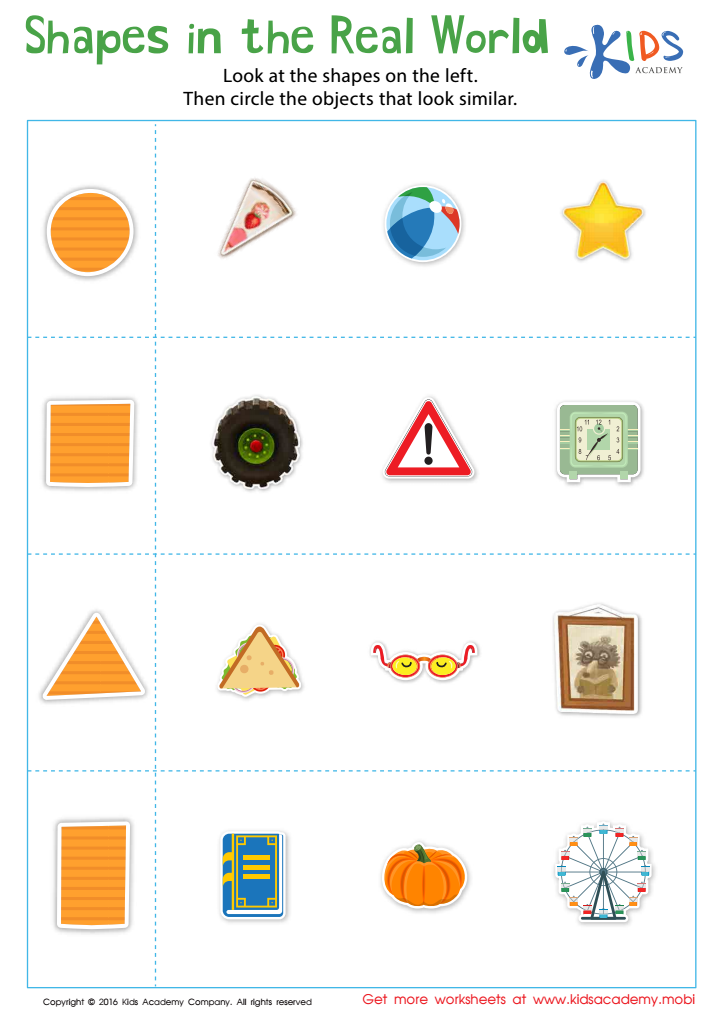
Shapes in the Real World Worksheet
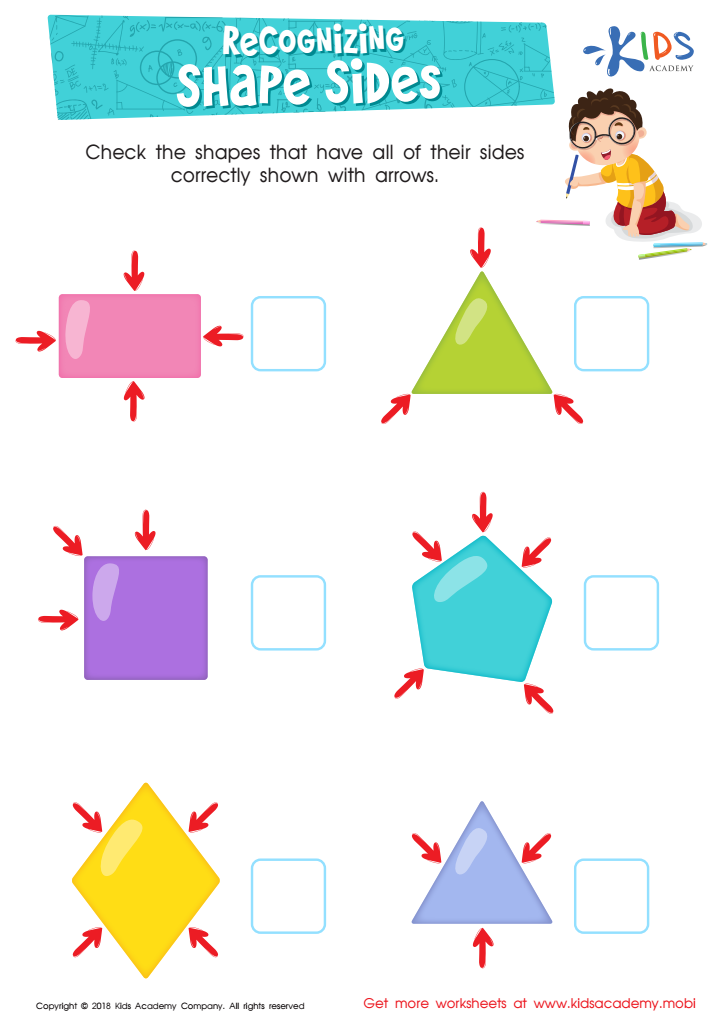
Recognizing Shape Sides Worksheet
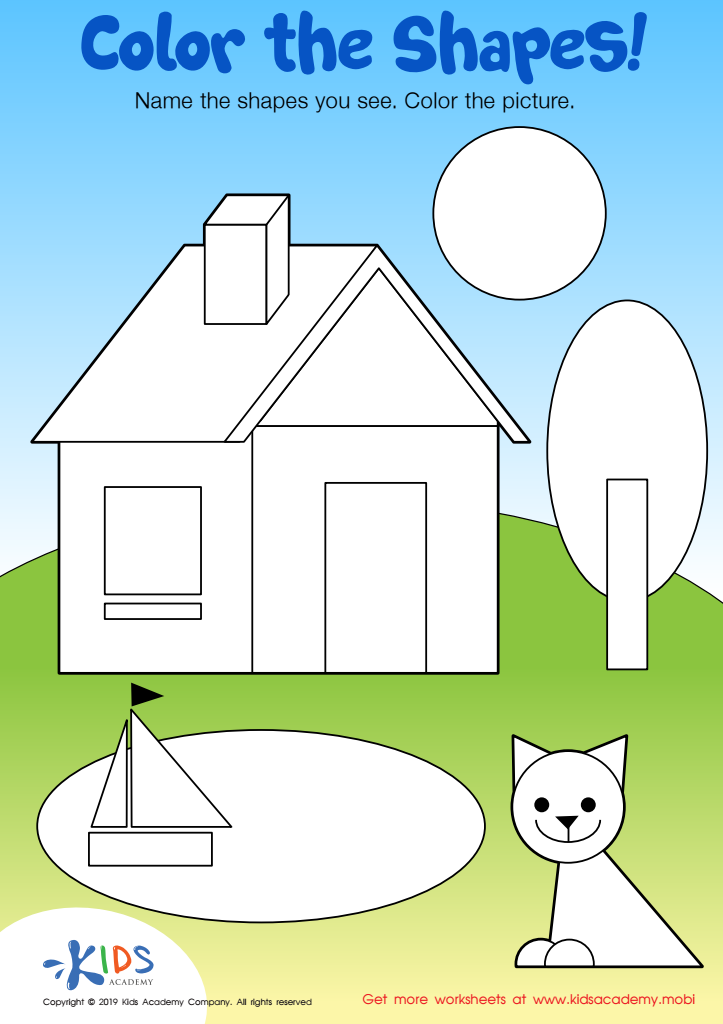
Color the Shapes Worksheet
 Assign to My Students
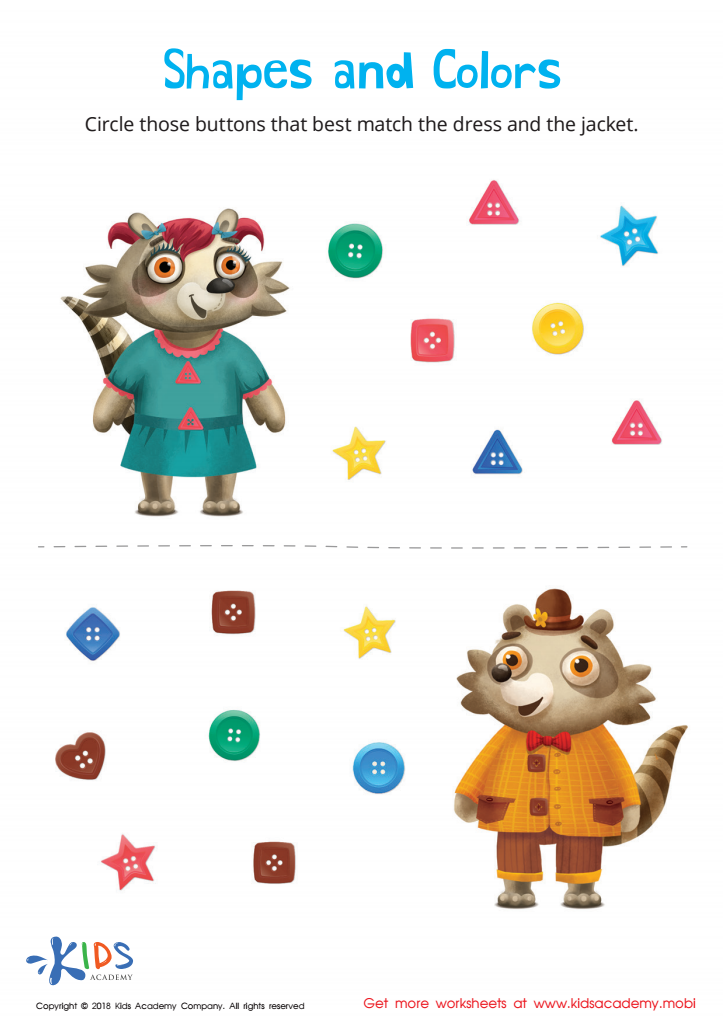
Shapes and Colors Worksheet








Color identification and geometry are fundamental areas of learning for children aged 4-9, laying essential foundations for cognitive development and critical thinking. Understanding colors enhances a child’s ability to express themselves, engage with their environment, and develop early observational skills. It promotes creativity and communication, as children learn to attribute meaning to colors and categorize objects based on them.
Meanwhile, introducing geometry at this stage nurtures spatial awareness, problem-solving skills, and logical thinking. Concepts like shapes, sizes, and spatial relationships help young learners understand the world around them. For example, building with blocks or identifying shapes in their environment encourages fine motor skills and coordination.
Integrating color identification with geometry creates a rich, multisensory learning experience. Activities such as sorting colored shapes or engaging in color-themed geometric crafts combine fun with educational value. This approach fosters a deeper engagement, making learning enjoyable and meaningful.
Ultimately, teachers and parents play a vital role in supporting this development. Recognizing and reinforcing these concepts at an early age not only enhances academic readiness but also builds a solid foundation for lifelong learning and appreciation for the arts and sciences in children.








